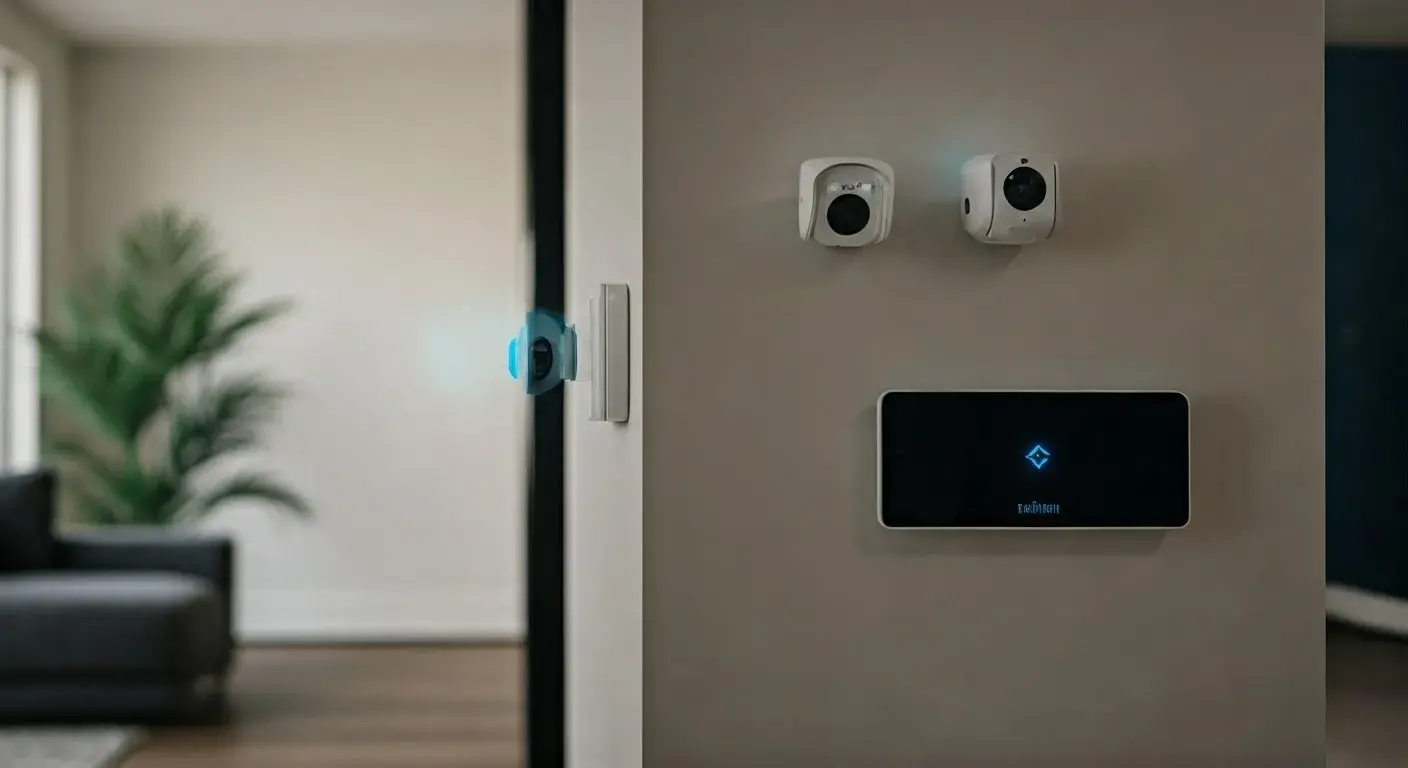
Discover the true cost of a Vivint home security system with our comprehensive breakdown. We'll detail equipment, monitoring, installation, and financing, empowering you to make the smartest choice for your home and budget in 2025-26.
Understanding Vivint Home Security System Costs
When considering a home security system, particularly one from a reputable provider like Vivint, understanding the associated costs is paramount. Many homeowners are drawn to Vivint's advanced technology, professional monitoring, and integrated smart home features, but the question of "how much does it cost?" frequently arises. This comprehensive guide aims to demystify the pricing structure of Vivint home security systems for 2025-26, breaking down every component from initial hardware purchases to ongoing monthly service fees. We'll explore the various factors that influence the total investment, compare it to industry averages, and offer strategies to help you save money without compromising on security. Our goal is to provide a transparent and detailed cost breakdown, enabling you to make an informed decision that aligns with your security needs and financial comfort.
The Initial Equipment Investment
The first significant cost associated with a Vivint home security system is the upfront investment in the hardware. Vivint offers a range of equipment packages, from basic security setups to comprehensive smart home integrations. The price of these packages can vary widely depending on the number and type of devices you choose. It's important to note that Vivint typically doesn't require a massive upfront payment for all equipment, often bundling it into monthly payments over a contract term. However, understanding the retail value of these components is crucial for a complete cost picture.
Core Security Components
Every Vivint system begins with essential security devices. These are the foundational elements that provide basic protection for your home.
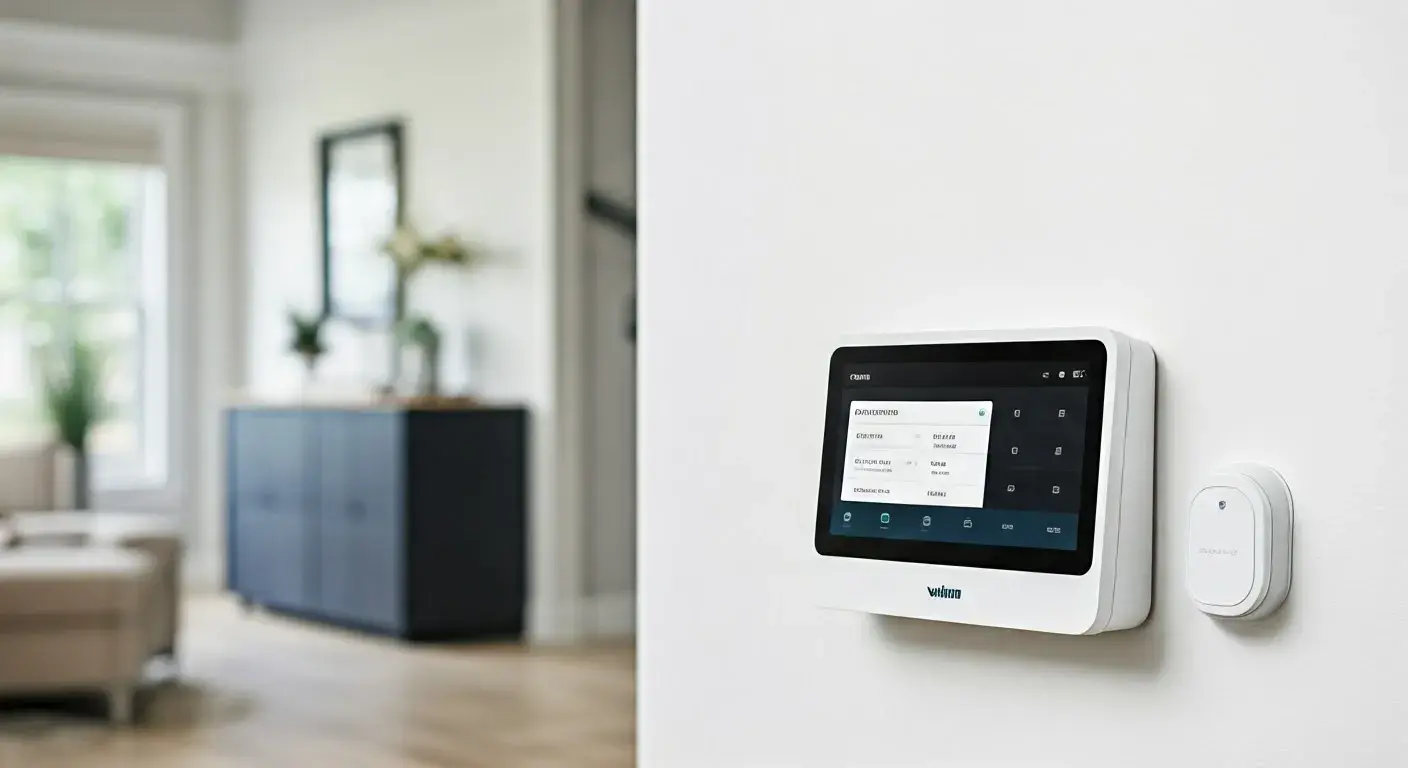
- Smart Hub/Control Panel: This is the brain of your Vivint system. It allows you to arm and disarm your system, manage devices, and receive alerts. Vivint's panels are typically touchscreen and offer advanced features. The cost for a Vivint Smart Hub can range from $300 to $600, depending on the model and any bundled promotions.
- Door/Window Sensors: These small, discreet sensors are placed on doors and windows. When a door or window is opened, they trigger an alert. A basic package might include 4-6 sensors. Individually, these sensors retail for approximately $30-$50 each.
- Motion Detectors: These devices detect movement within a room, providing an additional layer of security. They are particularly useful for covering larger areas or identifying intruders who bypass door/window sensors. Vivint motion detectors cost around $50-$70 each.
- Key Fob/Remote: A convenient way to arm and disarm your system without needing to access the control panel. These typically cost around $30-$50.
Smart Home Integration Devices
Vivint excels in integrating security with smart home automation. Adding these devices will increase the initial cost but enhance convenience and functionality.
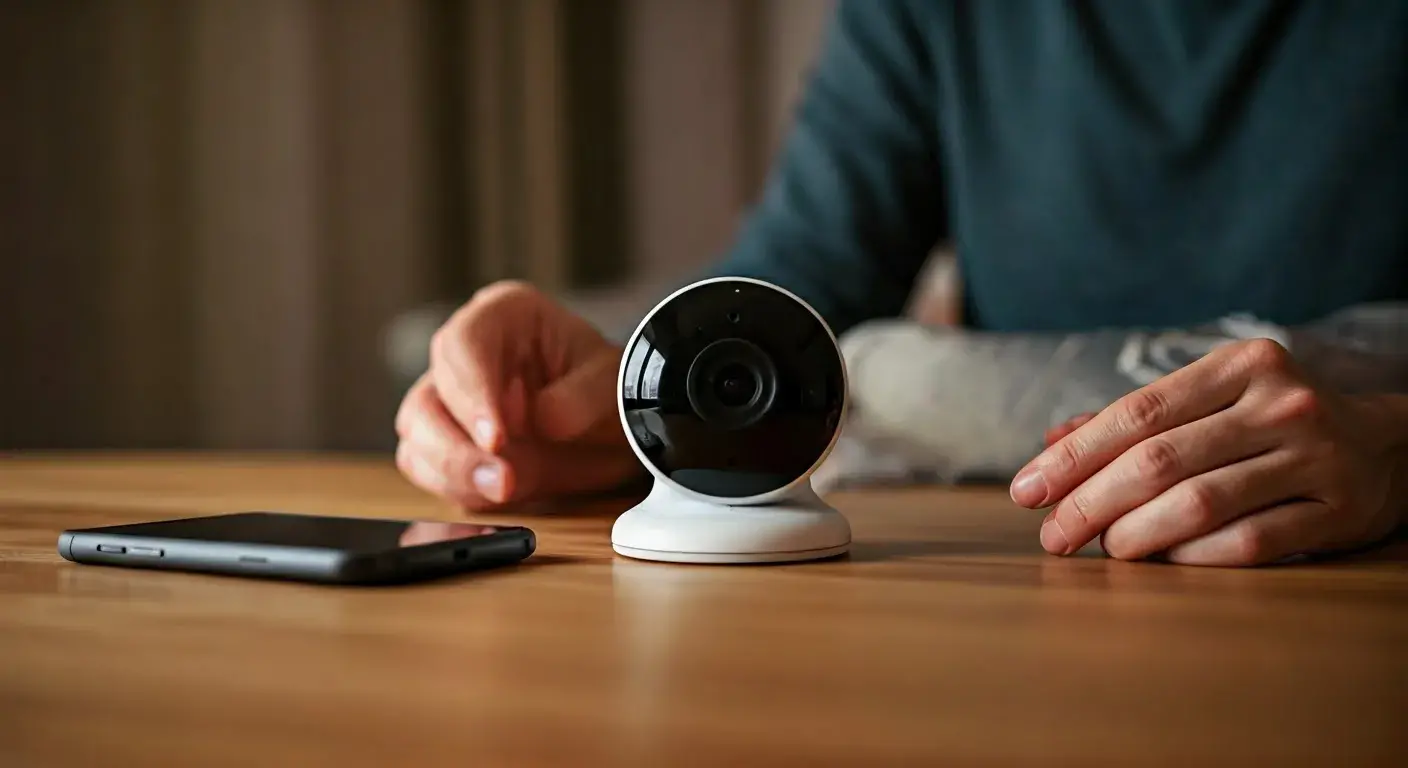
- Smart Indoor/Outdoor Cameras: Vivint offers high-definition cameras with features like night vision, two-way audio, and motion detection. Indoor cameras might range from $150-$250, while outdoor cameras, often more robust and weatherproof, can cost $200-$350.
- Video Doorbell: Allows you to see and speak to visitors at your door from anywhere via your smartphone. These typically cost between $150-$250.
- Smart Locks: Control your door locks remotely, grant temporary access, and receive notifications. Smart locks can add $150-$250 to your system's cost.
- Smart Thermostat: Integrates with your security system for energy savings and remote control. These can cost $150-$250.
- Smart Lighting: Control lights remotely, set schedules, and automate them with your security system. Smart bulbs or switches can range from $50-$100 each.
- Garage Door Controller: Allows you to open and close your garage door remotely. These typically cost around $100-$150.
Example Package Costs (Estimates for 2025-26)
Vivint often bundles these components into packages. While exact pricing is subject to promotions and customization, here are some illustrative examples:
- Vivint Starter Package: Includes Smart Hub, 2 door/window sensors, 1 motion detector, 1 key fob. Estimated retail value: $500 - $800.
- Vivint Smart Home Package: Includes Smart Hub, 4 door/window sensors, 1 motion detector, 1 video doorbell, 1 indoor camera. Estimated retail value: $1000 - $1500.
- Vivint Premium Security & Smart Home Package: Includes Smart Hub, 6 door/window sensors, 2 motion detectors, 1 outdoor camera, 1 video doorbell, 1 smart lock, 1 smart thermostat. Estimated retail value: $1800 - $2500+.
It's crucial to remember that Vivint often finances this equipment over a 3-5 year period, meaning you won't pay the full retail value upfront. The monthly payment for equipment is a significant part of the overall Vivint cost. For instance, a system with a $1500 retail equipment value financed over 42 months might add $30-$40 per month to your bill.
Monthly Monitoring Plans: What You Get
Beyond the initial hardware, the recurring cost of Vivint's service is the monthly monitoring fee. This fee covers the professional monitoring of your security system, ensuring that if an alarm is triggered, Vivint's 24/7 monitoring center is alerted and can dispatch emergency services if necessary. Vivint offers tiered plans, with the most common ones focusing on security and smart home integration.
Vivint Smart Security Plan
This is Vivint's foundational plan, designed for homeowners primarily focused on security.
- Features:
- 24/7 professional monitoring
- Burglary detection
- Fire and carbon monoxide detection
- Medical emergency alerts
- Mobile app control (arm/disarm, receive alerts)
- Remote key fobs
- 24/7 technical support
- Estimated Cost (2025-26): $29.99 - $39.99 per month.
Vivint Smart Home Security Plan
This plan builds upon the Smart Security Plan by adding comprehensive smart home control and video features.
- Features:
- All features of the Smart Security Plan
- Live video streaming from cameras
- Video recording (typically cloud storage for a limited number of events/cameras)
- Smart home device control (locks, thermostats, lighting, garage doors)
- Mobile alerts for all system events
- Integration with services like Amazon Alexa and Google Assistant
- Estimated Cost (2025-26): $49.99 - $59.99 per month.
Additional Costs for Video Services
While the Smart Home Security Plan includes some video capabilities, advanced video features or supporting more cameras might incur additional charges.
- Additional Camera Monitoring: If you have more than one or two cameras, Vivint may charge an extra $5-$10 per month per additional camera for enhanced cloud storage or features. This is becoming more common as consumers add multiple cameras to their systems.
- Extended Video Storage: Standard plans usually offer limited cloud storage (e.g., 30 days for a certain number of events). If you require longer storage or more comprehensive recording, there could be an additional fee, potentially $5-$10 per month for extended plans.
What the Monthly Fee Covers
The monthly fee is not just for a siren and sensors. It's for a robust service that includes:
- 24/7 Professional Monitoring: Trained professionals who respond to alarms.
- Central Station Operations: The infrastructure and personnel to handle thousands of alerts.
- Cellular Backup: Most Vivint systems use cellular communication, which is more reliable than Wi-Fi alone, ensuring your system communicates even if your internet is down.
- Software Updates: Vivint continuously updates its app and panel software to improve functionality and security.
- Customer Support: Access to technical support for troubleshooting.
It's essential to clarify what is included in the chosen plan, especially regarding the number of cameras and the extent of video storage, as these can significantly impact the total monthly expenditure.
Installation Options and Fees
Vivint is known for its commitment to professional installation. This means they send a trained technician to your home to set up and configure your entire system, ensuring everything works correctly and you understand how to use it. This contrasts with many DIY security systems where you install everything yourself.
Professional Installation
Vivint's standard offering is professional installation.
- Process: A Vivint technician will visit your home at a scheduled time. They will discuss placement of sensors, cameras, and the control panel, run any necessary wiring (though most components are wireless), connect the system to your Wi-Fi and cellular network, and test all components. They will also walk you through using the system via the control panel and the mobile app.
- Cost: The cost for professional installation can vary. Historically, Vivint has offered free installation as a promotion, especially when signing a longer contract (e.g., 42 or 60 months). However, without such promotions, or for shorter contract terms, there might be an installation fee ranging from $100 to $200. This fee is often rolled into the monthly payments, meaning you might not pay it directly upfront.
DIY Installation (Limited Options)
While Vivint primarily focuses on professional installation, there might be very limited scenarios or older systems where a customer could theoretically install some components themselves. However, this is not the standard Vivint model and is generally not recommended for ensuring optimal system performance and security. For the vast majority of users, professional installation is the only option and is included in the overall service package, either directly or indirectly through financing.
Self-Installation Considerations
If you are considering self-installation for cost savings, it's important to weigh the pros and cons.
- Pros: Potential to save on installation fees.
- Cons:
- Complexity: While many components are wireless, proper placement and configuration are critical for effectiveness.
- Warranty/Support: Vivint's support and warranty might be tied to professional installation.
- System Performance: Incorrect installation can lead to false alarms, connectivity issues, or reduced sensor range.
- Smart Home Integration: Setting up complex smart home automations requires expertise.
Given Vivint's emphasis on a seamless, integrated experience, the professional installation fee, if applicable, is often seen as an investment in ensuring the system functions as intended from day one. Always clarify the installation fee policy and contract terms with your Vivint sales representative.
Financing and Payment Options
Vivint understands that the upfront cost of a comprehensive security system can be substantial. To make their services more accessible, they offer flexible financing and payment options. This is a key aspect of their pricing model and a major reason why many customers perceive Vivint as having a monthly payment structure rather than a large upfront purchase.
Vivint Financing Program
Vivint's primary financing option is their in-house program, which allows you to spread the cost of your equipment over a contract term.
- Contract Lengths: Vivint typically offers contract lengths of 3, 4, or 5 years (42 or 60 months are common). The longer the contract, the lower your monthly equipment payment will be.
- Equipment Costs: As discussed earlier, the total retail value of your chosen equipment is divided by the number of months in your contract. For example, a system with $1200 in equipment, financed over 42 months, would add approximately $28.57 per month to your bill ($1200 / 42).
- Credit Check: Approval for Vivint's financing program is subject to a credit check. Customers with excellent credit may qualify for the most favorable terms.
- No Interest (Typically): The financing program is often structured as a lease-to-own or installment plan where you don't pay interest on the equipment. You are essentially paying for the equipment over time as part of your monthly service fee. However, it's crucial to read the contract carefully to understand all terms.
Upfront Payment Option
For customers who prefer to own their equipment outright and avoid long-term contracts, Vivint may offer an option to purchase the equipment upfront.
- Benefits: You own the equipment immediately, and you are not tied to a multi-year service contract for the equipment's cost. You can then choose a month-to-month monitoring plan (if available) or a shorter contract for monitoring services.
- Considerations: This requires a significant lump sum payment, which can be tens of thousands of dollars for a comprehensive system. This option is less common and often less promoted than their financing program.
Payment Methods
Vivint accepts various payment methods for your monthly bills, which typically include both the equipment financing and the monitoring service fee.
- Automatic Bank Withdrawal (ACH): This is the most common and often preferred method, ensuring payments are made on time.
- Credit/Debit Cards: Vivint usually accepts major credit and debit cards.
- Online Portal: You can manage your account and make payments through the Vivint customer portal.
Understanding the Contract
The Vivint contract is a critical document. It outlines the terms of your equipment financing, the duration of your monitoring service, cancellation policies, and any associated fees.
- Contract Length: Be aware of whether you are signing a 3, 4, or 5-year contract.
- Cancellation Policy: Understand the penalties or fees associated with early termination. Vivint often allows you to buy out the remaining equipment balance if you wish to cancel early.
- Equipment Ownership: Clarify when you officially own the equipment. In most financing scenarios, you own it after the contract term is completed.
By understanding these financing and payment options, you can better gauge the total cost of ownership and choose the plan that best fits your financial situation.
Factors Influencing Vivint Costs
The total cost of a Vivint home security system is not a fixed number. Several variables can influence how much you ultimately pay, both initially and on a monthly basis. Understanding these factors will help you customize a system that meets your needs and budget.
System Size and Complexity
This is perhaps the most significant factor. The more devices you add to your system, the higher the initial equipment cost and potentially the monthly service cost if additional cameras or features are involved.
- Number of Sensors: A larger home or a home with many entry points will require more door/window sensors.
- Camera Placement: Deciding whether you need indoor cameras, outdoor cameras, or a video doorbell, and how many of each, directly impacts the equipment price.
- Smart Home Devices: Integrating smart locks, thermostats, lighting, and garage door openers adds to the overall equipment cost.
Contract Length
Vivint's financing model ties equipment costs to contract length.
- Longer Contracts (42-60 months): Result in lower monthly equipment payments.
- Shorter Contracts (e.g., 36 months or less, if available): Will have higher monthly equipment payments to compensate for the shorter financing period.
Promotions and Discounts
Vivint frequently offers promotions that can significantly reduce the overall cost.
- Free Installation: A common promotion that can save you $100-$200.
- Discounted Equipment: Package deals or discounts on specific devices.
- Service Discounts: Occasional offers on monthly monitoring fees, though these are less common.
- Bundling: Sometimes, bundling security with other services (if Vivint offers them in your area) might yield savings.
It's always advisable to ask about current promotions when you are getting a quote. These can change frequently.
Geographic Location
While Vivint's pricing is largely standardized, regional differences in labor costs or specific state regulations might have a minor impact on installation fees or service availability in extremely remote areas. However, for most residential customers, this is a minimal factor.
Add-on Services and Features
Beyond the standard security and smart home plans, certain add-ons can increase costs.
- Additional Camera Monitoring: As mentioned, if you exceed the camera limit in your plan.
- Professional Monitoring for specific events: While standard, some specialized services might have tiered pricing.
- Extended Warranties: Though Vivint's equipment is generally covered under their service agreement, specific extended warranty options might exist for certain components.
Customer Loyalty and Upgrades
Existing customers looking to upgrade their systems or add new equipment might be offered different pricing structures or promotions compared to new customers. Vivint often has programs for existing customers to refresh their equipment or add new smart home devices.
Credit Score
Your creditworthiness directly impacts your ability to finance the equipment. Customers with lower credit scores might be required to pay a larger upfront deposit or may not qualify for the most extended financing terms, leading to higher monthly payments or a smaller initial equipment package.
By carefully considering these factors and discussing them with a Vivint representative, you can tailor a system that provides robust security and smart home capabilities without exceeding your budget.
Vivint vs. Competitors: A Cost Analysis (2025-26)
When evaluating Vivint's cost, it's essential to compare it against other leading home security providers. Vivint often positions itself as a premium, integrated solution, which can sometimes translate to a higher price point than basic DIY systems but offers more comprehensive features and professional support.
Vivint's Positioning
Vivint is generally considered a mid-to-high-tier provider. Its strength lies in its seamless integration of security and smart home technology, professional installation, and 24/7 professional monitoring. This often means a higher monthly cost than companies that rely solely on DIY installation and self-monitoring or basic cellular monitoring.
Comparison Table: Vivint vs. Key Competitors (Estimated Monthly Costs for Similar Systems - 2025-26)
This table provides an estimated comparison for a system with a control panel, 4 door/window sensors, 1 motion detector, 1 video doorbell, and 1 indoor camera, including professional monitoring. Note that exact pricing varies greatly based on equipment selection, contract terms, and promotions.
| Provider | Estimated Equipment Cost (Financed Monthly) | Estimated Monitoring Fee (Monthly) | Total Estimated Monthly Cost | Key Differentiator |
|---|---|---|---|---|
| Vivint | $30 - $50 (Equipment financed over 42-60 months) | $30 - $60 (Includes smart home features/video) | $60 - $110 | Integrated smart home, professional install, advanced app. |
| ADT | $20 - $45 (Equipment financed over 36-60 months, can vary) | $35 - $60 (Depends on package, video may be extra) | $55 - $105 | Established brand, professional install, wide range of services. |
| SimpliSafe | $200 - $500+ (Upfront purchase, no financing) | $15 - $25 (Optional professional monitoring) | $15 - $25 + upfront equipment cost | DIY installation, no long-term contracts, flexible monitoring. |
| Ring Alarm Pro (Amazon) | $200 - $400+ (Upfront purchase) | $3 - $20 (Optional professional monitoring via Rapid Response) | $3 - $20 + upfront equipment cost | DIY, strong smart home integration with Alexa, optional monitoring. |
Key Takeaways from the Comparison
- Vivint's Value Proposition: Vivint's higher monthly cost often reflects the inclusion of professional installation, advanced smart home features integrated into their ecosystem, and a sophisticated mobile app experience. If you value a fully managed, high-tech solution, Vivint can be competitive.
- DIY vs. Professional: Companies like SimpliSafe and Ring Alarm Pro offer significantly lower monthly costs because they are DIY systems with optional self-monitoring or basic professional monitoring. The upfront equipment cost is higher, but you own the hardware outright and avoid long-term contracts.
- Contract Lock-in: Vivint and ADT typically require longer contracts for equipment financing. This means you are committed for several years. DIY systems offer month-to-month flexibility.
- Smart Home Integration: Vivint's strength is its deeply integrated smart home capabilities. While competitors offer smart home devices, Vivint's ecosystem is designed to work cohesively with its security platform.
- Total Cost of Ownership: Over a 3-5 year period, the total cost of a Vivint system might be comparable to or slightly higher than a DIY system that has had its equipment purchased upfront, especially when considering the value of professional installation and ongoing support. However, it can be less than some high-end custom-installed systems.
For example, a Vivint system with a total monthly cost of $80 over 42 months would amount to $3360. A SimpliSafe system with $400 in upfront equipment and $20/month monitoring for 42 months would be $400 + $840 = $1240. This highlights the significant difference. However, the SimpliSafe system wouldn't include professional installation or the same level of integrated smart home control as Vivint. The "better" value depends entirely on your priorities.
Maximizing Value and Saving Money with Vivint
While Vivint offers premium features, there are strategic ways to manage costs and ensure you're getting the most value for your investment. By being a savvy consumer, you can optimize your Vivint experience without overspending.
1. Be Strategic About Equipment Selection
Don't over-equip your home. Carefully assess your actual security needs.
- Prioritize Essentials: Start with the core components: control panel, door/window sensors, and motion detectors.
- Evaluate Camera Needs: Do you truly need cameras in every room? Focus on high-traffic areas or entry points. Consider if a video doorbell is sufficient for front-door monitoring.
- Smart Home Gradual Approach: You can always add smart home devices later. Begin with security and gradually integrate smart thermostats or locks as your budget allows and your needs evolve.
2. Leverage Promotions and Discounts
Vivint frequently runs special offers.
- Ask About Current Deals: Always inquire about any ongoing promotions during the sales consultation. Free installation, discounted equipment, or temporary service credits can add up.
- Seasonal Sales: Keep an eye out for holiday sales or end-of-year promotions, though these are less common for security companies than for retail goods.
- Referral Programs: If you know someone with Vivint, ask if they have a referral program that benefits both parties.
3. Choose the Right Contract Length Wisely
The contract length directly impacts your monthly equipment payment.
- Longer Contracts = Lower Monthly Equipment Payments: If you plan to stay in your home for the duration of the contract (e.g., 42 or 60 months), opting for a longer term will reduce your monthly outlay for the hardware.
- Consider Your Commitment: Ensure you are comfortable with the long-term commitment. If you anticipate moving or have unpredictable finances, a shorter term might be preferable, even if the monthly cost is higher.
4. Understand Your Monitoring Plan
Select the plan that best fits your needs without paying for unnecessary features.
- Basic Security vs. Full Smart Home: If your primary concern is security, the Smart Security plan is likely sufficient and more affordable than the Smart Home Security plan.
- Camera Usage: Be mindful of the number of cameras included in your plan and any potential charges for additional cameras or extended video storage.
5. Negotiate (Where Possible)
While Vivint has set pricing structures, there can be some room for negotiation, especially on the equipment bundle.
- Bundle Deals: When purchasing multiple components, ask if a bundled discount can be applied.
- Competitor Quotes: Having quotes from competitors can sometimes give you leverage, though Vivint may not directly match prices but could offer a better package.
6. Explore Vivint's Loyalty Programs or Upgrade Options
If you are an existing customer, Vivint may offer incentives to upgrade your equipment or add new services. These programs can sometimes provide better value than purchasing entirely new systems from other providers.
7. Consider the Total Cost of Ownership
Look beyond the monthly bill.
- Financing vs. Upfront Purchase: If you have the capital, purchasing equipment upfront (if an option) can sometimes be cheaper in the long run than financing over several years, though this is less common with Vivint's model.
- Value of Services: Factor in the value of professional installation, 24/7 monitoring, and advanced smart home features. For many, these services justify the cost compared to DIY alternatives.
By implementing these strategies, you can ensure that your Vivint home security system provides maximum protection and convenience at a cost that is manageable and justifiable for your household.
Conclusion: Making an Informed Decision
The cost of a Vivint home security system in 2025-26 is a multifaceted equation, encompassing initial equipment investment, ongoing monthly monitoring fees, installation considerations, and financing terms. While Vivint positions itself as a premium, integrated smart home and security solution, understanding the breakdown of its pricing is key to determining if it aligns with your budget and security priorities.
The initial hardware costs can range from several hundred to a few thousand dollars, often financed over a 3-5 year contract, leading to monthly equipment payments. Monthly monitoring plans typically fall between $30 and $60, with higher tiers offering enhanced smart home control and video capabilities. Professional installation, a hallmark of Vivint's service, may incur a fee or be bundled into longer contracts. Factors like system size, contract length, and chosen promotions significantly influence the final price.
When compared to DIY alternatives like SimpliSafe or Ring Alarm, Vivint generally presents a higher monthly cost but offers the distinct advantages of professional installation, comprehensive smart home integration, and a robust, user-friendly app. For homeowners who value convenience, advanced technology, and a fully managed security experience, Vivint can provide excellent value.
To maximize your investment and save money, be strategic about equipment selection, leverage available promotions, choose the contract length that suits your needs, and select the monitoring plan that offers the features you truly require. By carefully considering these elements and comparing them to your personal security goals, you can confidently decide if a Vivint home security system is the right choice for protecting your home and family in 2025-26.