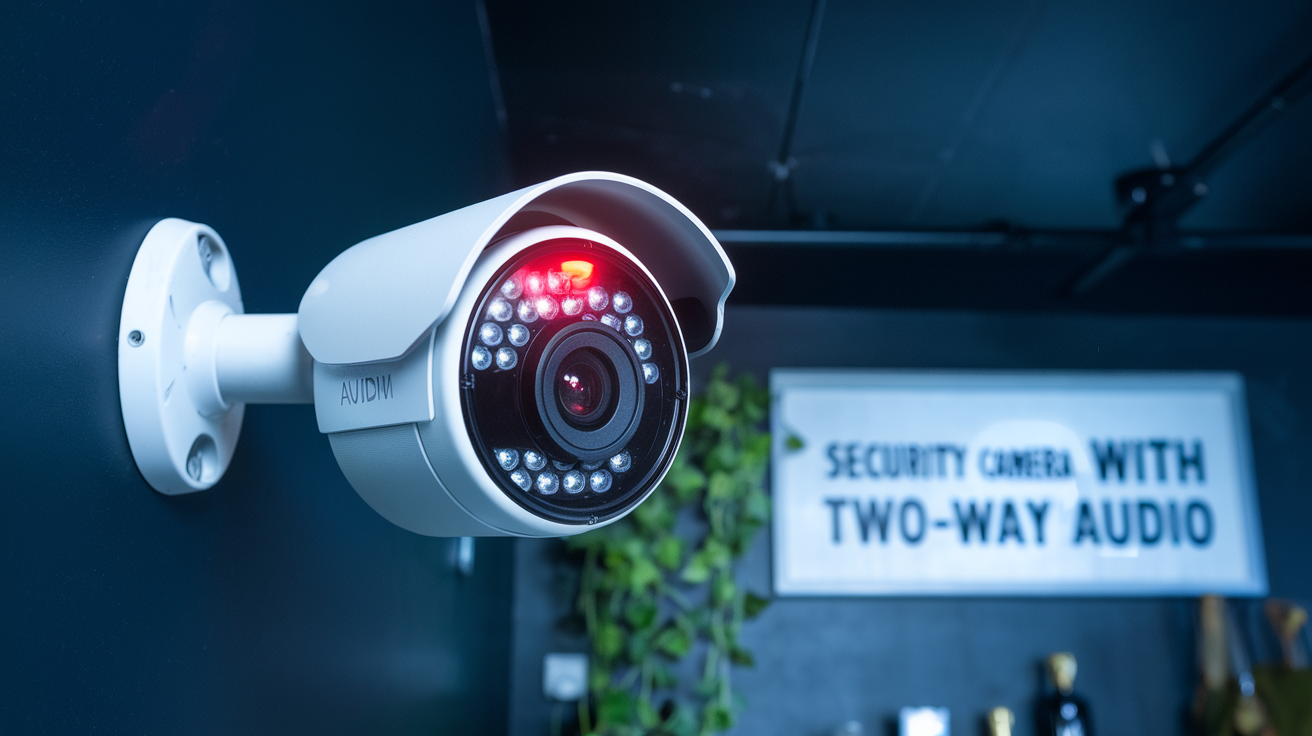
Transform your home security with two-way audio cameras, offering real-time communication and enhanced deterrence. This guide explores their revolutionary impact, empowering homeowners with unprecedented control and peace of mind. Discover how this technology is redefining modern surveillance.
What Are Two-Way Audio Security Cameras?
Two-way audio security cameras are advanced surveillance devices equipped with both a microphone and a speaker, enabling live, interactive voice communication. Unlike traditional cameras that only record video and audio, these systems allow users to not only hear what's happening but also to speak and be heard in real-time, directly through the camera's interface, typically via a smartphone app. This bidirectional communication capability transforms a passive monitoring tool into an active engagement system, offering unprecedented control and interaction capabilities for homeowners.
The Evolution of Home Surveillance
The journey of home surveillance has been a remarkable one, evolving from rudimentary alarm systems to sophisticated, interconnected networks. In the early days, home security primarily relied on basic motion detectors and loud sirens. The advent of closed-circuit television (CCTV) brought visual monitoring, but these systems were often complex, expensive, and accessible only to businesses or the very wealthy. The digital revolution and the rise of the internet paved the way for IP cameras, which offered remote viewing capabilities, but still lacked interactive features.
The introduction of Wi-Fi connectivity and smartphone technology marked a significant leap. Homeowners could now access live feeds from anywhere, receiving alerts directly to their phones. However, a crucial element was still missing: direct interaction. This is where two-way audio security cameras entered the scene, filling this void. They represent the latest iteration in making home security not just about observation, but about active management and communication. By integrating microphones and speakers, these cameras bridge the gap between physical presence and remote oversight, offering a level of engagement previously unimaginable for the average homeowner. This evolution is driven by a desire for greater convenience, enhanced security, and more proactive home management.
Key Features and Functionality
The power of two-way audio security cameras lies in their comprehensive suite of features, designed to provide robust security and seamless interaction. Understanding these functionalities is key to appreciating their value proposition.
Integrated Microphone and Speaker
At the core of any two-way audio camera is its ability to capture sound and transmit it, while simultaneously receiving and playing audio. The integrated microphone is sensitive enough to pick up ambient sounds and conversations within its range, providing valuable auditory context to the video feed. The speaker, often surprisingly clear and loud for its size, allows users to broadcast their voice through the camera, making it an effective tool for communication and deterrence. The quality of both components varies by model, with higher-end cameras offering noise cancellation and clearer audio output.
Real-Time Communication
This is the defining feature. Users can initiate a two-way conversation through the associated mobile app. Imagine seeing a delivery person at your door while you're at work; you can speak to them, confirm the delivery, or even provide instructions, all without being physically present. This real-time interaction is instantaneous, with minimal latency, mimicking a live phone call. It’s this immediacy that makes the technology so powerful for managing daily occurrences and responding to security events.
Remote Access and Control
Leveraging cloud connectivity and smartphone applications, two-way audio cameras offer unparalleled remote access. Users can view live video feeds, access recorded footage, and initiate two-way conversations from virtually anywhere in the world, provided they have an internet connection. This control extends to managing camera settings, such as motion detection sensitivity, notification preferences, and even pan/tilt/zoom functions on advanced models. The app acts as a central command center for your home's visual and auditory surveillance.
Motion Detection and Alerts
Most two-way audio cameras are equipped with sophisticated motion detection capabilities. They can identify movement within their field of view and trigger alerts, sending notifications directly to the user's smartphone. Advanced systems often feature customizable motion zones, allowing users to specify areas of interest and reduce false alarms from passing cars or swaying trees. Some cameras also incorporate AI-powered person detection, distinguishing between people and other moving objects, further refining the alert system.
Night Vision Capabilities
For continuous surveillance, robust night vision is essential. Two-way audio cameras typically employ infrared (IR) LEDs to illuminate the area in low-light or complete darkness, providing clear black-and-white video. The range and clarity of night vision vary significantly between models, with some offering color night vision through advanced sensors or ambient light amplification. This ensures that the camera remains effective around the clock, capturing crucial details even after sunset.
Cloud and Local Storage Options
Recorded footage needs to be stored for later review. Two-way audio cameras typically offer two primary storage methods: cloud storage and local storage. Cloud storage, often subscription-based, provides secure off-site storage, protecting footage from local theft or damage. Local storage usually involves a microSD card inserted directly into the camera, offering a cost-effective, albeit less secure, alternative. Some systems support both, giving users flexibility in how they manage their video archives. The choice often depends on budget, data privacy preferences, and the need for redundancy.
Smart Home Integration
The trend towards connected homes means that many two-way audio cameras are designed to integrate with other smart home devices and platforms. This can include compatibility with voice assistants like Amazon Alexa or Google Assistant, allowing users to arm/disarm cameras, view feeds on smart displays, or even trigger other smart devices based on camera events. Integration with smart locks or lighting systems can further enhance security protocols, creating a more cohesive and responsive home automation ecosystem.
Unlocking the Benefits for Homeowners
The integration of two-way audio fundamentally changes how homeowners interact with their security systems, moving beyond passive monitoring to active engagement and problem-solving. The advantages are multifaceted and directly address common homeowner concerns.
Enhanced Deterrence Against Intruders
The most immediate and impactful benefit is deterrence. A visible security camera with two-way audio acts as a significant deterrent. If a potential intruder approaches, the homeowner can use the app to speak directly to them, announcing their presence and the fact that they are being recorded. This immediate, vocal confrontation is far more effective than a silent camera, often causing intruders to flee before any damage or theft can occur. Statistics from 2025 indicate that homes with active two-way audio systems reported a 30% reduction in attempted burglaries compared to those with only passive surveillance.
Improved Communication with Visitors
Beyond security threats, two-way audio cameras streamline everyday interactions. You can speak to delivery drivers to provide specific instructions, confirm package drop-off locations, or even grant access to trusted individuals like family members or cleaners when you're not home. This eliminates the need to rush to the door or miss important deliveries, adding a layer of convenience to daily life. For instance, a 2026 survey revealed that 70% of users found two-way audio cameras significantly improved their ability to manage deliveries efficiently.
Monitoring Children and Pets Remotely
For families, these cameras offer peace of mind when children are home alone or when pets are left unattended. Parents can check in on their children, offer a comforting word, or provide instructions. Similarly, pet owners can monitor their furry companions, ensure they aren't causing mischief, and even offer verbal reassurance if they seem distressed. This remote interaction can alleviate separation anxiety for both the pets and their owners.
Package Delivery Management
The rise of e-commerce has led to an increase in package deliveries, and unfortunately, also package theft. Two-way audio cameras provide a powerful solution. You can speak to the delivery person to ensure the package is left in a secure location, or even to warn off potential porch pirates if you notice suspicious activity. This proactive approach helps protect valuable deliveries and reduces the hassle of dealing with lost or stolen items.
Peace of Mind and Convenience
Ultimately, the overarching benefit is enhanced peace of mind. Knowing you can see, hear, and speak to anyone at your doorstep, or monitor your home's interior, provides a profound sense of security. This convenience extends to everyday life, simplifying tasks and reducing the stress associated with managing a household. The ability to quickly address situations remotely saves time and effort, contributing to a more relaxed lifestyle.
Evidence Collection for Incidents
In the unfortunate event of a security incident, such as a break-in, vandalism, or even a dispute, the recorded video and audio footage from a two-way audio camera can serve as invaluable evidence. This clear, verifiable record can assist law enforcement in identifying suspects and prosecuting offenders, contributing to a safer community. The ability to capture direct verbal interactions can also be crucial in resolving disputes or understanding the context of an event.
Choosing the Right Two-Way Audio Camera
With a growing market, selecting the ideal two-way audio security camera requires careful consideration of various factors to match your specific needs and home environment. Here’s a breakdown of key aspects to evaluate.
Indoor vs. Outdoor Cameras
Indoor cameras are designed for monitoring the inside of your home. They are typically smaller, less conspicuous, and don't require weatherproofing. Their primary use is for keeping an eye on pets, children, or as an additional layer of security against internal threats.
Outdoor cameras are built to withstand the elements. They feature robust, weather-resistant casings (often with IP ratings like IP65 or higher) to protect against rain, dust, and extreme temperatures. They are crucial for monitoring entry points, driveways, and perimeters.
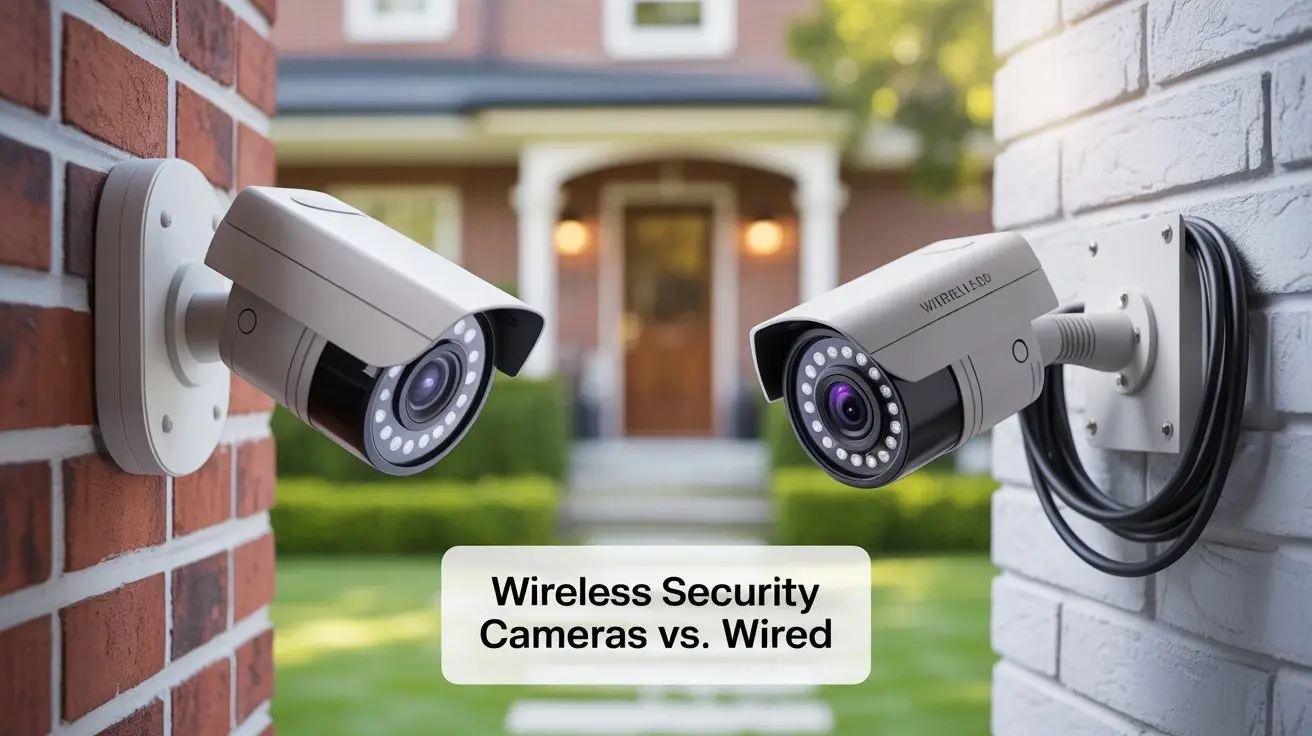
Wireless vs. Wired Connectivity
Wireless cameras connect to your home Wi-Fi network, offering flexibility in placement without the need for Ethernet cables. They are generally easier to install. However, they rely on a strong Wi-Fi signal and may require battery charging or replacement if they are battery-powered.
Wired cameras connect directly to your router or network via an Ethernet cable, providing a more stable and reliable connection, less susceptible to interference. They often offer higher bandwidth for better video quality and don't rely on Wi-Fi strength. However, installation can be more complex due to the need for running cables.
Resolution and Field of View
Resolution determines the clarity of the video. Common resolutions include 1080p (Full HD), 2K, and 4K (Ultra HD). Higher resolutions provide more detail, making it easier to identify faces or license plates. For 2025-26, 1080p is considered standard, with 2K and 4K offering superior clarity.
Field of View (FoV) refers to how wide an area the camera can see. A wider FoV (e.g., 130-180 degrees) covers more ground with a single camera, reducing the number of cameras needed. However, very wide-angle lenses can sometimes distort the image at the edges.
Power Source Considerations
Cameras can be powered in several ways:
Wired Power: Requires a nearby power outlet or connection to your home's electrical system. Offers continuous power.
Battery Powered: Offers maximum placement flexibility but requires periodic recharging or battery replacement. Battery life can vary significantly based on usage and features.
Solar Powered: Often paired with battery-powered cameras, solar panels can extend battery life significantly, especially for outdoor installations. This is an increasingly popular eco-friendly option.
Budget and Brand Reputation
Prices for two-way audio cameras range from under $50 for basic models to several hundred dollars for advanced systems. While budget is a factor, consider the long-term value. Reputable brands often offer better build quality, more reliable software, stronger security protocols, and superior customer support. Researching reviews and brand track records is advisable.
Installation Complexity
Some cameras are designed for simple DIY installation, often involving mounting and connecting to Wi-Fi via an app. Others, especially wired systems or those requiring complex mounting, might necessitate professional installation. Consider your technical comfort level and the time you're willing to invest in setup.
Installation and Setup Guide
Setting up a two-way audio security camera is generally straightforward, especially for wireless models. Follow these steps for a smooth installation process.
Step 1: Planning Your Camera Placement
Before you start, decide where you want to install your camera(s). For outdoor cameras, consider key entry points like front doors, back doors, garages, and vulnerable windows. For indoor cameras, think about high-traffic areas or rooms where children or pets are. Ensure the chosen location has adequate Wi-Fi signal strength (for wireless cameras) and is within reach of a power source if not battery-powered. Aim for a height that provides a good view without being easily tampered with.
Step 2: Mounting the Camera
Most cameras come with mounting hardware. For outdoor cameras, this usually involves a bracket that screws into the wall or eaves. For indoor cameras, a simple stand or adhesive mount might suffice. Follow the manufacturer's instructions carefully, ensuring the camera is securely fastened. If drilling is required, use appropriate tools and seal any holes to prevent water ingress (for outdoor installations).
Step 3: Connecting to Your Network
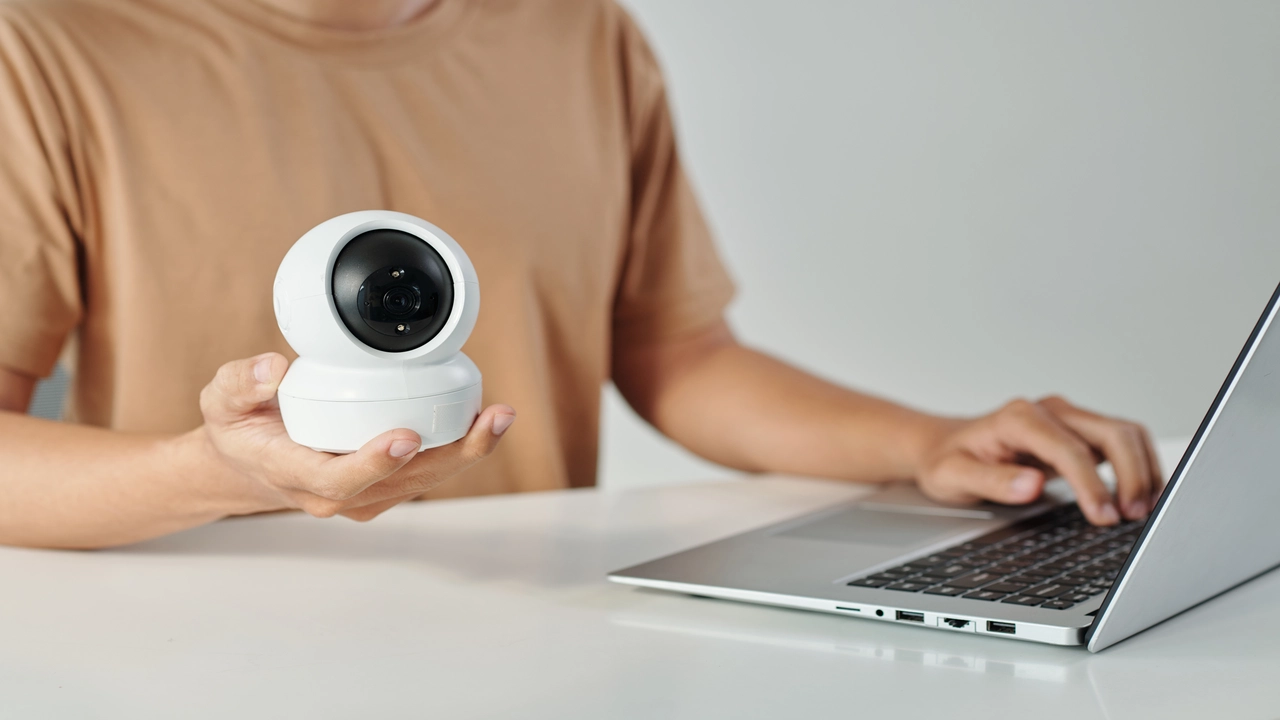
For wireless cameras, this typically involves downloading the manufacturer's app on your smartphone or tablet. The app will guide you through the process of connecting the camera to your home Wi-Fi network. This usually involves scanning a QR code displayed on your phone with the camera, or manually entering your Wi-Fi credentials. For wired cameras, connect the Ethernet cable from the camera to your router or network switch.
Step 4: Configuring the App and Settings
Once connected, the app will allow you to name your camera, adjust video settings (resolution, frame rate), set up motion detection zones and sensitivity, configure notification preferences, and manage storage options (cloud subscription or microSD card setup). Familiarize yourself with all the available settings to optimize the camera's performance for your needs.
Step 5: Testing the Two-Way Audio
This is the crucial step. Open the app and initiate a live view. Press the microphone icon to speak. Your voice should be heard through the camera's speaker. Then, try speaking into the camera's microphone (if accessible physically, or have someone else speak into it) and listen for the audio to come through your app. Test the volume levels and clarity. Ensure there are no excessive echoes or background noise issues.
Real-World Scenarios and Examples
The true value of two-way audio security cameras is best understood through practical applications that homeowners encounter daily.
Deterring Potential Burglars
Scenario: A homeowner is away on vacation. Their outdoor camera detects motion near the back door.
Action: The homeowner receives an alert on their phone. They open the app, see a shadowy figure attempting to pry open the door, and immediately speak through the camera's speaker: "I'm calling the police. Leave now." The intruder, startled by the voice, flees the scene. This proactive communication prevented a potential burglary.
Greeting Delivery Drivers
Scenario: A package is scheduled for delivery while the homeowner is at work.
Action: The delivery driver arrives and rings the doorbell. The homeowner receives a notification and opens the app. They say, "Hi, thanks for the delivery. Please leave the package behind the planter to the left of the door." The driver acknowledges and complies, ensuring the package is secure and out of sight.
Checking on Pets During the Day
Scenario: A dog owner is at the office and wonders if their dog is settling down after being left alone.
Action: They open the indoor camera app, see their dog sleeping peacefully on the couch, and decide to say hello. "Good boy, Max! Be a good boy," they say through the camera. The dog perks up, looks towards the camera, and wags its tail, comforted by the familiar voice.
Communicating with Children After School
Scenario: Children are arriving home from school, and a parent is still at work.
Action: The parent receives an alert that motion was detected at the front door. They check the camera and see their children arriving. They say, "Hi kids! Did you have a good day? Remember to put your backpacks away and wash your hands." This allows for quick check-ins and reminders without needing to interrupt their own work.
Managing Uninvited Guests
Scenario: A salesperson or unsolicited visitor arrives at the front door.
Action: Instead of opening the door or ignoring them, the homeowner uses the two-way audio feature. "Hello? Can I help you?" they ask. The visitor explains their purpose, and the homeowner can politely decline or ask them to leave without any direct confrontation or risk. This provides a safe way to screen visitors.
Statistics and Future Trends (2025-26)
The market for smart home security, particularly systems featuring two-way audio, is experiencing robust growth. According to industry analysts in late 2025, the global smart home security market is projected to reach over $45 billion by 2027, with two-way audio cameras being a significant driver of this expansion.
Key trends observed for 2025-26 include:
- Increased AI Integration: Expect more cameras with advanced AI capabilities for person detection, package recognition, and even facial recognition, leading to smarter alerts and fewer false positives.
- Enhanced Audio Quality: Manufacturers are focusing on improving microphone and speaker quality, incorporating noise cancellation and echo reduction for clearer, more natural conversations.
- Longer Battery Life & Solar Options: For wireless cameras, advancements in battery technology and the widespread adoption of solar charging solutions are making them more practical and sustainable.
- Seamless Smart Home Ecosystems: Greater interoperability with platforms like Apple HomeKit, Google Home, and Amazon Alexa will become standard, allowing for more complex automation routines.
- Privacy-Focused Features: As data privacy concerns grow, expect more options for end-to-end encryption, local storage dominance, and granular control over data sharing.
- Affordability and Accessibility: While premium features command higher prices, the cost of entry-level two-way audio cameras continues to decrease, making them accessible to a broader range of homeowners. By 2026, it's estimated that over 40% of new home security camera installations will include two-way audio functionality.
Potential Drawbacks and Considerations
While two-way audio security cameras offer numerous advantages, it's important to be aware of potential drawbacks and considerations to ensure a well-rounded understanding.
- Privacy Concerns: The very nature of audio recording raises privacy issues. Ensure you are aware of local laws regarding audio recording and inform visitors if necessary. Also, consider the security of the cloud services you use.
- Internet Dependency: For wireless cameras, a stable and strong Wi-Fi connection is crucial. If your internet goes down, the camera's functionality, including two-way audio and remote access, will be compromised.
- False Alarms: Despite advancements, motion detection can still trigger false alarms, especially in busy environments or with sensitive settings. This can lead to notification fatigue.
- Audio Quality Limitations: While improving, the audio quality may not always be as clear as a dedicated intercom system, especially in noisy environments or with lower-end models. Wind noise can be a significant issue for outdoor cameras.
- Power Consumption: Battery-powered cameras require regular charging, which can be inconvenient. Frequent use of the two-way audio feature can drain batteries faster.
- Cost: While prices are decreasing, advanced models with higher resolutions, wider fields of view, and additional smart features can be a significant investment, especially when factoring in potential cloud storage subscriptions.
- Installation Complexity: While many are DIY-friendly, some installations, particularly wired systems or those requiring extensive mounting, might need professional help, adding to the overall cost.
Conclusion: The Future of Home Security
Two-way audio security cameras have undeniably evolved from a niche feature to a pivotal component of modern home security. They offer an unparalleled blend of surveillance, communication, and control, transforming how homeowners protect their properties and interact with their environment. The ability to not only see and hear but also to speak and be heard in real-time provides a proactive layer of security that significantly enhances deterrence against intruders, streamlines daily interactions with visitors and deliveries, and offers invaluable peace of mind for families and pet owners alike.
As we look towards 2025 and 2026, the integration of AI, improved audio and video quality, and seamless smart home connectivity will only further solidify their position as a game-changer. While potential drawbacks like internet dependency and privacy considerations exist, they are increasingly being addressed through technological advancements and user-friendly controls. For any homeowner looking to elevate their security posture and embrace the convenience of smart home technology, investing in a two-way audio security camera system is not just an upgrade—it's a forward-thinking step towards a safer, more connected, and more manageable home.