How to Stop a Smoke Alarm From Chirping ?
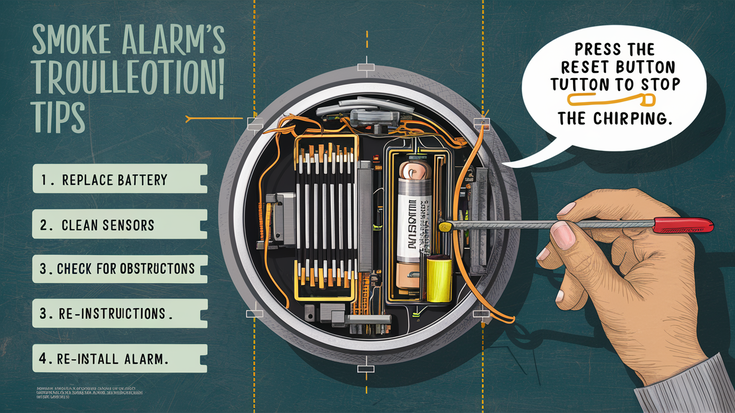
Discover the quickest and most effective ways to silence that incessant chirping smoke alarm. This guide provides immediate solutions and in-depth troubleshooting for all types of smoke detectors, ensuring your peace and safety are restored swiftly.
Understanding the Chirp: Why Your Smoke Alarm is Annoying You
That intermittent, high-pitched chirp from your smoke alarm can be incredibly disruptive, turning a peaceful home into a source of anxiety. It's a signal, but often a vague one, leaving homeowners scrambling for answers. Understanding the underlying reasons for this persistent sound is the first step toward resolving it. Modern smoke alarms are sophisticated devices designed for safety, and their chirping is usually a notification of a specific issue that needs attention. Ignoring it is not an option, as it could mask a genuine fire hazard or indicate a malfunction that compromises your safety system.
In 2025, fire safety remains paramount, with statistics from the National Fire Protection Association (NFPA) indicating that working smoke alarms reduce the risk of dying in a home fire by nearly half. However, these essential devices require maintenance and understanding. The chirp isn't arbitrary; it's a coded message. Different chirp patterns, frequencies, and durations often correspond to distinct problems, ranging from a dying battery to environmental factors or the alarm's age. By deciphering these signals, you can efficiently address the root cause and restore your alarm's primary function: keeping you safe.
This comprehensive guide will delve into the most common reasons behind smoke alarm chirping and provide clear, actionable steps to silence the noise. We'll cover everything from simple battery replacements to more complex troubleshooting scenarios, ensuring you have the knowledge to tackle any chirping alarm situation with confidence. Our aim is to equip you with the tools to not only stop the immediate annoyance but also to maintain your smoke alarms effectively for long-term peace of mind and safety.
Common Causes and Quick Fixes
The majority of smoke alarm chirps stem from a few easily identifiable and rectifiable issues. Often, the solution is as simple as a battery change or a quick reset. Let's explore the most frequent culprits and their straightforward remedies.
1. Low Battery: The Most Frequent Offender
This is by far the most common reason for a smoke alarm's chirp. Most alarms are designed to emit a low-battery warning chirp when the battery level drops below a certain threshold. This warning typically sounds once every 30 to 60 seconds and can last for several weeks before the battery completely dies. The purpose is to give you ample time to replace the battery before the alarm loses its power source entirely.
How to Fix:
Step 1: Identify the Alarm. Locate the chirping smoke alarm. If you have multiple alarms, listen carefully to pinpoint the source. Some alarms have a small LED light that might flash or change color to indicate a low battery.
Step 2: Turn Off the Power (if hardwired). If your alarm is hardwired into your home's electrical system, locate the circuit breaker that controls the smoke alarms and switch it off. This prevents accidental sounding when you remove the battery.
Step 3: Remove the Old Battery. Most smoke alarms have a battery compartment on the side or back. Gently twist the alarm off its mounting bracket (usually a quarter-turn counter-clockwise) and open the battery compartment. Remove the old battery.
Step 4: Insert a New Battery. Always use the type of battery recommended by the manufacturer. This is usually a 9-volt alkaline battery, but some models use AA or AAA batteries. Ensure you insert it with the correct polarity (+ and -).
Step 5: Test the Alarm. After replacing the battery, press and hold the test button on the alarm for a few seconds. It should emit a loud, clear alarm sound. If it doesn't, check the battery connection or try a different new battery.
Step 6: Reinstall and Restore Power. Reattach the alarm to its mounting bracket and turn the circuit breaker back on if you turned it off.
Statistic Spotlight (2025): According to recent consumer reports, over 60% of smoke alarm malfunctions reported by homeowners are attributed to depleted batteries. Regular replacement, at least annually, is highly recommended.
2. End of Lifespan: Time for a Replacement
Smoke alarms, like all electronic devices, have a limited lifespan. Most manufacturers recommend replacing smoke alarms every 10 years from the date of manufacture. The date of manufacture is usually printed on the back of the alarm. Even if the batteries are new and the unit appears to be functioning, an aging alarm may start to chirp erratically or become less sensitive, posing a safety risk.
How to Fix:
Step 1: Check the Manufacture Date. Look on the back or side of your smoke alarm for a "Manufacture Date" or "Date of Manufacture."
Step 2: Determine if Replacement is Needed. If the date is 10 years or older, it's time to replace the entire unit. Don't just replace the battery; the internal components may be degraded.
Step 3: Purchase a New Alarm. Choose a new smoke alarm that meets current safety standards (e.g., UL 217). Consider interconnected alarms for enhanced safety.
Step 4: Install the New Alarm. Follow the manufacturer's instructions for installation. This typically involves mounting the bracket, connecting any necessary wiring (if hardwired), inserting batteries, and testing the unit.
Example Scenario: Sarah noticed her smoke alarm chirping intermittently. She replaced the battery, but the chirping continued. Upon checking the back, she found the manufacture date was 12 years prior. Replacing the entire unit with a new, modern detector immediately solved the problem and restored her confidence in her home's safety.
3. Power Interruption or Fluctuation (Hardwired Alarms)
For smoke alarms that are hardwired into your home's electrical system, power surges, brownouts, or brief power outages can sometimes trigger a chirp. The alarm might interpret these fluctuations as a fault or a low-power condition.
How to Fix:
Step 1: Check Your Breaker Box. Ensure the circuit breaker for your smoke alarms is firmly in the "ON" position. Sometimes, a slight jiggle can reset a tripped breaker.
Step 2: Reset the Alarm. If the power was recently interrupted, try resetting the alarm. For hardwired alarms with a battery backup, remove the battery, switch off the breaker, wait 30 seconds, then reinsert the battery and turn the breaker back on. Press the test button.
Step 3: Monitor for Recurrence. If the chirping returns, there might be an issue with your home's electrical wiring or frequent power fluctuations. In such cases, consulting an electrician might be necessary.
4. Environmental Factors: Dust, Humidity, and Insects
Smoke alarms are sensitive devices, and environmental factors can sometimes trigger false alarms or chirps. Dust accumulation, high humidity, or even small insects entering the sensing chamber can interfere with the sensor's operation.
How to Fix:
Step 1: Clean the Alarm. Use a vacuum cleaner with a soft brush attachment to gently vacuum the vents and surface of the smoke alarm. You can also use a can of compressed air to blow out any dust or debris from the sensing chamber. Perform this maintenance at least twice a year.
Step 2: Address Humidity. If the alarm is located in a particularly humid area (like a bathroom or near a kitchen), ensure proper ventilation. Consider relocating the alarm if it's excessively exposed to steam or moisture.
Step 3: Check for Pests. Inspect the alarm for any signs of insect infestation. If you find any, carefully remove them. Sometimes, a small piece of tape can be used to seal off any small openings where insects might enter.
Maintenance Tip (2025): Many fire safety experts now recommend a quarterly cleaning schedule for smoke alarms to prevent dust and debris buildup, especially in homes with pets or in areas prone to construction dust.
Troubleshooting Specific Chirp Patterns
Not all chirps are created equal. The frequency, duration, and pattern of the chirp can often provide clues to the specific problem your smoke alarm is experiencing. While manufacturers may vary slightly, here are some common chirp patterns and their likely causes:
1. Single Chirp Every 30-60 Seconds
Likely Cause: Low battery. This is the most universally recognized signal for a nearly depleted battery.
Troubleshooting Steps:
- Replace the battery with a fresh, new one of the correct type.
- If the chirping stops, you've found your solution.
- If it continues, ensure the battery is inserted correctly and making good contact.
- If still chirping, consider if the alarm is nearing its 10-year lifespan.
2. Rapid Chirping (e.g., 3-5 chirps in quick succession)
Likely Cause: This pattern often indicates an alarm condition or a fault. It could be a false alarm triggered by smoke particles, steam, or a malfunction.
Troubleshooting Steps:
- Check for Smoke/Steam: Ensure there's no actual smoke or excessive steam in the area. If there is, address the source (e.g., turn off the stove, open windows).
- Ventilate: Open windows and use a fan to air out the room.
- Reset the Alarm: Press and hold the test/silence button for 15-20 seconds. If hardwired, turn off the breaker, remove the battery, wait 30 seconds, then reinsert the battery and restore power.
- Clean the Alarm: Dust or debris might be causing a false trigger. Follow the cleaning instructions above.
- Check Age: If the alarm is old, consider replacement.
3. Chirping Upon Power Restoration (Hardwired Alarms)
Likely Cause: Sometimes, after a power outage or breaker reset, a hardwired alarm might chirp as it re-establishes its connection or resets its internal memory. This is often a temporary state.
Troubleshooting Steps:
- Wait a Few Minutes: Give the alarm some time to settle after power is restored.
- Press the Test Button: Press and hold the test button for a few seconds. This often clears temporary glitches.
- Check Battery Backup: Ensure the battery backup is correctly installed and functional.
- Reset: If the chirping persists, try the reset procedure (remove battery, turn off breaker, wait, reinsert battery, restore power).
4. Chirping that Stops Briefly then Resumes
Likely Cause: This can be a sign of intermittent power issues, a failing battery that has just enough juice to not trigger a constant low-battery warning but not enough for stable operation, or a sensor fault.
Troubleshooting Steps:
- Replace Battery: Even if the battery is relatively new, try a brand-new one.
- Check Power Source (Hardwired): If hardwired, check for any signs of electrical issues in the home.
- Reset: Perform a full reset of the alarm.
- Consider Replacement: If the issue persists, the alarm may be faulty and require replacement.
Internal Link Example: For more detailed information on specific alarm types, refer to our guide on Advanced Troubleshooting and Maintenance.
Advanced Troubleshooting and Maintenance
When the common fixes don't resolve the chirping, it's time to delve into more advanced troubleshooting and establish a routine for ongoing maintenance. Proactive care can prevent many of these issues from arising in the first place.
1. Interconnected Smoke Alarms
Modern homes often feature interconnected smoke alarms. When one alarm detects smoke, it signals all other connected alarms to sound. However, a fault in one unit can sometimes cause chirping in others, or a low battery in one can trigger a low-battery warning across the system.
Troubleshooting Steps:
- Identify the Initiating Alarm: Interconnected alarms often have a light that flashes rapidly on the unit that first detected the issue. This can help you pinpoint the source of the problem.
- Check All Units: Even if you find one with a low battery or a fault, it's good practice to check the batteries and status of all interconnected alarms.
- Reset the System: If you have interconnected alarms, a system reset might be necessary. This often involves disconnecting power to all units (breaker off, batteries removed), waiting, and then reconnecting them in sequence. Consult your alarm system's manual for specific reset instructions.
- Check Wiring (Hardwired Systems): Ensure all wiring connections between units are secure and undamaged.
Statistic Spotlight (2025): Interconnected smoke alarm systems are proven to be significantly more effective in alerting occupants during a fire. Ensuring they are functioning correctly is critical.
2. Resetting the Smoke Alarm
A full reset can clear temporary glitches or error states within the alarm's circuitry. The method varies by manufacturer and model, but generally involves power interruption and battery removal.
How to Reset:
- For Battery-Operated Alarms: Remove the battery. Press and hold the test button for at least 20-30 seconds to discharge any residual power. Reinsert the new battery and test the alarm.
- For Hardwired Alarms with Battery Backup: Turn off the circuit breaker powering the alarm. Remove the battery. Press and hold the test button for 20-30 seconds. Reinsert the battery, turn the circuit breaker back on, and then press the test button.
- For Interconnected Hardwired Systems: You may need to turn off the breaker for all interconnected alarms, remove batteries from all units, discharge each unit by holding the test button, then reinstall batteries and restore power in sequence, testing each unit as you go.
3. Cleaning the Sensor Chamber
The sensor chamber is the heart of the smoke alarm. Dust, cobwebs, or even small insects can accumulate inside, leading to malfunctions or false alarms. Regular cleaning is crucial for accurate detection.
Cleaning Procedure:
- Safety First: If hardwired, turn off the power at the breaker.
- Remove from Mount: Twist the alarm off its mounting bracket.
- Access the Chamber: Most alarms have vents around the perimeter. You may need to gently pry open a cover or access panel (refer to your manual).
- Vacuum: Use a vacuum cleaner with a soft brush attachment to gently vacuum the inside of the sensor chamber and around the vents.
- Compressed Air: Use a can of compressed air to blow out any remaining dust or debris from the chamber. Hold the can upright and use short bursts.
- Reassemble and Test: Reassemble the alarm, reattach it to the mount, restore power (if applicable), and test the unit.
Maintenance Schedule (2025): Aim to clean your smoke alarms at least every six months, or more frequently if you live in a dusty environment or have pets.
4. Checking for Wiring Issues (Hardwired Alarms)
Loose connections, damaged wires, or faulty wiring within the junction box can cause intermittent power issues that lead to chirping. This is a more serious concern that may require professional attention.
What to Look For:
- Visual Inspection: If you are comfortable and knowledgeable about electrical work, you can visually inspect the wiring connections at the alarm and in the junction box (after turning off power at the breaker). Look for any signs of charring, frayed wires, or loose connections.
- Intermittent Power: If the lights in the room flicker or other electrical devices experience intermittent power issues, it could indicate a broader electrical problem affecting the smoke alarm.
When to Call an Electrician: If you suspect any wiring issues, do not attempt to fix them yourself unless you are a qualified electrician. Faulty wiring is a fire hazard. Consulting a professional is the safest course of action.
Preventing Future Chirps
The best way to deal with a chirping smoke alarm is to prevent it from happening in the first place. By adopting a proactive maintenance strategy, you can ensure your alarms function reliably and quietly.
1. Regular Battery Replacement
Don't wait for the chirp! Establish a schedule for replacing batteries in all your smoke alarms, even if they are hardwired and have battery backups. A good rule of thumb is to replace them every 6-12 months, coinciding with tasks like changing your clocks for daylight saving time.
- Use Quality Batteries: Opt for reputable brands of alkaline batteries.
- Keep a Supply: Have spare batteries on hand so you're always prepared.
2. Adhere to Replacement Schedules
As mentioned earlier, smoke alarms have a lifespan of about 10 years. Mark the installation date on each alarm and set a calendar reminder for 10 years later to replace the entire unit. This is crucial for ensuring the sensors remain effective.
Actionable Tip (2025): Many smart smoke detectors now alert you via smartphone app when the battery is low or when the unit is nearing its end of life, simplifying maintenance.
3. Routine Cleaning and Testing
Incorporate smoke alarm cleaning and testing into your regular home maintenance routine. Test each alarm monthly by pressing the test button. Clean them thoroughly every six months.
- Monthly Test: Ensures the alarm is operational and the battery is good.
- Semi-Annual Cleaning: Prevents dust and debris buildup.
4. Strategic Placement
Improper placement can lead to nuisance chirping. Avoid placing smoke alarms too close to kitchens, bathrooms, or garages where steam, cooking fumes, or exhaust can trigger false alarms. Also, ensure they are not placed near air vents or fans that can blow dust directly into the sensor.
Placement Guidelines:
- Install alarms on every level of the home, including basements.
- Place alarms inside each bedroom and outside sleeping areas.
- Install alarms at the top of stairways or in hallways.
- Avoid placing alarms within 10 feet of cooking appliances.
- Do not place alarms in areas with high humidity or extreme temperatures.
5. Consider Smart Smoke Alarms
For enhanced convenience and advanced features, consider upgrading to smart smoke alarms. These devices connect to your home Wi-Fi and can send alerts to your smartphone, regardless of where you are. They often provide more specific diagnostic information and reminders for maintenance.
Benefits of Smart Alarms:
- Remote notifications
- Battery level alerts
- End-of-life reminders
- Integration with smart home systems
When to Call a Professional
While most smoke alarm issues can be resolved with simple DIY steps, there are times when professional intervention is necessary. It's important to recognize these situations to ensure your safety and the integrity of your home's fire detection system.
1. Persistent Chirping After All Troubleshooting
If you've replaced the battery, cleaned the unit, reset the alarm, and checked for environmental factors, yet the chirping persists, the alarm itself may be faulty. This is especially true if the unit is nearing its 10-year lifespan.
Recommendation: Replace the smoke alarm. If it's a hardwired system and the new alarm also exhibits issues, there might be a problem with the home's electrical wiring.
2. Suspected Electrical Wiring Problems
For hardwired smoke alarms, any indication of electrical issues warrants professional attention. This includes:
- Flickering lights in the vicinity of the alarm.
- Signs of scorching or burning around the alarm or wiring.
- Repeated tripping of the circuit breaker.
- Chirping that resumes immediately after installing a new, functioning alarm.
Recommendation: Contact a qualified electrician immediately. Faulty wiring is a serious fire hazard.
3. Complex Interconnected Systems
While basic troubleshooting of interconnected alarms can be done by homeowners, complex systems, especially those integrated with other home security or fire suppression systems, might require specialized knowledge. If you're unsure about how to safely reset or diagnose issues with such systems, it's best to seek expert help.
Recommendation: Consult the manufacturer's support or a certified fire alarm technician.
4. Repeated False Alarms
If your smoke alarm is frequently going off without any apparent cause (no smoke, steam, or dust), it could indicate a malfunctioning sensor. While cleaning and resetting can help, persistent false alarms can be dangerous, leading to complacency or unnecessary stress.
Recommendation: If the problem isn't resolved by basic troubleshooting, consider replacing the unit. If the issue persists with a new unit, a professional may need to assess the environment or the electrical system.
5. Installation of New Systems
When installing new smoke alarms, especially hardwired or interconnected systems, it's often recommended to have them installed by a qualified professional. This ensures they are correctly wired, properly located, and fully functional according to safety codes.
Recommendation: Hire a licensed electrician for new smoke alarm installations.
Statistic Snapshot (2025): According to recent industry surveys, approximately 30% of smoke alarm-related service calls are for issues that could have been prevented by regular maintenance or are related to complex electrical wiring, highlighting the importance of both DIY diligence and professional support when needed.
By understanding the common causes of smoke alarm chirping, knowing how to troubleshoot specific patterns, performing regular maintenance, and recognizing when to call a professional, you can effectively silence that annoying chirp and ensure your home remains a safe haven. Don't let a simple chirp compromise your safety; address it promptly and confidently.
In conclusion, a chirping smoke alarm is a critical alert that should never be ignored. While the sound can be irritating, it's the alarm's way of communicating a need for attention. Most often, the culprit is a simple low battery, easily rectified by replacement. However, as we've explored, other factors like the alarm's age, environmental interference, or power fluctuations can also be the cause. By systematically working through the troubleshooting steps, from cleaning and resetting to checking battery life and replacement dates, homeowners can effectively resolve the majority of chirping issues. For hardwired systems, understanding potential electrical concerns and knowing when to call a qualified electrician is paramount. Embracing a proactive maintenance routine—regular testing, cleaning, and timely battery and unit replacement—is the most effective strategy for preventing future chirps and ensuring your smoke alarms are always ready to protect your household. Prioritize your family's safety by addressing smoke alarm alerts promptly and comprehensively.