Is Your Smoke Detector Beeping? Four Things to Check First
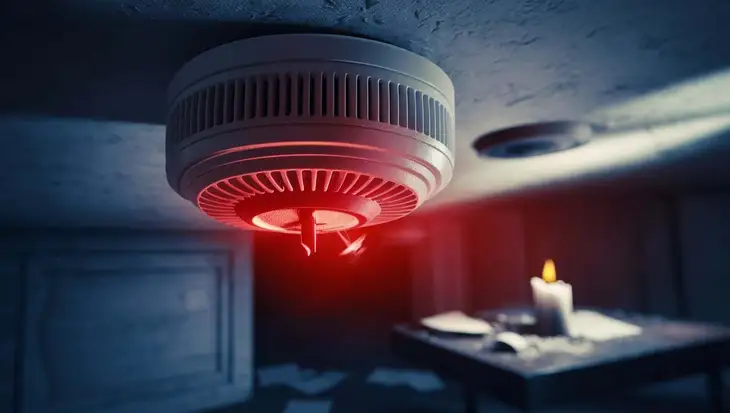
A beeping smoke detector can be alarming, but before you panic, understanding the common causes is key. This guide will walk you through the four most frequent culprits, offering immediate solutions to silence that persistent chirp and ensure your home's safety.
1. The Low Battery Signal: A Simple Fix
The most common reason for a smoke detector's intermittent or persistent beeping is a low battery. This is designed to alert you that the device's power source is dwindling, compromising its ability to function in a real emergency. While some detectors beep every 30-60 seconds, others might emit a series of chirps followed by silence, making it difficult to pinpoint initially. Understanding this specific signal is the first step to resolving the issue.
Identifying the Low Battery Chirp
Smoke detectors are programmed to communicate their status through distinct sounds. A low battery warning is typically a single, short chirp that occurs at regular intervals, often every 30 to 60 seconds. This is different from the loud, continuous alarm sound triggered by smoke. Some modern detectors might also have a flashing LED light that changes color or pattern to indicate a low battery. Consulting your detector's manual is always the best way to confirm the specific sound and light indicators for your model. For instance, a Kidde smoke detector might have a red LED that flashes once every 40 seconds to signal a low battery, while a First Alert model might do the same with a yellow or amber light.
The Replacement Process
Replacing the battery is a straightforward process, but it's crucial to do it correctly to ensure the detector continues to function optimally.
Step-by-Step Battery Replacement:
- Safety First: Before you begin, ensure the detector is not actively alarming. If it is, address the potential fire hazard first.
- Access the Battery Compartment: Most smoke detectors have a battery compartment located on the back or side. You'll typically need to twist the detector off its mounting bracket to access it. Some models have a small latch or cover that needs to be opened.
- Remove the Old Battery: Note the type of battery currently installed (usually a 9-volt or AA alkaline battery). Carefully remove the old battery.
- Install the New Battery: Insert a fresh, high-quality battery of the correct type. Ensure the positive (+) and negative (-) terminals are correctly aligned.
- Test the Detector: After replacing the battery, press and hold the test button on the detector for a few seconds. You should hear a loud, clear alarm sound. If you don't, check the battery connection and try again.
- Reattach the Detector: Once you've confirmed the detector is working, reattach it to its mounting bracket.
It's a good practice to replace all smoke detector batteries at least once a year, even if they haven't started beeping. Many people use the "change your clocks" day (daylight saving time) as a reminder. This proactive approach helps prevent unexpected chirps and ensures your detectors are always ready.
Choosing the Right Battery
Using the correct type of battery is essential. Most standard smoke detectors use a 9-volt alkaline battery. However, some newer models, especially those with enhanced features like Wi-Fi connectivity or voice alerts, might use AA alkaline batteries. Always refer to your detector's manual or the label on the device itself to confirm the required battery type. Opt for reputable brands known for their reliability. While rechargeable batteries might seem eco-friendly, they can sometimes have inconsistent power output, which could lead to false alarms or insufficient power for the detector. For critical safety devices like smoke alarms, alkaline batteries are generally recommended for their consistent performance and long shelf life.
Troubleshooting Persistent Beeping After Battery Replacement
If you've replaced the battery and the detector continues to beep, there are a few additional steps to consider:
- Ensure Proper Battery Contact: Double-check that the battery is seated correctly and making good contact with the terminals. Sometimes a slight misalignment can prevent it from working.
- Clean the Battery Terminals: If the terminals appear corroded, gently clean them with a pencil eraser or a cotton swab lightly dampened with rubbing alcohol.
- Reset the Detector: Some detectors have a reset button or a procedure to reset them after a battery change. Consult your manual for specific instructions. This might involve holding down the test button for an extended period or temporarily removing the battery again.
- Check for a "Low Battery" Indicator: Even after replacing the battery, some detectors may emit a few chirps to signal that they are still registering a low battery state. This should stop after a short period.
If the beeping persists after these steps, it might indicate a more significant issue with the detector itself, which we will cover in a later section.
2. Dust and Debris: The Unseen Culprit
Smoke detectors are designed to detect tiny particles in the air. Unfortunately, this sensitivity also makes them susceptible to false alarms caused by dust, insects, and other airborne debris. Over time, these particles can accumulate inside the sensing chamber, interfering with the detector's ability to distinguish between real smoke and environmental particles.
How Dust Affects Smoke Detectors
Smoke detectors typically use one of two main sensing technologies: ionization or photoelectric.
- Ionization Detectors: These have a small amount of radioactive material that ionizes the air between two electrodes, creating a small current. When smoke particles enter the chamber, they disrupt this current, triggering the alarm. Dust particles, especially fine ones, can mimic the effect of smoke by interfering with this current.
- Photoelectric Detectors: These use a light beam and a sensor. In a dark chamber, the light beam is not directed at the sensor. When smoke enters, it scatters the light beam, directing it towards the sensor and activating the alarm. Large dust bunnies or even small insects can reflect or block the light beam, leading to a false alarm.
Regardless of the technology, a buildup of dust and debris can significantly increase the likelihood of a false alarm or a persistent, annoying beep that isn't related to a low battery. This is particularly common in older homes or during periods of renovation when airborne particles are more prevalent.
Cleaning Your Smoke Detector
Regular cleaning is an essential part of smoke detector maintenance. It's a simple process that can prevent many common false alarms and ensure your detector is functioning correctly.
Step-by-Step Cleaning Guide:
- Safety First: Turn off the power to the smoke detector at the circuit breaker if it's hardwired. If it's battery-powered, remove the battery.
- Remove from Mounting Bracket: Gently twist the smoke detector off its mounting bracket.
- Vacuum the Exterior: Use the soft brush attachment of your vacuum cleaner to gently vacuum the entire exterior of the smoke detector, paying close attention to the vents and openings.
- Clean the Interior (Carefully): Most smoke detectors can be opened by gently prying apart the two halves or by unscrewing a cover. Refer to your manual if unsure. Once open, use a can of compressed air to blow out any dust or debris from the sensing chamber and internal components. Hold the can upright and use short bursts. Do not use water, cleaning solutions, or insert any objects into the sensing chamber, as this can damage the delicate components.
- Wipe Down: If necessary, you can gently wipe the exterior casing with a slightly damp cloth. Ensure it is completely dry before reassembly.
- Reassemble and Test: Once clean and dry, reassemble the detector and reinstall the battery (or reconnect the power at the breaker). Press and hold the test button to ensure it's working correctly.
It's recommended to clean your smoke detectors at least twice a year, or more frequently if you live in a dusty environment or have recently undertaken construction or renovation projects.
When to Consider Replacement Due to Dust
While cleaning can resolve many dust-related issues, if your detector continues to beep intermittently or trigger false alarms even after thorough cleaning and battery replacement, it might be a sign that the sensing chamber is permanently compromised. In such cases, replacing the unit is the safest course of action. According to the National Fire Protection Association (NFPA) in their 2025 guidelines, smoke alarms should be replaced at least every 10 years, regardless of whether they appear to be functioning. Dust accumulation over years can degrade the sensitivity and reliability of the sensor.
Preventing Dust Buildup
The best defense is a good offense. Here are some tips to minimize dust buildup around your smoke detectors:
- Regular House Cleaning: Consistent dusting and vacuuming of your home will reduce the amount of airborne dust.
- Air Purifiers: Using air purifiers can help filter out dust and other particles from the air, reducing the load on your smoke detectors.
- Ventilation: Ensure proper ventilation in areas prone to dust, such as attics or basements.
- Avoid Placement Near Dust Sources: Do not place smoke detectors directly above or near ceiling fans, air vents, or areas where dust tends to accumulate.
By taking these preventive measures and performing regular maintenance, you can significantly reduce the chances of dust and debris causing your smoke detector to beep.
3. Device Malfunction or End of Life
While low batteries and dust are the most common culprits, a beeping smoke detector can also signal a more serious issue: a malfunction or that the device has reached the end of its operational life. Smoke detectors are electronic devices with a finite lifespan, and like any appliance, they can fail.
Understanding Smoke Detector Lifespan
The U.S. Fire Administration (USFA) and the NFPA strongly recommend replacing all smoke alarms, including hardwired units, every 10 years. This recommendation is based on the fact that the sensors within the detectors degrade over time. Even if a detector appears to be working, its ability to accurately detect smoke may diminish significantly after a decade.
Factors Affecting Lifespan:
- Sensor Degradation: The ionization or photoelectric sensors can lose sensitivity over time.
- Component Wear: Electronic components can fail due to age, power surges, or environmental factors.
- Battery Backup Issues: For battery-powered units, the battery backup system itself can degrade.
Many modern smoke detectors have a built-in end-of-life warning. This is often a distinct, rapid series of chirps (e.g., four chirps followed by a 20-second pause) or a specific flashing light pattern, usually accompanied by a voice alert stating "Replace alarm." This feature is crucial for ensuring you don't rely on a faulty or expired safety device. For example, many Nest Protect models will verbally announce "The smoke alarm needs to be replaced" when it reaches its end of life.
Troubleshooting Malfunctions
If your smoke detector is beeping and you've ruled out a low battery and excessive dust, and it's not an end-of-life warning, it might be experiencing a malfunction.
Common Malfunctions and Solutions:
- Intermittent Chirping: This can sometimes be caused by power fluctuations, especially in hardwired units. Ensure the circuit breaker is stable. If the problem persists, the unit may need replacement.
- Persistent False Alarms: If the detector is alarming without any visible smoke or other triggers, it could be due to a faulty sensor or internal issue.
- Failure to Test: If the detector does not sound when the test button is pressed, even with a new battery, it is likely malfunctioning.
For hardwired smoke detectors, a common issue can be a loose connection at the wiring harness or a problem with the backup battery. If you are comfortable with basic electrical work, you can check these connections. However, if you are not experienced with electrical wiring, it is always best to call a qualified electrician.
When to Replace Your Smoke Detector
Replacement is necessary in the following situations:
- Age: If your detector is 10 years old or older, it's time for replacement, regardless of its current behavior. Check the manufacture date, usually printed on the back of the unit.
- End-of-Life Indicator: If the detector is giving an end-of-life warning chirp or voice alert.
- Persistent Malfunctions: If you've tried all troubleshooting steps (battery replacement, cleaning) and the detector continues to beep or alarm falsely.
- Damage: If the detector is physically damaged, has been dropped, or has been exposed to excessive moisture or extreme temperatures.
When purchasing a new smoke detector, consider interconnected alarms. These alarms communicate with each other, so if one detects smoke, all alarms in the house will sound. This is a significant safety upgrade, especially for larger homes. The NFPA strongly recommends interconnected alarms for enhanced early warning.
The Importance of Interconnected Alarms
Interconnected smoke alarms provide a critical layer of safety. In a fire, every second counts. If a fire starts in a distant part of the house, an interconnected system ensures that the alarm sounds throughout the home, giving occupants more time to escape. There are two types of interconnected systems:
- Wired Interconnection: These alarms are physically wired together. If one alarm triggers, it sends a signal through the wiring to activate all other connected alarms. These are typically installed during new home construction or major renovations.
- Wireless Interconnection: These alarms communicate wirelessly using radio frequency. This makes them a great option for retrofitting existing homes, as no new wiring is required.
When replacing an old smoke detector, consider upgrading to an interconnected system. This is a relatively inexpensive investment that can dramatically improve your home's fire safety.
4. Environmental Factors: Unexpected Triggers
Beyond the internal workings of the smoke detector, external environmental factors can also cause your smoke detector to beep or even trigger a false alarm. These are often overlooked but can be easily addressed once identified.
Humidity and Steam
High levels of humidity or steam can sometimes trigger smoke detectors, especially photoelectric models. This is most common in bathrooms and kitchens.
- Bathrooms: Steam from a hot shower or bath can be mistaken for smoke by the detector. If your bathroom has a smoke detector, consider relocating it to an area outside the immediate bathroom door, or ensure the bathroom has adequate ventilation (e.g., an exhaust fan). The NFPA recommends placing alarms at least 3 feet away from kitchens and bathrooms to minimize nuisance alarms from cooking or steam.
- Kitchens: While cooking fumes are a common cause of false alarms in kitchens, high humidity from boiling water or dishwashers can also play a role. Ensure proper ventilation when cooking.
- Humidifiers: If you use a humidifier in your bedroom or living area, the increased moisture in the air could potentially affect sensitive smoke detectors.
If you suspect humidity is the issue, try to improve ventilation in the affected area or consider relocating the detector if it's in a location prone to high moisture.
Temperature Fluctuations
Extreme temperature changes can also affect the performance of smoke detectors.
- Cold Environments: If a detector is located in an unheated garage, attic, or basement, extreme cold can cause it to malfunction or beep.
- Proximity to Heat Sources: Placing a detector too close to heat-generating appliances like ovens, furnaces, or even direct sunlight can cause it to register a false alarm.
Ensure your smoke detectors are installed in areas within their recommended operating temperature range, typically specified by the manufacturer.
Power Surges and Electrical Issues
For hardwired smoke detectors, power surges or fluctuations in the electrical supply can cause them to beep or reset.
- Storms: Electrical storms can cause power surges that affect sensitive electronics.
- Faulty Wiring: Issues with your home's wiring can lead to intermittent power problems.
- Appliance Cycling: Sometimes, the cycling of large appliances (like air conditioners or refrigerators) can cause minor power dips that might trigger a sensitive detector.
If you suspect power issues, consider installing a surge protector for your smoke detector circuit if it's a dedicated circuit, or consult an electrician to check your home's wiring. For battery-powered units, ensure the battery is fresh and properly seated, as a weak battery can sometimes be more susceptible to minor power interruptions.
Insects and Pests
Small insects, such as spiders or moths, can crawl into the sensing chamber of a smoke detector and trigger a false alarm or cause a persistent beep. This is similar to the issue with dust.
- Prevention: Regular cleaning with compressed air can help dislodge any small creatures that may have entered the detector.
- Location: Avoid placing detectors in areas where insects are more likely to congregate, such as near light fixtures or in cluttered storage areas.
If you notice insects frequently around your smoke detectors, it's a good indicator that you need to perform a thorough cleaning.
Chemical Fumes and Aerosols
Certain airborne chemicals and aerosols can interfere with smoke detector sensors, leading to false alarms or beeping.
- Aerosol Sprays: Hairspray, air fresheners, bug sprays, and cleaning sprays can all trigger a detector if sprayed too close to it.
- Paint Fumes: Freshly painted rooms can emit fumes that set off smoke alarms. Ensure adequate ventilation during and after painting.
- Carbon Monoxide (CO) Detectors: While not a direct environmental factor for smoke detectors, it's worth noting that some combination smoke and CO detectors have different sensitivity levels. If you have a combination unit, ensure it's functioning correctly for both threats.
When using any aerosol products, ensure good ventilation and avoid spraying them directly at or near your smoke detectors.
Comparison of Common Beeping Causes
To help you quickly diagnose the issue, here's a table summarizing the most common causes of smoke detector beeping:
| Symptom | Likely Cause | Solution |
|---|---|---|
| Single chirp every 30-60 seconds | Low battery | Replace battery with a new, high-quality one. |
| Rapid, frequent chirping or beeping | Dust/debris in sensor or malfunction | Clean the detector thoroughly with a vacuum and compressed air. If persists, consider replacement. |
| Specific pattern of chirps (e.g., 4 chirps, pause) or voice alert | End of life or device malfunction | Replace the smoke detector. |
| False alarms when showering or cooking | Humidity, steam, or cooking fumes | Improve ventilation, clean detector, or relocate if too close to source. |
| Intermittent beeping after power outage or storm | Power surge or fluctuation | Check battery backup, ensure stable power, consider surge protection. |
By systematically working through these potential causes, you can effectively silence your beeping smoke detector and restore peace of mind, knowing your home is protected.
Conclusion
A beeping smoke detector, while initially unsettling, is often a sign that your home's safety system is alerting you to a manageable issue. We've explored the four primary reasons for this common occurrence: a dying battery, the insidious buildup of dust and debris, the inevitable end of a device's lifespan or a malfunction, and various environmental factors. By understanding these causes, you are empowered to take immediate and effective action.
The most frequent culprit, a low battery, is the simplest to resolve with a quick replacement. Regular cleaning with a vacuum and compressed air can prevent dust-related false alarms and ensure your detector's sensitivity remains optimal. Crucially, remember that smoke detectors have a lifespan of approximately 10 years; heeding end-of-life warnings and replacing aging units is paramount for continued protection. Finally, environmental triggers like humidity, steam, or chemical fumes can be mitigated through proper ventilation and mindful placement.
Your smoke detectors are silent guardians, working tirelessly to protect your loved ones. Don't let a persistent beep go unaddressed. By following the steps outlined in this guide, you can confidently diagnose and resolve the issue, ensuring your home remains a safe haven. Prioritize regular maintenance, adhere to replacement schedules, and stay vigilant. A properly functioning smoke detection system is one of the most effective ways to prevent tragedy and ensure timely escape in the event of a fire.