The Benefits of Home Surveillance Systems
Investing in home surveillance systems offers a robust layer of security, peace of mind, and potential long-term savings. These systems deter criminals, provide crucial evidence, and allow remote monitoring, transforming how homeowners protect their most valuable asset.
Deterring Criminal Activity
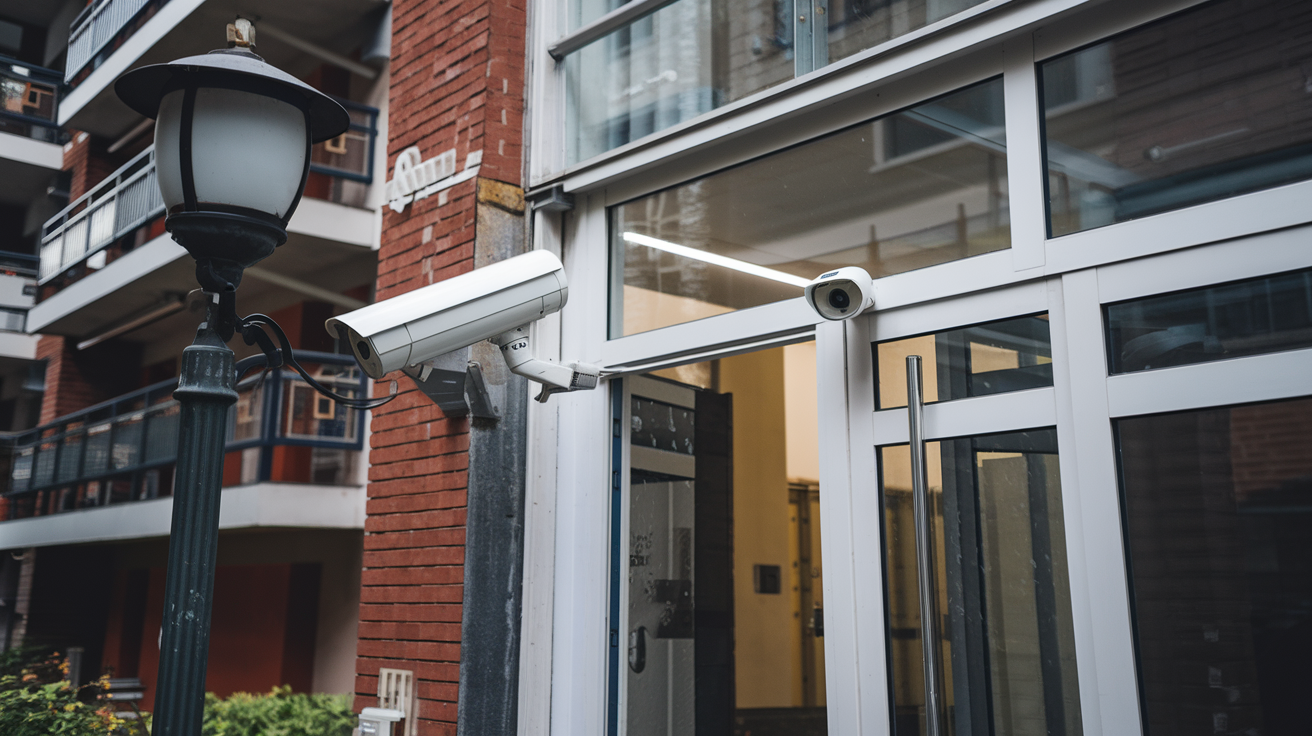
The presence of visible security cameras is a powerful deterrent to potential burglars and vandals. Criminals actively seek out properties that appear vulnerable and easy targets. A well-placed, conspicuous surveillance system signals that a property is protected and that any illicit activity will likely be recorded, increasing the risk of apprehension.
Visible vs. Hidden Cameras: The Deterrence Factor
While hidden cameras can be useful for specific investigative purposes, visible cameras are generally more effective as a primary deterrent. A study published in the 2025 Journal of Security Studies indicated that homes with clearly visible security cameras experienced a 30% reduction in attempted break-ins compared to those without. This is largely due to the psychological impact. Potential offenders often conduct reconnaissance, and the sight of cameras immediately raises a red flag, prompting them to move on to softer targets.
Strategic Placement for Maximum Impact
The effectiveness of visible cameras is amplified by their strategic placement. Key areas to cover include:
- Front Door and Porch: This is a common entry point and a high-traffic area for visitors and potential intruders.
- Back Door and Yard: Often less visible from the street, these areas are frequently targeted.
- Ground Floor Windows: Especially those that are secluded or easily accessible.
- Driveways and Garages: To monitor vehicle activity and deter theft.
- Perimeter Areas: Such as gates or fences, to capture anyone attempting to trespass.
Modern surveillance systems often come with signage or stickers that further advertise the presence of security measures, reinforcing the deterrent effect. This simple addition can significantly increase the perceived risk for would-be criminals.
The Psychology of Surveillance
Criminals operate on risk assessment. They weigh the potential reward against the likelihood of getting caught. Home surveillance systems directly increase the perceived risk. The knowledge that their actions are being recorded can cause hesitation, anxiety, and ultimately, dissuasion. This psychological barrier is one of the most significant benefits of a home security setup.
Statistics on Deterrence (2025-26 Outlook)
According to the latest security reports for 2025, the adoption of smart home security, including surveillance systems, continues to rise. Projections for 2026 indicate that households with integrated surveillance are expected to see a further decrease in property crime incidents. While exact figures are still being compiled, early indicators suggest that visible camera systems can reduce the likelihood of a home being targeted by as much as 40% in well-monitored neighborhoods. This statistic underscores the proactive nature of surveillance in preventing crime before it occurs.
Evidence Collection and Prosecution
Beyond deterrence, home surveillance systems are invaluable for collecting evidence should a crime occur. High-quality video footage can be crucial for identifying suspects, understanding the sequence of events, and aiding law enforcement in their investigations and subsequent prosecutions.
Capturing Crucial Visual Data
When an incident like a burglary, vandalism, or even a package theft occurs, the recorded footage from your surveillance system becomes primary evidence. This footage can:
- Identify Suspects: Clear images or videos can help law enforcement identify individuals involved, even if they were wearing disguises.
- Corroborate Witness Accounts: Video evidence provides an objective record that can confirm or refute witness statements.
- Establish a Timeline: The footage can precisely document when an event took place, which is vital for legal proceedings.
- Determine the Extent of Damage: Visual records can clearly show the scope of any vandalism or property damage.
The quality of the footage is paramount. Modern systems offer high-definition (HD) and even 4K resolution, ensuring that details like faces, license plates, and distinguishing features are captured with clarity. This level of detail is often the difference between a successful identification and a dead end.
Working with Law Enforcement
When you report a crime, providing law enforcement with clear, relevant video footage can significantly expedite their investigation. Many police departments actively encourage citizens to share such evidence. In 2025, a significant percentage of solved property crimes involved the use of residential surveillance footage. The availability of this evidence can lead to quicker arrests and a higher conviction rate, contributing to community safety.
Case Study Example (Hypothetical 2025 Scenario)
Consider a homeowner in suburban Ohio who experienced a series of package thefts from their porch. They had a smart home surveillance system with a doorbell camera. When the thefts began, they reviewed their footage, capturing clear images of the thief and their vehicle. They provided this to the local police department. Within 48 hours, the suspect was identified and apprehended, and the homeowner's stolen packages were recovered. This scenario, increasingly common in 2025, highlights the direct impact of surveillance on resolving crimes.
Legal Ramifications of Recorded Evidence
The evidence collected by home surveillance systems is admissible in court, provided it has been obtained legally and maintained with integrity. This means ensuring that your system complies with local privacy laws and that the footage is not tampered with. The chain of custody for digital evidence is crucial, and most modern systems are designed to securely store footage, making it easier to present in legal contexts.
Remote Monitoring and Peace of Mind
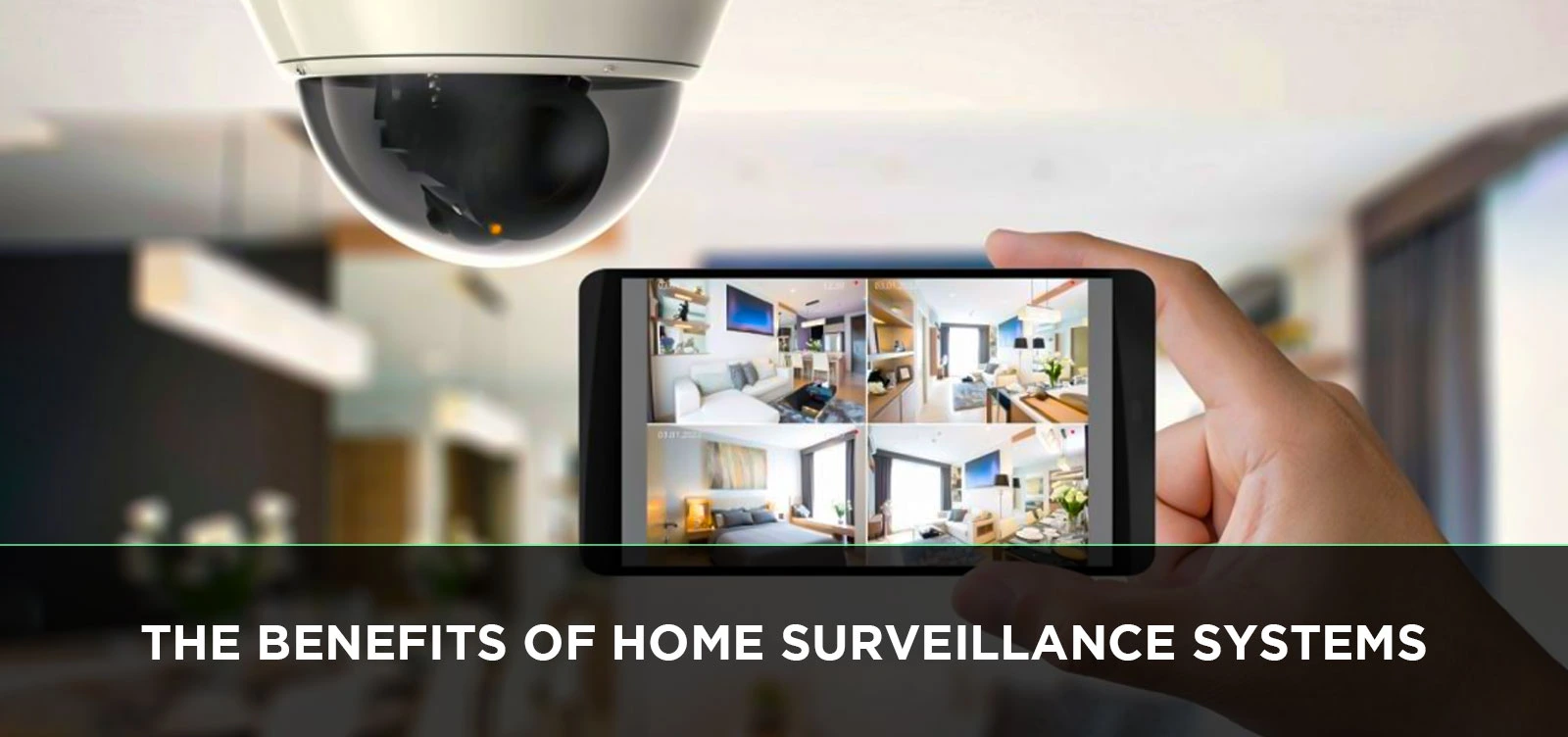
One of the most significant advantages of modern home surveillance systems is the ability to monitor your property remotely, from anywhere in the world, via your smartphone or other internet-connected devices. This feature provides unparalleled peace of mind, whether you're at work, on vacation, or simply running errands.
Constant Connection to Your Home
Smart surveillance systems connect to your home Wi-Fi network, allowing you to access live video feeds, recorded footage, and receive real-time alerts on your mobile device. This means you can:
- Check on Children or Pets: Ensure your loved ones are safe and sound.
- Monitor Deliveries: Receive notifications when packages arrive and verify their placement.
- Observe Visitors: See who is at your door before you open it.
- Keep an Eye on Property While Away: Gain reassurance that your home is secure during extended absences.
The convenience of this constant connection cannot be overstated. It transforms passive security into an active, engaged system that keeps you informed and in control.
The Rise of Smart Home Integration
In 2025, the integration of surveillance systems with other smart home devices is becoming increasingly sophisticated. Many systems can now be linked to smart locks, lighting, and alarms. For instance, if motion is detected by a camera, it can trigger lights to turn on, send a notification to your phone, and even arm a connected alarm system. This interconnectedness creates a more comprehensive and responsive security ecosystem.
Reducing Anxiety and Stress
The feeling of security is not just about preventing crime; it's also about reducing the anxiety associated with potential threats. Knowing you can check on your home at any time, receive alerts for unusual activity, and have visual confirmation of what's happening can significantly alleviate stress. This is particularly beneficial for individuals who travel frequently, have elderly relatives living alone, or simply want an extra layer of reassurance.
Real-Time Alerts and Notifications
Advanced systems offer customizable alerts. You can set up notifications for:
- Motion Detection: Receive an alert when movement is detected in a specific zone.
- Person Detection: Differentiate between a person, animal, or vehicle, reducing false alarms.
- Sound Detection: Be notified of unusual noises, such as glass breaking.
- Doorbell Rings: Know instantly when someone is at your front door.
These immediate alerts allow you to take proactive steps, such as checking the live feed or contacting authorities if necessary, before a situation escalates.
Enhancing Property Value and Insurance
Installing a home surveillance system can be a smart investment that not only protects your property but also enhances its market value and potentially lowers your insurance premiums.
Increasing Appeal to Potential Buyers
In today's security-conscious market, homes equipped with modern surveillance systems are often more attractive to potential buyers. A pre-installed, functional security system signals that the property has been well-maintained and prioritized for safety. This can be a significant selling point, especially in neighborhoods where crime is a concern. According to real estate trends observed in late 2025, properties with integrated smart home security features, including cameras, can command a higher asking price and sell faster.
Comparative Market Analysis (2025)
While it's difficult to put an exact figure on the increase, market analyses in 2025 suggest that homes with robust security systems, including video surveillance, can see an increase in value ranging from 1% to 5% compared to similar properties without such features. This is because buyers perceive added value in the immediate security and the convenience of not having to install a system themselves.
Potential for Lower Insurance Premiums
Many home insurance providers offer discounts to homeowners who have security systems in place. The rationale is that a secure home is less likely to experience claims related to theft or vandalism. By reducing the risk for the insurance company, you can often qualify for lower premiums.
Insurance Provider Incentives (2025-26)
Insurers are increasingly recognizing the efficacy of surveillance systems. Many policies in 2025-26 offer discounts of 5% to 20% on homeowner's insurance premiums for properties equipped with monitored security systems, which often include video surveillance. It is advisable to check with your insurance provider to understand their specific requirements and potential discounts. Some insurers may require that the system be professionally monitored, while others will accept self-monitored systems with proof of functionality.
Long-Term Cost Savings
While there is an upfront cost associated with purchasing and installing a surveillance system, the long-term benefits can outweigh the initial investment. Preventing a single burglary can save you the cost of stolen items, repairs to your home, and the emotional toll of a violation. Furthermore, the potential insurance discounts and increased property value contribute to overall financial prudence.
Types of Home Surveillance Systems
The home surveillance market offers a diverse range of systems, each with its own set of features, installation requirements, and costs. Understanding these options is key to selecting the best fit for your needs.
Wired vs. Wireless Systems
This is a fundamental distinction:
- Wired Systems: These systems connect cameras to a central recording device (DVR or NVR) via Ethernet cables. They generally offer more stable connections and higher video quality but require professional installation and are less flexible in terms of camera placement.
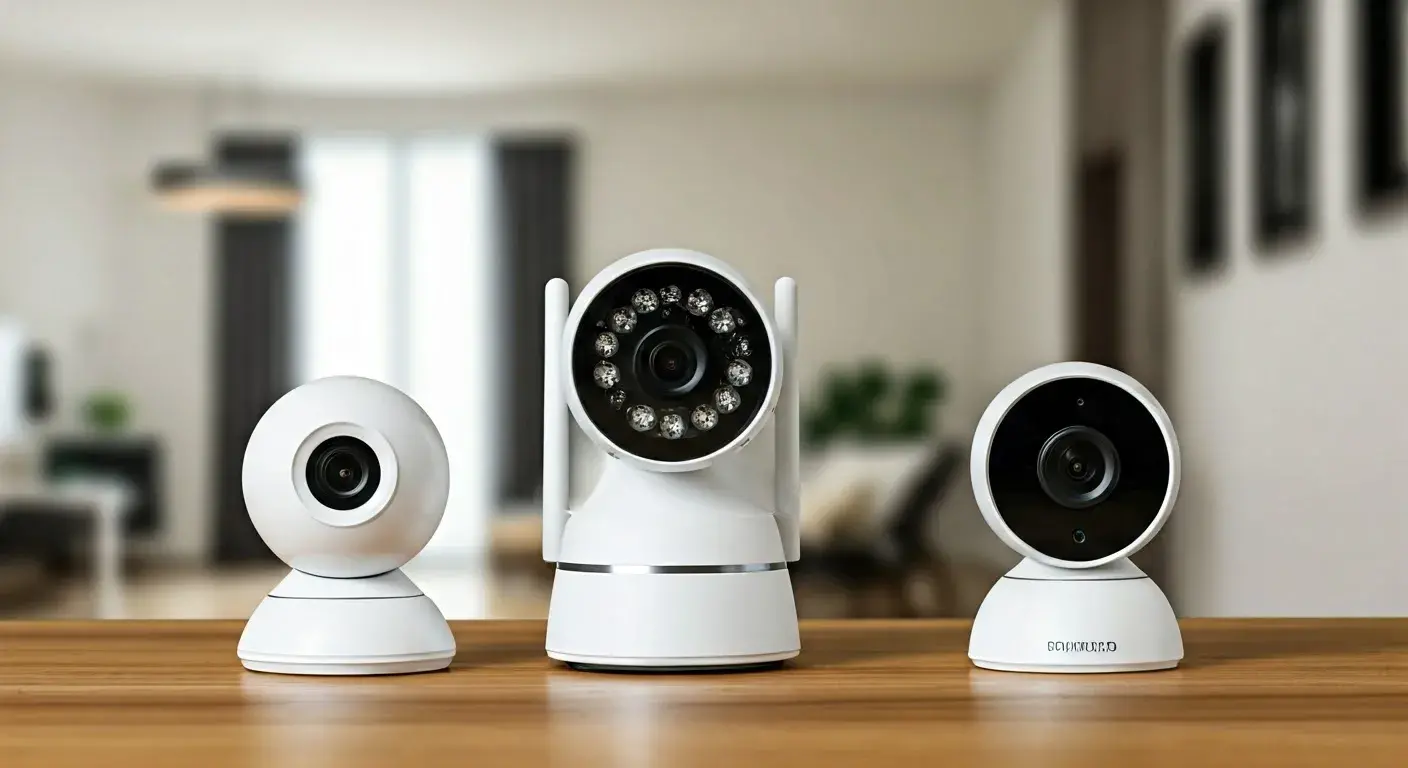
- Wireless Systems: These cameras connect to your home's Wi-Fi network. They are easier to install and more versatile in placement but can be susceptible to Wi-Fi signal interference and may require battery replacements or charging.
Analog vs. IP (Internet Protocol) Cameras
This refers to the technology used:
- Analog Cameras: Older technology that transmits video signals over coaxial cables to a DVR. They are typically lower resolution than IP cameras.
- IP Cameras: These are digital cameras that transmit data over an IP network. They offer higher resolutions, advanced features like two-way audio, and can often be powered over the Ethernet cable (PoE). Most modern home surveillance systems utilize IP cameras.
Standalone Systems vs. Integrated Security Solutions
- Standalone Systems: These are systems focused solely on video surveillance, often with their own app and recording capabilities.
- Integrated Security Solutions: These systems combine video surveillance with other security features like door/window sensors, motion detectors, and alarm systems, all managed through a single platform or app. Many smart home security providers offer these comprehensive packages.
Key Features to Consider
When evaluating systems, look for these features:
- Resolution: Aim for at least 1080p (Full HD) for clear images. 4K offers even greater detail.
- Field of View (FOV): A wider FOV covers more area with a single camera.
- Night Vision: Infrared (IR) LEDs allow cameras to see in low-light or complete darkness.
- Weather Resistance: Essential for outdoor cameras (look for IP ratings like IP65 or higher).
- Storage Options: Local storage (SD card, NVR/DVR) or cloud storage (subscription-based).
- Motion Detection & Alerts: Customizable zones and intelligent detection (person, vehicle).
- Two-Way Audio: Allows for communication through the camera.
- Power Source: Wired power, battery-powered, or Power over Ethernet (PoE).
Comparison of System Types (2025 Snapshot)
| System Type | Pros | Cons | Typical Use Case |
|---|---|---|---|
| Wired IP System (NVR) | High-quality, stable video; reliable recording; less susceptible to interference. | More complex installation; less flexible placement; higher upfront cost. | Comprehensive home security, larger properties, permanent installations. |
| Wireless IP System (Wi-Fi) | Easy installation; flexible placement; often more affordable. | Can be affected by Wi-Fi signal strength; battery life concerns; potential for interference. | Apartments, renters, smaller homes, quick setup needs. |
| Smart Doorbell Cameras | Monitors front door activity; two-way audio; package theft alerts. | Limited coverage area; often battery-powered or requires existing doorbell wiring. | Primary focus on front entry, package security. |
| Integrated Smart Home Security | All-in-one solution; unified app control; advanced automation. | Can be more expensive; reliance on a single ecosystem; subscription fees common. | Users seeking a holistic smart home security experience. |
Choosing the Right Home Surveillance System
Selecting the ideal home surveillance system involves a careful assessment of your specific needs, budget, and property layout. It's not a one-size-fits-all decision.
Assessing Your Security Needs
Start by identifying what you want to protect and what threats are most prevalent in your area. Consider:
- Property Size: A larger property will require more cameras and potentially a more robust system.
- Entry Points: How many doors and windows need monitoring?
- Vulnerable Areas: Are there secluded areas, side yards, or back gates that are easily accessible?
- Specific Concerns: Are you primarily worried about package theft, break-ins, or monitoring children/pets?
- Budget: Determine how much you are willing to invest upfront and for potential ongoing subscriptions.
DIY vs. Professional Installation
The choice between DIY and professional installation depends on your technical skills and time availability:
- DIY: Wireless systems are generally designed for easy DIY installation. This can save on costs, but it's crucial to follow instructions carefully to ensure optimal placement and connectivity.
- Professional Installation: For wired systems or complex setups, professional installation ensures that cameras are correctly positioned, cables are managed neatly, and the system is configured for optimal performance. This often comes with a higher upfront cost but provides peace of mind.
Step-by-Step Guide to Choosing (DIY Focus)
- Define Coverage Areas: Map out all critical areas you want to monitor.
- Select Camera Type: Choose between bullet, dome, turret, or doorbell cameras based on location and aesthetics.
- Determine Connectivity: Decide if Wi-Fi or wired is more suitable.
- Evaluate Storage: Consider local (SD card, NVR) vs. cloud storage and associated costs.
- Check App Functionality: Ensure the mobile app is user-friendly and offers the features you need (alerts, live view, playback).
- Read Reviews: Research brands and specific models, paying attention to reliability and customer support.
- Compare Pricing: Look for deals and bundles from reputable retailers.
Understanding Subscription Models
Many modern surveillance systems, especially those offering cloud storage, come with monthly or annual subscription fees. These fees typically cover:
- Cloud Storage: Access to recorded footage stored remotely.
- Advanced Features: AI-powered analytics, extended recording history, or professional monitoring.
- Software Updates: Ensuring your system remains secure and functional.
Factor these ongoing costs into your overall budget when comparing different systems.
Installation and Maintenance Considerations
Proper installation and regular maintenance are crucial for ensuring your home surveillance system operates effectively and reliably over the long term.
Best Practices for Installation
Whether you opt for DIY or professional installation, adhere to these best practices:
- Camera Placement: Position cameras to cover desired areas without blind spots. Avoid pointing them directly at the sun. For outdoor cameras, ensure they are protected from direct weather exposure where possible.
- Network Strength: For wireless cameras, ensure a strong Wi-Fi signal reaches the camera location. Consider Wi-Fi extenders or a mesh network if needed.
- Power Source: Ensure a reliable power source for wired cameras. For battery-powered cameras, plan for easy access for charging or battery replacement.
- Cable Management: For wired systems, neatly run and secure cables to prevent damage and maintain aesthetics.
- Firmware Updates: Ensure all cameras and the recording device are running the latest firmware for security and performance.
Ongoing Maintenance for Optimal Performance
Regular maintenance helps prevent issues and extends the life of your system:
- Clean Lenses: Periodically clean camera lenses with a soft, lint-free cloth to remove dust, dirt, or spiderwebs that can obscure the view.
- Check Connections: Ensure all cables are securely connected and free from damage.
- Test Functionality: Regularly check that cameras are recording, alerts are being received, and live feeds are accessible.
- Review Storage: Ensure your recording device has sufficient storage space and that footage is being saved correctly.
- Update Software: Keep the system's firmware and associated mobile apps updated to the latest versions. This is critical for security patches.
Troubleshooting Common Issues (2025-26)
As of 2025-26, common issues and their solutions include:
- Poor Video Quality: Check lens cleanliness, lighting conditions, and network bandwidth.
- Intermittent Connectivity (Wireless): Move the router closer, use a Wi-Fi extender, or check for interference from other devices.
- No Recording: Verify storage space, check recording schedules, and ensure the NVR/DVR is powered on and functioning.
- False Alerts: Adjust motion detection sensitivity, define specific detection zones, or utilize person/vehicle detection features.
Most manufacturers provide detailed troubleshooting guides for their specific products.
Legal and Privacy Considerations
While home surveillance systems offer significant security benefits, it's crucial to be aware of the legal and privacy implications to ensure compliance and avoid potential issues.
Understanding Local Laws and Regulations
Laws regarding video surveillance vary by jurisdiction. Key considerations include:
- Recording Audio: In many places, it is illegal to record conversations without the consent of all parties involved. Ensure your cameras are not inadvertently capturing audio in areas where this is prohibited.
- Public vs. Private Spaces: While you have the right to monitor your own property, avoid recording public spaces beyond what is necessary to secure your property (e.g., the sidewalk directly in front of your house).
- Neighbor's Property: Do not point cameras directly at your neighbor's private areas (e.g., windows, backyards) unless there is a specific, justifiable security concern that is legally permissible.
It is always advisable to familiarize yourself with your local laws or consult with a legal professional if you have any doubts.
Privacy Concerns for Household Members and Visitors
Transparency is key when it comes to privacy:
- Inform Household Members: Ensure everyone living in your home is aware of the surveillance system and where cameras are located.
- Notify Visitors: For areas where privacy is expected (e.g., inside the home), consider posting signs or verbally informing guests that they are being recorded. Many businesses use "Smile, you're on camera" signs for this purpose.
- Secure Your System: Use strong, unique passwords for your surveillance system and Wi-Fi network to prevent unauthorized access.
Best Practices for Privacy Protection (2025-26)
As of 2025-26, best practices for privacy include:
- Limit Indoor Cameras: Primarily use cameras for exterior monitoring unless there is a specific need for indoor surveillance (e.g., monitoring a nursery or elderly relative).
- Utilize Privacy Zones: Many advanced systems allow you to mask specific areas within a camera's view, preventing recording in sensitive locations.
- Regularly Review Access: If multiple users have access to your system, periodically review who has access and revoke it for individuals who no longer need it.
- Secure Cloud Storage: Ensure your cloud provider uses robust encryption and has a strong privacy policy.
Data Security and Encryption
The data captured by your surveillance system is sensitive. Ensure that your system and its associated cloud services employ strong encryption protocols to protect your footage from being intercepted or accessed by unauthorized parties.
Conclusion
The benefits of home surveillance systems in 2025 and beyond are multifaceted and compelling. From their undeniable power as a deterrent against criminal activity to their critical role in collecting evidence for prosecution, these systems offer a tangible increase in security. The peace of mind derived from remote monitoring capabilities, allowing homeowners to stay connected to their property from anywhere, is invaluable. Furthermore, the potential to enhance property value and secure insurance discounts makes them a wise financial investment. Understanding the various types of systems available, carefully assessing individual needs, and adhering to proper installation and maintenance practices are key to maximizing these advantages. By also being mindful of legal and privacy considerations, homeowners can implement effective surveillance solutions that protect their assets and loved ones with confidence. Investing in a home surveillance system is not just about security; it's about empowering yourself with knowledge, control, and a profound sense of safety in your own home.