The Benefits of Installing a Professional Business Security Systems
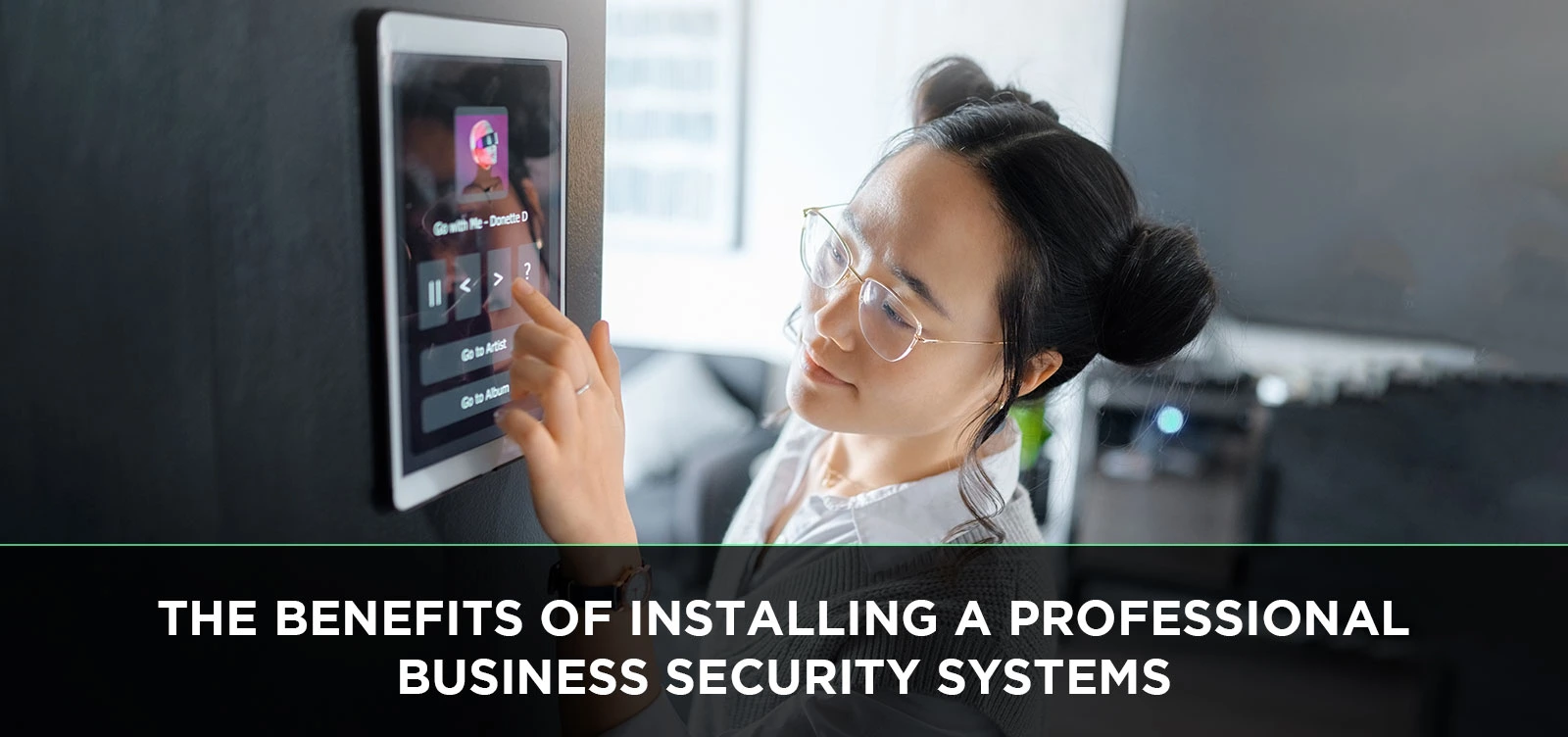
Investing in professional business security systems offers a robust shield against threats, safeguarding assets, employees, and operational continuity. This comprehensive guide explores the multifaceted advantages, from deterring crime and mitigating losses to enhancing operational efficiency and peace of mind for business owners in 2025-26.
Deterrence and Prevention: The First Line of Defense
In the dynamic business landscape of 2025-26, the proactive stance on security is paramount. Professional business security systems serve as a powerful deterrent, signaling to potential intruders that a business is well-protected and vigilant. The mere presence of visible security measures, such as high-definition cameras, alarm system signage, and well-maintained access control points, can significantly reduce the likelihood of attempted break-ins, vandalism, and theft. This preventative aspect is not merely about reacting to threats but actively discouraging them from occurring in the first place. According to recent industry reports from 2025, businesses employing comprehensive security solutions experienced an average reduction of 35% in reported property crimes compared to those with basic or no security measures.
The Psychological Impact on Potential Criminals
Criminals often seek out easy targets. A business that appears to have invested in its security presents a more challenging and risky proposition. This psychological barrier is one of the most cost-effective benefits of a professional system. When potential offenders see sophisticated equipment and clear indicators of surveillance, they are more likely to move on to less protected establishments. This applies to both opportunistic crimes and more organized criminal activities. The visible components of a security system, from well-placed cameras to illuminated signage, communicate a message of preparedness and a commitment to safeguarding the premises.
Visible Security Measures and Their Effectiveness
Visible security measures are a cornerstone of effective deterrence. These include:
- High-Definition Surveillance Cameras: Strategically placed cameras, often with clear branding, are a strong visual deterrent. Their presence suggests that any illicit activity will be recorded and identifiable.
- Alarm System Signage: Prominent signs indicating that a property is protected by a professional alarm system serve as an immediate warning.
- Well-Lit Premises: Adequate lighting, especially around entry points and vulnerable areas, reduces hiding spots and makes it more difficult for individuals to operate undetected.
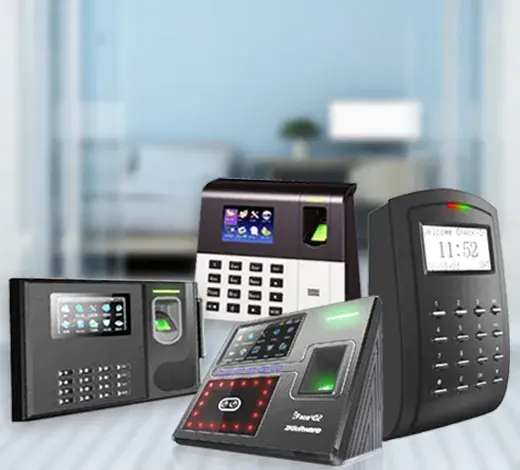
- Access Control Systems: Visible readers for key cards, fobs, or biometric scanners at entry points indicate that unauthorized access is restricted.
A study published in the Journal of Security Studies in late 2025 highlighted that businesses with a combination of visible cameras and alarm signage saw a 50% decrease in attempted burglaries over a two-year period.
Preventing Internal Threats
Deterrence isn't solely external. Professional security systems can also deter internal threats, such as employee theft or unauthorized access to sensitive areas. Clear policies regarding surveillance and access control, coupled with the technology to enforce them, create an environment where employees understand the consequences of dishonest actions. This fosters a culture of integrity and accountability, protecting the business from internal vulnerabilities.
Enhanced Surveillance and Monitoring Capabilities
Beyond simple deterrence, professional business security systems offer unparalleled capabilities in surveillance and monitoring. Modern systems leverage advanced technologies to provide real-time insights and comprehensive historical data, crucial for understanding and responding to events. In 2025-26, businesses are increasingly relying on intelligent video analytics, remote access, and integrated sensor networks to maintain constant situational awareness.
High-Definition Video Surveillance
The evolution of video surveillance has been dramatic. Professional systems in 2025-26 feature ultra-high-definition (UHD) cameras capable of capturing incredibly detailed footage, even in challenging lighting conditions. Features like wide dynamic range (WDR) ensure clear images in scenes with both bright and dark areas, while infrared (IR) night vision provides visibility in complete darkness. This level of detail is critical for identifying individuals, vehicles, and specific actions, providing irrefutable evidence should an incident occur. For instance, a retail business can use high-resolution cameras to track customer movement, identify shoplifters by facial features, and monitor inventory levels in real-time.
Intelligent Video Analytics (IVA)
One of the most significant advancements is the integration of Intelligent Video Analytics (IVA). These AI-powered systems go beyond mere recording, enabling cameras to detect and analyze specific events and behaviors. IVA can be configured to:
- Detect Motion and Intrusion: Alert security personnel when movement occurs in restricted zones or outside of business hours.
- Facial Recognition: Identify known individuals (e.g., employees, authorized visitors) or flag persons of interest.
- Object Detection and Tracking: Monitor for unattended objects, track the movement of specific assets, or identify unusual loitering patterns.
- People Counting: Provide real-time occupancy data for retail environments or event venues.
- License Plate Recognition (LPR): Automate the identification and logging of vehicles entering or leaving a premises.
A manufacturing plant in 2025 utilized IVA to detect when unauthorized personnel entered a high-security production area, triggering an immediate alert and preventing potential industrial espionage. This proactive detection saved the company an estimated $500,000 in potential intellectual property loss.
Remote Access and Mobile Monitoring
The ability to monitor security systems remotely is a game-changer for business owners and managers. With professional systems, authorized personnel can access live video feeds, review recorded footage, and receive real-time alerts via smartphones, tablets, or computers. This provides unparalleled flexibility and peace of mind, allowing for immediate oversight regardless of location. For a business with multiple locations, this feature is invaluable, enabling a central management team to monitor all sites effectively. A recent survey in early 2026 indicated that over 70% of small to medium-sized businesses (SMBs) cited remote access as a primary driver for adopting professional security solutions.
Integrated Sensor Networks
Beyond video, professional systems can integrate various sensors to create a comprehensive monitoring network. This includes:
- Door and Window Sensors: Detect unauthorized opening of entry points.
- Glass Break Detectors: Trigger an alarm when windows are shattered.
- Motion Sensors: Identify movement within interior spaces.
- Environmental Sensors: Monitor for smoke, fire, water leaks, or temperature fluctuations, providing early warnings for potential hazards.
By integrating these diverse data streams, businesses gain a holistic view of their security and operational environment, allowing for quicker and more informed decision-making.
Rapid Response and Incident Management
The effectiveness of any security system is ultimately measured by its ability to facilitate a rapid and coordinated response when an incident occurs. Professional business security systems are designed to streamline this process, ensuring that alerts are acted upon quickly and efficiently, minimizing potential damage and disruption. In 2025-26, the integration with professional monitoring services and advanced communication protocols is key to this rapid response capability.
Professional Monitoring Services
A critical component of a professional security system is its connection to a central monitoring station. These stations are staffed 24/7 by trained professionals who receive and verify alarm signals. Upon receiving an alert, they can:
- Verify the Alarm: Through audio/video verification, they can determine if the alarm is genuine or a false alarm, reducing unnecessary dispatches.
- Contact Authorities: In case of a verified intrusion, fire, or other emergency, they can immediately contact the appropriate emergency services (police, fire department).
- Notify Designated Personnel: They can also alert business owners, managers, or designated security personnel.
This immediate and professional intervention can significantly reduce response times, which is crucial for mitigating losses. For example, a study by the National Fire Protection Association in 2025 found that businesses with monitored fire alarms experienced significantly less damage compared to those without.
Streamlined Incident Reporting and Documentation
Professional security systems automatically log all events, including alarm triggers, system arming/disarming, and camera footage timestamps. This comprehensive digital audit trail is invaluable for:
- Incident Analysis: Understanding the sequence of events leading up to and during an incident.
- Insurance Claims: Providing clear and irrefutable evidence to support insurance claims.
- Legal Proceedings: Serving as crucial evidence in any legal action related to the incident.
- Operational Improvements: Identifying patterns or vulnerabilities that can be addressed to prevent future occurrences.
A retail chain using a professional system in 2025 was able to quickly provide detailed video evidence to law enforcement following a series of coordinated shoplifting incidents, leading to swift arrests and a reduction in future attempts.
Communication Protocols and Integration
Modern professional systems utilize robust communication protocols to ensure reliable transmission of data to monitoring stations and authorized users. This includes encrypted cellular and internet pathways, providing redundancy in case of landline failures. Furthermore, integration capabilities allow security systems to communicate with other business systems, such as building management or point-of-sale (POS) systems, enabling a more coordinated response. For instance, if a POS system detects a fraudulent transaction, it could trigger a specific alert within the security system, prompting immediate review of relevant camera footage.
False Alarm Reduction Strategies
False alarms can lead to fines and a desensitization of authorities. Professional systems employ advanced technologies and protocols to minimize false alarms. This includes:
- Dual-Technology Sensors: Combining different sensor types (e.g., motion and heat) to require multiple triggers for an alarm.
- Video Verification: Allowing monitoring agents to visually confirm an event before dispatching emergency services.
- User Training: Ensuring that employees are properly trained on system operation.
- Regular Maintenance: Proactive checks and maintenance by security professionals to ensure all components are functioning optimally.
These strategies ensure that when an alarm is raised, it is a genuine emergency, leading to faster and more appropriate responses.
Asset Protection and Loss Prevention
The primary objective for many businesses when considering security is the protection of their valuable assets, both tangible and intangible. Professional business security systems play a pivotal role in preventing theft, vandalism, and other forms of loss, thereby safeguarding the company's financial health and operational stability. In 2025-26, the focus extends beyond physical assets to include intellectual property and digital assets.
Preventing Theft and Burglary
As discussed in the deterrence section, visible security measures significantly reduce the likelihood of external theft and burglary. However, professional systems also offer internal safeguards. High-definition cameras can monitor stockrooms, cash registers, and high-value inventory areas. Access control systems ensure that only authorized personnel can enter sensitive areas where valuable goods are stored. The combination of surveillance and controlled access creates a multi-layered defense against theft.
A 2025 report from the retail sector indicated that businesses with advanced video surveillance and access control systems experienced a 20% reduction in inventory shrinkage due to theft.
Mitigating Vandalism and Property Damage
Vandalism can result in significant repair costs and business downtime. Professional security systems help mitigate this risk through:
- Perimeter Surveillance: Monitoring the exterior of the property to detect and deter vandalism attempts.
- Motion Detection: Triggering alarms or alerts when unexpected movement is detected in vulnerable areas.
- Graffiti Detection: Some advanced systems can be configured to detect the application of spray paint.
- Rapid Response: Quick dispatch of authorities or security personnel to apprehend vandals in the act.
A small business owner in a downtown area reported a substantial decrease in graffiti incidents after installing a professional system with high-resolution cameras covering the building's exterior, allowing for clear identification of perpetrators.
Protecting Intellectual Property and Sensitive Data
In the digital age, intellectual property (IP) and sensitive data are among a business's most valuable assets. Professional security systems contribute to their protection by:
- Controlling Access to Server Rooms and Offices: Restricting entry to areas where sensitive data is stored or accessed.
- Monitoring Employee Activity: Ensuring that employees are adhering to data security protocols and not exfiltrating confidential information.
- Detecting Unauthorized Network Access: While primarily an IT function, physical security can complement network security by preventing unauthorized physical access to network infrastructure.
- Securing R&D Facilities: Protecting laboratories and research areas where proprietary information is developed.
A technology startup in 2025 implemented a robust access control system for its R&D labs, preventing unauthorized personnel from accessing sensitive project files and prototypes, thus safeguarding their competitive edge.
Reducing Shrinkage and Inventory Loss
Inventory shrinkage, encompassing losses from theft, damage, and administrative errors, can significantly impact a business's bottom line. Professional security systems provide the tools to identify and reduce these losses:
- Point-of-Sale (POS) Integration: Linking video surveillance with POS transactions to verify sales and identify potential employee theft at the register.
- Stockroom Monitoring: Ensuring that inventory is handled correctly and not removed without authorization.
- Receiving and Shipping Verification: Documenting incoming and outgoing goods to prevent discrepancies.
- Customer Behavior Analysis: Identifying suspicious shopping patterns that may indicate shoplifting attempts.
A national grocery chain reported a 15% reduction in inventory shrinkage after deploying integrated video surveillance and POS monitoring systems across its stores in 2025.
Safeguarding Against Internal Fraud
While external threats often receive more attention, internal fraud can be equally damaging. Professional security systems, by providing oversight and accountability, can deter and detect fraudulent activities by employees. This includes financial fraud, data manipulation, and unauthorized use of company resources. The clear record-keeping and surveillance capabilities inherent in these systems create a transparent environment that discourages dishonest behavior.
Employee Safety and Accountability
The well-being of employees is a paramount concern for any responsible business. Professional security systems are instrumental in creating a safe working environment, protecting staff from workplace violence, harassment, and other safety threats. Furthermore, these systems foster a sense of accountability, ensuring that all individuals on the premises adhere to safety protocols and company policies.
Protecting Against Workplace Violence and Harassment
The presence of visible security cameras and the knowledge that incidents are being recorded can deter aggressive behavior. In the unfortunate event of an altercation or act of violence, the recorded footage provides crucial evidence for investigations and disciplinary actions. Professional systems can also include:
- Panic Buttons/Duress Alarms: Allowing employees to discreetly signal for help in emergency situations.
- Two-Way Audio: Enabling security personnel to communicate with individuals in specific areas, potentially de-escalating tense situations.
- Access Control to Restricted Areas: Preventing unauthorized individuals from entering areas where employees may feel vulnerable.
A healthcare facility implemented panic buttons in patient care areas in 2025, significantly improving staff confidence and safety in handling difficult situations.
Ensuring a Safe Working Environment
Beyond direct threats, security systems contribute to overall safety by:
- Monitoring for Hazardous Conditions: Environmental sensors can detect gas leaks, fires, or water damage, alerting employees and emergency services.
- Securing Entrances and Exits: Ensuring that only authorized personnel can enter and exit the building, particularly during off-hours.
- Providing Evidence for Safety Audits: Video footage can be used to review safety procedures and identify areas for improvement.
- Tracking Employee Location in Large Facilities: For businesses with vast premises (e.g., warehouses, construction sites), systems can help locate employees in emergencies.
A logistics company with a sprawling warehouse utilized a professional system to monitor loading docks and high-traffic areas, reducing accidents and ensuring compliance with safety regulations, as verified by their 2025 safety audit.
Enhancing Accountability and Policy Enforcement
Professional security systems create a clear record of who is on the premises and when. This enhances accountability in several ways:
- Time and Attendance Verification: Access control systems can automatically log employee entry and exit times, providing accurate attendance records.
- Monitoring Adherence to Procedures: Video surveillance can ensure that employees are following established protocols for handling equipment, inventory, or customer interactions.
- Investigating Incidents: When an incident occurs, the system's logs and footage can pinpoint responsibility and provide clarity on what happened.
- Protecting Against False Accusations: Footage can also exonerate employees who have been falsely accused of misconduct.
A manufacturing firm used its access control system in 2025 to verify that all employees had completed mandatory safety training before accessing specific production lines, ensuring compliance and accountability.
Deterring Internal Misconduct
The knowledge that their actions are being monitored can deter employees from engaging in unethical or illegal behavior, such as theft, sabotage, or misuse of company property. This doesn't imply a lack of trust but rather a commitment to protecting the business and its assets for the benefit of all stakeholders.
Providing Peace of Mind
Knowing that robust security measures are in place provides employees with a greater sense of security and peace of mind. This can lead to increased morale, productivity, and a more positive work environment. When employees feel safe, they can focus more effectively on their tasks.
Operational Efficiency and Insight
While the primary focus of business security systems is protection, modern solutions offer significant benefits that extend into operational efficiency and provide valuable business insights. In 2025-26, these systems are increasingly integrated with other business technologies to streamline workflows and enhance decision-making.
Optimizing Staffing and Resource Allocation
Video analytics, particularly people counting and heat mapping, can provide invaluable data for optimizing staffing levels and resource allocation. For example:
- Retail: Understanding peak customer traffic times allows for better scheduling of sales associates to ensure adequate customer service without overstaffing during lulls. Heat maps can show which store areas are most frequented, informing product placement and display strategies.
- Service Industries: Analyzing customer flow in waiting areas can help optimize front-desk staffing and appointment scheduling.
A boutique hotel used its video analytics in 2025 to track guest movement in common areas, leading to a more efficient allocation of housekeeping and concierge staff during peak hours.
Improving Customer Experience
By understanding customer behavior and traffic patterns, businesses can make informed decisions to enhance the customer experience. This might include:
- Reducing Wait Times: Identifying bottlenecks in service areas and adjusting staffing or processes accordingly.
- Optimizing Store Layouts: Using heat maps to understand how customers navigate a retail space and making adjustments for better flow and product visibility.
- Ensuring Adequate Staff Availability: Monitoring customer queues to ensure that sufficient staff are present to assist patrons.
A restaurant chain implemented video analytics to monitor wait times at its host stands and kitchens, leading to a 10% improvement in customer satisfaction scores in 2025.
Streamlining Workflow and Process Improvement
The detailed logs and video recordings generated by security systems can be used to analyze operational workflows. By reviewing how tasks are performed, businesses can identify inefficiencies, bottlenecks, and areas where processes can be improved. This is particularly useful in environments like manufacturing, logistics, and retail operations.
- Manufacturing: Observing assembly line processes to identify potential improvements in efficiency or safety.
- Logistics: Monitoring the efficiency of loading and unloading operations.
- Customer Service: Reviewing customer interactions to identify best practices and training needs.
A fulfillment center used its security camera footage in 2025 to analyze its picking and packing process, identifying a key area for improvement that reduced order fulfillment time by 8%.
Asset Tracking and Management
For businesses with valuable mobile assets, such as vehicles, equipment, or high-value inventory, professional security systems can incorporate GPS tracking and RFID technology. This allows for real-time monitoring of asset location, utilization, and security, preventing loss and optimizing deployment.
Remote Management and Control
The ability to remotely access and manage security systems, as previously mentioned, significantly enhances operational efficiency for businesses with multiple locations or mobile workforces. Managers can oversee operations, respond to incidents, and adjust system settings from anywhere, reducing the need for constant on-site presence.
Data-Driven Decision Making
Ultimately, professional security systems provide a wealth of data that can inform strategic business decisions. By analyzing trends in security incidents, customer traffic, and operational activities, businesses can gain deeper insights into their performance, risks, and opportunities. This data-driven approach leads to more informed and effective management.
Compliance and Insurance Benefits
Adhering to industry regulations and securing favorable insurance terms are critical for business sustainability. Professional business security systems can play a significant role in meeting compliance requirements and reducing insurance premiums, offering substantial financial advantages.
Meeting Regulatory Compliance
Many industries have specific regulations regarding data security, workplace safety, and physical security. Professional security systems help businesses meet these obligations:
- Data Protection Regulations (e.g., GDPR, CCPA): While primarily IT concerns, physical security measures like access control to server rooms and monitoring of sensitive areas are crucial for comprehensive data protection compliance.
- Workplace Safety Standards (e.g., OSHA): Video surveillance can document adherence to safety protocols and identify potential hazards, assisting in compliance with occupational safety regulations.
- Industry-Specific Mandates: Sectors like finance, healthcare, and government often have stringent physical security requirements that professional systems are designed to meet.
A financial institution in 2025 utilized its advanced access control and surveillance system to demonstrate compliance with strict banking security regulations to auditors.
Reduced Insurance Premiums
Insurance providers recognize that businesses with robust security measures are at a lower risk of experiencing losses. Consequently, many insurers offer discounts on premiums for businesses that install and maintain professional security systems. This can include discounts on:
- Property Insurance: Covering damage from theft, vandalism, or fire.
- General Liability Insurance: Reducing the risk of claims related to workplace accidents or security breaches.
- Business Interruption Insurance: Minimizing the likelihood of incidents that would cause business downtime.
A survey of insurance brokers in early 2026 indicated that businesses with monitored alarm systems and comprehensive video surveillance could see premium reductions of 10-20%.
Streamlined Insurance Claims Processing
In the event of an incident, having clear, high-quality video footage and detailed system logs from a professional security system significantly simplifies and expedites the insurance claims process. This documented evidence helps:
- Verify the Incident: Providing objective proof of what occurred.
- Assess the Damage: Clearly showing the extent of losses.
- Identify Causes: Helping to determine if the incident was covered under the policy.
- Prevent Fraudulent Claims: Offering evidence to counter any unsubstantiated claims.
A business that experienced a fire in 2025 was able to quickly settle its insurance claim due to the detailed video evidence from its security system, which clearly showed the origin and spread of the fire.
Risk Management and Mitigation
Professional security systems are a core component of a comprehensive risk management strategy. By identifying potential threats and implementing preventative measures, businesses can significantly reduce their exposure to various risks, from financial losses to reputational damage.
Due Diligence and Liability Protection
Implementing and maintaining professional security measures demonstrates due diligence in protecting employees, customers, and assets. This can be crucial in defending against liability claims if an incident does occur. For example, if an employee or customer is injured due to a security lapse, evidence of a professionally installed and maintained system can demonstrate that the business took reasonable steps to prevent such an event.
Scalability and Future-Proofing Your Security
The needs of a business evolve, and its security infrastructure must be able to adapt. Professional business security systems are designed with scalability and future-proofing in mind, ensuring that investments remain relevant and effective as the business grows and technology advances.
Adapting to Business Growth
As a business expands, its security requirements will change. Whether it's opening new locations, increasing staff, or expanding operational space, a professional system can be scaled accordingly. This typically involves:
- Adding More Cameras: Expanding surveillance coverage to new areas.
- Increasing Storage Capacity: Accommodating more video footage.
- Expanding Access Control Points: Implementing new card readers or biometric scanners for additional doors.
- Integrating New Sensors: Adding environmental or motion sensors as needed.
A retail chain that began with a single store implemented a scalable security system that allowed them to easily add new locations as they expanded, ensuring consistent security protocols across all branches.
Leveraging Technological Advancements
The security technology landscape is constantly evolving. Professional systems are typically built on platforms that can be updated to incorporate new features and technologies. This means that a business can upgrade its system over time without needing a complete overhaul.
- Software Updates: Receiving new analytics features or improved performance through software patches.
- Hardware Upgrades: Replacing older cameras with newer, higher-resolution models or upgrading network infrastructure.
- Integration with New Technologies: Compatibility with emerging AI, IoT, and cloud-based security solutions.
A company that installed a professional IP-based camera system in 2023 was able to easily upgrade to advanced AI analytics through a software update in 2025, enhancing their system's capabilities without replacing hardware.
Modular System Design
Many professional security systems are designed with a modular approach. This allows businesses to select and implement specific components based on their current needs and budget, and then add or replace modules as required. This flexibility ensures that the system remains tailored to the business's unique operational requirements.
Future-Proofing Against Emerging Threats
As new threats emerge, security systems need to adapt. Professional providers stay abreast of these evolving threats and design systems that can be updated to counter them. This proactive approach ensures that a business's security remains robust against both current and future risks.
Long-Term Cost-Effectiveness
While the initial investment in a professional security system may be higher than DIY solutions, its scalability, upgradability, and the long-term benefits it provides make it a more cost-effective choice over time. Businesses avoid the recurring costs and limitations of piecemeal or outdated systems.
Choosing the Right Professional Business Security System
Selecting the optimal professional business security system requires careful consideration of a business's specific needs, risks, and operational environment. A tailored approach ensures maximum effectiveness and return on investment. In 2025-26, the integration of advanced technologies and personalized service is key.
Assessing Your Business's Unique Needs
The first step is a thorough assessment of what needs to be protected and what risks the business faces. Consider:
- Type of Business: Retail, office, industrial, healthcare, etc.
- Size and Layout: Number of entry points, square footage, number of floors.
- Valuable Assets: Inventory, equipment, cash, intellectual property.
- Employee Count: Number of staff requiring access and monitoring.
- Operating Hours: 24/7 operations versus standard business hours.
- Specific Vulnerabilities: Previous incidents, location-specific risks.
A small retail store will have different needs than a large manufacturing plant, and the security system should reflect these differences.
Key Components to Consider
When evaluating systems, look for a comprehensive suite of components:
- Video Surveillance: Number and type of cameras (indoor/outdoor, resolution, IR, WDR), DVR/NVR capacity, video analytics.
- Access Control: Key card readers, biometric scanners, electronic locks, visitor management systems.
- Intrusion Detection: Door/window sensors, motion detectors, glass break sensors, alarm panels.
- Monitoring Services: 24/7 professional monitoring, cellular/IP communication, response protocols.
- Environmental Sensors: Smoke detectors, CO detectors, water leak sensors.
- Integration Capabilities: Compatibility with existing IT infrastructure, POS systems, or building management systems.
The Importance of Professional Installation and Support
While some systems offer DIY installation, professional installation by certified technicians is crucial for ensuring optimal placement, correct configuration, and reliable operation. Furthermore, ongoing support and maintenance are vital:
- Expert Installation: Ensures cameras are optimally positioned, sensors are calibrated, and wiring is secure.
- System Configuration: Tailoring settings and alerts to the business's specific needs.
- Regular Maintenance: Proactive checks to ensure all components are functioning correctly and to prevent failures.
- Technical Support: Prompt assistance for troubleshooting and system updates.
A study in 2025 found that systems installed by professionals experienced 40% fewer malfunctions in their first year compared to DIY installations.
Evaluating Security Providers
Choosing the right security provider is as important as choosing the right system. Look for providers that offer:
- Reputation and Experience: Years in business, customer testimonials, industry certifications.
- Customization Options: Ability to tailor solutions to your specific needs.
- Technology Expertise: Up-to-date knowledge of the latest security technologies.
- Comprehensive Support: 24/7 monitoring, responsive customer service, and maintenance plans.
- Transparent Pricing: Clear breakdown of costs for equipment, installation, and monitoring.
Budget Considerations
While cost is a factor, it should not be the sole determinant. Consider the total cost of ownership, including installation, monitoring fees, maintenance, and potential savings from reduced losses and insurance premiums. A slightly higher initial investment in a professional, scalable system can yield greater long-term value.
Future-Proofing and Scalability
As discussed, ensure the chosen system can grow with your business. Ask about expansion options, hardware upgrade paths, and software update policies. A system that can be easily scaled and updated will provide better long-term protection and value.
By carefully assessing needs, understanding system components, prioritizing professional installation and support, and selecting a reputable provider, businesses can implement a professional security system that offers robust protection, operational benefits, and peace of mind for years to come.
In conclusion, the benefits of installing a professional business security system in 2025-26 are extensive and critical for modern enterprises. From creating a formidable deterrent and enhancing surveillance to enabling rapid incident response and protecting valuable assets, these systems are indispensable. They foster employee safety, drive operational efficiencies, ensure regulatory compliance, and can lead to significant insurance savings. Investing in a tailored, scalable, and professionally managed security solution is not merely an expense; it's a strategic imperative for safeguarding business continuity, reputation, and profitability in today's complex threat landscape.