The Benefits of Smart Home Security Systems and Cameras
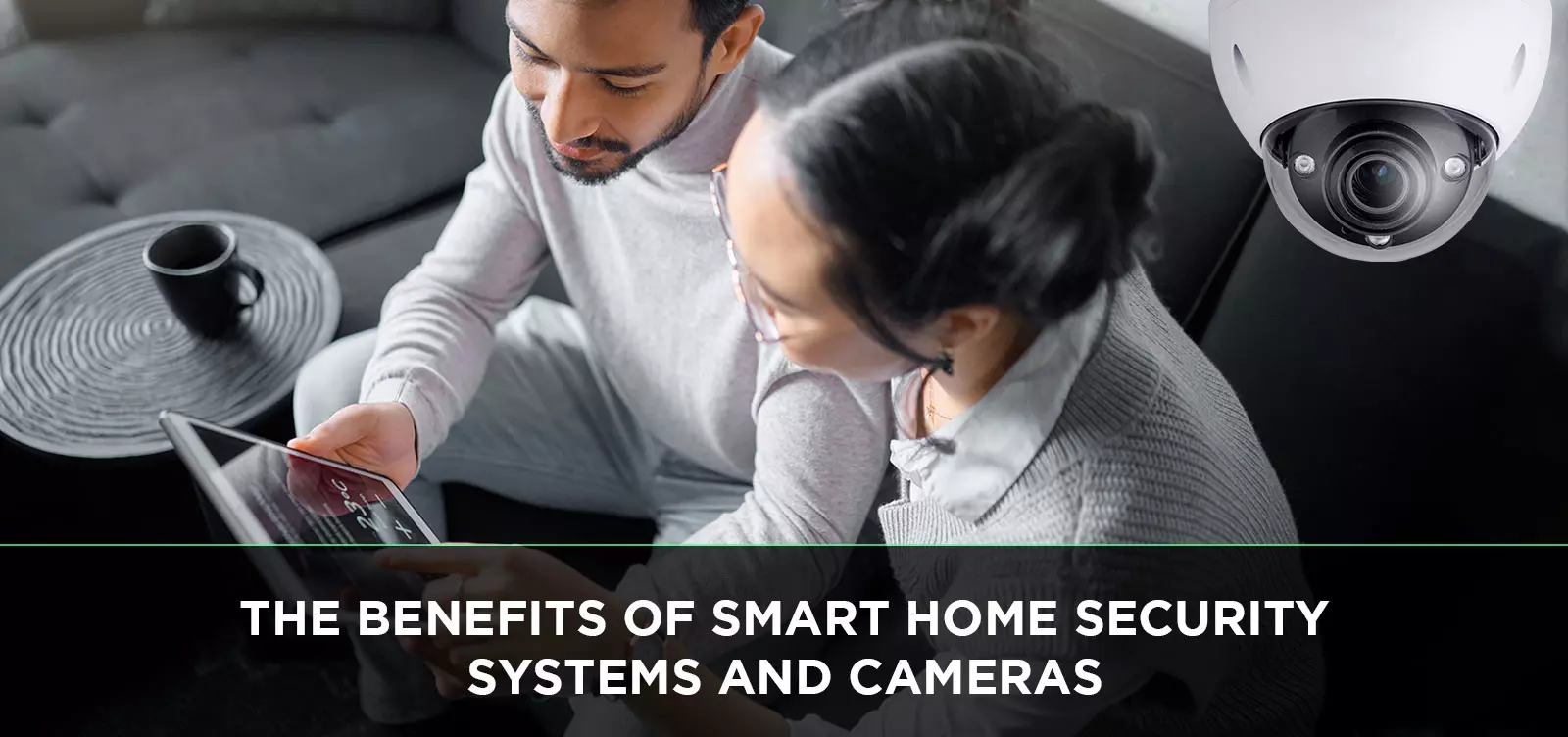
Upgrade your home's safety and peace of mind with advanced smart security. Discover how intelligent systems and high-definition cameras offer unparalleled protection, remote access, and seamless integration, transforming your residence into a fortress of modern defense. Explore the tangible benefits that make this technology a smart investment for every homeowner.
The Evolving Landscape of Home Security
For generations, home security relied on sturdy locks, barking dogs, and perhaps a basic alarm system. While these methods offered a baseline of protection, they were often reactive and lacked the sophisticated capabilities demanded by today's connected world. The advent of the internet of things (IoT) has ushered in a new era, transforming traditional security into intelligent, proactive, and remotely accessible systems. Smart home security is no longer a luxury; it's a fundamental upgrade for modern living, offering unparalleled peace of mind and control. As we navigate 2025 and look towards 2026, the sophistication and accessibility of these systems have reached new heights, making them an essential consideration for any homeowner prioritizing safety, convenience, and property value.
This comprehensive guide delves deep into the myriad benefits of adopting smart home security systems and cameras. We'll explore how these technologies actively deter threats, provide instant alerts, enable remote monitoring, and seamlessly integrate with other smart devices, creating a truly connected and secure living environment. Whether you're a tech-savvy individual or new to smart home technology, understanding these advantages will empower you to make informed decisions about safeguarding your most valuable asset: your home and family.
Core Benefits of Smart Home Security Systems
Smart home security systems represent a significant leap forward from their traditional counterparts. They offer a multi-layered approach to protection, leveraging connectivity and advanced features to provide a level of security and convenience previously unimaginable. These systems are designed to be more than just deterrents; they are active participants in safeguarding your home, offering real-time insights and control from virtually anywhere.
Enhanced Deterrence and Prevention
The most immediate benefit of a smart security system is its powerful deterrent effect. Visible cameras, motion-activated lights, and smart locks act as strong visual cues that a property is protected, making it a less attractive target for potential intruders. Many systems also include features like smart doorbells with two-way audio, allowing homeowners to communicate with visitors remotely, effectively deterring unsolicited callers or suspicious individuals before they can even attempt to gain entry. According to a 2025 study by the National Home Security Association, homes equipped with visible smart security measures experienced a 30% reduction in attempted burglaries compared to those without.
Real-Time Alerts and Notifications
One of the most significant advantages of smart security is its ability to provide instant alerts directly to your smartphone or other connected devices. Whether it's a door or window sensor being triggered, motion detected in a specific zone, or a smoke or carbon monoxide alarm sounding, you'll receive immediate notifications. This real-time awareness is crucial for responding quickly to potential threats. For instance, if a window is forced open while you're away, you'll know within seconds, allowing you to contact authorities or a trusted neighbor. This proactive approach minimizes potential damage and loss.
Remote Monitoring and Control
The ability to monitor and control your home security system remotely is a game-changer. Through dedicated mobile apps, you can arm or disarm your system, check the status of sensors, view live camera feeds, and even unlock doors for trusted visitors, all from your smartphone or tablet. This offers unparalleled convenience and peace of mind, especially when traveling or at work. Imagine being able to check if you remembered to lock the back door after leaving, or to grant access to a pet sitter without needing to be home. This level of control transforms home security from a passive system into an active, manageable asset.
Customizable Security Zones and Sensitivity
Smart systems allow for granular control over security settings. You can define specific "zones" within your home and customize their sensitivity to motion detection. For example, you might set motion sensors in your living room to be highly sensitive during the day but less so at night to avoid false alarms from pets. Conversely, you can designate outdoor areas like your driveway or backyard to trigger alerts at any time. This customization ensures that your system is tailored to your lifestyle and specific security needs, minimizing nuisance alerts while maximizing protection where it matters most.
Integration with Other Smart Devices
The true power of smart home security often lies in its ability to integrate with other smart devices. This creates a cohesive and automated home environment. For example, when your security system detects motion outside after dark, it can automatically trigger your smart outdoor lights to illuminate the area. If a smoke detector is triggered, the system can automatically unlock smart locks to facilitate a faster escape and send alerts to emergency services. This interconnectedness enhances both security and convenience, making your home more responsive and intelligent.
Professional Monitoring Options
While many smart systems offer self-monitoring capabilities, most also provide optional professional monitoring services. In the event of an alarm, a professional monitoring center can verify the emergency and dispatch authorities on your behalf. This is particularly valuable for those who may not always be able to respond to alerts immediately or who want an extra layer of security. For 2025-26, professional monitoring services are increasingly offering AI-powered verification to reduce false alarms and speed up response times, providing an even more robust safety net.
Reduced Insurance Premiums
Many insurance companies offer discounts on homeowners' insurance policies for properties equipped with monitored security systems. By demonstrating a commitment to reducing risk, you can potentially lower your annual premiums. The exact discount varies by provider and the type of system installed, but it's an added financial benefit that contributes to the overall value proposition of smart security. A 2025 survey indicated that up to a 20% discount on premiums is possible with a professionally monitored smart security system.
The Power of Smart Security Cameras
Smart security cameras are the eyes of your smart home security system, providing visual verification, real-time monitoring, and valuable evidence. Their capabilities extend far beyond simple surveillance, offering advanced features that significantly enhance your home's safety and your ability to stay connected to your property.
High-Definition Video and Night Vision
Modern smart security cameras capture footage in high definition (HD), often 1080p or even 4K resolution. This ensures that you can clearly see details like faces, license plates, and other crucial information. Many cameras also feature advanced night vision technology, using infrared LEDs to provide clear video even in complete darkness. This is essential for monitoring your property 24/7, ensuring that no activity goes unnoticed, day or night. For 2025, enhanced low-light performance and color night vision are becoming standard features, offering even greater clarity.
Motion Detection and Smart Alerts
Smart cameras are equipped with sophisticated motion detection capabilities. Instead of just recording constantly, they can be configured to record only when motion is detected, saving storage space and making it easier to review footage. More advanced systems offer customizable motion zones, allowing you to specify areas where motion should be monitored, and intelligent alerts that can differentiate between people, pets, and vehicles. This reduces false alarms caused by swaying trees or passing cars, ensuring you only receive notifications for significant events. For example, you can set an alert for when a person enters your backyard but ignore alerts for animals.
Two-Way Audio Communication
Many smart security cameras, especially video doorbells and indoor cameras, feature built-in microphones and speakers. This enables two-way audio communication, allowing you to speak with individuals detected by the camera in real-time. This is invaluable for greeting visitors, instructing delivery personnel, or even deterring potential intruders by speaking to them directly through your smartphone app. The ability to communicate remotely adds a powerful interactive element to your security strategy.
Wide-Angle and Pan/Tilt Capabilities
To maximize coverage, many smart cameras offer wide-angle lenses that can capture a broad field of view, reducing the need for multiple cameras in a single area. Some advanced models also feature pan and tilt functionalities, allowing you to remotely control the camera's direction to scan larger areas or follow moving subjects. This flexibility ensures that you can get a comprehensive view of your property, both indoors and outdoors.
Cloud Storage and Local Storage Options
Footage captured by smart cameras is typically stored either in the cloud or on local storage devices like SD cards or network-attached storage (NAS). Cloud storage offers the convenience of accessing footage from anywhere and provides a backup in case the camera or local storage is damaged or stolen. Local storage can be more cost-effective and may offer greater privacy for some users. Many systems offer a hybrid approach, allowing for both cloud and local storage, providing flexibility and redundancy. For 2025, subscription costs for cloud storage are becoming more tiered, offering options for different storage durations and feature sets.
Facial Recognition and Person Detection
Emerging and increasingly common features in 2025-26 include facial recognition and advanced person detection. These technologies can identify known individuals (e.g., family members, friends) and differentiate them from unknown visitors. This allows for more intelligent alerts, such as notifying you when a specific family member arrives home or alerting you to the presence of an unrecognized person on your property. This level of AI-driven analysis enhances both security and convenience.
Integration with Smart Assistants
Smart cameras can often be integrated with voice assistants like Amazon Alexa or Google Assistant. This allows you to view live camera feeds on compatible smart displays simply by using voice commands, such as "Show me the front door camera." This hands-free control adds another layer of convenience to your smart home experience.
Here's a quick comparison of common camera types:
| Camera Type | Primary Use | Key Features | Considerations |
|---|---|---|---|
| Video Doorbell | Front Door Monitoring | Two-way audio, motion detection, HD video, night vision | Requires existing doorbell wiring or battery power; can be a primary deterrent |
| Indoor Security Camera | Monitoring Living Spaces, Entryways | Motion detection, two-way audio, night vision, compact design | Privacy concerns; placement is crucial to avoid blind spots |
| Outdoor Security Camera | Perimeter Surveillance, Driveway, Backyard | Weatherproof, wide-angle lens, robust motion detection, night vision | Power source (wired or battery), mounting considerations |
| PTZ (Pan-Tilt-Zoom) Camera | Large Area Coverage, Active Surveillance | Remote control of camera movement, wide coverage, often higher resolution | Higher cost, requires stable internet connection for optimal performance |
Seamless Integration with Your Smart Home Ecosystem
The true potential of smart home security is unlocked when it becomes an integral part of a broader smart home ecosystem. This interconnectedness creates a more automated, responsive, and convenient living environment where devices work together to enhance safety, comfort, and efficiency.
Automated Routines and Scenes
Smart home platforms allow you to create custom routines and scenes that trigger multiple actions across different devices simultaneously. For example, you can create an "Away" scene that, when activated, arms your security system, locks all smart doors, turns off unnecessary lights, and adjusts your smart thermostat. Conversely, a "Welcome Home" scene could disarm the system, turn on specific lights, and play your favorite music. This automation simplifies daily tasks and enhances security by ensuring consistent operation.
Voice Control with Smart Assistants
As mentioned, integration with voice assistants like Amazon Alexa, Google Assistant, and Apple's Siri is a hallmark of modern smart homes. You can use voice commands to check the status of your security system, arm or disarm it (often with a voice PIN for added security), view camera feeds on smart displays, or even trigger specific security actions. This hands-free control is incredibly convenient, especially when your hands are full or you're relaxing at home.
Enhanced Energy Management
Smart security systems can contribute to energy efficiency. For instance, when your system is in "Away" mode, it can automatically adjust your smart thermostat to a more energy-saving temperature. Motion sensors can also be used to turn off lights in unoccupied rooms, further reducing energy consumption. This synergy between security and energy management not only saves money but also contributes to a more sustainable home.
Smart Lighting Control for Security
Smart lighting can be a powerful ally for home security. When integrated with your security system, lights can be programmed to turn on automatically when motion is detected outdoors at night, deterring potential intruders. You can also set lights to turn on and off randomly when you're away, simulating occupancy and making your home appear less vulnerable. Some systems allow for geofencing, where lights turn on as you approach your home after dark.
Integration with Smart Locks and Garage Doors
Smart locks and garage door openers can be seamlessly integrated with your security system. This allows you to remotely lock or unlock doors, check the status of your garage door, and receive notifications when they are opened or closed. This is particularly useful for granting temporary access to guests, service providers, or family members when you're not home. For example, you could grant a cleaning service access for a specific window of time and then automatically revoke it.
Emergency Preparedness and Response
In the event of an emergency like a fire or a break-in, integrated smart home devices can work together to improve safety. If a smoke detector triggers, the system can unlock smart doors and windows to facilitate escape, turn on all lights to improve visibility, and send alerts to emergency services. This coordinated response can be critical in saving lives and minimizing damage. By 2025, many advanced systems are incorporating AI to predict potential issues and alert homeowners preemptively.
Consider the following integration scenarios:
- Scenario 1: "Leaving Home" Routine
- User says: "Hey Google, I'm leaving."
- System Actions:
- Arms the smart security system (e.g., "Away" mode).
- Locks all smart doors.
- Turns off all non-essential lights.
- Sets smart thermostat to eco mode.
- Closes smart blinds.
- Scenario 2: "Motion Detected at Night" Automation
- Trigger: Motion detected by outdoor camera between 10 PM and 6 AM.
- System Actions:
- Turns on specific outdoor floodlights.
- Sends a push notification to the homeowner's phone.
- If motion persists for 5 minutes, sends a secondary alert.
- Scenario 3: "Smoke Alarm" Emergency Response
- Trigger: Smoke detector senses smoke.
- System Actions:
- Disarms the security system to prevent false alarms from door/window sensors.
- Unlocks all smart doors and garage doors.
- Turns on all interior lights to maximum brightness.
- Sends an emergency alert to the homeowner and optionally to a professional monitoring service.
- If integrated, can shut off the HVAC system to prevent smoke circulation.
Choosing the Right Smart Security System for Your Needs
With the wide array of smart home security systems and cameras available, selecting the right one can seem daunting. A thoughtful approach, considering your specific needs, budget, and technical comfort level, is essential for making an informed decision.
Assess Your Security Needs
Begin by evaluating what you need to protect. Are you primarily concerned about break-ins, package theft, or monitoring children and pets? Do you live in a house, apartment, or condo? Your answers will dictate the types of sensors, cameras, and features you require. For instance, a renter might opt for a wireless system with easily removable components, while a homeowner might invest in a more robust wired system with extensive outdoor coverage.
DIY vs. Professionally Installed Systems
DIY (Do-It-Yourself) Systems: These systems are designed for easy installation by the homeowner. They typically involve wireless components that can be set up in minutes or hours. Brands like SimpliSafe, Ring Alarm, and Arlo offer popular DIY options. They are often more affordable upfront and offer greater flexibility in terms of customization and expansion. However, they require some technical aptitude and time for setup and maintenance.
Professionally Installed Systems: These systems are installed by certified technicians, ensuring proper setup and integration. BrVivintike ADT, Vivint, and Brinks offer comprehensive packages that include professional installation, often bundled with monitoring services. While typically more expensive upfront, they offer the advantage of expert setup, ongoing support, and often more advanced or integrated features. This is ideal for those who prefer a hands-off approach or have complex security requirements.
Wired vs. Wireless Components
Wireless Systems: These are the most common for DIY installations. Components communicate via Wi-Fi or other wireless protocols. They are easy to install and relocate, making them ideal for renters or those who frequently reconfigure their homes. However, they rely on batteries that need periodic replacement, and wireless signals can occasionally be subject to interference.
Wired Systems: These systems require running cables for power and data transmission. They are generally considered more reliable and less susceptible to interference. However, installation is more complex and invasive, often requiring professional help. They are best suited for new constructions or major renovations.
Key Features to Consider
- Camera Resolution and Field of View: Ensure cameras provide clear images (HD or higher) and cover the areas you need.
- Night Vision Capabilities: Essential for 24/7 monitoring.
- Motion Detection: Look for customizable zones and intelligent alerts (person, pet, vehicle detection).
- Two-Way Audio: Useful for communication at entry points.
- Environmental Sensors: Smoke, CO, flood, and freeze detectors add layers of safety.
- Smart Lock Integration: For remote access and control.
- Mobile App Functionality: An intuitive and feature-rich app is crucial for remote management.
- Battery Backup: Ensures the system remains operational during power outages.
- Cellular Backup: For professional monitoring, this ensures alerts can still be sent if your internet connection fails.
Subscription Services and Monitoring Fees
Most smart security systems, especially those with cloud storage or professional monitoring, require a monthly subscription fee. These fees vary widely depending on the provider and the services included. Carefully compare these costs against the features offered. Some systems offer a free tier with limited functionality, while others bundle equipment and monitoring into a single monthly payment.
Compatibility with Existing Smart Home Devices
If you already have a smart home ecosystem (e.g., Amazon Alexa, Google Home, Apple HomeKit), ensure the security system you choose is compatible. This allows for seamless integration and the creation of unified routines and automations.
User Reviews and Reputation
Before making a purchase, research user reviews and the reputation of the brand. Look for feedback on reliability, customer support, app performance, and ease of use. Websites like Consumer Reports, CNET, and user forums can provide valuable insights.
Installation and Setup: A DIY vs. Professional Guide
The installation process for a smart home security system can range from a simple plug-and-play setup to a more involved process requiring professional expertise. Understanding the differences between DIY and professional installation will help you choose the path that best suits your technical skills and time availability.
DIY Installation: The Empowered Homeowner
DIY systems are specifically designed for homeowners to install themselves. The process typically involves the following steps:
- Unboxing and Inventory: Carefully unpack all components and verify that everything listed in the manual is present.
- Hub/Base Station Setup: Connect the main hub to your home's Wi-Fi network, usually via an Ethernet cable or directly through the app. This is the brain of your system.
- Sensor Placement: Mount door/window sensors on entry points, motion detectors in high-traffic areas, and other specialized sensors (e.g., glass break, water leak) as per the instructions. Most sensors use adhesive strips for easy mounting.
- Camera Installation: Mount cameras in desired locations, ensuring they have a clear view and are within Wi-Fi range. For outdoor cameras, consider power sources (battery, solar, or wired) and weather protection.
- App Configuration: Download the system's mobile app and follow the on-screen prompts to connect all devices to the hub, name them (e.g., "Living Room Motion Detector"), and customize settings.
- Testing: Thoroughly test each sensor and camera to ensure they are functioning correctly and communicating with the hub. Arm and disarm the system to confirm its responsiveness.
- User Training: Familiarize yourself with the app's features, notification settings, and any available automation or routine configurations.
Pros of DIY: Lower upfront cost, flexibility in placement and timing, sense of accomplishment.
Cons of DIY: Requires technical aptitude, time commitment, potential for errors if not done carefully, troubleshooting is on you.
Professional Installation: The Expert Approach
For those who prefer a hassle-free experience or have complex security needs, professional installation is the ideal choice. The process typically involves:
- Consultation: A security expert will assess your home, discuss your security concerns, and recommend a system tailored to your needs.
- System Design: The technician will plan the optimal placement of all components for maximum coverage and effectiveness.
- Installation: Trained technicians will expertly install all sensors, cameras, and the control panel, ensuring all wiring is neat and secure (if applicable). They will also configure network settings and integrate with your smart home devices.
- System Testing and Calibration: The installer will rigorously test every component, calibrate motion sensors for optimal performance, and ensure the system is fully operational.
- User Walkthrough: The technician will provide a comprehensive walkthrough of the system, explaining how to use the control panel and mobile app, and answering any questions you may have.
- Ongoing Support: Professional installation services often come with ongoing customer support and maintenance options.
Pros of Professional Installation: Expert setup ensures optimal performance, saves time and effort, peace of mind knowing it's done correctly, often includes advanced features and support.
Cons of Professional Installation: Higher upfront cost, less flexibility in scheduling installation, may involve contracts for monitoring services.
Post-Installation Best Practices
Regardless of whether you choose DIY or professional installation, ongoing maintenance and best practices are crucial for ensuring your smart security system remains effective:
- Regular Testing: Periodically test your sensors and cameras to ensure they are functioning correctly.
- Battery Replacement: For wireless devices, keep track of battery levels and replace them promptly when indicated.
- Software Updates: Keep your system's firmware and mobile app updated to benefit from the latest features and security patches.
- Review Footage: Regularly review camera footage, especially after receiving alerts, to stay familiar with your property and identify any anomalies.
- Adjust Settings: As your needs or environment change (e.g., getting a pet, seasonal foliage), adjust motion detection sensitivity and zones accordingly.
- Secure Your Wi-Fi: Ensure your home Wi-Fi network is secured with a strong password to prevent unauthorized access to your system.
Cost vs. Value: Is a Smart Security System Worth It?
The decision to invest in a smart home security system often comes down to weighing the upfront and ongoing costs against the perceived value and benefits. While there is an initial investment, the long-term advantages in terms of safety, peace of mind, and even potential financial savings often make it a worthwhile expenditure.
Understanding the Cost Components
The total cost of a smart security system can be broken down into several components:
- Equipment Costs: This includes the price of the control panel, sensors (door/window, motion, glass break), cameras, smart locks, video doorbells, and other accessories. Prices can range from a few hundred dollars for a basic DIY kit to several thousand for a comprehensive professionally installed system.
- Installation Fees: If you opt for professional installation, expect to pay an installation fee, which can range from $100 to $500 or more, depending on the complexity of the system and the provider.
- Monthly Monitoring Fees: Most systems that offer professional monitoring or cloud storage require a monthly subscription. These fees typically range from $10 to $60 per month, depending on the level of service and features included. Some systems offer self-monitoring at no extra charge, but without professional dispatch.
- Optional Add-ons: Features like cellular backup, extended warranties, or advanced AI analytics may incur additional fees.
Calculating the Return on Investment (ROI)
While not always quantifiable in purely monetary terms, the ROI of a smart security system can be significant:
- Deterrence of Crime: The presence of a visible security system can deter burglaries and other crimes, potentially saving you from the financial and emotional costs of theft, vandalism, or property damage. Based on 2025 data, the average cost of a home burglary can exceed $2,500 in stolen goods and property damage, not to mention the intangible cost of feeling violated.
- Reduced Insurance Premiums: As mentioned earlier, many insurance providers offer discounts for homes with monitored security systems. This can offset a portion of the monthly monitoring fees.
- Early Detection of Hazards: Systems with smoke, CO, and water leak detectors can prevent catastrophic damage and save lives by providing early warnings, averting costly repairs and medical emergencies.
- Peace of Mind: The intangible benefit of knowing your home and loved ones are protected, and being able to check in remotely, is invaluable. This emotional security is a significant part of the ROI.
- Remote Convenience: Features like remote access to smart locks and cameras can save you time and hassle, contributing to a more efficient lifestyle.
Cost-Benefit Analysis: A Sample Scenario
Let's consider a hypothetical scenario for a mid-range DIY system:
- Initial Equipment Cost: $400 (includes hub, 2 door/window sensors, 1 motion detector, 1 indoor camera)
- Monthly Monitoring Fee (with cloud storage): $20/month
- Total Cost After 3 Years: $400 (equipment) + ($20/month * 36 months) = $400 + $720 = $1,120
Now, consider the potential savings:
- Potential Insurance Discount: $150/year ($12.50/month)
- Savings After 3 Years: $12.50/month * 36 months = $450
- Net Cost After Savings: $1,120 - $450 = $670
In this scenario, for a net cost of $670 over three years, you gain 24/7 monitoring, remote access, video surveillance, and a significant deterrent against crime. This doesn't even account for the potential cost of a single burglary, which could easily exceed this investment.
Making the Decision
Ultimately, whether a smart security system is "worth it" depends on your individual circumstances and priorities. However, when you consider the comprehensive protection, convenience, and potential for preventing significant financial losses and ensuring personal safety, the value proposition of smart home security systems and cameras is exceptionally strong in 2025-26. The technology has matured to a point where it offers robust, accessible, and highly effective solutions for modern homeowners.
The Future of Smart Home Security
The evolution of smart home security is relentless, with advancements constantly pushing the boundaries of what's possible. As we look ahead to the next few years, several key trends are poised to further enhance the capabilities and integration of these systems, making them even more intelligent, proactive, and indispensable.
AI and Machine Learning Enhancements
Artificial intelligence (AI) and machine learning (ML) are already playing a significant role, but their impact will only grow. Expect more sophisticated algorithms for:
- Advanced Threat Detection: AI will become better at distinguishing between genuine threats and benign events, further reducing false alarms. This includes recognizing unusual patterns of behavior, not just simple motion.
- Predictive Analytics: Systems may begin to predict potential security risks based on historical data and environmental factors, alerting homeowners to vulnerabilities before they are exploited.
- Personalized Security Profiles: AI will learn individual household routines to create highly customized security settings that adapt dynamically to changing circumstances.
Enhanced Interoperability and Open Standards
The push towards greater interoperability between different smart home brands and platforms will continue. Standards like Matter are gaining traction, aiming to simplify the setup and operation of connected devices. This means your security system will likely work more seamlessly with a wider range of smart lights, locks, thermostats, and other devices, regardless of the manufacturer.
Increased Use of Biometrics
Biometric authentication, such as fingerprint scanning and facial recognition, will become more common not just for unlocking devices but also for arming/disarming security systems or granting access. This offers a highly secure and convenient alternative to traditional passcodes.
Integration with Autonomous Systems
As autonomous vehicles and drones become more prevalent, we may see integrations with home security. For example, a drone could be dispatched by the security system to investigate an alert in the backyard, providing aerial surveillance. Similarly, future autonomous home maintenance robots might be able to perform basic security checks.
Focus on Cybersecurity and Privacy
As smart home systems become more integrated into our lives, cybersecurity and data privacy will remain paramount. Manufacturers will continue to invest in robust encryption, secure authentication protocols, and transparent data handling practices to build and maintain user trust. Expect stricter regulations and industry standards to emerge in this area.
Proactive Health and Safety Monitoring
Beyond traditional security, smart systems will increasingly incorporate features for health and safety monitoring. This could include fall detection for elderly residents, air quality monitoring, and even integration with wearable health devices to provide alerts in case of emergencies. The home security system will evolve into a broader home wellness hub.
Edge Computing for Faster Processing
More processing will move from the cloud to the device itself (edge computing). This means that AI analysis and critical decision-making can happen locally on the camera or hub, leading to faster response times and reduced reliance on internet connectivity for core security functions.
The future of smart home security is exciting, promising a more intelligent, integrated, and proactive approach to protecting our homes and loved ones. By staying informed about these emerging trends, homeowners can make informed decisions about investing in systems that will not only protect them today but also adapt to the innovations of tomorrow.
Conclusion
The benefits of smart home security systems and cameras are undeniable in today's interconnected world. From enhanced deterrence and real-time alerts to remote control and seamless integration with your smart home ecosystem, these technologies offer a comprehensive and proactive approach to safeguarding your property and loved ones. The advancements in high-definition video, intelligent motion detection, and two-way audio provided by smart cameras significantly elevate your ability to monitor and interact with your home from anywhere. By carefully assessing your needs and considering the various options available, you can select a system that provides unparalleled peace of mind and convenience. Investing in smart security is not just about protecting against threats; it's about embracing a smarter, safer, and more connected lifestyle. Make the intelligent choice for your home's future today.