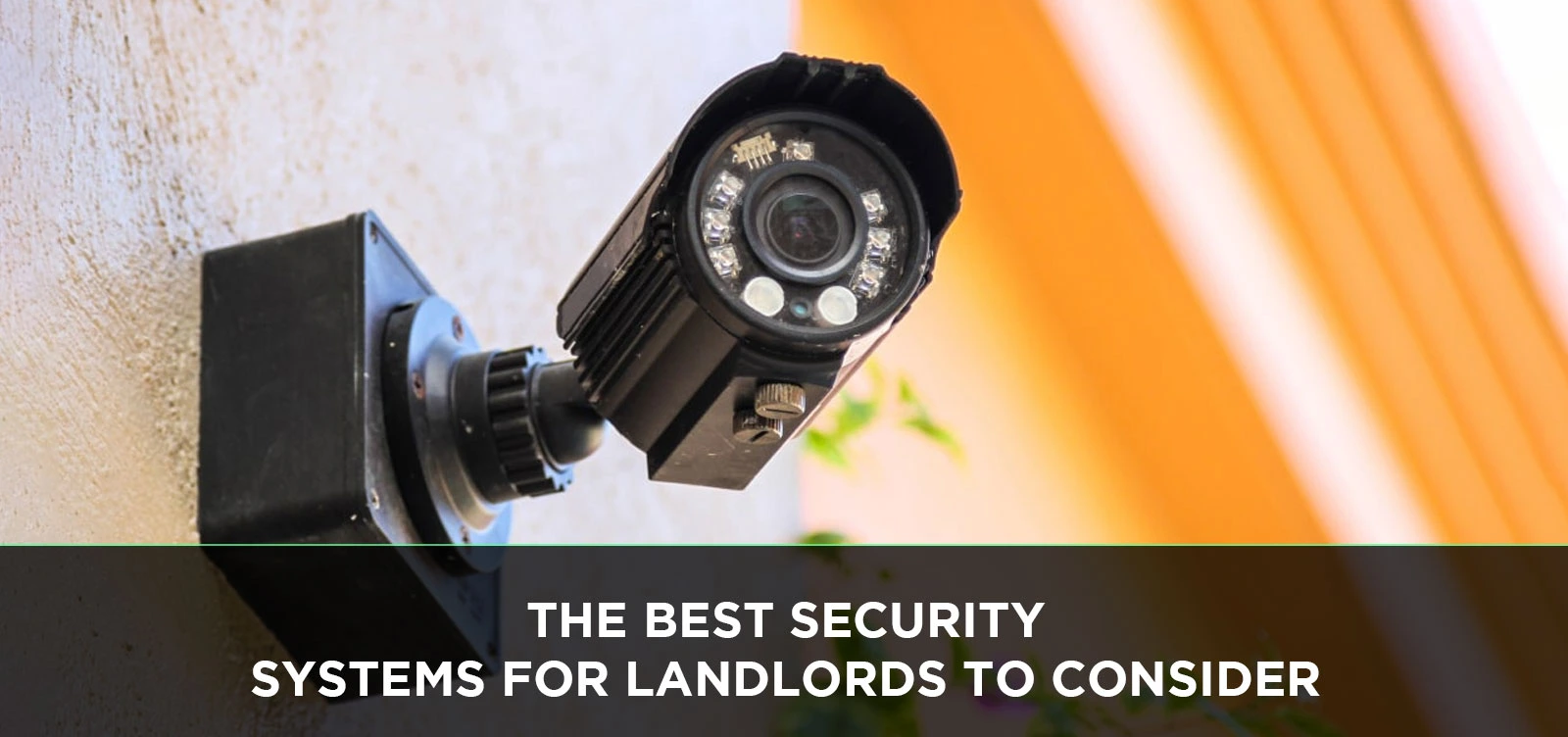
Investing in robust security systems for rental properties is no longer a luxury but a necessity for landlords. This guide explores the top security solutions for 2025-26, focusing on effectiveness, cost-efficiency, and ease of management to protect your assets and tenants.
Why Property Security Matters for Landlords
In the dynamic landscape of property management, ensuring the safety and security of rental units is paramount. For landlords, this isn't just about tenant well-being; it's a critical component of asset protection, property value preservation, and risk mitigation. The statistics for 2025-26 paint a clear picture: properties with enhanced security measures experience lower rates of vandalism, fewer insurance claims related to theft or damage, and consequently, higher tenant retention. According to a recent survey of property managers, 78% reported that security features were a significant factor in tenant attraction and retention, with 65% noting a decrease in maintenance requests related to property damage after implementing upgraded security protocols.
The financial implications are substantial. A single break-in can lead to costly repairs, lost rental income during vacancy, and potential legal liabilities if tenants can prove negligence. Furthermore, the psychological impact on tenants experiencing a security breach can be devastating, leading to a loss of trust and a swift departure. By proactively investing in the best security systems for landlords, you not only safeguard your investment but also cultivate a reputation as a responsible and caring property owner, which is invaluable in today's competitive rental market. This proactive approach is far more cost-effective than reacting to security incidents after they occur. Understanding the evolving threats and available solutions is the first step towards creating a secure environment for everyone involved.
Key Features to Look For in Landlord Security Systems
When selecting security systems for rental properties, landlords must prioritize features that offer robust protection, convenience, and scalability. The needs of a single-family home differ significantly from those of a multi-unit apartment complex. Therefore, a comprehensive approach involves evaluating various components that work together to provide layered security.
Tenant Privacy and Control
A critical aspect for rental properties is balancing landlord oversight with tenant privacy. Systems that allow tenants to control their individual unit's security settings, while providing landlords with broader property-level monitoring capabilities, are ideal. Features like individual user codes, app-based control, and clear privacy policies are essential. For example, smart locks can grant temporary access to maintenance personnel without compromising the tenant's main access code, and landlords can receive notifications of entry and exit. This fosters trust and avoids unnecessary conflict.
Remote Monitoring and Management
The ability to monitor properties remotely is a game-changer for landlords, especially those managing multiple units or properties spread across different locations. Modern security systems offer mobile apps that provide real-time alerts, video feeds, and system status updates. This allows landlords to respond quickly to potential issues, such as unauthorized entry or environmental hazards like water leaks, even when they are not on-site. In 2025-26, the demand for integrated smart home features, including remote control of lights, thermostats, and locks, is also growing, adding convenience and potential energy savings.
Durability and Reliability
Rental properties are subject to more wear and tear than owner-occupied homes. Security devices must be robust enough to withstand frequent use and potential tampering. This means opting for high-quality hardware, weather-resistant outdoor cameras, and systems with reliable connectivity, whether wired or wireless. Battery backup and cellular backup are crucial for ensuring continuous operation during power outages or internet disruptions, which can be common in some areas.
Scalability and Integration
As your property portfolio grows or your security needs evolve, your chosen system should be able to scale accordingly. Look for systems that allow you to easily add more sensors, cameras, or even expand to new properties without a complete overhaul. Integration with other smart home devices can also enhance functionality. For instance, linking security cameras with smart lighting can deter intruders by activating lights when motion is detected. Compatibility with property management software is also a growing consideration for streamlining operations.
Cost-Effectiveness and Return on Investment (ROI)
While security is an investment, it should also be cost-effective. Consider the total cost of ownership, including equipment purchase, installation fees, monthly monitoring subscriptions, and potential maintenance. DIY systems often have lower upfront costs, while professionally installed systems might offer more comprehensive features and support. The ROI comes in the form of reduced property damage, lower insurance premiums, fewer vacancies due to enhanced safety, and increased tenant satisfaction. A study from 2025 indicates that properties with advanced security features command an average of 5-10% higher rental rates.
Ease of Use for Tenants and Management
Complex systems can be a deterrent for potential tenants and a headache for landlords. The ideal security system should be intuitive and easy to operate for both parties. This includes simple arming/disarming procedures, straightforward app interfaces, and clear instructions for tenants. For landlords, ease of management translates to efficient tenant onboarding, troubleshooting, and system updates.
Top Security Systems for Landlords (2025-26)
Choosing the right security system depends on your specific property type, budget, and management style. The market offers a spectrum of solutions, from simple DIY setups to sophisticated integrated systems. Here, we break down the leading categories and specific recommendations for landlords in 2025-26.
DIY Smart Home Security Systems
DIY smart home security systems have surged in popularity due to their affordability, flexibility, and ease of installation. They are ideal for landlords who want to provide modern security features without the commitment of professional installation and high monthly fees. These systems typically consist of a central hub, door/window sensors, motion detectors, and often smart cameras, all controllable via a smartphone app. Many offer optional professional monitoring services for an additional fee.
Key Players and Features for 2025-26:
- SimpliSafe: Known for its user-friendly interface, extensive range of sensors, and affordable professional monitoring plans. SimpliSafe offers a good balance of features and cost, making it a top choice for apartments and single-family homes. Their 2025-26 lineup includes enhanced motion detection algorithms and improved battery life for sensors. They also offer smart locks and video doorbells as add-ons.
- Ring Alarm Pro: Amazon's Ring Alarm Pro integrates seamlessly with other Ring devices and Alexa. It offers robust features like built-in Wi-Fi 6, eero Wi-Fi 6 mesh, and cellular backup. The system is highly scalable, allowing landlords to add numerous sensors and cameras. Ring's focus on video surveillance, with its popular doorbells and cameras, makes it a compelling option for properties where visual deterrence and evidence are crucial.
- Google Nest Secure (discontinued but ecosystem remains): While the Nest Secure hub is no longer sold, its ecosystem of Nest Cams, Nest Doorbells, and Nest Thermostats can be integrated into a cohesive smart home security setup. Landlords can leverage these devices for monitoring and alerts, often with a focus on visual aspects. The integration with Google Assistant provides voice control capabilities.
- Wyze Home Monitoring: This is one of the most budget-friendly options, offering professional monitoring for a very low monthly fee. Wyze systems include sensors, a base station, and a keypad. They also offer affordable cameras and smart plugs, allowing landlords to build a comprehensive system without breaking the bank. While the hardware might not be as premium as some competitors, the value proposition is exceptional for cost-conscious landlords.
Pros of DIY Systems:
- Lower upfront costs.
- Easy installation, no professional required.
- Flexible and scalable; add components as needed.
- Tenant-friendly apps for control and monitoring.
- Often no long-term contracts required.
Cons of DIY Systems:
- May require more technical aptitude for setup.
- Reliance on Wi-Fi can be a vulnerability if not properly managed.
- Customer support might be less personalized than professional services.
- Advanced features might be limited compared to high-end professional systems.
Professionally Installed Security Systems
For landlords who prefer a hands-off approach and require advanced features or coverage for larger, more complex properties, professionally installed systems are the way to go. These systems are designed, installed, and often monitored by security experts, ensuring optimal placement and functionality. They typically offer higher levels of customization, integration, and dedicated support.
Key Players and Features for 2025-26:
- ADT Command & Control: ADT is a long-standing leader in home security. Their Command & Control system offers robust professional installation, 24/7 professional monitoring, and integration with smart home devices. ADT provides a comprehensive solution for landlords seeking reliable, high-level security, including advanced intrusion detection, fire monitoring, and carbon monoxide detection. Their 2025-26 offerings emphasize AI-powered threat detection and enhanced cybersecurity.
- Vivint Smart Home: Vivint offers a premium, fully integrated smart home and security system that includes professional installation, 24/7 monitoring, and a dedicated support team. Their systems are known for their sleek design, advanced features like smart locks, thermostats, lighting control, and professional-grade security cameras with AI analytics. Vivint is an excellent choice for landlords who want a seamless, high-tech security solution for their properties.
- Brinks Home Security: Brinks provides a range of customizable security packages with professional installation and 24/7 monitoring. They offer smart home integration, wireless security cameras, and advanced alarm systems. Brinks focuses on providing reliable security with responsive customer service, making them a solid choice for landlords who value peace of mind and expert support. Their 2025-26 updates include improved mobile app functionality and faster response times.
- Local Security Companies: Don't overlook reputable local security providers. They often offer personalized service, competitive pricing, and a deep understanding of regional security needs. Many local companies can tailor systems specifically for rental properties, offering flexible monitoring options and dedicated local support.
Pros of Professional Systems:
- Expert installation ensures optimal placement and effectiveness.
- 24/7 professional monitoring provides immediate response to alarms.
- Higher levels of customization and integration for complex needs.
- Dedicated customer support and maintenance.
- Often include advanced features like environmental monitoring (flood, freeze).
Cons of Professional Systems:
- Higher upfront costs and monthly fees.
- May require long-term contracts.
- Less flexibility for tenants to manage their own settings.
- Installation scheduling can be a factor.
Basic Security Measures Beyond Technology
While advanced technology plays a crucial role, it's essential not to overlook fundamental security practices. These low-tech, high-impact measures are cost-effective and significantly enhance the overall security of a rental property. They serve as the first line of defense and complement any electronic security system.
Physical Security Enhancements:
- High-Quality Locks: Ensure all exterior doors have deadbolt locks. For added security, consider installing smart locks that can be managed remotely, allowing for easy rekeying between tenants and temporary access for service providers. Standard deadbolts are essential for all exterior doors, including those leading from a garage into the home.
- Reinforced Doors and Frames: Stronger doors and reinforced door frames can deter forced entry. Metal security doors or solid core wooden doors are preferable.
- Window Security: Ensure all windows have sturdy locks. For ground-floor units or easily accessible windows, consider window security film, which makes glass harder to break, or window bars for added protection in high-risk areas.
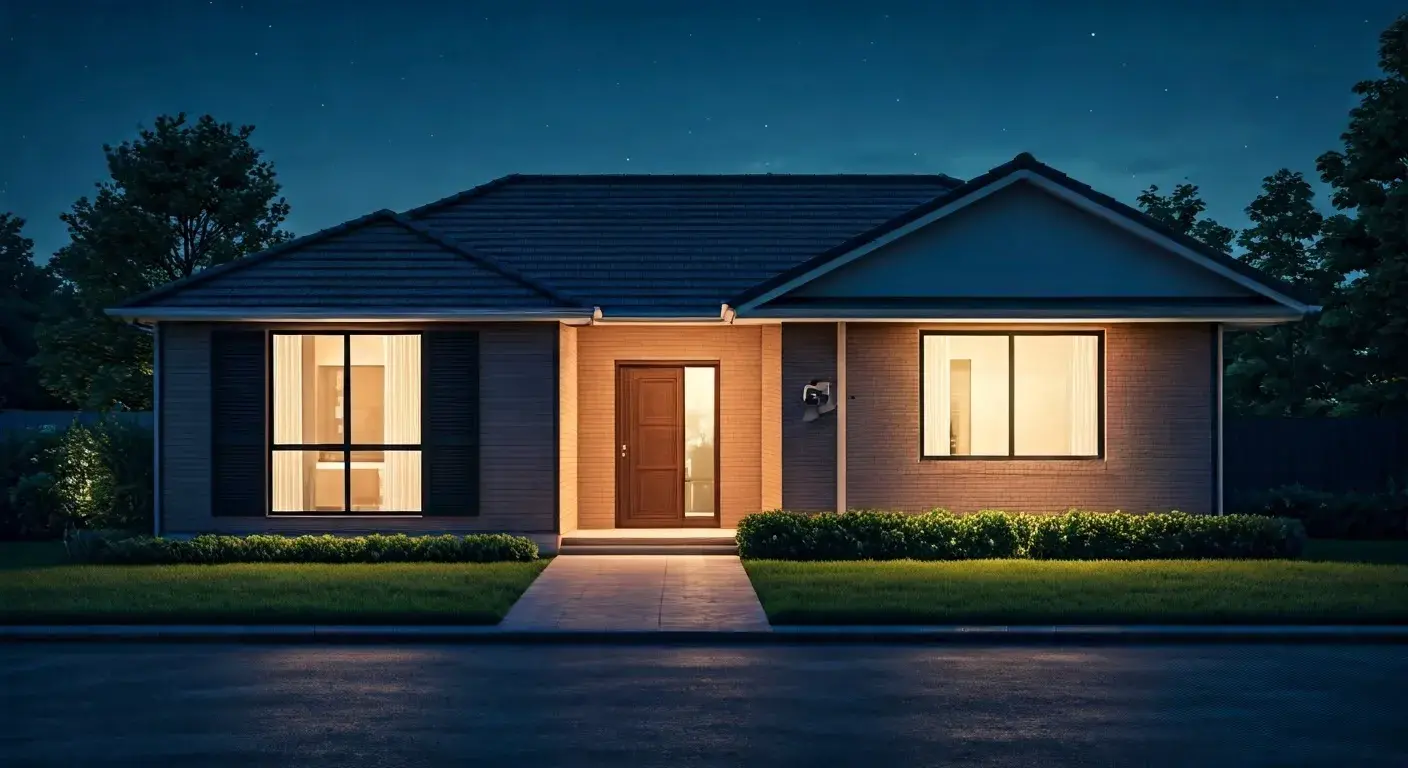
- Exterior Lighting: Well-lit exteriors are a significant deterrent to crime. Install motion-activated lights around entry points, walkways, and parking areas. This not only enhances security but also improves the property's appearance and tenant safety.
- Landscaping: Trim bushes and trees near windows and doors. Overgrown foliage can provide hiding places for intruders. Keep the property well-maintained to signal that it is actively cared for and monitored.
- Secure Mailboxes: Ensure mailboxes are secure and not easily accessible to unauthorized individuals. Consider cluster mailboxes with individual locks for multi-unit dwellings.
- Signage: Clearly visible signs indicating that the property is monitored by a security system can act as a deterrent.
These basic measures, when combined with a modern security system, create a formidable barrier against unauthorized access and property damage, contributing to a safer living environment for tenants and greater peace of mind for landlords.
Comparing Your Security System Options
Choosing the "best" security system is subjective and depends heavily on individual landlord needs. To make an informed decision for 2025-26, consider a comparative analysis based on key factors. Below is a simplified comparison table to guide your decision-making process.
| Feature/System Type | DIY Smart Home Systems (e.g., SimpliSafe, Ring) | Professionally Installed Systems (e.g., ADT, Vivint) | Basic Security Measures |
|---|---|---|---|
| Upfront Cost | Low to Moderate | Moderate to High | Low |
| Monthly Fees | Optional (for monitoring) | Required (for monitoring & service) | None |
| Installation | Self-installation (easy) | Professional (required) | Self-installation (easy) |
| Flexibility/Scalability | High | Moderate to High (depending on provider) | High |
| Tenant Control | High (via app) | Moderate (often managed by landlord/provider) | N/A |
| Monitoring Response | Optional (professional) or Self-monitored | 24/7 Professional | None |
| Advanced Features | Good (smart home integration, video) | Excellent (AI, environmental, integrated systems) | None (physical deterrents) |
| Best For | Single-family homes, small multi-unit buildings, budget-conscious landlords. | Larger properties, high-security needs, landlords preferring full-service. | All properties, as a foundational layer of security. |
Considerations for Different Property Types:
- Single-Family Homes: DIY systems like Ring Alarm Pro or SimpliSafe are often sufficient. They offer good coverage for individual units and can be easily managed via an app. Adding a video doorbell is highly recommended.
- Small Multi-Unit Buildings (Duplexes, Triplexes): A combination of DIY systems for individual units and a more robust system for common areas (e.g., hallways, entrances) might be ideal. Consider systems that allow for segmented access and monitoring.
- Large Apartment Complexes: Professionally installed systems are generally more suitable for large complexes. These systems can integrate access control for all units, monitor common areas with high-definition cameras, and provide centralized management for the property owner. Solutions like Verkada or specific commercial security providers might be more appropriate here.
- Student Housing/Short-Term Rentals: Smart locks with temporary access codes and robust video surveillance are crucial. DIY systems that allow for easy rekeying and remote management are highly beneficial.
Ultimately, the decision should align with your risk tolerance, budget, and the specific characteristics of your rental properties. A thorough assessment of your needs is the first step to selecting the most effective security solution.
Implementing and Managing Security Systems
Once you've selected the best security system for your rental properties, the next crucial step is proper implementation and ongoing management. A well-executed plan ensures the system functions optimally, tenants are informed, and potential issues are addressed promptly. For 2025-26, the emphasis is on seamless integration and clear communication.
Step-by-Step Implementation Guide:
- Site Assessment: Before installation, conduct a thorough assessment of each property. Identify potential vulnerabilities, such as weak entry points, poorly lit areas, or blind spots for cameras. For multi-unit buildings, map out common areas, individual unit layouts, and access points.
- Equipment Procurement: Purchase the necessary equipment based on your chosen system and property assessment. Ensure you have enough sensors, cameras, and any required hub or base station. For DIY systems, order directly from the manufacturer or authorized retailers. For professional systems, this is handled by the installation team.
- Installation:
- DIY: Follow the manufacturer's instructions meticulously. Typically, this involves mounting sensors on doors/windows, placing motion detectors, and connecting the hub to your Wi-Fi network. Test each component thoroughly.
- Professional: Schedule the installation with your chosen provider. Be present during the installation to discuss optimal placement of devices and ask any questions. Ensure the technicians are licensed and insured.
- System Configuration: Set up user accounts, Wi-Fi credentials, and notification preferences. For systems with tenant access, configure individual user codes or app permissions. Ensure all devices are properly paired with the central hub.
- Testing and Calibration: Test the entire system by arming and disarming it, triggering sensors, and checking camera feeds. Calibrate motion sensors to avoid false alarms, especially in areas with pets or high traffic.
- Tenant Onboarding: This is a critical step often overlooked.
- Inform Tenants: Clearly communicate to tenants that a security system is being installed or has been installed. Explain its purpose (tenant safety and property protection) and how it works.
- Provide Instructions: Offer clear, simple instructions on how to use the system (arming/disarming, app usage, emergency contact procedures). For smart locks, provide instructions on setting temporary codes or using the app.
- Set Expectations: Outline what is monitored and what is not, respecting tenant privacy. For example, cameras in common areas are acceptable, but cameras inside individual units are not.
Ongoing Management Strategies:
- Regular System Checks: Schedule periodic checks of all security devices. Test sensors, cameras, and the central hub to ensure they are functioning correctly. Check battery levels and replace them proactively.
- Software Updates: Keep the system's firmware and mobile app updated. Manufacturers regularly release updates to improve performance, add features, and patch security vulnerabilities.
- Monitoring and Alerts: If you have professional monitoring, ensure your contact information is up-to-date. If self-monitoring, establish a protocol for responding to alerts, including dispatching authorities if necessary.
- Tenant Turnover: When a tenant moves out, ensure all their access codes or app permissions are revoked. For smart locks, reset them to factory settings or rekey them. For new tenants, repeat the onboarding process.
- Maintenance and Repairs: Address any malfunctions or damage to security equipment promptly. A compromised security system is worse than no system at all.
- Review and Upgrade: Periodically review the effectiveness of your security system. As technology evolves and your needs change, consider upgrading components or the entire system to maintain optimal security. For instance, in 2025-26, consider upgrading to systems with enhanced AI capabilities for better threat detection.
Effective implementation and diligent management are key to maximizing the benefits of your chosen security system, ensuring a safe and secure environment for your tenants and protecting your valuable property investments.
Legal and Ethical Considerations for Landlords
When implementing security systems in rental properties, landlords must navigate a complex web of legal and ethical considerations. Balancing the need for security with tenant privacy rights is paramount. Failure to do so can lead to legal disputes, fines, and damage to your reputation. The legal landscape is continually evolving, so staying informed about regulations in your specific jurisdiction is crucial for 2025-26.
Tenant Privacy Rights:
Tenants have a reasonable expectation of privacy in their rented dwelling. This means landlords generally cannot install surveillance equipment inside individual units without explicit consent.
- Consent is Key: For any monitoring within a tenant's private space, obtain written consent. This should be clearly outlined in the lease agreement.
- Common Areas: Surveillance in common areas like hallways, lobbies, parking lots, and exteriors is generally permissible, provided it is clearly disclosed to tenants.
- Data Collection: Be transparent about what data is collected, how it is stored, and who has access to it. Avoid collecting unnecessary personal information.
- Data Security: Ensure that any collected data is stored securely to prevent breaches.
Lease Agreements:
The lease agreement is the primary document for outlining security system policies.
- Disclosure: Clearly state in the lease agreement that a security system is installed, its general function, and any responsibilities tenants have regarding its use.
- Tenant Responsibilities: Specify tenant responsibilities, such as not tampering with devices, reporting issues, and proper use of access codes.
- Landlord Access: Define the conditions under which the landlord can access security system data or footage, especially in cases of suspected illegal activity or property damage.
- Smart Lock Policies: If using smart locks, clearly define policies for access codes, temporary access for maintenance, and procedures for tenant turnover.
Fair Housing Laws:
Ensure that security measures do not discriminate against any protected class of individuals. For example, security lighting should be installed consistently across all properties managed, not just those in certain neighborhoods or occupied by specific demographics.
Data Protection Regulations:
Depending on your location, you may be subject to data protection laws (e.g., GDPR if dealing with EU residents, CCPA in California). These laws govern how personal data is collected, processed, and stored. Ensure your security system and its management practices comply with these regulations.
Liability and Negligence:
While security systems enhance safety, they do not eliminate all risks. Landlords can still be held liable if they are negligent in maintaining the security of the property.
- Due Diligence: Regularly maintaining security systems, responding promptly to reported issues, and ensuring devices are in good working order demonstrate due diligence.
- Insurance: Ensure your landlord insurance policy adequately covers potential liabilities related to property security and tenant safety.
Ethical Considerations:
Beyond legal requirements, consider the ethical implications of your security choices.
- Transparency: Be upfront and honest with tenants about security measures.
- Proportionality: Ensure the security measures are proportionate to the actual risks. Overly intrusive surveillance can erode trust.
- Tenant Well-being: Prioritize creating a safe and comfortable living environment, not just a heavily surveilled one.
Consulting with a legal professional specializing in landlord-tenant law in your area is highly recommended to ensure full compliance and to draft robust lease agreements that protect both you and your tenants.
Future Trends in Rental Property Security
The security landscape is constantly evolving, driven by technological advancements and changing consumer expectations. For landlords looking to stay ahead in 2025-26 and beyond, understanding these future trends is key to making informed investments. The focus is increasingly on proactive, integrated, and intelligent security solutions.
AI-Powered Analytics and Predictive Security:
Artificial intelligence (AI) is revolutionizing security systems. In the coming years, expect AI to play a more significant role in:
- Advanced Threat Detection: AI algorithms can analyze video footage and sensor data to identify suspicious patterns and behaviors that might indicate an impending threat, often before an incident occurs. This includes facial recognition (with strict privacy controls), anomaly detection in movement, and even sound analysis.
- Reduced False Alarms: AI can differentiate between genuine threats and benign events (like pets or environmental factors), significantly reducing false alarms that can be costly and time-consuming.
- Predictive Maintenance: AI can monitor the health of security devices and predict potential failures, allowing for proactive maintenance before a system goes offline.
Enhanced IoT Integration and Smart Home Ecosystems:
The Internet of Things (IoT) will continue to drive deeper integration of security systems with other smart home devices.
- Unified Control: Landlords and tenants will expect a single app or platform to control security, lighting, thermostats, and even appliances. This creates a more convenient and seamless living experience.
- Automated Responses: Imagine a scenario where a smoke alarm triggers the security system to unlock doors for evacuation, turn on emergency lights, and notify authorities automatically. Such integrated responses will become more common.
- Energy Management: Security systems will increasingly tie into energy management, optimizing heating and cooling based on occupancy detected by sensors.
Biometric Access Control:
While smart locks are common, biometric solutions like fingerprint scanners and even facial recognition are poised to become more accessible for rental properties.
- Keyless Convenience: Biometrics offer a highly secure and convenient way for tenants to access their units without needing physical keys or remembering codes.
- Tenant Turnover: For landlords, managing biometric access can be as simple as adding or removing a user's biometric data, streamlining the process of changing tenants. However, strict privacy regulations will govern the use of biometric data.
Cybersecurity as a Core Feature:
As more devices become connected, cybersecurity will be a critical concern.
- Encrypted Communications: Future systems will feature robust end-to-end encryption for all data transmitted between devices, hubs, and cloud servers.
- Network Segmentation: Landlords will need to ensure that the security system's network is isolated from other networks to prevent breaches from spreading.
- Regular Security Audits: Providers will offer more frequent security audits and vulnerability assessments for their systems.
Sustainability and Energy Efficiency:
There will be a growing emphasis on security devices that are energy-efficient and environmentally friendly.
- Low-Power Devices: Development of sensors and cameras that consume less power, extending battery life and reducing environmental impact.
- Solar-Powered Options: Increased availability of solar-powered outdoor cameras and lighting solutions.
By staying informed about these emerging trends, landlords can make strategic investments in security systems that not only protect their properties and tenants today but also position them for future success in the evolving rental market.
Conclusion
In conclusion, selecting the best security systems for landlords in 2025-26 requires a strategic approach that balances advanced technology with practical considerations like cost, ease of use, and tenant privacy. Whether opting for a DIY smart home system for its flexibility or a professionally installed solution for comprehensive coverage, the goal remains the same: to enhance tenant safety, protect property assets, and mitigate risks. Basic physical security measures remain foundational, complementing any electronic system. As technology advances, AI-powered analytics, seamless IoT integration, and robust cybersecurity will become increasingly vital. By carefully evaluating your property's unique needs, understanding the legal and ethical implications, and staying abreast of future trends, you can implement a security strategy that provides lasting value and peace of mind for both you and your tenants.