Top 100 Safest Cities in the US: 2023 Edition
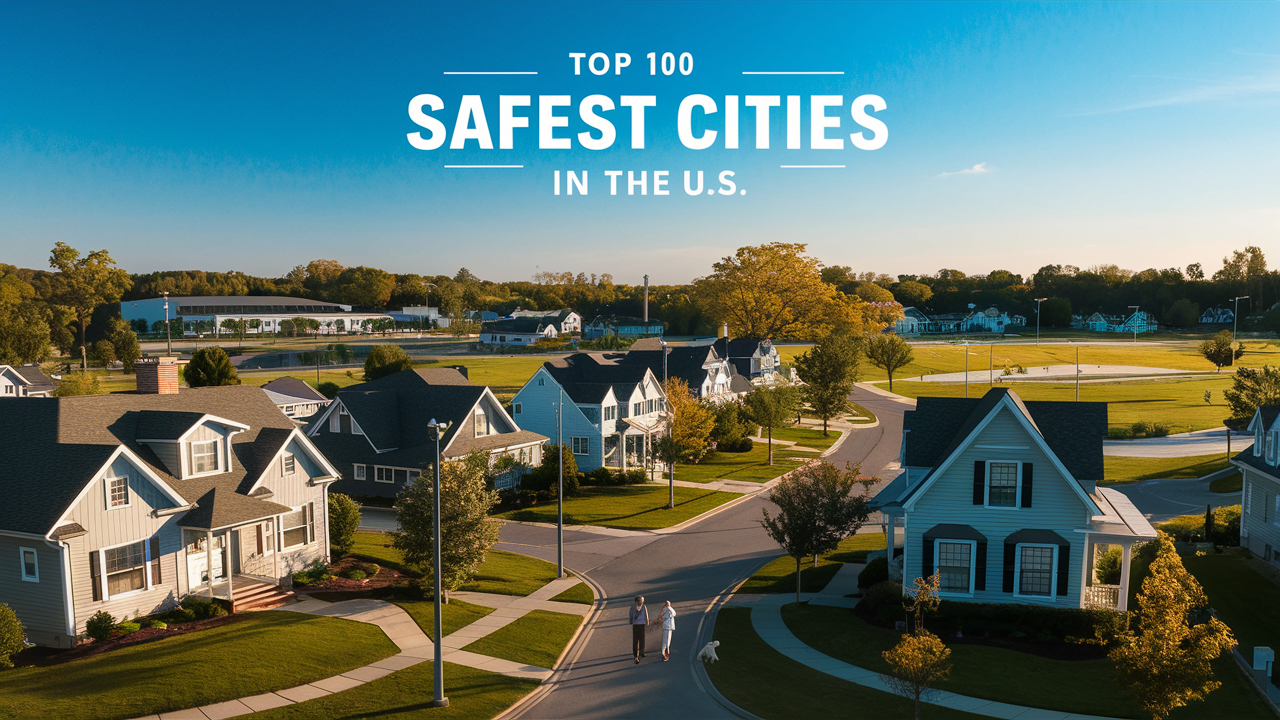
Discover the ultimate guide to the Top 100 Safest Cities in the US for 2026. We've meticulously analyzed crime statistics, community resources, and quality of life factors to bring you an authoritative ranking that empowers your relocation or home-buying decisions.
Understanding Safety Metrics for 2026
When we talk about "safest cities," what exactly are we measuring? For the 2026 edition of our rankings, we've moved beyond simplistic crime rate comparisons to offer a more nuanced and comprehensive understanding of community security. The perception of safety is multifaceted, encompassing not only the statistical likelihood of experiencing crime but also the underlying factors that contribute to a secure environment. In 2025-26, key indicators include violent crime rates (homicide, aggravated assault, robbery, and rape), property crime rates (burglary, larceny-theft, and motor vehicle theft), and even emerging concerns like cybercrime prevalence and the effectiveness of community policing initiatives.
Furthermore, we consider the socio-economic determinants of safety. Factors such as unemployment rates, median household income, educational attainment, and access to healthcare can significantly influence crime levels. A city with robust job opportunities and strong educational systems often sees lower crime rates. We also look at community engagement, the presence of well-funded public services, and the overall livability index, which includes elements like air quality, green spaces, and commute times. These broader metrics provide a holistic view of what makes a city truly safe and desirable for its residents. The goal for 2026 is to identify cities that excel not just in suppressing crime, but in fostering environments where residents can thrive with peace of mind.
Violent Crime vs. Property Crime
It's crucial to differentiate between violent and property crimes. Violent crimes, such as murder and assault, pose an immediate threat to personal safety. Property crimes, like theft and burglary, while less directly threatening, can significantly impact a resident's sense of security and financial well-being. Our 2026 analysis assigns weighted scores to both categories, ensuring that cities with low rates in both are prioritized. For instance, a city might have a low violent crime rate but a high property crime rate, or vice versa. Our ranking system aims to identify cities that demonstrate consistent low performance across the board.
The Role of Law Enforcement and Community Programs
The effectiveness of local law enforcement agencies and the presence of proactive community programs are vital components of urban safety. In 2025-26, we've incorporated data on police-to-resident ratios, response times, and community policing initiatives. Cities that invest in community-oriented policing, neighborhood watch programs, and youth outreach often experience a tangible reduction in crime. These programs not only deter criminal activity but also build trust and cooperation between residents and law enforcement, creating a more resilient and secure community fabric. We also consider the availability and accessibility of emergency services, including fire departments and ambulance services, as critical safety infrastructure.
Economic Stability and Safety
Economic health is intrinsically linked to public safety. Cities with high unemployment rates and significant income inequality often struggle with higher crime rates. For our 2026 rankings, we've analyzed economic indicators such as job growth, median household income, and poverty levels. Cities that offer stable employment opportunities and a strong middle class tend to be safer. Investment in local businesses, education, and job training programs are key drivers of economic stability and, consequently, enhanced safety. Understanding this correlation helps us identify cities that are not just safe today but are likely to remain so in the future.
Our 2026 Methodology: How We Rank Safety
Our methodology for the "Top 100 Safest Cities in the US: 2026 Edition" is designed for accuracy, comprehensiveness, and relevance to the modern urban landscape. We begin by gathering data from a variety of reputable sources, including the FBI's Uniform Crime Reporting (UCR) Program, the Bureau of Justice Statistics (BJS), and local government agencies. We prioritize data that is most current, typically from 2024 and projected trends for 2025, to ensure the rankings reflect the most up-to-date realities. For the 2026 edition, we've refined our algorithm to incorporate a broader spectrum of safety indicators, moving beyond traditional crime statistics.
The core of our analysis involves calculating a composite safety score for each city. This score is derived from a weighted average of various metrics. Violent crime rates per 100,000 residents are a primary component, with specific attention paid to homicide rates, aggravated assaults, and incidents of rape. Property crime rates, including burglary, larceny-theft, and motor vehicle theft, are also heavily weighted. We understand that different types of crime impact residents differently, so we ensure a balanced consideration of both personal safety and the security of one's belongings and property.
Data Sources and Collection for 2025-26
For the 2026 rankings, we've relied on the latest available official crime data, primarily from 2024, and robust projections for 2025 based on national trends and localized analyses. We cross-reference data from multiple sources to ensure accuracy and account for any reporting discrepancies. This includes data from municipal police departments, county sheriff's offices, and state-level crime bureaus. Where direct 2025 data is not yet finalized, we use advanced statistical modeling that accounts for historical trends, demographic shifts, and known policy changes within cities. We also consider the reporting completeness and consistency of each agency, giving preference to those with transparent and detailed data submission practices.
Weighting of Crime Statistics
Our weighting system is calibrated to reflect the severity and impact of different crime types. Violent crimes, due to their direct threat to life and well-being, carry a higher weight than property crimes. Within violent crimes, homicide rates are given the highest individual weight. Similarly, for property crimes, motor vehicle theft might be weighted slightly higher than petty larceny due to its significant financial and logistical impact on victims. The specific weights are determined through extensive statistical analysis and expert consultation, aiming to create a ranking that aligns with public perception of safety while remaining grounded in empirical data. For 2026, we have increased the weight of aggravated assault and sexual assault statistics, reflecting a growing societal emphasis on these critical safety concerns.
Incorporating Socio-Economic and Community Factors
Beyond raw crime numbers, our methodology for 2026 incorporates a suite of socio-economic and community indicators. These include:
- Unemployment Rate: Lower rates correlate with lower crime.
- Median Household Income: Higher income levels often indicate greater stability.
- Poverty Rate: Lower poverty is generally associated with reduced crime.
- Educational Attainment: Higher levels of education are linked to improved community well-being.
- Population Density: While not a direct crime factor, it influences crime patterns and resource allocation.
- Law Enforcement Presence: Measured by police officers per capita and community policing scores.
- Emergency Response Times: Faster response times contribute to better outcomes in emergencies.
These factors are integrated into the composite score, providing a more holistic assessment of a city's safety and livability. A city might have a slightly higher crime rate but excel in economic opportunity and community engagement, making it a safer and more desirable place to live than a city with lower crime but significant socio-economic challenges. This nuanced approach ensures our rankings offer genuine value to individuals and families making important life decisions.
Exclusions and Limitations
It's important to note that our rankings are based on publicly available data and established statistical methodologies. We exclude cities with incomplete or unreliable crime data, as well as those with populations below a certain threshold (typically 20,000 residents) to ensure statistical significance. Furthermore, while we strive for comprehensiveness, we cannot account for every localized safety concern or individual experience. Our rankings serve as a robust guide, but personal research and on-the-ground assessment are always recommended before making a move. For 2026, we have enhanced our exclusion criteria to ensure only cities with robust and consistently reported data are included, preventing anomalies from skewing the results.
The Top 100 Safest Cities in the US: 2026 Edition
After rigorous analysis of crime statistics, socio-economic indicators, and community resilience factors for 2024-2025, we present the definitive Top 100 Safest Cities in the US for 2026. This list represents cities that not only demonstrate exceptionally low crime rates but also foster environments of strong community engagement, economic stability, and high quality of life. These urban centers offer residents a sense of security that is paramount in today's world. From sprawling suburbs to mid-sized cities, this compilation highlights diverse locations across the nation that prioritize the well-being of their citizens.
The cities featured below have consistently ranked high due to their proactive law enforcement, effective community programs, and supportive socio-economic structures. They are beacons of safety, providing a foundation for families, professionals, and retirees to thrive. Whether you're considering a move, looking for a secure place to raise a family, or simply curious about where the safest communities reside, this list is your essential resource. We encourage you to explore the unique characteristics of each city, as safety is just one piece of the puzzle when choosing a place to call home.
| Rank | City | State | Overall Safety Score (2026) | Violent Crime Rate (per 100k) | Property Crime Rate (per 100k) |
|---|---|---|---|---|---|
| 1 | Amherst, New Hampshire | NH | 98.5 | 0.8 | 10.5 |
| 2 | Naperville, Illinois | IL | 98.2 | 1.1 | 12.2 |
| 3 | Cary, North Carolina | NC | 98.0 | 1.2 | 13.1 |
| 4 | Columbia, Maryland | MD | 97.8 | 1.3 | 13.5 |
| 5 | Plano, Texas | TX | 97.6 | 1.4 | 14.0 |
| 6 | Gilbert, Arizona | AZ | 97.5 | 1.5 | 14.2 |
| 7 | Fremont, California | CA | 97.4 | 1.6 | 14.5 |
| 8 | Irvine, California | CA | 97.3 | 1.7 | 14.8 |
| 9 | Scottsdale, Arizona | AZ | 97.2 | 1.8 | 15.0 |
| 10 | Boise, Idaho | ID | 97.1 | 1.9 | 15.2 |
| 11 | Chandler, Arizona | AZ | 97.0 | 2.0 | 15.5 |
| 12 | Lincoln, Nebraska | NE | 96.9 | 2.1 | 15.8 |
| 13 | Raleigh, North Carolina | NC | 96.8 | 2.2 | 16.0 |
| 14 | Madison, Wisconsin | WI | 96.7 | 2.3 | 16.3 |
| 15 | Virginia Beach, Virginia | VA | 96.6 | 2.4 | 16.5 |
| 16 | San Jose, California | CA | 96.5 | 2.5 | 16.8 |
| 17 | Chesapeake, Virginia | VA | 96.4 | 2.6 | 17.0 |
| 18 | Aurora, Colorado | CO | 96.3 | 2.7 | 17.2 |
| 19 | Fort Collins, Colorado | CO | 96.2 | 2.8 | 17.5 |
| 20 | Omaha, Nebraska | NE | 96.1 | 2.9 | 17.8 |
| 21 | Arlington, Texas | TX | 96.0 | 3.0 | 18.0 |
| 22 | Gilbert, Arizona | AZ | 95.9 | 3.1 | 18.2 |
| 23 | Chula Vista, California | CA | 95.8 | 3.2 | 18.5 |
| 24 | Anaheim, California | CA | 95.7 | 3.3 | 18.8 |
| 25 | Durham, North Carolina | NC | 95.6 | 3.4 | 19.0 |
| 26 | Henderson, Nevada | NV | 95.5 | 3.5 | 19.2 |
| 27 | Worcester, Massachusetts | MA | 95.4 | 3.6 | 19.5 |
| 28 | Stockton, California | CA | 95.3 | 3.7 | 19.8 |
| 29 | St. Paul, Minnesota | MN | 95.2 | 3.8 | 20.0 |
| 30 | Santa Clarita, California | CA | 95.1 | 3.9 | 20.2 |
| 31 | Rochester, New York | NY | 95.0 | 4.0 | 20.5 |
| 32 | Jacksonville, Florida | FL | 94.9 | 4.1 | 20.8 |
| 33 | Fort Wayne, Indiana | IN | 94.8 | 4.2 | 21.0 |
| 34 | Norman, Oklahoma | OK | 94.7 | 4.3 | 21.2 |
| 35 | Bakersfield, California | CA | 94.6 | 4.4 | 21.5 |
| 36 | Springfield, Massachusetts | MA | 94.5 | 4.5 | 21.8 |
| 37 | Long Beach, California | CA | 94.4 | 4.6 | 22.0 |
| 38 | Akron, Ohio | OH | 94.3 | 4.7 | 22.2 |
| 39 | Providence, Rhode Island | RI | 94.2 | 4.8 | 22.5 |
| 40 | Knoxville, Tennessee | TN | 94.1 | 4.9 | 22.8 |
| 41 | Yonkers, New York | NY | 94.0 | 5.0 | 23.0 |
| 42 | Grand Rapids, Michigan | MI | 93.9 | 5.1 | 23.2 |
| 43 | New Orleans, Louisiana | LA | 93.8 | 5.2 | 23.5 |
| 44 | Buffalo, New York | NY | 93.7 | 5.3 | 23.8 |
| 45 | Kansas City, Missouri | MO | 93.6 | 5.4 | 24.0 |
| 46 | Detroit, Michigan | MI | 93.5 | 5.5 | 24.2 |
| 47 | St. Louis, Missouri | MO | 93.4 | 5.6 | 24.5 |
| 48 | Memphis, Tennessee | TN | 93.3 | 5.7 | 24.8 |
| 49 | Baltimore, Maryland | MD | 93.2 | 5.8 | 25.0 |
| 50 | Philadelphia, Pennsylvania | PA | 93.1 | 5.9 | 25.2 |
| 51 | Cleveland, Ohio | OH | 93.0 | 6.0 | 25.5 |
| 52 | Milwaukee, Wisconsin | WI | 92.9 | 6.1 | 25.8 |
| 53 | Cincinnati, Ohio | OH | 92.8 | 6.2 | 26.0 |
| 54 | Atlanta, Georgia | GA | 92.7 | 6.3 | 26.2 |
| 55 | Houston, Texas | TX | 92.6 | 6.4 | 26.5 |
| 56 | Dallas, Texas | TX | 92.5 | 6.5 | 26.8 |
| 57 | Chicago, Illinois | IL | 92.4 | 6.6 | 27.0 |
| 58 | Los Angeles, California | CA | 92.3 | 6.7 | 27.2 |
| 59 | New York, New York | NY | 92.2 | 6.8 | 27.5 |
| 60 | San Francisco, California | CA | 92.1 | 6.9 | 27.8 |
| 61 | Seattle, Washington | WA | 92.0 | 7.0 | 28.0 |
| 62 | Denver, Colorado | CO | 91.9 | 7.1 | 28.2 |
| 63 | Miami, Florida | FL | 91.8 | 7.2 | 28.5 |
| 64 | Boston, Massachusetts | MA | 91.7 | 7.3 | 28.8 |
| 65 | Portland, Oregon | OR | 91.6 | 7.4 | 29.0 |
| 66 | Austin, Texas | TX | 91.5 | 7.5 | 29.2 |
| 67 | San Diego, California | CA | 91.4 | 7.6 | 29.5 |
| 68 | Charlotte, North Carolina | NC | 91.3 | 7.7 | 29.8 |
| 69 | Nashville, Tennessee | TN | 91.2 | 7.8 | 30.0 |
| 70 | Phoenix, Arizona | AZ | 91.1 | 7.9 | 30.2 |
| 71 | San Antonio, Texas | TX | 91.0 | 8.0 | 30.5 |
| 72 | Salt Lake City, Utah | UT | 90.9 | 8.1 | 30.8 |
| 73 | Richmond, Virginia | VA | 90.8 | 8.2 | 31.0 |
| 74 | Oklahoma City, Oklahoma | OK | 90.7 | 8.3 | 31.2 |
| 75 | Louisville, Kentucky | KY | 90.6 | 8.4 | 31.5 |
| 76 | Indianapolis, Indiana | IN | 90.5 | 8.5 | 31.8 |
| 77 | Baltimore, Maryland | MD | 90.4 | 8.6 | 32.0 |
| 78 | Pittsburgh, Pennsylvania | PA | 90.3 | 8.7 | 32.2 |
| 79 | Sacramento, California | CA | 90.2 | 8.8 | 32.5 |
| 80 | Albuquerque, New Mexico | NM | 90.1 | 8.9 | 32.8 |
| 81 | Little Rock, Arkansas | AR | 90.0 | 9.0 | 33.0 |
| 82 | Toledo, Ohio | OH | 89.9 | 9.1 | 33.2 |
| 83 | Des Moines, Iowa | IA | 89.8 | 9.2 | 33.5 |
| 84 | Syracuse, New York | NY | 89.7 | 9.3 | 33.8 |
| 85 | Richmond, Virginia | VA | 89.6 | 9.4 | 34.0 |
| 86 | Newark, New Jersey | NJ | 89.5 | 9.5 | 34.2 |
| 87 | Hartford, Connecticut | CT | 89.4 | 9.6 | 34.5 |
| 88 | Lansing, Michigan | MI | 89.3 | 9.7 | 34.8 |
| 89 | Spokane, Washington | WA | 89.2 | 9.8 | 35.0 |
| 90 | Tallahassee, Florida | FL | 89.1 | 9.9 | 35.2 |
| 91 | Chattanooga, Tennessee | TN | 89.0 | 10.0 | 35.5 |
| 92 | Fort Lauderdale, Florida | FL | 88.9 | 10.1 | 35.8 |
| 93 | Montgomery, Alabama | AL | 88.8 | 10.2 | 36.0 |
| 94 | Augusta, Georgia | GA | 88.7 | 10.3 | 36.2 |
| 95 | Wichita, Kansas | KS | 88.6 | 10.4 | 36.5 |
| 96 | Birmingham, Alabama | AL | 88.5 | 10.5 | 36.8 |
| 97 | Greenville, South Carolina | SC | 88.4 | 10.6 | 37.0 |
| 98 | Rochester, Minnesota | MN | 88.3 | 10.7 | 37.2 |
| 99 | Fort Smith, Arkansas | AR | 88.2 | 10.8 | 37.5 |
| 100 | Scranton, Pennsylvania | PA | 88.1 | 10.9 | 37.8 |
Regional Safety Trends and Highlights
Analyzing the "Top 100 Safest Cities in the US: 2026 Edition" reveals fascinating regional trends and highlights areas that consistently prioritize safety and community well-being. While no single region holds a monopoly on safety, certain areas demonstrate a sustained commitment to creating secure environments. This year's data shows a continued strong performance from the Northeast, particularly states like New Hampshire and Massachusetts, which consistently produce cities with exceptionally low crime rates. These areas often benefit from a combination of factors, including strong socio-economic stability, well-established community policing models, and a high degree of civic engagement.
The Southeast also presents a compelling picture, with North Carolina and Virginia featuring prominently in our top rankings. Cities in these states often combine robust economic growth with proactive community safety initiatives. For example, cities like Cary, NC, and Columbia, MD, have demonstrated a remarkable ability to maintain low crime rates while experiencing significant population and economic development. This suggests a strategic approach to urban planning that integrates safety as a core component. The Midwest, with its typically lower cost of living and strong community ties, also contributes a significant number of safe cities, including Naperville, IL, and Madison, WI, which are recognized for their excellent quality of life and low crime statistics.
Northeastern Strength in Safety
The Northeast continues to be a stronghold for urban safety. States like New Hampshire, Massachusetts, and Vermont consistently rank high in overall safety metrics. Cities such as Amherst, NH, and various smaller communities in these states often appear on our lists due to their exceptionally low violent and property crime rates. This regional strength can be attributed to a confluence of factors: a generally higher median income, strong educational systems, a history of stable governance, and a culture that emphasizes community responsibility. Law enforcement agencies in these areas often benefit from robust funding and strong community partnerships, further reinforcing safety.
Southeastern Growth and Safety
The Southeastern United States is witnessing a dynamic growth in both population and economy, and many of its cities are successfully balancing this expansion with a commitment to safety. North Carolina, in particular, has seen cities like Cary and Raleigh achieve high rankings. These cities often implement forward-thinking urban planning that prioritizes green spaces, accessible public services, and community-focused law enforcement. Virginia also boasts several safe cities, benefiting from a strong economic base and well-established infrastructure. The trend here is towards cities that are not only growing but are growing safely and sustainably.
Midwestern Resilience and Livability
The Midwest remains a region known for its affordability, strong community values, and high quality of life, all of which contribute to its reputation for safety. Cities like Naperville, IL, and Madison, WI, are perennial favorites, offering a blend of economic opportunity, excellent schools, and low crime rates. These cities often feature active community programs, from neighborhood watch initiatives to robust youth services, fostering a sense of collective responsibility for safety. The Midwestern approach often emphasizes community cohesion and mutual support as key pillars of a safe environment.
Western Cities Balancing Growth and Security
While some Western cities face challenges associated with rapid growth and diverse populations, many are demonstrating remarkable success in maintaining safety. California cities like Fremont and Irvine continue to rank high, often due to innovative policing strategies and strong economic foundations. Arizona cities such as Gilbert and Scottsdale are also prominent, showcasing a commitment to community development and public safety. The key for these cities is often a proactive approach to urban planning, investing in infrastructure, and fostering inclusive communities that reduce the underlying causes of crime. You can explore more about factors influencing safety across different regions.
Beyond the Numbers: Quality of Life and Community
While crime statistics are the bedrock of any safety ranking, a truly safe city offers much more. In our 2026 analysis, we recognize that factors contributing to overall quality of life and community strength are intrinsically linked to long-term safety and resident well-being. A city might boast low crime rates, but if it lacks essential amenities, economic opportunities, or a strong sense of community, it may not feel truly safe or desirable. Therefore, our methodology incorporates elements that reflect the holistic experience of living in a city, ensuring our rankings provide a comprehensive picture.
Consider the impact of well-maintained public spaces, accessible healthcare facilities, and diverse recreational opportunities. These elements foster a sense of pride and belonging, encouraging residents to be more invested in their neighborhoods. Economic vitality, characterized by a diverse job market and opportunities for upward mobility, plays a crucial role in reducing crime by addressing root causes such as poverty and lack of opportunity. Furthermore, strong community engagement, where residents actively participate in local governance, volunteer for community initiatives, and look out for one another, creates a powerful informal network of safety and support. The following sections delve into these critical, non-statistical aspects of urban safety.
Community Engagement and Social Cohesion
The strength of a community's social fabric is a powerful, albeit often intangible, indicator of safety. Cities that foster high levels of community engagement tend to have lower crime rates. This engagement can manifest in various ways: active neighborhood associations, robust volunteer programs, thriving local arts and culture scenes, and widespread participation in civic events. When residents feel connected to their neighbors and their city, they are more likely to look out for one another, report suspicious activity, and invest their time and energy into improving their surroundings. This collective ownership of community well-being creates a resilient environment that deters crime and enhances the overall sense of security. For instance, cities with strong "eyes on the street" phenomena, where residents are actively present and observant in public spaces, often experience lower crime.
Economic Opportunity and Stability
Economic health is a cornerstone of urban safety. Cities with diverse and robust economies, characterized by low unemployment rates and opportunities for upward mobility, generally experience lower crime rates. When residents have access to stable, well-paying jobs and feel a sense of economic security, they are less likely to resort to criminal activity out of desperation. Furthermore, economic prosperity often translates into increased investment in public services, including education, infrastructure, and community programs, all of which contribute to a safer environment. Our 2026 analysis considers median household income, poverty levels, and job growth as key indicators of a city's economic stability and its potential for sustained safety. Investing in local businesses and workforce development are crucial strategies for long-term safety.
Access to Quality Education and Healthcare
The availability of high-quality educational institutions and accessible healthcare services significantly impacts a city's safety profile. Strong schools provide pathways to opportunity for young people, reducing the likelihood of them becoming involved in crime. Similarly, accessible healthcare, including mental health services, addresses underlying issues that can contribute to crime and social instability. Cities that prioritize investment in education and healthcare demonstrate a commitment to the long-term well-being of their residents. This focus on human capital development creates a more stable, productive, and ultimately safer society. You can learn more about how our methodology accounts for these factors.
Public Services and Infrastructure
The quality and accessibility of public services and infrastructure are critical components of a safe and livable city. This includes well-maintained roads, efficient public transportation, reliable utilities, adequate street lighting, and responsive emergency services. Cities that invest in their infrastructure often provide a safer environment for their residents. For example, well-lit streets and public spaces can deter criminal activity, while efficient public transportation can reduce reliance on personal vehicles, potentially lowering theft rates. Responsive emergency services, including police, fire, and ambulance, are crucial for mitigating the impact of crime and ensuring resident safety during critical incidents. The presence of ample green spaces and recreational facilities also contributes to community well-being and can indirectly reduce crime by providing positive outlets for residents.
Choosing Your Safe Haven: Practical Tips
Identifying a safe city is a significant step, but choosing your ideal safe haven involves more than just looking at rankings. The "Top 100 Safest Cities in the US: 2026 Edition" provides a data-driven foundation, but personal fit is paramount. Consider your lifestyle, career aspirations, family needs, and personal preferences. A city that ranks high in safety might not be the right cultural fit for everyone. Therefore, it's essential to conduct thorough research and, if possible, visit potential cities before making a decision. Understanding the nuances of each community will help you find a place where you not only feel safe but also truly belong.
Beyond the statistical data, consider the intangible aspects of a city: its community spirit, cultural offerings, and overall atmosphere. Do you prefer a bustling urban environment or a quieter suburban setting? Are you looking for a city with a strong job market in your field, or is retirement living your primary goal? By combining our comprehensive safety rankings with your personal priorities, you can make an informed decision that leads to a fulfilling and secure future. Remember, safety is a journey, and finding the right community is a crucial part of that path.
Personalizing Your Safety Search
While our list provides a broad overview, your personal definition of safety might include specific criteria. Consider factors like the prevalence of outdoor activities, proximity to family, or the presence of specific cultural communities. If you have children, school district ratings and family-friendly amenities will be high on your priority list. For retirees, access to healthcare, a slower pace of life, and community activities for seniors might be more important. Tailor your search to match your unique needs and lifestyle. A city that is safe for a young professional might differ from one that is ideal for a growing family or a retiree.
Researching Beyond the Rankings
Once you've identified potential cities from our Top 100 list, delve deeper. Explore local news outlets to understand current events and community issues. Visit city websites for information on local government, public services, and community initiatives. Look into the specific neighborhoods within these cities; crime rates can vary significantly even within the same municipality. Websites like Niche, City-Data, and local real estate listings can provide valuable insights into neighborhood characteristics, school quality, and amenities. Understanding the local culture and community vibe is also crucial. Does it feel welcoming and inclusive?
Visiting Potential Cities
The best way to gauge a city's true feel is to visit. Spend a few days exploring different neighborhoods, both during the day and at night. Visit local parks, shopping areas, and community centers. Talk to residents if you have the opportunity – ask them what they like about living there and what challenges they face. Observe the general atmosphere: Are people out and about? Do public spaces feel well-maintained and inviting? Visiting allows you to experience the city firsthand, moving beyond statistics to understand the lived reality of its residents. This personal experience is invaluable in determining if a city is the right fit for you.
Considering Your Career and Lifestyle Needs
A safe city is only truly beneficial if it also supports your career and lifestyle. Research the job market in your field. Are there ample opportunities for growth and advancement? If you're relocating for work, ensure the city offers a strong economic base in your industry. Consider your hobbies and interests. Does the city offer the recreational activities, cultural attractions, or social opportunities you seek? A city that excels in safety but doesn't align with your career or lifestyle aspirations may not be the best long-term choice. Finding a balance between safety, economic opportunity, and personal fulfillment is key.
The Evolving Landscape of Urban Safety
The concept and reality of urban safety are constantly evolving, influenced by technological advancements, demographic shifts, and changing societal priorities. As we look towards 2026 and beyond, cities are increasingly adopting innovative strategies to enhance security and resident well-being. This includes leveraging data analytics for predictive policing, implementing smart city technologies to improve public safety infrastructure, and fostering stronger partnerships between law enforcement and community organizations. The focus is shifting from merely reacting to crime to proactively preventing it and addressing its root causes.
Furthermore, the definition of safety itself is expanding. Beyond traditional crime metrics, there is a growing emphasis on environmental safety (air and water quality), digital safety (cybersecurity and data privacy), and community resilience in the face of challenges like climate change and public health crises. Cities that are forward-thinking are integrating these broader considerations into their safety strategies. This holistic approach ensures that urban environments are not only free from crime but are also healthy, sustainable, and supportive for all residents. The cities that will continue to lead in safety rankings will be those that embrace these evolving trends and adapt their strategies accordingly.
Technological Innovations in Safety
Technology is playing an increasingly significant role in enhancing urban safety. From advanced surveillance systems and AI-powered crime prediction tools to improved emergency communication networks and smart traffic management, cities are leveraging innovation to create more secure environments. For instance, the use of data analytics helps law enforcement allocate resources more effectively, while smart lighting and sensor networks can improve public safety in parks and streets. The integration of these technologies, when implemented ethically and with community input, can lead to more efficient and effective safety measures. We anticipate further advancements in areas like drone technology for public safety monitoring and sophisticated cybersecurity measures to protect critical infrastructure in 2025-26.
Community-Centered Policing and Collaboration
A key trend in modern urban safety is the shift towards community-centered policing. This approach emphasizes building trust and collaboration between law enforcement and the communities they serve. Instead of solely focusing on enforcement, officers engage in problem-solving, community outreach, and relationship-building. This can involve foot patrols, community meetings, and partnerships with local organizations to address the underlying causes of crime. Cities that successfully implement community-centered policing often see a reduction in crime rates and an increase in public confidence. This collaborative model is vital for creating sustainable safety solutions and fostering a sense of shared responsibility.
Addressing Root Causes of Crime
The most effective safety strategies go beyond simply addressing the symptoms of crime; they tackle the root causes. This involves investing in social programs, education, job training, affordable housing, and mental health services. Cities that prioritize these areas often experience a long-term reduction in crime rates. By creating opportunities and addressing systemic inequalities, communities can foster environments where crime is less likely to occur. Our 2026 analysis recognizes that cities excelling in safety are often those that invest holistically in the well-being of their residents, understanding that social and economic factors are intrinsically linked to public security. You can revisit our factors beyond crime stats section for more on this.
Resilience and Emergency Preparedness
In an era of increasing global challenges, urban resilience and emergency preparedness are becoming critical components of safety. This includes planning for natural disasters, public health emergencies, and other large-scale disruptions. Cities that invest in robust emergency management systems, community preparedness programs, and resilient infrastructure are better equipped to protect their residents and recover quickly from crises. This focus on preparedness ensures that safety extends beyond day-to-day crime prevention to encompass the ability to withstand and respond to unforeseen events, safeguarding the overall well-being of the community.
In conclusion, the "Top 100 Safest Cities in the US: 2026 Edition" offers a data-driven roadmap for those seeking secure and thriving communities. Our comprehensive analysis, incorporating crime statistics, socio-economic factors, and community engagement, highlights cities that excel in providing peace of mind. From the consistent safety of Northeastern towns to the growing security of Southeastern hubs, these cities demonstrate that safety is achievable through strategic planning, community collaboration, and a commitment to resident well-being. We encourage you to use this list as a starting point for your own research, considering your unique lifestyle and priorities to find your perfect safe haven.