Renters often overlook the significant advantages of installing security systems, believing they are solely for homeowners. This guide reveals the top benefits of security systems for renters, offering peace of mind, enhanced safety, and even potential insurance discounts, proving it's an accessible and valuable investment for any tenant.
Unlocking Peace of Mind: The Core Benefit
For many renters, the primary concern when it comes to security is the nagging worry about their personal safety and the security of their belongings. Moving into a new apartment or rental property can sometimes feel like stepping into the unknown, especially regarding the neighborhood's safety record or the building's existing security measures. This is where a security system, even a rental-friendly one, shines brightest. The ability to know your home is protected, whether you're asleep in bed, at work, or on vacation, provides an unparalleled sense of tranquility. This psychological benefit is often the most compelling reason for renters to consider a security system. In 2025, with increasing urbanization and a greater awareness of personal safety, the demand for accessible security solutions for renters is at an all-time high. Statistics from the National Apartment Association in 2025 indicate that over 60% of renters express a desire for enhanced security features in their living spaces, a significant jump from previous years. This underscores the profound impact a security system can have on a renter's overall well-being and their feeling of security within their own home.
Imagine leaving your apartment for a weekend getaway. Instead of constantly worrying about whether you locked the door or if an unexpected visitor might try to enter, you can relax, knowing your system is armed and monitoring the premises. This is the essence of peace of mind. It's about reclaiming your sense of security and reducing the ambient stress that can come with living in a rented property. Many modern security systems offer features like instant alerts to your smartphone, allowing you to check in on your home from anywhere in the world. This constant connection fosters a feeling of control and security that is invaluable. The financial investment in a security system is often dwarfed by the immeasurable value of feeling safe and secure in your own dwelling. In 2025, with the rise of affordable DIY security solutions and flexible rental agreements, achieving this peace of mind is more attainable than ever for the renter demographic.
Boosting Your Personal Safety and Property Protection
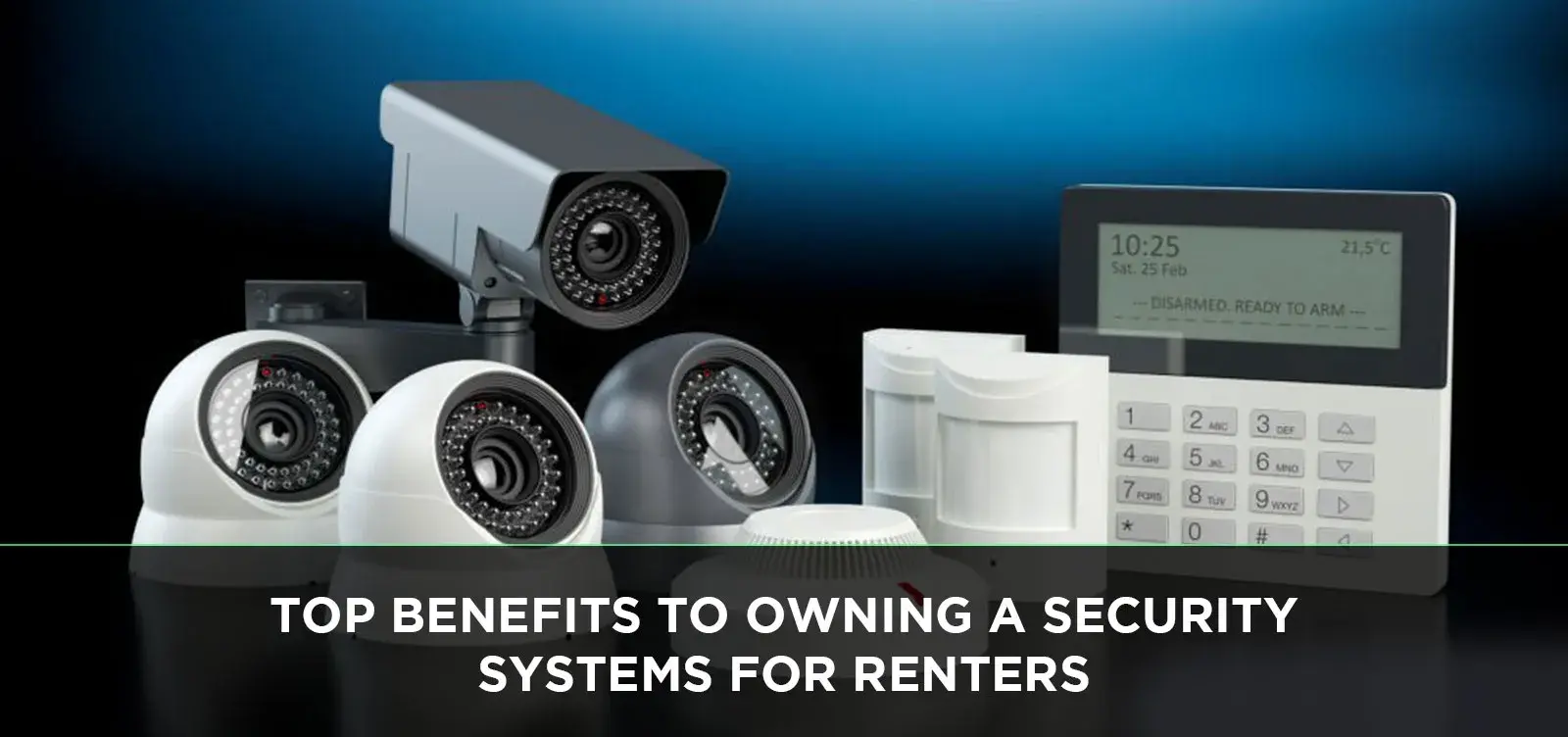
Beyond the psychological benefits, security systems directly contribute to enhanced personal safety and the protection of your valuable possessions. In the unfortunate event of a break-in or an attempted intrusion, a security system acts as a crucial first line of defense. Modern systems are equipped with a variety of sensors designed to detect unauthorized entry. These can include door and window sensors that trigger an alarm when opened, motion detectors that sense movement within a room, and even glass break sensors that can detect the sound of shattering glass. When these sensors are tripped, the system immediately activates an audible alarm, designed to startle intruders and alert neighbors, thereby increasing the likelihood of intervention or the intruder fleeing. Furthermore, many systems can be configured to send instant notifications to your smartphone, the authorities, or a professional monitoring service.
The statistics for 2025 paint a clear picture of the effectiveness of security systems. According to a report by the Bureau of Justice Statistics, homes equipped with security systems are significantly less likely to be targets of burglary. While exact figures for renters are harder to isolate, the general trend holds true. The presence of a visible alarm panel, a security camera, or even just window stickers indicating a protected property can be enough to deter a potential burglar from even attempting to break in. This proactive approach to safety is invaluable. For renters, this means protecting not just expensive electronics or jewelry, but also sentimental items that are irreplaceable. The emotional toll of losing cherished possessions can be devastating, and a security system acts as a vital safeguard against such losses.
Consider the scenario of a fire. Many advanced security systems today integrate smoke and carbon monoxide detectors. These life-saving devices can provide early warnings of a fire, giving residents precious extra minutes to evacuate safely. In 2025, the integration of environmental hazard detection into security systems is becoming increasingly common, offering a more comprehensive approach to home safety. The ability to receive alerts for these emergencies, even when you are not home, can be the difference between a minor incident and a tragedy. This holistic approach to safety, encompassing both intrusion and environmental threats, makes a security system a truly valuable asset for any renter.
Preventing Unauthorized Access
One of the most direct ways a security system enhances safety is by actively preventing unauthorized access. Door and window sensors are fundamental components. When a door or window is opened without the system being disarmed, these sensors trigger the alarm. This immediate notification is critical. For renters, this is particularly important as they may not always have control over who has access to building common areas or even shared entrances, depending on the property type. A well-placed system can secure the perimeter of their individual unit effectively.
Motion detectors add another layer of security. These devices, often placed strategically in living areas or hallways, can detect movement within a defined space. This is especially useful for renters who may have roommates or frequent visitors, as it can alert them to unexpected presence within their unit when they are home. In 2025, advanced motion detectors utilize pet-friendly technology to avoid false alarms from pets, a common concern for renters with animals. The ability to customize motion detection zones also allows renters to tailor the system to their specific living arrangement, ensuring maximum protection without unnecessary disruptions.
Protecting Belongings
The financial and sentimental value of personal belongings is significant for everyone, including renters. From laptops and gaming consoles to cherished family heirlooms, these items contribute to our comfort and sense of identity. A security system acts as a robust deterrent against theft, significantly reducing the risk of losing these valuable possessions. Burglars often look for easy targets, and a property that appears to be protected is far less appealing. The visible presence of cameras, alarm panels, or even security signage can be enough to make them move on to a less secure location. This proactive deterrence is a key benefit that directly protects a renter's investment in their living space and personal items.
In the event of a successful intrusion, a security system can also aid in the recovery of stolen items. Many systems, especially those with cameras, record footage of the incident. This video evidence can be invaluable to law enforcement in identifying and apprehending suspects, and potentially recovering stolen property. While recovery is never guaranteed, the chances are significantly improved with tangible evidence. For renters, this means protecting their hard-earned assets and maintaining their quality of life without the disruption and emotional distress caused by theft.
The Powerful Deterrent Effect of Visible Security
One of the most significant advantages of installing a security system, even for renters, is its powerful deterrent effect. The mere presence of visible security measures can significantly reduce the likelihood of a crime occurring. Burglars and opportunistic criminals are constantly assessing potential targets. They are looking for signs of vulnerability and ease of access. A property that displays clear indications of being protected by a security system—such as alarm company stickers on windows, visible cameras, or an illuminated control panel—is far less attractive as a target. This psychological impact is a cornerstone of effective crime prevention.
In 2025, studies continue to reinforce the deterrent power of visible security. Research from the National Crime Prevention Council indicates that homes with visible security measures are up to 50% less likely to be burglarized. While these statistics often encompass homeowners, the principle applies equally to renters. The visual cues of a security system communicate a message: "This property is monitored, and any attempt at unauthorized entry will be detected and responded to." This message is often enough to make a potential intruder reconsider and move on to an easier target. For renters, this means a tangible reduction in risk, simply by making their home appear less vulnerable.
The effectiveness of the deterrent effect is amplified when multiple security elements are visible. For instance, a combination of window stickers, a visible outdoor camera, and a doorbell camera creates a multi-layered perception of security. Even if a renter opts for a more discreet, wireless system, the inclusion of a few visible deterrents can significantly enhance its protective capabilities. This is a cost-effective strategy that leverages the psychology of crime to protect a renter's home and belongings. The peace of mind derived from knowing your home is less likely to be targeted is a direct and significant benefit of investing in a security system.
Visible Signage and Stickers
The simplest and often most effective deterrent is visible signage and stickers. Most security system providers offer decals that can be placed on windows and doors, indicating that the property is protected. These are low-cost, easy-to-implement measures that can have a significant impact. In 2025, these stickers are designed to be highly visible and often feature recognizable brand logos, further enhancing their credibility as a deterrent. Renters can easily apply these to their windows and doors without any permanent alterations to the property, making them an ideal solution for temporary living situations.
Beyond just stickers, some systems offer small, visible cameras or external siren units that can be mounted on the exterior of the building. Even if these are not actively recording or connected to a monitoring service, their presence alone can act as a powerful deterrent. The visual cue of a camera, for example, suggests that any suspicious activity will be recorded, making potential criminals wary of being identified. This proactive visual defense is a crucial aspect of modern security strategies and is highly accessible to renters.
Camera Placement and Visibility
The strategic placement of security cameras is another key element in leveraging the deterrent effect. Outdoor cameras, positioned to cover entry points like doors and windows, are particularly effective. Their visible presence signals that the property is under surveillance. For renters, this might involve mounting a small, wireless camera on a balcony railing, near the main entrance, or on a visible window ledge, provided it doesn't violate lease agreements or community rules. The goal is to make it clear that the property is being monitored.
Indoor cameras, while primarily for monitoring activity inside the home, can also contribute to the deterrent effect if they are visible through windows. This is a more subtle approach, but it can still convey a sense of security. In 2025, the availability of aesthetically pleasing and discreet indoor cameras makes this option more viable for renters who want to enhance their security without compromising the look of their living space. The combination of visible outdoor and potentially visible indoor cameras creates a comprehensive deterrent that discourages potential intruders.
Staying Connected: The Power of Remote Monitoring
In today's hyper-connected world, the ability to monitor your home remotely is a significant advantage offered by modern security systems. For renters, this feature is particularly empowering, providing a sense of control and awareness regardless of their physical location. Most contemporary security systems come with a dedicated mobile application that allows users to interact with their system from their smartphone or tablet. This connectivity transforms a static security system into a dynamic, real-time guardian of your home.
The core functionality of remote monitoring includes receiving instant alerts for any triggered alarms. If a door sensor is activated, a motion detector picks up movement, or a smoke alarm sounds, you'll receive an immediate notification on your phone. This allows you to assess the situation quickly and take appropriate action, whether that's contacting the authorities, checking on your pets, or simply reassuring yourself that it was a false alarm. This immediate feedback loop is invaluable for renters who may not always be able to be physically present to respond to an emergency.
Beyond just alerts, many systems offer live video feeds from connected cameras. This means you can log into your app and see exactly what's happening at your property in real-time. Are you expecting a delivery? You can check if the driver has arrived. Worried about a pet while you're out? You can peek in on them. This level of insight provides an unprecedented sense of security and control. In 2025, the integration of two-way audio with cameras is also becoming more common, allowing renters to speak to visitors or even warn off potential intruders remotely, adding another layer of interactive security.
Instant Notifications and Alerts
The cornerstone of remote monitoring is the ability to receive instant notifications. When your security system detects an event—such as a door being opened, motion detected in a specific zone, or a smoke alarm sounding—it sends an alert directly to your smartphone. These alerts are typically customizable, allowing you to choose which events trigger a notification. For renters, this is crucial for staying informed about their home's status even when they are miles away. Imagine being at work and receiving an alert that a window sensor has been triggered. You can immediately check your cameras or contact a neighbor to investigate, potentially preventing a burglary before it escalates.
The speed of these notifications is critical. In emergency situations, every second counts. Modern systems leverage cellular or Wi-Fi connectivity to ensure that alerts are delivered almost instantaneously. This rapid communication allows for a swift response, minimizing potential damage or loss. For renters, this means that even if they are unable to physically reach their property quickly, they have the tools to initiate a response or at least be aware of the situation as it unfolds. This proactive awareness is a significant upgrade from traditional security measures.
Live Video Streaming and Recording
The integration of security cameras with mobile apps provides renters with the ability to stream live video footage from their property. This feature offers a direct visual confirmation of what's happening. Whether you want to check on a pet, see who's at the door, or monitor activity in a common area, live streaming provides immediate visual access. In 2025, advancements in camera technology have led to higher resolution video, wider fields of view, and improved low-light performance, making these feeds more useful than ever.
Furthermore, most systems offer cloud-based or local storage for recorded video footage. This means that even if you miss a live event, you can review recorded clips. This is invaluable for identifying suspicious activity, gathering evidence in case of a crime, or simply reviewing events that occurred while you were away. For renters, having access to recorded footage can be a powerful tool for documenting any issues with the property or for providing evidence if a dispute arises with a landlord or neighbor. The ability to store and access this visual record adds a significant layer of accountability and security.
Two-Way Audio Communication
A growing trend in security systems, particularly with video doorbells and some indoor cameras, is the inclusion of two-way audio communication. This feature allows renters to not only see and hear what's happening but also to speak directly through the device. Imagine a delivery person arriving when you're not home. You can use your app to speak to them, instruct them where to leave the package, or confirm their identity. This interactive capability adds a significant layer of convenience and security.
In a more critical scenario, if you see someone suspicious loitering near your door, you can use the two-way audio to confront them remotely. A simple, "Can I help you?" delivered through the camera can often deter unwanted attention. This immediate, direct communication capability can be a powerful tool for de-escalation and prevention. For renters, this feature enhances their ability to manage their home's security proactively, even when they are not physically present to intervene. The 2025 market is seeing a surge in affordable video doorbells with this feature, making it highly accessible.
Financial Advantages: Potential Insurance Discounts
While the primary drivers for acquiring a security system are often peace of mind and enhanced safety, there are also tangible financial benefits to consider, particularly for renters. One of the most significant of these is the potential for discounts on renter's insurance policies. Many insurance providers recognize that homes equipped with security systems are less prone to theft and damage, and they are willing to offer reduced premiums as a result.
The logic is straightforward: a property protected by a security system presents a lower risk to the insurance company. By mitigating the likelihood of claims related to burglary, fire, or other security breaches, renters can see a direct reduction in their insurance costs. While the exact percentage of the discount can vary significantly depending on the insurance provider, the type of security system installed, and the specific policy, it's not uncommon to see savings ranging from 5% to 20% on annual premiums. For a renter paying for both a security system and insurance, these savings can help offset the cost of the security system itself, making it a more financially viable investment.
It's important for renters to proactively inquire about these potential discounts. When obtaining a quote for renter's insurance, or when reviewing an existing policy, be sure to mention the presence of your security system. Provide details about the system's features, such as professional monitoring, alarm types, and any certifications it may have. The insurance company will then assess the risk reduction and determine the applicable discount. In 2025, many insurance providers are actively encouraging policyholders to adopt security measures, making these discounts more readily available. This financial incentive adds another compelling reason for renters to invest in their home's security.
Renter's Insurance Premiums
The most direct financial benefit is the reduction in renter's insurance premiums. Insurance companies view homes with security systems as lower risk. This is because these systems act as deterrents to crime and can provide early warnings for events like fires, thus minimizing potential losses. A study in 2025 by the Insurance Information Institute found that policyholders with monitored security systems could see their premiums reduced by an average of 10-15%. For a renter paying several hundred dollars a year for insurance, this can translate into a significant saving over time.
The type of security system can also influence the discount. Monitored systems, which are connected to a professional monitoring center, often qualify for larger discounts than self-monitored systems. This is because a professional monitoring service can dispatch emergency services more quickly and efficiently. However, even self-monitored systems with features like remote alerts and video recording can still qualify for discounts, as they demonstrate a commitment to protecting the property. Renters should always check with their insurance provider to understand what types of systems are eligible for discounts.
Potential for Reduced Loss
Beyond direct insurance discounts, a security system offers the invaluable benefit of potentially reducing the financial and emotional impact of losses. In the event of a burglary, a security system can deter the intruder, potentially leading to less property being stolen or damaged. If a fire occurs, early detection by a smoke alarm integrated into the security system can significantly limit the extent of the damage, saving not only possessions but also the structure of the rental unit itself. By minimizing the severity of such incidents, a security system can indirectly save renters money by reducing the need for extensive repairs or replacements not covered by insurance, or by lowering deductibles.
The 2025 market also sees an increase in smart home devices that integrate with security systems, such as smart water leak detectors. These can prevent costly water damage, another common issue in rental properties. By proactively addressing potential threats, renters can avoid the significant financial burden associated with major property damage, which can be particularly challenging when living in a rented space where the renter may not have direct control over building maintenance. The investment in a security system is, therefore, also an investment in minimizing future unexpected expenses.
Beyond Security: Smart Home Integration Benefits
Modern security systems are no longer just about alarms and sensors; they are increasingly becoming the central hub for a comprehensive smart home experience. For renters, this integration offers a wealth of benefits that extend far beyond basic security, enhancing convenience, energy efficiency, and overall living comfort. As technology advances, security systems are evolving into sophisticated platforms that can control a wide array of smart devices, making them a valuable addition to any rental property.
The ability to control lighting, thermostats, smart locks, and even entertainment systems through a single app or voice command provides a level of convenience that was once only accessible to homeowners. Imagine arriving home and having your lights automatically turn on, your thermostat adjust to your preferred temperature, and your doors unlock with a simple voice command or tap on your phone. This seamless integration streamlines daily routines and enhances the overall living experience. In 2025, the interoperability of different smart home brands is improving, making it easier for renters to build a personalized smart home ecosystem around their security system.
Energy efficiency is another significant advantage. Smart thermostats, integrated with security systems, can learn your habits and adjust the temperature accordingly, saving energy and reducing utility bills. For instance, when you leave your home and arm the security system, the thermostat can automatically switch to an energy-saving mode. Similarly, smart lighting can be programmed to turn off automatically when a room is unoccupied or when the security system is armed. These small, automated adjustments can lead to substantial savings over time, which is particularly beneficial for renters who are often responsible for their own utility costs.
Convenience and Automation
The convenience offered by smart home integration is a major draw for renters. Imagine setting up "scenes" or "routines" that automate multiple actions with a single command. For example, a "Good Morning" scene could gradually turn on your bedroom lights, adjust the thermostat, and even start your smart coffee maker. A "Good Night" scene could dim lights, lock doors, and arm the security system. This level of automation simplifies daily life and adds a touch of modern luxury to a rental unit.
Smart locks, when integrated with a security system, offer keyless entry and the ability to grant temporary access to trusted individuals, such as pet sitters or family members. You can lock and unlock your doors remotely, receive notifications when someone enters or leaves, and even set schedules for access. This is incredibly useful for renters who may not want to share physical keys or who need to manage access for various services. The 2025 market is seeing a rise in affordable, renter-friendly smart locks that are easy to install and remove, making them a perfect addition to a smart security setup.
Energy Efficiency and Cost Savings
Smart home devices integrated with security systems can significantly contribute to energy efficiency and cost savings. Smart thermostats, for instance, can be programmed to optimize heating and cooling based on occupancy and time of day. When the security system is armed and the renter is away, the thermostat can automatically adjust to a more energy-efficient temperature, reducing consumption and lowering utility bills. This is a direct financial benefit that can help offset the cost of the security system itself.
Smart lighting offers similar benefits. Lights can be programmed to turn off automatically in unoccupied rooms or to dim during certain hours. Motion sensors can be used to control lighting in less-used areas, ensuring that lights are only on when needed. In 2025, with rising energy costs, these energy-saving features are becoming increasingly important for renters looking to manage their expenses. The ability to monitor energy usage through the security system's app also provides valuable insights, allowing renters to identify areas where they can further reduce consumption.
Enhanced Comfort and Lifestyle
Beyond security and cost savings, smart home integration enhances overall comfort and lifestyle. Imagine controlling your home's environment with your voice using a smart assistant like Alexa or Google Assistant. You can adjust the thermostat, turn on music, or even check the status of your security system without lifting a finger. This hands-free control adds a new level of convenience and modern living to a rental property.
The ability to customize your home's atmosphere through smart lighting, temperature control, and even integrated entertainment systems can transform a rental unit into a more enjoyable and personalized living space. For renters who spend a significant amount of time at home, these enhancements can greatly improve their quality of life. The 2025 market offers a wide range of smart home devices that are compatible with most security systems, allowing renters to create a truly connected and comfortable living environment that reflects their individual needs and preferences.
Navigating Your Options: Choosing the Right System for Renters
Selecting the right security system as a renter requires careful consideration of several factors, primarily focusing on ease of installation, portability, and landlord approval. Unlike homeowners who can make permanent modifications, renters need solutions that are non-invasive and can be easily removed upon moving. The market in 2025 offers a diverse range of options, from simple DIY kits to more sophisticated professionally installed systems, each with its own set of advantages and disadvantages for the renter demographic.
The key is to find a system that balances robust security features with the practical constraints of renting. This often means prioritizing wireless technologies, battery-powered devices, and components that don't require drilling or permanent wiring. Understanding the different types of systems available, their associated costs, and their compatibility with rental property limitations is crucial for making an informed decision. The goal is to achieve comprehensive security without violating lease agreements or incurring significant installation and removal costs.
DIY vs. Professional Installation
For renters, DIY (Do-It-Yourself) security systems are often the most practical and cost-effective choice. These systems typically consist of wireless sensors, cameras, and a central hub that can be easily set up by the user without the need for professional assistance. Components often adhere to walls with adhesive strips, and setup is usually guided by a mobile app. This eliminates the need for drilling holes or complex wiring, making them ideal for rental properties. Companies like SimpliSafe, Ring Alarm, and Wyze offer popular DIY systems that are designed for easy installation and removal.
Professional installation, while offering a high level of convenience and ensuring optimal placement of devices, can be more challenging for renters. It often involves drilling into walls for wiring and mounting equipment, which may require landlord permission and can incur removal costs when moving. However, some companies are now offering "renter-friendly" professional installation services that minimize permanent alterations. It's crucial for renters to discuss installation plans thoroughly with their landlord and the security company to ensure compliance with lease agreements. In 2025, the trend is leaning heavily towards advanced DIY systems that rival professional installations in terms of features and reliability.
Wired vs. Wireless Systems
Wireless security systems are overwhelmingly the preferred choice for renters. These systems utilize Wi-Fi or cellular networks to communicate between components, eliminating the need for extensive wiring. Sensors for doors, windows, and motion detectors are typically battery-powered and can be easily mounted using adhesive. This makes them incredibly easy to install and, more importantly, to uninstall when moving. The lack of permanent wiring means no damage to walls or fixtures, which is a critical consideration for renters seeking to avoid security deposit deductions.
Wired systems, while historically more robust, are generally unsuitable for renters due to the significant installation work required. Running wires through walls, ceilings, and floors can cause damage and is often prohibited by lease agreements. If a renter is considering a wired system, they must obtain explicit written permission from their landlord and be prepared for the costs associated with installation and potential removal or repair. In 2025, the performance and reliability of wireless systems have advanced to a point where they often match or exceed the capabilities of older wired systems, making the choice for renters clear.
Monitoring Options: Self-Monitored vs. Professional
Renters have two primary monitoring options: self-monitored and professionally monitored. Self-monitored systems rely on the user to respond to alerts. When an alarm is triggered, the system sends a notification to the renter's smartphone, and it's up to the renter to assess the situation and contact emergency services if necessary. These systems are typically more affordable, as they don't involve monthly monitoring fees.
Professionally monitored systems, on the other hand, are connected to a central monitoring station staffed by trained professionals 24/7. When an alarm is triggered, the monitoring center receives the alert and verifies the emergency before dispatching the appropriate authorities (police, fire department, etc.). These systems offer a higher level of security and peace of mind, as there's always someone actively watching over your home. However, they come with a monthly subscription fee. In 2025, many security companies offer flexible plans that allow renters to switch between self-monitoring and professional monitoring as their needs or budget change, providing valuable flexibility.
Installation and Portability: Key Renter Concerns Addressed
When considering a security system for a rental property, two paramount concerns for renters are installation and portability. The ability to install a system without causing permanent damage and to easily move it to a new residence upon lease termination is crucial. Fortunately, the market in 2025 has evolved significantly to address these specific needs, offering a range of solutions that are both effective and renter-friendly.
The focus for renters should always be on systems that minimize or eliminate the need for permanent alterations. This means prioritizing wireless components, battery-powered devices, and adhesive mounting options. The goal is to create a secure environment without violating lease agreements or incurring substantial costs for repairs or professional removal. Understanding the installation process and the portability of a system before purchasing can save renters a great deal of hassle and expense in the long run.
Non-Invasive Installation Methods
The key to successful security system installation for renters lies in non-invasive methods. This typically involves using adhesive strips, command hooks, or specialized mounts that do not require drilling into walls or making permanent modifications. Many wireless sensors, such as door/window sensors and motion detectors, come with strong adhesive backing that allows for secure attachment to various surfaces. This ensures that the system can be installed quickly and easily without leaving any marks or damage when it's time to move.
For cameras, renters can opt for models that can be placed on shelves, tables, or mounted using adhesive brackets. Video doorbells often have options for mounting over existing peepholes or using no-drill mounts that fit onto the door frame. In 2025, the availability of aesthetically pleasing and robust adhesive solutions has greatly improved, allowing renters to achieve a professional-looking installation without compromising the integrity of their rental property. It’s always advisable to test adhesives in an inconspicuous area first to ensure they are suitable for the surface.
Ease of Removal and Reinstallation
Portability is a significant advantage for renters. A security system purchased today can be a valuable asset in your next home. Systems designed for renters are engineered for easy removal and reinstallation. Wireless components can be detached and packed away without leaving behind unsightly holes or wiring. Battery-powered sensors can simply have their batteries replaced in the new location. The central hub or base station is also typically a standalone unit that can be easily transported.
When moving, renters can simply follow the reverse of the installation process to dismantle their system. Most security apps provide guidance for reinstallation at a new address. This portability means that the investment in a security system is not tied to a specific property but can move with you, providing continuous security and peace of mind across multiple residences. In 2025, many companies offer support or guides specifically for renters transitioning to new homes, further simplifying the process.
Considerations for Apartments and Condos
Renters in apartments and condos often face unique considerations. Shared walls and common areas mean that noise from alarms needs to be managed to avoid disturbing neighbors. Many systems offer adjustable alarm volumes or the ability to customize notification settings to be more discreet. For apartment dwellers, outdoor cameras may be limited to balcony views or facing inward towards the apartment door, rather than the building's exterior. It's crucial to review community or building rules regarding the placement of external devices like cameras or motion sensors.
Some apartment complexes or condo associations may have specific regulations about security systems. It's always wise to consult the lease agreement and, if necessary, the building management or HOA board to ensure compliance. For example, some buildings might prohibit visible signage or require landlord approval for any mounted devices. The trend in 2025 is towards smart, discreet systems that integrate seamlessly into apartment living without causing disruption or violating community guidelines. Renters should prioritize systems that offer flexibility in placement and notification settings to suit the specific environment of their apartment or condo.
Landlord Relations and Legalities: What Renters Need to Know
Navigating the legal landscape and maintaining a good relationship with your landlord are crucial when installing a security system in a rental property. While a security system enhances your safety and peace of mind, it's essential to be aware of your rights and responsibilities as a tenant. Open communication with your landlord and adherence to lease agreements are key to avoiding potential conflicts and ensuring a smooth experience.
The primary concern for landlords is typically any potential damage to the property or disruption to other tenants. Therefore, choosing a system that is non-invasive and easy to remove is paramount. Understanding your lease agreement's clauses regarding alterations or installations is the first step. In 2025, many landlords are becoming more receptive to security systems, recognizing their value in protecting both the tenant and the property itself. However, proactive communication and a clear understanding of the system's installation and removal process are vital.
Reviewing Your Lease Agreement
Before purchasing or installing any security system, thoroughly review your lease agreement. Look for clauses related to "alterations," "modifications," or "installations." Some leases may have specific prohibitions against drilling holes, running wires, or attaching fixtures to walls, ceilings, or exteriors. Others might require written consent from the landlord for any such work. Understanding these terms will guide your choice of system and installation method.
If your lease is unclear or silent on the matter, it's always best to err on the side of caution and seek clarification. The goal is to avoid any actions that could be considered a breach of your lease. In 2025, many modern lease agreements are becoming more accommodating of renter-friendly technology, but it's still essential to be diligent. If your lease requires landlord permission, obtaining it in writing is highly recommended to protect yourself.
Obtaining Landlord Permission
For any system that involves even minor attachments, such as mounting a camera with adhesive or installing a video doorbell that requires screws, it is advisable to obtain written permission from your landlord. When approaching your landlord, emphasize the benefits of the security system, such as increased safety for you and the property, and reassure them that the installation will be non-invasive and easily reversible. Provide details about the type of system you intend to install and how it will be mounted.
Highlighting the use of adhesive mounts, wireless components, and the fact that the system will be removed upon moving out can alleviate their concerns. Many landlords are increasingly recognizing the value of security systems in attracting and retaining good tenants. In 2025, some landlords may even offer security system installation as an amenity. By fostering open communication and demonstrating responsibility, renters can often gain their landlord's approval and install a system that enhances their living experience.
Responsibilities Upon Moving Out
When your lease term ends and you plan to move, your responsibility is to restore the rental property to its original condition, as much as possible. This means carefully removing all components of your security system. If you used adhesive mounts, gently detach them and clean any residue. If any minor repairs are needed due to the installation (e.g., filling small screw holes), you are responsible for making those repairs to avoid deductions from your security deposit. Documenting the condition of the property before and after installation can be helpful in case of any disputes.
The portability of renter-friendly security systems is a major advantage here. You can simply pack up your system and reinstall it in your new residence, continuing to benefit from its protection. In 2025, the ease of removal and reinstallation of modern wireless systems means that this process is typically straightforward and doesn't require professional services, further saving you time and money. The key is to leave the property in the same condition it was in when you moved in, minus the security system itself.
In conclusion, the benefits of owning a security system as a renter are numerous and substantial. From the profound peace of mind and enhanced personal safety to the practical advantages of potential insurance discounts and smart home integration, a security system is a valuable investment for any tenant. By carefully selecting renter-friendly options, communicating effectively with landlords, and prioritizing non-invasive installation methods, renters can enjoy a heightened sense of security and control over their living environment. The accessibility and affordability of modern security solutions in 2025 make them a smart choice for anyone looking to safeguard their home and belongings while enjoying the convenience and comfort of a connected living space.