How To Turn Off a Smoke Alarm ?
Encountering a blaring smoke alarm can be startling, but knowing how to quickly and safely turn it off is crucial. This guide provides clear, step-by-step instructions for silencing your smoke alarm, whether it's a false alarm or a genuine concern, ensuring peace of mind and safety in your home.
Understanding Smoke Alarms: Types and How They Work
Before we delve into the specifics of silencing a smoke alarm, it's beneficial to understand the different types of alarms and their operational principles. This knowledge can help you diagnose issues and respond more effectively. The two primary types of smoke detection technology are ionization and photoelectric.
Ionization Smoke Alarms
Ionization alarms are generally more responsive to flaming fires, which tend to produce smaller smoke particles. They work by using a small amount of radioactive material to ionize the air between two electrodes, creating a small electric current. When smoke particles enter the chamber, they disrupt this current, triggering the alarm.
Photoelectric Smoke Alarms
Photoelectric alarms are typically more effective at detecting smoldering fires, which produce larger smoke particles. These alarms use a light source and a sensor. In a normal state, the light beam is directed away from the sensor. When smoke enters the chamber, it scatters the light beam, causing it to hit the sensor and activate the alarm.
Combination and Smart Alarms
Many modern smoke alarms are dual-sensor, incorporating both ionization and photoelectric technology to provide comprehensive protection. Smart smoke alarms, a growing segment of the market, connect to your home's Wi-Fi network. They can send alerts to your smartphone, differentiate between smoke and steam, and often integrate with other smart home devices. As of 2025, smart home technology adoption continues to rise, with an estimated 60% of new homes incorporating some form of smart safety device, including interconnected smoke alarms.
Interconnected Alarms
For enhanced safety, many homes utilize interconnected smoke alarms. When one alarm detects smoke, all connected alarms throughout the house will sound. This ensures that everyone in the home is alerted, regardless of where the fire originates. The National Fire Protection Association (NFPA) recommends interconnected alarms for all new construction and major renovations.
Common Reasons for False Alarms
False alarms are a frequent annoyance and can lead to complacency. Understanding the common triggers can help you prevent them and know when the alarm is genuinely indicating a hazard. In 2025, statistics from fire departments indicate that approximately 30% of all smoke alarm activations are false alarms, with cooking being the leading cause.
Cooking Smoke and Steam
This is by far the most common culprit. Burning food, excessive steam from cooking, or even burnt toast can easily set off a smoke alarm, especially if it's located too close to the kitchen. Ionization alarms are particularly sensitive to the fine particles from burnt food.
High Humidity and Steam
Bathrooms with showers or saunas, and kitchens during intense cooking, can generate enough steam or humidity to trigger sensitive smoke alarms. Even significant humidity from boiling water or a steamy shower can cause an alarm to sound.
Dust and Insects
Accumulated dust can interfere with the sensors of both ionization and photoelectric alarms. Tiny insects crawling into the alarm's sensing chamber can also trigger a false alarm. This is more common in older or less frequently cleaned units.
Power Surges and Fluctuations
For hardwired smoke alarms, power surges or brownouts can sometimes cause them to chirp or even sound a full alarm. This is less common with battery-powered units, but significant battery drain can also lead to erratic behavior.
Low Battery
A classic sign of a low battery is a single, intermittent chirp every 30-60 seconds. However, in some units, a critically low battery can cause the alarm to behave erratically, sometimes leading to a full, albeit brief, alarm sound before it settles into its low-battery warning.
Chemical Fumes and Aerosols
Strong chemical fumes from cleaning products, paint, or aerosols (like hairspray or air fresheners) can sometimes be mistaken for smoke by the alarm's sensors, especially if the alarm is located in an area where these are frequently used.
Temperature Extremes
While less common, extreme temperature fluctuations, particularly very cold or very hot environments, can sometimes affect the performance of smoke alarms and potentially lead to false activations.
How to Turn Off a Smoke Alarm Temporarily (Silence/Hush Function)
When a smoke alarm sounds due to a non-emergency situation, like cooking smoke, the immediate goal is to silence it quickly. Most modern smoke alarms have a "hush" or "silence" button designed for this purpose. This feature temporarily deactivates the alarm for a set period (typically 5-15 minutes), allowing you to clear the air without completely disabling the device.
Locating the Silence/Hush Button
The silence button is usually a prominent, often larger, button on the face of the smoke alarm. It might be labeled "Test/Silence," "Hush," or simply have an icon. For interconnected alarms, pressing the button on the initiating alarm will usually silence all connected units.
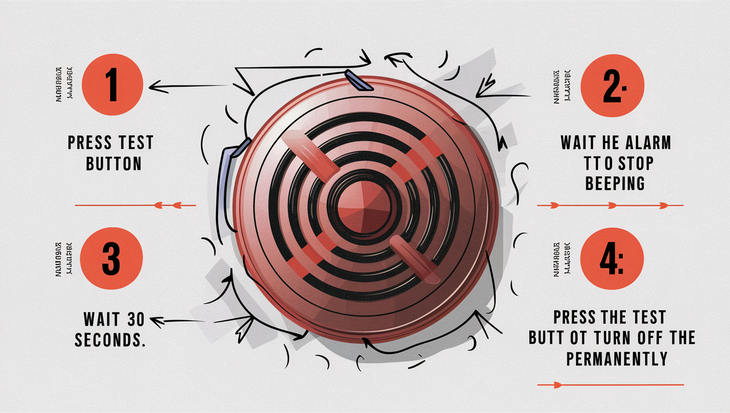
Steps to Temporarily Silence the Alarm
- Identify the Source: First, quickly assess the situation. Is there actual smoke or fire? If so, proceed with evacuation and call emergency services. If it's clearly a false alarm (e.g., burnt toast, steam), proceed with silencing.
- Locate the Button: Find the silence/hush button on the alarm that is sounding.
- Press and Hold: Press and hold the button for a few seconds. The alarm should stop sounding immediately or after a brief delay. Some alarms require a quick press, while others need a sustained press. Consult your alarm's manual if unsure.
- Ventilate the Area: While the alarm is silenced, open windows and doors to clear the air. Use a fan if necessary to speed up the process.
- Wait for Reset: The alarm will automatically reset itself after the designated hush period (e.g., 10 minutes). Once the air is clear, the alarm will return to its normal monitoring state. If the alarm continues to sound after the hush period, it may indicate a persistent issue or that the air quality hasn't improved sufficiently.
Using the Silence Button on Interconnected Alarms
In a system of interconnected alarms, pressing the silence button on the alarm that first detected the smoke will typically silence all alarms in the network. This is a critical feature for ensuring all residents are aware and that the system can be reset effectively.
Duration of Silence
The hush function is temporary. It's designed to give you time to resolve the immediate cause of the false alarm and ventilate the area. It's not a permanent solution. If the alarm reactivates after the hush period, it's a strong indicator that the air quality has not improved or there's another underlying issue.
How to Turn Off a Smoke Alarm Permanently or for Maintenance
There are specific situations where you might need to turn off a smoke alarm for an extended period, such as during renovations, painting, or if the alarm is malfunctioning and needs replacement. It's crucial to remember that disabling a smoke alarm, even temporarily for maintenance, compromises your safety. Always prioritize re-enabling or replacing it as soon as possible.
Battery-Powered Smoke Alarms
These are the simplest to turn off.
- Access the Battery Compartment: Most battery-powered alarms have a battery compartment on the back or side. You might need to twist the alarm off its mounting bracket to access it.
- Remove the Battery: Open the compartment and remove the battery. This will immediately cut power to the alarm and silence it.
- Secure the Alarm (Optional): If you are doing work that might cause dust, you can temporarily cover the alarm with a plastic bag or remove it from its bracket entirely.
Hardwired Smoke Alarms
Hardwired alarms are connected to your home's electrical system and usually have a battery backup. Turning them off requires a two-step process to ensure complete deactivation.
Step 1: Turn Off the Circuit Breaker
- Identify the Correct Circuit Breaker: Locate your home's electrical panel. Smoke alarms are often on a circuit labeled "Smoke Alarms," "Lighting," or a specific room. If you're unsure, you may need to test breakers by turning them off one by one until the alarm goes silent. Be cautious when working with electrical panels.
- Switch Off the Breaker: Flip the identified breaker to the "OFF" position. This will cut power to the hardwired alarm.
Step 2: Remove the Battery Backup
- Access the Alarm: Once the power is off, you may still need to remove the alarm from its mounting bracket to access the battery backup.
- Remove the Battery: Locate and remove the backup battery from the alarm. This ensures the alarm is completely powered down.
Important Considerations for Permanent Disablement
- Safety First: Never leave a home without functioning smoke alarms for extended periods. If you are undergoing significant renovations, consider temporary battery-powered alarms for occupied areas.
- Labeling: If you must temporarily disable an alarm, especially a hardwired one, consider placing a note on the circuit breaker or the alarm itself as a reminder to restore power and battery.
- Reinstallation: Ensure alarms are reinstalled and powered up immediately after the work is completed. Test them thoroughly.
Replacing Old Alarms
Smoke alarms have a lifespan of approximately 10 years. If your alarms are nearing this age, they may become unreliable. The manufacturing date is usually printed on the back of the unit. When replacing an alarm, ensure you install a new one that meets current safety standards. According to 2025 safety guidelines, all smoke alarms should be photoelectric or dual-sensor for optimal detection.
Troubleshooting Persistent Alarms
If your smoke alarm is constantly sounding, chirping, or going off without any apparent cause, it's more than just an annoyance; it's a sign that something is wrong and needs to be addressed promptly. Persistent alarms can be caused by a variety of issues, ranging from simple fixes to more complex problems.
Persistent Chirping (Low Battery)
As mentioned, a single chirp every 30-60 seconds is the universal indicator of a low battery. Even if you've recently replaced the battery, it might be faulty, or the alarm might not have reset properly. Try replacing the battery with a fresh, high-quality one. Ensure the battery is inserted correctly and the compartment is securely closed.
Continuous Alarms (Environmental Factors)
If the alarm is sounding continuously, it's likely detecting smoke or something it perceives as smoke. Ensure there are no ongoing cooking activities, steam, or high humidity. Ventilate the area thoroughly. If the alarm continues, it might be due to dust, insects, or chemical fumes. Try cleaning the alarm (see maintenance section).
Faulty Unit
Smoke alarms are electronic devices and can fail. If you've tried all other troubleshooting steps and the alarm continues to malfunction, it's likely that the unit itself is faulty. This is especially true for alarms that are approaching their 10-year lifespan.
Interconnected Alarm Issues
In an interconnected system, one faulty alarm can cause the entire system to sound. If you suspect one unit is the culprit, try to identify it. Sometimes, the alarm that initiates the sequence will have a different flashing pattern. If you can isolate the problematic unit, you may need to temporarily disconnect its power (breaker and battery) to stop the system from sounding while you investigate further.
Wiring Problems (Hardwired Alarms)
For hardwired alarms, issues with the electrical connection can cause erratic behavior. This could be loose wiring, faulty connections at the junction box, or problems with the power supply. If you suspect wiring issues, it's best to consult a qualified electrician.
Environmental Contamination
Some alarms are sensitive to airborne contaminants like dust, grease, or even certain cleaning chemicals. If the alarm is located in a high-traffic area, near a kitchen with grease buildup, or where cleaning is frequent, these contaminants can build up on the sensor and cause false alarms. Regular cleaning is essential.
Power Fluctuations
As noted earlier, power surges or brownouts can sometimes trigger hardwired alarms. If this is a recurring issue, you might need to consult an electrician about surge protection for your home's electrical system.
Table: Common Smoke Alarm Problems and Solutions
| Problem | Possible Cause | Solution |
|---|---|---|
| Single Chirp (every 30-60 sec) | Low Battery | Replace battery with a fresh, high-quality one. Ensure correct installation and compartment closure. |
| Continuous Alarm Sounding | Smoke, Steam, Dust, Insects, Chemical Fumes | Ventilate area. Check for cooking, steam, or other airborne particles. Clean the alarm. |
| Alarm Sounds Intermittently or Erratically | Faulty Unit, Power Fluctuation, Environmental Contamination | Clean the alarm. Check battery. If hardwired, check breaker. Consider replacement if old or consistently malfunctioning. |
| Interconnected Alarms All Sounding | One Faulty Unit, System Malfunction | Try to identify the initiating alarm. Troubleshoot that unit. If persistent, disconnect all and re-introduce one by one. |
When to Call for Help
While many smoke alarm issues can be resolved with simple troubleshooting, there are times when professional assistance is necessary. Recognizing these situations is crucial for ensuring your safety and the proper functioning of your home's safety systems. In 2025, fire safety experts emphasize that attempting complex electrical repairs without proper training can be dangerous.
Persistent False Alarms After Troubleshooting
If you have followed all the troubleshooting steps, including cleaning, battery replacement, and ventilation, and the smoke alarm continues to go off falsely, it is highly likely that the unit is defective and needs to be replaced. If it's a hardwired unit, and you're uncomfortable with electrical work, this is a good time to call an electrician.
Electrical Issues with Hardwired Alarms
Any concerns about the wiring of your hardwired smoke alarms, such as flickering lights, buzzing sounds from the electrical panel, or the alarm sounding during power surges, should be addressed by a qualified electrician. Tampering with electrical wiring without proper knowledge can lead to electrical shock, fire hazards, or damage to your home's electrical system.
Interconnected System Malfunctions
If your interconnected smoke alarm system is consistently malfunctioning, with multiple alarms sounding randomly or failing to communicate, there might be an issue with the wiring or the system's central hub (if applicable). An electrician or a specialized low-voltage technician can diagnose and repair these complex systems.
When the Alarm Sounds and You Suspect a Fire
This is the most critical situation. If your smoke alarm sounds and you suspect there is a fire, your priority is to evacuate everyone from the building immediately. Once safely outside, call your local emergency services (e.g., 911 in the US, 999 in the UK, 112 in Europe). Do not attempt to turn off the alarm if you suspect a fire; your life and the lives of others are far more important.
Lack of Confidence or Knowledge
If you are unsure about any aspect of your smoke alarm system, whether it's battery replacement, cleaning, or understanding its behavior, it's always best to err on the side of caution and seek professional advice. Many local fire departments offer free smoke alarm checks or can provide guidance on maintenance and installation.
Smoke Alarm Maintenance Best Practices
Regular maintenance is the key to ensuring your smoke alarms function correctly when you need them most. Neglecting maintenance can lead to false alarms or, worse, a failure to detect a real fire. The NFPA recommends testing alarms monthly and replacing batteries at least once a year, or when the chirp indicates a low battery.
Monthly Testing
Press the test button on each smoke alarm once a month. This verifies that the power source (battery or hardwired connection) and the alarm circuitry are working. You should hear a loud, continuous alarm sound. If an alarm fails to sound during testing, replace the battery immediately. If it still doesn't work, the unit may need replacement.
Annual Battery Replacement
Even if your smoke alarm doesn't chirp, it's recommended to replace the batteries at least once a year. A good practice is to do this when you change your clocks for daylight saving time. Use only the manufacturer-recommended type of battery. For hardwired alarms, remember to also remove and replace the backup battery.
Cleaning the Alarms
Dust, cobwebs, and insects can accumulate inside the sensing chamber and interfere with the alarm's performance. At least twice a year, gently vacuum the smoke alarm using the soft brush attachment of your vacuum cleaner. You can also use a can of compressed air to blow out any dust or debris from the vents. Never use water or cleaning solutions to clean a smoke alarm.
Checking for Expiration Dates
Smoke alarms have a limited lifespan, typically 10 years from the date of manufacture. The manufacturing date is usually printed on the back or side of the unit. If your alarms are approaching their expiration date, it's time to replace them. Mark the replacement date on the new alarm with a permanent marker.
Placement and Location
Ensure your smoke alarms are installed in the correct locations as recommended by the manufacturer and local building codes. Generally, this includes inside each sleeping area, outside each sleeping area, and on every level of the home, including the basement. Avoid placing them too close to kitchens, bathrooms, or garages where steam, humidity, or exhaust fumes can cause false alarms.
Understanding Your Alarm's Features
Familiarize yourself with the specific features of your smoke alarms, such as the hush function, different indicator lights, and any interconnected capabilities. Read the owner's manual for detailed instructions on operation, maintenance, and troubleshooting. For smart alarms, ensure your Wi-Fi connection is stable and that you have the necessary app installed and configured.
Record Keeping
It can be helpful to keep a record of when you tested your alarms, replaced batteries, and cleaned them. This can help you stay on track with maintenance and identify patterns if a particular alarm consistently causes issues. For interconnected systems, noting the model and age of each unit can also be beneficial.
In conclusion, knowing how to turn off a smoke alarm is an essential safety skill. Whether it's silencing a temporary nuisance alarm or deactivating a unit for maintenance, these steps ensure you can act quickly and appropriately. Remember that the primary function of a smoke alarm is to save lives, so while silencing is sometimes necessary, maintaining and respecting its role in your home's safety is paramount. Always prioritize ventilation, regular testing, and timely replacement to keep your household protected.