Protecting your home and loved ones is paramount. Discover how ADT wireless alarms offer robust, flexible, and cutting-edge security solutions, providing peace of mind in today's evolving world. This comprehensive guide will explore why ADT's wireless systems are the smart choice for modern homeowners.
Why Choose ADT Wireless Alarms?
In an era where home security is not just about deterring intruders but also about smart, connected living, ADT wireless alarms stand out as a premier choice for homeowners in 2025 and beyond. These systems offer a sophisticated blend of advanced technology, user-friendly operation, and the unparalleled peace of mind that comes with professional monitoring. Unlike traditional wired systems, wireless alarms provide unparalleled flexibility in placement, minimal disruption during installation, and seamless integration with the modern smart home. This makes them an ideal solution for renters, homeowners looking for quick setup, or those who desire a discreet yet powerful security network. ADT's commitment to innovation ensures their wireless offerings are at the forefront of home protection, adapting to the ever-changing landscape of security threats and technological advancements.
The Unmatched Benefits of ADT Wireless Security
The decision to invest in a home security system is significant, and ADT's wireless alarm solutions present a compelling case with a multitude of benefits that cater to the modern homeowner's needs. These advantages go beyond simple intrusion detection, encompassing convenience, adaptability, and advanced technological integration.
Flexibility and Ease of Installation
One of the most significant advantages of ADT wireless alarms is their inherent flexibility. Because they don't require extensive wiring to be run through walls and ceilings, installation is typically much faster and less intrusive than with traditional wired systems. This is particularly beneficial for:
- Renters: Wireless systems can often be easily moved or taken with you when you relocate, minimizing permanent alterations to the property.
- Older Homes: Retrofitting wired systems into older structures can be complex and costly. Wireless solutions bypass these challenges.
- Quick Setup: Homeowners who need security in place quickly can benefit from the rapid deployment capabilities of wireless technology.
ADT's professional installers are adept at placing wireless sensors in optimal locations for maximum coverage without the aesthetic compromise of visible wires.
Scalability and Customization
ADT wireless alarm systems are designed to grow with your needs. Whether you start with a basic package to cover entry points or expand to include comprehensive whole-home protection, the system can be easily scaled. Additional sensors, cameras, smart locks, and environmental detectors can be added wirelessly to enhance your security and convenience. This modularity ensures you only pay for the protection you need, when you need it, and can adapt your system as your lifestyle or property changes.
Advanced Technology and Connectivity
ADT leverages cutting-edge wireless technology to ensure reliable communication between system components and the central hub. This often includes:
- Encrypted Signals: Protecting against jamming and interference, ensuring your system's integrity.
- Long Battery Life: Sensors are designed for extended battery performance, minimizing maintenance frequency.
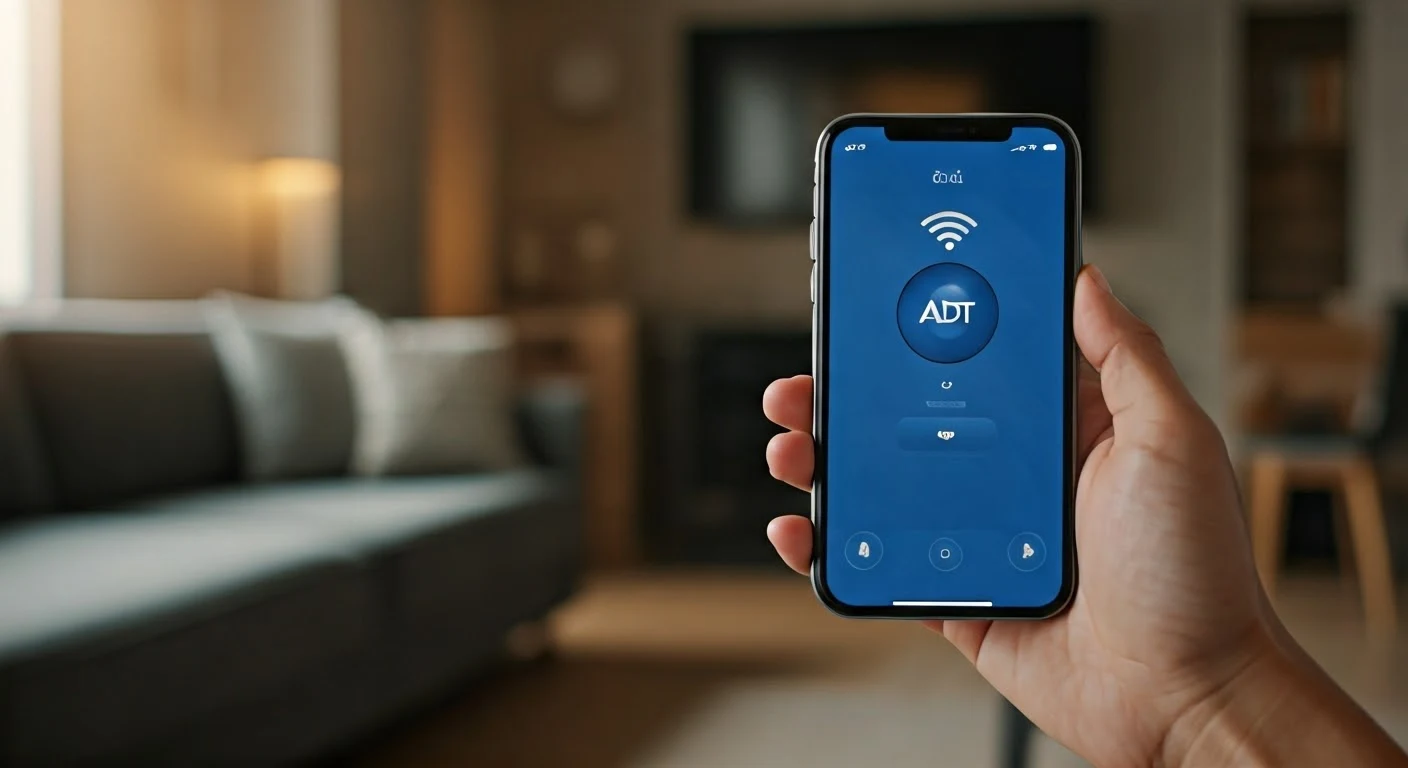
- Remote Access: Via the ADT Control app, homeowners can arm/disarm their system, receive alerts, view camera feeds, and control integrated smart devices from anywhere in the world.
This constant connectivity provides an unprecedented level of control and awareness.
Integration with Smart Home Devices
In 2025-26, a truly secure home is often a smart home. ADT wireless alarms are designed to be the central nervous system of your connected living space. They can seamlessly integrate with a wide range of smart home devices, including:
- Smart thermostats (e.g., Nest, Ecobee)
- Smart lighting (e.g., Philips Hue, Lutron)
- Smart locks (e.g., August, Schlage)
- Voice assistants (e.g., Amazon Alexa, Google Assistant)
This integration allows for powerful automation scenarios, such as lights turning on when the alarm is triggered, or the thermostat adjusting when the system is armed for away mode. Explore more about integrating ADT wireless alarms with your smart home for enhanced convenience and security.
Reliability and Professional Monitoring
While wireless technology has advanced significantly, the core value of a security system lies in its reliability and response. ADT's wireless systems are built with redundancy and advanced communication protocols to ensure they function even during power outages or internet disruptions, often utilizing cellular backup. Crucially, every ADT system is backed by their award-winning 24/7 professional monitoring centers. These centers are staffed by trained professionals who can dispatch emergency services – police, fire, or medical – within seconds of an alarm event, providing a critical layer of protection that self-monitored systems cannot match. This is a cornerstone of ADT's value proposition.
How ADT Wireless Alarms Work: A Deep Dive
Understanding the underlying technology of an ADT wireless alarm system demystifies its operation and highlights its effectiveness. At its core, a wireless system consists of several interconnected components that communicate wirelessly with a central control panel.
The Central Hub
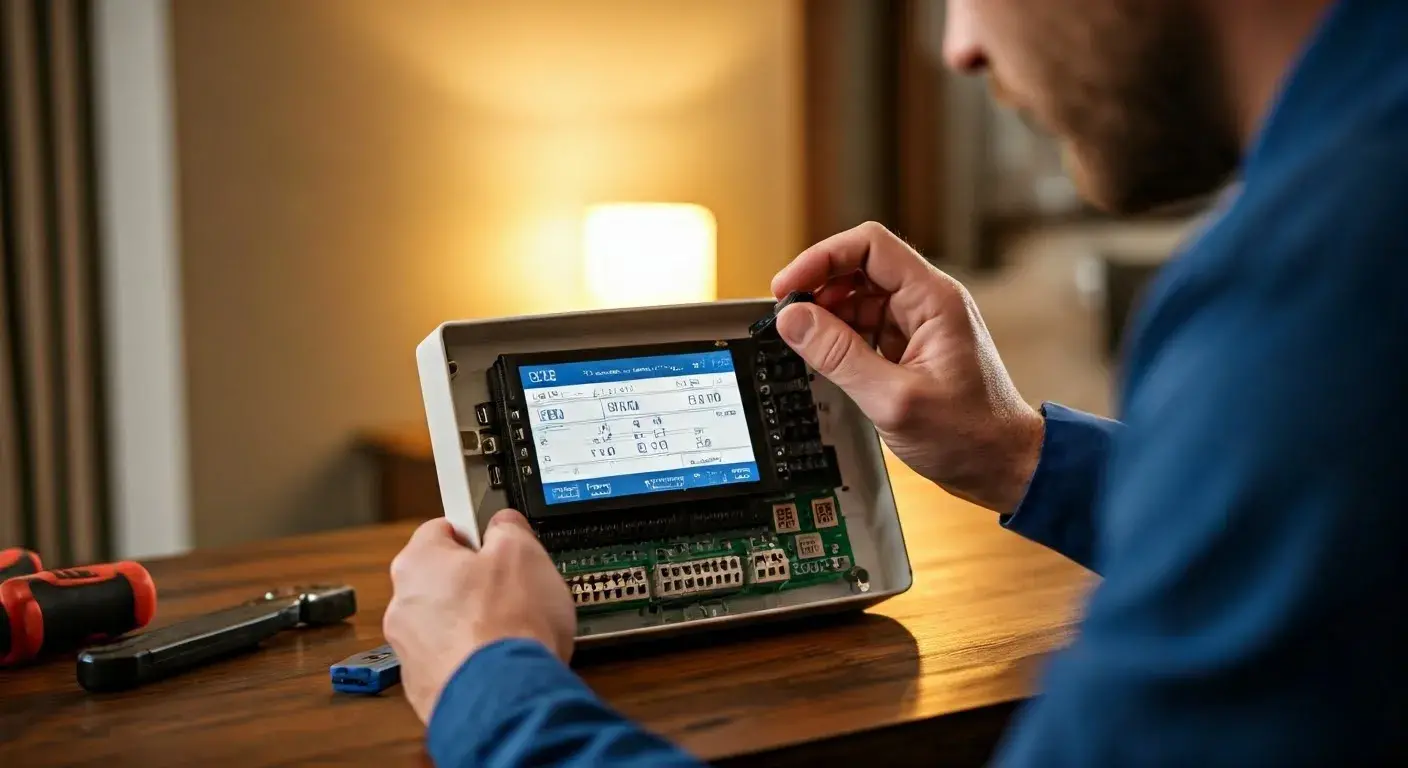
The brain of the operation is the central control panel, often a sleek touchscreen device or a discreet box. This hub receives signals from all connected wireless sensors. It's responsible for:
- Receiving Sensor Data: Detecting when a door or window is opened, motion is detected, or a smoke detector is triggered.
- Processing Alarms: Determining if an alert constitutes a genuine emergency based on system settings and sensor inputs.
- Communicating with Monitoring Center: Transmitting alarm signals, along with critical information like the type of alarm and location, to ADT's monitoring stations. This communication typically occurs via a dedicated cellular connection, ensuring reliability even if your home internet is down.
- User Interface: Allowing users to arm, disarm, and manage the system via the panel, a mobile app, or voice commands.
Wireless Sensors and Detectors
These are the eyes and ears of your security system, strategically placed throughout your home. They communicate with the central hub using radio frequencies. Common types include:
- Door/Window Sensors: These consist of two parts – a magnet and a sensor. When the door or window is closed, the magnet is aligned with the sensor, completing a circuit. When opened, the circuit breaks, sending a signal to the hub.
- Motion Detectors: Utilizing passive infrared (PIR) technology, these sensors detect changes in heat signatures within their field of view, indicating movement. Advanced models may use dual-technology (PIR and microwave) to reduce false alarms.
- Glass Break Detectors: These listen for the specific sound frequencies associated with breaking glass, providing an additional layer of protection for windows.
- Environmental Sensors: These include smoke detectors, carbon monoxide detectors, and flood sensors, which alert homeowners and the monitoring center to potential life-threatening or property-damaging events.
Each wireless sensor is powered by long-lasting batteries, typically lasting several years. The system monitors battery levels and will alert you when a replacement is needed, often through the ADT Control app.
Communication Protocols
ADT employs robust wireless communication protocols designed for security and reliability. These protocols ensure that signals are transmitted quickly and securely between sensors and the control panel, and from the panel to the monitoring center.
- Proprietary Wireless: ADT often uses its own secure wireless protocols that are encrypted to prevent unauthorized access or jamming.
- Cellular Backup: A critical feature is cellular backup. If your home internet connection is disrupted (due to an outage or intentional tampering), the system can still communicate with the ADT monitoring center via a cellular network. This redundancy is a key differentiator for ADT.
The Role of the ADT Control App
The ADT Control app transforms your smartphone or tablet into a powerful remote control for your security system. It allows you to:
- Arm and disarm your system remotely.
- Receive real-time alerts for alarms, sensor activity, or system status changes.
- View live video feeds from connected ADT cameras.
- Control integrated smart home devices.
- Access system history and event logs.
This app is central to the modern ADT wireless experience, offering convenience and peace of mind wherever you are.
Essential Components of an ADT Wireless Alarm System
A comprehensive ADT wireless alarm system is built from a selection of interconnected devices, each serving a specific purpose in safeguarding your home. While packages vary, the core components are fundamental to effective security.
The Control Panel/Keypad
This is the central command center. Modern ADT panels are often touchscreen devices, offering an intuitive interface for arming/disarming, checking system status, and accessing settings. Some systems may also include traditional keypads for user input. The panel connects to your home network (Wi-Fi or Ethernet) and features cellular backup for uninterrupted communication with ADT's monitoring centers.
Door and Window Sensors
These small, discreet sensors are vital for perimeter security. Each sensor consists of two parts: a magnetic contact and a transmitter. When a door or window is opened, the magnetic contact is broken, triggering the transmitter to send a signal to the control panel. ADT offers various types, including standard contacts and recessed sensors that are hidden within the door or window frame for a cleaner look.
Motion Detectors
Placed strategically in high-traffic areas or rooms with valuable possessions, motion detectors sense movement. ADT's advanced motion detectors use passive infrared (PIR) technology to detect body heat. Many models also incorporate pet-friendly features, allowing them to distinguish between human and animal movement to prevent false alarms. Dual-technology detectors, combining PIR with microwave sensors, offer even greater accuracy and reduced false alarm potential.
Key Fobs
For added convenience, key fobs provide a simple way to arm and disarm your system without needing to go to the control panel or use the app. They are particularly useful for quick entry and exit or for family members who may not be as tech-savvy.
Yard Signs and Window Decals
While not electronic components, these are crucial deterrents. The visible presence of ADT signage signals to potential intruders that your home is protected by a professional security service, often discouraging them from attempting a break-in.
Optional Components for Enhanced Security
Beyond the core components, ADT offers a range of optional devices to tailor your system:
- Glass Break Sensors: These listen for the specific sound frequencies of breaking glass, providing an extra layer of protection for rooms with multiple windows.
- Environmental Sensors:
- Smoke Detectors: Integrate with the security system to alert ADT monitoring centers in case of fire.
- Carbon Monoxide (CO) Detectors: Detect dangerous levels of CO gas, a silent killer.
- Flood Sensors: Placed near water sources like washing machines, sinks, or basements, these alert you to potential water damage.
- Freeze Sensors: Monitor temperature drops and alert if the risk of freezing pipes arises.
- Security Cameras: Indoor and outdoor cameras can be integrated to provide live video feeds, recorded footage, and motion-triggered alerts accessible via the ADT Control app.
- Smart Home Devices: Smart locks, thermostats, and lighting can be integrated for a fully automated and secure home environment.
The ability to customize with these optional components is a significant advantage of ADT's wireless solutions, allowing for a truly bespoke security plan.
Seamless Installation: Getting Your ADT Wireless System Up and Running
One of the most appealing aspects of ADT wireless alarm systems is the ease and speed of installation. ADT's professional installation process is designed to be efficient, minimally disruptive, and thorough, ensuring your system is set up correctly for optimal performance.
Pre-Installation Consultation
Before the installation day, an ADT security consultant will work with you to assess your home's layout, identify potential vulnerabilities, and discuss your specific security needs and budget. This consultation helps determine the ideal placement for sensors, cameras, and the control panel, ensuring comprehensive coverage. You’ll also discuss any smart home devices you wish to integrate.
The Installation Day
On the scheduled day, a certified ADT technician will arrive at your home. The process typically involves the following steps:
- System Placement: The technician will confirm the placement of the control panel, ensuring it's in a convenient and accessible location, often near a primary entry point.
- Sensor Installation: Wireless sensors are then installed. Door and window sensors are typically affixed with strong adhesive strips to the frame and the opening. Motion detectors are mounted in corners or on walls at optimal heights for maximum coverage. Glass break sensors are placed to cover windows effectively.
- Camera Setup (if applicable): If you've opted for security cameras, the technician will install and configure them, ensuring they have a clear view and are connected to your Wi-Fi network.
- Control Panel Configuration: The technician will connect the control panel to your home's Wi-Fi network and activate its cellular backup. They will then program the system, including user codes, sensor names, and alarm delays.
- Smart Device Integration (if applicable): If you're integrating smart locks, thermostats, or lighting, the technician will pair these devices with the ADT system and ensure they function as intended.
System Testing and Demonstration
Once all components are installed, the technician will conduct a thorough system test. This involves triggering each sensor individually to ensure it communicates correctly with the control panel and that the panel registers the event. They will also test the communication link to the ADT monitoring center.
Crucially, the technician will then provide a comprehensive demonstration of your new system. This includes:
- How to arm and disarm the system using the control panel, key fob, and the ADT Control app.
- Understanding different arming modes (e.g., Stay, Away).
- How to respond to alarms and system notifications.
- How to use the ADT Control app for remote access and control.
- Basic troubleshooting and what to do if a sensor battery is low.
Post-Installation Support
ADT's commitment doesn't end with installation. You'll receive information on how to access customer support, manage your account online, and utilize the full capabilities of your system. The ADT Control app is your constant companion for managing and monitoring your home security.
The entire process, from start to finish, is designed to be efficient, typically taking only a few hours, allowing you to enjoy enhanced home security with minimal disruption to your daily life.
Integrating ADT Wireless Alarms with Your Smart Home Ecosystem
In 2025-26, the most effective home security systems are those that seamlessly integrate with the broader smart home ecosystem. ADT wireless alarms are designed to be the central nervous system of your connected home, enhancing both security and convenience through intelligent automation and unified control.
The Benefits of Integration
Integrating your ADT wireless alarm system with other smart devices unlocks powerful functionalities:
- Unified Control: Manage your lights, locks, thermostat, and security system from a single app – the ADT Control app.
- Automated Security Scenarios: Create "scenes" or routines that trigger multiple actions simultaneously. For example, when you arm your system in "Away" mode, lights can turn off, the thermostat can adjust to an energy-saving setting, and smart locks can secure doors.
- Enhanced Safety: Integrate smoke detectors with smart lighting to illuminate escape routes during a fire.
- Convenience: Use voice commands through smart assistants to arm/disarm your system, check status, or control connected devices.
Key Smart Home Devices That Integrate with ADT
ADT's compatibility extends to a wide range of popular smart home products:
- Smart Locks: Devices like August, Yale, and Schlage smart locks can be integrated. This allows you to remotely lock or unlock doors, grant temporary access to guests, and receive notifications when doors are opened or closed. Your ADT system can automatically lock doors when you arm the system.
- Smart Lighting: Systems such as Philips Hue, Lutron Caséta, and Kasa Smart can be connected. You can schedule lights to turn on and off to simulate occupancy when you're away, or have lights automatically turn on when motion is detected or the alarm is triggered.
- Smart Thermostats: Integrate with popular thermostats like Nest and Ecobee. When you leave your home and arm the system, the thermostat can automatically adjust to an energy-saving temperature, and then return to your preferred setting when you disarm the system.
- Voice Assistants: Amazon Alexa and Google Assistant can be linked to your ADT system. You can use voice commands like "Alexa, arm ADT to Away" or "Hey Google, is the front door locked?" (with appropriate security protocols in place for voice disarming).
- Video Doorbells and Cameras: While ADT offers its own cameras, integration with select third-party video doorbells can also be possible, allowing you to see who is at your door directly through the ADT Control app.
How Integration Works
ADT systems often utilize platforms like Alarm.com or proprietary ADT protocols that support integration with various smart home ecosystems. During installation, your ADT technician can help pair compatible devices. For devices not directly integrated during installation, the ADT Control app or the respective device's app will guide you through the connection process, often involving linking accounts or using a central hub like SmartThings or Hubitat if supported.
The ADT Control app serves as the primary interface for managing these integrated devices, allowing you to create custom automation rules and scenes. For instance, you could set up a "Goodnight" scene that arms the system, locks the doors, turns off all lights except for a designated nightlight, and sets the thermostat to a comfortable sleeping temperature.
Security Considerations for Smart Home Integration
While integration offers immense benefits, it's crucial to maintain robust security practices:
- Strong Passwords: Use unique, strong passwords for all your smart home accounts and your ADT account.
- Two-Factor Authentication (2FA): Enable 2FA on your ADT account and any connected smart home platforms whenever possible.
- Regular Updates: Keep your ADT system firmware, the ADT Control app, and all connected smart device apps and firmware up to date to patch security vulnerabilities.
- Secure Wi-Fi Network: Ensure your home Wi-Fi network is secured with a strong password and WPA2/WPA3 encryption.
By carefully integrating your ADT wireless alarm system, you create a more intelligent, responsive, and secure home environment, truly leveraging the power of connected technology.
ADT Wireless vs. The Competition: A 2025-26 Comparison
In the competitive landscape of home security in 2025-26, ADT's wireless alarm systems offer a distinct value proposition. While numerous providers offer wireless solutions, ADT differentiates itself through its established reputation, comprehensive service offerings, and advanced technological integration.
Key Differentiators for ADT
ADT's strengths lie in several key areas:
- Professional Monitoring Network: ADT operates a vast network of professionally monitored centers, offering redundancy and rapid response. This is often a superior offering compared to smaller companies or DIY systems that rely on self-monitoring or third-party monitoring services with potentially less infrastructure.
- Brand Trust and Longevity: With decades of experience, ADT is a household name synonymous with home security. This established trust provides a significant psychological advantage for homeowners.
- Comprehensive Installation and Support: ADT provides professional installation by certified technicians, ensuring the system is set up correctly. They also offer robust customer support and maintenance services, which can be a significant advantage over DIY systems requiring users to troubleshoot themselves.
- Advanced Technology and Integration: ADT consistently invests in its platform, offering seamless integration with smart home devices and a user-friendly mobile app (ADT Control) that provides extensive remote control and customization options.
Comparison Table: ADT Wireless vs. Key Competitors (2025-26)
To illustrate ADT's position, let's compare it against common competitor types.
| Feature | ADT Wireless Alarms | DIY Wireless Systems (e.g., SimpliSafe, Ring Alarm) | Traditional Wired Systems |
|---|---|---|---|
| Installation | Professional (included or optional) | DIY (user-installed) | Professional (complex, often costly) |
| Monitoring | 24/7 Professional (cellular backup standard) | Optional Professional (often cellular backup extra cost), Self-monitoring available | Typically Professional (cellular backup may vary) |
| Flexibility/Portability | High (easy to add/move sensors) | Very High (designed for DIY moves) | Low (fixed wiring) |
| Smart Home Integration | Excellent (ADT Control app, broad compatibility) | Good to Very Good (depends on brand ecosystem) | Varies greatly, often more complex integration |
| Upfront Cost | Moderate to High (equipment + installation fees) | Low to Moderate (DIY purchase) | High (equipment + professional installation) |
| Monthly Fees | Subscription required (includes monitoring, app access) | Optional for professional monitoring, app access may be free or tiered | Subscription typically required |
| Brand Reputation | Established leader, high trust | Growing, tech-focused brands | Varies by installer/provider |
When ADT Wireless is the Superior Choice
ADT wireless alarms are often the superior choice for homeowners who prioritize:
- Unwavering Reliability: The combination of robust wireless technology and ADT's extensive professional monitoring network provides unmatched peace of mind.
- Full-Service Support: Those who prefer not to deal with technical troubleshooting and want expert installation and ongoing support.
- Seamless Smart Home Integration: Homeowners building a connected home who want a security system that acts as a central hub.
- Brand Assurance: Individuals who value the trust and security associated with a long-standing, reputable security provider.
While DIY systems offer cost savings and flexibility for the tech-savvy, ADT provides a more comprehensive, professionally managed solution for those who want the highest level of security and convenience without compromise.
Selecting the Perfect ADT Wireless Alarm Package for Your Needs
ADT offers a range of wireless alarm packages designed to cater to diverse home sizes, security needs, and budgets. Choosing the right one ensures you get the most effective protection without paying for unnecessary features.
Understanding ADT's Package Structure
ADT typically structures its offerings around core functionalities, with options to add components. While specific package names may evolve, they generally focus on:
- Basic Security: Covering essential entry points and basic intrusion detection.
- Enhanced Security: Adding more sensors, motion detection, and potentially environmental sensors.
- Smart Home Integration: Packages that prominently feature smart home device compatibility, cameras, and advanced app control.
Key Factors to Consider When Choosing
To make an informed decision, consider these critical factors:
- Home Size and Layout: A small apartment will require fewer sensors than a multi-story house with multiple entry points. Map out your home and identify all potential access points (doors, ground-floor windows, basement windows).
- Occupancy and Lifestyle: Do you have pets? Are children home alone after school? Do you travel frequently? These questions influence the need for pet-friendly motion detectors, remote access capabilities, and video surveillance.
- Existing Smart Home Devices: If you already have smart locks, lights, or thermostats, choose a package that offers seamless integration with your existing ecosystem.
- Environmental Risks: Consider your location and potential risks. Homes in flood-prone areas might benefit from flood sensors, while those in colder climates may want freeze sensors.
- Budget: Determine your upfront budget for equipment and installation, as well as your monthly budget for monitoring services.
Common ADT Wireless Package Components and Their Purpose
| Component | Purpose | Consider if... |
|---|---|---|
| Control Panel | Central hub for system control and communication. | Standard in all packages. |
| Door/Window Sensors | Detects opening of doors and windows. | Essential for all entry points. |
| Motion Detectors | Detects movement within a room. | For larger rooms, hallways, or areas with valuables. Consider pet-friendly if applicable. |
| Key Fobs | Convenient arming/disarming. | If you frequently enter/exit or want easy control for family members. |
| Glass Break Sensors | Detects the sound of breaking glass. | For rooms with large windows or sliding glass doors. |
| Smoke/CO Detectors | Detects fire and carbon monoxide hazards. | Highly recommended for all homes; integrates with emergency services. |
| Security Cameras | Live video, recording, motion alerts. | For monitoring specific areas, package delivery, or deterring intruders. |
| Smart Locks/Thermostats/Lights | Remote control and automation. | If you are building a smart home and want integrated control. |
Working with an ADT Consultant
The best way to select the right package is to engage with an ADT security consultant. They will:
- Conduct a thorough risk assessment of your home.
- Discuss your specific concerns and priorities.
- Explain the features and benefits of different components.
- Recommend a customized package that meets your needs and budget.
- Provide a clear breakdown of upfront costs and monthly service fees.
Don't hesitate to ask questions about the ADT Control app, smart home integration capabilities, and the professional monitoring service. A well-chosen ADT wireless alarm system provides not just security, but also convenience and peace of mind tailored to your unique situation.
The Power of ADT's 24/7 Professional Monitoring
While the technology of wireless alarms is impressive, the true heart of ADT's security offering lies in its 24/7 professional monitoring service. This constant vigilance is what transforms a smart alarm system into a robust shield for your home and family.
How ADT Monitoring Works
When your ADT wireless alarm system detects an event – be it an intrusion, a fire, or a medical emergency – it sends an immediate signal to one of ADT's state-of-the-art monitoring centers. These centers are strategically located across the country and are staffed around the clock by highly trained security professionals.
- Signal Reception: Upon receiving an alert, the monitoring professional immediately identifies the type of alarm, the location, and the specific sensor triggered.
- Verification Process: For intrusion alarms, monitoring professionals follow a strict protocol to verify the emergency. This may involve attempting to contact you via phone or through the ADT Control app. Some systems offer two-way voice communication through the control panel, allowing the monitoring center to listen in and speak to occupants.
- Dispatching Emergency Services: If the alarm is confirmed as a genuine emergency, or if you cannot be reached, the monitoring professional will dispatch the appropriate emergency services – police for burglaries, fire department for fires, or medical responders for emergencies – to your home.
- Information Relay: Crucially, the monitoring professional provides the responding authorities with vital information, such as the nature of the emergency, the location of the incident within the home, and any known details about the situation. This can significantly speed up response times and improve the effectiveness of emergency personnel.
The Advantages of Professional Monitoring
The benefits of ADT's professional monitoring are substantial:
- Constant Vigilance: Unlike self-monitored systems, which rely on you to notice and act on alerts, ADT is always watching. This is especially critical if you are asleep, in a meeting, or otherwise unable to check your phone.
- Rapid Response: ADT's trained professionals are adept at quickly assessing situations and dispatching help, often faster than an individual could react.
- Cellular Backup Redundancy: ADT systems are equipped with cellular backup. This means that even if your home internet or phone lines are cut, the system can still communicate with the monitoring center, ensuring your security is never compromised.
- Reduced False Alarms: While false alarms can happen, ADT's verification protocols are designed to minimize unnecessary dispatches, which can save homeowners from fines and ensure emergency services are available for genuine crises.
- Peace of Mind: Knowing that trained professionals are ready to respond 24/7 provides unparalleled peace of mind for you and your family. This is particularly valuable when traveling or leaving your home unattended.
ADT Monitoring Centers: Advanced Technology and Security
ADT's monitoring centers are equipped with redundant power supplies, backup communication systems, and advanced security features to ensure continuous operation. They adhere to strict industry standards and certifications, such as those from UL (Underwriters Laboratories) and FM (Factory Mutual), guaranteeing a high level of reliability and professionalism.
Integration with Other ADT Services
The 24/7 monitoring service is seamlessly integrated with all ADT wireless alarm components, including smoke detectors, carbon monoxide detectors, and flood sensors. This means that ADT is not just protecting against intruders but also against potential disasters, offering a holistic approach to home safety.
In essence, ADT's 24/7 professional monitoring service is the critical component that provides true security. It ensures that when an emergency occurs, professional help is on its way, offering a level of protection that goes far beyond what a simple alarm system can provide on its own.
Beyond the Basics: Advanced Features and Customization
ADT's wireless alarm systems in 2025-26 offer a wealth of advanced features and customization options that go far beyond basic intrusion detection, empowering homeowners with sophisticated control and enhanced safety.
Video Surveillance Integration
ADT offers a range of indoor and outdoor security cameras that integrate seamlessly with their wireless alarm systems. These cameras provide:
- Live Streaming: View live video feeds of your property from anywhere via the ADT Control app.
- Motion-Triggered Recording: Cameras can be set to record automatically when motion is detected, capturing crucial evidence.
- Two-Way Audio: Some cameras feature built-in microphones and speakers, allowing for communication with individuals on your property.
- Night Vision: Ensure clear visibility even in low-light or complete darkness.
- Smart Alerts: Receive notifications on your phone when specific events are detected, such as a person approaching the front door or a package being delivered.
This visual layer of security provides an invaluable deterrent and offers real-time situational awareness.
Smart Home Automation and Scenes
As discussed in smart home integration, ADT excels at creating automated routines or "scenes." These can be triggered manually, by a schedule, or by system events. Examples include:
- "Vacation Mode": Randomly turns lights on and off to simulate occupancy, arms the system, and adjusts the thermostat.
- "Welcome Home": Disarms the system, turns on specific lights, and adjusts the thermostat upon your arrival.
- "Emergency Scene": If a smoke detector is triggered, this scene could turn on all lights, unlock smart doors for easier egress, and send a notification to all family members.
Remote Access and Control via ADT Control App
The ADT Control app is the central hub for managing your entire system. Its advanced features include:
- Full System Control: Arm/disarm, bypass zones, and check system status remotely.
- Customizable Notifications: Set up alerts for specific events, such as when a door is opened, motion is detected in a certain area, or a sensor battery is low.
- User Management: Create unique user codes for family members or guests, and track who arms/disarms the system.
- Event History: Review a detailed log of all system activity.
- Smart Device Management: Control integrated smart locks, lights, and thermostats directly from the app.
Advanced Sensor Capabilities
Beyond standard door/window and motion sensors, ADT offers specialized sensors:
- Dual-Technology Motion Detectors: Combine PIR and microwave sensors to significantly reduce false alarms caused by environmental factors or pets.
- Recessed Door/Window Sensors: These are installed directly into the door or window frame, making them virtually invisible for a cleaner aesthetic.
- Environmental Sensors: Integrated smoke, CO, flood, and freeze detectors provide comprehensive protection against a wider range of household hazards.
Professional Monitoring Enhancements
ADT's monitoring service itself can be enhanced with features like:
- Two-Way Voice: Direct communication between the homeowner and the monitoring center through the control panel during an alarm event.
- Video Verification: In some advanced setups, monitoring professionals can view video clips associated with an alarm event to help verify its legitimacy, leading to faster and more accurate dispatch.
Customization for Specific Needs
ADT's wireless systems are highly customizable. This means you can:
- Tailor Sensor Placement: Strategically place sensors for optimal coverage based on your home's unique layout and your lifestyle.
- Configure Alarm Delays: Set entry and exit delays to allow sufficient time to arm or disarm the system without triggering an alarm.
- Adjust Sensitivity Settings: Fine-tune the sensitivity of motion detectors or other sensors to match your environment.
By leveraging these advanced features and customization options, homeowners can transform their ADT wireless alarm system into a powerful, intelligent, and highly personalized security solution that adapts to their evolving needs.
Real-World Scenarios: How ADT Wireless Alarms Deliver
To truly appreciate the value of ADT wireless alarms, let's explore how they function in practical, everyday situations, demonstrating their effectiveness in protecting homes and families.
Scenario 1: The Unattended Package
Situation: A homeowner, Sarah, is at work and receives a notification on her ADT Control app: "Motion detected at front door camera." She opens the app to see a delivery driver leaving a package. A few minutes later, another alert: "Motion detected at front door camera." This time, she sees an individual loitering near her porch.
ADT Response: Sarah uses the two-way audio feature on her ADT camera to speak directly to the individual, asking if they need assistance. The startled individual quickly walks away. Sarah also checks her door lock status via the app and confirms it is locked. She feels reassured knowing she could monitor and deter potential theft without needing to be physically present. The system also recorded the event for her records.
Benefit: Deterrence, remote monitoring, and peace of mind.
Scenario 2: The Middle-of-the-Night Intrusion Attempt
Situation: The Miller family is asleep. A burglar attempts to force open a ground-floor window. The ADT wireless window sensor immediately detects the breach and sends a signal to the ADT monitoring center.
ADT Response: Within seconds, an ADT monitoring professional receives the alert. They attempt to contact the Millers via their mobile phones. Receiving no immediate answer and recognizing the urgency of a forced entry, the ADT professional dispatches local police to the Miller residence. The loud siren from the ADT alarm system also activates, startling the intruder and likely causing them to flee before the police arrive.
Benefit: Rapid response, audible deterrence, and professional intervention.
Scenario 3: The Unseen Hazard
Situation: The Johnson family is out for the evening. A small electrical fault in the basement causes a smoke detector to activate.
ADT Response: The integrated ADT wireless smoke detector immediately sends a fire alarm signal to the ADT monitoring center. Simultaneously, the ADT Control app sends an alert to the Johnsons' phones. The ADT professional, confirming the fire alarm, dispatches the fire department. The Johnsons receive the alert on their phones while at dinner and are able to meet the firefighters at their home, providing them with information about the potential location of the fire.
Benefit: Early detection of fire, professional dispatch, and timely notification to homeowners.
Scenario 4: The Smart Home Automation Convenience
Situation: The Chen family is leaving for a weekend vacation.
ADT Response: Mr. Chen uses the ADT Control app to activate their "Vacation" scene. This single action arms the ADT wireless alarm system, locks all integrated smart doors, turns off all connected smart lights, and sets their smart thermostat to an energy-saving temperature. When they return, a simple tap on the app disarms the system, unlocks the doors, and sets the lights and thermostat to their preferred "Home" settings.
Benefit: Enhanced security while away, energy savings, and unparalleled convenience through automation.
Scenario 5: The Pet-Related False Alarm Prevention
Situation: The Davis family has a large dog. They have an ADT wireless motion detector in their living room.
ADT Response: ADT's pet-friendly motion detectors are designed to ignore movement below a certain weight threshold (e.g., 80 lbs). When their dog, Max, walks through the living room, the sensor does not trigger an alarm. However, if an intruder were to enter, their larger heat signature would be detected, triggering the alarm and initiating the professional monitoring response.
Benefit: Reliable intrusion detection without nuisance alarms from pets.
These real-world scenarios highlight how ADT wireless alarms integrate advanced technology with professional monitoring to provide comprehensive, responsive, and convenient security solutions for a variety of situations.
Ongoing Support and Maintenance for Your ADT System
Investing in an ADT wireless alarm system means more than just installation; it's about ongoing reliability and support. ADT is committed to ensuring your system continues to function optimally, providing you with lasting peace of mind.
Routine System Checks
ADT recommends regular system checks to ensure all components are functioning correctly. This can often be done through the ADT Control app or by performing a system test via the control panel. These tests verify:
- Communication with the ADT monitoring center.
- Proper function of all sensors (door/window, motion, environmental).
- Battery levels of wireless components.
Battery Replacement
Wireless sensors are powered by batteries that typically last several years. ADT systems are designed to proactively monitor battery levels. When a sensor's battery is running low, you will typically receive an alert via the ADT Control app and potentially a notification on the control panel.
Replacing batteries is usually a straightforward process that homeowners can perform themselves. ADT provides guidance on the type of batteries needed and the replacement procedure. For those who prefer not to handle it, ADT technicians can perform battery replacements as part of a service call.
Software and Firmware Updates
ADT continuously updates its system software and firmware to enhance performance, introduce new features, and patch security vulnerabilities. For most ADT wireless systems, these updates are delivered remotely and automatically.
The ADT Control app is also regularly updated to improve user experience and add new functionalities. It's essential to keep the app updated on your smartphone or tablet to take advantage of the latest features and security enhancements.
Troubleshooting Common Issues
While ADT systems are designed for reliability, occasional issues may arise. Common troubleshooting steps include:
- Sensor Not Responding: Check the battery, ensure the sensor is properly aligned with its magnet (for door/window sensors), and verify it's within range of the control panel.
- False Alarms: Review sensor placement (e.g., motion detectors near heat sources or vents), check for environmental factors, and ensure pets are accounted for if using pet-friendly sensors.
- Connectivity Issues: Verify your home Wi-Fi is working. If the issue persists, the system's cellular backup should ensure communication with the monitoring center.
The ADT Control app often provides basic troubleshooting tips, and the ADT customer support team is available to guide you through more complex issues.
Accessing ADT Customer Support
ADT offers multiple channels for customer support:
- Online Resources: The ADT website provides a wealth of information, including FAQs, user manuals, and troubleshooting guides.
- ADT Control App: Offers in-app support features and direct messaging capabilities.
- Phone Support: ADT's customer service lines are available to assist with account management, technical issues, and service requests.
- Professional Service Calls: For issues that cannot be resolved remotely, ADT can dispatch a certified technician to your home for on-site diagnosis and repair.
System Upgrades and Expansions
As your security needs evolve, ADT makes it easy to expand your wireless system. You can add more sensors, cameras, or integrate new smart home devices at any time. An ADT consultant can help you plan and implement these upgrades seamlessly.
By understanding and utilizing ADT's ongoing support and maintenance resources, you can ensure your wireless alarm system remains a robust and reliable protector of your home for years to come.
Making the Switch: Transitioning to ADT Wireless Security
Considering an upgrade to an ADT wireless alarm system or switching from another provider? The transition is designed to be as smooth and beneficial as possible, offering enhanced security, modern features, and the peace of mind that comes with ADT's trusted service.
Why Consider Switching to ADT Wireless?
Homeowners often consider switching to ADT wireless for several compelling reasons:
- Outdated or Unreliable System: If your current system is old, prone to false alarms, or lacks modern features.
- Desire for Smart Home Integration: ADT's robust integration capabilities are a significant draw for those building a connected home.
- Need for Professional Monitoring: Transitioning from a self-monitored or basic system to ADT's 24/7 professional monitoring offers a significant upgrade in security.
- Convenience of Wireless: The flexibility and ease of installation of wireless systems appeal to many homeowners, especially renters or those in older homes.
- Brand Trust: The reputation and longevity of ADT provide a sense of security and reliability that newer or smaller companies may not match.
The Transition Process
Making the switch to ADT wireless typically involves these steps:
- Consultation and Assessment: An ADT security consultant will assess your current security needs and, if applicable, your existing system. They will recommend a suitable ADT wireless package and discuss the removal or integration of any existing compatible components.
- System Design: Based on the assessment, a customized system design will be created, specifying the number