Understanding Vivint home security costs is crucial for homeowners seeking robust protection. This comprehensive guide breaks down Vivint's pricing plans, equipment costs, and installation fees, offering a clear picture of your investment for 2025-2026, empowering you to make an informed decision.
Understanding Vivint Pricing: A Holistic View
Vivint's pricing structure is designed to be transparent, though it's important to understand that it's a multi-faceted system. Unlike some DIY security providers, Vivint typically involves a combination of upfront equipment costs, a monthly monitoring fee, and sometimes installation charges. For 2025-2026, Vivint continues its model of bundling high-quality equipment with professional monitoring and smart home integration. The total Vivint home security cost is not a single figure; rather, it's a sum of the hardware you choose, the monitoring plan that best suits your needs, and any associated installation services. This approach allows for a customizable security system that can grow with your smart home ecosystem. We'll delve into each of these components to give you a granular understanding of what to expect financially when investing in Vivint.
The primary drivers of Vivint's cost are the hardware selection and the ongoing monthly service plan. Vivint is known for its premium, integrated smart home security solutions, which means the initial equipment investment can be higher than basic alarm systems. However, this is often offset by the advanced features, professional installation, and 24/7 professional monitoring that are standard. Understanding these components is key to accurately budgeting for your Vivint system. We will explore the typical price ranges for various equipment packages, the different tiers of monitoring services, and how installation impacts the overall expense.
It's also important to note that Vivint's pricing can fluctuate based on promotions, package deals, and specific regional offers. While we aim to provide the most current 2025-2026 estimates, it's always recommended to get a personalized quote directly from Vivint. This guide will equip you with the knowledge to understand that quote and make an informed comparison with other security solutions on the market.
Vivint Equipment Costs: What You Get
Vivint offers a range of high-quality, integrated smart home security equipment. The cost of this equipment can vary significantly depending on the size of your home, the level of security you desire, and the specific devices you choose to include in your system. Vivint typically offers several pre-configured packages, but also allows for significant customization. For 2025-2026, the core components of a Vivint system include a smart hub, security sensors, and often a smart lock and doorbell camera.
Core Equipment Packages
Vivint's most popular packages are designed to cover common household needs. These often serve as a starting point, with the flexibility to add more devices.
Starter Package (e.g., "Home Security Starter")
This package is generally designed for smaller homes or apartments and includes the essentials for basic security. It typically comprises:
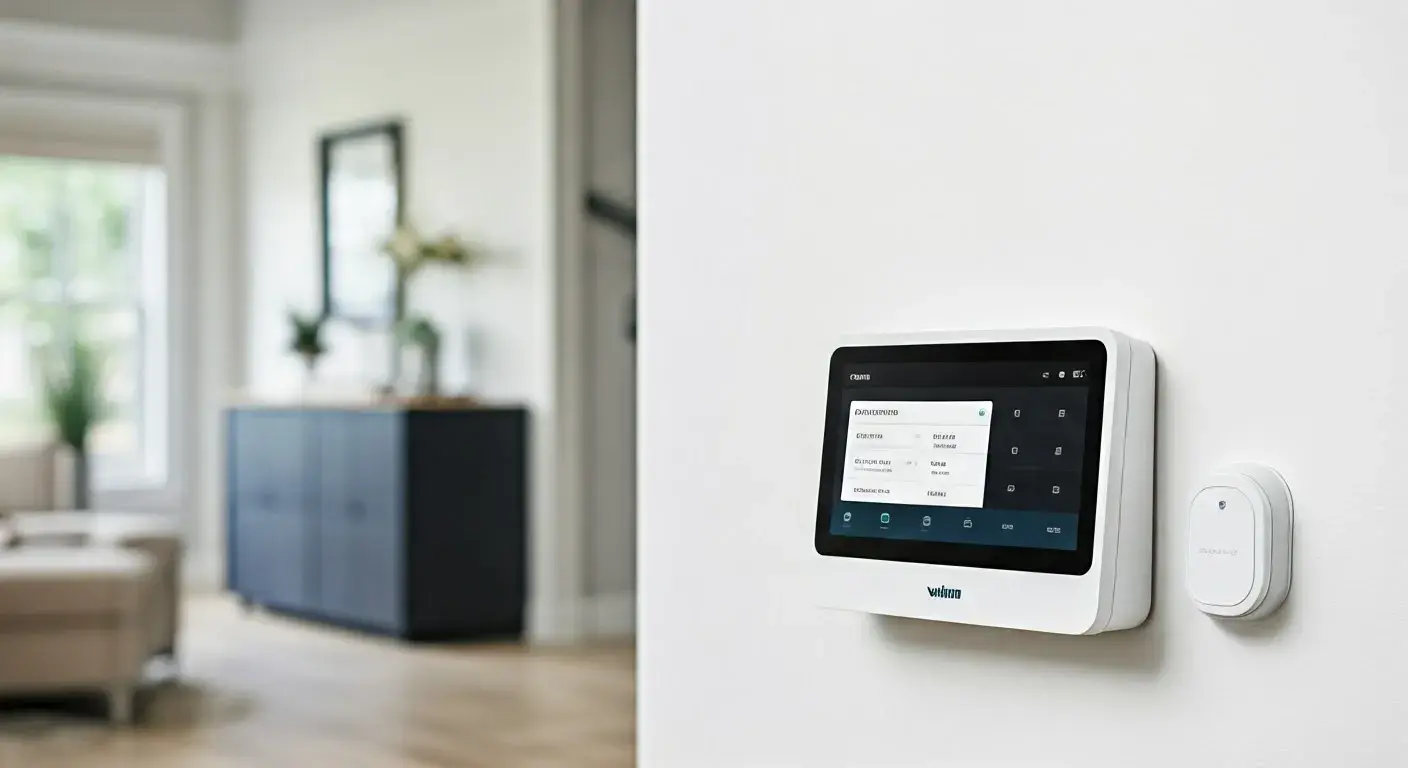
- Vivint Smart Hub (Panel): The central control unit for the entire system. This is a touchscreen interface that allows you to arm/disarm the system, view camera feeds, and manage connected devices. (Estimated Cost: $300 - $500)
- Door/Window Sensors: Usually 3-5 sensors to protect entry points. (Estimated Cost: $30 - $50 each)
- Motion Detector: One indoor motion sensor to detect movement within the home. (Estimated Cost: $50 - $70)
Estimated Total for Starter Package: $450 - $750. This initial hardware cost is often financed over the term of the monitoring contract, meaning you might pay $0 upfront for the equipment, but it's factored into your monthly payments.
Mid-Tier Package (e.g., "Home Security Pro")
This package is suitable for medium-sized homes and offers enhanced protection and convenience features. It typically includes:
- Vivint Smart Hub (Panel)
- Door/Window Sensors: 5-7 sensors.
- Motion Detector: 1-2 indoor motion sensors.
- Vivint Doorbell Camera Pro: A smart doorbell with video capabilities, two-way talk, and motion detection. (Estimated Cost: $200 - $250)
- Vivint Smart Lock: A keyless entry smart lock for enhanced convenience and security. (Estimated Cost: $150 - $200)
Estimated Total for Mid-Tier Package: $800 - $1200. Again, this can often be financed.
Premium Package (e.g., "Smart Home Complete")
This comprehensive package is designed for larger homes or those who want the most advanced smart home and security integration. It often includes:
- Vivint Smart Hub (Panel)
- Door/Window Sensors: 7-10+ sensors.
- Motion Detectors: 2-3 indoor motion sensors.
- Vivint Doorbell Camera Pro
- Vivint Smart Lock
- Vivint Indoor Camera: For monitoring inside the home. (Estimated Cost: $150 - $200)
- Vivint Outdoor Camera Pro: For monitoring the exterior of the property, often with advanced features like person detection and audible deterrents. (Estimated Cost: $300 - $400)
- Smart Smoke/CO Detector: For integrated life safety. (Estimated Cost: $70 - $100)
- Vivint Smart Thermostat: For energy management and remote control. (Estimated Cost: $150 - $200)
Estimated Total for Premium Package: $1500 - $2500+. This package represents a significant investment in a fully integrated smart home security system.
Add-on Equipment
Beyond these packages, Vivint offers a variety of individual devices that can be added to any system to further enhance security and convenience. These include:
- Additional Door/Window Sensors: ~$30 - $50 each
- Additional Motion Detectors: ~$50 - $70 each
- Glass Break Sensors: ~$50 - $70 each
- Flood Sensors: ~$50 - $70 each
- Freeze Sensors: ~$50 - $70 each
- Garage Door Controller: ~$100 - $150
- Vivint Car Camera: ~$200 - $250
- Vivint Security Cameras (Indoor/Outdoor): ~$150 - $400 each
- Vivint Smoke/CO Detectors: ~$70 - $100 each
- Vivint Smart Thermostat: ~$150 - $200
- Vivint Smart Plugs: ~$40 - $50 each
- Vivint Smart Lights: ~$50 - $60 each
When calculating your Vivint home security cost, consider the specific needs of your property. A larger home with more entry points will naturally require more sensors, increasing the overall equipment cost. Similarly, if you're looking to build a comprehensive smart home ecosystem, the cost will rise with the addition of smart locks, thermostats, and multiple cameras.
It's crucial to remember that Vivint's business model often involves financing the equipment cost over the duration of your monitoring contract. This means that while the sticker price for the hardware can seem high, your upfront out-of-pocket expense might be minimal, with the cost spread across your monthly payments. This makes advanced security more accessible, but it's essential to understand the total cost of ownership over the contract term.
Vivint Monitoring Plans: Core Features and Pricing
The monthly monitoring plan is the recurring cost associated with your Vivint system. Vivint offers professional 24/7 monitoring, which means that when an alarm is triggered, trained professionals will assess the situation and dispatch emergency services if necessary. For 2025-2026, Vivint offers a tiered approach to its monitoring services, primarily centered around its "Vivint Smart Home" service. The core features and pricing are designed to offer a balance of essential security and advanced smart home capabilities.
Vivint Smart Home Service (Standard)
This is the foundational monitoring plan that most Vivint customers opt for. It provides comprehensive security and basic smart home control. The typical price for this plan is around $29.99 to $39.99 per month. This price point is competitive for a professionally monitored system with integrated smart home features.
Key features included in this plan:
- 24/7 Professional Monitoring: The cornerstone of the service. When an alarm is triggered, Vivint's monitoring center is alerted.
- Mobile App Control: Full remote access and control of your system via the Vivint mobile app. This allows you to arm/disarm, check sensor status, view camera feeds, and receive notifications from anywhere.
- Smart Home Integration: Basic integration with Vivint's smart home devices, allowing for some automation and remote control of connected devices like smart locks and thermostats.
- Video Storage (Limited): Typically includes cloud storage for a limited number of recorded events from your cameras. For 2025-2026, this might be around 14 days of storage for a few cameras.
- Expert Installation: Professional installation is usually included or heavily subsidized with this plan, ensuring your system is set up correctly.
- System Updates and Maintenance: Vivint handles software updates and ensures the system is functioning optimally.
Vivint Smart Home Security Service (Premium/Enhanced)
For customers who want more advanced features, particularly around video surveillance and enhanced smart home capabilities, Vivint offers a premium tier. This plan typically costs around $49.99 to $69.99 per month. The exact pricing can depend on the number of cameras you have connected.
Key features included in this plan, in addition to the standard features:
- Enhanced Video Surveillance: This is often the biggest differentiator. This tier usually includes continuous recording options for your cameras or extended cloud storage (e.g., 30 days) for multiple cameras. It may also unlock advanced AI features like person detection, package detection, and intelligent alerts on cameras.
- More Advanced Smart Home Automation: Deeper integration and more complex automation rules for your smart home devices. This could include custom routines based on time of day, sensor triggers, or user presence.
- Priority Support: Potentially faster response times or dedicated support channels.
- More Camera Cloud Storage: If you have multiple Vivint cameras, this plan is essential for storing footage from all of them.
Add-on Services
While the core monitoring plans cover most needs, Vivint might offer optional add-ons, though these are less common as they tend to be integrated into the higher tiers. For instance, advanced analytics for business security or specialized monitoring services might be available but are typically not part of standard residential packages.
Contract Terms
Vivint typically requires a contract for its monitoring services, commonly 24, 36, or 42 months. The length of the contract often influences the upfront cost of the equipment. A longer contract term may result in lower monthly payments for the financed equipment, or even $0 upfront for certain packages. It's crucial to understand these contract terms as they represent a significant commitment. Early termination fees can apply if you cancel before the contract period ends.
Factors Affecting Monthly Cost
- Number of Cameras: If you opt for the premium video plan, the number of cameras you have connected will directly impact the monthly fee. Each camera often adds a certain amount to the monthly cost in the premium tier.
- Promotional Offers: Vivint frequently runs promotions that can include discounted monthly rates for the first few months, free equipment upgrades, or waived installation fees.
- Package Choice: The initial equipment package you select is often bundled with the monitoring plan, and the financed cost of that equipment is added to your monthly bill.
For example, a customer with a mid-tier equipment package and the standard Vivint Smart Home service might expect a total monthly bill ranging from $50 to $80, which includes the financed equipment cost and the monitoring fee. A customer with a premium package and enhanced video features could see their monthly bill ranging from $80 to $130+.
It's essential to get a personalized quote from Vivint, as they will tailor the pricing based on your specific needs, the equipment you choose, and any current promotions. Understanding these components will help you accurately assess the Vivint home security cost and determine if it aligns with your budget.
Installation and Fees: The One-Time Investment
One of the significant advantages of choosing Vivint over many DIY security systems is the inclusion of professional installation. This ensures that your system is set up correctly, all components are communicating effectively, and you receive a thorough walkthrough of how to operate your new security system. For 2025-2026, Vivint's approach to installation fees has evolved, often being bundled or waived under certain conditions.
Professional Installation
Vivint technicians are trained to install all Vivint equipment, including smart hubs, sensors, cameras, locks, and other smart home devices. They will ensure that wiring is neat, sensors are placed optimally for detection, and the system is fully functional before they leave. This process typically takes a few hours, depending on the complexity and size of the system installed.
Installation Fees in 2025-2026
Vivint's strategy for installation fees has become more flexible. While there used to be a standard installation fee, it is now more common for this fee to be:
- Waived with a Long-Term Contract: Many Vivint promotions offer free professional installation when you sign up for a 36-month or 42-month monitoring contract. This is a significant cost saving, as traditional installation fees could range from $100 to $300.
- Discounted with Shorter Contracts: If you opt for a shorter contract term (e.g., 24 months), there might be a reduced installation fee, or the cost of installation is simply rolled into your monthly equipment financing payments.
- Included in Equipment Financing: In some cases, the cost of installation is effectively amortized over the life of your equipment financing, meaning you don't see a separate line item for installation, but it's factored into your overall monthly payment.
Estimated Installation Fee Range (if applicable): $100 - $300. However, it is increasingly rare to pay this fee upfront if you commit to a standard Vivint contract.
Activation Fees
Some security companies charge an activation fee to set up your account and connect your system to their monitoring network. Vivint typically does not charge a separate, explicit activation fee for standard residential installations. The cost of account setup and system activation is generally covered by the monitoring plan or the overall package pricing.
Moving Your System
If you move to a new home, Vivint offers a service to move your existing system. There may be a fee associated with this service, which covers the technician's visit to uninstall the system at your old residence and reinstall it at your new one. This fee can vary but is generally less than a full new installation. It's advisable to inquire about the specific costs for system relocation when you plan to move.
DIY Installation Option (Limited)
While Vivint heavily emphasizes professional installation, some basic components or add-ons might be designed for simple DIY setup. However, for the core system (panel, sensors, cameras), professional installation is the standard and recommended approach to ensure optimal performance and security. If you were to attempt a DIY installation for certain components, there would be no associated installation fee, but you would forgo the expertise and warranty that comes with professional setup.
The primary "one-time" investment in a Vivint system, aside from potentially paying off equipment early, is the installation. However, with current promotional offers, it's often possible to have this cost effectively absorbed into your contract. Always clarify the installation policy and any associated fees with your Vivint sales representative during the quoting process. This transparency is key to accurately calculating your total Vivint home security cost.
Comparing Vivint Plans: Finding the Right Fit
Choosing the right Vivint plan involves evaluating your specific security needs, the size and layout of your home, your budget, and your desired level of smart home integration. Vivint offers flexibility, allowing you to customize your system, but understanding the core plan structures is essential for making an informed decision for 2025-2026.
Assessing Your Security Needs
Before diving into Vivint's specific plans, consider what you want to protect and how. Ask yourself:
- What are the main entry points to my home? (Doors, ground-floor windows, garage)
- Do I have pets? This influences the type of motion detectors needed (pet-immune).
- What areas of my home do I want to monitor visually? (Front door, backyard, main living areas)
- Do I want to integrate smart home features beyond security? (Thermostat, lighting, locks)
- What is my budget for both upfront costs and monthly fees?
Matching Plans to Home Size and Type
For Apartments and Small Homes:
If you live in an apartment or a smaller home, you likely have fewer entry points and less area to cover. A starter package with a Vivint Smart Hub, a few door/window sensors, and one motion detector might suffice. The standard Vivint Smart Home monitoring plan at approximately $29.99 - $39.99 per month would likely cover your needs. You might also consider adding a Vivint Doorbell Camera Pro for added security at your main entrance. The total monthly cost, including financed equipment, could range from $50 - $70.
For Medium-Sized Homes:
A medium-sized home typically benefits from a more robust package. This would include more door/window sensors (5-7), potentially an additional motion detector, and certainly a Vivint Doorbell Camera Pro and a Vivint Smart Lock for convenience and enhanced security. The Vivint Smart Home service plan is still a strong contender, but you might lean towards the premium video features if you want to monitor the exterior more closely. A mid-tier equipment package financed over a contract term, combined with the standard monitoring plan, might result in a monthly cost of $70 - $100. Opting for the premium video plan could push this to $90 - $120.
For Large Homes and Estates:
Larger properties require comprehensive coverage. This means a higher number of door/window sensors (7-10+), multiple motion detectors, and a strong emphasis on video surveillance. A premium package including indoor and outdoor cameras, smart locks, and potentially smart smoke/CO detectors and thermostats is recommended. For these larger systems, the premium Vivint Smart Home Security Service plan is often necessary to accommodate the multiple cameras and their cloud storage. The total monthly cost for a fully equipped large home could range from $100 - $150+, depending on the exact number of devices and the chosen plan tier.
Key Decision Factors
| Factor | Consideration | Impact on Plan Choice |
|---|---|---|
| Budget | What can you afford monthly and potentially upfront? | Determines the equipment tier and monitoring plan complexity. |
| Home Size & Layout | Number of entry points, rooms, and exterior areas. | Dictates the quantity of sensors, cameras, and detectors needed. |
| Smart Home Aspirations | Do you want integrated lighting, thermostats, locks? | May necessitate a premium plan for advanced automation and device compatibility. |
| Video Surveillance Needs | How many cameras, and what level of recording/storage is required? | Crucial for selecting between standard and premium video tiers. |
| Contract Preference | Are you comfortable with a longer-term commitment? | Longer contracts often mean lower monthly payments and waived installation fees. |
Example Scenarios:
- Scenario 1: The Budget-Conscious Renter
- Needs: Basic security for an apartment.
- Equipment: Vivint Smart Hub, 3 door/window sensors, 1 motion detector.
- Plan: Vivint Smart Home Service (Standard).
- Estimated Monthly Cost: $50 - $70 (includes financed equipment).
- Scenario 2: The Growing Family in a Suburban Home
- Needs: Security for a 3-bedroom house, package detection, smart lock convenience.
- Equipment: Vivint Smart Hub, 6 door/window sensors, 2 motion detectors, Doorbell Camera Pro, Smart Lock.
- Plan: Vivint Smart Home Service (Standard) or Premium (if more video storage needed).
- Estimated Monthly Cost: $70 - $110 (depending on plan tier and equipment financing).
- Scenario 3: The Tech-Savvy Homeowner with a Large Property
- Needs: Comprehensive security, multiple outdoor cameras, smart home automation.
- Equipment: Vivint Smart Hub, 10+ door/window sensors, 3 motion detectors, Doorbell Camera Pro, 2 Outdoor Camera Pros, 1 Indoor Camera, Smart Lock, Smart Thermostat, Smoke/CO Detector.
- Plan: Vivint Smart Home Security Service (Premium).
- Estimated Monthly Cost: $120 - $170+ (includes financed equipment and premium video features).
Ultimately, the best Vivint plan is the one that provides you with peace of mind without straining your finances. Take the time to detail your requirements and use this guide to narrow down your options before requesting a personalized quote.
Cost-Saving Tips and Vivint Promotions
While Vivint offers premium smart home security, there are several strategies and current promotions for 2025-2026 that can help reduce the overall Vivint home security cost. By being a savvy consumer and understanding Vivint's promotional landscape, you can secure your home effectively while managing your budget.
Leverage Current Promotions
Vivint frequently runs attractive promotions designed to attract new customers. These can significantly impact your upfront and monthly costs. Common promotions include:
- $0 Down Equipment: Many deals offer free installation and $0 upfront cost for essential equipment when you sign up for a longer-term contract (e.g., 42 months). This spreads the equipment cost entirely over your monthly payments.
- Discounted Equipment Packages: Vivint may offer reduced prices on specific equipment bundles or provide free add-on devices (like an extra sensor or a smart plug) with certain packages.
- Discounted Monthly Monitoring Fees: Occasionally, Vivint offers a reduced monthly rate for the first few months of service, providing immediate savings.
- Referral Bonuses: If you know someone who has Vivint, ask about their referral program. You might both receive a credit or discount.
Tip: Always ask your Vivint sales representative about the latest promotions. These offers can change frequently, and being proactive can unlock significant savings.
Choose the Right Contract Length
Vivint typically offers contract terms of 24, 36, or 42 months. While a shorter contract offers more flexibility, longer contracts often come with financial benefits:
- Lower Monthly Equipment Payments: Spreading the cost of your equipment over a longer period results in lower monthly installments for the hardware.
- Waived Installation Fees: As mentioned, longer contracts are often the key to getting professional installation for free.
Tip: If you plan to stay in your current home for the duration of the contract, a longer term can be the most cost-effective option.
Optimize Your Equipment Selection
While Vivint offers comprehensive packages, avoid over-equipping your home if it's not necessary. Conduct a thorough assessment of your security needs:
- Prioritize Entry Points: Focus on securing all doors and ground-floor windows first.
- Strategic Camera Placement: You don't necessarily need a camera in every room. Key areas like the front door, backyard, and main living spaces are usually sufficient.
- Avoid Redundancy: Ensure you don't buy multiple devices that perform the exact same function unless there's a specific reason.
Tip: Start with a package that meets your essential needs and consider adding more devices later if you find they are necessary. Vivint allows for system expansion.
Consider Vivint's Financing Options
Vivint's financing model, where equipment costs are spread over monthly payments, can make a premium system more accessible. However, be aware that this is a form of financing, and the total cost over the contract term will be higher than paying for the equipment upfront if that were an option.
Tip: If you have the capital, inquire if there are any discounts for paying for the equipment in full upfront. While less common with Vivint's model, it's worth asking.
Bundle Smart Home Features Wisely
Vivint excels at smart home integration. While this adds value, it also adds to the cost. If your primary concern is security, you might opt for the standard monitoring plan and fewer smart home devices (like a smart lock) rather than a full smart thermostat and lighting system, which would increase your monthly bill.
Tip: If you're new to smart home technology, start with a few key devices that offer significant security or convenience benefits, and expand your system later.
DIY Installation (for specific add-ons)
While Vivint strongly recommends professional installation for the core system, some smaller accessories might be designed for easy DIY setup. If you're comfortable with basic tech tasks, you might save on installation costs for these specific add-ons, though this is less common for major components.
Tip: Confirm with Vivint if any specific add-on devices you are considering can be self-installed without voiding warranties or affecting system performance.
Negotiate (Politely)
While Vivint has set pricing structures, there can be some room for negotiation, especially if you are comparing offers from other security providers. Don't be afraid to discuss your budget and see if they can adjust package options or offer any additional incentives.
Tip: Be informed about competitor pricing and Vivint's own promotional offers before you start negotiating.
By employing these cost-saving tips and staying informed about Vivint's promotions, you can significantly manage the Vivint home security cost and ensure you're getting the best value for your investment in a secure and smart home.
Vivint vs. Competitors: A Cost Perspective
When evaluating the Vivint home security cost, it's essential to compare it against other leading security providers. Vivint positions itself as a premium, integrated smart home security solution, which often means a higher price point compared to basic DIY systems. However, this premium comes with professional installation, advanced equipment, and robust 24/7 professional monitoring. For 2025-2026, here's how Vivint generally stacks up against common competitors in terms of cost:
Vivint vs. DIY Systems (e.g., SimpliSafe, Ring Alarm)
DIY Systems:
- Upfront Equipment Costs: Generally lower. You purchase the equipment outright or finance it with no long-term commitment tied to the hardware cost.
- Monthly Monitoring Fees: Can be very low, often starting around $10-$20 per month for basic professional monitoring. Some offer self-monitoring options for free.
- Installation: Self-installed, which saves on installation fees but requires your time and effort.
- Smart Home Integration: Varies. Ring integrates with Amazon Alexa, but Vivint's integration is typically more seamless and comprehensive across its own ecosystem.
- Customer Support: Varies. Vivint's professional installation and dedicated support are a key differentiator.
Vivint:
- Upfront Equipment Costs: Can be $0 with a long contract, but the cost is financed into monthly payments, making the total cost over the contract term higher than buying similar DIY equipment outright.
- Monthly Monitoring Fees: Higher, typically starting around $30-$40 for basic service, and going up to $50-$70+ for premium video features.
- Installation: Professional installation is standard and often included or heavily subsidized.
- Smart Home Integration: Superior and deeply integrated across Vivint's proprietary devices.
- Customer Support: Professional installation and ongoing support are part of the premium service.
Cost Comparison: For basic security needs, DIY systems are almost always cheaper both upfront and monthly. However, if you value professional installation, a highly integrated smart home experience, and premium hardware, Vivint's higher cost can be justified. Vivint's total cost of ownership over a 3-4 year contract is often higher than a comparable DIY system purchased outright.
Vivint vs. Other Professionally Installed Systems (e.g., ADT)
ADT:
- Upfront Equipment Costs: Similar to Vivint, ADT often finances equipment, with $0 down options available with longer contracts.
- Monthly Monitoring Fees: Can be comparable to Vivint, often in the $30-$60 range, with additional costs for advanced features or video.
- Installation: Professional installation is standard.
- Smart Home Integration: ADT has been expanding its smart home offerings, but Vivint's integrated ecosystem is often seen as more cohesive and user-friendly.
- Contract Terms: ADT traditionally has longer contract terms (e.g., 3-5 years), which can sometimes lead to higher overall costs if you don't use the system for the full term.
Vivint:
- Contract Terms: Typically 2-3.5 years, which is slightly shorter than some ADT offerings.
- Equipment Quality: Vivint is known for its sleek, modern, and user-friendly equipment design.
- App Experience: Vivint's mobile app is generally well-regarded for its intuitive interface and functionality.
Cost Comparison: Vivint and ADT are often in a similar price bracket for professionally installed systems. The choice between them can come down to specific package features, current promotions, contract length preferences, and the perceived quality of their respective apps and equipment. Vivint often appeals to those seeking a more modern, tech-forward smart home integration.
Vivint vs. Hybrid Systems (e.g., Brinks Home Security)
Brinks Home Security:
- Upfront Equipment Costs: Offers various packages, some with $0 down options tied to contracts.
- Monthly Monitoring Fees: Competitive, often starting in the $30-$40 range for basic monitoring.
- Installation: Offers both professional installation and DIY options, providing more flexibility.
- Smart Home Integration: Offers smart home capabilities, but the integration might not be as seamless as Vivint's proprietary system.
Vivint:
- Installation: Exclusively professional installation for the core system.
- Smart Home Integration: A key strength, with a highly integrated and user-friendly ecosystem.
Cost Comparison: Brinks can be a strong competitor, especially if you are open to DIY installation or prefer a provider with more flexible installation options. Vivint's cost is often justified by its premium hardware, seamless smart home integration, and the guarantee of professional installation.
Key Cost Differentiators for Vivint:
- Premium Hardware: Vivint's equipment is generally considered higher quality, more aesthetically pleasing, and more integrated than many competitors.
- Professional Installation: This is a significant value-add that saves customers time and ensures proper setup, but it contributes to the overall cost.
- Integrated Smart Home Ecosystem: Vivint's strength lies in how well its security components work with its smart home devices, offering a cohesive user experience.
- 24/7 Professional Monitoring: This is a standard feature across most premium providers, but Vivint's implementation is robust.
In summary, Vivint's pricing reflects its position as a premium provider. If your priority is the lowest possible cost, DIY systems are usually the way to go. However, if you are looking for a comprehensive, professionally installed smart home security system with high-quality equipment and seamless integration, Vivint offers a compelling value proposition, even if its monthly costs are higher than basic alternatives. Always get personalized quotes from multiple providers to compare the total cost of ownership over your desired contract term.
Making the Decision: Is Vivint Worth the Investment?
Deciding whether Vivint is the right home security solution for you involves weighing its costs against its benefits. For 2025-2026, Vivint continues to offer a premium, integrated smart home security experience that appeals to a specific segment of the market. The Vivint home security cost, while potentially higher than basic DIY options, is justified by several key factors that contribute to its overall value proposition.
Key Benefits of Vivint:
- Professional Installation: This is a major advantage, ensuring your system is set up correctly from the start, saving you time and potential headaches. It also guarantees that all components are functioning optimally.
- High-Quality, Integrated Equipment: Vivint's hardware is known for its sleek design, reliability, and seamless integration with its smart home ecosystem. Devices like the Smart Hub, Doorbell Camera Pro, and Smart Lock are user-friendly and effective.
- Comprehensive Smart Home Capabilities: Vivint excels at bringing security and smart home automation together. If you envision a connected home with integrated lighting, thermostats, locks, and security, Vivint offers a cohesive platform.
- 24/7 Professional Monitoring: This provides peace of mind, knowing that trained professionals are monitoring your home and can dispatch emergency services when needed.
- User-Friendly Mobile App: The Vivint app is intuitive and allows for easy remote control, monitoring, and customization of your system from anywhere.
- Customer Support: Vivint generally offers good customer support, especially when combined with professional installation and ongoing service.
When Vivint Might Be the Right Choice:
- You Value Convenience and Professionalism: If you prefer to have your system expertly installed and managed, Vivint's model is ideal.
- You're Building a Smart Home: For those looking to integrate security with other smart home devices, Vivint's ecosystem offers a superior experience.
- You Desire Premium Hardware and Features: If you appreciate high-quality design and advanced features like intelligent camera detection and seamless lock integration, Vivint delivers.
- You're Comfortable with a Contract: Vivint's pricing structure is often tied to multi-year contracts, which can be beneficial for those planning to stay put and spread out equipment costs.
- You Prioritize Peace of Mind: The combination of professional monitoring, reliable equipment, and expert installation provides a high level of security and assurance.
When Vivint Might Not Be the Best Fit:
- Budget is the Primary Concern: If your main goal is the absolute lowest cost for security, basic DIY systems will likely be more affordable.
- You Prefer DIY and Flexibility: If you enjoy setting up your own technology and want the freedom to change providers or equipment without long-term contracts, Vivint's model might feel restrictive.
- You Only Need Basic Security: For very simple needs (e.g., a single door sensor for an apartment), Vivint's comprehensive packages might be overkill and more expensive than necessary.
Making Your Final Decision:
- Assess Your Needs: Revisit the "Comparing Vivint Plans" section. What specific features are essential for your home?
- Get Personalized Quotes: Contact Vivint and at least one or two other providers (e.g., a DIY option like SimpliSafe and another professional installer like ADT or Brinks). Compare the total cost of ownership over the contract term, including equipment, monitoring, and any fees.
- Read Reviews: Look for recent customer reviews regarding installation quality, customer service, and system reliability.
- Understand the Contract: Carefully read the terms and conditions, paying close attention to contract length, early termination fees, and warranty information.
- Consider Promotions: Take advantage of any current Vivint promotions that can significantly reduce your upfront or monthly costs.
In conclusion, the Vivint home security cost is an investment in a premium, integrated smart home security system. While it may come with a higher monthly price tag and a contract commitment compared to basic DIY solutions, the benefits of professional installation, high-quality equipment, seamless smart home integration, and robust 24/7 monitoring offer significant value for many homeowners. By carefully evaluating your needs and comparing offers, you can confidently determine if Vivint is the right choice to secure your home and enhance your lifestyle.