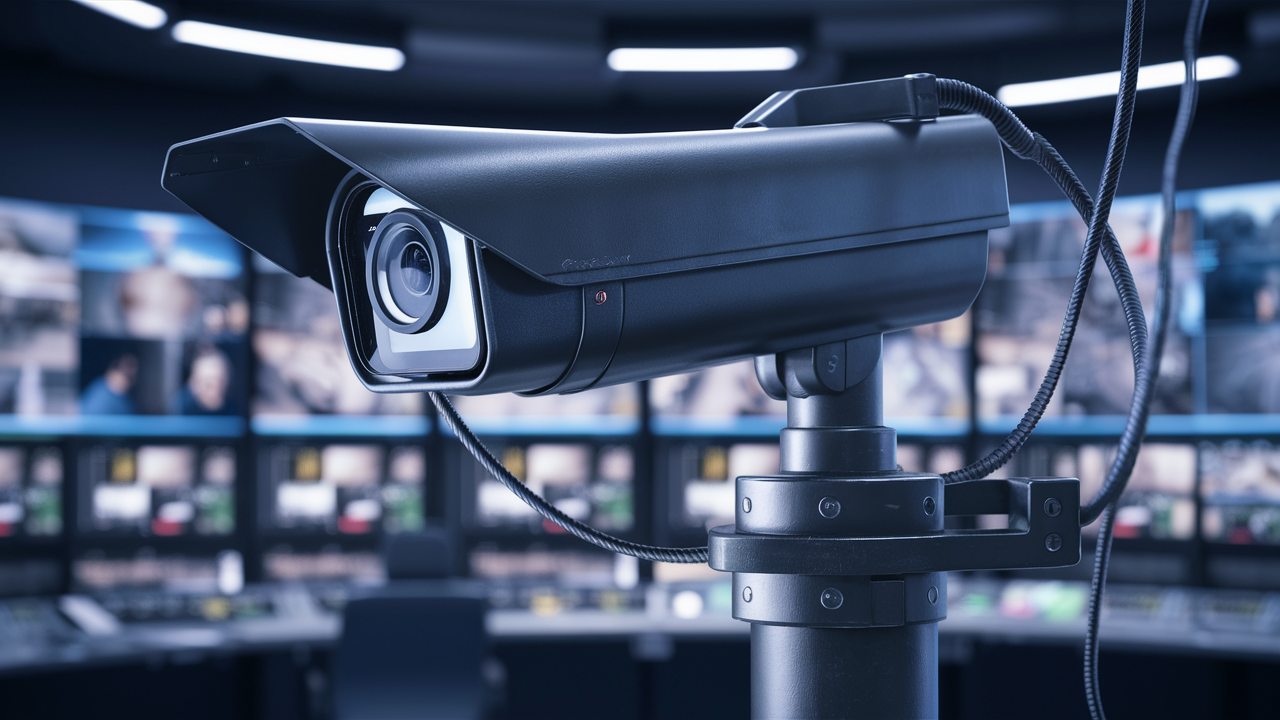
Understanding the diverse appearances of surveillance cameras is crucial for effective security planning. This comprehensive guide explores the vast array of shapes, sizes, and functionalities, from discreet indoor units to robust outdoor systems, ensuring you can identify and select the right surveillance technology for any need.
Understanding the Different Types of Surveillance Cameras
The world of surveillance cameras is incredibly diverse, far removed from the simplistic black boxes often depicted in fiction. Today's security landscape demands a wide range of designs to suit various environments, security needs, and aesthetic preferences. From highly visible deterrents to almost invisible monitoring devices, each type of surveillance camera is engineered with specific functionalities and visual characteristics. Understanding these differences is the first step in building an effective and appropriate security system. The appearance of a camera often dictates its primary role: whether it's meant to be seen and act as a deterrent, or to blend seamlessly into its surroundings for covert observation. As of 2025, the market offers an unprecedented variety, driven by advancements in miniaturization, weatherproofing, and smart technology integration.
Dome Cameras: The Discreet Watchers
Dome cameras are characterized by their semi-spherical, often tinted, housing that conceals the lens and internal mechanics. This design is intentionally ambiguous, making it difficult for observers to determine the camera's exact field of view or direction of focus. This inherent discretion makes them popular for indoor environments like offices, retail stores, and public transportation hubs, where a less obtrusive presence is desired. The dome itself can be clear or smoked, with the latter further enhancing the mystery of the camera's orientation.
Key Visual Characteristics:
- Semi-spherical or rounded housing.
- Often mounted on ceilings or walls.
- Tinted or opaque dome cover.
- Compact and relatively unobtrusive.
- Commonly found in white, black, or sometimes metallic finishes.
Indoor dome cameras are typically smaller, measuring between 3 to 5 inches in diameter. Outdoor variants, often referred to as "weatherproof domes," are larger and built with more robust materials to withstand environmental elements. These outdoor models often feature IR illuminators built into the housing, which may be visible as small, dark circles around the lens. The lack of a visible "neck" or mounting bracket, as seen in bullet cameras, contributes to their streamlined and less aggressive appearance. In 2025, many dome cameras integrate advanced AI features, yet their external form factor remains largely focused on discreet surveillance.
Bullet Cameras: The Visible Deterrents
In stark contrast to dome cameras, bullet cameras are designed to be highly visible. Their elongated, cylindrical shape, reminiscent of a bullet, makes them immediately recognizable as surveillance devices. This overt presence is often their primary function – to deter potential intruders through the mere sight of constant monitoring. They are frequently used in outdoor applications, mounted on walls, eaves, or poles, overlooking entryways, parking lots, and perimeters.
Key Visual Characteristics:
- Elongated, cylindrical body.
- Often features a prominent lens and visible mounting bracket.
- Typically larger than indoor dome cameras.
- Designed for clear visibility and deterrence.
- Commonly found in white or black, but also in ruggedized metallic finishes.
Bullet cameras are engineered for durability. Their housings are usually made of metal, offering protection against weather, dust, and even vandalism. Many models incorporate visible IR LEDs arranged in a circle around the lens, which glow faintly red in low-light conditions, further emphasizing their surveillance capabilities. The adjustable mounting bracket allows for precise aiming, and its robust construction is a visual cue to its resilience. As of 2025, advanced bullet cameras might include integrated spotlights or audible alarms, further amplifying their visible deterrent effect. For a deeper dive into their application, explore our guide on outdoor security camera placement strategies.
Turret Cameras: The Versatile Middle Ground
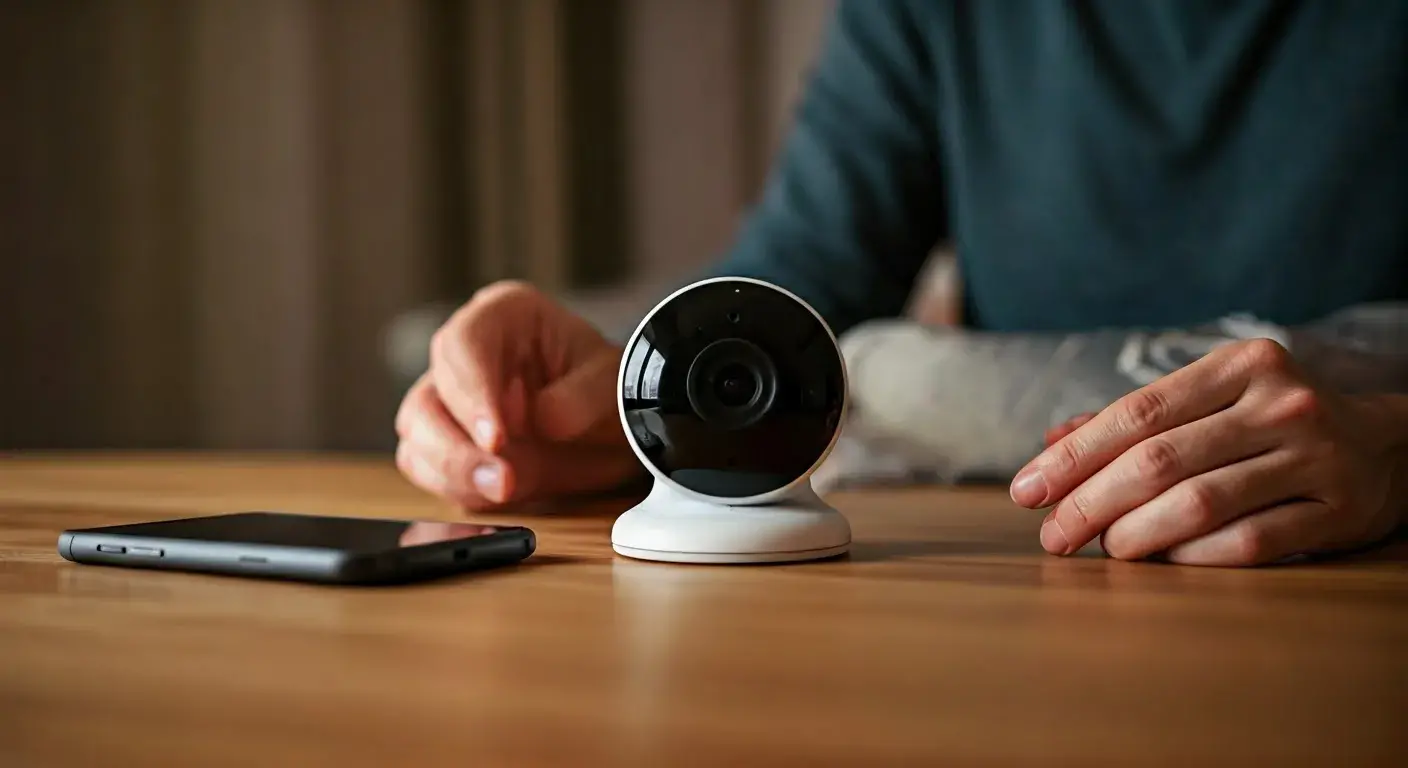
Turret cameras, also known as eyeball cameras, offer a blend of the discretion of dome cameras and the adjustability of bullet cameras. They feature a spherical lens housing that can be easily adjusted in multiple directions, often by hand, without needing to remove the cover. The base of the camera is typically mounted to a wall or ceiling, with the lens module protruding slightly, resembling an eyeball. This design allows for flexible aiming while maintaining a relatively compact and less obtrusive profile than a bullet camera.
Key Visual Characteristics:
- Spherical lens housing attached to a base.
- Easy manual adjustment of the lens angle.
- More discreet than bullet cameras, less concealed than dome cameras.
- Often include IR LEDs for night vision.
- Available in white, black, and sometimes other colors to match surroundings.
Turret cameras are a popular choice for both indoor and outdoor use. Their vandal-resistant designs are common, making them suitable for public spaces. The visible IR LEDs are a standard feature, aiding in nighttime surveillance. In 2025, turret cameras are increasingly incorporating advanced AI features like facial recognition or license plate reading, but their physical form factor prioritizes ease of installation and flexible aiming. They represent a practical compromise for many security applications.
PTZ (Pan-Tilt-Zoom) Cameras: The Dynamic Overseers
PTZ cameras are the workhorses of active surveillance. Their defining characteristic is their ability to move – pan horizontally, tilt vertically, and zoom in on details – all remotely controlled. Visually, they often resemble larger dome cameras, sometimes mounted in robust, weatherproof housings, especially for outdoor use. However, the presence of a more prominent lens, often with visible zoom capabilities, and sometimes additional IR illuminators or visible lights, hints at their advanced functionality.
Key Visual Characteristics:
- Often housed in larger dome or specialized casings.
- Visible, prominent lens capable of significant zoom.
- May have multiple IR illuminators or visible lights for enhanced night vision.
- Designed for dynamic, wide-area monitoring and detailed inspection.
- Can be stationary or mounted on moving platforms.
PTZ cameras are frequently deployed in large open areas such as stadiums, airports, city squares, and industrial sites. Their ability to cover vast expanses and zoom in on specific events or individuals makes them invaluable. The housings are built to withstand harsh conditions, and their size can range from moderately large to quite substantial, depending on the zoom capabilities and environmental protection required. As of 2025, PTZ cameras are at the forefront of AI-driven surveillance, capable of automatically tracking subjects or patrolling pre-set routes, all while maintaining their distinct, technologically advanced appearance. For critical infrastructure, understanding their network security requirements is paramount.
Fisheye Cameras: The Panoramic Viewers
Fisheye cameras are designed to capture an ultra-wide, 180-degree or even 360-degree field of view. Their most distinctive visual feature is the extremely wide-angle lens, which often appears larger and more convex than standard camera lenses. They can come in various form factors, including dome, bullet, or even ceiling-mount styles, but the lens itself is the giveaway. The resulting image is heavily distorted at the edges, resembling a fisheye's perspective, though modern de-warping technology can correct this in real-time or post-processing.
Key Visual Characteristics:
- Extremely wide-angle, convex lens.
- Can be integrated into dome, bullet, or specialized housings.
- Designed for comprehensive, panoramic surveillance.
- Often used in retail, public spaces, and large rooms.
These cameras are ideal for situations where a single camera needs to monitor an entire area without blind spots, such as in a retail store floor, a warehouse, or a large conference room. Their appearance can be quite varied depending on the housing, but the characteristic wide lens is always present. In 2025, fisheye cameras are increasingly integrated with AI analytics to make sense of the vast amount of data they capture, identifying unusual activity across a wide area.
Hidden Cameras: The Covert Operatives
Hidden cameras, also known as covert or spy cameras, are designed to be virtually undetectable. Their appearance is deliberately disguised to blend in with everyday objects. This can range from tiny pinhole lenses embedded in common household items like smoke detectors, clocks, power adapters, or even pens, to small modules that can be discreetly installed within existing structures. The goal is to capture footage without the subject's knowledge.
Key Visual Characteristics:
- Disguised as ordinary objects (clocks, chargers, etc.).
- Extremely small, pinhole lenses.
- No visible branding or obvious camera features.
- Designed for maximum discretion and covert surveillance.
The appearance of hidden cameras is their defining feature. They are not designed to be seen. Examples include cameras hidden within USB chargers, Wi-Fi routers, picture frames, or even clothing buttons. The technology has advanced significantly, with many now offering wireless connectivity and HD resolution, all while maintaining their unassuming exterior. The ethical and legal implications of using hidden cameras are significant and vary by jurisdiction, a topic critical for any user to understand.
Specialty Cameras: Beyond the Standard
Beyond the common types, the surveillance market offers specialized cameras designed for unique environments and purposes. These often have distinct appearances dictated by their function.
Thermal Cameras: These cameras detect heat signatures rather than visible light. They often have a distinctive, robust housing, and their lenses may appear different due to the specialized optics required. Their visual output is an infrared spectrum, not a typical image.
License Plate Recognition (LPR) Cameras: Designed specifically to capture license plates, these cameras often have a long, narrow profile with a powerful zoom lens to read plates from a distance. They are typically mounted at entry/exit points of parking lots or roadways.
Explosion-Proof Cameras: Used in hazardous environments like oil refineries or chemical plants, these cameras are housed in heavy-duty, sealed enclosures designed to prevent ignition of flammable gases or dust. They appear very robust and industrial.
360-Degree Cameras (Non-Fisheye): Some cameras offer a full 360-degree view without the extreme distortion of a fisheye lens, often using multiple lenses or specialized mirror systems. Their appearance can vary but often involves a more complex housing to accommodate these optics.
The appearance of these specialty cameras is directly tied to their demanding operational requirements, ensuring functionality and safety in niche applications.
Factors Influencing a Surveillance Camera's Appearance
The visual characteristics of a surveillance camera are not arbitrary; they are carefully designed based on a multitude of factors. These include the intended environment, the required level of discretion, the need for deterrence, and the integration of advanced technological features. Understanding these influences helps in deciphering why a camera looks the way it does and how its appearance aligns with its function.
Material and Durability: Weatherproofing and Vandal Resistance
The materials used in camera construction significantly impact their appearance and ruggedness. For outdoor cameras, durable materials like aluminum alloys, polycarbonate, and stainless steel are common. These materials often result in a more robust, industrial look.
Weatherproofing: Cameras designed for outdoor use must withstand rain, snow, dust, and extreme temperatures. This often means sealed housings with high IP (Ingress Protection) ratings. Visually, this translates to gasketed seals, robust connectors, and a generally solid, sealed construction. The finish is often matte or semi-gloss to resist UV degradation.
Vandal Resistance: In public or high-risk areas, cameras need to resist tampering or damage. Vandal-resistant cameras, often dome or turret types, feature reinforced housings, impact-resistant lenses (e.g., IK-rated), and tamper-proof screws. They appear more solid and less susceptible to physical attack.
The choice of material directly affects the camera's perceived sturdiness and its ability to blend into or stand out against its environment. A sleek, metallic finish might suit a modern architectural setting, while a matte, rugged finish is more appropriate for industrial sites.
Size and Form Factor: From Miniature to Monumental
The physical dimensions and overall shape of a camera are critical to its deployment and effectiveness.
Miniature Cameras: These are designed for maximum discretion, often found in hidden cameras or compact indoor units. They are built to be easily concealed within objects or blend into small spaces. Their small size is their primary visual characteristic.
Standard Cameras: Dome, bullet, and turret cameras typically fall into a standard size range, roughly 3-6 inches in diameter or length. This size is a balance between housing necessary components, providing adequate field of view, and maintaining a manageable presence.
Large/PTZ Cameras: Cameras with advanced zoom capabilities or requiring extensive environmental protection are often larger and more substantial. PTZ cameras, in particular, can be quite prominent due to the motors and complex optics involved. Their size communicates their advanced functionality.
The form factor is intrinsically linked to the camera's function. A camera designed for wide-area surveillance will likely be larger and more robust than one intended for discreet monitoring of a small office.
Color and Aesthetics: Blending In or Standing Out
The color of a surveillance camera plays a significant role in its visual impact.
White: This is a very common color, especially for indoor cameras and many outdoor bullet or dome models. White tends to blend well with ceilings, walls, and lighter building exteriors. It can also appear less aggressive than black.
Black: Often chosen for a more professional or discreet look, black cameras can blend well with darker backgrounds, modern aesthetics, or areas where a more subtle presence is desired. However, black can also make a camera appear more prominent in brightly lit environments.
Other Colors: While less common, cameras are available in grey, metallic finishes, or even custom colors to match specific architectural designs. Some specialty cameras might have unique color schemes dictated by their environment (e.g., camouflage for outdoor wilderness areas).
The aesthetic choice is often a strategic decision. A highly visible, perhaps brightly colored or starkly contrasting camera can serve as a strong deterrent. Conversely, a camera that matches its surroundings aims for unobtrusiveness.
Mounting Options: Where and How They're Installed
The way a camera is mounted is integral to its overall appearance and functionality.
Ceiling Mount: Common for dome cameras, this provides an overhead perspective and can be very discreet, especially when the camera housing matches the ceiling color.
Wall Mount: Frequently used for bullet and turret cameras, this involves a bracket that extends the camera from the wall. The bracket itself becomes part of the visible setup, and its size and design can vary.
Pole Mount: Larger cameras, especially PTZ or high-resolution outdoor units, are often mounted on poles using specialized brackets. This elevates the camera for better visibility and coverage.
Concealed Mounts: Some cameras are designed to be integrated directly into structures, such as within light fixtures, signage, or junction boxes, making the mounting method invisible.
The mounting hardware is often as visible as the camera itself and contributes to the overall impression of security and professionalism.
Technology Features and Their Visual Impact
Modern surveillance cameras are packed with advanced technology, and many of these features have a direct impact on their appearance. What might look like a simple housing often conceals sophisticated electronics.
Infrared (IR) Night Vision
One of the most common visible technological features is IR night vision. This is achieved through infrared LEDs surrounding the camera lens.
Appearance: These LEDs typically appear as a ring of small, dark circles around the lens. In low-light conditions, they emit a faint red glow, which is visible to the human eye but not to the camera's sensor (as it's in the infrared spectrum). This visible glow is a clear indicator that the camera is operational in low-light conditions.
The number and size of these LEDs can vary, sometimes indicating the range and power of the night vision. Some higher-end cameras might use more advanced IR technology that is less visible or has a different pattern.
Integrated LED Lighting
Some cameras go beyond IR illumination and include visible LED spotlights.
Appearance: These are typically larger, more powerful LEDs, often positioned around the lens or integrated into the camera housing. They can provide color night vision or act as a deterrent by illuminating an area when motion is detected. Their appearance is similar to small, powerful floodlights.
The presence of these visible lights clearly signals an active, multi-functional security device, often used in conjunction with smart analytics.
Audio Capabilities
Many modern cameras include built-in microphones for audio recording.
Appearance: While not always obvious, a small grille or series of perforations on the camera housing typically indicates the presence of a microphone. This might be near the lens or on the underside of the camera. In some designs, the microphone is integrated so subtly that it's nearly invisible.
The inclusion of audio capabilities is a significant feature, and its subtle visual cue is a testament to the design's effort to maintain a clean aesthetic.
Connectivity Options (Wired vs. Wireless)
How a camera connects to its network influences its appearance and installation.
Wired (Ethernet/PoE): These cameras typically have a visible Ethernet port or cable, often requiring a junction box for protection. Power over Ethernet (PoE) means a single cable provides both data and power, simplifying installation but still requiring a visible cable run.
Wireless (Wi-Fi): Wireless cameras often have a cleaner appearance, as they don't require extensive cable runs for data. However, they still need a power source, which might be a power adapter or, in some cases, a battery. Some Wi-Fi cameras may have external antennas, which are visually distinct. The absence of data cables contributes to a less cluttered look.
The choice between wired and wireless impacts the visible infrastructure associated with the camera.
AI and Analytics Integration
The integration of Artificial Intelligence (AI) and advanced analytics is becoming standard in 2025. While AI itself is not visible, its presence can sometimes influence camera design.
Appearance: Cameras with advanced AI might have slightly larger housings to accommodate more powerful processors, or they might feature additional sensors or indicators. However, manufacturers strive to keep these cameras visually similar to their non-AI counterparts to avoid complexity. The sophistication is often more in the firmware and processing power than in the external look.
The trend is towards embedding intelligence without making the camera look overtly complex or intimidating.
Choosing the Right Camera Appearance for Your Needs
The visual characteristics of a surveillance camera are not merely cosmetic; they are functional elements that influence its effectiveness. Selecting the appropriate camera appearance depends on your specific security objectives.
Deterrence vs. Discretion: Making a Statement or Staying Hidden
Deterrence: If your primary goal is to prevent crime, a highly visible camera is often the best choice. Bullet cameras, with their obvious presence and robust design, serve as a strong visual warning to potential intruders. Cameras with visible IR LEDs or integrated spotlights also communicate an active monitoring presence. The appearance here is about projecting authority and vigilance.
Discretion: In situations where you need to monitor activity without alerting subjects, such as in retail loss prevention or internal investigations, discreet cameras are paramount. Dome cameras, with their ambiguous form, and hidden cameras, disguised as everyday objects, are ideal. The appearance here is about being unseen or blending seamlessly into the environment.
A balanced approach might involve using a combination of both: visible cameras at entry points for deterrence, and discreet cameras in sensitive areas for monitoring.
Environmental Considerations
The environment where the camera will be installed heavily influences its required appearance and construction.
Outdoor Use: Cameras need to be weather-resistant and durable. This often means robust housings, typically in white or black, with visible seals and sturdy mounting brackets. Their appearance should convey resilience.
Indoor Use: Aesthetics can be more important indoors. Smaller, sleeker dome or turret cameras in white or neutral colors often blend better with interior decor. For highly sensitive areas, hidden cameras might be necessary.
High-Risk Areas: In areas prone to vandalism or harsh industrial conditions, cameras with vandal-resistant housings and robust materials are essential. Their appearance will be rugged and industrial.
Legal and Privacy Implications
The appearance of a camera can also have legal and privacy implications. In many jurisdictions, visible signage indicating the presence of surveillance cameras is required. The overt appearance of cameras can help fulfill these requirements. Conversely, the use of hidden cameras is heavily regulated and often requires specific legal justification and consent, depending on the context. Understanding these regulations is as crucial as understanding the camera's visual design.
Future Trends in Camera Design
The evolution of surveillance technology continues to shape the appearance of cameras. As of 2025, several trends are emerging:
Miniaturization and Integration: Cameras are becoming smaller and more integrated into other devices and infrastructure, making them less conspicuous. We'll see more cameras embedded in smart home devices, street furniture, and even drones.
AI-Driven Aesthetics: While AI is internal, future designs might subtly reflect their advanced capabilities, perhaps through integrated status indicators or more streamlined, intelligent-looking forms.
Smart Materials: Research is ongoing into materials that can adapt to their environment, perhaps changing color or texture to better blend in.
Focus on User Experience: Camera designs will increasingly prioritize ease of installation, maintenance, and user interaction, which could lead to more intuitive and less intimidating physical forms.
The future likely holds cameras that are more powerful, more discreet, and more integrated into our daily lives, with their appearance evolving to meet these demands.
Conclusion: A Multifaceted Approach to Visual Security
The question "What do surveillance cameras look like?" reveals a fascinating spectrum of design, driven by purpose, environment, and technological advancement. From the overt, deterrent presence of bullet cameras to the discreet elegance of dome cameras, and the disguised nature of hidden units, each form factor serves a distinct role in modern security. Turret cameras offer a versatile middle ground, while PTZ and fisheye cameras provide dynamic, wide-area coverage. Specialty cameras cater to niche, demanding environments.
Factors like material, size, color, and mounting options are not mere aesthetic choices but crucial elements that dictate a camera's effectiveness, durability, and ability to blend in or stand out. Furthermore, visible technological features such as IR LEDs, integrated lighting, and subtle microphone grilles offer clues to a camera's capabilities. As we look towards 2025 and beyond, trends point towards increased miniaturization, seamless integration, and AI-driven intelligence, all while designers strive to balance functionality with unobtrusive aesthetics.
Ultimately, choosing the right surveillance camera appearance hinges on a clear understanding of your security needs – whether prioritizing deterrence, discretion, or a specific environmental requirement. By appreciating the diverse visual language of surveillance technology, you can make informed decisions to build a robust, effective, and appropriate security system tailored to your unique situation.