What is Amazon Blink?
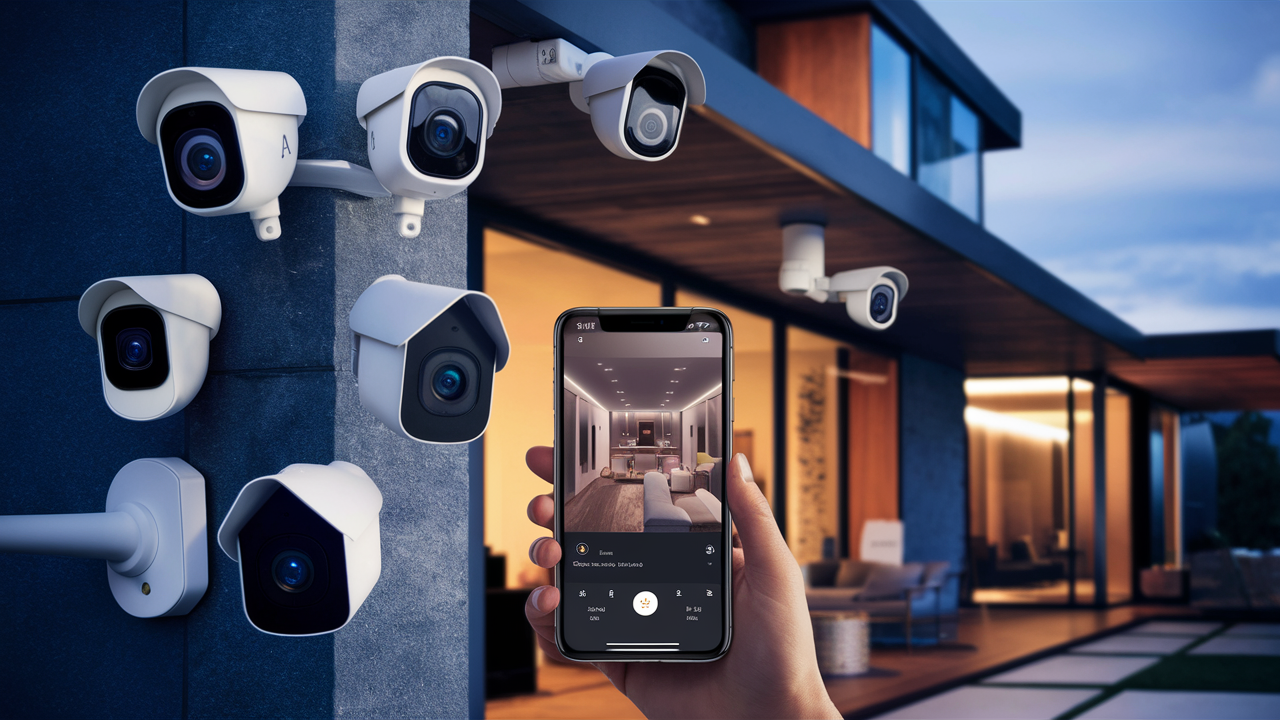
Amazon Blink is a brand of affordable, wireless home security cameras and systems designed to provide homeowners and renters with an easy-to-use, smart surveillance solution. Blink cameras offer features like motion detection, HD video, two-way audio, and long battery life, all controllable via a mobile app and often integrated with Amazon's Alexa voice assistant.
The Evolution of Blink: From Startup to Amazon Subsidiary
Blink, originally known as "Blink Home Security," began its journey as a promising startup in the consumer electronics space. Founded with a vision to create truly wireless and affordable smart home security devices, the company quickly gained traction for its innovative approach to battery-powered cameras. Their initial products focused on simplicity, ease of installation, and impressive battery longevity, setting them apart from many competitors that relied heavily on wired power sources or frequent battery changes.
The pivotal moment in Blink's history arrived in 2017 when Amazon acquired the company. This acquisition was a significant strategic move for Amazon, bolstering its growing presence in the smart home and security market. Under Amazon's ownership, Blink has benefited from substantial resources, advanced technological integration, and a wider distribution network. This has allowed Blink to expand its product line, enhance its existing offerings, and integrate more seamlessly with Amazon's broader ecosystem, particularly with Alexa-enabled devices. The acquisition didn't fundamentally change Blink's core mission of providing accessible home security but rather accelerated its growth and innovation, positioning it as a key player in Amazon's smart home strategy.
The Core Blink Product Ecosystem
The Blink ecosystem is built around a range of interconnected devices, all designed to work together seamlessly through the Blink Home Monitor app. This modular approach allows users to customize their security setup based on their specific needs and budget, from a single camera monitoring a doorway to a comprehensive system covering multiple entry points and interior spaces.
Blink Outdoor Cameras
Blink Outdoor cameras are the flagship products for outdoor security. These cameras are built to withstand various weather conditions, making them ideal for monitoring driveways, backyards, gates, and other exterior areas. Key features include:
- Weatherproof Design: IP65 rating ensures resistance to rain, snow, and extreme temperatures.
- Wire-Free Operation: Powered by AA lithium batteries, offering up to two years of life on a single set, eliminating the need for power outlets outdoors.
- Motion Detection: Customizable motion detection zones and sensitivity settings to alert users to activity.
- HD Video: 1080p HD video resolution for clear, detailed footage.
- Two-Way Audio: Allows users to hear and speak to visitors through the Blink app.
- Night Vision: Infrared night vision provides clear images even in low-light conditions.
Blink Indoor Cameras
Designed for interior monitoring, Blink Indoor cameras offer a discreet and easy way to keep an eye on what's happening inside your home. They are typically smaller and less conspicuous than their outdoor counterparts. Their features include:
- Compact Design: Blends easily into home decor.
- Wire-Free Operation: Similar to outdoor cameras, they run on AA batteries for flexible placement without needing to be near an outlet.
- Motion Detection: Alerts users to movement within the camera's field of view.
- HD Video: 1080p HD resolution for clear indoor monitoring.
- Two-Way Audio: Enables communication with individuals inside the home.
- Night Vision: Infrared night vision for visibility in dark rooms.
Blink Video Doorbell
The Blink Video Doorbell is a crucial component for front-door security. It replaces traditional doorbells and provides a live video feed and two-way audio communication with visitors. Key aspects include:
- HD Video: 1080p HD video with a wide field of view to capture everything at your doorstep.
- Two-Way Audio: Speak with delivery personnel or guests directly from the Blink app.
- Motion Detection: Alerts you when motion is detected at your door.
- Customizable Alerts: Choose what triggers an alert.
- Battery or Wired Power: Can be powered by AA batteries for wire-free installation or connected to existing doorbell wiring for continuous power.
- Night Vision: Clear night vision for round-the-clock monitoring.
Blink Floodlight Cameras
For enhanced outdoor security, Blink offers Floodlight Cameras. These combine a motion-activated LED floodlight with a Blink camera, providing both illumination and surveillance. This deters potential intruders and captures clear video evidence. Features include:
- Integrated Floodlight: Powerful LED lights that activate upon motion detection.
- Wire-Free Design: Runs on a Blink Outdoor battery pack, allowing installation in locations without direct power.
- HD Video: 1080p HD video recording.
- Two-Way Audio: Communicate with visitors.
- Motion Detection: Triggers both the floodlight and video recording.
Blink Mini Cameras
The Blink Mini is a compact, plug-in indoor camera designed for simple, affordable surveillance. It's an excellent entry-level option for monitoring specific areas within a home. Its benefits include:
- Compact and Affordable: Small form factor and budget-friendly price point.
- Plug-in Power: Requires a standard wall outlet, making setup straightforward.
- 1080p HD Video: Clear video quality for indoor monitoring.
- Motion Detection: Alerts users to movement.
- Two-Way Audio: Enables communication.
- Night Vision: Infrared night vision for low-light conditions.
The Blink Sync Module
The Blink Sync Module is the central hub for most Blink camera systems (except for some standalone Mini cameras). It connects to your home Wi-Fi network and communicates wirelessly with your Blink cameras. This module is crucial for several reasons:
- Enables Wire-Free Operation: It manages the communication between cameras and your Wi-Fi, allowing the cameras to be truly wireless and battery-powered.
- Local Storage Option: When paired with a compatible USB drive (sold separately or included in some bundles), the Sync Module 2 allows for local video storage, reducing reliance on cloud subscriptions.
- System Management: It consolidates the network connection for multiple cameras, simplifying setup and management.
- Extended Range: Can extend the wireless range for cameras.
The Sync Module 2 is the current generation, offering enhanced features and compatibility with local storage.
Key Features and Technologies
Blink cameras are packed with features designed for convenience, effectiveness, and user control. Understanding these core functionalities is key to appreciating the value proposition of the Blink system.
Motion Detection and Alerts
At the heart of any security system is its ability to detect and alert users to potential threats. Blink cameras utilize advanced motion detection technology. Users can configure custom motion detection zones within the camera's field of view, allowing them to focus on critical areas (like a doorway) and ignore less important ones (like a swaying tree). Sensitivity levels can also be adjusted to minimize false alarms caused by pets or minor environmental changes. When motion is detected within the configured zones, the camera immediately sends a notification to the user's smartphone via the Blink app, often accompanied by a short video clip of the event.
Two-Way Audio
Blink cameras are equipped with built-in microphones and speakers, enabling two-way audio communication. This feature is invaluable for interacting with visitors at your doorstep, whether it's a delivery person, a friend, or an unexpected guest. Through the Blink app, users can see, hear, and speak to individuals in front of the camera in real-time, providing a layer of security and convenience. This can be used to instruct a delivery driver where to leave a package or to deter potential intruders by announcing your presence.
HD Video Recording
Clear visual evidence is paramount for security. Blink cameras record in 1080p High Definition (HD) resolution. This ensures that footage is sharp and detailed enough to identify individuals, observe activities, and capture important visual information. The HD quality is consistent across most Blink camera models, providing a reliable visual stream for monitoring and review. Furthermore, many cameras include infrared night vision, which uses LEDs to illuminate the scene in low-light or complete darkness, ensuring visibility around the clock.
Long Battery Life
One of Blink's most significant selling points is its exceptional battery life. The wire-free models, particularly the Outdoor and Indoor cameras, are powered by standard AA lithium batteries. These batteries are designed to last up to two years under typical usage conditions. This extended battery life significantly reduces the hassle and cost associated with frequent battery replacements, making Blink a low-maintenance security solution. This is achieved through advanced power management techniques and motion-activated recording, meaning the camera only actively records and transmits when motion is detected.
Cloud Storage and Local Storage
Blink offers flexible options for storing recorded video footage. The primary method is through Blink's cloud storage service, which requires a subscription plan. This allows users to access their video clips from anywhere via the Blink app. For users who prefer local storage or wish to reduce subscription costs, Blink Sync Module 2 supports local storage. By inserting a compatible USB flash drive (sold separately or included in some bundles), users can save motion event clips directly to the drive. This provides an alternative or supplementary storage solution, ensuring footage is available even if internet connectivity is temporarily lost or for users who want to avoid recurring cloud fees.
Integration with Alexa
As an Amazon-owned company, Blink products are deeply integrated with Amazon's Alexa voice assistant. This integration allows for seamless control and interaction with Blink devices using voice commands. Users can arm or disarm their Blink system, view live feeds from cameras on compatible Echo Show devices, and receive motion alerts through their Alexa-enabled speakers. For example, a user could say, "Alexa, show me the front door camera," or "Alexa, arm the system." This hands-free control adds a significant layer of convenience to managing home security.
Privacy Features
Blink acknowledges the importance of user privacy in home security. The system includes several features to help users maintain control over their data and privacy:
- Activity Zones: As mentioned, these allow users to define specific areas within the camera's view to monitor for motion, effectively ignoring other areas that might contain sensitive private information.
- Motion Detection Scheduling: Users can schedule when motion detection is active, ensuring cameras are only monitoring during specific times.
- Disarming the System: The Blink app allows users to easily arm or disarm their system entirely, providing complete control over when cameras are active.
- Data Encryption: Blink employs encryption for data transmitted between cameras, the Sync Module, and the cloud, helping to secure footage.
- Local Storage Option: The availability of local storage via the Sync Module 2 provides an alternative for users who are concerned about cloud-based data storage.
Understanding Blink Plans and Subscriptions
While Blink offers a compelling set of features out-of-the-box, understanding its subscription plans is crucial for unlocking the full potential of cloud storage and advanced features. Blink's pricing structure is designed to be competitive, making smart home security more accessible.
Blink Subscription Plans
Blink offers two primary subscription tiers, often referred to as Blink Subscription Plan (BSP) tiers, that cater to different needs:
- BSP Plus: This is the most comprehensive plan, offering features for an unlimited number of Blink devices within a single account. Key benefits include extended warranties, 10% off future Blink purchases on Amazon, and enhanced cloud video storage.
- BSP One Camera: This plan is designed for users with a single Blink device. It provides cloud video storage for that one camera and other standard features.
It's important to note that Blink also allows for the use of Blink cameras without a subscription, especially if you opt for local storage with the Sync Module 2. In this scenario, you can still use the cameras for live viewing and motion alerts, but recorded clips would primarily be stored locally, and features like extended cloud history would not be available.
Benefits of a Subscription
Opting for a Blink Subscription Plan (BSP) unlocks several key advantages:
- Cloud Video Storage: This is the primary benefit. Subscription plans allow you to store recorded motion events in the cloud for up to 60 days (depending on the plan and current offerings). This means you can review footage from any time within that period, even if you missed the initial notification.
- Extended Warranty: The BSP Plus plan typically includes an extended warranty on your Blink devices, providing peace of mind against hardware failures.
- Live View Recording: With a subscription, you can record live view sessions, allowing you to capture specific events as they happen.
- Enhanced Features: Subscriptions often grant access to additional features and optimizations that improve the overall user experience and security capabilities.
- Discount on Future Purchases: The BSP Plus plan often includes a discount on future Blink product purchases made through Amazon, encouraging further investment in the ecosystem.
Cost Considerations (2025-26)
As of late 2025 and into 2026, Blink continues to offer competitive pricing for its subscription services. While exact prices can fluctuate, here are general cost considerations:
- BSP One Camera: Typically priced around $3-$5 per month, or an annual subscription offering a slight discount, often around $30-$50 per year.
- BSP Plus: This plan, covering unlimited devices, is usually priced around $10-$15 per month, with an annual option around $100-$150 per year.
These prices are subject to change and may vary by region. It's always advisable to check the official Blink website or Amazon for the most current pricing and plan details. The cost-effectiveness of a subscription often depends on the number of cameras you have and how frequently you need to access cloud-stored footage. For users with only one or two cameras and a Sync Module 2 for local storage, the subscription might be optional. However, for larger systems or those who prioritize easy access to cloud-stored video history, a subscription offers significant value.
Setting Up Your Blink System
Setting up a Blink system is designed to be straightforward, even for those who are not particularly tech-savvy. The process generally involves a few key steps, ensuring you can get your cameras operational quickly.
Step 1: Unboxing and Charging
Begin by carefully unboxing all your Blink components. Ensure you have the cameras, the Sync Module (if applicable), batteries, and any mounting hardware. For battery-powered cameras, insert the included AA lithium batteries. While Blink batteries are known for their longevity, it's good practice to ensure they are fresh. For wired devices like the Blink Video Doorbell (if wired) or Mini cameras, connect them to their power sources.
Step 2: Downloading the Blink App
Next, download the free Blink Home Monitor app from your smartphone's app store (available for iOS and Android devices). Open the app and create a new Blink account or log in if you already have one. This app will be your central control panel for managing all your Blink devices.
Step 3: Connecting the Sync Module
If your system includes a Sync Module, plug it into a power outlet and connect it to your home's Wi-Fi network using the Blink app. The app will guide you through this process, typically involving scanning a QR code on the Sync Module and entering your Wi-Fi credentials. For Sync Module 2, you might also insert a USB drive at this stage if you plan to use local storage.
Step 4: Adding Your Cameras
Once the Sync Module is connected (or if you're setting up standalone Mini cameras), you'll add your cameras to the system through the Blink app. The app will prompt you to tap a "+" icon to add a new device. You'll usually be asked to scan a QR code on each camera. The Sync Module will then discover and pair with the cameras wirelessly.
Step 5: Placement and Configuration
Finally, decide where you want to place your cameras. Use the included mounting hardware to secure them. Consider the camera's field of view and the areas you want to monitor. Once mounted, use the Blink app to configure settings for each camera, such as motion detection zones, sensitivity, notification preferences, and video quality. Test each camera to ensure it's functioning correctly and that you're receiving alerts as expected.
Who is Blink For?
Blink's appeal lies in its versatility and affordability, making it a suitable choice for a wide range of users. Its focus on ease of use and cost-effectiveness positions it as a strong contender in the smart home security market.
Homeowners and Renters
Blink is an excellent option for both homeowners and renters. The wire-free nature of many Blink cameras means they can be installed and removed easily without causing damage to property, making them ideal for rental units. Homeowners can benefit from a robust, scalable system that can cover multiple entry points and exterior areas. The flexibility of placement without the need for power outlets is a significant advantage for both groups.
Small Business Owners
Small businesses, such as retail shops, offices, or workshops, can use Blink cameras for basic surveillance and monitoring. The ability to check in remotely via the app, receive motion alerts, and have clear video footage can be invaluable for security and operational oversight. The affordability of Blink systems makes them an attractive option for businesses with limited security budgets.
Tech-Savvy Users
While Blink is designed for ease of use, it also offers enough customization and integration options to satisfy tech-savvy users. The ability to integrate with Alexa, explore local storage options, and fine-tune motion detection settings provides a good balance of user-friendliness and advanced control.
Budget-Conscious Consumers
Perhaps the most significant segment for Blink is budget-conscious consumers. Blink systems are consistently priced lower than many of their competitors, offering a high level of functionality without breaking the bank. The optional subscription plans also allow users to tailor their spending based on their needs, further enhancing affordability.
Blink vs. Competitors: A 2025-26 Look
In the competitive landscape of home security, Blink stands out due to its unique blend of affordability, battery life, and Amazon integration. Here's a look at how it stacks up against some of its main rivals in 2025-26.
Blink vs. Ring
Both Blink and Ring are owned by Amazon, but they cater to slightly different market segments. Ring often focuses on a more premium feel, with a wider range of doorbell cameras and more advanced features in some of its higher-end models. Blink, on the other hand, typically offers a more budget-friendly entry point, with a strong emphasis on long battery life and wire-free operation. Blink's pricing, especially for its core cameras, is often more competitive. Ring may offer slightly more advanced video analytics or a more robust app experience in some areas, but Blink's simplicity and cost-effectiveness are major draws.
Key Differentiator: Blink excels in battery life and overall affordability. Ring often leads in variety of doorbell options and sometimes in advanced features at a higher price point.
Blink vs. Google Nest
Google Nest cameras are known for their sleek design, excellent video quality, and deep integration with the Google Assistant ecosystem. Nest cameras often offer features like intelligent alerts (distinguishing between people, animals, and vehicles) and a more polished user interface. However, Nest cameras are generally more expensive than Blink, and many require continuous power, limiting placement options unless you opt for battery-powered models which are less common and can be pricier. Blink's primary advantage here is its significantly lower cost and longer battery life for its wire-free models.
Key Differentiator: Google Nest offers premium design and AI-driven alerts but at a higher cost. Blink provides a more accessible, budget-friendly solution with exceptional battery performance.
Blink vs. Wyze
Wyze has carved out a niche by offering incredibly low-priced smart home devices, including cameras. Wyze cameras often provide features like 1080p video, motion detection, and two-way audio at prices that are hard to beat. Blink competes by offering a more integrated ecosystem, particularly with the Sync Module and Alexa integration. While Wyze cameras are very affordable, their battery life on wireless models is typically much shorter than Blink's, often requiring more frequent charging or being plugged in. Blink's longer battery life and integration with Amazon services give it an edge for users invested in that ecosystem.
Key Differentiator: Wyze offers the absolute lowest price point for many features. Blink provides superior battery life and stronger Amazon ecosystem integration.
Blink vs. Eufy
Eufy, a brand under Anker, often emphasizes local storage and privacy, offering systems that can operate without mandatory cloud subscriptions. Eufy cameras frequently come with a HomeBase that acts as a central hub and storage device. This approach appeals to users concerned about data privacy and recurring fees. Blink's offering of local storage via the Sync Module 2 makes it competitive in this regard, but Eufy's primary focus on this aspect might be more appealing to privacy-conscious users. However, Blink's integration with Alexa and its generally lower entry price point for individual cameras can make it more attractive for users prioritizing Amazon integration and immediate affordability.
Comparison Table: Blink vs. Key Competitors (2025-26)
| Feature | Amazon Blink | Ring | Google Nest | Wyze | Eufy |
|---|---|---|---|---|---|
| Price Point | Budget-Friendly | Mid-Range to Premium | Premium | Ultra-Budget | Mid-Range (focus on local storage) |
| Battery Life (Wireless) | Excellent (up to 2 years) | Good (varies by model) | Limited (most models wired) | Fair (often requires frequent charging) | Good (varies by model) |
| Cloud Storage | Optional Subscription | Optional Subscription | Optional Subscription | Optional Subscription | Optional (focus on local) |
| Local Storage | Yes (with Sync Module 2) | Limited (some models) | No (primarily cloud) | Yes (with microSD card) | Yes (primary focus) |
| Alexa Integration | Excellent | Good | Good (Google Assistant focus) | Good | Fair |
The Future of Amazon Blink
As part of the Amazon family, Blink is well-positioned for continued innovation and integration within the rapidly evolving smart home market. We can anticipate several key developments:
- Enhanced AI and Smart Detection: Expect further advancements in motion detection, with AI capabilities becoming more sophisticated to differentiate between various types of events (people, packages, vehicles, pets) with greater accuracy, leading to fewer false alarms and more relevant notifications.
- Improved Video Quality and Features: While 1080p is standard, future models might see higher resolutions, improved low-light performance, and potentially wider fields of view. Features like person detection and activity zone customization will likely become more refined.
- Deeper Amazon Ecosystem Integration: Blink will likely continue to deepen its integration with Alexa and other Amazon services. This could include more seamless control through Echo devices, enhanced routines, and potentially integration with Amazon's broader security offerings or smart home platforms.
- More Diverse Product Offerings: While Blink has a solid lineup, Amazon may push for expansion into new product categories or specialized cameras (e.g., indoor cameras with advanced environmental sensing, more robust commercial-grade options).
- Focus on Privacy and Local Control: With growing consumer concerns about data privacy, Blink may further enhance its local storage capabilities and provide even more granular control over data management, reinforcing user trust.
- Software and App Enhancements: Continuous updates to the Blink Home Monitor app will be crucial, focusing on user experience, performance, and introducing new features that leverage the growing capabilities of the hardware.
The strategic advantage of being under Amazon's umbrella means Blink has the resources to invest heavily in research and development, ensuring its products remain competitive and innovative in the years to come.
Conclusion: Your Blink Decision
In summary, "What is Amazon Blink?" is answered by understanding it as a leading brand in accessible, wireless home security. Blink offers a comprehensive ecosystem of cameras and accessories designed for ease of use, long battery life, and seamless integration, particularly with Amazon's Alexa. Its key strengths lie in its affordability, making advanced home surveillance a reality for a broader audience, and its wire-free design that offers unparalleled installation flexibility for both renters and homeowners.
From the robust Blink Outdoor cameras to the compact Blink Mini and the essential Blink Video Doorbell, each product is engineered to provide reliable monitoring and peace of mind. The optional subscription plans offer valuable cloud storage and extended features, while the Sync Module 2 provides a practical local storage solution, catering to diverse user preferences and budgets. When compared to competitors in 2025-26, Blink consistently stands out for its exceptional value proposition, offering a strong balance of features, performance, and cost-effectiveness.
For anyone seeking an intelligent, user-friendly, and budget-conscious approach to home security, Amazon Blink presents a compelling and highly recommended solution. Its continuous evolution under Amazon's guidance ensures that Blink will remain at the forefront of smart home security innovation for the foreseeable future.