Understanding what CCTV security cameras are is crucial for safeguarding your property. These systems offer real-time monitoring and recording, deterring crime and providing vital evidence. Explore their functionalities and benefits to enhance your security strategy.
What Are CCTV Security Cameras?
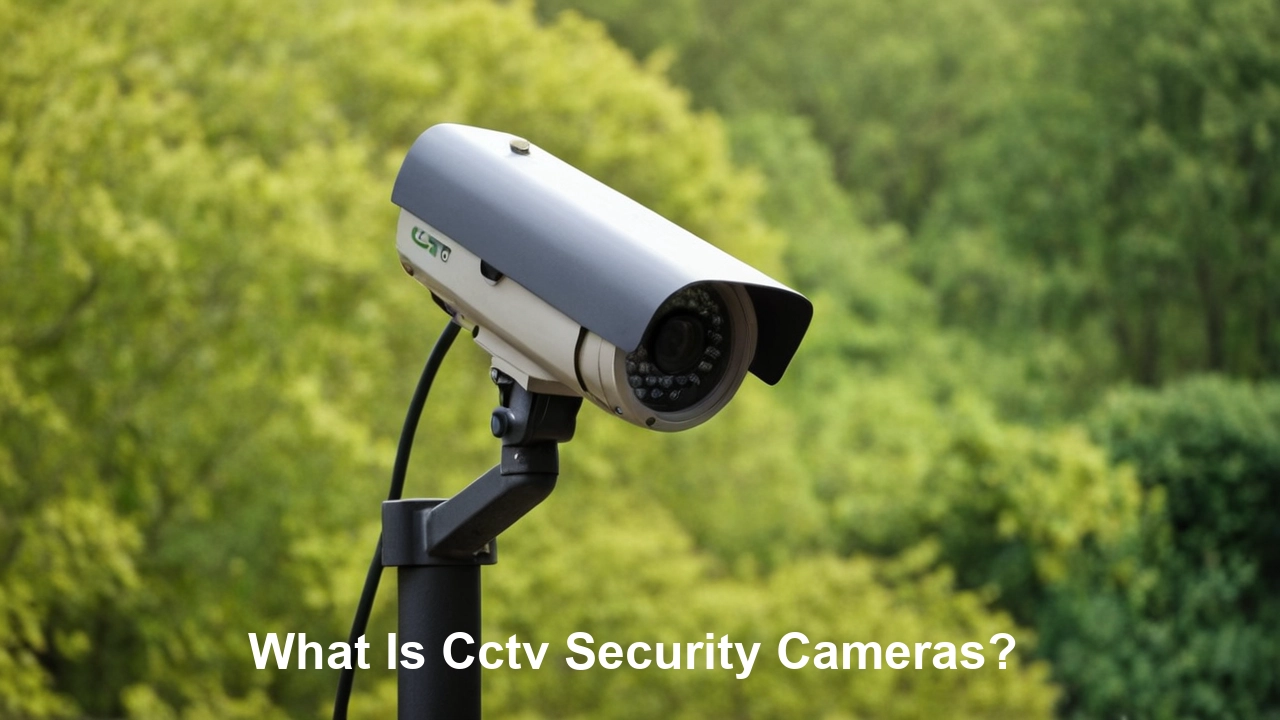
CCTV, which stands for Closed-Circuit Television, refers to a system of video cameras used to transmit a signal to a specific place, on a limited set of monitors. Unlike broadcast television, the signals are not publicly transmitted but are instead confined to a closed circuit, typically within a private network. In essence, CCTV security cameras are the eyes and ears of a modern security infrastructure, providing continuous visual surveillance of a designated area. They are instrumental in deterring criminal activity, monitoring employee behavior, ensuring public safety, and gathering crucial evidence in the event of an incident. The primary purpose of a CCTV system is to observe and record activities, offering a proactive and reactive approach to security management for homes, businesses, and public spaces.
The concept of video surveillance has evolved dramatically, moving from bulky, analog equipment to sophisticated, high-definition digital systems with advanced analytical capabilities. Today's CCTV cameras are far more than simple recording devices; they are intelligent components of integrated security solutions. They can detect motion, recognize faces, track objects, and even analyze crowd behavior. The widespread adoption of CCTV is driven by its proven effectiveness in reducing crime rates, improving operational efficiency, and providing peace of mind. Whether it's a small business owner looking to protect inventory or a municipality aiming to enhance public safety, CCTV security cameras offer a versatile and powerful tool.
The History and Evolution of CCTV
The genesis of CCTV technology can be traced back to the mid-20th century, with early systems being rudimentary and expensive. The concept of remote observation using video technology emerged from military and industrial needs.
Early Beginnings (1940s-1960s)
The first known CCTV system was installed by the United States Navy in 1949 for observing atomic bomb tests. However, the technology was largely experimental and inaccessible to the general public. Early cameras were bulky, required specialized operators, and the image quality was poor by today's standards. These systems were primarily used for critical infrastructure monitoring and industrial processes where direct human observation was either impossible or too dangerous. The cost of these early systems meant they were only feasible for government and large corporations.
The Rise of Analog Systems (1970s-1990s)
The 1970s and 1980s saw the gradual development and wider adoption of analog CCTV systems. Magnetic tape recorders (VCRs) allowed for the recording of video footage, making surveillance more practical for crime prevention and investigation. During this period, CCTV began to appear in retail stores, banks, and public transportation hubs. While still analog, the cameras became smaller and more affordable, leading to increased deployment. However, managing and reviewing footage from these systems was often cumbersome, requiring manual tape changes and playback. The resolution was limited, and features like remote access were non-existent.
The Digital Revolution (2000s-Present)
The dawn of the 21st century marked a significant paradigm shift with the advent of digital technology. Digital Video Recorders (DVRs) replaced VCRs, offering superior recording quality, easier storage, and more efficient playback capabilities. This era also saw the emergence of IP (Internet Protocol) cameras, which transmit video data over a network, enabling remote viewing and access via the internet. This was a game-changer, allowing users to monitor their properties from anywhere in the world.
In the 2010s and beyond, advancements in High Definition (HD) and Ultra High Definition (UHD) resolutions became standard. Features like night vision, motion detection, two-way audio, and cloud storage became commonplace. The integration of Artificial Intelligence (AI) and advanced analytics has further transformed CCTV security cameras, enabling them to perform sophisticated tasks like facial recognition, object detection, and anomaly detection. By 2025-26, CCTV technology is not just about recording; it's about intelligent, proactive security solutions that integrate seamlessly with other smart devices and platforms.
Types of CCTV Security Cameras
The variety of CCTV security cameras available today is extensive, catering to diverse surveillance needs and environmental conditions. Understanding these types is crucial for selecting the most appropriate solution.
Dome Cameras
Dome cameras are characterized by their distinctive dome-shaped housing, which conceals the direction the camera is pointing. This makes it difficult for intruders to know where they are being watched, acting as a strong deterrent. They are often discreet and can be mounted on ceilings or walls. Many dome cameras are also vandal-resistant, making them suitable for public or high-risk areas.
- Pros: Discreet, vandal-resistant options, wide field of view, difficult to tamper with.
- Cons: Can be difficult to adjust the camera angle once installed, image quality can be affected by reflections on the dome.
Bullet Cameras
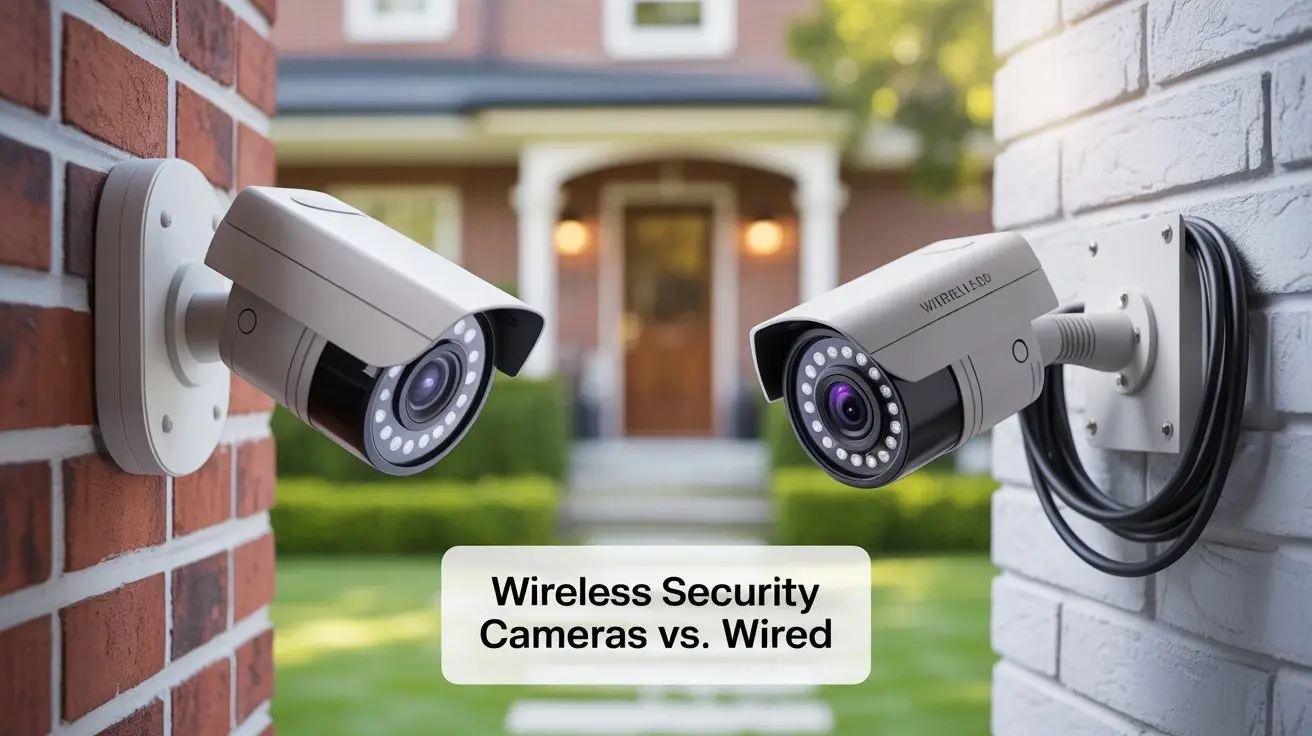
Bullet cameras are cylindrical in shape and are typically mounted externally. They are easily identifiable, which can serve as a visual deterrent. Their design allows for easy adjustment of the camera's angle and often comes with built-in infrared (IR) LEDs for night vision. They are a popular choice for monitoring entry points, perimeters, and outdoor areas.
- Pros: Easy to install and adjust, effective deterrent, often feature IR for night vision.
- Cons: More conspicuous than dome cameras, can be more susceptible to direct tampering if not properly secured.
PTZ (Pan-Tilt-Zoom) Cameras
PTZ cameras offer advanced maneuverability, allowing operators to remotely pan (horizontally), tilt (vertically), and zoom in on specific areas of interest. These cameras are ideal for covering large areas and tracking moving subjects. They are often used in conjunction with fixed cameras to provide detailed investigation of events.
- Pros: Wide coverage area, ability to track subjects, high level of control.
- Cons: More expensive, require a skilled operator or pre-programmed patrol routes, can be a single point of failure if not supplemented.
Turret Cameras (Eyeball Cameras)
Similar to dome cameras in their discreet nature, turret cameras have a distinct ball-and-socket design that allows for easy adjustment. They are often more compact than dome cameras and are typically mounted on walls or ceilings. Their design minimizes glare and reflections compared to traditional dome cameras.
- Pros: Easy to adjust, discreet, good for indoor and outdoor use, less prone to glare.
- Cons: Can be less vandal-resistant than robust dome cameras.
Fisheye Cameras
Fisheye cameras offer an ultra-wide, 360-degree field of view, capturing an entire scene from a single vantage point. They are excellent for monitoring large, open areas like warehouses, retail floors, or public squares where blind spots are a concern. Advanced de-warping software can correct the distorted image, allowing for a more conventional view.
- Pros: 360-degree view, eliminates blind spots, single camera can cover a large area.
- Cons: Significant image distortion without de-warping software, objects at the edge of the frame appear smaller.
Thermal Cameras
Thermal cameras detect infrared radiation emitted by objects, allowing them to "see" in complete darkness, through smoke, fog, and even light camouflage. They are ideal for perimeter security, detecting intruders in low-visibility conditions, and monitoring temperature anomalies.
- Pros: Operates in complete darkness and adverse weather conditions, detects heat signatures.
- Cons: Significantly more expensive, image quality is not as detailed for identification purposes as visible light cameras.
Explosion-Proof Cameras
Designed for hazardous environments where flammable gases or dust may be present, explosion-proof cameras are built with robust casings to prevent ignition. They are crucial for industries like oil and gas, chemical plants, and grain processing facilities.
- Pros: Safe for hazardous environments, high durability.
- Cons: Specialized and costly.
Essential Features to Consider
Beyond the physical type of camera, several technological features significantly impact the effectiveness and usability of a CCTV security camera system.
Resolution and Image Quality
The resolution determines the level of detail captured by the camera. Common resolutions include 1080p (Full HD), 4MP, 4K (UHD), and even higher. Higher resolution means clearer images, allowing for better identification of individuals and objects, especially when zooming in. For 2025-26, 4K resolution is becoming increasingly accessible and is recommended for critical areas requiring maximum detail.
Night Vision (Infrared/IR)
Most modern CCTV cameras are equipped with infrared LEDs that illuminate the scene in low-light or complete darkness. The range of IR illumination varies, so it's important to choose a camera with sufficient range for the area being monitored. Advanced IR technologies like Smart IR adjust the intensity of the IR light to prevent overexposure of nearby objects.
Field of View (FoV)
The FoV refers to the extent of the area that a camera can capture. Wide-angle lenses provide a broader view, suitable for monitoring large spaces, while narrow-angle lenses offer a more focused view, ideal for identifying details at a distance. Varifocal lenses allow for adjustable FoV.
Video Analytics and AI
This is a rapidly growing area. AI-powered analytics can perform tasks such as:
- Motion Detection: Alerts when movement is detected in a specific zone.
- Facial Recognition: Identifies known individuals or flags unknown persons.
- Object Detection: Recognizes specific objects like vehicles, packages, or weapons.
- Line Crossing Detection: Triggers an alert when an object or person crosses a predefined virtual line.
- Intrusion Detection: Identifies unauthorized entry into a restricted area.
These features transform CCTV from a passive recording device into an active security tool, enabling faster response times and reducing the need for constant human monitoring.
Storage Options
Video footage needs to be stored. Options include:
- Local Storage: Using DVRs or NVRs (Network Video Recorders) with hard drives.
- Cloud Storage: Uploading footage to remote servers via the internet. This offers off-site backup and accessibility but typically involves subscription fees.
- SD Card Storage: Some IP cameras have built-in SD card slots for local recording.
The choice depends on budget, desired retention period, and security requirements. For 2025-26, hybrid solutions combining local and cloud storage are gaining popularity for redundancy.
Connectivity and Remote Access
IP cameras connect to a network and can be accessed remotely via smartphones, tablets, or computers through dedicated apps or web browsers. This feature is essential for modern surveillance, allowing users to check in on their property from anywhere with an internet connection.
Power Over Ethernet (PoE)
PoE allows IP cameras to receive both power and data transmission through a single Ethernet cable. This simplifies installation by reducing the need for separate power outlets near each camera.
Weatherproofing and Durability
For outdoor installations, cameras must be weather-resistant, typically rated with an IP (Ingress Protection) code, such as IP66 or IP67, indicating resistance to dust and water. Vandal-resistant housings are also important for areas prone to tampering.
How CCTV Systems Work
A typical CCTV system, whether analog or IP-based, comprises several core components that work in conjunction to provide surveillance.
1. Cameras
These are the primary data capture devices. They convert visual information into electrical or digital signals. Modern cameras use image sensors (like CMOS or CCD) to capture light and process it into an image.
2. Recording Device (DVR/NVR)
- DVR (Digital Video Recorder): Used with analog cameras. It receives analog video signals via coaxial cables, digitizes them, compresses them, and stores them on a hard drive.
- NVR (Network Video Recorder): Used with IP cameras. It receives digital video streams directly from IP cameras over a network (Ethernet or Wi-Fi) and records them onto its internal hard drive.
These devices manage the recording, playback, and sometimes the live viewing of the video feeds. They also often handle motion detection and other basic analytics.
3. Storage Media
This is where the recorded footage is stored. Typically, this involves hard disk drives (HDDs) within the DVR or NVR. The capacity of the storage determines how much footage can be retained. Cloud storage services are also increasingly used as a secure, off-site backup solution.
4. Monitors
These display the live or recorded video feeds from the cameras. They can range from dedicated CCTV monitors to standard computer monitors or even mobile device screens when remote access is enabled.
5. Cabling and Network Infrastructure
- Analog Systems: Use coaxial cables to transmit video signals from cameras to the DVR. Power is often supplied via separate power cables.
- IP Systems: Utilize Ethernet cables for data transmission and, in many cases, power (PoE). These cameras connect to network switches, which then connect to the NVR or a network router for internet access.
The quality and layout of the cabling are critical for reliable signal transmission. For IP systems, a robust network infrastructure is essential.
6. Power Supply
Each component requires a power source. Cameras can be powered via dedicated power adapters, PoE (for IP cameras), or sometimes through the coaxial cable in specialized analog systems. DVRs and NVRs require standard AC power.
The Process:
Cameras capture video, which is then transmitted to the recording device (DVR or NVR). The recording device processes the video, compresses it (to save storage space), and stores it. Users can then view live feeds or access recorded footage through monitors connected to the DVR/NVR or remotely via a network connection. Advanced systems with AI analytics process the video stream to identify specific events or patterns, triggering alerts when necessary.
The Multifaceted Benefits of CCTV Surveillance
The implementation of CCTV security cameras offers a wide array of advantages that extend beyond basic security.
Crime Deterrence
The visible presence of CCTV cameras is a significant deterrent to criminal activity. Potential offenders are less likely to target a location they know is being monitored, as the risk of being caught increases substantially. Studies consistently show a correlation between CCTV deployment and reduced crime rates in public and private spaces.
Evidence Gathering
In the unfortunate event of a crime or incident, CCTV footage provides invaluable evidence for investigations. It can help identify perpetrators, establish timelines, corroborate witness testimonies, and provide objective proof of what transpired. This is crucial for law enforcement and for insurance claims.
Enhanced Safety and Security
CCTV systems contribute to a general sense of safety and security for individuals within monitored areas. They can help prevent vandalism, theft, and other forms of anti-social behavior. For businesses, this translates to a safer environment for employees and customers.
Operational Monitoring and Efficiency
Beyond security, CCTV can be used to monitor operational processes, employee productivity, and customer flow. This can help identify bottlenecks, improve efficiency, ensure compliance with procedures, and enhance customer service. For instance, retail businesses can analyze customer traffic patterns to optimize store layout and staffing.
Remote Monitoring and Peace of Mind
With modern IP-based systems, property owners can monitor their premises remotely from anywhere in the world. This provides significant peace of mind, especially for those who travel frequently or have multiple properties.
Dispute Resolution
CCTV footage can serve as an objective record in case of disputes, whether between individuals, employees, or with third parties. It can clarify events and prevent misunderstandings.
Insurance Benefits
Many insurance companies offer reduced premiums for properties equipped with robust CCTV surveillance systems, recognizing their role in mitigating risks and preventing losses.
Compliance and Liability Management
In certain industries or for specific regulations, CCTV may be mandated. Even where not mandated, it can help organizations demonstrate due diligence in protecting assets and people, thereby managing liability.
The cumulative impact of these benefits makes CCTV security cameras a wise investment for almost any property owner or manager seeking to enhance their security posture and operational oversight.
CCTV in Action: Real-World Applications
The versatility of CCTV security cameras means they are deployed across a vast spectrum of environments, each with unique requirements and benefits.
Residential Security
Homeowners use CCTV systems to monitor entry points, driveways, yards, and even indoor areas. Features like motion detection and mobile alerts provide immediate notifications of any unusual activity, enhancing home security and deterring burglars. Smart home integration allows CCTV to be part of a broader security ecosystem.
Retail and Commercial Businesses
Retailers employ CCTV for loss prevention, monitoring customer behavior, preventing shoplifting, and ensuring employee safety. High-resolution cameras with wide fields of view are crucial for covering large sales floors. Analytics like people counting can help optimize staffing and marketing efforts.
Public Spaces and Urban Surveillance
Municipalities and law enforcement agencies use extensive CCTV networks in public areas like streets, parks, and transportation hubs to deter crime, monitor crowds, manage traffic, and respond quickly to emergencies. These systems often integrate with command centers for centralized monitoring.
Industrial and Manufacturing Facilities
In industrial settings, CCTV is used for monitoring production lines, ensuring worker safety, tracking inventory, and securing sensitive areas. Harsh environmental conditions may require specialized explosion-proof or ruggedized cameras. Thermal cameras can be used for detecting equipment overheating.
Transportation and Logistics
Airports, train stations, ports, and logistics companies utilize CCTV for security screening, monitoring cargo, tracking shipments, and ensuring the safety of passengers and staff. Vehicle-mounted cameras are also used in fleet management.
Financial Institutions
Banks and other financial institutions rely heavily on CCTV to monitor transactions, secure vaults, deter robberies, and provide evidence in case of fraud. High-resolution cameras are essential for capturing clear details of faces and currency.
Healthcare Facilities
Hospitals and clinics use CCTV for patient safety, monitoring sensitive areas like pharmacies and records rooms, deterring theft, and ensuring staff security. Privacy considerations are paramount in healthcare settings, with strict protocols for camera placement and data access.
Education Institutions
Schools and universities deploy CCTV to enhance campus security, monitor common areas, deter bullying and vandalism, and ensure the safety of students and staff.
These examples highlight the adaptability of CCTV security cameras, proving their value in safeguarding a diverse range of environments and supporting various operational objectives.
Choosing the Right CCTV System for Your Needs
Selecting the optimal CCTV system requires careful consideration of your specific requirements, budget, and the environment to be monitored.
1. Assess Your Security Needs
- What are you trying to protect? (e.g., property, assets, people)
- What are the primary threats? (e.g., theft, vandalism, unauthorized access, personal safety)
- What areas need coverage? (e.g., entry points, perimeters, specific rooms, large open spaces)
- What level of detail is required? (e.g., general overview, facial recognition, license plate reading)
- What are the environmental conditions? (e.g., indoor/outdoor, lighting conditions, temperature extremes, hazardous areas)
2. Determine the System Type (Analog vs. IP)
- Analog Systems: Generally less expensive upfront, simpler to install for basic setups, but offer lower resolution and fewer advanced features. Best for smaller budgets and straightforward surveillance needs.
- IP Systems: Offer higher resolution, advanced features (AI analytics, remote access), greater scalability, and better image quality. They are more expensive initially but provide superior performance and future-proofing. Recommended for most modern applications.
3. Select Camera Types
Based on your assessment, choose the appropriate camera types (dome, bullet, PTZ, etc.) and features (resolution, night vision, FoV) for each location. For instance, a bullet camera with IR might be ideal for a dark driveway, while a 360-degree fisheye camera could cover a large retail floor.
4. Consider Recording and Storage
- Capacity: How long do you need to store footage? This dictates the size of the hard drive (for DVR/NVR) or cloud storage plan.
- Redundancy: Is off-site backup important? Consider cloud storage or a separate NAS (Network Attached Storage) device.
- Retention Policies: Understand legal or internal requirements for how long footage must be kept.
5. Evaluate Connectivity and Remote Access
If remote monitoring is a priority, ensure the system supports it and that your network infrastructure (internet speed, Wi-Fi coverage) is adequate.
6. Budget Allocation
CCTV systems range in price significantly. Establish a realistic budget that covers not only the hardware but also installation, potential software subscriptions (for cloud storage or advanced analytics), and ongoing maintenance. For 2025-26, the cost-effectiveness of IP systems with AI is making them a more accessible option for a wider range of users.
7. Professional Installation vs. DIY
While some systems are designed for DIY installation, complex setups or those requiring professional integration are best handled by experienced technicians. They can ensure optimal placement, secure cabling, and proper configuration.
8. Future Scalability
Consider if you anticipate expanding your surveillance needs in the future. Choosing a scalable system will save costs and hassle down the line. IP systems are generally more scalable than analog ones.
By systematically addressing these points, you can make an informed decision and select a CCTV security camera system that effectively meets your security objectives.
Installation and Maintenance Best Practices
Proper installation and regular maintenance are critical for ensuring the longevity, reliability, and optimal performance of your CCTV security camera system.
Installation Best Practices
- Strategic Placement: Mount cameras to cover critical areas, avoid direct sunlight or strong light sources that can cause glare, and ensure they are at an optimal height for capturing desired detail without being easily tampered with.
- Secure Cabling: Run cables neatly and securely, protecting them from damage, weather, and tampering. Use conduit where necessary. For IP cameras, ensure proper network connectivity.
- Power Management: Ensure all cameras and recording devices have a stable and reliable power supply. Consider Uninterruptible Power Supplies (UPS) for critical components to maintain operation during power outages.
- Network Configuration (IP Systems): Assign static IP addresses to cameras and NVRs for stable network communication. Configure subnets and firewalls appropriately to enhance security and prevent unauthorized access.
- Testing: Thoroughly test each camera and the entire system after installation. Verify live feeds, recording functionality, motion detection, remote access, and any integrated alarms.
- Documentation: Keep records of camera locations, IP addresses, passwords, and system configurations for future reference and troubleshooting.
Maintenance Best Practices
- Regular Cleaning: Lenses and housings of outdoor cameras can accumulate dust, dirt, and cobwebs, which degrade image quality. Clean them regularly with a soft, lint-free cloth and appropriate lens cleaner.
- Firmware Updates: Manufacturers regularly release firmware updates for cameras and NVRs/DVRs to improve performance, fix bugs, and patch security vulnerabilities. Apply these updates promptly.
- Hard Drive Checks: For systems with local storage, regularly check the health of the hard drives. Aging drives can lead to data loss or system failure. Consider replacing drives proactively after their warranty period or expected lifespan.
- Visual Inspections: Periodically inspect cameras for any physical damage, loose connections, or signs of tampering.
- Software and Analytics Checks: Ensure that any video analytics or AI features are functioning correctly and that alerts are being triggered as expected.
- Password Management: Regularly change default passwords and use strong, unique passwords for all system components to prevent unauthorized access.
- Backup Verification: If using cloud storage or off-site backups, periodically verify that backups are being successfully created and can be accessed.
A well-maintained CCTV system provides reliable surveillance for years. Neglecting maintenance can lead to system failures, degraded performance, and compromised security.
The Future of CCTV Technology
The trajectory of CCTV security cameras is one of continuous innovation, driven by advancements in artificial intelligence, cloud computing, and sensor technology.
Enhanced AI and Machine Learning
The integration of AI will become even more sophisticated. Expect cameras to perform more complex analysis in real-time, such as identifying specific individuals based on gait, detecting emotional states, predicting potential threats, and performing advanced anomaly detection that goes beyond simple motion triggers. Machine learning will allow systems to adapt and improve their detection capabilities over time.
Edge Computing
Instead of sending all video data to the cloud or a central server for processing, more AI analytics will be performed directly on the camera itself (edge computing). This reduces bandwidth requirements, lowers latency, and enhances privacy by processing sensitive data locally.
Cloud-Native Solutions
Cloud platforms will continue to evolve, offering more robust and scalable solutions for video storage, management, and analytics. This will make advanced features more accessible to small and medium-sized businesses and residential users.
Cybersecurity Enhancements
As CCTV systems become more connected, cybersecurity will remain a critical focus. Future systems will incorporate stronger encryption, advanced threat detection, and more secure authentication protocols to protect against hacking and unauthorized access.
Integration with IoT and Smart Cities
CCTV will be increasingly integrated with other Internet of Things (IoT) devices and smart city infrastructure. This could involve cameras communicating with smart traffic lights, environmental sensors, or public safety platforms to create more responsive and intelligent urban environments.
Improved Sensor Technology
Expect advancements in sensor technology, leading to higher resolutions, better low-light performance, wider dynamic range (handling extreme contrasts), and the integration of multi-spectral imaging (combining visible light with thermal or other spectrums) for more comprehensive surveillance capabilities.
Privacy-Preserving Technologies
As concerns about privacy grow, so will the development of technologies that anonymize data or focus surveillance only on specific events of interest, such as blurring out faces in public areas unless a specific alert is triggered.
The future of CCTV security cameras points towards smarter, more integrated, and more autonomous systems that offer proactive threat detection and enhanced operational insights, while also striving to address privacy concerns.
In conclusion, understanding what CCTV security cameras are is the first step towards implementing effective surveillance. From their historical roots to the cutting-edge AI-powered systems of today and tomorrow, CCTV has evolved into an indispensable tool for security, safety, and operational efficiency. By carefully considering camera types, features, installation, and maintenance, you can leverage this powerful technology to protect your assets and gain invaluable peace of mind. Investing in a well-planned CCTV system is an investment in a safer future.