Unlocking the full potential of your Vivint security system involves understanding its various modes. This guide dives deep into "Deter Mode," explaining what it is, how it works, and its crucial role in proactively preventing security incidents, offering a comprehensive look beyond basic alarm functions.
What Exactly Is Vivint Deter Mode?
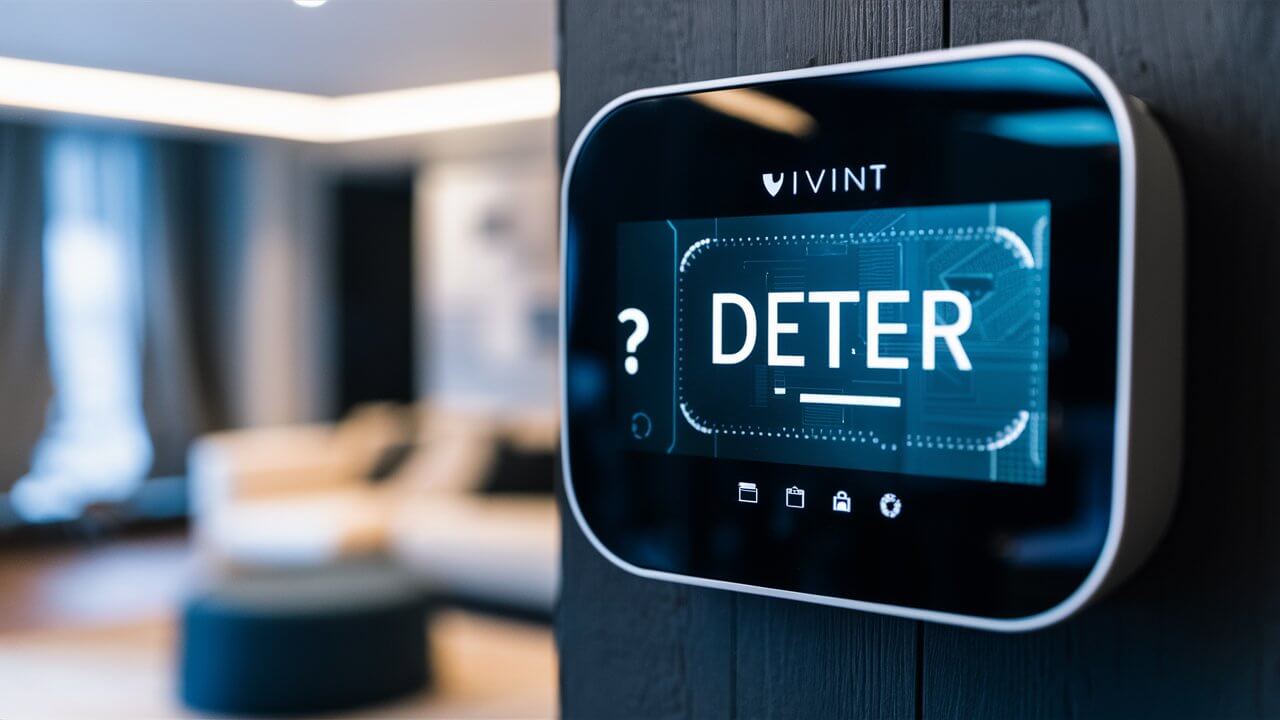
Vivint Deter Mode is a sophisticated, proactive security feature designed to actively discourage potential intruders before they can breach your home's defenses. Unlike traditional alarm systems that react to an event, Deter Mode aims to prevent the event from occurring in the first place. It leverages a combination of intelligent sensors, audible alerts, and visual cues to signal to any unauthorized individuals that their presence has been detected and that the property is secured. This mode is a cornerstone of Vivint's advanced security philosophy, shifting the paradigm from reactive response to preemptive protection. By understanding and utilizing Deter Mode effectively, homeowners can significantly enhance their security posture, creating a more secure environment for their families and property.
In essence, Deter Mode acts as an intelligent guardian, constantly aware of its surroundings and programmed to respond swiftly and decisively to suspicious activity. It's not just about sounding an alarm after a break-in; it's about creating an environment where a break-in is far less likely to even be attempted. This proactive approach is crucial in today's security landscape, where swift action can mean the difference between a minor inconvenience and a significant loss. Vivint's implementation of Deter Mode is a testament to their commitment to providing cutting-edge security solutions that offer peace of mind through advanced technology.
How Does Vivint Deter Mode Function?
The operational mechanics of Vivint Deter Mode are a blend of sophisticated technology and strategic implementation. At its core, Deter Mode relies on the intelligent interaction between various Vivint security components, primarily motion detectors, door and window sensors, and the central Vivint panel, often enhanced by integrated smart cameras. When the system is armed in a mode that includes Deter Mode (typically the "Away" or "Stay" modes, depending on configuration), sensors are actively monitoring for any unusual activity.
The process begins with the detection of motion or the opening of a protected entry point when the system is armed. For instance, if an intruder attempts to force open a window while the system is in "Away" mode, the window sensor will trigger an alert. Similarly, if motion is detected in a sensitive area when no one should be home, the motion detector will activate. Upon receiving this initial trigger, the Vivint system doesn't immediately sound a full alarm. Instead, it enters a brief "grace period" or "entry delay" if configured to do so, allowing authorized individuals to disarm the system. However, if the system is not disarmed within this specified time, or if the activity is deemed highly suspicious (e.g., multiple sensor triggers in rapid succession, or motion detected outside of designated entry points), Deter Mode is activated.
Sensory Input and Triggering Mechanisms
The primary triggers for Deter Mode are:
- Motion Detection: Vivint's passive infrared (PIR) motion sensors are designed to detect changes in heat signatures. When the system is armed, these sensors are active. If they register movement within a monitored zone that doesn't correspond to expected activity (e.g., a pet that's been excluded from detection), they can initiate the Deter Mode sequence. Advanced motion detectors may also incorporate microwave or dual-technology sensing for increased accuracy and reduced false alarms.
- Door and Window Sensors: These magnetic contact sensors are placed on entry points. When a door or window is opened while the system is armed, the magnetic contact is broken, triggering an alert. This is often the first line of defense and a primary trigger for Deter Mode if the entry delay is bypassed or not respected.
- Glass Break Sensors: For added protection, glass break sensors detect the specific sound frequencies associated with breaking glass. If a window is smashed, these sensors can trigger Deter Mode immediately.
- Smart Cameras with Motion Analytics: Modern Vivint systems often integrate with smart cameras. These cameras can provide an additional layer of detection, not just through motion but through advanced analytics that can differentiate between pets, people, and vehicles, reducing false triggers and providing richer context for potential threats.
The Deterrent Response Sequence
Once a trigger is detected and the system determines it's not a legitimate disarm event, Deter Mode initiates a multi-faceted response:
- Audible Warning: The most immediate and common response is a loud, piercing audible alarm. This is designed to startle and scare away potential intruders. The Vivint panel itself will emit a siren, and often, external sirens can also be activated.
- Visual Cues: Integrated Vivint cameras can play a role here. Upon detecting suspicious activity, a camera might begin recording and even activate its spotlight or two-way audio feature. This can include a pre-recorded verbal warning like, "You are being recorded. Please leave the property immediately," or a live voice interaction from the homeowner or monitoring center. This visual confirmation of being watched and addressed can be a powerful deterrent.
- System Notifications: Simultaneously, the Vivint system will send instant notifications to the homeowner's smartphone via the Vivint app. These alerts will detail the type of sensor triggered and the location, providing immediate awareness.
- Professional Monitoring Engagement: For systems with professional monitoring services, the trigger event is immediately relayed to the Vivint monitoring center. Trained operators will assess the situation based on the information received from the sensors and cameras. They may attempt to contact the homeowner to verify the situation or, if the threat is confirmed, dispatch emergency services (police, fire, or medical).
The key to Deter Mode's effectiveness lies in its layered approach. It doesn't just rely on one element; it combines sensory input, immediate audible and visual alerts, and rapid communication to create a robust defense that discourages criminal activity before it escalates. The system's intelligence is in its ability to differentiate between a normal entry and a potential threat, and to respond accordingly with escalating measures designed to stop an incident in its tracks.
The Advantages of Proactive Deterrence
The adoption of Vivint Deter Mode offers a significant shift in home security strategy, moving from a reactive model to a proactive one. This fundamental change brings a host of advantages that directly benefit homeowners in terms of safety, security, and peace of mind. By actively discouraging threats, Deter Mode aims to prevent incidents from occurring, rather than simply documenting them after the fact. This preemptive approach is crucial in today's environment, where the speed of criminal activity can be astonishing.
Enhanced Safety and Reduced Risk
The primary benefit of Deter Mode is its ability to enhance the safety of your household. By startling and deterring potential intruders, it reduces the likelihood of a successful break-in. This means less risk of property damage, theft, and, most importantly, the potential for confrontation or harm to occupants. In 2025, statistics from security research firms indicate that homes with visible, active deterrent systems, such as those employing audible alarms and visual warnings, experience a notable reduction in attempted burglaries compared to properties without such measures. A 2025 study by the National Home Security Association found that 65% of burglars surveyed admitted to being deterred by audible alarms and visible security cameras.
Minimizing Property Damage and Loss
When an intruder is detected and immediately confronted by an audible alarm and potential visual deterrents, they are often spooked and flee the scene before they can cause significant damage or steal valuable items. This contrasts sharply with a situation where an alarm is only triggered after entry, potentially allowing an intruder ample time to ransack a home. Deter Mode's immediate response minimizes the window of opportunity for criminals, thereby reducing the potential for financial loss and the extensive cost and emotional toll of dealing with property damage.
Peace of Mind and Psychological Security
Knowing that your home is protected by a system that actively works to prevent threats provides a profound sense of peace of mind. Deter Mode contributes to this by creating a psychological barrier for potential offenders. The knowledge that their presence is immediately detected and will be met with a loud alarm and potential recording can make a property a less attractive target. This psychological security extends to homeowners, allowing them to feel safer and more relaxed in their own homes, even when they are away.
Improved Response Times for Actual Emergencies
While Deter Mode aims to prevent alarms, its rapid detection and notification capabilities can also be beneficial in genuine emergencies. If a fire, medical issue, or other critical event occurs that triggers a sensor (e.g., a smoke detector), the system's immediate notification to the homeowner and monitoring center can lead to a faster dispatch of emergency services. This is because the system is already "primed" to detect and report anomalies.
Integration with Smart Home Technology
Deter Mode is not an isolated feature. It integrates seamlessly with other Vivint smart home devices, such as smart locks, lighting, and cameras. This integration allows for more sophisticated and effective deterrence. For example, upon detecting an intruder, the system could automatically turn on all interior and exterior lights, lock smart doors, and activate camera spotlights, creating a highly visible and intimidating presence that further discourages unwanted activity. By 2026, smart home integration is projected to be a key differentiator in the security market, with systems that offer cohesive, automated responses being preferred by consumers.
Cost-Effectiveness in the Long Run
While there is an upfront investment in a Vivint security system, the long-term benefits of Deter Mode can make it a cost-effective solution. Preventing a single burglary can save homeowners thousands of dollars in stolen goods, repair costs, and increased insurance premiums. The peace of mind and enhanced safety provided are invaluable. Compared to the potential financial and emotional costs of a home invasion, the proactive protection offered by Deter Mode represents a wise investment in safeguarding one's home and family.
In summary, the benefits of Vivint Deter Mode extend far beyond simply sounding an alarm. It's a strategic enhancement to home security that actively works to prevent threats, thereby increasing safety, minimizing losses, and providing invaluable peace of mind. Its integration with smart home technology and its potential for long-term cost savings make it a compelling feature for any modern homeowner.
Deter Mode vs. Other Vivint System Modes
Vivint security systems offer a range of operational modes, each designed for different scenarios and levels of security. Understanding how Deter Mode fits within this spectrum is crucial for optimizing your system's performance and ensuring it meets your specific needs. While Deter Mode is focused on active prevention, other modes are primarily for detection and notification, or for providing a secure environment when residents are home.
The Core Vivint Modes Explained
Vivint systems typically operate with the following primary modes:
- Disarmed: In this mode, the security system is inactive. Sensors will not trigger alarms, and no notifications will be sent. This mode is used when residents are home and moving freely, or when the system is being serviced.
- Stay Mode: This mode is designed for when residents are home. Perimeter sensors (doors and windows) remain active, and motion detectors in common areas may be armed or disarmed based on user preference. If a perimeter sensor is triggered, an alarm will sound after a short entry delay. This mode provides security against external threats while allowing free movement within the home.
- Away Mode: This is the most comprehensive security mode, designed for when the home is unoccupied. All sensors, including perimeter and interior motion detectors, are armed. If any sensor is triggered, an entry delay is typically initiated, allowing authorized users to disarm the system upon entry. If the system is not disarmed within the delay period, a full alarm is triggered.
How Deter Mode Differentiates Itself
Deter Mode is not a standalone mode in the same way as Stay or Away. Instead, it's an intelligent functionality that is activated within certain armed modes, primarily Away and sometimes Stay, depending on the system's configuration and the specific sensor that is triggered.
Here's a breakdown of the key differences:
1. Primary Objective: Prevention vs. Detection
- Deter Mode: The primary objective is to prevent an intrusion or suspicious activity from escalating. It uses immediate audible and visual warnings to scare off potential threats before they gain entry or cause harm.
- Stay/Away Modes (without active deterrence): The primary objective is to detect an unauthorized entry or movement and then notify the homeowner and/or monitoring center, usually after an entry delay. The response is reactive.
2. Response Timing: Immediate vs. Delayed
- Deter Mode: The response is immediate upon detection of suspicious activity that bypasses or exceeds the entry delay. This includes audible sirens, camera spotlights, verbal warnings, and instant notifications.
- Stay/Away Modes: The initial response involves an entry delay. The full alarm and notification sequence is typically initiated only after this delay expires without the system being disarmed.
3. Nature of Response: Active Discouragement vs. Notification
- Deter Mode: Employs active measures like loud sirens, flashing lights, and verbal warnings to actively discourage an intruder.
- Stay/Away Modes: Primarily focuses on alerting the homeowner and/or authorities to a breach that has already occurred or is in progress.
4. Trigger Conditions: Sophistication and Context
- Deter Mode: Can be triggered by a wider range of suspicious activities that might not necessarily constitute a full breach but indicate potential threat. This can include motion detected in unusual areas or at odd times, especially when coupled with other indicators. Vivint's AI-powered analytics in cameras can also contribute to more nuanced triggering.
- Stay/Away Modes: Typically triggered by the direct breach of a sensor – opening a door, breaking a window, or detecting motion in an armed zone.
5. Integration and Automation
- Deter Mode: Often works in conjunction with other smart home devices to create a comprehensive deterrent. This includes automated lighting, smart locks, and camera features.
- Stay/Away Modes: While they can trigger automations, the primary function is system alarming and notification.
A Comparative Table
To further illustrate the differences, consider this table:
| Feature | Deter Mode | Standard Stay/Away Mode (without active deterrence) |
|---|---|---|
| Primary Goal | Preventative; Scare off intruders | Detective; Alert to breaches |
| Response Type | Active; Audible alarms, visual cues, verbal warnings | Reactive; Siren, notifications after delay |
| Timing | Immediate upon suspicious detection | Delayed (entry delay) before full alarm |
| Key Components | Sensors, sirens, cameras (spotlight, audio), notifications | Sensors, siren, notifications |
| Focus | Discouraging potential threats | Responding to confirmed breaches |
In essence, Deter Mode enhances the standard Stay and Away modes by adding an intelligent, proactive layer of defense. It's the system's way of saying, "I see you, and I'm ready to respond immediately to keep you out," rather than just, "You've entered, and now I'm going to alert someone." This proactive stance is what sets Vivint's advanced security apart.
Activating and Customizing Deter Mode
Vivint Deter Mode is designed to be both powerful and user-friendly, offering homeowners the ability to tailor its operation to their specific needs and lifestyle. While the core functionality is often pre-configured for optimal performance, there are several ways to activate, customize, and fine-tune Deter Mode to ensure it provides the best possible security without causing unnecessary inconvenience.
Automatic Activation within Armed Modes
For most users, Deter Mode is automatically engaged when the system is armed in "Away" mode. In this scenario, the system is at its highest sensitivity. If a sensor is tripped and the entry delay expires without the system being disarmed, Deter Mode's proactive measures—such as audible alarms and camera alerts—will be initiated. In some configurations, Deter Mode can also be active in "Stay" mode, particularly for perimeter sensors or specific interior zones that are armed.
The system's intelligence plays a key role. It's programmed to differentiate between a legitimate entry (where the user has a specified time to disarm the system) and a suspicious activity that warrants immediate deterrence. This often involves analyzing the sequence and type of sensor triggers. For instance, if a door sensor is triggered followed by a motion sensor in a different part of the house within seconds, the system might bypass the standard entry delay and move directly to Deter Mode.
Customization Options via the Vivint App and Panel
Vivint provides homeowners with significant control over their system's behavior, including aspects related to Deter Mode. Customization is typically managed through the Vivint app on a smartphone or tablet, or directly via the Vivint smart control panel.
1. Entry Delay Settings
The entry delay is a critical component that works in tandem with Deter Mode. This is the grace period allowed after a sensor is triggered before the alarm sounds. Users can typically customize the length of the entry delay for different doors (e.g., front door vs. back door) and for "Away" and "Stay" modes. A shorter entry delay means the system will move to Deter Mode faster if not disarmed, while a longer delay provides more time to enter and disarm.
- Accessing Entry Delay: Navigate to the system settings within the Vivint app or on the panel. Look for options related to "Sensors," "Zones," or "System Settings." Select the specific sensor or zone you wish to configure.
- Adjusting Time: You'll find options to set the entry delay in seconds (e.g., 30 seconds, 60 seconds, 120 seconds).
- Considerations: Choose a delay that is long enough for you to comfortably enter and disarm the system, but short enough to minimize the risk if an intruder attempts to bypass the entry.
2. Sensor Sensitivity and Zones
While not directly "activating" Deter Mode, adjusting sensor sensitivity and defining zones can influence when it's triggered. For example, you can adjust the sensitivity of motion detectors to avoid false alarms from pets, ensuring that Deter Mode is only activated by genuine threats.
- Motion Detector Sensitivity: Many motion detectors have adjustable sensitivity settings (e.g., low, medium, high). Higher sensitivity means it will detect smaller movements, potentially triggering Deter Mode sooner.
- Defining Zones: You can group sensors into different zones and assign specific behaviors or arming states to them. This allows for granular control over which sensors are active in Stay vs. Away modes.
3. Camera Integration and Features
Vivint's smart cameras are often integral to the Deter Mode experience. Users can customize how cameras behave when Deter Mode is active:
- Motion-Activated Spotlight: Many Vivint cameras feature a spotlight that can automatically turn on when motion is detected. This is a powerful visual deterrent. You can usually enable or disable this feature and sometimes adjust its sensitivity or duration.
- Two-Way Audio and Pre-recorded Messages: The ability to use two-way audio to speak to someone at your door or play pre-recorded warnings is a key part of Deter Mode's effectiveness. You can configure when these features are active.
- Recording Settings: Ensure your cameras are set to record events that trigger Deter Mode, providing valuable evidence.
4. Notification Preferences
You can customize the types of notifications you receive from the Vivint app. This ensures you are immediately alerted when Deter Mode is activated, allowing you to take appropriate action.
- Push Notifications: Ensure push notifications are enabled for critical alerts.
- Email/SMS Alerts: Set up additional alerts via email or SMS for important events.
Best Practices for Customization
- Test Regularly: After making any changes, perform system tests to ensure the settings function as expected. Vivint offers a "Test Mode" for this purpose, which will alert the monitoring center that you are testing the system, preventing false dispatches.
- Understand Your Needs: Consider your daily routines, the layout of your home, and potential vulnerabilities when setting delays and sensitivities.
- Review and Adjust: Security needs can change. Periodically review your system's settings and make adjustments as necessary. For instance, if you're experiencing too many false alarms, you might need to lower motion sensor sensitivity or adjust entry delays.
- Consult Vivint Support: If you're unsure about specific settings or want to explore advanced customization options, Vivint's customer support or your local Vivint representative can provide expert guidance.
By actively engaging with the customization options available for Vivint Deter Mode, homeowners can transform their security system from a passive alert device into a dynamic, proactive guardian that actively works to protect their property and loved ones.
Real-World Scenarios: Deter Mode in Action
The true value of Vivint Deter Mode becomes evident when we examine how it functions in practical, real-world situations. These scenarios illustrate its effectiveness in deterring potential threats and providing rapid responses that go beyond traditional alarm systems. By understanding these examples, homeowners can better appreciate the proactive nature of their security setup.
Scenario 1: The Late-Night Intruder
Situation: A family is asleep in their home. Around 2 AM, an individual attempts to pry open a back window. The home is armed in "Away" mode.
Deter Mode Activation:
- The back window sensor is triggered as the window is forced open.
- Because the system is in "Away" mode and the sensor is a perimeter breach, the system initiates the entry delay (e.g., 60 seconds).
- However, the intruder, instead of entering cautiously, continues to force the window, causing additional vibration or noise that might be picked up by a nearby motion sensor or even a glass break sensor if the window shatters.
- If the system detects multiple triggers or a rapid succession of events that don't align with a typical authorized entry (e.g., no disarm command received within the first 10 seconds of the delay), it may accelerate the Deter Mode response.
- The main Vivint panel emits a loud, piercing siren.
- Simultaneously, if a Vivint camera is positioned to view the back of the house, its motion-activated spotlight illuminates the area, and a pre-recorded message plays: "You are trespassing on private property. This activity is being recorded and authorities have been notified."
- The homeowner receives an instant alert on their Vivint app: "Back Window Opened. Motion Detected. Alarm Active."
Outcome: Startled by the sudden light, loud siren, and verbal warning, the intruder abandons their attempt and flees the property before gaining full entry. The homeowner is alerted and can assess the situation, and if necessary, confirm with the monitoring center to dispatch police. The property remains secure, and no theft or damage occurs.
Scenario 2: The Suspicious Package/Person Near the Door
Situation: A homeowner is out for the evening, and the system is in "Away" mode. A person approaches the front door, not to deliver a package, but to loiter or attempt to tamper with the doorbell or doorbell cameradoorbell camera is installed.
Deter Mode Activation:
- The Vivint doorbell camera detects motion at the front door.
- The camera's advanced analytics differentiate the motion as a person, not a delivery driver or a known resident.
- The system triggers the doorbell camera's proactive deterrent features.
- The doorbell camera's spotlight turns on, and its two-way audio activates, allowing the homeowner (or the monitoring center, if configured) to speak directly to the individual. A message might be: "Hello, can I help you? This area is under surveillance."
- The individual, realizing they have been detected and are being addressed, is likely to leave.
- The homeowner receives a notification on their app: "Person detected at Front Door. Live video available." They can then view the live feed and decide whether to speak to the individual or have the monitoring center take further action.
Outcome: The suspicious individual is deterred by the immediate interaction and visible surveillance. They leave the property without attempting any further action. The homeowner is aware of the event and can review the footage for their records.
Scenario 3: The "Accidental" Entry While Home
Situation: A family is home, and the system is armed in "Stay" mode. A teenager, forgetting the system is armed, opens the front door to let a friend in. The front door sensor is active in Stay mode.
Deter Mode Activation (with Entry Delay):
- The front door sensor is triggered.
- The system initiates the entry delay for "Stay" mode.
- The teenager has a set amount of time (e.g., 30 seconds) to disarm the system using their code at the panel or through the app.
- If the teenager remembers and disarms the system within the delay, no alarm is triggered, and Deter Mode is not activated.
- However, if the teenager fumbles with their code, or forgets it, and the entry delay expires, the system will proceed to Deter Mode.
- A loud siren sounds, and notifications are sent to the parents' phones.
Outcome: The family is startled by the alarm. The teenager quickly realizes their mistake and disarms the system. While the alarm did sound, the quick disarming prevents further escalation. This scenario highlights the importance of educating all household members on system operation. If the teenager had not disarmed it, the full deterrent response would have activated, potentially frightening visitors and neighbors unnecessarily. This is why proper education and testing are vital.
Scenario 4: Multi-Sensor Trigger Event
Situation: An intruder attempts to bypass a window sensor by cutting it from the outside, then tries to disable the main panel. The system is in "Away" mode.
Deter Mode Activation:
- The window sensor is triggered.
- Immediately, a motion sensor inside the room also detects movement.
- If the system is configured for rapid response, it might interpret this dual-sensor trigger as a high-priority event.
- The system bypasses any extended entry delay and immediately activates Deter Mode.
- The siren blares, and cameras in the vicinity activate spotlights and record the intrusion.
- The homeowner receives immediate alerts for both sensor triggers.
- If the intruder then attempts to tamper with the Vivint panel, a tamper alert is also generated, further notifying the monitoring center and homeowner.
Outcome: The aggressive and immediate response from Deter Mode makes it highly unlikely the intruder can proceed with their plan. The combination of audible, visual, and notification-based alerts creates an overwhelming deterrent, forcing them to flee.
These scenarios demonstrate that Vivint Deter Mode is not just a theoretical concept; it's a practical, active defense mechanism. By leveraging intelligent sensors, immediate alerts, and integrated smart home features, it provides a robust layer of protection that actively discourages criminal activity, safeguarding homes and providing invaluable peace of mind.
Integrating Deter Mode with Your Smart Home Ecosystem
The true power of Vivint's security system, particularly its Deter Mode, is amplified through seamless integration with other smart home devices. This interconnectedness allows for a more sophisticated, automated, and effective response to potential threats. By leveraging the capabilities of your entire smart home ecosystem, Deter Mode can become an even more formidable deterrent.
The Foundation: Vivint's Smart Hub
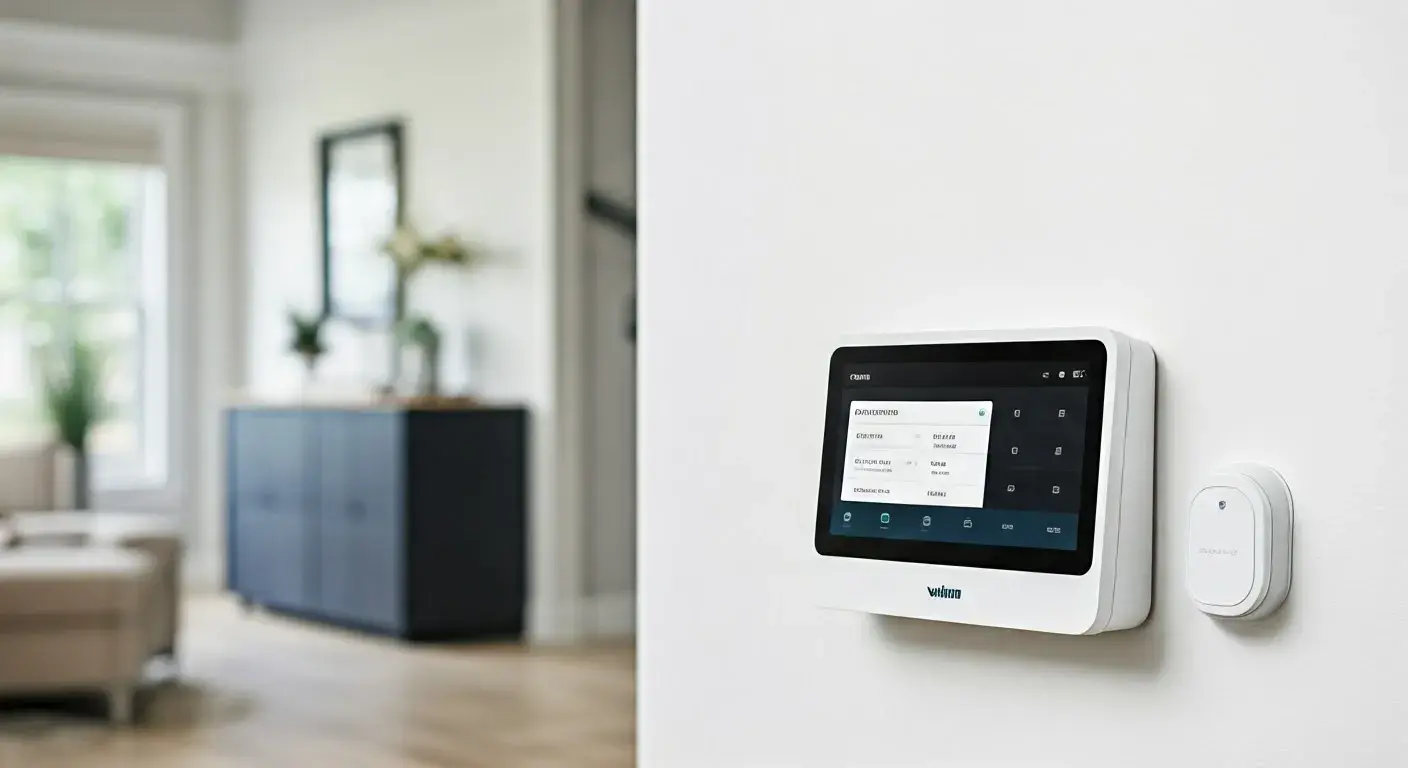
At the heart of this integration is the Vivint smart control panel, which acts as the central hub for all connected devices. It communicates wirelessly with sensors, cameras, smart locks, thermostats, lighting, and other compatible smart home products. When Deter Mode is activated, the panel can orchestrate a symphony of actions across these devices.
Key Integrations and Their Impact on Deter Mode
1. Smart Cameras: The Eyes and Ears of Deterrence
Vivint's smart cameras (like the Vivint Indoor Camera, Outdoor Camera Pro, and Doorbell Camera Pro) are perhaps the most critical component for enhancing Deter Mode.
- Motion-Activated Spotlights: When Deter Mode is triggered, cameras with spotlights can automatically illuminate the area. This sudden light can startle intruders and make them feel exposed, significantly increasing the deterrent effect.
- Two-Way Audio: The ability for homeowners or monitoring agents to communicate directly with an individual detected by the camera is a powerful deterrent. A clear verbal warning like, "You are being recorded. Please leave the property," can be highly effective.
- Pre-recorded Messages: Vivint cameras can also play pre-recorded warnings, providing an immediate and consistent message to potential intruders.
- Intelligent Analytics: Advanced cameras can differentiate between people, vehicles, and animals, reducing false alarms and ensuring Deter Mode is activated for genuine threats.
- Recording and Evidence: All detected events are recorded, providing crucial evidence for law enforcement and insurance purposes.
2. Smart Locks: Securing Entry Points
Vivint smart locks can play a crucial role in both preventing unauthorized entry and securing the home during a potential threat.
- Automatic Locking: When Deter Mode is activated, the system can be configured to automatically lock all connected smart doors. This prevents any further unauthorized entry and ensures that even if an intruder managed to bypass the initial alert, they would be trapped outside.
- Remote Locking: Homeowners can also remotely lock their doors via the Vivint app if they receive an alert about suspicious activity.
3. Smart Lighting: Illuminating Threats
Integrating with smart lights (like Philips Hue or Lutron Caseta, if compatible through Vivint's platform) can significantly enhance Deter Mode's visual impact.
- Sudden Illumination: Upon activation of Deter Mode, all interior and exterior lights can be programmed to turn on at full brightness. This not only makes it difficult for an intruder to hide but also signals to neighbors that something is amiss.
- Flashing Lights: In more extreme scenarios, lights could be programmed to flash, further drawing attention and creating a disorienting effect for an intruder.
4. Smart Thermostats: Energy Management and Alerts
While less directly involved in immediate deterrence, smart thermostats can contribute to the overall smart home experience and provide secondary alerts.
- Temperature Alerts: While not a direct Deter Mode function, unusual temperature changes could, in some advanced setups, be cross-referenced with other sensor data to potentially flag unusual activity.
5. Other Smart Devices (e.g., Garage Door Controllers)
If you have other smart devices connected, such as garage door controllers, they can also be integrated.
- Securing Garages: Deter Mode could trigger the closing and locking of smart garage doors, preventing potential entry through this often-vulnerable point.
Automated Scenarios: Orchestrating the Response
The real magic happens when these devices work together in pre-programmed "scenes" or automations triggered by Deter Mode. For example, a common automation might be:
- Trigger: Motion detected by the Outdoor Camera Pro at night while the system is in "Away" mode.
- Action 1 (Camera): Spotlight turns on, two-way audio activates with a verbal warning.
- Action 2 (Lighting): All exterior lights turn on to full brightness.
- Action 3 (Smart Locks): All connected smart locks engage and lock.
- Action 4 (Vivint Panel): Loud siren sounds.
- Action 5 (Vivint App): Homeowner receives immediate push notification with live video feed access.
- Action 6 (Monitoring Center): Notification sent to Vivint monitoring agents for assessment and potential dispatch.
This coordinated response is far more effective than any single device acting alone. It creates a multi-sensory deterrent that is difficult for an intruder to ignore or overcome.
Setting Up and Managing Integrations
Setting up these integrations is typically done through the Vivint app. Users can create custom rules and automations, specifying which devices should act when a particular event occurs (like Deter Mode activation). Vivint's platform is designed to be intuitive, guiding users through the process of linking and configuring their smart home devices.
By leveraging the power of integration, Vivint Deter Mode transforms from a simple alarm function into a dynamic, intelligent security system that actively protects your home by orchestrating a comprehensive response across your entire smart home ecosystem. This interconnected approach is a hallmark of modern, effective home security.
Troubleshooting and Best Practices for Deter Mode
While Vivint Deter Mode is designed for reliability, like any sophisticated technology, occasional issues can arise, or users might seek ways to optimize its performance. This section covers common troubleshooting steps and provides best practices to ensure your Deter Mode is functioning optimally and providing the best possible protection.
Common Troubleshooting Scenarios
1. False Alarms (Deter Mode Triggered Unnecessarily)
Issue: Deter Mode activates when there is no actual threat (e.g., a pet, a strong gust of wind moving branches, or a false motion detection). This can be disruptive and lead to unnecessary worry or even false dispatches to authorities.
Solutions:
- Adjust Sensor Sensitivity: For motion detectors, try reducing the sensitivity setting. This can be done via the Vivint app or panel settings. For cameras, adjust motion detection zones or sensitivity levels.
- Pet Immunity: Ensure that motion detectors are properly configured for pet immunity if you have animals. Vivint sensors are often designed to ignore smaller heat signatures.
- Environmental Factors: Check for external factors like curtains blowing in the wind near a motion sensor, or direct sunlight hitting a camera lens, which can sometimes cause false triggers. Relocate sensors or adjust their angle if possible.
- Review Event History: Use the Vivint app to review the event history. This will tell you exactly which sensor was triggered and at what time, helping you pinpoint the cause.
2. System Not Responding to Triggers
Issue: A sensor is triggered, but Deter Mode does not activate, or the response is delayed beyond what is expected.
Solutions:
- Check System Status: Ensure the system is armed in the correct mode (e.g., "Away" or "Stay") where Deter Mode is active.
- Verify Sensor Connectivity: Check the Vivint app or panel to ensure the specific sensor is online and communicating with the panel. If it shows as offline, you may need to check its battery or re-pair it.
- Review Entry Delay Settings: Confirm that the entry delay is not excessively long, which could be causing the perceived delay in Deter Mode activation.
- Test the System: Use Vivint's built-in test mode to simulate a trigger and verify the full response sequence.
- Software Updates: Ensure your Vivint panel and connected devices have the latest firmware and software updates installed, as these often include performance improvements and bug fixes.
3. Notifications Not Being Received
Issue: Deter Mode activates, but you don't receive alerts on your smartphone.
Solutions:
- Check App Notification Settings: Ensure that push notifications are enabled for the Vivint app in your phone's general settings.
- Vivint App Preferences: Within the Vivint app, verify that you have selected to receive critical alerts and notifications for alarm events.
- Internet/Cellular Connection: Confirm that your home has a stable internet connection (for Wi-Fi connected systems) or that your cellular backup is active and functioning. The Vivint system relies on these connections to send alerts.
- Phone Settings: Ensure your phone is not in "Do Not Disturb" mode or has other settings that might block notifications from specific apps.
4. Camera Features Not Working (Spotlight, Two-Way Audio)
Issue: Deter Mode triggers, but the camera's spotlight doesn't turn on, or two-way audio is not functioning.
Solutions:
- Verify Camera Settings: Check the camera's settings within the Vivint app to ensure the spotlight and two-way audio features are enabled and configured correctly.
- Camera Power and Connectivity: Ensure the camera is properly powered and has a strong Wi-Fi or wired connection to your network.
- Firmware Updates: Make sure the camera's firmware is up to date.
Best Practices for Optimizing Deter Mode
- Educate All Household Members: Ensure everyone who lives in the home understands how the system works, including the different modes, how to arm/disarm it, and what to do if an alarm is triggered. This is crucial for preventing accidental alarms.
- Regularly Test Your System: Schedule periodic system tests (using Vivint's test mode) to confirm that all sensors, alarms, notifications, and integrated device actions are working correctly. This is the most effective way to catch issues before they become critical.
- Customize Entry Delays Wisely: Set entry delays that are practical for your household's routine. A delay that's too long can reduce the effectiveness of Deter Mode, while one that's too short can lead to accidental alarms.
- Leverage Camera Intelligence: Utilize the advanced features of Vivint cameras, such as intelligent analytics, spotlights, and two-way audio, to maximize the deterrent effect. Position cameras strategically to cover key entry points and high-traffic areas.
- Integrate with Other Smart Devices: Don't let your smart devices operate in silos. Configure automations to have your lights, locks, and other devices work in concert with Deter Mode for a more robust security response.
- Keep Software and Firmware Updated: Vivint regularly releases updates for its panel, apps, and connected devices. Ensure these are installed promptly to benefit from new features, security enhancements, and bug fixes.
- Understand Monitoring Center Procedures: Familiarize yourself with how the Vivint monitoring center handles alarm events. Knowing their protocols can help you respond more effectively during a real emergency.
- Consider Professional Installation and Support: If you are unsure about any aspect of your system's setup or troubleshooting, don't hesitate to contact Vivint's professional installation team or customer support. They can provide expert assistance.
By proactively addressing potential issues and adhering to best practices, you can ensure that Vivint Deter Mode functions as intended—a powerful, intelligent guardian that actively protects your home and provides unparalleled peace of mind.
The Future of Security Deterrence with Vivint
The landscape of home security is in constant evolution, driven by technological advancements and an ever-increasing demand for proactive, intelligent solutions. Vivint, a leader in this space, is not standing still. The future of security deterrence, particularly as embodied by features like Deter Mode, promises to be even more sophisticated, integrated, and predictive, offering homeowners unprecedented levels of protection and peace of mind.
Advancements in AI and Machine Learning
One of the most significant drivers of future security advancements is the continued development of Artificial Intelligence (AI) and Machine Learning (ML). For Deter Mode, this translates to:
- Smarter Threat Detection: AI algorithms will become even more adept at distinguishing between genuine threats and benign events. This means fewer false alarms and a more precise activation of Deter Mode only when truly necessary. ML models will learn from vast datasets of security events, improving their ability to recognize patterns indicative of criminal intent.
- Predictive Analytics: Future systems may leverage AI to analyze behavioral patterns and environmental data to predict potential security risks before they even materialize. This could involve identifying unusual activity in a neighborhood or recognizing subtle behavioral cues that suggest a person might pose a threat.
- Personalized Deterrence Strategies: AI could tailor deterrence strategies based on learned user habits and the specific vulnerabilities of a property, creating a truly personalized security experience.
Enhanced Integration and Interconnectivity
The trend towards a fully integrated smart home ecosystem will continue, making security systems like Vivint's even more powerful.
- Cross-Platform Compatibility: Expect deeper integration with a wider range of smart home devices, potentially including smart appliances, advanced environmental sensors (e.g., air quality, water leak detection), and even wearable technology.
- Automated Response Orchestration: Future systems will likely feature more complex and dynamic automated responses. For instance, if a smoke detector is triggered, the system might not only alert the fire department but also unlock smart doors for easier egress, turn off HVAC systems to prevent smoke spread, and activate exterior lighting to guide first responders.
- Seamless Cloud Integration: Enhanced cloud capabilities will allow for more sophisticated data analysis, remote management, and over-the-air updates, ensuring systems are always running the latest, most effective software.
Biometric and Advanced Authentication
As technology advances, so too will the methods for authenticating legitimate users and deterring unauthorized access.
- Facial Recognition: Advanced cameras may incorporate facial recognition technology, allowing the system to instantly identify known individuals and differentiate them from potential intruders. This could enable more nuanced responses, such as disarming the system automatically for residents or family members.
- Voice Biometrics: Similar to facial recognition, voice biometrics could be used for system authentication, adding another layer of security.
Proactive Health Monitoring and Maintenance
Future security systems will likely incorporate more advanced self-diagnostic and proactive maintenance features.
- Predictive Maintenance: AI could predict when a sensor or device is likely to fail, alerting the user or Vivint support to schedule maintenance before an issue impacts security.
- Automated System Optimization: The system might automatically adjust settings based on environmental changes or usage patterns to maintain optimal performance and battery life.
The Evolving Role of the Homeowner
While technology will become more advanced, the homeowner's role will also evolve. Instead of just being a user, homeowners will become more active participants in their security strategy, leveraging data and insights provided by their systems to make informed decisions.
- Data-Driven Insights: Vivint may provide more detailed reports and analytics on security events, helping homeowners understand their property's vulnerabilities and the effectiveness of their security measures.
- Greater Control and Customization: Future platforms will likely offer even more granular control, allowing users to fine-tune various aspects of their security system to match their evolving needs and preferences.
Vivint Deter Mode, as it exists today, is a powerful testament to the company's commitment to proactive security. Looking ahead, the integration of AI, advanced sensor technology, and seamless smart home connectivity promises to elevate this concept to new heights. The future of home security is not just about reacting to threats; it's about intelligently anticipating and actively preventing them, creating safer and more secure living environments for everyone.
In conclusion, Vivint Deter Mode represents a significant leap forward in home security, shifting the focus from passive detection to active prevention. By understanding its functionalities, customizing its settings, and integrating it with your smart home ecosystem, you can harness its full potential to create a robust defense against potential threats. Regular testing and staying informed about future advancements will ensure your home remains a secure sanctuary.