What Is the Red Light on the Smoke Detector? And 3 Other Signals Explained
Understanding your smoke detector's signals is crucial for home safety. This guide demystifies the common red light and other indicator lights, explaining what they mean and how to respond, ensuring you're prepared for any situation. We cover everything from chirps to specific light patterns.
Understanding the Red Light on Your Smoke Detector
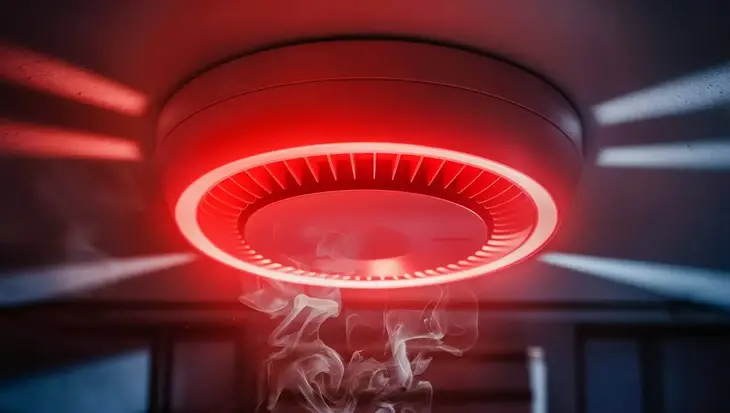
The red light on a smoke detector is often the most concerning, but its meaning isn't always dire. In most modern smoke detectors, a blinking red light signifies that the device is actively sensing smoke or carbon monoxide. This is its primary function – to alert you to a potential hazard. However, the frequency and pattern of the red light can sometimes indicate different states or issues.
The Blinking Red Light: A Sign of Detection
When you see a steady or rapidly blinking red light, it almost universally means the alarm has detected smoke or carbon monoxide. This is the moment to take immediate action. Your priority should be to evacuate all occupants from the building safely. Once you are in a secure location, you can then call emergency services. It's vital not to assume it's a false alarm, even if you can't immediately see or smell smoke. Some fires can produce odorless or invisible gases.
Interpreting Blinking Patterns
While a continuous red light or rapid blinking typically means detection, some manufacturers use specific blinking patterns to differentiate between smoke and carbon monoxide detection, or to indicate a fault. For instance, a slow blink might indicate normal operation in some models, while a rapid blink signifies an alarm condition. Always consult your smoke detector's manual for the precise interpretation of its light signals. For example, a smoke detector might blink red every 10 seconds during normal operation to indicate it's powered and functioning, and then blink red rapidly and continuously when an alarm is triggered.
When the Red Light Means Something Else
It's important to note that not all red lights indicate an immediate emergency. Some smoke detectors use a red light as a general indicator of power or system status. For example, a slow, periodic red flash (e.g., every 40-60 seconds) can simply mean the unit is receiving power and is operational. This is a normal function and should not be confused with an alarm condition. If you are unsure, the best course of action is to refer to the manufacturer's instructions. This distinction is critical to avoid unnecessary panic and to ensure you can correctly interpret the device's status.
Power Indicators vs. Alarm Indicators
Many battery-powered smoke detectors will have a red light that blinks periodically to show the battery is good and the unit is active. This is a reassuring sign, not a warning. Conversely, when the unit detects smoke or CO, the red light will typically become more intense, blink much faster, and be accompanied by a loud audible alarm. Understanding this difference can save you from a stressful false alarm response. In 2025, with interconnected systems becoming more common, a red light on one unit could trigger alarms on others, making prompt identification even more critical.
What to Do When the Red Light is Blinking Rapidly
If the red light is blinking rapidly and accompanied by the alarm sound, your immediate priority is safety.
- Evacuate: Get everyone out of the house immediately.
- Stay Low: Smoke rises, so crawl if necessary.
- Test Doors: Feel doors for heat before opening. If a door is hot, find another exit.
- Don't Investigate: Your primary goal is to get out. Don't try to find the source of the alarm.
- Call for Help: Once safely outside, call your local fire department.
False Alarms and Resetting
False alarms can happen due to cooking smoke, steam, or dust. If the alarm sounds and you've identified it as a false alarm, you can often silence it by pressing the "hush" or "test/silence" button. If the red light continues to blink rapidly after the audible alarm has stopped, the unit may need to be reset. This usually involves removing the battery and unplugging the unit for a short period, then reassembling it. However, if the red light persists or the alarm sounds again without an obvious cause, the unit may be faulty and require replacement.
Beyond the Red Light: Other Common Smoke Detector Signals
While the red light is the most prominent indicator of an alarm, smoke detectors utilize a variety of signals, including different colored lights, blinking patterns, and audible chirps, to communicate their status. Understanding these nuances can help you differentiate between a genuine emergency, a low battery warning, a device malfunction, or simply normal operation.
The Chirping Sound: More Than Just Annoyance
A common, often irritating, signal is the intermittent chirp. This sound is rarely an indication of a fire. Instead, it's almost always a low battery warning. Most smoke detectors will chirp once every 30-60 seconds when the battery is running low, signaling the need for a replacement. This is a critical alert, as a smoke detector with a dead battery is useless in an emergency. For 2025, it's recommended to replace batteries at least twice a year, often when changing clocks for daylight saving time.
Distinguishing Chirps
While the low battery chirp is standard, some detectors might use different chirp patterns or durations to indicate other issues, such as the end of the device's lifespan (typically 10 years) or a fault. Always consult your manual. If your detector is chirping, the first step is to check the battery. If replacing the battery doesn't stop the chirping, it's likely time to replace the entire unit.
The Green Light: Power and Normalcy
A steady green light on a smoke detector typically indicates that the unit is receiving power and is functioning normally. This is especially common on hardwired smoke detectors that are connected to your home's electrical system. A green light reassures you that the device is active and ready to detect threats. However, the presence of a green light does not guarantee the absence of a fault; it simply confirms power is present.
Intermittent Green Lights
In some models, a green light might blink periodically, similar to a red light's normal operation indicator. This slow, regular blink (e.g., once every 40-60 seconds) confirms the unit is powered and operational. If this green light goes out, or if it starts blinking rapidly or changes color, it could indicate a problem that needs attention. For interconnected systems, a green light on one unit might indicate it's communicating correctly with others.
Other Color Indicators and Their Meanings
Beyond red and green, some advanced smoke detectors may use other colored lights, such as yellow or amber. These often signify a fault condition or a specific operational mode. For example, a yellow light might indicate that the detector has entered a "hush" mode, or that it's experiencing a sensor malfunction. Some smart detectors might use blue lights for Wi-Fi connectivity status.
Yellow/Amber Lights: Potential Issues
A yellow or amber light is generally a cause for concern. It often means the detector is not functioning optimally. This could be due to sensor issues, dust accumulation, or other internal problems. If you see a yellow light, consult your manual immediately. It might require cleaning the sensor, resetting the device, or replacing it. According to 2025 safety guidelines, any indicator light other than a steady or normal blinking green or red (for normal operation) should be investigated promptly.
Silence/Hush Button Functionality
Most modern smoke detectors feature a "Silence" or "Hush" button. When pressed during an alarm, this button temporarily silences the audible alarm for a set period (usually 5-15 minutes). This is useful for silencing alarms caused by cooking smoke or steam. However, it's crucial to understand that the hush function only silences the alarm; it does not disable the smoke detection capabilities. If smoke is still present after the hush period, the alarm will sound again. A blinking red light may continue during the hush period, indicating the unit is still in an alarm state.
When to Use the Hush Button
The hush button should only be used when you are certain there is no immediate fire danger. If you press it and the smoke condition persists, the alarm will re-engage. If you accidentally press it during a real fire, the unit will remain silent for the set duration, potentially delaying critical evacuation. It’s a tool for managing nuisance alarms, not for ignoring potential dangers.
Troubleshooting and Maintenance for Peace of Mind
Proper maintenance and understanding how to troubleshoot common issues with your smoke detectors are paramount to ensuring their reliable operation. Neglecting these devices can leave your home vulnerable. Regular checks and prompt attention to any unusual signals are key to maintaining a safe living environment.
Regular Testing is Non-Negotiable
The most critical maintenance task is regular testing. Most experts, including those from fire safety organizations in 2025, recommend testing smoke alarms at least once a month. Use the "test" button on the unit. This button simulates the presence of smoke and will trigger the audible alarm. If the alarm does not sound, or if it sounds weak, it's time to check the batteries or replace the unit.
Monthly Test Procedure
- Press and hold the test button for a few seconds.
- Listen for the loud, clear alarm sound.
- If the alarm sounds weak or doesn't sound, replace the batteries immediately.
- If the problem persists after changing batteries, the unit may be faulty and needs replacement.
This simple monthly test ensures that the detector's electronics, battery, and alarm horn are all functioning correctly.
Battery Replacement: A Lifesaving Habit
For battery-powered and even hardwired units with battery backup, regular battery replacement is essential. As mentioned, a chirping sound is the primary indicator of a low battery. However, it's a good practice to replace batteries proactively at least once a year, or twice a year if you follow the daylight saving time change as a reminder. Even if the detector isn't chirping, the battery might be weakening and unable to power the alarm at full strength during an event.
Choosing the Right Batteries
Always use the type of batteries recommended by the manufacturer. Typically, this will be high-quality alkaline or lithium batteries. Using the wrong type or brand can affect performance and battery life. For hardwired units with battery backup, ensure you replace the backup battery as recommended by the manufacturer, usually annually.
Cleaning Your Smoke Detectors
Dust, cobwebs, and insects can accumulate inside smoke detectors and interfere with their sensors, leading to false alarms or failure to detect smoke. It's recommended to clean your smoke detectors every six months to a year.
Step-by-Step Cleaning Guide
- Turn off power: If the unit is hardwired, turn off the power at the circuit breaker. For battery-powered units, remove the battery.
- Remove the cover: Gently detach the detector from its mounting bracket and open the cover if possible.
- Vacuum gently: Use the soft brush attachment of your vacuum cleaner to gently vacuum the vents and the interior of the sensor chamber.
- Compressed air: For stubborn dust, a can of compressed air can be used to blow out debris from the vents.
- Reassemble and test: Replace the battery, reattach the cover, and restore power (if applicable). Then, test the unit using the test button.
This cleaning process helps ensure the sensor is clear and can accurately detect smoke particles.
When to Replace Your Smoke Detector
Smoke detectors have a limited lifespan. Most manufacturers recommend replacing them every 10 years from the date of manufacture, not the date of installation. The manufacturing date is usually printed on the back or side of the unit. Even if a detector appears to be working, its sensors can degrade over time, reducing its effectiveness.
Signs Your Detector Needs Replacement
- The unit is 10 years old or older.
- The test button does not activate the alarm.
- The detector chirps constantly even after battery replacement.
- The detector frequently goes off for no apparent reason (frequent false alarms).
- The unit has visible damage or corrosion.
For 2025-26, the emphasis on replacing older units is stronger than ever, as newer models offer improved sensitivity and features.
Troubleshooting Specific Issues
If your smoke detector is behaving erratically, here are some common troubleshooting steps:
Intermittent Alarms/False Alarms
- Check for environmental factors: Cooking fumes, steam from showers, heavy dust, or even strong drafts can trigger alarms.
- Clean the unit: Dust and insects are common culprits.
- Check battery: A low battery can sometimes cause erratic behavior.
- Location: Ensure the detector is not placed too close to kitchens, bathrooms, or heating vents.
No Power/No Alarm Sound
- Check battery: Ensure it's correctly installed and fresh.
- Check circuit breaker: For hardwired units, ensure the breaker is on.
- Test button: If the test button doesn't work, the unit may be faulty.
Persistent Chirping
- Replace battery: Even if it seems new, try a fresh one.
- Reset the unit: Remove battery and unplug for a minute.
- End of life: If the unit is old, it likely needs replacement.
If troubleshooting doesn't resolve the issue, it's time to replace the unit. Safety should never be compromised by a malfunctioning device.
Smoke Detector Types and Their Unique Signals
The world of smoke detectors has evolved significantly, with various types offering different features and detection methods. Each type might have subtle variations in how they signal status or alarms. Understanding these differences is key to interpreting their indicators correctly. The two primary sensing technologies are ionization and photoelectric, and many modern detectors combine both.
Ionization Smoke Detectors
Ionization smoke detectors are generally more responsive to fast-flaming fires, which produce smaller smoke particles. They work by using a small amount of radioactive material that ionizes the air between two electrically charged plates. When smoke particles enter the chamber, they disrupt the flow of ions, triggering the alarm.
Signals for Ionization Detectors
Ionization detectors typically use a red light to indicate an alarm. A rapid blinking red light signifies smoke detection. A periodic slow blink (e.g., every 40-60 seconds) usually indicates normal operation and power. Low battery chirps are also common, as with other types. They are less prone to nuisance alarms from cooking steam than photoelectric detectors.
Photoelectric Smoke Detectors
Photoelectric smoke detectors are more effective at detecting slow-burning fires, which tend to produce larger smoke particles. These detectors use a light beam and a sensor. In normal conditions, the light beam is directed away from the sensor. When smoke enters the chamber, it scatters the light beam, directing it onto the sensor and triggering the alarm.
Signals for Photoelectric Detectors
Similar to ionization detectors, photoelectric units typically use a red light for alarms and a periodic slow blink for normal operation. They are more susceptible to nuisance alarms from cooking or steam, which is why they might have a "hush" button that is frequently used. Their response to different fire types makes them a good choice for general home safety.
Dual-Sensor Smoke Detectors
Recognizing the strengths and weaknesses of each technology, many manufacturers now offer dual-sensor smoke detectors. These units combine both ionization and photoelectric sensors, providing comprehensive protection against both fast-flaming and slow-smoldering fires. They are considered the most effective type for residential use.
Signals for Dual-Sensor Detectors
Dual-sensor detectors will generally follow the signaling conventions of their individual sensors. A rapid red light blink indicates an alarm. A slow periodic blink (often green or red) signifies normal operation. They will also have low battery chirps and may incorporate advanced features like voice alerts. For 2025, dual-sensor alarms are highly recommended by fire safety authorities.
Carbon Monoxide (CO) Alarms vs. Smoke Detectors
It's crucial to distinguish between smoke detectors and carbon monoxide (CO) alarms, although many modern devices are combination units. Smoke detectors detect smoke particles from fires, while CO alarms detect the presence of carbon monoxide, an odorless, colorless, and deadly gas produced by incomplete combustion of fuels (like gas stoves, furnaces, and car exhaust).
Signals for CO Alarms
CO alarms often have distinct light patterns and audible alerts for CO detection. A common signal for a CO alarm is a rapid, four-pulse alarm sound followed by a brief pause, often accompanied by a flashing red light. Some units may also use voice alerts to specify the danger ("Danger, carbon monoxide detected"). A steady or blinking green light usually indicates normal operation, while a yellow or amber light might signal a fault or low battery. Combination smoke/CO detectors will have specific patterns for each type of threat.
Interconnected Smoke Detectors
Modern homes increasingly feature interconnected smoke detectors. When one unit detects smoke or CO, it wirelessly signals all other connected units to sound the alarm simultaneously. This significantly improves safety, especially in larger homes or multi-story dwellings, as the alarm can be heard throughout the house.
Signals for Interconnected Systems
When one detector triggers an alarm, all interconnected units will sound. The unit that initially detected the hazard will usually have a rapidly flashing red light, while other units might have a slower flashing red light or a steady red light, indicating they are part of the interconnected alarm. This visual cue helps identify the source of the alarm. A green light on other units might indicate they are functioning but not the primary alarm source. For 2025, smart interconnected systems can often send alerts to your smartphone as well.
Smart Smoke Detectors
Smart smoke detectors offer advanced features, including smartphone notifications, remote monitoring, and integration with smart home systems. They often use Wi-Fi or other wireless technologies to communicate.
Signals for Smart Detectors
In addition to the standard red/green lights and audible alarms, smart detectors will typically have a blue or white light to indicate Wi-Fi connectivity status. A blinking blue light might mean it's trying to connect, while a solid blue light indicates a successful connection. They will send alerts to your phone for alarms, low battery, and even maintenance reminders. The app associated with the smart detector will provide detailed information about its status and any detected issues.
Advancements in Smoke Detection Technology
The technology behind smoke detection is continuously evolving, moving beyond simple alarms to more sophisticated, integrated safety systems. These advancements aim to reduce false alarms, improve detection accuracy, and provide more actionable information to homeowners. As we look towards 2025 and beyond, several key trends are shaping the future of smoke detection.
AI and Machine Learning in Detection
Artificial intelligence (AI) and machine learning are beginning to play a role in smoke detection. Advanced algorithms can analyze patterns in smoke particles, air quality, and even ambient environmental data to better distinguish between real fires and nuisance triggers like cooking smoke or steam. This can significantly reduce the frequency of false alarms, a common complaint with older detector models.
Benefits of AI-Powered Detectors
- Reduced False Alarms: Smarter algorithms can learn to ignore non-threatening environmental factors.
- Enhanced Accuracy: Better differentiation between various types of smoke.
- Predictive Maintenance: AI can potentially predict sensor degradation before it impacts performance.
These detectors might use subtle variations in light patterns or app notifications to communicate their confidence level in a detected event, rather than just a binary alarm.
Voice Alerts and Enhanced Communication
Many modern detectors, especially combination CO/smoke alarms, now feature voice alerts. Instead of just a piercing siren, these units can announce the type of danger detected ("Fire detected!" or "Carbon monoxide detected!") and its location ("Smoke detected in the kitchen"). This provides clearer, more immediate information to occupants, especially children and the elderly, allowing for a more informed and rapid response.
Impact of Voice Alerts
Voice alerts are a significant step forward in usability and safety. They help occupants quickly understand the nature of the emergency, enabling them to react more appropriately. This feature is becoming standard in higher-end and combination detectors available in 2025.
Integration with Smart Home Ecosystems
The trend towards smart homes means smoke detectors are increasingly integrated into broader home automation systems. This allows them to communicate with other smart devices, such as smart lights, thermostats, and security cameras.
Smart Home Integration Scenarios
- Automatic Lighting: In case of a fire alarm, smart lights can turn on to full brightness and illuminate escape routes.
- HVAC Control: The HVAC system can be shut down to prevent smoke circulation.
- Security System Activation: The home security system can be armed, and alerts sent to monitoring services.
- Remote Monitoring: Homeowners can receive real-time alerts and check the status of their detectors from anywhere via a smartphone app.
This interconnectedness enhances overall home safety and provides greater peace of mind.
Long-Life Batteries and Sealed Units
To address the issue of regular battery replacement, manufacturers are developing detectors with significantly longer battery lives, some lasting up to 10 years. Furthermore, some units are now designed as sealed, non-replaceable battery devices, ensuring that the detector has a consistent power source for its entire lifespan and eliminating the risk of expired or incorrectly installed batteries.
Benefits of Sealed Units
- Reliability: Eliminates the risk of a detector failing due to dead or missing batteries.
- Convenience: No need for annual battery replacements.
- Extended Lifespan: Designed to last the full 10-year recommended life of the detector.
These units are often designed to be replaced entirely after their 10-year operational period.
Improved Sensor Technology
Research and development continue to focus on improving the sensitivity and specificity of smoke sensors. New materials and designs are being explored to make detectors even faster and more accurate at identifying different types of fires while further minimizing false alarms. This includes advancements in multi-spectrum sensing and micro-electromechanical systems (MEMS) technology.
Future of Sensor Technology
The goal is to create detectors that can identify the earliest signs of combustion with unparalleled precision. This could involve detecting specific gases produced by fires or analyzing the thermal signature of a developing fire. While these technologies are still emerging for widespread consumer use in 2025, they represent the cutting edge of fire safety innovation.
By understanding the various signals your smoke detector emits – from the critical red light of an alarm to the subtle chirps of a low battery – you are better equipped to protect your home and loved ones. Regular maintenance, prompt attention to signals, and staying informed about the latest technologies are your best defenses against the dangers of fire and carbon monoxide. Always prioritize safety and consult your device's manual for specific instructions.