A security camera is a video surveillance device designed to monitor and record activities in a specific area, enhancing safety and providing evidence. Understanding their types, features, and applications is crucial for effective property protection in 2025-26.
What Are Security Cameras?
Security cameras, also known as CCTV (Closed-Circuit Television) cameras, are electronic devices designed to capture visual information within a defined area. They are a cornerstone of modern surveillance systems, providing real-time monitoring and recorded footage for security, safety, and operational oversight. In 2025-26, these devices have evolved significantly, incorporating advanced technologies like artificial intelligence, enhanced resolution, and seamless integration into smart home and business ecosystems.
Why Are Security Cameras Important?
The importance of security cameras in 2025-26 cannot be overstated. They act as a powerful deterrent against criminal activity, significantly reducing the likelihood of burglaries, vandalism, and other illicit acts. Beyond deterrence, they provide invaluable evidence for investigations, aiding law enforcement in identifying perpetrators and recovering stolen property. For businesses, they enhance employee safety, monitor operational efficiency, and prevent internal theft. In residential settings, they offer peace of mind, allowing homeowners to keep an eye on their property, children, and pets, whether they are at home or away.
Statistics from 2025-26 highlight their impact. Studies indicate that properties equipped with visible security cameras can see a reduction in crime rates by as much as 30-40%. Furthermore, the availability of clear video footage has been shown to increase the apprehension rate of suspects by over 50% in many jurisdictions. This makes them an essential investment for anyone prioritizing safety and security.
Types of Security Cameras
The security camera market in 2025-26 offers a diverse range of types, each suited for specific applications and environments. Understanding these distinctions is key to selecting the most effective solution for your needs.
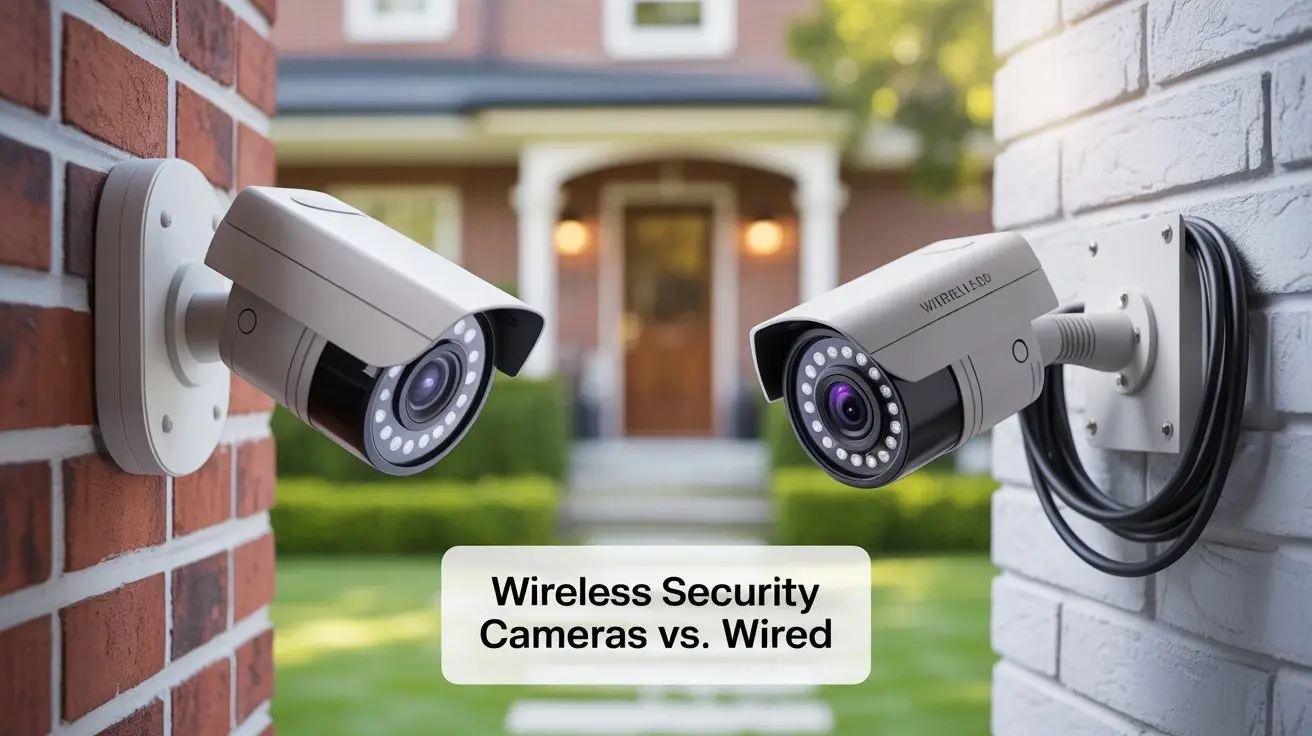
Wired vs. Wireless Security Cameras
This is a fundamental distinction affecting installation and connectivity.
- Wired Cameras: These cameras transmit data and receive power through physical cables (e.g., Ethernet or coaxial). They generally offer more stable and reliable connections, are less susceptible to interference, and often provide higher resolutions. However, installation can be more complex and costly due to the need for running wires.
- Wireless Cameras: These cameras transmit data via Wi-Fi or cellular networks and can be powered by batteries or AC adapters. They offer greater flexibility in placement and easier installation. However, their performance can be affected by Wi-Fi signal strength and potential interference. Battery-powered models require regular charging or replacement.
Dome Cameras
Recognizable by their semi-spherical, discreet housing, dome cameras are popular for their vandal-resistant design and ability to blend into their surroundings. Their dome shape makes it difficult to tell which direction they are pointing, adding to their deterrent effect. They are commonly used in retail environments, offices, and public spaces.
Bullet Cameras
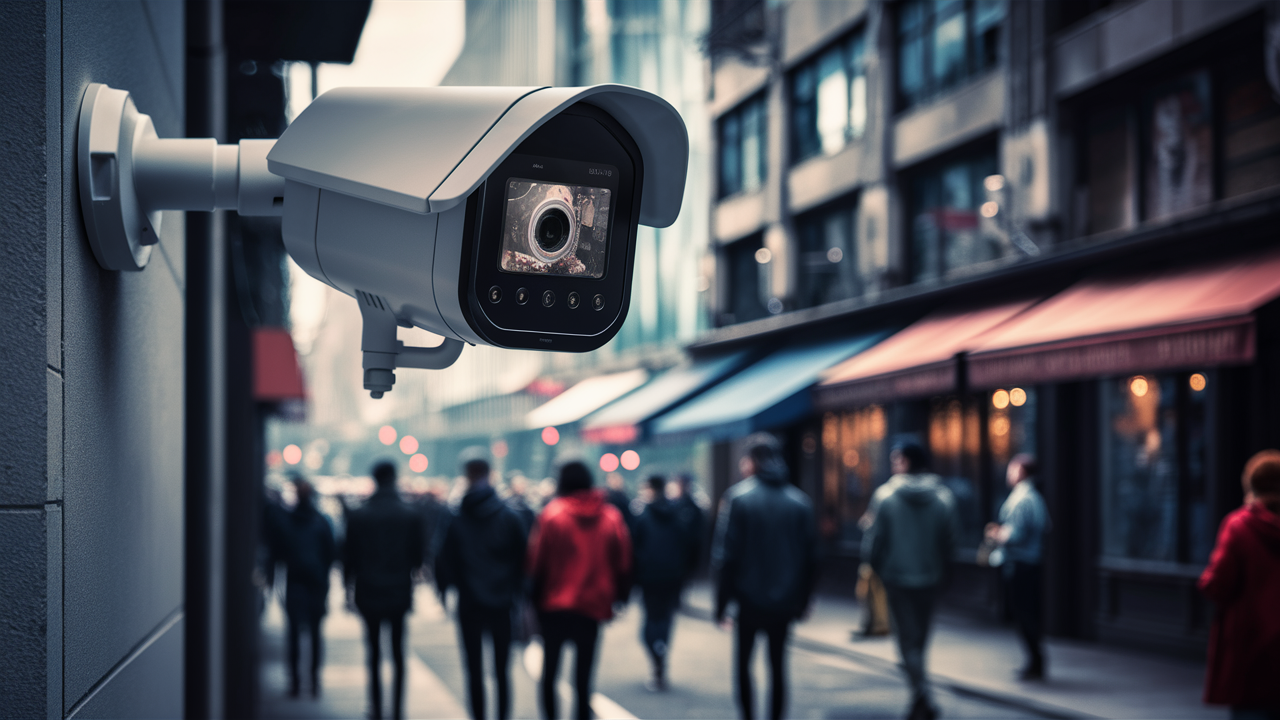
Bullet cameras are elongated and resemble a rifle bullet. They are typically mounted externally and are highly visible, serving as a strong visual deterrent. Their design often allows for easier adjustment of their viewing angle and are robust enough to withstand various weather conditions. They are frequently used for monitoring entryways, perimeters, and specific points of interest.
PTZ (Pan-Tilt-Zoom) Cameras
PTZ cameras offer advanced control, allowing users to remotely pan (horizontally), tilt (vertically), and zoom in on specific areas. This makes them ideal for covering large areas with a single camera or for actively monitoring dynamic situations. They are often used in security control rooms, large outdoor spaces, and traffic monitoring.
Turret Cameras
Also known as eyeball cameras, turret cameras are a hybrid between dome and bullet cameras. They have a distinct lens housing that can be adjusted independently of the base, offering flexibility in aiming. They are often more discreet than bullet cameras but more visible and adjustable than dome cameras, making them a versatile choice for various applications.
Hidden Cameras
Designed to be inconspicuous, hidden cameras are disguised as everyday objects like smoke detectors, clocks, or USB chargers. They are used for covert surveillance where overt cameras might be impractical or undesirable, such as in certain retail security scenarios or for internal monitoring where a discreet presence is needed. Legal considerations regarding privacy are paramount with these devices.
Thermal Cameras
Thermal cameras detect heat signatures rather than visible light. This makes them incredibly effective in complete darkness, fog, smoke, or camouflage. They are crucial for perimeter security, detecting intruders based on body heat, and are also used in industrial applications for monitoring temperature anomalies.
IP Cameras
Internet Protocol (IP) cameras are digital cameras that transmit data over a network connection, typically Ethernet. They offer high-resolution images, advanced features like motion detection and analytics, and can be accessed remotely via the internet. They are the standard for modern surveillance systems, offering superior image quality and flexibility compared to older analog systems.
Analog Cameras
Analog cameras transmit video signals over coaxial cables to a Digital Video Recorder (DVR). While generally less expensive and simpler to set up for basic systems, they typically offer lower resolutions and fewer advanced features compared to IP cameras. They are still found in older installations but are being phased out in favor of IP technology.
AI-Powered Cameras
A significant advancement in 2025-26, AI-powered cameras integrate artificial intelligence to offer intelligent features. These include advanced object detection (people, vehicles, animals), facial recognition, anomaly detection (e.g., loitering), and even predictive analytics. They can significantly reduce false alarms and provide more actionable insights.
Key Features to Consider
Selecting the right security camera involves evaluating several key features that determine its performance and suitability for your specific needs.
Resolution and Image Quality
Resolution dictates the clarity and detail of the captured footage. In 2025-26, common resolutions range from Full HD (1080p) to 4K (2160p) and even higher. Higher resolutions allow for clearer identification of individuals, license plates, and fine details, especially when zooming in. Look for cameras with good pixel density and advanced image processing for sharp, detailed images.
Night Vision
Essential for round-the-clock surveillance, night vision allows cameras to see in low-light or no-light conditions. This is typically achieved through infrared (IR) LEDs that illuminate the scene with invisible light. The range of the IR illumination (measured in feet or meters) and the quality of the image produced in darkness are critical factors.
Field of View (FoV)
The FoV determines how wide an area the camera can capture. A wider FoV means the camera can cover more ground with a single unit, reducing the number of cameras needed. Lens types (wide-angle, telephoto) and sensor size influence the FoV. For large areas, a wide-angle lens is preferred, while a telephoto lens is better for focusing on distant subjects.
Durability and Weatherproofing
For outdoor installations, cameras must be able to withstand environmental factors like rain, dust, extreme temperatures, and potential vandalism. Look for IP ratings (Ingress Protection) for dust and water resistance (e.g., IP66, IP67) and IK ratings for vandal resistance (e.g., IK10).
Storage Options
Recorded footage needs to be stored. Common options include:
- Local Storage: MicroSD cards inserted directly into the camera. Offers convenience but limited capacity.
- Network Video Recorder (NVR) / Digital Video Recorder (DVR): Dedicated hardware devices that store footage from multiple cameras. NVRs are for IP cameras, DVRs for analog. Offer larger storage capacities.
- Cloud Storage: Footage is uploaded and stored on remote servers. Offers accessibility and off-site backup but usually requires a subscription fee.
Motion Detection and Alerts
Most modern cameras feature motion detection, which triggers recording or sends alerts when movement is detected. Advanced systems in 2025-26 offer customizable motion zones, person/vehicle detection, and intelligent alerts to reduce false positives from environmental factors like falling leaves or passing cars.
Audio Capabilities
Some security cameras include built-in microphones for capturing audio. Two-way audio, allowing for real-time communication through the camera, is also a feature found in many modern devices, useful for deterring intruders or communicating with visitors.
Connectivity and Integration
Consider how the camera connects to your network (Wi-Fi, Ethernet, PoE - Power over Ethernet) and its compatibility with other smart home or security systems. Many cameras integrate with mobile apps for remote viewing and control, and some support protocols like ONVIF for broader compatibility with NVRs and VMS (Video Management Systems).
How Security Cameras Work
At their core, security cameras capture light through a lens and convert it into an electrical signal. This signal is then processed and either displayed in real-time or recorded. The process can be broken down into these fundamental steps:
- Image Capture: A lens focuses light onto an image sensor (like a CMOS or CCD sensor). This sensor converts the light into digital data.
- Signal Processing: The digital data is processed to create a video stream. This involves adjusting color, brightness, and contrast.
- Transmission: The video stream is transmitted. For analog cameras, this is via coaxial cable to a DVR. For IP cameras, it's via an Ethernet cable or Wi-Fi to a network, then to an NVR or directly to the cloud.
- Recording/Storage: The video stream is recorded onto a storage medium (SD card, NVR/DVR hard drive, or cloud server).
- Viewing: Footage can be viewed in real-time or played back from storage. Modern systems allow remote viewing via internet-connected devices like smartphones, tablets, or computers.
Advanced features like motion detection involve algorithms that analyze the video stream for changes, while AI-powered cameras utilize complex machine learning models to interpret the visual data for specific object recognition or behavioral analysis.
Applications of Security Cameras
The versatility of security cameras makes them indispensable across a wide spectrum of applications in 2025-26.
Residential Security
Homeowners use security cameras to deter burglars, monitor package deliveries, keep an eye on children and pets, and provide evidence in case of incidents. Smart home integration allows for remote monitoring and alerts directly to smartphones, offering enhanced peace of mind.
Commercial and Business Security
Businesses deploy cameras to prevent shoplifting, employee theft, vandalism, and workplace violence. They also monitor customer traffic, operational efficiency, and ensure compliance with safety regulations. High-resolution cameras and AI analytics are increasingly used for sophisticated threat detection and business intelligence.
Public Safety and Law Enforcement
Municipalities and law enforcement agencies utilize extensive CCTV networks for crime prevention, monitoring public spaces, traffic management, and responding to emergencies. Body-worn cameras are also standard for officers, enhancing transparency and accountability.
Industrial Monitoring
In manufacturing plants, construction sites, and other industrial settings, cameras monitor machinery, ensure worker safety, track production processes, and secure valuable assets. Thermal cameras are particularly useful for detecting overheating equipment or potential fire hazards.
Retail Loss Prevention
Retailers rely heavily on security cameras to reduce shrinkage caused by shoplifting, employee theft, and administrative errors. Advanced analytics can track customer behavior, identify suspicious patterns, and even help optimize store layouts for better security and sales.
Choosing the Right Security Camera System
Selecting the ideal security camera system requires careful consideration of several factors to ensure it meets your specific security objectives and budget.
Assess Your Needs
Begin by identifying what you need to protect and what threats you are concerned about. Are you looking to monitor a small home, a large commercial property, or a specific area like a warehouse? Consider the number of cameras needed, the areas to be covered (indoors, outdoors, low-light areas), and the desired level of detail in the footage.
Consider Your Budget
Security camera systems vary widely in price. Determine a realistic budget, factoring in the cost of cameras, recording devices (NVR/DVR), storage, installation, and any ongoing subscription fees for cloud storage or advanced features. While cheaper options exist, investing in higher quality and more features often provides better long-term security and reliability.
Understand Legalities and Privacy
Be aware of local laws and regulations regarding surveillance, particularly concerning privacy. In many regions, it is illegal to record audio without consent or to point cameras into areas where individuals have a reasonable expectation of privacy (e.g., neighboring properties, private restrooms). Ensure your system complies with all applicable laws.
Installation Options
Decide whether you will install the system yourself or hire a professional. DIY installation is feasible for simpler wireless systems, saving on labor costs. However, complex wired systems or large-scale deployments often benefit from professional installation to ensure proper setup, optimal performance, and secure wiring.
Future Trends in Security Cameras
The security camera landscape is continuously evolving, driven by technological advancements. In 2025-26 and beyond, we can expect to see:
- Enhanced AI and Machine Learning: More sophisticated facial recognition, behavioral analysis, and predictive threat assessment will become commonplace, moving beyond simple motion detection to proactive security.
- 5G Connectivity: Faster and more reliable wireless communication will enable higher resolution streaming and quicker data transfer, especially for remote or mobile applications.
- Edge Computing: More processing will occur directly on the camera (at the "edge") rather than relying solely on central servers, leading to faster response times and reduced bandwidth usage.
- Cybersecurity Focus: As cameras become more connected, robust cybersecurity measures will be paramount to protect against hacking and data breaches.
- Integration with IoT: Seamless integration with other smart devices and platforms will create more comprehensive and automated security ecosystems.
- Advanced Imaging: Innovations in sensor technology will lead to cameras with even better low-light performance, wider dynamic range, and new imaging capabilities like hyperspectral or thermal fusion.
Conclusion: Your Security Camera Guide
In summary, a security camera is an essential tool for safeguarding property, deterring crime, and providing crucial evidence in today's world. From understanding the diverse types available—including advanced IP and AI-powered models—to evaluating critical features like resolution, night vision, and storage, making an informed choice is paramount. Whether for residential peace of mind, commercial asset protection, or public safety initiatives, the right security camera system offers unparalleled benefits. By assessing your unique needs, considering your budget, and staying aware of evolving technologies and legal considerations, you can implement a robust surveillance solution that effectively meets your security objectives in 2025-26 and beyond. Investing in a well-chosen security camera system is not just about surveillance; it's about proactive protection and enhanced safety for what matters most.