What Is Surveillance Camera?
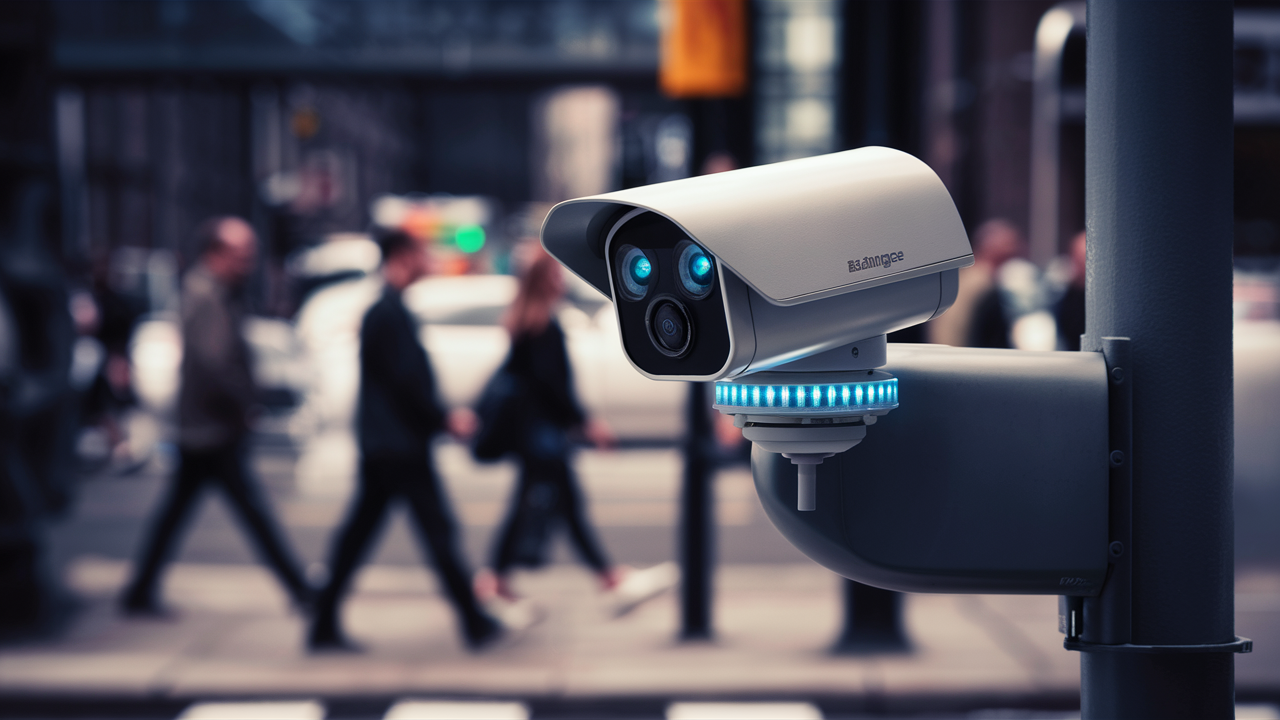
A surveillance camera, often called a CCTV camera, is a digital video camera used for observing or recording activities in a particular area. These devices are crucial for security, monitoring, and evidence gathering, offering peace of mind and deterring potential threats in both residential and commercial settings.
What Exactly Is a Surveillance Camera?
A surveillance camera, also commonly referred to as a CCTV (Closed-Circuit Television) camera, is a specialized video camera designed for monitoring and recording activities within a designated area. Unlike broadcast cameras, surveillance cameras transmit their signals to a limited number of monitors or recording devices, making them ideal for security, observation, and evidence collection. In 2025-26, these devices have become indispensable tools for enhancing safety and security across a vast spectrum of environments, from private homes to bustling public spaces and sophisticated industrial complexes.
The primary function of a surveillance camera is to capture visual information. This information can be live-streamed for real-time monitoring, recorded for later review, or used to trigger alerts based on detected events. The evolution of this technology has led to increasingly sophisticated cameras with advanced features, making them more effective and versatile than ever before. Understanding what a surveillance camera is and how it functions is the first step toward leveraging its benefits for your specific security needs.
How Surveillance Cameras Work
At its core, a surveillance camera operates by capturing light and converting it into an electrical signal. This signal is then processed and transmitted to a recording device or a display monitor. The process can be broken down into several key stages:
- Image Capture: The camera lens focuses light onto an image sensor (typically a CCD or CMOS sensor). This sensor is composed of millions of tiny pixels, each measuring the intensity and color of the light that hits it.
- Signal Conversion: The light captured by the sensor is converted into an analog electrical signal.
- Signal Processing: This analog signal is then digitized and processed. This stage involves enhancing the image, adjusting for brightness and contrast, and encoding the video data into a digital format (e.g., H.264, H.265) for efficient storage and transmission.
- Transmission: The processed digital video data is transmitted. In wired systems, this is done via coaxial cables or Ethernet cables (for IP cameras). In wireless systems, data is transmitted over Wi-Fi or other radio frequencies.
- Recording/Display: The transmitted signal is received by a Digital Video Recorder (DVR) for analog cameras or a Network Video Recorder (NVR) for IP cameras. These devices store the footage on hard drives. Alternatively, the signal can be sent directly to a monitor for live viewing.
Modern surveillance systems, especially those utilizing IP cameras, often integrate with cloud storage and mobile applications, allowing users to view live feeds and recorded footage remotely from any internet-connected device. The sophistication of the image sensor, lens, and processing chip directly impacts the camera's performance, especially in challenging lighting conditions or when capturing fast-moving objects.
Types of Surveillance Cameras
The landscape of surveillance technology is diverse, with numerous camera types designed for specific applications and environments. Understanding these variations is crucial for selecting the most appropriate solution. Here’s a breakdown of common types:
Dome Cameras
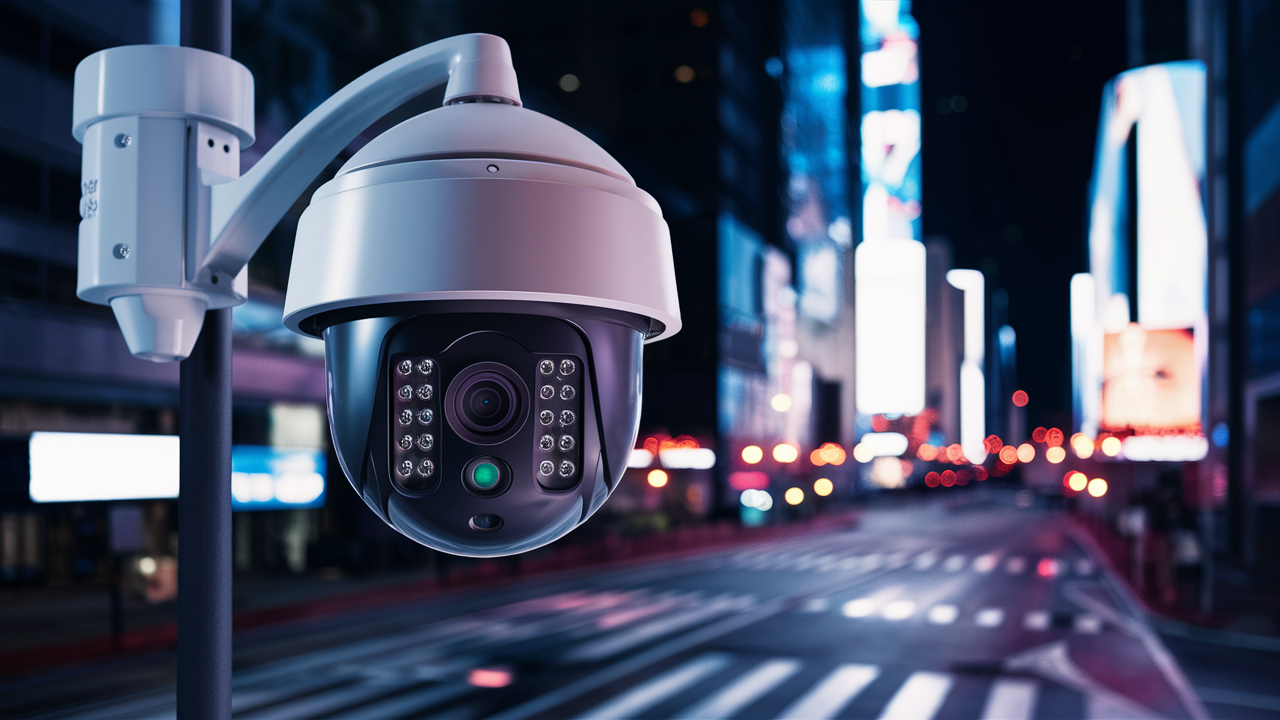
Dome cameras are easily recognizable by their semi-spherical, dome-shaped housing. This design offers several advantages:
- Discreetness: The opaque dome makes it difficult for observers to tell which direction the camera is pointing, adding an element of deterrence.
- Vandal Resistance: Many dome cameras are built with robust, tamper-resistant casings, making them suitable for public or high-risk areas.
- Versatility: They can be mounted on ceilings or walls and are available in both indoor and outdoor versions.
In 2025-26, advancements in dome camera technology include improved low-light performance and wider dynamic range (WDR) capabilities, allowing them to capture clear images in challenging lighting scenarios with both bright and dark areas simultaneously.
Bullet Cameras
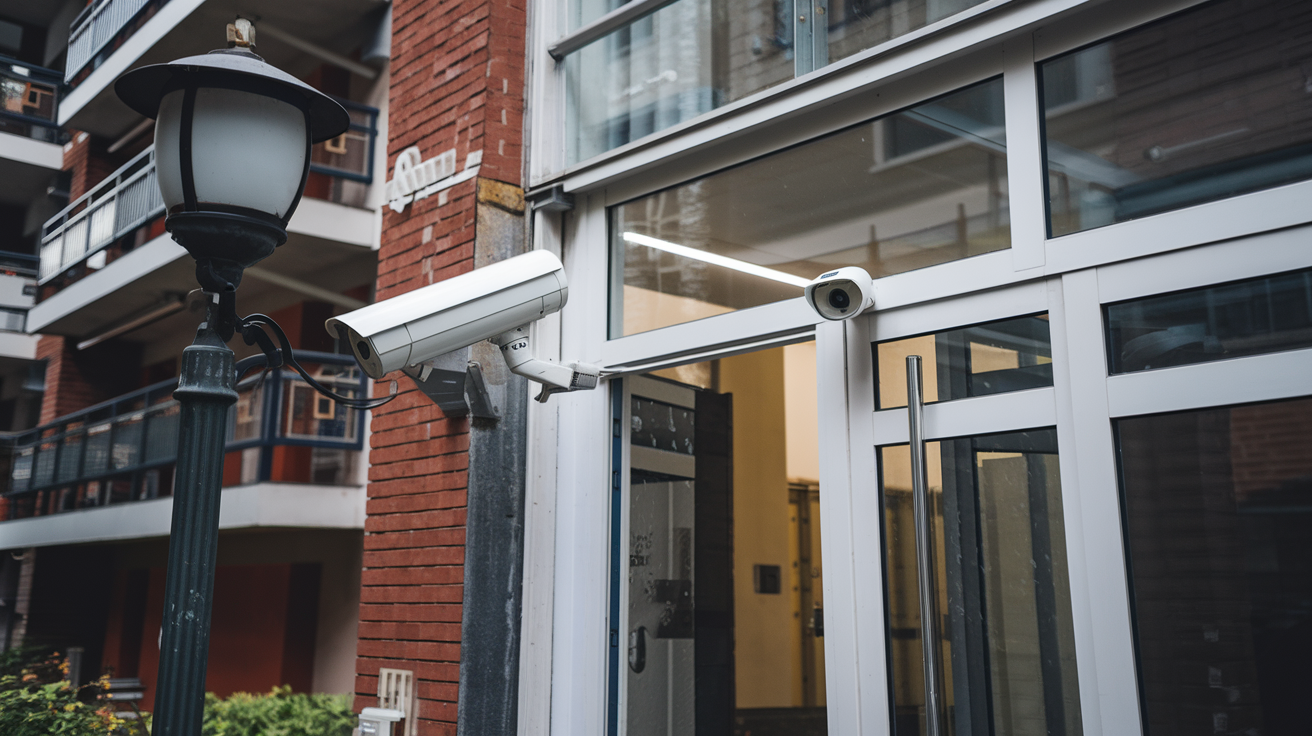
Bullet cameras are cylindrical in shape and typically mounted externally on walls or poles. They are often favored for their:
- Visibility and Deterrence: Their distinct shape and often prominent mounting make them highly visible, acting as a strong deterrent to potential intruders.
- Ease of Installation: They are generally simpler to install and aim compared to some other types.
- Range: Many bullet cameras are designed with longer focal length lenses, allowing them to capture details from a distance.
Outdoor-rated bullet cameras are designed to withstand various weather conditions, featuring IP ratings for water and dust resistance. Models in 2025-26 often boast enhanced infrared (IR) illumination for superior night vision up to significant distances.
Turret Cameras
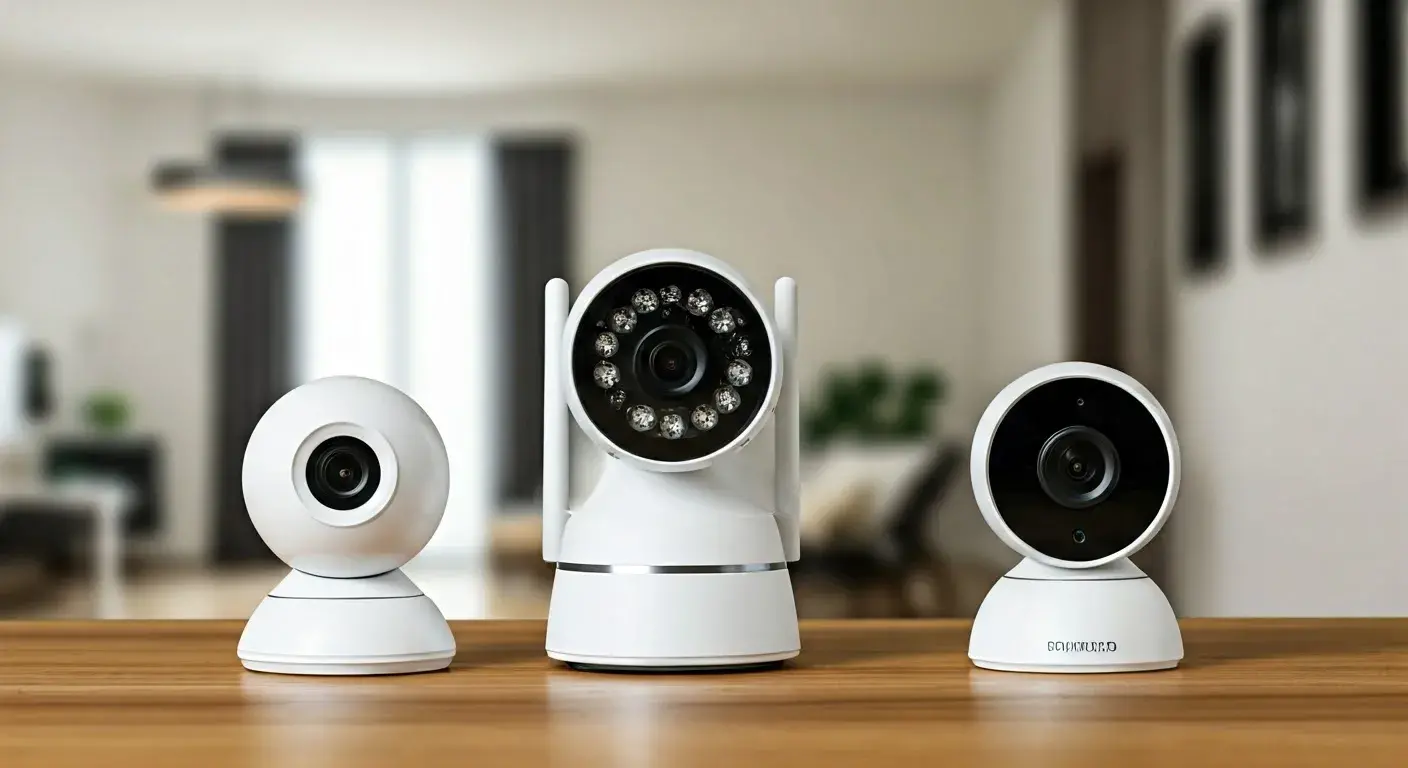
Also known as eyeball cameras, turret cameras are a hybrid between dome and bullet cameras. They feature a spherical camera head mounted on a base, allowing for flexible positioning:
- Adjustable Angle: The camera head can be easily rotated and tilted, offering precise aiming capabilities without needing to reposition the entire camera mount.
- Discreet Design: While more visible than some dome cameras, their design is less obtrusive than traditional bullet cameras.
- Durability: Like bullet cameras, they are often built for outdoor use and come with weatherproofing.
Turret cameras are becoming increasingly popular for their balance of visibility, flexibility, and performance, especially in commercial and retail environments.
PTZ (Pan-Tilt-Zoom) Cameras
PTZ cameras are the most advanced type, offering remote-controlled movement and magnification:
- Wide Area Coverage: They can pan horizontally (180-360 degrees), tilt vertically, and zoom in on specific details, covering a much larger area than fixed cameras.
- Automated Tracking: Many PTZ cameras can be programmed with "guard tours" to automatically patrol an area or track moving objects.
- High Detail Capture: The powerful zoom capabilities allow for identification of individuals or objects at great distances.
PTZ cameras are essential for large open areas, critical infrastructure monitoring, and situations where detailed observation of specific events is required. In 2025-26, AI-powered PTZ cameras can automatically detect and follow subjects of interest with remarkable accuracy.
Fisheye Cameras
Fisheye cameras utilize an ultra-wide-angle lens to capture a nearly 360-degree panoramic view:
- Comprehensive Overview: A single fisheye camera can replace multiple standard cameras, providing a complete situational awareness of a large space like a retail floor, warehouse, or lobby.
- De-warping Technology: Advanced software can "de-warp" the fisheye image, presenting it in a more conventional, rectilinear format or as multiple individual views.
These are ideal for situations where blind spots must be eliminated and a broad overview is paramount.
Bulletproof Cameras
Designed for high-security environments, bulletproof cameras are encased in extremely durable housings, often made of hardened steel or ballistic-resistant materials:
- Extreme Durability: They are engineered to withstand physical attacks, vandalism, and even ballistic impacts.
- High-Risk Locations: Commonly used in correctional facilities, banks, government buildings, and other locations where the risk of damage or tampering is exceptionally high.
While the camera inside is standard, the housing provides an unparalleled level of protection.
Thermal Cameras
Thermal cameras detect infrared radiation (heat) emitted by objects, rather than visible light:
- Night Vision: They provide clear imaging in complete darkness, fog, smoke, or dust, as they don't rely on ambient light.
- Intrusion Detection: They can detect the heat signature of a person or animal, making them effective for perimeter security and detecting hidden individuals.
- Non-Intrusive: They can see through camouflage or foliage to some extent.
Thermal imaging is a specialized technology often employed in critical infrastructure protection, border security, and search and rescue operations.
Wireless vs. Wired Cameras
The distinction between wireless and wired cameras primarily relates to how they transmit data and power:
- Wired Cameras:
- Pros: Generally offer more stable and secure connections, higher reliability, and consistent power supply (often via PoE - Power over Ethernet).
- Cons: Require physical cabling, which can be complex and costly to install, especially in existing structures.
- Wireless Cameras:
- Pros: Easier and quicker to install, more flexible placement options, less invasive to existing infrastructure.
- Cons: Can be susceptible to signal interference, may require battery changes or dedicated power adapters, and potentially less secure if not properly configured.
In 2025-26, the lines are blurring with advanced wireless technologies offering improved stability and encrypted transmission, while Power over Ethernet (PoE) continues to be the standard for reliable wired IP camera installations.
Key Features to Consider in 2025-26
Selecting the right surveillance camera involves evaluating several technical specifications and features that have evolved significantly. Here are the most critical factors to consider for systems deployed in 2025-26:
Resolution and Image Quality
Resolution determines the clarity and detail of the captured image. Higher resolution means more pixels, resulting in sharper images and the ability to zoom in digitally without significant loss of detail.
- Common Resolutions:
- 1080p (Full HD): 1920x1080 pixels. A good standard for general surveillance.
- 2K (1440p): 2560x1440 pixels. Offers a noticeable improvement in detail over 1080p.
- 4K (Ultra HD): 3840x2160 pixels. Provides exceptional detail, allowing for identification of faces or license plates from further away.
- Frame Rate (FPS): The number of frames captured per second. Higher frame rates (e.g., 30 FPS) provide smoother video, crucial for capturing fast-moving events.
- Dynamic Range (WDR/HDR): Wide Dynamic Range (WDR) or High Dynamic Range (HDR) technology allows the camera to capture clear images in scenes with extreme contrast, such as a bright window next to a dark corner. This is vital for consistent image quality throughout the day.
For 2025-26, 4K resolution is becoming more mainstream for high-end applications, while 2K offers a strong balance of detail and storage efficiency for many users.
Night Vision and Low-Light Performance
The ability to see in darkness or low-light conditions is paramount for 24/7 surveillance.
- Infrared (IR) Illumination: Most cameras use built-in IR LEDs that emit invisible light, illuminating the scene for the camera sensor. The range of IR illumination (e.g., 30 meters, 50 meters) is a key specification.
- Starlight/Darkfighter Technology: Advanced sensors and image processing allow some cameras to capture color images even in extremely low light conditions, providing more detail than black-and-white IR footage.
- Low Lux Rating: A lower lux rating indicates better performance in low light. For example, a camera with a 0.001 lux rating will perform better than one with 0.1 lux.
In 2025-26, cameras with enhanced starlight capabilities and intelligent IR that adjusts its intensity based on the scene are leading the market.
Field of View (FOV)
The FOV determines how wide an area the camera can see. It's typically measured in degrees.
- Wide FOV (e.g., 100-180 degrees): Ideal for covering large areas with fewer cameras, such as open spaces, parking lots, or large rooms. Fisheye cameras offer the widest FOV.
- Narrow FOV (e.g., 30-60 degrees): Useful for focusing on specific points of interest, like doorways, entrances, or cash registers, where identifying details is critical.
Choosing the correct FOV prevents blind spots and ensures optimal coverage for the intended surveillance area.
Durability and Weatherproofing
For outdoor installations, cameras must withstand environmental factors.
- IP Rating: Ingress Protection (IP) ratings indicate a device's resistance to dust and water. Common ratings for outdoor cameras include IP66 and IP67, signifying protection against heavy rain and dust ingress.
- Operating Temperature: Ensure the camera can operate reliably within the expected temperature range of its installation location.
- Vandal Resistance: For exposed areas, cameras with IK ratings (e.g., IK10) are designed to resist physical impacts.
In 2025-26, robust construction and high IP ratings are standard for reputable outdoor surveillance cameras.
Storage Options
How and where video footage is stored is a critical consideration.
- Local Storage (SD Card): Some cameras have built-in microSD card slots for direct recording, useful for standalone cameras or as a backup.
- Network Video Recorder (NVR) / Digital Video Recorder (DVR): These dedicated devices store footage from multiple cameras on hard drives. NVRs are for IP cameras, while DVRs are for analog cameras.
- Cloud Storage: Many modern systems offer cloud-based storage, providing remote access to footage and off-site backup, protecting against local hardware failure or theft.
Storage capacity, recording duration, and data retention policies are important factors. In 2025-26, hybrid approaches combining local and cloud storage are becoming increasingly popular for redundancy and accessibility.
Connectivity and Remote Access
The ability to monitor your cameras from anywhere is a key benefit of modern surveillance.
- IP Cameras: Connect to your network via Ethernet (wired) or Wi-Fi (wireless), allowing for remote access through dedicated apps or web interfaces.
- Mobile Apps: Most manufacturers provide mobile applications for iOS and Android devices, enabling live viewing, playback, and receiving alerts on the go.
- Remote Viewing: This feature allows authorized users to access camera feeds and recordings from any internet-connected device, regardless of their physical location.
Secure and reliable remote access is a standard expectation for surveillance systems in 2025-26.
Advanced Features: AI and Analytics
Artificial Intelligence (AI) and advanced analytics are transforming surveillance capabilities.
- Motion Detection: Basic feature that triggers recording or alerts when movement is detected.
- Person/Vehicle Detection: AI-powered systems can differentiate between people, vehicles, and other moving objects, reducing false alarms from pets or swaying trees.
- Facial Recognition: Identifies known individuals or flags unknown faces.
- License Plate Recognition (LPR): Automatically reads and records license plate information.
- Intrusion Detection/Line Crossing: Alerts when an object or person crosses a predefined virtual boundary.
- Heatmaps: Visualize areas of high activity within a monitored space.
These intelligent features in 2025-26 enhance efficiency, provide deeper insights, and enable proactive security responses, moving surveillance from passive recording to active threat detection.
Applications of Surveillance Cameras
Surveillance cameras are incredibly versatile and find applications across numerous sectors, enhancing security, operational efficiency, and data collection. Here are some primary use cases:
Home Security
For homeowners, surveillance cameras provide an essential layer of security and peace of mind:
- Deterrence: Visible cameras can deter burglars and vandals.
- Monitoring: Keep an eye on children, pets, deliveries, or visitors when you're away.
- Evidence: Provide crucial evidence in case of a break-in or other incidents.
- Remote Monitoring: Check on your property in real-time via smartphone apps.
In 2025-26, smart home integration with features like two-way audio and AI-powered alerts makes home surveillance systems more user-friendly and effective than ever.
Business and Commercial Monitoring
Businesses of all sizes rely heavily on surveillance for various reasons:
- Asset Protection: Monitor inventory, equipment, and sensitive areas to prevent theft and loss.
- Employee Monitoring: Ensure productivity, safety, and adherence to company policies.
- Customer Service: Observe customer interactions to improve service and resolve disputes.
- Liability Prevention: Record incidents that could lead to legal claims, such as slip-and-fall accidents.
- Operational Efficiency: Analyze foot traffic, optimize store layouts, and monitor production lines.
Retail stores, offices, warehouses, and restaurants all benefit significantly from comprehensive surveillance solutions.
Public Safety
Municipalities and law enforcement agencies utilize surveillance cameras extensively for public safety:
- Crime Prevention and Investigation: Deter criminal activity in public spaces and provide critical evidence for investigations.
- Crowd Management: Monitor large gatherings, such as concerts or sporting events, to ensure safety and manage crowds effectively.
- Emergency Response: Provide real-time situational awareness during emergencies, allowing for faster and more coordinated responses from first responders.
- Traffic Monitoring: Observe traffic flow and identify potential hazards or congestion points.
Cities are increasingly deploying networked camera systems with advanced analytics to create safer urban environments.
Traffic Management
Surveillance cameras play a vital role in modern traffic control and management systems:
- Monitoring Traffic Flow: Observe congestion, identify accidents, and manage traffic signals to optimize flow.
- Enforcement: Some cameras are integrated with systems for enforcing traffic laws, such as speed limits or red-light violations.
- Incident Detection: Quickly identify and respond to traffic incidents, reducing secondary accidents and delays.
- Parking Management: Monitor parking availability and enforce parking regulations.
Data from traffic cameras helps urban planners make informed decisions about infrastructure development and traffic policy.
Industrial and Process Monitoring
In industrial settings, surveillance cameras are used for safety and operational oversight:
- Worker Safety: Monitor hazardous environments, ensure compliance with safety protocols, and detect accidents in real-time.
- Process Monitoring: Observe manufacturing processes, quality control points, and machinery operations to ensure efficiency and identify issues.
- Remote Operations: Allow engineers and managers to monitor operations remotely, especially in hard-to-reach or dangerous locations.
- Security of Facilities: Protect valuable equipment and sensitive materials from theft or sabotage.
From manufacturing plants to power generation facilities, industrial surveillance is crucial for maintaining safety and productivity.
Legal and Ethical Considerations
The deployment of surveillance cameras, while beneficial, comes with significant legal and ethical responsibilities. It's crucial to be aware of these aspects to ensure compliance and maintain public trust.
- Privacy Laws: Regulations vary by jurisdiction regarding where cameras can be placed and how footage can be used. Generally, there is an expectation of privacy in areas like restrooms, changing rooms, or private residences.
- Notification and Signage: In many areas, it is legally required to inform individuals that they are being recorded through visible signage.
- Data Security: Protecting stored footage from unauthorized access is paramount. This includes secure storage solutions and robust cybersecurity measures for network-connected cameras.
- Consent and Usage: Obtain necessary consent for recording employees or customers, and ensure footage is used only for legitimate security and operational purposes. Avoid indiscriminate or intrusive surveillance.
- Data Retention Policies: Establish clear policies on how long footage is stored and when it is securely deleted to comply with privacy regulations.
In 2025-26, with the rise of AI and facial recognition, ethical considerations around data bias, consent, and the potential for misuse are becoming even more prominent. Always consult with legal counsel to ensure your surveillance practices are compliant with local and national laws.
Choosing the Right Surveillance Camera System
Selecting the ideal surveillance camera system requires a strategic approach, considering your specific needs, budget, and technical capabilities. Here’s a step-by-step guide:
Assessing Your Needs
Before purchasing any equipment, thoroughly evaluate what you need to monitor:
- Area to Cover: Identify the specific locations that require surveillance. Are they indoor or outdoor? What is the size and layout?
- Key Points of Interest: Determine critical areas like entrances, exits, cash registers, parking lots, or vulnerable perimeters.
- Required Detail: Do you need to identify faces and license plates (requiring high resolution) or simply detect presence (lower resolution might suffice)?
- Lighting Conditions: Assess the typical lighting at different times of day and night. This will dictate the need for night vision capabilities.
- Environmental Factors: Consider weather conditions, potential for vandalism, and temperature extremes for outdoor installations.
- Integration Needs: Do you need the system to integrate with existing alarm systems, access control, or smart home devices?
A detailed assessment will prevent overspending on unnecessary features and ensure you don't overlook critical requirements.
Budget Considerations
Surveillance systems range widely in price. Establish a realistic budget that accounts for:
- Camera Costs: The price of individual cameras varies significantly based on features, resolution, and brand.
- Recording Device: NVRs, DVRs, or cloud storage subscriptions.
- Cabling and Installation: Professional installation can add significant costs, especially for complex wired systems.
- Storage Capacity: Larger hard drives or cloud storage plans cost more.
- Maintenance and Software: Ongoing costs for software updates, cloud subscriptions, or system maintenance.
It's often advisable to invest in quality equipment that offers reliability and longevity, rather than opting for the cheapest solution that may fail prematurely or lack essential features.
Installation and Maintenance
Consider how the system will be installed and maintained:
- DIY vs. Professional Installation: Simple wireless camera setups can often be installed by the user. However, complex wired systems, especially those requiring extensive cabling or integration, are best left to professional installers.
- System Complexity: IP camera systems, while offering more features, can be more complex to set up than traditional analog systems.
- Ongoing Maintenance: Regular checks of camera functionality, cleaning lenses, ensuring storage is adequate, and updating firmware are necessary for optimal performance.
- Technical Support: Choose manufacturers and installers who offer reliable technical support.
A well-planned installation and a commitment to regular maintenance will ensure your surveillance system remains effective over time.
The Future of Surveillance Technology
The trajectory of surveillance technology points towards even greater integration, intelligence, and autonomy. By 2025-26 and beyond, we can anticipate several key advancements:
- Ubiquitous AI Integration: AI will move beyond simple detection to predictive analytics, identifying potential threats before they occur and offering more sophisticated behavioral analysis.
- Enhanced Cybersecurity: As systems become more connected, robust cybersecurity measures will be paramount to protect against breaches and ensure data integrity.
- Edge Computing: More processing will occur directly on the camera (at the "edge"), reducing reliance on central servers, lowering latency, and improving efficiency.
- Advanced Sensor Technology: Development of new sensors capable of capturing richer data, such as improved thermal imaging, hyperspectral imaging, and biometric data.
- Seamless Integration: Surveillance systems will become even more deeply integrated with other smart city infrastructure, IoT devices, and AI platforms for comprehensive situational awareness.
- Privacy-Preserving Technologies: As concerns about privacy grow, expect advancements in anonymization techniques and federated learning that allow AI to train without directly accessing sensitive raw data.
The evolution of surveillance cameras is not just about capturing images; it's about transforming raw data into actionable intelligence that enhances safety, security, and operational efficiency in increasingly sophisticated ways.
In conclusion, a surveillance camera is a vital tool for security and monitoring, evolving rapidly with technological advancements. From basic deterrence to sophisticated AI-driven analytics, these devices offer unparalleled insights and protection for homes, businesses, and public spaces. Understanding the diverse types, key features, and applications, while also respecting legal and ethical boundaries, is essential for deploying an effective surveillance strategy in 2025-26 and beyond. By carefully assessing your needs and budget, you can select a system that provides the robust security and peace of mind you require.