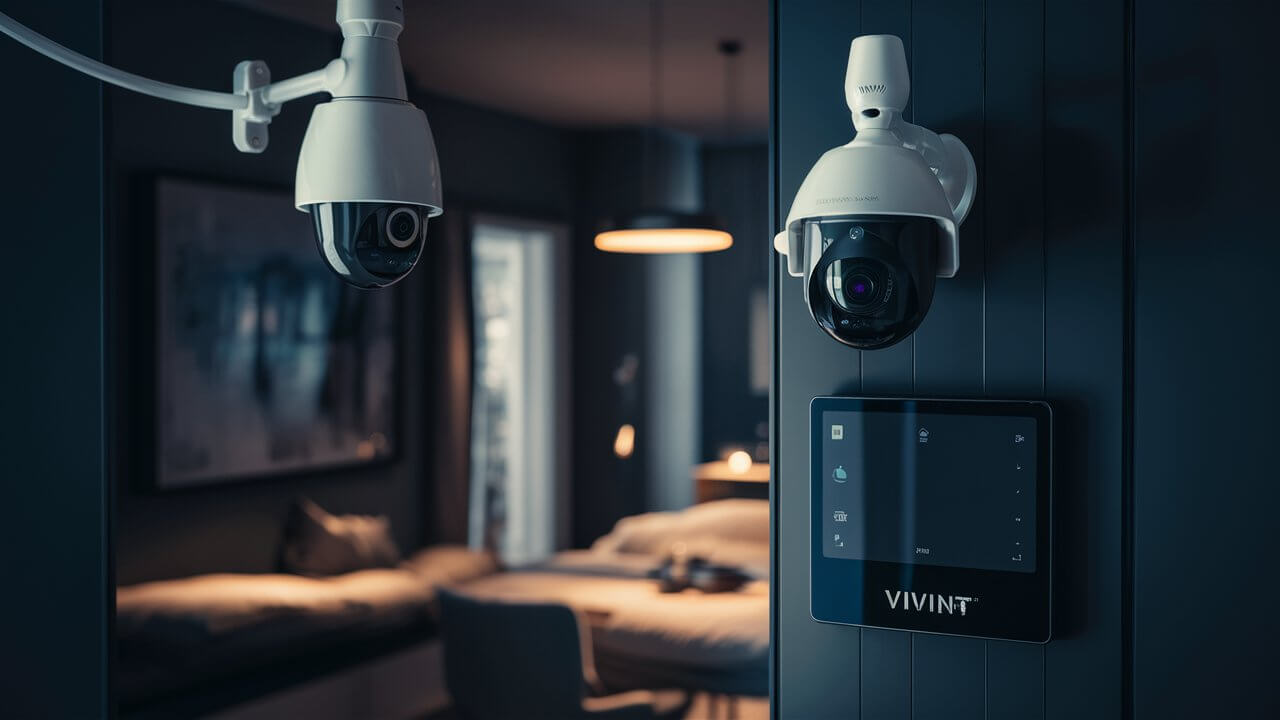
Understanding the average cost of Vivint is crucial for homeowners seeking robust security and smart home integration. This guide breaks down the typical expenses involved, from equipment packages to monthly monitoring fees, empowering you to make an informed decision for your peace of mind.
Understanding Vivint's Cost Structure
Vivint positions itself as a premium provider in the home security and smart home market. Unlike many competitors that offer a plethora of DIY-friendly, a la carte options, Vivint primarily operates on a model that combines professional installation, advanced equipment, and comprehensive monitoring services. This integrated approach means that when you inquire about the "average cost of Vivint," you're not just looking at a single piece of hardware; you're considering a holistic system. The total cost is typically broken down into three main components: the upfront cost of the equipment, the installation fee (often bundled or financed), and the ongoing monthly monitoring and service fees. Understanding each of these elements is critical to accurately estimating your personal investment. Vivint's pricing is designed to reflect the quality of their hardware, the sophistication of their smart home features, and the reliability of their 24/7 professional monitoring. In 2025-2026, this model continues to be the cornerstone of their service offering, aiming to provide a seamless and secure experience for homeowners.
Vivint Equipment Costs: What to Expect
The core of any Vivint system lies in its equipment, and this is often the largest upfront cost. Vivint offers a range of packages, from basic security setups to comprehensive smart home integrations. The price of these packages can vary significantly based on the number and type of devices included. For instance, a starter kit might include a smart hub, a couple of door/window sensors, and a motion detector. However, many homeowners opt for more extensive setups that incorporate indoor and outdoor cameras, smart locks, video doorbells, smart thermostats, and additional environmental sensors like smoke or carbon monoxide detectors. Vivint's equipment is generally considered high-quality and feature-rich, which contributes to its pricing. While they don't typically sell equipment outright in the traditional sense, the cost is usually financed over a contract period, often 4 to 5 years. This means the "equipment cost" is effectively spread out and included in your monthly bill.
Common Vivint Equipment Options and Their Estimated Costs (2025-2026)
It's important to note that these are estimates, and actual pricing can fluctuate based on promotions, package customizations, and specific device models. Vivint's pricing strategy often involves bundling equipment into tiered packages, making it somewhat challenging to isolate the exact cost of each individual component without a personalized quote.
| Equipment Type | Description | Estimated Upfront/Financed Cost (per item, averaged over contract) |
|---|---|---|
| Smart Hub (Panel) | Central control unit for the system. | $15 - $30/month (financed) |
| Door/Window Sensors | Detects opening and closing of entry points. | $5 - $10/month (per sensor, financed) |
| Motion Detector | Detects movement within a room. | $7 - $12/month (per sensor, financed) |
| Video Doorbell Camera | See and speak to visitors remotely. | $10 - $18/month (financed) |
| Indoor Camera | Monitor activity inside your home. | $12 - $20/month (financed) |
| Outdoor Camera | Deter intruders and monitor exterior. | $15 - $25/month (financed) |
| Smart Lock | Keyless entry and remote access control. | $8 - $15/month (financed) |
| Smart Thermostat | Automate home climate control. | $10 - $18/month (financed) |
| Smoke/CO Detector | Early detection of fire and carbon monoxide. | $7 - $12/month (per sensor, financed) |
| Glass Break Sensor | Detects the sound of breaking glass. | $6 - $10/month (per sensor, financed) |
A typical starter package, often referred to as the "Vivint Smart Home Security" package, might include the Smart Hub, two door/window sensors, and one motion detector. If financed over 42 months, this could translate to roughly $30-$50 per month for the equipment alone. Expanding this with a video doorbell and an outdoor camera could easily add another $25-$45 per month to the equipment financing cost. Therefore, the equipment component of your monthly bill can range from approximately $30 for a very basic setup to well over $100 for a fully loaded smart home system. It's crucial to discuss your specific needs with a Vivint representative to get an accurate quote for the equipment that best suits your home and budget. Remember, these financed costs are in addition to the monthly monitoring fees.
Monthly Monitoring and Service Fees
The monthly monitoring fee is the recurring cost that covers Vivint's 24/7 professional monitoring services. This is where Vivint truly distinguishes itself. When an alarm is triggered, trained professionals at Vivint's monitoring centers assess the situation and dispatch emergency services (police, fire department, or medical personnel) if necessary. This professional oversight is a significant value proposition for many homeowners, offering a level of security that DIY systems often cannot match. In 2025-2026, Vivint's standard monitoring plans typically start around $29.99 per month. This base plan usually includes professional monitoring for alarms and basic customer support.
Vivint's Service Tiers and What They Cover
Vivint often offers different tiers of service that bundle various features, including video storage, smart home capabilities, and advanced support. These tiers directly impact the monthly cost.
- Vivint Security: This is the most basic plan, focusing on core security features like intrusion detection, professional monitoring, and mobile app access for basic alerts. It typically costs around $29.99/month.
- Vivint Smart Home: This tier adds more advanced smart home features, often including integration with smart locks, thermostats, and lighting. It also usually includes more robust mobile app functionality and potentially some basic video monitoring features. This plan typically ranges from $39.99 to $49.99/month.
- Vivint Smart Home Video: This is the most comprehensive package, designed for users who want extensive video surveillance capabilities. It includes all the features of the Smart Home plan, plus advanced video storage (e.g., cloud storage for camera footage), multi-camera support, and often enhanced analytics. This plan typically costs between $59.99 and $69.99/month.
It's important to note that these figures are estimates for 2025-2026. The exact pricing can depend on the number of cameras you have connected for video monitoring. For instance, the "Smart Home Video" plan might cover up to 4 cameras, with additional charges for more. Some plans may also include benefits like extended warranties or priority customer support. When discussing your needs, be sure to clarify what is included in each tier and how your specific setup (e.g., number of cameras) will affect the monthly price. The choice of monitoring plan is a significant factor in the overall average cost of Vivint, directly impacting your recurring expenses for years to come.
Installation Costs: Professional vs. DIY
One of the defining characteristics of Vivint's service model is its commitment to professional installation. Unlike many DIY security systems where the customer is expected to set up all the hardware themselves, Vivint sends a trained technician to your home to install and configure the entire system. This ensures that all components are properly placed, connected, and functioning optimally. In 2025-2026, Vivint typically charges an installation fee, though this can sometimes be waived or heavily discounted through promotional offers. The standard installation fee can range from $199 to $399, depending on the complexity of the system and any ongoing promotions. However, Vivint often bundles this installation fee into the financing of the equipment, meaning it's not always an immediate out-of-pocket expense. Instead, it's amortized over the equipment financing period, effectively increasing your monthly equipment payment slightly.
The Value of Professional Installation
While a DIY installation might seem appealing from a cost-saving perspective, Vivint's professional installation offers several advantages:
- Expert Setup: Technicians are trained to optimize sensor placement for maximum effectiveness and minimize false alarms.
- System Integration: They ensure all components, including smart home devices, are seamlessly integrated and communicating.
- Personalized Walkthrough: You receive a thorough explanation of how to use your system, including the mobile app and any smart home features.
- Troubleshooting: Any initial issues are identified and resolved on the spot, saving you time and frustration.
- Warranty Activation: Professional installation often ensures that your equipment warranty is properly activated.
For homeowners who prefer a hands-off approach or are less comfortable with technology, the professional installation fee is a worthwhile investment. It guarantees that your system is set up correctly from day one, contributing to its overall reliability and performance. It's also worth noting that Vivint's contracts typically require professional installation; they do not generally support or endorse full DIY setups for their core security systems. This commitment to professional service is a key differentiator and a significant part of the Vivint experience.
Key Factors Influencing Your Total Vivint Investment
The "average cost of Vivint" is not a static figure. Several variables can significantly impact the total amount you spend on their services. Understanding these factors is crucial for accurately budgeting and making informed decisions. Vivint's pricing is highly customizable, allowing homeowners to tailor their security and smart home experience to their specific needs and financial comfort levels. The primary drivers of cost are the amount and type of equipment selected, the chosen monthly monitoring plan, and the duration of the contract. Additionally, any promotional offers or discounts available at the time of purchase can play a substantial role in reducing the overall expense.
Equipment Selection: The Foundation of Your Cost
As previously discussed, the number and type of security devices and smart home components you choose will directly influence the financed portion of your monthly bill. A basic setup with a few sensors will naturally be less expensive than a comprehensive system including multiple cameras, smart locks, and environmental sensors. Vivint offers a wide array of add-on devices, each with its own financed cost. For example, adding an advanced outdoor camera with night vision capabilities will increase your monthly equipment payment more than adding a simple door/window sensor. Homeowners should carefully assess their security needs and desired smart home functionalities to select the most appropriate equipment without overspending.
Smart Home Features and Their Cost Implications
Vivint's strength lies in its integrated smart home capabilities. Features like smart locks, smart thermostats, and smart lighting can enhance convenience and energy efficiency but also add to the overall cost. The more smart home devices you integrate into your Vivint system, the higher your monthly equipment financing payments will be. For instance, integrating a smart thermostat to control your home's temperature remotely, or smart locks to grant temporary access to guests, adds to the financed cost of the system. These features, while valuable, are optional and should be considered based on your personal preferences and budget. The "Vivint Smart Home" and "Vivint Smart Home Video" plans are specifically designed to accommodate these advanced features, and their pricing reflects this.
Monitoring Plan Tiers and Contract Length
The monthly monitoring fee is a significant recurring expense. As outlined earlier, Vivint offers tiered service plans (Security, Smart Home, Smart Home Video), with prices ranging from approximately $29.99 to $69.99 per month in 2025-2026. The choice between these plans depends on the level of service and features required, particularly concerning video storage and smart home integration. Furthermore, Vivint typically requires customers to sign a contract, most commonly for 42 or 60 months. While longer contracts might sometimes offer slightly lower monthly payments for equipment, they also lock you into the service for an extended period. Shorter contracts might have higher monthly equipment costs but offer more flexibility. The length of the contract directly impacts the total amount paid over the life of the agreement.
Promotional Offers and Discounts
Vivint frequently runs promotional offers designed to attract new customers. These can include:
- Waived or reduced installation fees.
- Discounts on specific equipment packages.
- Free additional sensors or devices with a qualifying package.
- Reduced monthly monitoring rates for a limited time.
It is highly recommended to inquire about any current promotions when getting a quote. These offers can significantly reduce the upfront and ongoing costs, making Vivint a more accessible option. For example, a promotion that waives the $199-$399 installation fee can represent a substantial saving. Similarly, a discount on the monthly monitoring fee for the first year can lower your overall expenditure during the initial period of your contract. Always ask for a detailed breakdown of costs and any applicable discounts.
Putting It All Together: The Average Vivint Cost in 2025-2026
Calculating the precise average cost of Vivint requires combining the financed equipment costs, the monthly monitoring fees, and considering the contract duration. Based on industry analysis and current pricing trends for 2025-2026, we can establish a realistic range for homeowners. It's important to reiterate that these are averages and individual costs will vary based on specific package choices and ongoing promotions.
Estimating Monthly Expenses
For a typical Vivint system, which might include the Smart Hub, two door/window sensors, one motion detector, and a video doorbell, financed over 42 months, the monthly equipment cost could range from $40 to $70. This is an estimate of the financed equipment portion only.
Adding a standard monthly monitoring plan, such as the "Vivint Security" plan at approximately $29.99/month, brings the base monthly cost to around $69.99 to $99.99.
If a homeowner opts for a more comprehensive "Vivint Smart Home Video" package, including multiple cameras, smart locks, and other smart home devices, the financed equipment costs could rise to $70 to $120+ per month. Combined with the highest tier monitoring plan (e.g., $69.99/month), the total monthly expense could range from $139.99 to $190+ per month.
Total Cost Over a 42-Month Contract
To understand the total investment, we can project these monthly costs over a common 42-month contract period:
- Basic System (Low End): A basic setup with a $70/month total cost over 42 months would result in a total investment of approximately $2,940.
- Mid-Range System: A system with a few more sensors and a video doorbell, totaling around $100/month over 42 months, would come to about $4,200.
- Comprehensive System (High End): A fully equipped smart home system with multiple cameras and advanced features, costing $170/month over 42 months, could reach a total investment of approximately $7,140.
These figures do not typically include any upfront installation fees if they are not waived by a promotion. If an installation fee of $200-$400 is applied and not financed, it would be an additional upfront cost. However, as mentioned, Vivint often rolls this into the monthly financing, so it's less of a separate charge and more of an increase in the monthly equipment payment spread over the contract term.
Average Monthly Cost Range
Considering all these factors, the average monthly cost for a Vivint system in 2025-2026 generally falls between $60 and $170 per month. This broad range reflects the vast customization options available. Homeowners seeking only basic security will be at the lower end, while those investing in a fully integrated smart home with extensive video surveillance will be at the higher end. It is essential to obtain a personalized quote from Vivint to understand the exact costs associated with your specific needs and desired system configuration.
Vivint Cost Comparison: How It Stacks Up
When evaluating the "average cost of Vivint," it's essential to compare it against other leading home security and smart home providers. Vivint generally positions itself as a premium service, which often translates to a higher initial and ongoing cost compared to purely DIY systems. However, this higher price point is justified by its integrated, professionally installed, and monitored approach, coupled with high-quality equipment and advanced smart home features.
Vivint vs. DIY Systems (e.g., SimpliSafe, Ring Alarm)
DIY systems like SimpliSafe and Ring Alarm typically offer a lower upfront cost for equipment and no mandatory monthly monitoring fees, though optional professional monitoring plans are available for a significantly lower price than Vivint's (often $15-$25 per month). These systems are designed for self-installation, which eliminates installation fees entirely. For example, a starter kit from SimpliSafe might cost $200-$300 upfront, with optional professional monitoring for around $15-$25 per month. Ring Alarm offers similar pricing structures. The key difference lies in the service model: Vivint provides a fully managed, professionally installed, and monitored solution, while DIY systems empower the user to manage installation and monitoring themselves, with professional oversight as an optional add-on. Therefore, while the monthly cost for basic monitoring might be lower with DIY options, the overall value proposition and feature set of Vivint are often more comprehensive.
Vivint vs. Other Professionally Installed Systems (e.g., ADT)
ADT is perhaps Vivint's most direct competitor in the professionally installed and monitored security space. ADT also offers a range of equipment and monitoring plans, with pricing that can be comparable to Vivint. Historically, ADT has also required long-term contracts and professional installation. The cost comparison between Vivint and ADT often comes down to specific package deals, equipment quality, and the user experience offered by their respective mobile apps and smart home integrations. In 2025-2026, both companies continue to evolve their offerings. Vivint often emphasizes its cutting-edge smart home technology and user-friendly interface, while ADT leverages its long-standing brand reputation and extensive network. Pricing for comparable systems from both providers can often fall within a similar monthly range, typically starting from $40-$60 per month for basic packages and extending to $100-$200+ for comprehensive smart home and video solutions, including financed equipment.
Understanding the Value Proposition
When comparing costs, it's crucial to look beyond just the monthly dollar amount and consider the value delivered. Vivint's higher average cost is directly attributable to:
- High-Quality, Proprietary Equipment: Vivint's devices are often designed with advanced features and a sleek aesthetic.
- Professional Installation: This ensures optimal performance and saves the customer time and effort.
- 24/7 Professional Monitoring: A core service that provides peace of mind.
- Integrated Smart Home Ecosystem: Seamless control of security and smart devices through a single app.
- Dedicated Customer Support: Often includes priority support for higher-tier plans.
While DIY systems might appear cheaper on the surface, they often require a greater degree of user involvement and may not offer the same level of integrated functionality or professional oversight. For homeowners prioritizing convenience, advanced technology, and comprehensive professional support, Vivint's pricing, while higher, can represent a superior value proposition.
Maximizing Your Vivint Investment: Tips and Strategies
Investing in a Vivint system is a significant decision, and like any major purchase, you'll want to ensure you're getting the most value for your money. Whether you're focused on security, smart home convenience, or both, there are several strategies to maximize your Vivint investment. These tips are designed to help you optimize your system's performance, manage costs effectively, and leverage all the benefits Vivint has to offer throughout your contract term and beyond.
1. Carefully Assess Your Needs Before Committing
Before diving into package options, conduct a thorough assessment of your home's security vulnerabilities and your desired smart home functionalities. Walk through your property and identify all potential entry points. Consider areas that might benefit from surveillance (e.g., front door, backyard, garage). Think about what smart home features would genuinely enhance your lifestyle – do you need remote door locking, automated lighting, or climate control? By clearly defining your needs, you can avoid overspending on equipment and services you won't utilize. For instance, if you live in a secure apartment building, extensive outdoor camera coverage might be unnecessary, allowing you to opt for a more basic package.
2. Leverage Promotional Offers
Vivint frequently offers promotions, such as waived installation fees, discounts on equipment, or bundled free devices. Always inquire about current deals when getting a quote. These offers can significantly reduce your upfront costs and overall investment. For example, a promotion that waives the typical $199-$399 installation fee can save you a substantial amount. Similarly, discounts on equipment packages can lower your monthly financed payments. Keep an eye on Vivint's website or ask your sales representative about any limited-time offers that align with your purchase.
3. Understand Your Contract Terms
Vivint typically requires a 42-month or 60-month contract. It's crucial to understand the terms, including:
- Equipment Financing: How the cost of your equipment is spread over the contract period.
- Monthly Monitoring Fees: What is included in your chosen plan and how it might increase over time.
- Early Termination Fees: What penalties apply if you need to cancel the contract before its term ends.
- Warranty Coverage: What is covered and for how long.
By fully understanding your contract, you can avoid unexpected charges and make informed decisions about your service. If you anticipate moving within the contract period, inquire about Vivint's moving policies, as they often allow for system transfer to a new home.
4. Optimize Your Smart Home Integration
If you've opted for smart home features, take the time to learn how to use them effectively. Automate your lighting schedules, set up geofencing for your smart locks, and program your thermostat for energy savings. Properly configured smart home devices can enhance convenience, improve energy efficiency, and contribute to your home's overall security. For example, setting up your lights to turn on when you leave or arrive home can act as a deterrent to potential intruders. Explore the capabilities of the Vivint app to create custom rules and routines that suit your lifestyle.
5. Utilize Mobile App Features
The Vivint mobile app is your command center for managing your security system and smart home devices. Familiarize yourself with all its features, including:
- Arming and disarming your system remotely.
- Receiving real-time alerts for security events.
- Viewing live and recorded video footage from your cameras.
- Controlling smart locks, thermostats, and other connected devices.
- Accessing customer support and managing your account.
Regularly checking the app and customizing your notification settings ensures you stay informed and in control of your home's security and environment.
6. Consider Add-On Services Strategically
As your needs evolve, you might consider adding more devices or services. However, evaluate these additions carefully. Will an extra camera provide significant value, or is it an unnecessary expense? Sometimes, a slight upgrade to a higher-tier monitoring plan might offer better value than adding individual features piecemeal. Always weigh the cost of the add-on against the perceived benefit and its impact on your monthly bill.
7. Maintain Your Equipment
While Vivint's equipment is designed for reliability, basic maintenance can prolong its lifespan and ensure optimal performance. Keep camera lenses clean, ensure sensors are free from obstructions, and periodically check battery levels (though many are designed for long life and often alert you when low). Following the manufacturer's recommendations for any maintenance will help prevent issues and ensure your system operates as intended.
By implementing these strategies, you can ensure that your Vivint system not only provides robust security and smart home functionality but also represents a sound and valuable investment for your home and family.
Making the Right Choice for Your Home Security
The average cost of Vivint, typically ranging from $60 to $170 per month for a 42-month contract, reflects a premium, integrated home security and smart home solution. This cost encompasses professionally installed, high-quality equipment, and 24/7 professional monitoring. While DIY systems may offer lower upfront expenses and monthly fees, Vivint distinguishes itself through its comprehensive service model, advanced technology, and seamless user experience. By carefully assessing your individual needs, leveraging available promotions, and understanding your contract terms, you can ensure that your Vivint investment provides maximum value and peace of mind. Ultimately, the decision hinges on prioritizing convenience, advanced features, and professional support over the absolute lowest price point. Vivint offers a robust, reliable, and feature-rich solution for homeowners seeking a sophisticated approach to home safety and smart living in 2025-2026.