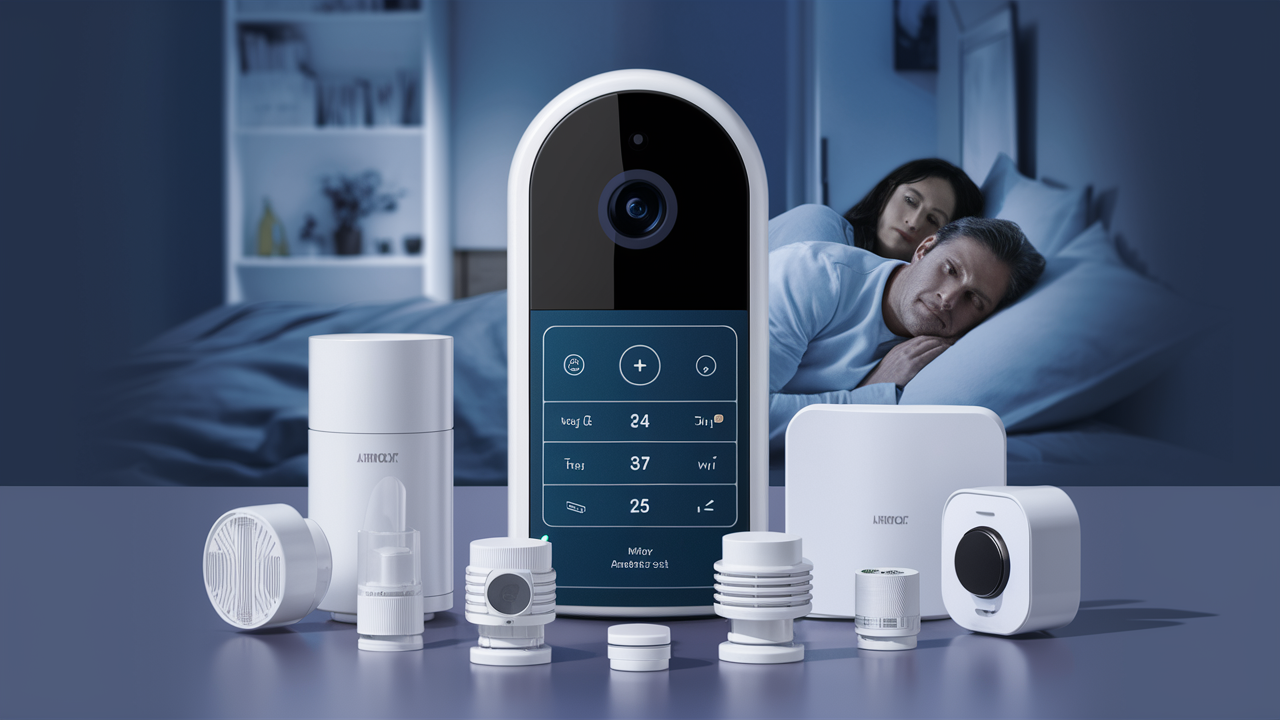
Finding the best alarm system for your home involves balancing security needs, budget, and desired features. This guide explores top options, key considerations, and emerging trends to help you make an informed decision for robust home protection.
What Exactly Is a Home Alarm System?
At its core, a home alarm system is a network of devices designed to detect unauthorized entry and alert homeowners and/or authorities. These systems typically include sensors for doors and windows, motion detectors, and a central control panel. Modern systems often integrate with smart home technology, offering remote access, video surveillance, and environmental hazard detection, such as smoke and carbon monoxide. The primary goal is to deter criminals, notify occupants of potential threats, and provide a rapid response when needed, thereby enhancing the overall safety and security of your residence.
Understanding the Different Types of Home Alarm Systems
The home security market offers a diverse range of systems, each catering to different needs and preferences. Understanding these distinctions is the first step in identifying the best alarm system for your home.
Wired Alarm Systems
Wired systems have been the traditional choice for home security. They rely on physical wires to connect sensors, control panels, and other components. These systems are known for their reliability, as they are not susceptible to wireless interference. However, installation can be more complex and intrusive, often requiring drilling through walls and ceilings to run the necessary wiring. This makes them less ideal for existing homes where aesthetic concerns are high, but they remain a robust option for new constructions or extensive renovations.
Pros of Wired Systems:
- High reliability and fewer false alarms due to wireless interference.
- Generally more secure against wireless hacking attempts.
- Power is supplied through the wiring, reducing the need for frequent battery changes in sensors.
Cons of Wired Systems:
- Complex and costly installation, often requiring professional services.
- Less flexible for reconfiguring or expanding the system later.
- Can be visually unappealing if wiring is not concealed properly.
Wireless Alarm Systems
Wireless alarm systems have surged in popularity due to their ease of installation and flexibility. Components communicate with the control panel via radio frequencies. This eliminates the need for extensive wiring, making them a popular choice for renters and homeowners who prefer a less invasive installation process. Most wireless sensors are battery-powered, requiring periodic replacement, but this is a minor inconvenience for the significant gain in installation simplicity and adaptability.
Pros of Wireless Systems:
- Easy and quick installation, often suitable for DIY setups.
- Flexible and easy to expand or relocate components as needed.
- Aesthetically pleasing with minimal visible wiring.
Cons of Wireless Systems:
- Potential for wireless interference, though modern systems have improved significantly.
- Reliance on batteries for sensors, requiring regular checks and replacements.
- Slightly higher risk of signal jamming or hacking compared to wired systems, though this is rare with reputable brands.
Smart Home Integrated Systems
These are advanced systems that go beyond basic intrusion detection. They integrate with a broader smart home ecosystem, allowing control via smartphone apps, voice commands (e.g., Alexa, Google Assistant), and automation with other smart devices like lights, thermostats, and smart locks. Many smart alarm systems offer high-definition video surveillance, remote arming/disarming, and customizable alerts. They represent the cutting edge of home security, offering convenience, enhanced control, and a more comprehensive approach to home management.
Key Features of Smart Home Integrated Systems:
- Remote control and monitoring via mobile apps.
- Integration with other smart home devices (lights, locks, thermostats).
- Voice control capabilities.
- Customizable alerts and notifications.
- Often include advanced features like AI-powered video analytics.
Self-Monitored vs. Professionally Monitored Systems
This distinction refers to how alerts are handled. A self-monitored system sends notifications directly to your smartphone or other devices. You are then responsible for contacting emergency services if a threat is detected. Professionally monitored systems, on the other hand, are connected to a central monitoring station. When an alarm is triggered, trained professionals assess the situation and dispatch emergency responders if necessary. Professional monitoring typically incurs a monthly fee but offers a higher level of security and peace of mind.
Self-Monitored:
- Pros: No monthly fees, direct control over responses.
- Cons: Requires constant vigilance, potential delays in response if you miss alerts.
Professionally Monitored:
- Pros: 24/7 oversight, rapid dispatch of emergency services, peace of mind.
- Cons: Monthly subscription fees, potential for false alarm fees.
Essential Features to Look For in 2025-26
As home security technology advances, certain features are becoming standard expectations. When evaluating the best alarm system for your home, prioritize these capabilities:
24/7 Professional Monitoring
While self-monitoring offers cost savings, 24/7 professional monitoring provides an invaluable layer of security. Trained operators are always on duty to respond to alarms, verify threats, and contact emergency services. This is particularly crucial when you are away from home, asleep, or otherwise unable to respond to an alert yourself. Statistics from the U.S. Census Bureau (2025 data projection] indicate that homes with professionally monitored systems experience a significantly lower risk of burglary.
Mobile App Control and Alerts
The ability to arm/disarm your system remotely, receive instant alerts on your smartphone, and view live camera feeds is a hallmark of modern security. A robust mobile app allows you to stay connected to your home's security status no matter where you are. This feature is indispensable for managing your system efficiently and responding to events promptly.
Wireless Connectivity and Cellular Backup
Most modern systems are wireless for ease of installation. However, it's vital that the system also has cellular backup. If your internet connection is disrupted or your landline is cut, cellular backup ensures that your alarm can still communicate with the monitoring center. This redundancy is critical for maintaining continuous protection.
High-Definition Cameras with Night Vision
Integrated or add-on cameras are essential for visual verification. High-definition (HD) cameras provide clear footage, while night vision ensures visibility in low-light conditions. Features like motion detection, two-way audio, and wide-angle lenses further enhance their utility for monitoring activity around your property.
Environmental Sensors
The best alarm systems extend beyond intrusion detection. Integrating sensors for smoke, carbon monoxide, water leaks, and extreme temperature changes provides comprehensive protection against a wider range of household emergencies. These sensors can alert you to dangers that might not be immediately apparent, potentially saving lives and preventing significant property damage.
Smart Home Integration Capabilities
For those invested in smart home technology, seamless integration is key. Look for systems compatible with popular platforms like Amazon Alexa, Google Assistant, Apple HomeKit, and Z-Wave or Zigbee protocols. This allows for unified control and automation, such as lights turning on when motion is detected or doors locking automatically when the alarm is armed.
Two-Way Audio
This feature, often found on cameras and some control panels, allows for real-time voice communication. It's useful for speaking to visitors at the door, deterring potential intruders, or communicating with family members inside the home.
Battery Backup for Power Outages
Even wired systems should have a battery backup for the control panel and key components. This ensures that the system remains operational during power outages, a common time for opportunistic burglaries.
Installation: DIY vs. Professional
Choosing how your alarm system is installed is a significant decision that impacts cost, complexity, and effectiveness.
DIY Installation
DIY (Do-It-Yourself) systems are designed for user-friendly setup. They typically involve mounting sensors, plugging in a base station, and configuring settings through a mobile app or web interface. Many reputable companies offer excellent DIY options, making them a popular choice for budget-conscious homeowners and those comfortable with basic technology.
Advantages of DIY Installation:
- Cost Savings: Eliminates professional installation fees, which can range from $100 to $500 or more.
- Flexibility: You can install the system on your own schedule and place components exactly where you want them.
- Simplicity: Modern DIY systems are designed with intuitive instructions and user-friendly interfaces.
Disadvantages of DIY Installation:
- Time Commitment: Installation can still take several hours, depending on the system's complexity and the size of your home.
- Potential for Errors: Incorrect placement or configuration of sensors can lead to false alarms or missed detections.
- Troubleshooting: You are responsible for diagnosing and resolving any technical issues that arise during or after installation.
Professional Installation
Professional installation involves a certified technician who will assess your home, recommend optimal placement for all components, and install the system for you. This is often included with professionally monitored systems or available as an add-on service for DIY kits.
Advantages of Professional Installation:
- Expertise: Technicians have the knowledge to ensure optimal placement and function of all components, maximizing security.
- Convenience: Saves you time and effort, as the entire installation is handled by a professional.
- Warranty and Support: Often comes with a warranty on the installation itself, and a direct line to support for any issues.
Disadvantages of Professional Installation:
- Higher Upfront Cost: Installation fees can add a significant amount to the initial purchase price.
- Scheduling: You need to schedule an appointment, which may involve waiting for availability.
- Less Flexibility: While you can discuss placement, the technician will ultimately decide based on best practices, which may not always align with your personal preferences.
The Crucial Role of Monitoring Services
The decision between self-monitoring and professional monitoring is one of the most critical in choosing the best alarm system for your home. It directly impacts response times and the overall effectiveness of your security.
Understanding Professional Monitoring
When an alarm is triggered, the signal is sent to a central monitoring station staffed by trained professionals. These operators follow strict protocols to:
- Verify the Alarm: They attempt to contact you (the homeowner) to confirm if the alarm is genuine or a false alarm.
- Assess the Situation: Based on your response and system information (e.g., which sensor was triggered), they determine the nature of the emergency.
- Dispatch Emergency Services: If a genuine threat is confirmed, they contact the appropriate authorities (police, fire department, ambulance) and provide them with critical information.
This 24/7 oversight ensures that help is on the way, even if you cannot call for it yourself. According to industry reports for 2025, homes with professional monitoring have a statistically lower chance of experiencing a successful burglary.
Self-Monitoring Explained
With a self-monitored system, you receive alerts directly to your smartphone or other designated devices. This could be a notification that a door has opened, motion has been detected, or a smoke alarm has been triggered. You are then solely responsible for investigating the alert and contacting emergency services if you deem it necessary.
Pros of Self-Monitoring:
- No Monthly Fees: This is the primary advantage, making it a more budget-friendly option in the long run.
- Direct Control: You have complete control over how and when to respond to alerts.
- Privacy: Your alarm data is not shared with a third-party monitoring company.
Cons of Self-Monitoring:
- Reliance on User: If you miss an alert (e.g., phone is on silent, poor signal, you are in a meeting), there will be no response.
- Response Time: Your response time is entirely dependent on your availability and ability to act.
- Potential for Panic: In a stressful situation, you might panic or forget to call emergency services.
When to Choose Which
Choose Professional Monitoring if:
- You travel frequently or are often away from home.
- You want the highest level of security and peace of mind.
- You have valuable assets or a high-risk profile.
- You have children or elderly individuals living at home who may not be able to respond effectively.
Choose Self-Monitoring if:
- You are on a tight budget and want to avoid monthly fees.
- You are always available to receive and respond to alerts.
- You are comfortable with technology and managing your own security responses.
Top Home Alarm Systems for 2025-26: A Comparative Look
The market is competitive, with several providers offering excellent solutions. Here's a look at some of the top contenders, considering their features, monitoring options, and overall value for 2025-26. (Note: Pricing and specific packages can vary significantly.)
| Provider | System Type | Monitoring | Key Features | Price Range (Approx.) | Best For |
|---|---|---|---|---|---|
| ADT Command | Wired/Wireless Hybrid | Professional (24/7) | Smart home integration, mobile app, professional installation, landline/cellular backup. | $$$ (Equipment + Monthly Fee) | Comprehensive security with professional support. |
| SimpliSafe Security System | Wireless | Self or Professional (Optional) | Easy DIY setup, no contracts, wide range of sensors, optional 24/7 monitoring. | $$ (Equipment + Optional Monthly Fee) | Flexibility, affordability, and ease of use. |
| Vivint Smart Home | Wireless | Professional (24/7) | Integrated smart home ecosystem, professional installation, high-definition cameras, mobile app. | $$$ (Equipment Financing + Monthly Fee) | All-in-one smart home and security solution. |
| Ring Alarm Pro | Wireless | Self or Professional (Optional via Ring Protect Pro) | DIY setup, built-in eero Wi-Fi 6 router, mobile app, integration with Ring cameras. | $$ (Equipment + Optional Monthly Fee) | Users invested in the Ring ecosystem, enhanced Wi-Fi. |
| Abode Security System | Wireless | Self or Professional (Optional) | Home automation hub, local storage option, smart home integration, 24/7 monitoring. | $$ (Equipment + Optional Monthly Fee) | Tech-savvy users, customizable automation. |
Detailed Breakdown of Top Choices
ADT Command: The Professional's Choice
ADT has a long-standing reputation for robust security. The ADT Command system offers a hybrid approach, allowing for both wired and wireless components, ensuring maximum reliability. It's designed for professional installation and comes with 24/7 professional monitoring as standard. Its integration capabilities with smart home devices are extensive, making it a comprehensive security solution for those who prioritize professional oversight and advanced features. The Command system's user interface is modern and accessible via a mobile app, providing remote control and real-time alerts. While it commands a higher price point due to professional services and monitoring, it offers unparalleled peace of mind for many homeowners.
SimpliSafe: The DIY Champion
SimpliSafe has revolutionized the DIY security market. Its wireless systems are incredibly easy to set up, requiring no tools or drilling. Users can choose between self-monitoring or optional 24/7 professional monitoring, which can be added or removed without long-term contracts. The system includes a wide array of sensors, from entry sensors and motion detectors to glass break sensors and environmental detectors. The SimpliSafe app is intuitive, allowing for easy system management. Its affordability, flexibility, and robust performance make it a top choice for renters and homeowners looking for a reliable, contract-free security solution.
Vivint Smart Home: The Integrated Ecosystem
Vivint focuses on a fully integrated smart home experience where security is a central component. Their systems are professionally installed and monitored 24/7. Vivint offers a suite of high-quality devices, including smart locks, video doorbells, indoor and outdoor cameras, and environmental sensors, all managed through a single, sophisticated mobile app. The system is designed to work seamlessly with other smart home devices, creating automated routines for enhanced convenience and security. While the upfront cost and monthly fees are higher, the all-inclusive nature and advanced smart home features appeal to those seeking a premium, integrated solution.
Ring Alarm Pro: The Connected Home Hub
For those already within the Amazon ecosystem or looking for a system that doubles as a Wi-Fi router, the Ring Alarm Pro is a compelling option. It offers DIY installation and can be self-monitored or professionally monitored via Ring Protect Pro. A standout feature is its built-in eero Wi-Fi 6 router, which can provide backup internet to your home if your primary connection goes down, ensuring your Ring devices (and other connected devices) stay online. It integrates seamlessly with Ring's popular cameras and doorbells, offering a unified app experience for security and surveillance. Its affordability and the added Wi-Fi benefit make it a strong contender for many households.
Abode Security System: The Customizable Hub
Abode positions itself as a flexible and powerful DIY security system with strong smart home integration capabilities. It supports a wide range of Z-Wave and Zigbee devices, allowing for extensive customization and automation. Abode offers both self-monitoring and optional 24/7 professional monitoring plans. A unique feature is the option for local storage for video recordings, which appeals to users concerned about cloud privacy. The system is designed for easy setup and management via its mobile app, making it an excellent choice for tech-savvy individuals who want a highly customizable and integrated smart home security solution.
Budgeting for Your Home Security System
The cost of a home alarm system can vary significantly based on the type of system, features, installation method, and monitoring plan. Understanding these cost components is crucial for making an informed decision.
Upfront Equipment Costs
This is the initial investment you make in the hardware. For DIY systems like SimpliSafe or Ring Alarm Pro, a basic starter kit might range from $150 to $300. More advanced systems or those requiring professional installation, like ADT or Vivint, can have equipment costs ranging from $300 to $1,000 or more, especially if you opt for numerous add-on sensors or cameras. Some providers offer equipment financing as part of their monthly plans.
Installation Fees
DIY systems, by definition, have no installation fees. Professional installation, however, can add anywhere from $100 to $500 or more to your initial costs. This fee covers the technician's time, expertise, and travel. Some companies may waive installation fees as part of promotional offers or with longer contract commitments.
Monthly Monitoring Fees
This is an ongoing cost for professional monitoring services. Plans typically range from $10 to $60 per month. Self-monitoring options generally have no monthly fees, though some systems might offer premium app features or cloud storage for video for a small monthly charge (e.g., Ring Protect Pro, SimpliSafe's monitoring plans). Professional monitoring fees cover the cost of the 24/7 monitoring center, their personnel, and the infrastructure required to dispatch emergency services.
Contract Lengths
Some providers, particularly those offering professional installation and monitoring (like ADT and Vivint), require long-term contracts, often 3-5 years. Breaking these contracts can incur substantial penalties. Other providers, like SimpliSafe and Ring, offer month-to-month monitoring with no long-term commitments, providing greater flexibility.
Hidden Costs and Fees
Be aware of potential hidden costs such as:
- False alarm fees: Some municipalities charge fees for excessive false alarms. Professional monitoring can help reduce these by verifying alarms before dispatch.
- Equipment upgrades: If you want to add more sensors or cameras later, you'll incur additional costs.
- Battery replacements: For wireless systems, batteries will need periodic replacement, usually at the homeowner's expense.
- Moving fees: If you move, some companies charge fees to transfer service or may require you to purchase a new system.
When budgeting, consider the total cost of ownership over 3-5 years, not just the initial price. A system that seems cheaper upfront might be more expensive in the long run due to higher monthly fees or contract penalties.
The Evolving Landscape: Future Trends in Home Alarm Systems
The home security industry is in constant flux, driven by technological advancements and evolving consumer expectations. For 2025-26 and beyond, several key trends are shaping the future of home alarm systems.
Artificial Intelligence (AI) and Machine Learning
AI is set to play an even larger role in enhancing security systems. Expect more sophisticated motion detection that can differentiate between pets, people, and vehicles, reducing false alarms. AI-powered video analytics will offer advanced features like facial recognition, anomaly detection (e.g., unusual activity patterns), and predictive threat assessment. Machine learning will enable systems to adapt and improve their performance over time based on learned behaviors and environmental data.
Enhanced Cybersecurity
As more devices become connected, cybersecurity will be paramount. Manufacturers are investing heavily in robust encryption protocols, secure authentication methods, and regular software updates to protect systems from hacking and unauthorized access. Consumers will need to be more aware of their home network's security as it directly impacts their alarm system's integrity.
Greater Integration with Smart Home Ecosystems
The trend towards fully integrated smart homes will continue. Alarm systems will become even more deeply embedded with other smart devices, enabling complex automations. Imagine a system that not only detects an intruder but also automatically locks all doors, turns on all lights, and plays a loud siren, all while notifying emergency services and your smart home hub. Compatibility across different brands and platforms will also improve, allowing for more user choice.
Advanced Sensor Technology
Beyond traditional sensors, expect advancements in areas like:
- Biometric sensors: For secure access control.
- Environmental monitoring: More sophisticated sensors for air quality, mold detection, and structural integrity.
- Gesture recognition: For hands-free control and interaction.
Proactive and Predictive Security
The focus is shifting from reactive security (responding to events) to proactive and predictive security. Systems will leverage data analytics and AI to identify potential risks before they materialize. This could involve analyzing neighborhood crime patterns, predicting weather events that might pose a threat, or identifying vulnerabilities in your home's perimeter based on sensor data.
Increased Use of Drones and Robotics
While still nascent for residential use, the integration of drones for perimeter checks or robotic patrols could become more common in high-security applications, eventually trickling down to more affluent residential markets. These could offer an automated way to survey large properties or investigate potential breaches.
Emphasis on Privacy and Data Control
As systems collect more data, consumer demand for privacy and control over that data will grow. Expect more options for local data storage, transparent data usage policies, and user-friendly tools for managing personal information collected by security devices.
Making Your Final Decision: A Step-by-Step Approach
Choosing the best alarm system for your home requires careful consideration of your unique needs. Follow these steps to make an informed decision:
Step 1: Assess Your Security Needs
Walk through your home and identify potential vulnerabilities. Consider:
- Entry points: Doors, windows, garage doors.
- Vulnerable areas: Basements, ground-floor windows.
- Valuables: Where are they located?
- Occupants: Who lives in the home (children, elderly)?
- Lifestyle: Do you travel often? Are you home most of the time?
- Existing smart home devices: What systems do you already use?
Step 2: Determine Your Budget
Decide how much you are willing to spend on upfront equipment, installation (if applicable), and ongoing monthly fees. Remember to consider the total cost of ownership over several years.
Step 3: Decide on Monitoring Type
Based on your lifestyle and risk tolerance, choose between self-monitoring and 24/7 professional monitoring. This is a critical decision that impacts both cost and security effectiveness.
Step 4: Prioritize Key Features
Refer back to the essential features discussed earlier. Which are non-negotiable for you? (e.g., mobile app control, video surveillance, smart home integration, environmental sensors).
Step 5: Research and Compare Providers
Use the information provided and conduct your own research on the top providers. Look at customer reviews, BBB ratings, and specific package details. Consider factors like contract terms, warranty, and customer support quality.
Step 6: Consider Installation Method
Are you comfortable with DIY installation, or do you prefer the assurance of professional setup? This will narrow down your options.
Step 7: Read the Fine Print
Before signing any contract or making a purchase, carefully read all terms and conditions, especially regarding contract length, cancellation policies, warranties, and any potential fees.
Step 8: Installation and Testing
Once you've made your choice, ensure proper installation. Test all components thoroughly to confirm they are working correctly and that you understand how to use the system and respond to alerts.
By following these steps, you can confidently select the best alarm system that provides the right balance of security, convenience, and affordability for your home.
In conclusion, the "best" alarm system is subjective and highly dependent on individual needs and circumstances. Whether you prioritize robust professional monitoring, the flexibility of DIY installation, or seamless smart home integration, the market offers a solution. For 2025-26, systems like ADT Command offer comprehensive professional oversight, SimpliSafe excels in DIY affordability and flexibility, Vivint provides an all-encompassing smart home security experience, and Ring Alarm Pro offers a unique blend of security and networking capabilities. Carefully assess your home's vulnerabilities, your budget, and your desired features. By investing time in research and understanding the nuances of monitoring, installation, and essential features, you can secure your home effectively and gain invaluable peace of mind.