Choosing the "best" surveillance camera system involves understanding your unique security needs, budget, and desired features. This guide breaks down the key considerations, from wired vs. wireless to smart integrations, helping you make an informed decision for robust home or business protection in 2025-26.
Understanding Your Security Needs
Before diving into specific models and brands, the most crucial step in finding the best surveillance camera system is to thoroughly assess your individual security requirements. This foundational step will guide all subsequent decisions and ensure you invest in a solution that truly meets your needs. In 2025-26, the landscape of home and business security is more sophisticated than ever, offering a wide array of options, but without a clear understanding of what you need to protect and how, you risk overspending or underspending on critical security features.
Assessing Your Property and Vulnerabilities
Begin by walking through your property, whether it's a residential home, an apartment, a small business, or a larger commercial establishment. Identify potential entry points and vulnerable areas. For a home, this might include front and back doors, ground-floor windows, garages, driveways, and any secluded areas. For a business, consider all access points, delivery areas, stockrooms, cash registers, and high-traffic customer zones. Think about what you want to monitor: Is it simply deterring intruders, monitoring package deliveries, keeping an eye on pets or children, or ensuring employee safety and productivity?
Defining Your Budget
Surveillance systems range dramatically in price, from a few hundred dollars for a basic DIY kit to thousands for a comprehensive, professionally installed commercial setup. Establish a realistic budget early on. Consider not just the initial hardware cost but also potential ongoing expenses such as cloud storage subscriptions, professional monitoring fees, or maintenance. According to recent market analyses for 2025, the average cost for a mid-range home surveillance system falls between $300 and $1,000, while professional business installations can easily exceed $2,000.
Determining Essential Features
What are your non-negotiable features? Do you need high-definition video quality for clear identification? Is night vision a priority? Do you require motion detection with customizable alerts? Consider the environment where the cameras will be placed – indoor, outdoor, or both. Outdoor cameras need to be weather-resistant (IP-rated). Think about audio capabilities – do you need to hear what's happening, or just see it? For businesses, features like facial recognition or license plate recognition might be valuable, though these often come at a higher price point and complexity. For 2025-26, AI-powered analytics are becoming increasingly standard, offering more intelligent alerts and fewer false positives.
Considering Connectivity and Power
How will your cameras connect to your network? Wired systems generally offer more stable connections but require running cables. Wireless systems offer flexibility but rely on a strong Wi-Fi signal and battery life or constant power. Evaluate your property's existing infrastructure. Do you have easy access to power outlets for wired cameras, or is running Ethernet cables feasible? For wireless, ensure robust Wi-Fi coverage in all desired camera locations. Some systems offer Power over Ethernet (PoE), which delivers both data and power through a single Ethernet cable, simplifying installation for wired setups.
Types of Surveillance Camera Systems
The market offers a diverse range of surveillance camera systems, each with its own strengths and ideal use cases. Understanding these categories is crucial for narrowing down your options and identifying the system that best aligns with your specific needs and property. In 2025-26, advancements in AI and connectivity continue to blur the lines between traditional categories, but the fundamental distinctions remain important.
Standalone Cameras
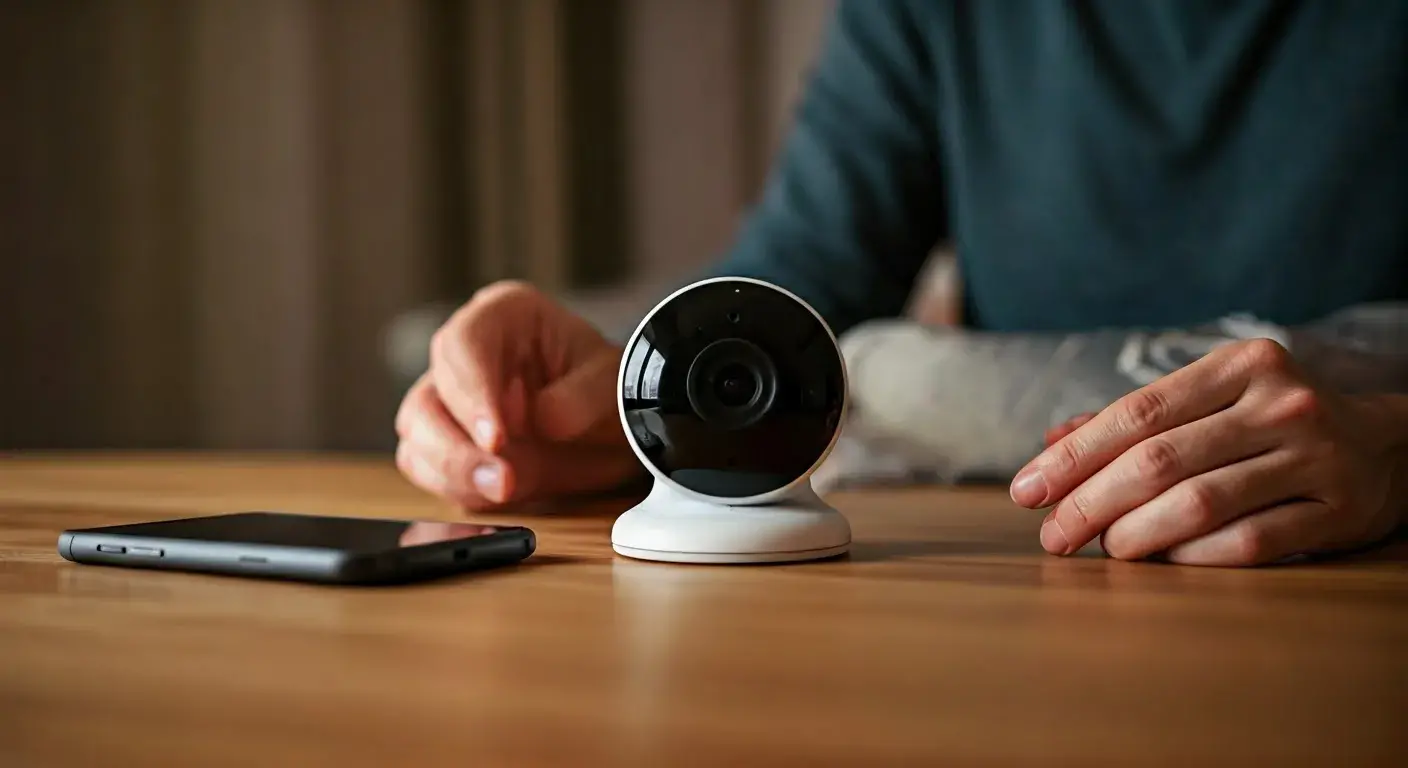
These are individual cameras that can be purchased and deployed independently. They are often wireless and connect directly to your Wi-Fi network, sending footage to a cloud service or a local storage device (like an SD card). Standalone cameras are ideal for targeting specific areas of concern or for users who want a flexible, modular system that can be expanded over time. They are typically easy to install and manage through a mobile app. Popular examples include many smart home security cameras designed for individual room or entry monitoring.
Wired Systems (CCTV)
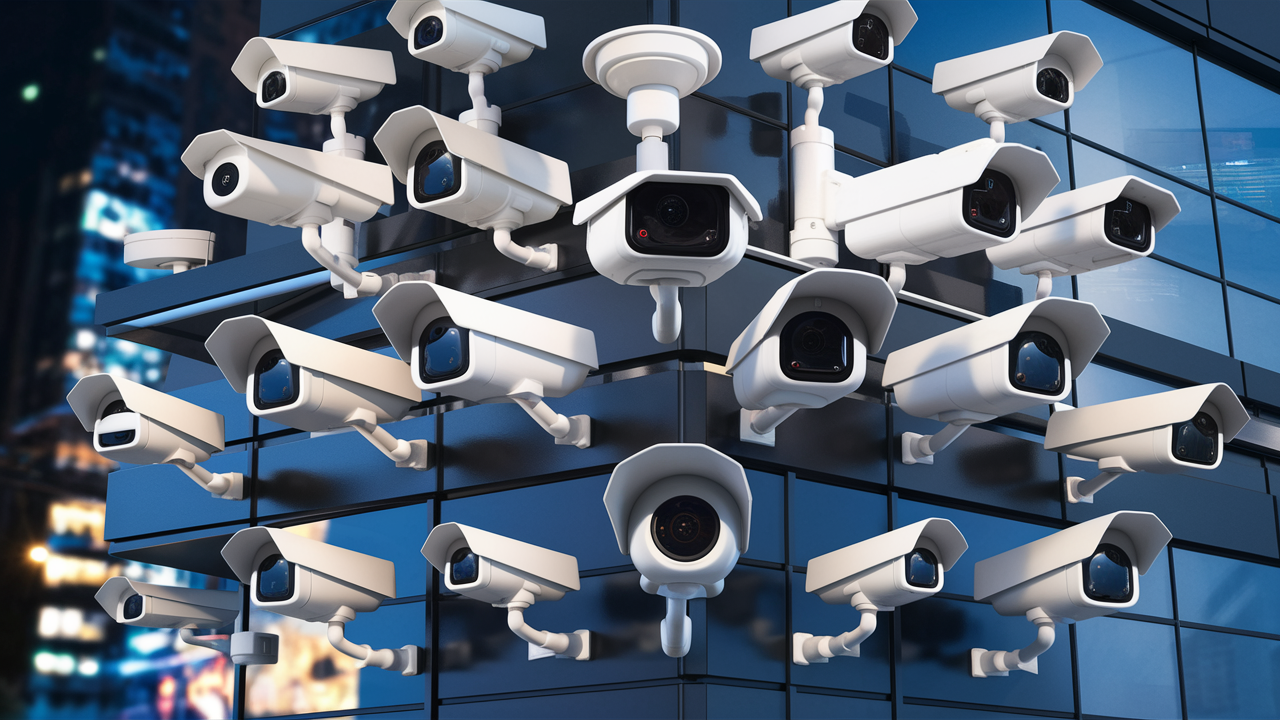
Traditional Closed-Circuit Television (CCTV) systems are wired, meaning cameras are physically connected to a Digital Video Recorder (DVR) or Network Video Recorder (NVR) via coaxial or Ethernet cables. DVR systems typically use analog cameras, while NVR systems support IP (Internet Protocol) cameras. Wired systems are known for their reliability, stability, and often higher image quality due to dedicated bandwidth. They are less susceptible to wireless interference and offer continuous recording. However, installation can be more complex and costly due to the need for cabling.
Wireless Systems
Wireless surveillance camera systems transmit data over Wi-Fi. They offer significant advantages in terms of installation flexibility and aesthetic appeal, as they eliminate the need for extensive wiring. These systems can be battery-powered or require a nearby power source. They typically connect to a base station or directly to your router, with footage stored locally (SD card, external hard drive) or in the cloud. The primary considerations for wireless systems are Wi-Fi signal strength and battery life, which are continually being improved with 2025-26 technology.
Hybrid Systems
Hybrid systems combine elements of both wired and wireless technologies. For example, you might have a few wired cameras for critical areas requiring maximum stability and a few wireless cameras for easier deployment in other locations. This approach offers a balance of reliability and flexibility, allowing users to tailor their system to the specific needs of different areas within their property. These systems often integrate with a central NVR or cloud platform for unified management.
Cloud-Based Systems
These systems rely heavily on cloud storage and management. Cameras connect to your Wi-Fi and stream footage directly to a cloud server provided by the manufacturer. Access to live feeds and recorded footage is typically done through a mobile app or web interface. Cloud-based systems offer convenience, remote accessibility, and often advanced features powered by AI. However, they usually require a monthly subscription fee for storage and may be dependent on a stable internet connection. For 2025-26, cloud security and data privacy are paramount concerns for users considering these options.
Local Storage Systems (DVR/NVR)
In contrast to cloud-based systems, DVR/NVR systems store footage on local hard drives. This offers greater control over your data and eliminates recurring subscription fees for storage. While remote access is usually still possible, it might require more technical setup. These systems are often favored by businesses or individuals who need to store large amounts of footage and prioritize data privacy. The reliability of the hard drive and the system's capacity are key considerations.
Key Features to Consider
Selecting the right surveillance camera system hinges on understanding and prioritizing a range of features that directly impact its effectiveness, usability, and suitability for your specific environment. In 2025-26, technological advancements have made many features more accessible and sophisticated, offering enhanced security and convenience.
Video Resolution and Quality
The clarity of your footage is paramount for identification. Look for cameras with at least 1080p (Full HD) resolution. Higher resolutions like 2K (1440p) or 4K (2160p) offer even greater detail, allowing you to zoom in on images without significant loss of quality. For 2025-26, 4K is becoming increasingly common in mid-to-high-end systems. Consider the frame rate (FPS - frames per second) as well; a higher FPS provides smoother video playback, especially for capturing fast-moving objects or events.
Night Vision Capabilities
Effective surveillance doesn't stop when the sun goes down. Infrared (IR) night vision is a standard feature, using LEDs to illuminate the scene in black and white. The range of the IR illumination is a key specification to check. Some advanced systems also offer color night vision, which uses ambient light or specialized sensors to produce color images in low-light conditions, offering better detail and easier identification. For 2025-26, advancements in low-light sensor technology are making color night vision more prevalent and effective.
Field of View (FoV)
The FoV determines how wide an area a single camera can capture. A wider FoV means fewer cameras are needed to cover a given space. Cameras typically range from a 90-degree FoV to over 180 degrees (fisheye lenses). For large areas like backyards or open-plan offices, a wider FoV is beneficial. For specific points of entry, a narrower, more focused FoV might be sufficient. Many modern cameras offer adjustable or pan-tilt-zoom (PTZ) capabilities, allowing you to remotely control the camera's direction and zoom.
Motion Detection and Alerts
This is a core feature for proactive security. Advanced motion detection systems can distinguish between people, vehicles, animals, and even packages, significantly reducing false alarms. Customizable alert zones allow you to specify areas where motion should trigger an alert. When motion is detected, the system can send notifications to your smartphone, email, or trigger an alarm. AI-powered object detection, prevalent in 2025-26 systems, is crucial for intelligent alerts.
Two-Way Audio
Many modern cameras include built-in microphones and speakers, allowing for two-way communication. This feature is useful for speaking with visitors at your door, deterring potential intruders with your voice, or communicating with family members or pets remotely. The audio quality can vary significantly between models.
Weather Resistance (IP Rating)
For outdoor cameras, weather resistance is essential. Look for an IP (Ingress Protection) rating. The first digit indicates protection against solids (dust), and the second indicates protection against liquids (water). For example, IP65 offers protection against dust and low-pressure water jets, while IP67 provides protection against dust and immersion in water up to 1 meter for 30 minutes. Most outdoor cameras in 2025-26 aim for at least IP65.
Storage Options (Local vs. Cloud)
As discussed, footage can be stored locally on an SD card, a DVR/NVR, or in the cloud. Local storage offers data control and avoids subscription fees but requires managing hardware. Cloud storage offers convenience, remote access, and often advanced features, but typically comes with monthly costs. Consider how much footage you need to retain and your comfort level with cloud services. For 2025-26, hybrid storage solutions are gaining traction, offering both local backup and cloud sync.
Connectivity and Network Requirements
Wired systems use Ethernet cables, often with PoE. Wireless systems rely on Wi-Fi. Ensure your Wi-Fi network is robust enough to support the number of cameras you plan to install, especially for high-resolution streaming. Some systems may require a dedicated Wi-Fi channel or a mesh network for optimal performance. For 2025-26, Wi-Fi 6 and 6E are becoming more common, offering improved speed and reliability for connected devices.
Smart Home Integration
Many surveillance systems can integrate with popular smart home platforms like Amazon Alexa, Google Assistant, or Apple HomeKit. This allows for voice control, integration with other smart devices (e.g., turning on lights when motion is detected), and a more unified smart home experience. Compatibility with these platforms is a significant convenience factor for many users in 2025-26.
Wired vs. Wireless Systems: A Deep Dive
The choice between wired and wireless surveillance camera systems is one of the most significant decisions you'll make. Each has distinct advantages and disadvantages that impact installation, reliability, cost, and flexibility. Understanding these differences thoroughly is crucial for selecting the system that best fits your property and security goals for 2025-26.
Wired Systems (DVR/NVR)
Advantages:
- Reliability and Stability: Wired connections are generally more stable and less prone to interference from other wireless devices or environmental factors. This ensures a consistent video feed.
- Consistent Performance: Bandwidth is dedicated, meaning video quality is less likely to degrade due to network congestion.
- No Battery Concerns: Cameras are powered through the cables, eliminating the need for battery charging or replacement.
- Enhanced Security: Some argue that wired systems are inherently more secure as they don't broadcast signals over the airwaves, making them harder to intercept.
- Higher Potential for Continuous Recording: With ample storage on a DVR/NVR, continuous, 24/7 recording is easily achievable.
Disadvantages:
- Complex Installation: Running cables through walls, attics, or conduits can be time-consuming, labor-intensive, and may require professional help, increasing installation costs.
- Limited Flexibility: Once installed, repositioning cameras can be difficult and may require re-cabling.
- Aesthetic Concerns: Visible cables can be unsightly and may be tampered with by intruders.
- Higher Upfront Cost (Potentially): While the cameras themselves can be affordable, the cost of professional installation and cabling can significantly increase the total price.
Wireless Systems (Wi-Fi)
Advantages:
- Ease of Installation: Wireless cameras are significantly easier and quicker to install, often requiring only mounting and connecting to Wi-Fi. This makes them ideal for DIY setups.
- Flexibility and Portability: Cameras can be easily repositioned as your needs change or moved to a new location if you relocate.
- Aesthetically Pleasing: The absence of visible cables makes for a cleaner, more discreet installation.
- Scalability: It's generally easier to add more cameras to a wireless system as needed.
Disadvantages:
- Wi-Fi Dependency: Performance relies heavily on the strength and stability of your Wi-Fi network. Weak signals can lead to dropped connections, lag, or poor video quality.
- Battery Life (for battery-powered models): Cameras require periodic charging or battery replacement, which can be inconvenient, especially for hard-to-reach locations.
- Potential for Interference: Wireless signals can be subject to interference from other electronic devices, thick walls, or distance from the router.
- Security Concerns (Perceived): While modern encryption is robust, some users remain concerned about the potential for wireless signals to be intercepted.
- Storage Limitations: Many wireless cameras rely on cloud storage, which incurs monthly fees, or have limited local storage capacity.
Hybrid Systems
Hybrid systems offer a compelling middle ground, allowing you to leverage the strengths of both wired and wireless technologies. For instance, you might use wired PoE cameras for critical entry points and areas where a stable, high-quality feed is paramount, and then use wireless cameras for less critical areas or where cabling is impractical. This approach provides a tailored security solution that balances reliability, flexibility, and cost-effectiveness. Many modern NVRs and cloud platforms are designed to accommodate both wired and wireless camera inputs, making hybrid setups increasingly feasible and popular for 2025-26.
DIY vs. Professional Installation
The decision between a do-it-yourself (DIY) installation and professional installation is a critical one that significantly impacts the overall cost, complexity, and effectiveness of your surveillance camera system. For 2025-26, both options are viable, with the "best" choice depending on your technical skills, budget, and the scope of your security needs.
DIY Installation
Pros:
- Cost Savings: The most significant advantage is the elimination of professional labor costs, which can save hundreds or even thousands of dollars.
- Flexibility and Control: You can install the system on your own schedule and make adjustments as needed during the process.
- Learning Opportunity: Installing your own system can provide valuable insights into its operation and maintenance.
- Ideal for Simple Systems: Wireless, standalone cameras or basic wired kits with minimal cabling are well-suited for DIY installation.
Cons:
- Technical Skill Required: Some systems, especially wired ones, require basic electrical knowledge, drilling, and cable management skills.
- Time-Consuming: Installation can take significantly longer than professional work, especially if you encounter unexpected challenges.
- Potential for Errors: Incorrect installation can lead to system malfunctions, poor performance, or even safety hazards.
- Limited Warranty/Support: While the hardware may have a warranty, installation-related issues might not be covered by the manufacturer.
Who is it for?
Individuals comfortable with basic tools and technology, those with smaller properties, or those opting for simple wireless camera systems. If you're looking to save money and have the patience and time to learn, DIY is a strong contender.
Professional Installation
Pros:
- Expertise and Efficiency: Professionals have the knowledge and experience to install systems quickly and correctly, ensuring optimal performance and placement.
- Proper Cable Management: They can ensure cables are neatly and securely routed, minimizing aesthetic issues and potential tampering.
- System Optimization: Installers can advise on the best camera placement for maximum coverage and identify potential blind spots.
- Warranty and Support: Professional installation often comes with a warranty on the labor, and installers can provide ongoing support and maintenance.
- Ideal for Complex Systems: For large properties, commercial installations, or intricate wired systems, professional help is often indispensable.
Cons:
Who is it for?
Those who prioritize convenience, expertise, and a flawless setup. Businesses, homeowners with complex properties, or individuals who lack the time or technical confidence to undertake the installation themselves will benefit greatly from professional services.
Top Surveillance Camera System Categories for 2025-26
The surveillance market in 2025-26 is characterized by innovation, particularly in AI integration, higher resolutions, and enhanced connectivity. When searching for the "best" system, it's helpful to consider popular and highly-rated categories that cater to common needs. These categories often represent a blend of features and technologies that have proven most effective and sought-after by consumers and businesses alike.
1. AI-Powered Smart Home Security Systems
These systems are leading the pack for residential users. They typically consist of wireless cameras that integrate seamlessly with a mobile app and often a smart home hub. The key differentiator is advanced AI capabilities:
- Person/Vehicle/Package Detection: Significantly reduces false alerts from wind, shadows, or animals.
- Facial Recognition: Can identify known individuals (family, friends) and alert you to strangers.
- Smart Alerts: Customizable notifications delivered instantly to your smartphone.
- Integration: Works with voice assistants (Alexa, Google Assistant) and other smart home devices.
- Storage: Often cloud-based with optional local storage backups.
Best for: Homeowners prioritizing convenience, intelligent alerts, and seamless smart home integration.
2. Professional Grade Wired NVR Systems
For businesses or homeowners requiring maximum reliability, high-capacity storage, and superior image quality, wired NVR systems remain a top choice. These systems utilize IP cameras connected via Ethernet cables to a Network Video Recorder.
- High Resolution (4K): Many NVR systems now support 4K cameras for exceptional detail.
- Robust Storage: NVRs can accommodate large hard drives for weeks or months of continuous recording.
- Stable Connectivity: PoE (Power over Ethernet) simplifies wiring and ensures reliable power and data transfer.
- Advanced Analytics: Some higher-end NVRs offer sophisticated analytics like line crossing detection, intrusion zones, and heat mapping.
- Centralized Management: All cameras are managed through a single interface on the NVR or remotely via software.
Best for: Businesses, large properties, or users who need extensive, reliable, and high-quality recording capabilities.
3. Hybrid PoE and Wi-Fi Systems
These systems offer the best of both worlds, allowing users to mix and match camera types. A central NVR or cloud platform can manage both wired PoE cameras and wireless Wi-Fi cameras.
- Strategic Placement: Use wired cameras for critical entry points and wireless for easier deployment in other areas.
- Flexibility: Adapt to the unique infrastructure and security needs of different parts of a property.
- Scalability: Easily expand the system by adding either wired or wireless cameras as needed.
- Unified Management: Control and view all cameras from a single interface.
Best for: Users who need a customized solution, balancing the reliability of wired with the flexibility of wireless.
4. Entry-Level Wireless Kits
For budget-conscious users or those new to surveillance, these kits offer a straightforward and affordable entry point. They typically include 2-4 wireless cameras and a base station or direct Wi-Fi connectivity.
- Affordability: Significantly lower upfront cost compared to professional or high-end systems.
- Ease of Setup: Designed for quick DIY installation with minimal technical knowledge.
- Basic Features: Offer essential features like HD resolution, night vision, and motion detection.
- Cloud or SD Card Storage: Storage options are usually cloud-based (with subscription) or via microSD card.
Best for: Renters, small apartments, or individuals on a tight budget looking for basic security monitoring.
When evaluating these categories, always refer to independent reviews and compare specifications based on your specific requirements identified earlier. The "best" system is ultimately the one that effectively addresses your unique security challenges within your budget.
Making the Final Decision
After thoroughly exploring your needs, understanding the different types of systems, and evaluating key features, you're ready to make a decision. The "best" surveillance camera system isn't a one-size-fits-all answer; it's the one that most effectively and efficiently meets your specific security objectives. By following a structured approach, you can confidently select a solution that provides peace of mind for 2025-26 and beyond.
Recap of Key Considerations:
1. Your Needs Assessment: Revisit your property's vulnerabilities, desired monitoring areas, and specific security goals (deterrence, evidence gathering, remote monitoring). This is the bedrock of your decision.
2. System Type Alignment: Match the system type (standalone, wired, wireless, hybrid) to your property's infrastructure, installation capabilities, and desired level of flexibility. For instance, if running cables is impossible, wireless or hybrid systems are your only viable options.
3. Feature Prioritization: Rank the features discussed (resolution, night vision, motion detection, audio, weather resistance) based on their importance to you. Don't pay for features you won't use, but ensure critical ones are present.
4. Budget Allocation: Factor in not just the initial hardware cost but also potential ongoing expenses like cloud storage subscriptions, professional monitoring, or maintenance. For 2025-26, cloud subscription costs are a significant consideration for many wireless systems.
5. Installation Strategy: Decide whether DIY or professional installation is the right path for you, considering your technical skills, time availability, and budget. For complex wired systems, professional installation is almost always recommended.
6. Brand Reputation and Reviews: Research reputable brands known for reliability, customer support, and regular software updates. Read independent reviews from trusted tech publications and user forums to gauge real-world performance and common issues.
7. Scalability: Consider if the system can be easily expanded in the future should your security needs evolve. Modular systems or those that support a wide range of cameras offer better long-term value.
Final Recommendation for 2025-26:
For most homeowners in 2025-26, an AI-powered wireless or hybrid system offers the best balance of advanced features, ease of use, and flexibility. Look for systems with high-definition resolution (1080p or higher), robust AI detection (person/vehicle), reliable night vision (color night vision is a plus), and seamless integration with your existing smart home ecosystem. Prioritize systems that offer both cloud and local storage options for maximum data security and accessibility. If your budget allows, consider professional installation for optimal setup, especially if you opt for a hybrid system with wired components.
For businesses or those with extensive properties requiring continuous, high-capacity recording, a professional-grade wired NVR system remains the gold standard for reliability and performance. Invest in 4K cameras for maximum detail and ensure the NVR has sufficient storage capacity for your retention needs.
Ultimately, the "best" surveillance camera system is the one that provides you with the most confidence and security. Take your time, do your research, and choose a system that aligns perfectly with your unique circumstances.