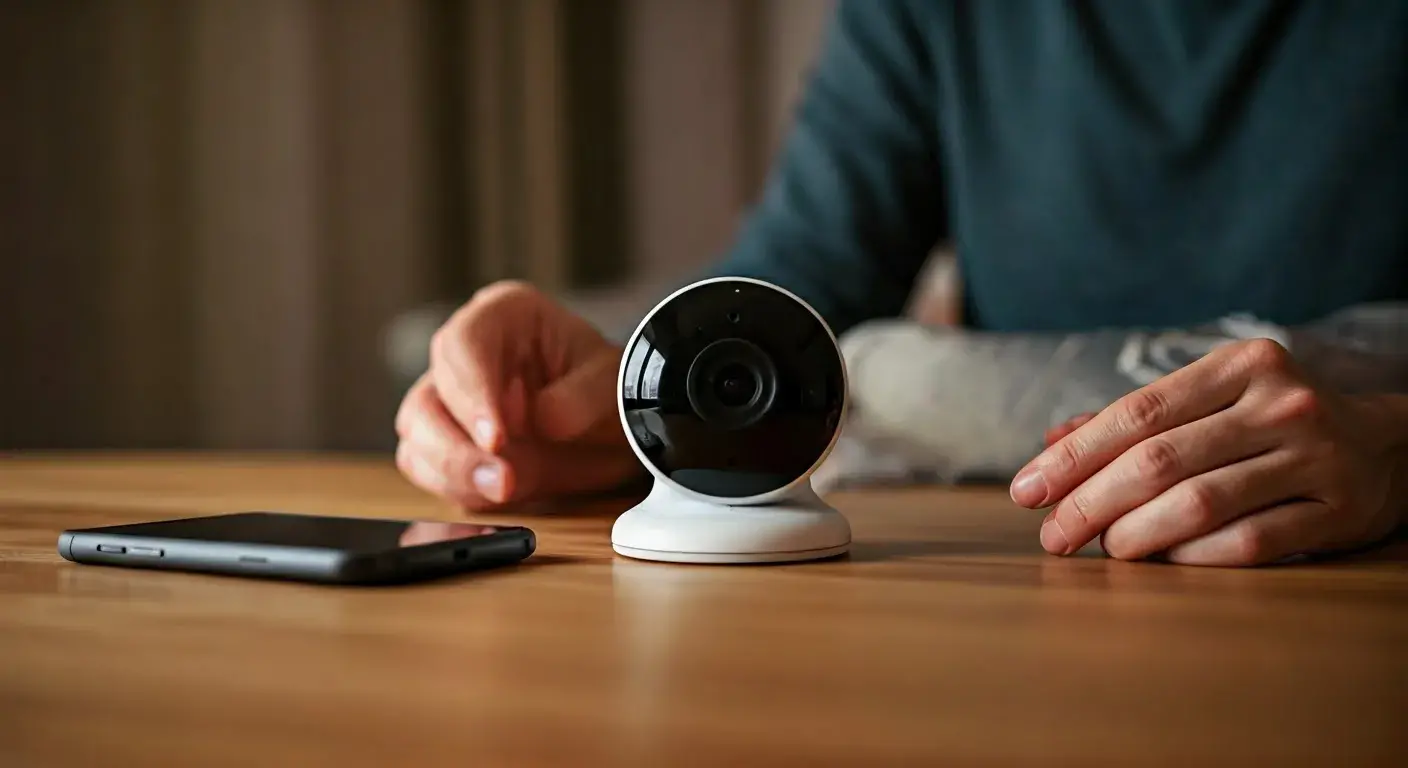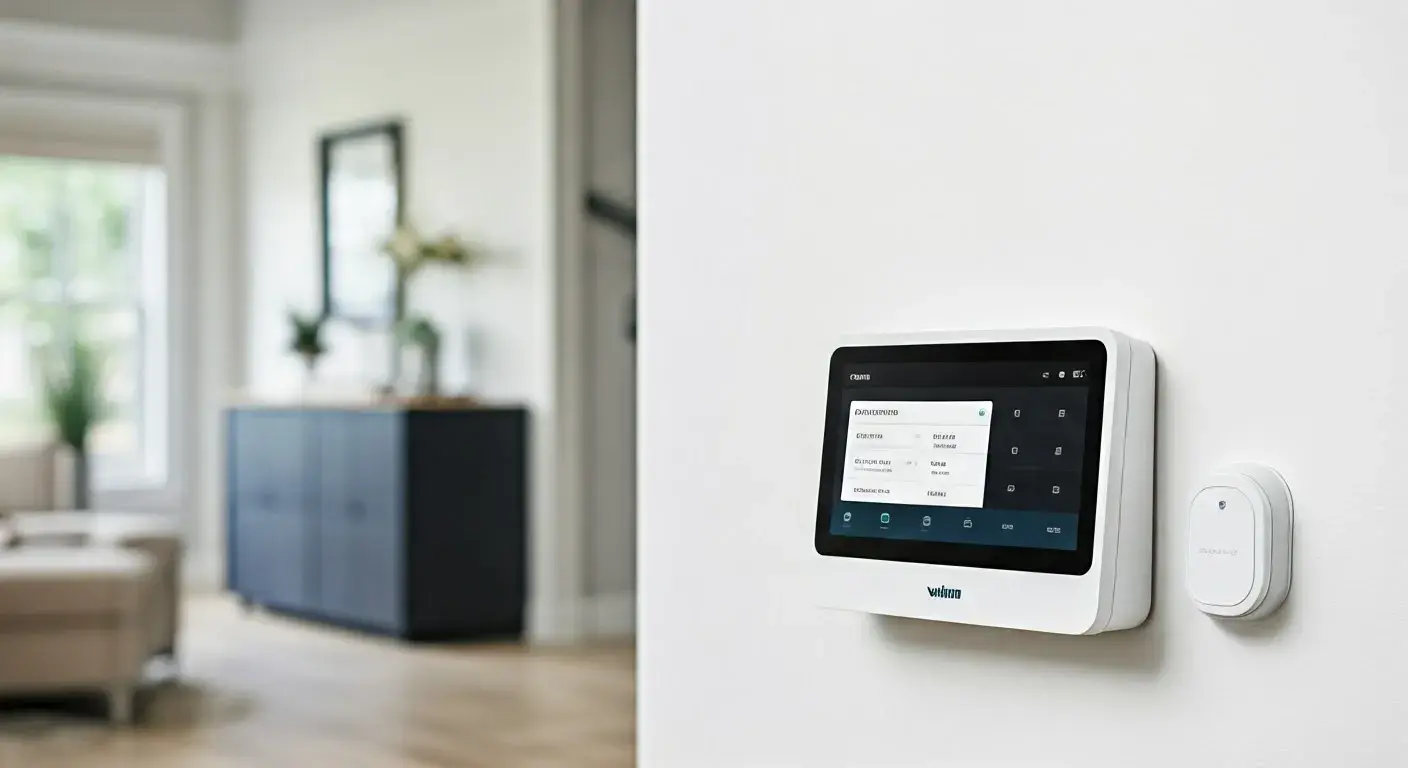
Understanding the upfront cost of Vivint is crucial for homeowners considering a smart home security system. This guide breaks down the initial investment, detailing equipment packages, installation fees, and financing options to help you make an informed decision in 2025-26.
Understanding Vivint's Cost Structure
When you're looking into smart home security solutions like Vivint, the "upfront cost" isn't a single, fixed number. Instead, it's a multifaceted component of the overall investment. Vivint, a leader in the integrated smart home and security space, structures its pricing to reflect the value of its professional installation, advanced technology, and comprehensive monitoring services. The upfront expense primarily covers the hardware – the sensors, cameras, control panel, and any smart home devices you choose to bundle. Unlike some DIY systems where you purchase all equipment outright at the point of sale, Vivint often incorporates the cost of equipment into a financing plan that is then paid off over time, alongside your monthly monitoring fee. This approach can make sophisticated home security more accessible, but it's crucial to understand how this financing impacts your initial outlay. In 2025-26, Vivint continues to offer various packages and customization options, meaning the upfront cost can vary significantly based on your specific needs and the size of your home. This guide will delve into these variables to provide a clear picture of what you can expect to pay initially.
The Vivint Ecosystem and Pricing
Vivint's pricing model is designed around its integrated ecosystem. This means that the cost of individual components is often bundled into packages, and these packages are then subject to financing. The philosophy here is to provide a seamless, professionally installed system rather than just selling individual pieces of hardware. This distinction is important when discussing upfront costs. While you might not pay the full retail price of all equipment on day one, the financing agreement means that a portion of that equipment's value is factored into your initial setup or spread across your first few months of service. The goal is to make the initial barrier to entry lower, allowing more homeowners to benefit from advanced smart home and security features without a massive lump sum payment.
Key Components of Upfront Investment
The upfront investment in a Vivint system typically comprises a few core elements:
- Equipment Costs: This is the most significant part of the upfront expense. It includes the smart hub (control panel), door/window sensors, motion detectors, cameras, smart locks, thermostats, and other smart home devices. While Vivint often finances this equipment, the total value of the chosen components contributes to the initial financial picture.
- Installation Fees: Vivint prides itself on professional, in-home installation. This service is usually included in the overall package or factored into the initial financing. Unlike DIY systems that require you to set up everything yourself, Vivint's fee covers the time and expertise of their certified technicians.
- Activation Fees: In some cases, there might be a nominal activation fee to get your system connected to Vivint's monitoring center. This is generally a smaller portion of the total upfront cost.
Understanding these components is the first step to accurately assessing what you'll pay out-of-pocket or finance initially. In the following sections, we'll break down each of these elements in detail, providing current estimates and considerations for 2025-26.
Vivint Equipment Packages: What's Included?
Vivint offers a range of pre-configured equipment packages designed to cater to different home sizes and security needs. These packages are the primary drivers of the upfront cost, as they dictate the quantity and type of devices you receive. While you can customize these packages, understanding the standard offerings provides a baseline for your potential investment. As of 2025-26, Vivint's packages generally include a core set of security devices, with options to add smart home automation and advanced surveillance features.
Standard Security Package
This package is typically designed for smaller to medium-sized homes and includes the essentials for basic home security. It usually contains:
- Vivint Smart Hub: The central control panel that manages all connected devices and the security system.
- Door/Window Sensors: A set number of sensors (e.g., 3-5) to detect unauthorized entry.
- Motion Detector: One or two motion sensors to cover larger areas or common entry points.
- Yard Sign and Window Decals: Basic deterrents to signal that your home is protected.
The upfront cost for a package like this, when financed, might range from approximately $500 to $1,000, depending on the financing terms and the specific number of included sensors. This cost is often spread over 42 or 60 months, meaning your initial payment might be a portion of this total, or the full amount if you opt to pay for equipment upfront.
Premium Home Security Package
For larger homes or those seeking more comprehensive coverage, the premium package includes more devices and often integrates basic smart home functionalities.
- Vivint Smart Hub
- More Door/Window Sensors: Typically 6-10 sensors.
- Multiple Motion Detectors: To cover more rooms or larger open spaces.
- Vivint Doorbell Camera: A smart doorbell that allows you to see and speak to visitors from your smartphone.
- Vivint Indoor Camera: For monitoring activity within the home.
- Smart Thermostat: To control home temperature and potentially save on energy costs.
The upfront cost for a premium package, when financed, could range from $1,000 to $2,000+. Again, this is the total equipment value that gets financed. Your initial payment might be a down payment or the first installment, depending on the Vivint sales representative and your chosen plan.
Smart Home Automation Add-Ons
Beyond the core security packages, Vivint offers a suite of smart home devices that can be added to any system, significantly impacting the upfront cost:
- Vivint Outdoor Camera Pro: Advanced outdoor surveillance with AI detection and two-way talk.
- Vivint Smoke Detector: Integrated smoke and carbon monoxide detection.
- Vivint Flood Sensor: To detect water leaks.
- Vivint Garage Door Controller: To open and close your garage door remotely.
- Smart Lighting: Control lights remotely or set schedules.
- Additional Smart Locks: For enhanced access control.
Each of these add-on devices has its own price, typically ranging from $50 to $200 per device. When you customize your system, these individual costs are added to the base package price and then included in the overall financing. For example, adding two outdoor cameras and a smart lock to a premium package could easily increase the financed equipment cost by $400-$600.
Equipment Financing Overview
Vivint's primary model involves financing the equipment over a period of 42 or 60 months. This means the upfront cost isn't necessarily a single large payment. Instead, you might pay a small down payment (or sometimes nothing down) and then a monthly equipment payment for the duration of the contract, in addition to your monitoring fee. The total upfront cost, in this model, is the sum of your down payment (if any) and the first month's equipment payment. However, it's crucial to understand the total financed amount, as it represents the full value of the hardware you are acquiring.
For instance, a system with a total equipment value of $1,500 financed over 60 months with 0% interest would mean you pay $25 per month for the equipment. If your initial payment is just the first month's installment, your "upfront cost" in terms of immediate cash outlay is $25, but the total equipment cost is $1,500. This is a key distinction to grasp when evaluating what "upfront cost" means for you.
Vivint Installation Fees: The Initial Setup Expense
One of Vivint's key selling points is its commitment to professional installation. Unlike many DIY security systems that require you to spend hours setting up sensors and configuring the app, Vivint sends a certified technician to your home to install and configure your entire system. This service is a significant part of the value proposition and, consequently, the upfront cost.
Professional Installation Included
In most Vivint packages and financing plans for 2025-26, the cost of professional installation is either:
- Bundled into the Equipment Financing: The total cost of the equipment, including the installation service, is financed over the contract term. This means you don't pay a separate, large installation fee upfront.
- A Small, Separate Fee: In some promotions or specific package configurations, there might be a nominal installation fee, often in the range of $50 to $150. This fee is paid at the time of installation.
The exact structure can vary based on current promotions and the specific sales representative you work with. However, the expectation is that you won't be hit with a bill for hundreds of dollars for installation alone. Vivint aims to make the transition to a smart home system as seamless as possible, and this includes the setup process.
What Installation Covers
A Vivint professional installation typically includes:
- Mounting and Placement: The technician will strategically place sensors, cameras, and the control panel for optimal performance and coverage.
- Wiring and Connectivity: Ensuring all devices are properly connected to the hub and the network.
- System Configuration: Setting up user codes, Wi-Fi credentials, and personal preferences.
- App Setup and Demonstration: Guiding you through the Vivint app, demonstrating how to use the system, and answering any questions you may have.
- Testing: Thoroughly testing each component to ensure it's functioning correctly.
The value of this professional service is considerable, especially for those who are not tech-savvy or who have complex home layouts. It eliminates the guesswork and potential for errors associated with DIY installations, ensuring your system is up and running effectively from day one.
Comparing to DIY Installation Costs
While DIY systems (like Ring Alarm, SimpliSafe, or Abode) often have lower upfront equipment costs and no installation fees, it's important to consider the "time cost" and potential for errors. If you value your time and want a professionally integrated system, Vivint's approach, even with its associated costs, can be more economical in the long run by preventing mistakes and ensuring optimal performance. For example, incorrectly placed motion sensors can lead to false alarms, while improper camera mounting can result in blind spots. Vivint's installation fee, whether bundled or separate, covers the expertise to avoid these issues.
Beyond Upfront: Monthly Monitoring Costs
While this guide focuses on upfront costs, it's impossible to discuss Vivint's pricing without mentioning the ongoing monthly monitoring fees. These fees are separate from the equipment financing and installation but are a critical part of the total cost of ownership. Understanding these fees helps contextualize the upfront investment and the overall value proposition of Vivint's service.
Monitoring Plans and Features
Vivint offers a primary monitoring plan that typically includes:
- 24/7 Professional Monitoring: A dedicated team that responds to alarms and dispatches emergency services (police, fire, medical) when necessary.
- Mobile App Access: Remote control of your system, notifications, and live camera feeds.
- Cloud Storage for Video: For recorded footage from Vivint cameras.
- Smart Home Integration: Control of connected smart devices through the Vivint app.
As of 2025-26, the standard Vivint monitoring plan generally costs between $29.99 and $59.99 per month, depending on the features included (e.g., number of cameras with cloud storage, advanced automation features). This fee is paid monthly and is not part of the upfront equipment cost, though it is often bundled into a single monthly bill with your equipment payments.
The Value of Professional Monitoring
The monthly fee covers the continuous operation of Vivint's monitoring centers, which are staffed around the clock by trained professionals. This service provides peace of mind, knowing that a human is always watching over your home and ready to act in case of an emergency. While some DIY systems offer self-monitoring or optional professional monitoring at a lower cost, Vivint's integrated approach ensures a seamless and reliable response.
Impact on Total Cost of Ownership
When evaluating the upfront cost of Vivint, it's essential to consider the total cost of ownership over the life of your contract (typically 42 or 60 months). A system with a $1,000 equipment cost financed over 60 months ($16.67/month) and a $39.99/month monitoring fee will have a total monthly bill of approximately $56.66. Over 60 months, this amounts to $3,400. The upfront cost is just the initial portion of this larger financial commitment.
Financing and Payment Options for Vivint Systems
Vivint's approach to making advanced smart home security accessible often revolves around flexible financing and payment options. Understanding these is key to accurately defining the "upfront cost" as it relates to your immediate financial outlay.
Equipment Financing Plans
Vivint's most common model is financing the cost of your equipment over a set period, typically 42 or 60 months. This means you don't pay the full retail price of your chosen hardware upfront.
- Zero Down Payment Options: In many cases, especially with approved credit, Vivint offers plans with no down payment required. This significantly reduces your immediate upfront cost.
- Low Monthly Equipment Payments: The financed amount is then divided into equal monthly payments that are added to your monitoring bill. For example, a $1,200 equipment package financed over 60 months would result in a $20 monthly equipment payment.
- 0% Interest: Vivint typically offers 0% interest on their equipment financing, meaning you pay the exact retail price of the equipment over time, without added interest charges.
This financing structure means your "upfront cost" might be as little as your first month's equipment payment, or potentially a small down payment if required by your credit assessment.
Paying for Equipment Upfront
While financing is common, Vivint also allows customers to pay for all their equipment in full at the time of purchase. If you choose this option:
- Full Equipment Cost Paid Initially: You would pay the entire retail value of your chosen equipment package and add-ons at the time of installation.
- No Monthly Equipment Payments: This eliminates the equipment portion of your monthly bill, leaving only the monitoring fee.
- Potentially Lower Overall Cost: In some scenarios, paying upfront might lead to a slightly lower total cost, although this is less common as Vivint's model is built around financing.
This option is ideal for those who prefer to own their equipment outright and avoid long-term payment plans. However, it requires a significant initial cash outlay, which can be substantial for comprehensive systems.
Payment Methods
Vivint accepts standard payment methods for both upfront payments and monthly bills:
- Credit/Debit Cards: Visa, Mastercard, American Express, and Discover are commonly accepted.
- Bank Transfer (ACH): For recurring monthly payments.
When discussing your upfront costs with a Vivint representative, clarify whether a down payment is required, what your monthly equipment payment will be, and the total financed amount. This will give you the clearest picture of your initial financial commitment.
Factors Influencing Your Vivint Upfront Cost
The upfront cost of a Vivint system is not static; it's a dynamic figure influenced by several key factors. Understanding these variables allows you to estimate your potential investment more accurately and make informed decisions about package selection and customization.
Size and Complexity of Your Home
Larger homes naturally require more sensors to cover all entry points and interior spaces. A sprawling house will need more door/window sensors, potentially more motion detectors, and perhaps additional cameras compared to a small apartment or condo. The more devices you need, the higher the total equipment cost, and consequently, the higher the financed amount or upfront payment.
Example: A 1,000 sq ft apartment might only need 3-4 door/window sensors and 1 motion detector, while a 3,000 sq ft house could require 10+ door/window sensors and 2-3 motion detectors. This difference directly impacts the equipment cost.
Chosen Equipment Package
As detailed earlier, Vivint offers various packages (Standard, Premium, etc.). The Standard Security package will inherently have a lower equipment cost than the Premium Home Security package due to the inclusion of more devices like a video doorbell and indoor camera. Selecting a more feature-rich package will increase the overall equipment value and thus the upfront cost.
Add-On Smart Home Devices
This is a major variable. Each smart lock, outdoor camera, smart thermostat, garage door controller, or additional indoor camera you choose to add to your system increases the total equipment cost. These are often priced individually, and their costs accumulate quickly. For instance, adding a Vivint Outdoor Camera Pro ($249.99 in 2025) and a Smart Lock ($199.99 in 2025) to a base package will add nearly $450 to the financed equipment total.
Promotional Offers and Discounts
Vivint frequently runs promotions that can significantly impact the upfront cost. These might include:
- Reduced or Waived Installation Fees: Sometimes installation is offered for free or at a reduced rate.
- Discounted Equipment: Specific devices or packages might be offered at a discount.
- Bundled Deals: Free smart devices (like a smart plug or light bulb) with the purchase of a certain package.
These offers can vary seasonally and by region, so it's always worth inquiring about current promotions when you get a quote. A well-timed promotion can lower your initial outlay considerably.
Financing Terms and Down Payment
While Vivint often offers 0% interest financing, the terms can still influence your immediate cash outlay. Some customers may be offered plans with a small down payment to reduce the financed amount, while others might qualify for a true "zero down" option. The length of the financing term (42 vs. 60 months) affects the monthly equipment payment but not the total financed equipment cost itself.
Customization Level
The ability to customize your system is a double-edged sword. While it allows you to get exactly what you need, it also means you can easily increase the cost. The more you customize by adding individual components, the higher your upfront cost will be compared to sticking with a standard package.
By considering these factors, you can work with a Vivint sales consultant to tailor a system that fits your budget and security needs, providing a clearer understanding of the upfront investment required.
Comparing Vivint's Upfront Costs to Competitors (2025-26)
When evaluating the upfront cost of Vivint, it's beneficial to compare it against other leading smart home security providers. The market offers a spectrum of options, from fully managed services like Vivint to more DIY-centric platforms. As of 2025-26, here's how Vivint's upfront costs generally stack up:
Vivint vs. ADT
ADT is another major player offering professionally installed and monitored systems. Historically, ADT's upfront costs could be higher, especially for equipment, and they might have separate installation fees that are more substantial than Vivint's bundled approach. While both offer professional installation and monitoring, Vivint's equipment financing model often makes its initial cash outlay more manageable compared to ADT's traditional purchase or lease models. ADT's pricing can also be less transparent upfront, sometimes requiring more detailed consultations to get a precise quote.
Vivint vs. SimpliSafe
SimpliSafe is a prime example of a DIY security system. Their upfront cost is primarily the purchase price of the equipment, which you install yourself. SimpliSafe's equipment can be significantly cheaper upfront than the total financed value of Vivint's system. For example, a starter SimpliSafe kit might cost $200-$300. However, SimpliSafe's professional monitoring is optional and typically costs around $15-$25 per month, whereas Vivint's monitoring is bundled with equipment financing and is a core part of their service. The trade-off is clear: lower upfront cost and DIY installation with SimpliSafe versus a higher total equipment cost (spread over time) and professional installation with Vivint.
Vivint vs. Ring Alarm
Ring Alarm, owned by Amazon, is another popular DIY option. Similar to SimpliSafe, Ring Alarm's upfront cost is the price of the hardware, which is generally lower than Vivint's financed equipment value. A Ring Alarm Pro kit can be purchased for under $300. Ring offers optional professional monitoring for a low monthly fee ($20/month with their Protect Pro plan, which also includes video storage). The primary difference lies in the installation and the breadth of integrated smart home devices. Ring is DIY, while Vivint is professionally installed. Vivint's ecosystem is also generally more robust and integrated, with proprietary smart home devices designed to work seamlessly with their security platform.
Vivint vs. Abode
Abode offers a hybrid approach, allowing for both DIY installation and professional monitoring options. Abode's upfront equipment costs are typically moderate, falling between SimpliSafe/Ring and Vivint's financed total. They offer tiered subscription plans for monitoring and smart home features. Abode's strength lies in its compatibility with a wide range of third-party smart home devices. However, Vivint's advantage remains its fully integrated, professionally installed system, which simplifies the user experience for those who prefer a hands-off approach to setup and management.
Key Takeaways for Comparison
When comparing upfront costs:
- Vivint: Higher total equipment cost (often financed), but lower immediate cash outlay due to financing. Includes professional installation.
- DIY Systems (SimpliSafe, Ring, Abode): Lower upfront equipment purchase price, but requires self-installation. Professional monitoring is usually an optional add-on with a separate monthly fee.
- ADT: Can have higher upfront costs and separate installation fees, though they also offer various plans and financing.
The "best" option depends on your budget, technical comfort level, and preference for professional versus DIY services. Vivint's upfront cost is best understood as the initial payment towards a comprehensive, professionally managed system, rather than the total price of hardware purchased outright.
Maximizing Value and Minimizing Upfront Costs
While Vivint offers a premium smart home security experience, it's possible to maximize the value you receive and minimize your initial financial outlay. Strategic planning and smart choices can make a significant difference in your upfront investment.
Assess Your True Needs
The biggest driver of upfront cost is the amount and type of equipment you select. Before getting a quote, walk through your home and identify:
- Essential Entry Points: Which doors and ground-floor windows absolutely need sensors?
- High-Traffic Areas: Where are motion detectors most critical?
- Key Monitoring Zones: Do you need indoor cameras in specific rooms? Is an outdoor camera essential for your driveway or front porch?
- Smart Home Priorities: Which smart home features are must-haves (e.g., smart lock, thermostat) versus nice-to-haves?
By having a clear list of necessities, you can avoid over-equipping your home and inflating the total equipment cost. Focus on the core security features first, and add smart home elements strategically.
Take Advantage of Promotions
Vivint frequently offers special deals, discounts, and bundled packages. These can include:
- Seasonal Sales: Look out for deals around holidays like Black Friday, Cyber Monday, or summer promotions.
- New Customer Offers: Vivint may have introductory pricing or bundled free equipment for new sign-ups.
- Partnership Discounts: Sometimes Vivint partners with other companies, offering exclusive discounts to their customers.
Always ask your Vivint sales representative about any current or upcoming promotions. A well-timed purchase can significantly reduce your upfront equipment cost or installation fees.
Consider Standard Packages First
Vivint's pre-defined packages are often designed to offer good value for common home sizes and needs. While customization is great, starting with a standard package and then adding only the essential extras can be more cost-effective than building a system entirely from scratch with individual components. You might find that a standard package already covers most of your security requirements.
Understand Financing Options Thoroughly
Vivint's equipment financing is a key tool for managing upfront costs. If you qualify for a zero-down payment option, your immediate cash outlay can be minimal. However, ensure you understand the total financed amount and the monthly equipment payment. While the interest is typically 0%, it's still a commitment over 42 or 60 months. If you have the capital and prefer to own your equipment outright, inquire if there are any benefits or discounts for paying the full equipment cost upfront, though this is less common with Vivint's model.
Negotiate Wisely
While Vivint has set pricing structures, there can be some room for negotiation, particularly on add-on equipment or bundled services. Don't be afraid to ask if there's any flexibility on the price of additional sensors or cameras, or if a particular smart home device can be included at a discount when bundled with a larger package. Polite negotiation can sometimes yield small but meaningful savings on your upfront cost.
Long-Term Value Perspective
Remember that the upfront cost is only one part of the equation. Vivint's value proposition lies in its integrated system, professional installation, and 24/7 monitoring. By minimizing upfront costs through smart choices, you can still access these benefits. Consider the total cost of ownership over your contract term and weigh it against the peace of mind and convenience the system provides. A slightly higher upfront investment for a professionally installed, reliable system might be more valuable than a cheaper DIY system that requires significant personal time and effort to set up and maintain.
Conclusion
The upfront cost of Vivint is a nuanced figure, primarily dictated by the equipment package you choose and any add-on smart home devices. While Vivint's model emphasizes equipment financing over 42 or 60 months, meaning your immediate cash outlay can be quite low (often just a down payment or first month's payment), the total financed equipment value can range from $500 for basic packages to $2,000 or more for comprehensive, highly customized systems in 2025-26. Professional installation is typically included or has a nominal fee, adding to the initial investment but ensuring a seamless setup. By carefully assessing your home's specific needs, taking advantage of available promotions, and understanding the financing terms, you can effectively manage your upfront investment while securing a top-tier smart home security solution. Vivint's upfront cost is an investment in professional installation, advanced technology, and reliable 24/7 monitoring, offering significant value for homeowners seeking comprehensive security and automation.