What Is Vivint?
Vivint is a leading smart home technology provider offering integrated security, automation, and energy management solutions. It empowers homeowners with advanced control and peace of mind through a user-friendly platform and professional installation and support services, making sophisticated home technology accessible and convenient.
What Exactly Is Vivint?
Vivint is a comprehensive smart home provider that seamlessly integrates security, automation, and energy management into a single, user-friendly ecosystem. It's designed to offer homeowners advanced protection, convenience, and control over their living spaces through professionally installed systems and a robust mobile application. Unlike many DIY solutions, Vivint emphasizes a high level of service, including expert installation and 24/7 professional monitoring, aiming to deliver a premium smart home experience.
Vivint: A Look at Its History and Evolution
Vivint, originally known as APX Alarm Systems, was founded in 1999. Its initial focus was on door-to-door sales of home security systems. Over the years, the company recognized the burgeoning trend of smart home technology and began a significant transformation. By rebranding to Vivint in 2010, the company signaled its shift towards a more integrated, technology-driven approach. This evolution involved not just offering security but incorporating smart home automation, including lighting, thermostats, locks, and garage door openers, all controllable through a unified platform.
The company's growth has been marked by strategic acquisitions and a continuous investment in research and development. Vivint was one of the early adopters of cloud-based technology for its systems, enabling remote access and control. In 2020, Vivint was acquired by NRG Energy, a move that aimed to accelerate the integration of smart home and energy solutions. This acquisition positioned Vivint to leverage NRG's expertise in energy services, further enhancing its offerings in smart energy management. As of 2025-2026, Vivint continues to be a major player in the smart home market, known for its comprehensive service model and advanced technology.
The Core of Vivint: What Does it Offer?
Vivint's strength lies in its integrated approach, providing a suite of services and products designed to work harmoniously. The core of its offering revolves around security, automation, and energy management, all accessible through a central hub and a sophisticated mobile application.
Smart Home Security: The Foundation
Security is the bedrock of Vivint's services. The company provides a comprehensive security system that goes beyond traditional alarm monitoring. Key components include:
- Professional Monitoring: 24/7 U.L.-listed monitoring centers that respond to alarms, dispatching emergency services when necessary. This is a significant differentiator from many DIY systems.
- Intrusion Detection: Wireless door and window sensors, motion detectors, and glass break sensors that form the first line of defense.
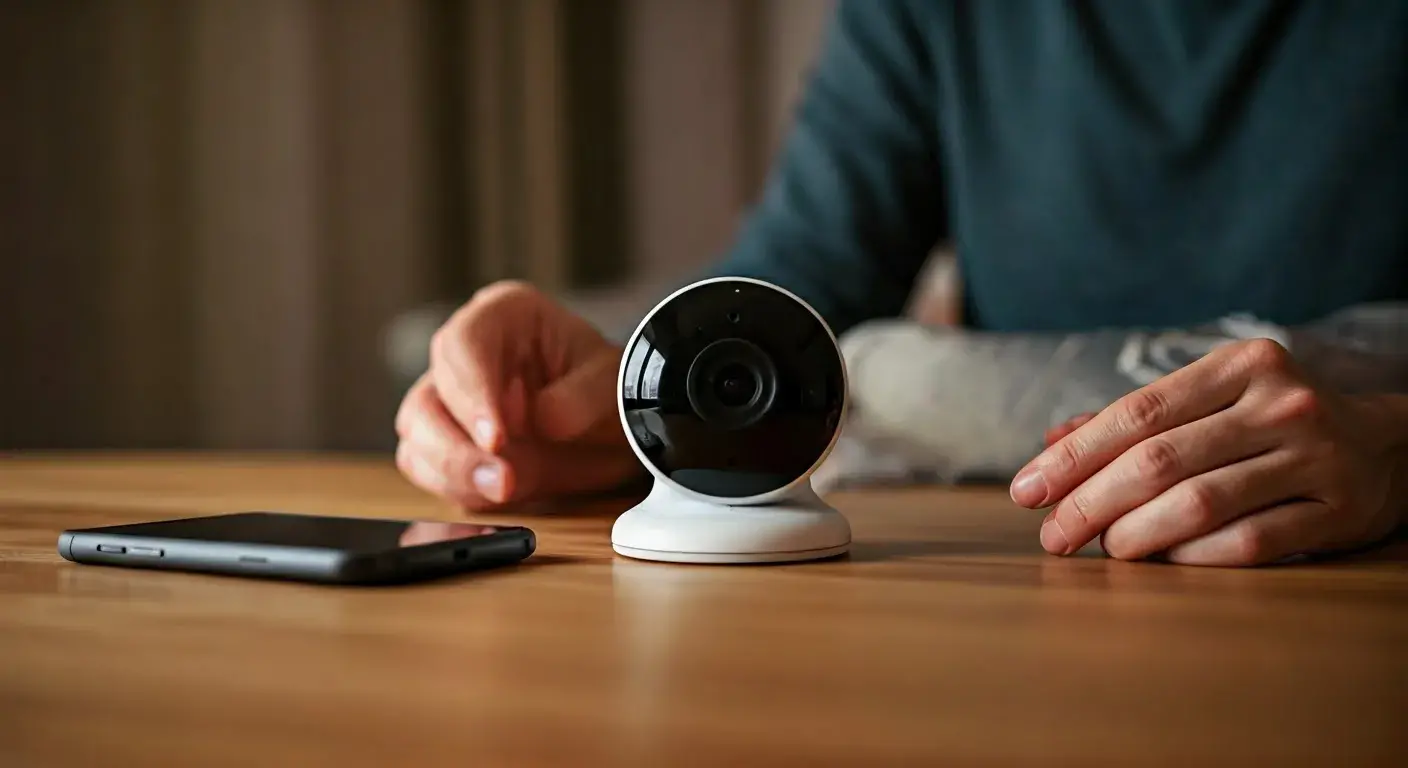
- Security Cameras: Indoor and outdoor cameras, including doorbell cameras, offering high-definition video, night vision, and two-way audio. These cameras can be integrated with motion detection to provide alerts.
- Environmental Sensors: Smoke detectors, carbon monoxide detectors, and flood sensors to protect against various household hazards.
- Smart Locks: Keyless entry systems that can be controlled remotely, allowing homeowners to grant or revoke access and receive notifications about who enters and when.
The integration of these security components ensures a robust safety net for homeowners, providing alerts and immediate response in critical situations.
Smart Home Automation: Enhancing Convenience
Beyond security, Vivint excels in smart home automation, transforming a house into a responsive and convenient living environment. This includes:
- Smart Lighting: Control over indoor and outdoor lights, allowing for scheduling, remote operation, and integration with other smart home events (e.g., lights turning on when a door is unlocked).
- Smart Thermostats: Remote temperature control, programmable schedules, and learning capabilities that optimize heating and cooling for comfort and energy savings.
- Smart Garage Door Control: The ability to open, close, and monitor garage doors remotely via the Vivint app, ensuring doors are not left open and providing convenience for deliveries or family members.
- Smart Plugs: Control over non-smart devices by plugging them into Vivint-enabled smart plugs, allowing for remote on/off functionality and scheduling.
- Voice Control Integration: Compatibility with popular voice assistants like Amazon Alexa and Google Assistant, enabling hands-free control of connected devices.
These automation features are designed to simplify daily routines, enhance comfort, and provide a modern living experience.
Energy Management: Efficiency and Savings
Leveraging its partnership with NRG Energy, Vivint offers advanced energy management solutions. This aspect focuses on optimizing energy consumption and potentially reducing utility bills:
- Smart Thermostat Optimization: The smart thermostat learns user preferences and schedules to automatically adjust the temperature, reducing unnecessary energy usage.
- Energy Usage Monitoring: While not as granular as some dedicated energy monitoring systems, Vivint's platform can provide insights into the energy consumption patterns of connected devices, particularly the HVAC system.
- Integration with Solar (Emerging): As the smart home and energy sectors converge, Vivint is increasingly integrating with renewable energy sources like solar power, allowing for more sophisticated management of home energy production and consumption.
The goal is to make homes more energy-efficient and environmentally friendly without sacrificing comfort.
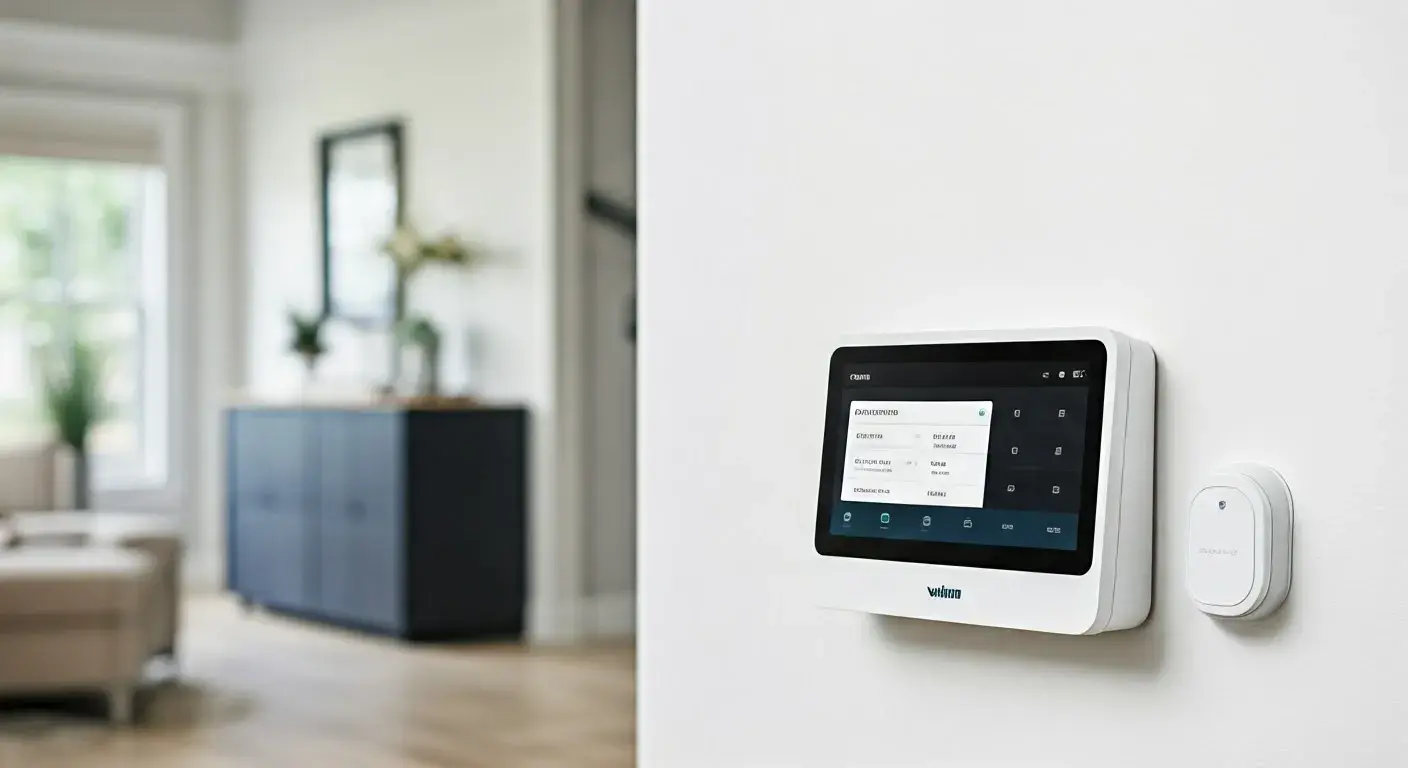
The Vivint App: Your Command Center
The Vivint app is the central nervous system of the smart home. It provides users with comprehensive control and monitoring capabilities from anywhere in the world:
- Real-time Alerts: Instant notifications for security breaches, motion detection, smoke alarms, and other critical events.
- Remote Access: Control lights, thermostats, locks, and garage doors; view live camera feeds; and arm/disarm the security system.
- Customizable Scenes and Automations: Users can create personalized routines, such as a "Good Morning" scene that turns on lights, adjusts the thermostat, and disarms the system, or a "Leaving Home" scene that locks doors, turns off lights, and arms the system.
- Activity History: Review logs of system events, camera recordings, and sensor activity.
- User Management: Granting access to family members or trusted individuals with customizable permissions.
The app's intuitive design ensures that even complex smart home features are accessible to users of all technical skill levels.
Vivint vs. The Competition: How Does it Stack Up?
Vivint operates in a crowded market, competing with a range of providers from DIY startups to established security giants. Understanding its position requires a comparative analysis.
Vivint vs. DIY Systems (e.g., Ring, SimpliSafe)
DIY systems like Ring Alarm and SimpliSafe have gained popularity due to their lower upfront costs and self-installation options. However, Vivint offers distinct advantages:
| Feature | Vivint | DIY Systems (Ring, SimpliSafe) |
|---|---|---|
| Installation | Professional installation required. | Self-installation, often very straightforward. |
| Monitoring | 24/7 professional U.L.-listed monitoring included in most plans. | Optional professional monitoring, often with tiered services; some offer self-monitoring only. |
| Hardware Integration | Highly integrated ecosystem, designed to work seamlessly together. | Integration can vary; some devices may not work as seamlessly across different brands or even within the same brand's ecosystem. |
| Customer Support | Dedicated support, including in-home service. | Primarily online or phone support; troubleshooting is often user-driven. |
| Upfront Cost | Generally higher due to professional installation and bundled hardware. | Lower upfront hardware costs. |
| Monthly Fees | Typically higher due to comprehensive monitoring and service. | Can be lower, especially for self-monitoring or basic professional plans. |
| Smart Home Features | Robust integration with lighting, thermostats, locks, etc. | Varies; often strong in specific areas (e.g., Ring for cameras), but full-home integration might require multiple platforms. |
Vivint's primary advantage over DIY systems lies in its comprehensive service model, which includes professional installation, robust monitoring, and dedicated support. This is ideal for users who want a hands-off, premium experience and are willing to pay more for it. DIY systems are better suited for budget-conscious individuals comfortable with self-installation and troubleshooting.
Vivint vs. Traditional Security Companies (e.g., ADT)
Traditional security companies like ADT have long been established players. Vivint often positions itself as a more modern, tech-forward alternative:
| Feature | Vivint | Traditional Security Companies (e.g., ADT) |
|---|---|---|
| Technology Focus | Emphasis on integrated smart home technology and a user-friendly app. | Historically focused on core security; smart home integration is often an add-on or newer development. |
| Installation | Professional installation by Vivint technicians. | Professional installation, often by third-party contractors or in-house technicians. |
| Contract Terms | Varying contract lengths (e.g., 42 or 60 months) are common, with options for month-to-month in some cases. | Longer contract terms (e.g., 3-5 years) are very common, often with penalties for early termination. |
| Hardware | Proprietary hardware designed for Vivint's ecosystem. | Often uses a mix of proprietary and third-party compatible hardware. |
| Customer Experience | Aims for a modern, tech-savvy customer experience. | Can sometimes feel more traditional; customer service experiences can vary widely. |
| Pricing Structure | Bundled hardware costs spread over the contract, plus monthly service fees. | Similar structure, often with significant upfront hardware costs or included in monthly fees over longer terms. |
Vivint often appeals to those seeking a more integrated and technologically advanced solution than some older, more established security providers. The user experience through the app and the seamless integration of smart home devices are key differentiators.
Vivint vs. Standalone Smart Home Platforms (e.g., Google Home, Amazon Alexa)
Platforms like Google Home and Amazon Alexa provide smart home hubs and voice control but are not comprehensive security systems on their own. Vivint integrates with these platforms but offers a complete security and automation solution:
| Feature | Vivint | Standalone Smart Home Platforms (Google Home, Alexa) |
|---|---|---|
| Core Functionality | Integrated security, automation, and monitoring. | Voice control, smart device hub, entertainment, information. |
| Security System | Comprehensive, professionally monitored security system. | No inherent security system; relies on connected third-party security devices (e.g., smart locks, cameras) which may lack professional monitoring. |
| Installation | Professional installation. | Self-installation of hubs and compatible devices. |
| Monitoring | 24/7 professional monitoring. | Typically self-monitoring or limited professional monitoring for specific connected devices. |
| Hardware Ecosystem | Proprietary, integrated hardware. | Supports a wide range of third-party smart devices. |
| Cost Structure | Monthly service fees covering monitoring, support, and equipment financing. | One-time hardware purchase costs; no mandatory monthly fees for the platform itself, though individual device subscriptions may apply. |
Vivint is not a direct competitor to Google Home or Alexa; rather, it's a system that can *integrate* with them. Vivint provides the security infrastructure and a tightly controlled ecosystem, while platforms like Google and Alexa offer broader smart home control and access to a vast array of third-party devices.
Understanding Vivint Pricing and Plans for 2025-2026
Vivint's pricing model is typically structured around a combination of equipment costs, installation fees, and monthly service plans. It's important to note that Vivint generally does not sell equipment outright; instead, it's financed over the term of a contract.
Equipment Packages: Vivint offers various packages tailored to different home sizes and needs. These can range from basic security setups to comprehensive smart home integrations. The cost of the hardware (control panel, sensors, cameras, locks, thermostat, etc.) is usually spread across the contract term, often 42 or 60 months. Upfront costs for equipment can vary significantly, but Vivint often offers promotions or discounts.
Installation: Professional installation is a mandatory part of the Vivint service. The installation fee can range from a few hundred dollars to more, depending on the complexity of the system and any ongoing promotions. This fee is often paid upfront or financed as part of the overall package.
Monthly Service Plans: These plans are the core of Vivint's recurring revenue and cover essential services:
- Vivint Security: This is the most basic plan, offering 24/7 professional monitoring, mobile app access, and basic smart home control.
- Vivint Smart Home: This tier typically includes everything in the Security plan plus more advanced automation features, such as smart lighting, thermostat control, and garage door control.
- Vivint Complete: This premium package often includes advanced camera features, enhanced storage, and potentially other specialized services.
Monthly fees for these plans in 2025-2026 generally range from approximately $40 to $70, depending on the chosen package, the amount of equipment financed, and any promotional pricing. For example, a typical setup might involve a base monthly fee of $49.99 for security and monitoring, with additional charges for financed equipment that could bring the total to $70-$100+ per month, depending on the system's scope.
Contract Terms: Vivint contracts are typically long-term, with 42-month (3.5 years) and 60-month (5 years) terms being most common. Some customers may have options for shorter or month-to-month agreements, but these often come with higher upfront equipment costs. Early termination fees can be substantial, so it's crucial to understand the contract terms before signing.
Factors Influencing Cost:
- Number of Devices: More sensors, cameras, and smart devices will increase the financed equipment cost and potentially the monthly service fee.
- Type of Cameras: Advanced indoor/outdoor cameras or doorbell cameras with higher resolutions and features will cost more.
- Home Size: Larger homes may require more sensors or more robust Wi-Fi extenders, impacting the overall package cost.
- Promotions: Vivint frequently offers discounts on equipment, installation, or introductory monthly rates.
It is always recommended to get a personalized quote directly from Vivint, as pricing can be customized based on individual needs and current promotions.
Installation and Ongoing Support: The Vivint Advantage
One of Vivint's most significant selling points is its commitment to professional installation and comprehensive customer support. This differentiates it from many DIY smart home systems.
Professional Installation
Vivint technicians are trained to install the entire smart home system, ensuring that all components are properly configured and integrated. This process typically involves:
- Site Assessment: The technician will assess your home to determine the best placement for sensors, cameras, and the control panel.
- System Setup: This includes installing hardware, connecting it to your Wi-Fi network, and configuring the control panel.
- Device Pairing: All sensors, locks, thermostats, and other smart devices are paired with the central hub.
- System Testing: The technician will thoroughly test each component to ensure it's functioning correctly and that the system is communicating properly with the monitoring center.
- Customer Walkthrough: You will receive a detailed explanation of how your system works, how to use the Vivint app, and how to manage your smart home devices.
This professional approach minimizes the risk of installation errors, ensures optimal performance, and provides peace of mind from the outset.
Ongoing Support
Vivint offers a multi-layered support system designed to address customer needs:
- 24/7 Professional Monitoring: As mentioned, this is a critical component, ensuring that any alarm event is handled by trained professionals who can dispatch emergency services.
- Technical Support: Vivint provides customer support for technical issues, troubleshooting, and questions about system functionality. This is typically available via phone or through the app.
- In-Home Service: For hardware malfunctions or more complex issues that cannot be resolved remotely, Vivint technicians can be dispatched to your home for service calls. This is often covered under warranty or the service plan.
- App Updates and Maintenance: Vivint regularly updates its app and system software to introduce new features, improve performance, and patch security vulnerabilities.
This robust support infrastructure is a key reason why many consumers opt for Vivint, especially those who value convenience and reliable service over the lowest possible price.
Is Vivint the Right Smart Home Solution for You?
Deciding if Vivint is the best fit involves weighing its benefits against potential drawbacks and considering your personal needs and preferences. Here’s a breakdown to help you decide:
The Pros: Why Choose Vivint?
- Seamless Integration: All Vivint components are designed to work together flawlessly, creating a cohesive smart home experience.
- Professional Installation and Support: Eliminates the hassle and potential errors of DIY setup and provides ongoing technical assistance.
- Robust Security Features: Comprehensive security system with 24/7 professional monitoring, offering a high level of protection.
- User-Friendly App: The Vivint app is intuitive and provides powerful control over all connected devices from anywhere.
- Advanced Automation: Offers sophisticated automation capabilities that enhance convenience and comfort.
- Reputable Brand: Vivint is a well-established company with a strong track record in the smart home and security industry.
- Integration with Voice Assistants: Works with popular platforms like Amazon Alexa and Google Assistant for hands-free control.
- Smart Energy Management: Contributes to energy efficiency through smart thermostat and lighting controls.
The Cons: Potential Drawbacks to Consider
- Higher Cost: Vivint is generally more expensive than DIY systems, both in terms of upfront costs and monthly fees.
- Long-Term Contracts: The requirement for 42 or 60-month contracts can be a commitment that some users prefer to avoid.
- Proprietary System: Vivint's reliance on its own hardware means you are locked into their ecosystem. You cannot easily swap out components for third-party brands.
- Limited Customization for Tech-Savvy Users: While user-friendly, the system might offer less granular control or customization options for advanced users compared to open-source or highly configurable DIY setups.
- No Option for Self-Monitoring Only: Vivint systems are designed to be professionally monitored, which might not be desired by everyone.
Vivint is likely a good fit if:
- You prioritize a premium, integrated smart home experience with minimal effort.
- You want the peace of mind that comes with professional installation and 24/7 professional monitoring.
- You are comfortable with a long-term contract and higher monthly service fees in exchange for comprehensive service.
- You value convenience and a user-friendly interface over the absolute lowest cost.
Vivint might not be the best choice if:
- You are on a tight budget and looking for the most affordable smart home solution.
- You prefer to install and manage your own systems without long-term contracts.
- You want the flexibility to mix and match devices from various brands.
- You only need basic smart home functionality and do not require professional security monitoring.
The Future of Vivint and Smart Home Technology
The smart home industry is in a constant state of evolution, driven by advancements in AI, IoT, and connectivity. Vivint, as a major player, is poised to adapt and lead in several key areas:
AI and Machine Learning: Expect Vivint to further integrate AI into its platform. This could lead to more intelligent automation, predictive security measures, and personalized user experiences. For instance, AI could learn household patterns to optimize energy usage more effectively or detect anomalies that might indicate a security threat before a traditional sensor is triggered.
Enhanced Connectivity (5G and Beyond): The rollout of 5G networks promises faster speeds, lower latency, and the ability to connect more devices simultaneously. Vivint will likely leverage this to improve the responsiveness of its systems, enable higher-resolution video streaming from cameras, and support a greater density of smart devices within a home.
Greater Energy Integration: With the acquisition by NRG Energy, Vivint's focus on energy management will likely deepen. Future developments could include more sophisticated integration with solar panels, battery storage systems, and smart grids, allowing homeowners to optimize their energy consumption, reduce costs, and contribute to grid stability.
Interoperability and Standards: While Vivint currently operates a proprietary ecosystem, the industry is moving towards greater interoperability through standards like Matter. Vivint may explore ways to integrate with these emerging standards, potentially allowing its systems to communicate with a wider range of third-party devices, enhancing flexibility for consumers.
Health and Wellness Integration: The smart home is increasingly extending into health and wellness. Vivint could incorporate features related to air quality monitoring, smart sleep tracking, or even fall detection for elderly residents, further broadening the scope of home technology.
Cybersecurity: As smart homes become more interconnected, cybersecurity will remain a paramount concern. Vivint will continue to invest in robust security protocols to protect user data and prevent unauthorized access to home systems.
Vivint's strategy of offering a professionally managed, integrated solution positions it well to navigate these future trends. By continuously innovating its hardware, software, and services, Vivint aims to remain at the forefront of the smart home revolution, providing homeowners with increasingly sophisticated, secure, and convenient living environments.
In conclusion, Vivint is a comprehensive smart home provider that excels in delivering integrated security, automation, and energy management solutions. Its core strength lies in its professionally installed systems, 24/7 monitoring, and a user-friendly mobile application, making advanced home technology accessible and convenient. While it comes at a higher price point and typically involves long-term contracts, the seamless integration, robust support, and high level of security offered by Vivint make it an attractive option for homeowners seeking a premium, hands-off smart home experience. For those prioritizing convenience, reliability, and a fully managed system, Vivint stands out as a leading choice in the evolving smart home landscape.