Vivint's technological ecosystem is a cornerstone of modern home security and automation. This comprehensive guide delves into the specific technologies Vivint employs, from advanced sensors and smart locks to AI-powered surveillance and seamless mobile integration, offering unparalleled safety and convenience for homeowners in 2025-26.
Vivint's Core Technology: The Smart Hub and Ecosystem
At the heart of every Vivint system lies its sophisticated smart home hub, often referred to as the Vivint Panel or Smart Hub. This central processing unit is the brain of the operation, wirelessly connecting and managing all the various components of your security and automation setup. In 2025-26, these hubs are more powerful and intuitive than ever, featuring enhanced processing speeds, larger touchscreens with high-definition displays, and improved Wi-Fi and cellular connectivity for robust communication. The underlying technology prioritizes a closed-loop ecosystem, meaning Vivint devices are designed to work seamlessly together, offering a level of integration that is difficult to replicate with disparate smart home products. This approach ensures reliability and simplifies user experience, as all devices are managed through a single interface. The hub also acts as a gateway for remote access, enabling users to control and monitor their home from anywhere in the world via the Vivint app. Its robust security protocols, including advanced encryption, protect the data transmitted between devices and the cloud, safeguarding user privacy. Furthermore, the hub's ability to learn user patterns and preferences is a key aspect of its advanced functionality, paving the way for more personalized automation and security responses.
The Vivint Panel: A Technological Showcase
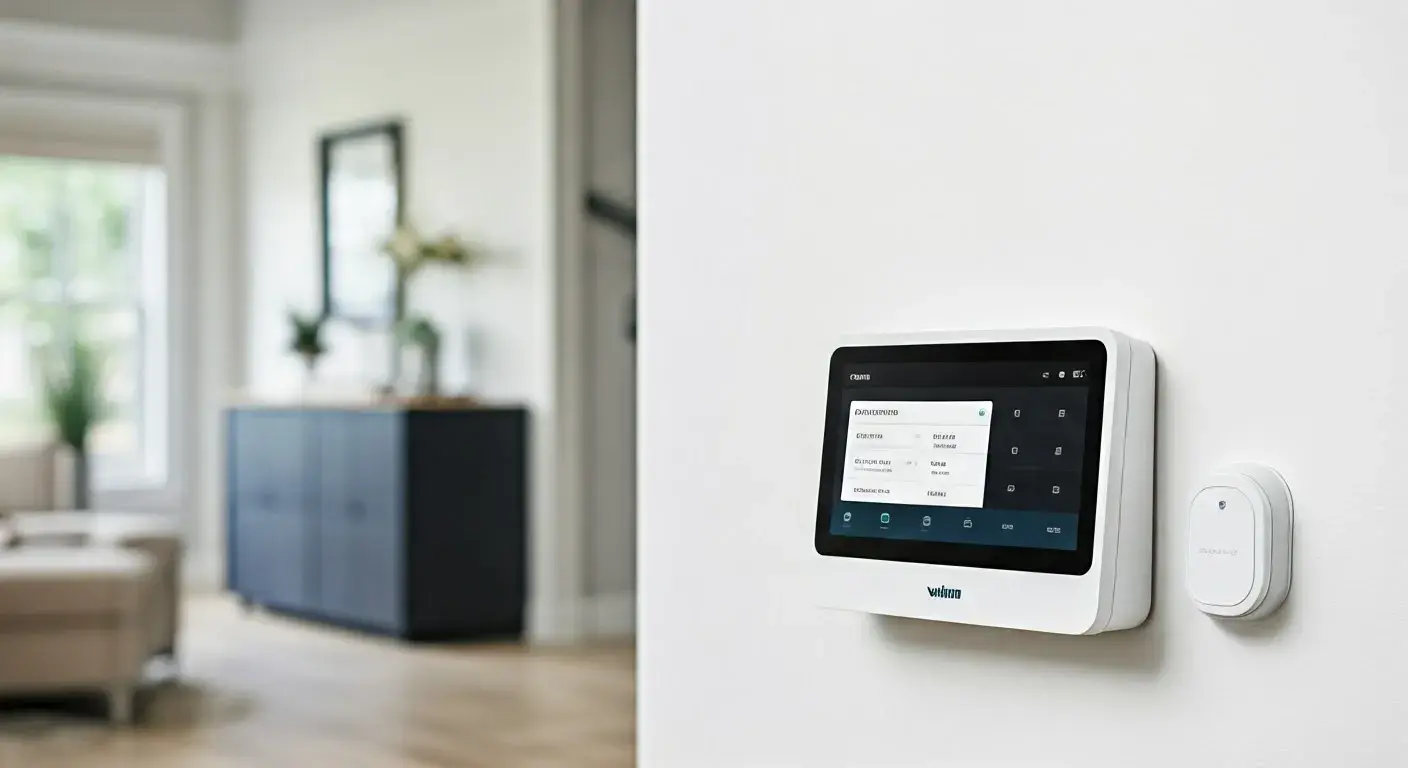
The Vivint Panel, in its latest iterations (e.g., Vivint Element or Vivint Touchscreen Panel), is a marvel of modern smart home technology. It typically features a vibrant, responsive touchscreen interface that allows for easy arming and disarming of the security system, viewing live camera feeds, controlling smart locks, adjusting thermostats, and managing lighting. Beyond the visual interface, the panel houses powerful processors and ample memory to handle complex commands and data streams from numerous connected devices. Its connectivity options are extensive, usually including dual-band Wi-Fi, Z-Wave, Zigbee, and cellular backup. The cellular backup is a critical component, ensuring the system remains connected to Vivint's 24/7 monitoring center even if the home's internet or power is disrupted. This multi-layered approach to connectivity is a testament to Vivint's commitment to system reliability and security. The panel's software is regularly updated, introducing new features and security enhancements, keeping the system at the forefront of smart home technology. For instance, recent updates in 2025-26 have focused on improving voice command recognition and integrating more advanced AI-driven alerts.
Connectivity Protocols: The Backbone of Integration
Vivint leverages a suite of industry-standard wireless protocols to ensure broad compatibility and reliable communication between its devices and the central hub. These include:
- Z-Wave: A low-power wireless protocol designed for home automation, Z-Wave is ideal for devices like smart locks, thermostats, and light switches. It creates a mesh network, where devices can relay signals, extending the network's range and improving reliability. Vivint's implementation of Z-Wave is optimized for security and responsiveness.
- Zigbee: Similar to Z-Wave, Zigbee is another low-power, mesh-networking protocol widely used in smart home devices. It's often found in sensors, smart plugs, and lighting controls. Vivint utilizes Zigbee to ensure seamless communication with a variety of compatible third-party devices that may be integrated into the Vivint ecosystem.
- Wi-Fi: Essential for high-bandwidth devices like security cameras and for connecting the hub to the internet. Vivint panels and cameras utilize advanced Wi-Fi standards (e.g., Wi-Fi 6/6E in 2025-26) for faster, more stable connections, crucial for streaming high-definition video and receiving real-time alerts.
- Cellular: As mentioned, a built-in cellular modem provides a critical backup communication channel to Vivint's monitoring center, ensuring system integrity even during internet outages. This is a non-negotiable feature for comprehensive home security.
The Vivint Ecosystem: A Symphony of Devices
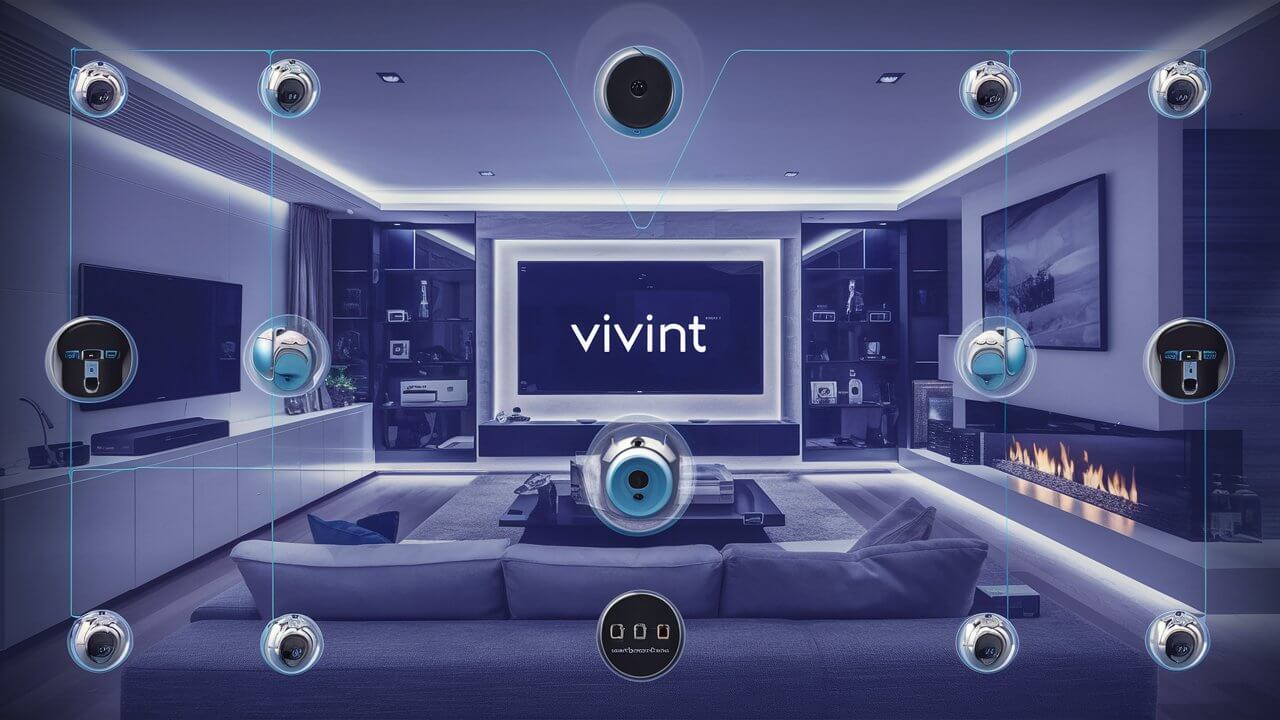
The true power of Vivint's technology lies in how its individual components work in concert. Each device, from a simple door sensor to an advanced doorbell camera, is designed to communicate with the Smart Hub and, by extension, with other devices. This interconnectedness allows for sophisticated automation rules and immediate, coordinated responses to events. For example, if a door sensor is triggered while the system is armed, the hub can instantly activate sirens, send alerts to the homeowner and monitoring center, and begin recording video from nearby cameras. This seamless integration is a hallmark of Vivint's technological approach, differentiating it from DIY systems that may require complex third-party integrations. The ecosystem is constantly evolving, with Vivint regularly introducing new devices and updating firmware to enhance functionality and compatibility, ensuring that Vivint systems remain cutting-edge throughout their lifespan.
Advanced Security Sensors and Detection Technologies
Vivint's security sensor technology is built on a foundation of reliability, accuracy, and rapid detection. These devices are the first line of defense, constantly monitoring for unauthorized entry, movement, or environmental hazards. In 2025-26, Vivint continues to refine these sensors, incorporating advanced materials, improved power efficiency, and smarter algorithms to minimize false alarms while maximizing threat detection. The system's ability to differentiate between normal household activity and genuine security threats is a key technological advancement, providing homeowners with peace of mind.
Door and Window Sensors: The Silent Guardians
These are perhaps the most fundamental security sensors. Vivint's door and window sensors utilize magnetic contact technology. When the two parts of the sensor are separated (i.e., a door or window is opened), the circuit is broken, and an immediate signal is sent to the Vivint Panel. Modern Vivint sensors are compact, wireless, and feature long-lasting batteries. They are designed for easy installation on various frame types and materials. The technology ensures that even a slight opening triggers an alert, providing an early warning of a potential intrusion. Some advanced versions may also incorporate tilt sensors to detect if a window is being forced open from the top.
Motion Detectors: Intelligent Intrusion Detection
Vivint employs passive infrared (PIR) motion detectors, which sense changes in heat signatures within their field of view. These sensors are strategically placed to cover high-traffic areas or vulnerable entry points. To combat false alarms from pets, Vivint offers pet-immune motion detectors. These are engineered with specific lens designs and detection zones that allow them to distinguish between the heat signatures of humans and those of smaller animals (typically up to 40-60 lbs, depending on the model and placement). Advanced algorithms within the sensor and the hub help to further refine detection, learning normal movement patterns within a home to reduce unnecessary alerts. In 2025-26, we see enhanced sensitivity adjustments and more sophisticated algorithms that can differentiate between deliberate movement and environmental factors like air currents.
Pet-Immune Technology: A Closer Look
The technology behind pet-immune motion detectors involves creating specific detection "zones." These zones are typically arranged in a way that a smaller animal moving close to the floor will not trigger the sensor, while a human-sized presence higher up will. Some advanced models use dual-element PIR sensors, which require two separate infrared signals to be detected before triggering an alarm, further reducing the likelihood of false positives from pets. Vivint's engineering ensures these sensors are effective for a wide range of pet sizes and behaviors.
Glass Break Sensors: Detecting the Sound of Danger
Glass break sensors are designed to detect the specific sound frequencies associated with breaking glass. Vivint's sensors use advanced acoustic technology to distinguish the unique shockwave and shattering sound of glass breaking from other household noises. This is crucial for detecting forced entry through windows. The sensors have a specific range and are typically placed in rooms with multiple windows or large panes of glass. In 2025-26, these sensors often feature improved sound processing algorithms to minimize false alarms from dropped items or loud noises, focusing solely on the acoustic signature of shattering glass.
Recap of Sensor Technologies
Vivint's sensor suite provides a layered defense:
| Sensor Type | Detection Method | Primary Use | Advanced Features (2025-26) |
|---|---|---|---|
| Door/Window Sensor | Magnetic Contact | Entry points (doors, windows) | Compact design, long battery life, tamper detection |
| Motion Detector | Passive Infrared (PIR) | Interior areas, hallways | Pet-immunity (up to 60 lbs), adjustable sensitivity, advanced AI filtering |
| Glass Break Sensor | Acoustic Analysis | Windows, glass doors | Targeted frequency detection, reduced false alarms, extended range |
Smart Access and Control: Locks, Garage Doors, and More
Vivint's technology extends beyond mere detection to active control, empowering homeowners to manage access to their property remotely and securely. This includes smart locks, garage door openers, and even integrated lighting and thermostat controls that contribute to both convenience and security.
Vivint Smart Lock: Keyless Convenience and Security
The Vivint Smart Lock is a cornerstone of its smart access technology. It replaces traditional deadbolts and offers a host of features:
- Keyless Entry: Access your home using a personalized 4-8 digit PIN code entered on the keypad. This eliminates the need for physical keys, which can be lost or copied.
- Remote Locking/Unlocking: Via the Vivint app, you can lock or unlock your door from anywhere, perfect for letting in a trusted guest or ensuring the door is locked after you've left.
- User Code Management: Create unique PIN codes for family members, friends, or service providers. You can set schedules for these codes (e.g., a cleaner's code only works during specific hours) and receive notifications when they are used.
- Auto-Lock: The lock can be programmed to automatically re-lock after a set period (e.g., 30 seconds, 1 minute), ensuring your door is never accidentally left unlocked.
- Tamper Alerts: Receive notifications if someone attempts to force or tamper with the lock.
- Integration with Security System: The smart lock integrates seamlessly with the Vivint Panel. For example, when you arm the system in "Away" mode, the lock can automatically engage.
In 2025-26, Vivint smart locks often feature enhanced security protocols, improved battery life, and sometimes even biometric fingerprint scanning options for an even more advanced and secure entry method. The physical construction is also robust, designed to withstand tampering.
Smart Garage Door Control: Secure Access to Your Home
Vivint's smart garage door opener technology allows you to monitor and control your garage door remotely. This provides:
- Remote Open/Close: Open your garage door from the Vivint app to let in a delivery person, or close it if you've forgotten.
- Status Monitoring: Always know whether your garage door is open or closed, receiving alerts if it's left open for an extended period.
- Scheduled Operation: While less common for security reasons, some systems allow for scheduled closing.
- Integration: Works in tandem with the security system. For instance, you can set rules for the garage door to close automatically when the security system is armed.
This technology adds a layer of convenience and security, preventing accidental openings and providing peace of mind that your garage is secured.
Smart Lighting and Thermostat Integration
While not strictly access control, Vivint's integration with smart lighting and thermostats plays a significant role in home management and security perception. Smart lighting can be programmed to turn on/off automatically based on arming/disarming the system, time of day, or even motion detection, creating the impression of occupancy. Smart thermostats, like the Vivint Smart Thermostat, allow for remote temperature adjustments and energy savings, all managed through the same Vivint app. This unified control simplifies home management and enhances the overall smart home experience.
Cutting-Edge Surveillance and Monitoring Systems
Vivint's commitment to security is most evident in its advanced surveillance and monitoring technologies. These systems go beyond simple recording, employing intelligent features to provide actionable insights and deter potential threats.
Vivint Doorbell Camera: The First Line of Visual Defense
The Vivint Doorbell Camera is a sophisticated device that combines a high-definition camera, microphone, speaker, and motion detection. Key features include:
- HD Video: Provides clear, wide-angle video of visitors at your doorstep, day or night, thanks to infrared night vision.
- Two-Way Talk: Communicate directly with visitors through your smartphone or the Vivint Panel, whether you're home or away.
- Motion Detection: Advanced motion sensors can detect activity in a defined zone, triggering recording and alerts even before someone rings the doorbell.
- Smart Alerts: Receive notifications for motion, people detection, or when the doorbell is pressed.
- Integration: Seamlessly integrates with the Vivint Panel and app, allowing you to view live feeds and recordings alongside your other security cameras.
In 2025-26, doorbell cameras often feature improved AI for person detection, package detection, and even facial recognition capabilities, offering a more intelligent and personalized security experience.
Vivint Indoor and Outdoor Cameras: Comprehensive Coverage
Vivint offers a range of indoor and outdoor security cameras designed to provide continuous monitoring and evidence capture. These cameras boast:
- High-Definition Video: Crystal-clear video quality (often 1080p or higher) for detailed footage.
- Night Vision: Infrared LEDs provide clear visibility in low-light or complete darkness.
- Wide-Angle Lenses: Capture a broad field of view to monitor larger areas.
- Weather Resistance (Outdoor Cameras): Built to withstand various environmental conditions.
- Two-Way Audio: Communicate with individuals on camera.
- Smart Clips and Continuous Recording: Vivint's cloud storage service (Vivint Smart Protect) allows for storage of recorded footage. Smart Clips capture the most important moments, while continuous recording options are available for enhanced security needs. The 2025-26 offerings include enhanced cloud storage tiers and more intelligent video analytics.
- AI-Powered Detection: Advanced models can differentiate between people, vehicles, and animals, reducing false alerts and providing more relevant notifications.
Vivint Smart Protect: Cloud Storage and Video Analytics
Vivint Smart Protect is the service that underpins the video surveillance capabilities. It provides secure cloud storage for video recordings, accessible via the Vivint app. This service is crucial for reviewing events, downloading evidence, and leveraging AI-powered video analytics. In 2025-26, Vivint Smart Protect has evolved to offer more sophisticated analytics, such as advanced motion zones, customizable alert settings, and potentially even AI-driven anomaly detection that flags unusual activity patterns within the home.
Professional Monitoring: The Human Element
While not strictly "technology" in the hardware sense, Vivint's 24/7 professional monitoring service is an integral part of its technological offering. Trained professionals are alerted when the security system is triggered. They can assess the situation, contact the homeowner, and dispatch emergency services (police, fire, medical) if necessary. This human oversight, combined with the advanced technology, creates a robust and responsive security solution. The communication channels between the sensors, the hub, the monitoring center, and emergency services are all technologically driven, ensuring rapid and accurate information transfer.
Environmental and Life Safety Technologies
Beyond intrusion detection, Vivint integrates technologies designed to protect homeowners from environmental hazards, ensuring comprehensive safety for the entire household.
Smoke and Carbon Monoxide Detectors: Early Warning Systems
Vivint offers integrated smoke and carbon monoxide detectors that are wirelessly connected to the Smart Hub. These devices provide:
- Dual Detection: Many Vivint detectors combine both smoke and CO detection in a single unit, simplifying installation and management.
- 24/7 Monitoring: When a detector is triggered, the system immediately alerts the Vivint monitoring center, which can dispatch fire services.
- Remote Notifications: Homeowners receive instant alerts on their smartphones, allowing them to take immediate action, even if they are not home.
- Interconnectivity: If one detector senses smoke or CO, all connected detectors in the home will sound an alarm, ensuring everyone is alerted.
The technology behind these detectors is highly sensitive, designed to detect the earliest signs of fire or dangerous CO levels, providing crucial time for evacuation.
Flood Sensors: Protecting Against Water Damage
Vivint flood sensors are small, discreet devices placed in areas prone to water leaks, such as basements, under sinks, or near water heaters. When the sensor comes into contact with water, it triggers an immediate alert to the Vivint Panel and the homeowner's mobile device. This early detection can prevent significant water damage and costly repairs by allowing homeowners to address leaks promptly.
Freeze Sensors: Preventing Frozen Pipes
Similar to flood sensors, freeze sensors monitor ambient temperature. If the temperature drops below a pre-set threshold (typically around 40°F or 4°C), the sensor triggers an alert. This is particularly useful for vacation homes or during cold snaps, helping homeowners prevent pipes from freezing and bursting, which can cause extensive damage.
Medical Alert Pendant (Vivint Vital Point): For Personal Safety
Vivint offers a personal emergency response system (PERS) called Vivint Vital Point. This technology includes a wearable pendant that, when a button is pressed, sends an alert to the Vivint monitoring center. Trained operators can then assess the situation and dispatch emergency medical services if needed. This is a vital technology for elderly individuals or those with medical conditions, providing an added layer of personal safety and peace of mind.
Seamless Automation and Smart Home Integration
Vivint's technology excels in its ability to automate daily routines and integrate with other smart home devices, creating a truly connected and intelligent living environment. This goes beyond security to enhance convenience, comfort, and energy efficiency.
Customizable Automation Rules: "If This, Then That" Scenarios
The Vivint Panel and app allow users to create custom automation rules, often referred to as "scenes" or "routines." These rules leverage the interconnectedness of Vivint devices:
- "Good Morning" Scene: Disarms the system, turns on specific lights, adjusts the thermostat to a comfortable temperature, and perhaps even starts a smart coffee maker (if integrated).
- "Good Night" Scene: Arms the system in "Stay" mode, locks all doors, turns off lights, and adjusts the thermostat for sleep.
- "Away" Mode Automation: When the system is armed in "Away" mode, all doors lock, lights turn off, and the thermostat enters an energy-saving setting.
- Motion-Triggered Lighting: Lights can automatically turn on when motion is detected in a specific area after dark.
- Door Lock Integration: Automatically arm the system when the smart lock is engaged.
These rules are easily configured through the Vivint app, making sophisticated automation accessible to all users.
Integration with Third-Party Smart Home Devices
While Vivint's ecosystem is largely proprietary, it does offer integration capabilities with select popular smart home platforms and devices. This allows users to expand their smart home capabilities:
- Voice Assistants: Vivint systems are compatible with Amazon Alexa and Google Assistant. This enables voice control of security system functions (arming/disarming with a PIN), lighting, thermostats, and more.
- Smart Plugs and Switches: Control non-smart devices like lamps or fans through the Vivint app by plugging them into a compatible smart plug.
- Smart Thermostats: While Vivint offers its own thermostat, integration with other popular smart thermostats may be possible for advanced users or specific configurations.
The ongoing development in 2025-26 continues to expand these integration possibilities, making Vivint a more versatile smart home platform.
Energy Management and Efficiency
The smart thermostat and lighting control features contribute significantly to energy management. By allowing users to remotely adjust temperatures, set schedules, and automate lighting, Vivint helps reduce energy consumption and lower utility bills. The system can learn occupancy patterns and adjust settings accordingly, optimizing energy use without sacrificing comfort. For example, the system can detect when no one is home and automatically lower the thermostat, or turn off lights that have been left on unnecessarily.
The Vivint App: Your Command Center for Remote Access
The Vivint app is the central nervous system for remote interaction with your smart home security system. It's the primary interface through which users monitor, control, and manage their Vivint technology from anywhere in the world.
Comprehensive Control and Monitoring Features
The Vivint app, available for iOS and Android devices, offers a robust suite of functionalities:
- System Status: View whether your system is armed or disarmed at a glance.
- Arm/Disarm: Remotely arm or disarm your security system.
- Live Video Feeds: Access live streams from all your Vivint cameras, including the doorbell camera.
- Video Playback: Review recorded video clips and events stored in the cloud.
- Smart Lock Control: Lock and unlock doors, and manage user access codes.
- Garage Door Control: Open and close your garage door.
- Thermostat Adjustment: Control your home's temperature.
- Lighting Control: Turn lights on or off, and manage smart plugs.
- Sensor Status: Check the status of individual sensors (e.g., if a window is open).
- Event History: Review a log of all system events, including alarms, arming/disarming, and sensor triggers.
Customizable Notifications and Alerts
A critical function of the Vivint app is its ability to deliver timely and customizable notifications. Users can choose to receive alerts for:
- System alarms (burglary, fire, CO)
- Arming and disarming events
- Door and window sensor triggers
- Motion detection
- Doorbell presses and visitor detection
- Smart lock activity (codes used, tampering attempts)
- Garage door status changes
- Low battery warnings for sensors
- Water leaks or freezing temperatures
These alerts ensure that homeowners are always informed about what's happening at their property, enabling them to respond quickly to any situation.
User Management and Permissions
The app allows primary account holders to manage access for other users. This includes creating unique PIN codes for family members or temporary codes for guests, and setting specific permissions for what each user can control. This granular control is essential for managing household access and security.
AI and Machine Learning Powering Vivint's Intelligence
Vivint is increasingly leveraging Artificial Intelligence (AI) and Machine Learning (ML) to enhance the capabilities and intelligence of its security and smart home systems. These technologies are not just buzzwords; they are actively improving the user experience and the effectiveness of the system.
Person Detection and Smart Alerts
One of the most significant applications of AI in Vivint's technology is advanced video analytics. Instead of simply triggering an alert for any motion, AI algorithms can now differentiate between various types of motion:
- Person Detection: Identifies when a human figure is present in the camera's view, significantly reducing false alarms from pets, swaying branches, or passing cars. This allows for more targeted alerts.
- Package Detection: Some cameras can specifically detect the delivery or removal of packages, providing relevant notifications for homeowners.
- Vehicle Detection: Differentiates between people and vehicles, useful for outdoor security and driveway monitoring.
These AI-powered alerts are more relevant and actionable, helping users prioritize what they need to see.
Behavioral Analysis and Anomaly Detection
In more advanced implementations, ML algorithms can learn the typical patterns of activity within a home. Over time, the system can begin to identify anomalies – events that deviate from the norm. For example, if a door is opened at an unusual hour when the house is typically empty, or if there's unusual movement detected in a specific area, the system might flag this as a potential concern, even if it doesn't fit a predefined alarm trigger. This predictive capability is a key area of growth for Vivint's technology in 2025-26.
Optimizing System Performance and User Experience
AI and ML are also used behind the scenes to optimize the performance of the Vivint system. This can include:
- Predictive Maintenance: Identifying potential issues with sensors or the hub before they lead to failure.
- Improving Voice Recognition: Enhancing the accuracy and responsiveness of voice commands through the Vivint Panel or integrated assistants.
- Personalized Automation: Learning user habits to suggest or automatically implement more relevant automation routines.
These underlying AI applications contribute to a more seamless, reliable, and intuitive smart home experience.
Vivint's Technological Edge: A 2025-26 Comparison
When evaluating "What Technology Does Vivint Have?", it's essential to see how it stacks up against other players in the home security and smart home market. Vivint differentiates itself through its integrated, professionally installed, and monitored approach, powered by proprietary and carefully selected third-party technologies.
Vivint's Strengths in Technology
- Seamless Integration: Vivint's ecosystem is designed from the ground up to work together. This leads to a more reliable and user-friendly experience compared to piecing together different brands.
- Professional Installation and Support: While not a technology itself, the professional installation ensures that the technology is set up optimally for each home, and ongoing support means technical issues are resolved efficiently.
- 24/7 Professional Monitoring: This is a key differentiator. While many DIY systems offer self-monitoring, Vivint's professional monitoring provides a critical layer of security that technology alone cannot replace.
- Robust Ecosystem: Vivint offers a comprehensive suite of devices, from advanced security sensors and cameras to smart locks and environmental detectors, all managed through a single platform.
- Advanced AI Features: The increasing integration of AI for person detection, smart alerts, and potential anomaly detection places Vivint at the forefront of intelligent home security.
Comparison with DIY Systems (e.g., Ring, SimpliSafe)
DIY systems often offer lower upfront costs and greater flexibility for users who prefer to self-install and self-monitor. However, they typically:
- May have less seamless integration between devices from different manufacturers.
- Rely on self-monitoring, which means the homeowner is responsible for contacting emergency services.
- May have fewer advanced features like integrated professional monitoring or advanced AI analytics out-of-the-box.
- Installation quality can vary significantly depending on user expertise.
Comparison with Other Integrated Systems (e.g., ADT Command)
Competitors like ADT Command offer a similar integrated and professionally monitored approach. The technological offerings are often comparable, with both companies investing heavily in smart home integration, AI, and advanced hardware. Key differentiators often come down to specific device features, app user experience, monitoring center response times, and pricing structures. Vivint's focus on a streamlined, user-friendly interface and its continuous innovation in AI-driven features are often cited as competitive advantages.
Technological Gaps and Considerations
While Vivint's technology is advanced, potential considerations include:
- Proprietary Ecosystem: While beneficial for integration, it means users are largely tied to Vivint's branded devices.
- Monthly Monitoring Fees: The cost of professional monitoring and cloud storage is an ongoing expense.
- Contractual Agreements: Vivint typically requires monitoring contracts, which may not appeal to all consumers.
In summary, Vivint's technological strategy in 2025-26 is characterized by a deeply integrated, intelligent, and professionally supported ecosystem that prioritizes comprehensive security and smart home automation.
The Future of Vivint Technology: What's Next?
The landscape of home technology is constantly evolving, and Vivint is positioned to continue its innovation. Based on current trends and industry advancements, we can anticipate several key areas of development for Vivint's technology in the coming years.
Enhanced AI and Predictive Security
The trend towards AI and machine learning will undoubtedly accelerate. We can expect Vivint to further refine its AI algorithms for even more sophisticated threat detection and anomaly identification. This could include:
- Proactive Threat Assessment: Systems that can identify potential risks before they escalate into actual security breaches.
- Behavioral Biometrics: Beyond facial recognition, systems might analyze unique movement patterns or interaction styles to verify identity.
- Deeper Integration with Smart City Infrastructure: As smart cities develop, Vivint systems may interface with broader community safety initiatives.
Greater Interoperability and Open Standards
While Vivint has a strong proprietary ecosystem, there's a growing demand for greater interoperability. We might see Vivint embrace more open standards (like Matter) to allow for even broader integration with third-party devices, giving users more choice and flexibility without compromising security or reliability.
Advanced Camera and Sensor Capabilities
Camera technology will continue to improve with higher resolutions, better low-light performance, and wider fields of view. Sensors will become more sophisticated, potentially incorporating new detection methods or becoming even more discreet and energy-efficient. For instance, the development of AI-powered sensors that can detect not just motion but also specific environmental changes or unusual sounds will likely be a focus.
Personalized Smart Home Experiences
The focus will shift from just security to creating a truly personalized and adaptive smart home. Vivint's technology will likely become better at learning individual household routines and preferences, automatically adjusting settings for comfort, energy efficiency, and security in a way that feels intuitive and seamless.
Integration with Health and Wellness
Building on technologies like Vivint Vital Point, we could see a deeper integration of health and wellness monitoring into the Vivint platform. This might include fall detection, integration with wearable health devices, and even environmental monitoring for air quality and sleep optimization.
Enhanced Cybersecurity Measures
As smart homes become more connected, cybersecurity becomes paramount. Vivint will undoubtedly continue to invest heavily in robust encryption, secure network protocols, and continuous updates to protect user data and system integrity against evolving cyber threats.
The future of Vivint technology is geared towards creating a more intelligent, responsive, and integrated home environment that prioritizes safety, convenience, and peace of mind. The company's commitment to research and development suggests that its technological offerings will remain at the cutting edge of the smart home industry.
In conclusion, Vivint's technological arsenal is extensive and sophisticated, designed to provide a comprehensive and integrated solution for home security and automation. From its intelligent Smart Hub and advanced sensors to its cutting-edge surveillance and seamless app control, Vivint leverages a blend of proprietary hardware, advanced software, and AI to deliver a superior user experience. The company's ongoing investment in innovation, particularly in AI and interoperability, ensures that its technology remains relevant and powerful, offering homeowners in 2025-26 unparalleled safety, convenience, and control over their living spaces. For those seeking a robust, reliable, and intelligent smart home system, understanding the depth and breadth of Vivint's technology is key to making an informed decision.