What To Do When Adt Alarm Keeps Beeping ?
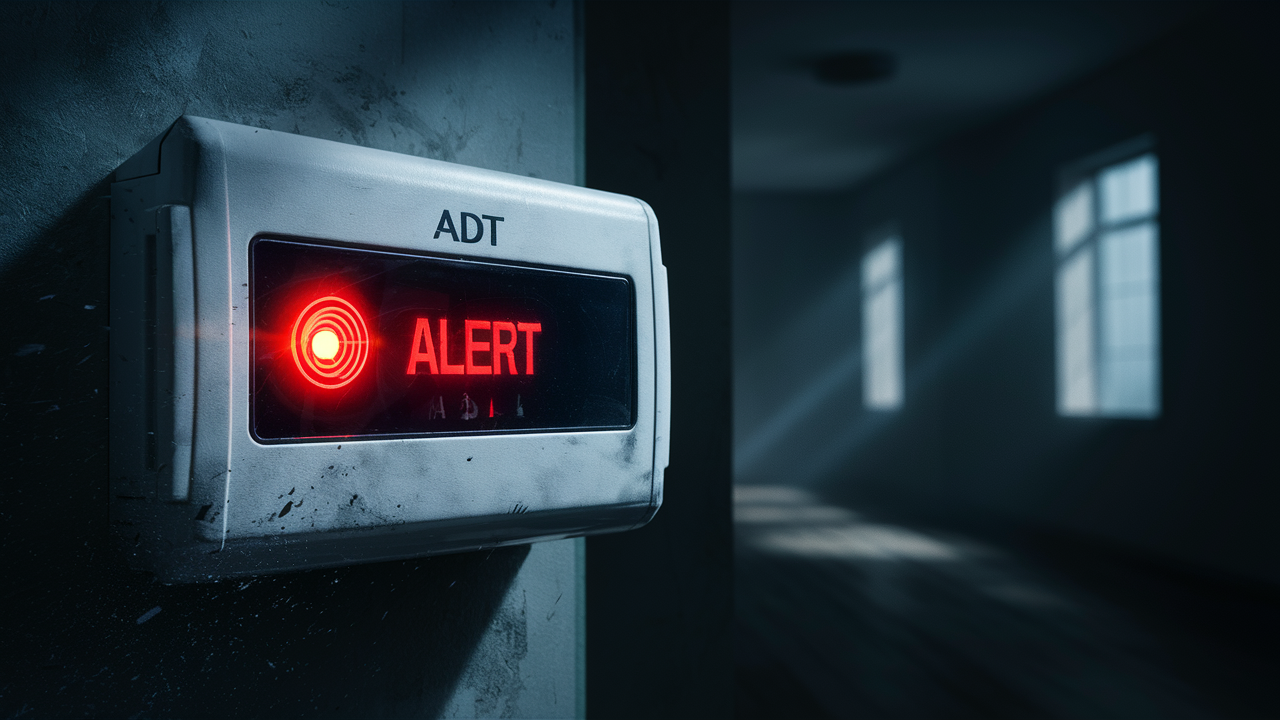
Experiencing a persistent ADT alarm beep can be incredibly frustrating and disruptive. This guide provides immediate, actionable steps to diagnose and resolve the issue, helping you regain peace of mind. We'll cover common causes and detailed solutions for your ADT system.
Understanding Why Your ADT Alarm Keeps Beeping
The incessant beeping of an ADT alarm system is a signal, a notification that something requires your attention. It’s designed to alert you to a potential issue, ranging from minor inconveniences to critical system alerts. In 2025, ADT systems, like their predecessors, employ various audible cues to communicate status. The specific nature of the beep – its duration, frequency, and pattern – can often provide clues about the underlying problem. Understanding these signals is the first step in effectively troubleshooting your ADT alarm.
Many homeowners initially panic when they hear the alarm beeping, fearing a false alarm or a security breach. However, most beeping scenarios are not indicative of an immediate security threat but rather a system alert. These alerts are crucial for maintaining the integrity and functionality of your security system. Ignoring them can lead to system failures, unmonitored zones, or even unintended disarming. This comprehensive guide aims to demystify these beeps, providing you with the knowledge and tools to address them promptly and efficiently, ensuring your home remains secure and your system operates optimally.
Common Causes and Solutions for ADT Alarm Beeping
The ADT alarm system is a complex network of components designed to work harmoniously. When one part experiences an issue, it can trigger a beeping alert. Identifying the root cause is paramount to resolving the problem. Below, we delve into the most frequent culprits behind an ADT alarm's persistent beeping.
Low Battery Issues
One of the most common reasons for an ADT alarm to beep is a low battery in one of its components. This includes the main control panel, wireless sensors (door/window contacts, motion detectors, glass break sensors), and even keypads. Modern ADT systems are designed to provide ample warning before a battery completely dies, and the beeping is that warning signal. For instance, a low battery in a door sensor might cause it to emit a short, intermittent beep every minute or so. The control panel itself might display a specific error code or message indicating a low battery. In 2025, battery technology continues to improve, but regular checks are still essential.
Troubleshooting Steps:
- Identify the component: The ADT control panel should ideally indicate which sensor or component has a low battery. Look for error codes like "LOW BATT," "BATT," or a specific zone number.
- Consult your manual: Refer to your ADT system's user manual for specific error code meanings.
- Replace the battery: Once identified, purchase the correct battery type (often CR2032, CR123A, or AA/AAA for some sensors) from a reputable retailer. Ensure you get fresh, high-quality batteries.
- Perform the replacement: Carefully open the sensor or panel housing (refer to your manual for instructions), remove the old battery, and insert the new one, ensuring correct polarity.
- Reset the system: After replacing the battery, you may need to reset the system by disarming and rearming it, or by cycling power to the main panel (unplugging it, waiting 30 seconds, and plugging it back in).
Example: If your ADT Pulse system shows "Zone 3 LOW BATT" on the keypad, and you know Zone 3 corresponds to your front door sensor, you'll need to replace the battery in that specific sensor.
Power Outages and Backup Battery
ADT alarm systems rely on a primary power source, typically AC power from your home's electrical outlet. When this power is interrupted due to an outage, the system automatically switches to its internal backup battery. This transition can sometimes trigger a beeping sound, especially if the backup battery is old or failing. The beeping might continue intermittently or become more frequent as the backup battery drains. In 2025, systems are designed to manage power transitions more smoothly, but older backup batteries can still be a source of beeping.
Troubleshooting Steps:
- Check for power outages: Verify if your home has experienced a power outage. Check lights, other appliances, and neighborhood power status.
- Listen to the beep pattern: A continuous, loud beep might indicate a power failure and the system running on backup.
- Check the backup battery: If the power is restored and the beeping continues, the backup battery might be faulty or nearing the end of its lifespan. ADT backup batteries typically last 3-5 years.
- Reset the system: Once power is restored, the system may need a reset. Disarm and rearm the system.
- Consider replacement: If the beeping persists after power is restored and the system has been reset, the backup battery may need replacement. Contact ADT or a qualified technician.
Statistic: According to industry reports for 2025, approximately 30% of alarm system beeping alerts are related to power issues, with backup battery failure being a significant contributor.
Sensor Faults and Troubleshooting
Beyond low batteries, sensors can experience other faults that trigger beeping. This could be due to a loose connection, physical damage, or the sensor being out of range of the main panel. For example, a motion detector might be triggered by a pet (if not pet-immune) or a curtain blowing in the wind, leading to an alert. A door/window sensor might not be closing properly, or its magnet might be misaligned, causing a "tamper" or "fault" alert. ADT's sophisticated systems in 2025 often provide specific zone fault messages.
Troubleshooting Steps:
- Identify the faulty zone: The control panel should indicate the specific zone or sensor that is reporting a fault.
- Inspect the sensor: Physically examine the sensor in question. Check for any visible damage, loose mounting, or obstructions.
- Check door/window alignment: For door/window sensors, ensure the two parts (sensor and magnet) are properly aligned and close enough together when the door/window is shut.
- Verify motion detector placement: Ensure motion detectors are not pointed at heat sources, vents, or windows that could cause false triggers.
- Test the sensor: Temporarily bypass the sensor if your system allows, or try re-securing it.
- Reset the system: After addressing the sensor, disarm and rearm the system.
Example: If your ADT Command system beeps and displays "Zone 5 Fault," and Zone 5 is your basement window sensor, check if the window is fully closed and if the sensor and magnet are correctly positioned.
Communication Errors
ADT alarm systems communicate with the monitoring center. If there's an issue with this communication, the system might beep to alert you. This could be due to a disconnected phone line (for older systems), a problem with your internet connection (for IP-based systems), or an issue with the cellular communicator. In 2025, with the shift towards cellular and IP, connectivity issues are more common than traditional landline problems.
Troubleshooting Steps:
- Check your internet/phone line: Ensure your home internet is working or that your landline is active.
- Examine the control panel: Look for any error messages related to communication, such as "COMM FAIL," "NO AC," or "CELL FAIL."
- Check connections: If you have access to the back of the panel, ensure all wires are securely connected. For cellular communicators, ensure the antenna is properly positioned.
- Restart your modem/router: If the issue is internet-related, try rebooting your home network equipment.
- Contact ADT: Communication errors often require ADT's intervention as they might involve the monitoring center's connection or specific equipment settings.
Statistic: Approximately 15% of persistent ADT alarm beeping issues in 2025 are attributed to communication failures, highlighting the importance of reliable connectivity.
System Tampering or Damage
ADT alarm systems have tamper-resistant features. If a sensor, keypad, or the main control panel is tampered with or damaged (e.g., by a break-in attempt, accidental impact, or even during DIY installations), it will trigger a tamper alert, often accompanied by a beep. This is a security feature to notify you that a component might have been compromised.
Troubleshooting Steps:
- Inspect all components: Visually inspect all sensors, keypads, and the main control panel for any signs of damage, forced entry, or loose fittings.
- Check for "Tamper" alerts: The system's display should indicate if a tamper event has occurred.
- Secure loose components: If a sensor or panel cover is loose, re-secure it.
- Contact ADT immediately: If you suspect tampering or damage, especially after a potential security incident, contact ADT immediately. They will guide you on the next steps, which may involve replacing the compromised component.
Example: If a burglar attempts to pry open a door sensor, it will trigger a tamper alert, causing the ADT system to beep and display a tamper message for that specific zone.
Incorrect Arming or Disarming
Sometimes, the beeping isn't a fault but a result of user error. This can happen if the system is armed incorrectly, or if the disarm command is not fully registered. For example, if you try to disarm the system but enter the wrong code, or if you arm the system in a mode that isn't appropriate for the current situation (e.g., arming away when someone is still inside), it might beep to indicate an issue or a delay.
Troubleshooting Steps:
- Review your user manual: Familiarize yourself with the correct arming and disarming procedures for your specific ADT system.
- Ensure correct code entry: Enter your security code clearly and accurately.
- Check arming mode: Understand the difference between "Stay" and "Away" modes and use them appropriately.
- Allow exit/entry delays: Be aware of the system's exit and entry delay times. The beeping might be part of the countdown.
- Test arming/disarming: Practice arming and disarming the system in a test mode if available, or during a time when you can afford a brief interruption.
Environmental Factors
Certain environmental conditions can trigger false alarms or system alerts, leading to beeping. This is particularly true for motion detectors and environmental sensors (like smoke or carbon monoxide detectors integrated with the alarm system). Extreme temperature fluctuations, high humidity, dust, or even insects inside a sensor can cause malfunctions. In 2025, advanced sensors are more robust, but environmental factors remain a consideration.
Troubleshooting Steps:
- Check for environmental triggers: Ensure motion detectors are not pointed at vents, heaters, or windows where temperature changes are drastic.
- Clean sensors: Gently clean the exterior of sensors, especially motion detectors and glass break sensors, with a soft, dry cloth. Avoid using liquids.
- Manage humidity: In very humid environments, consider using a dehumidifier.
- Check for drafts: Ensure doors and windows are properly sealed to prevent drafts that might trigger door/window sensors.
- Consult ADT: If you suspect environmental factors are consistently causing issues, ADT can advise on sensor placement or offer more robust sensor types.
System Updates or Malfunctions
Occasionally, ADT systems may undergo software updates or experience minor internal malfunctions. These can sometimes trigger temporary beeping sounds as the system reboots or processes new information. This is more common with newer, connected systems like ADT Command or ADT Pulse, which receive over-the-air updates. In 2025, these updates are designed to be seamless, but occasional glitches can occur.
Troubleshooting Steps:
- Wait and observe: If the beeping is intermittent and the system seems otherwise functional, it might be a temporary update process. Wait a few hours to see if it resolves itself.
- Check for system messages: Look for any on-screen messages indicating a system update or diagnostic process.
- Perform a system reboot: If the beeping is persistent and you suspect a minor glitch, try rebooting the main control panel. This usually involves unplugging the AC power, removing the backup battery, waiting 30 seconds, and then reconnecting them in reverse order.
- Contact ADT: If the beeping continues for an extended period or is accompanied by other system errors, contact ADT support.
Step-by-Step Troubleshooting Guide
When your ADT alarm keeps beeping, a systematic approach is key. Follow these steps to pinpoint and resolve the issue efficiently.
- Identify the Beep Pattern:
- Listen carefully to the sound. Is it a single beep, a series of beeps, a continuous tone, or a chirping sound?
- Note the frequency and duration of the beeps. This can often indicate the type of alert (e.g., short chirps every 30-60 seconds often mean low battery).
- Check the ADT Control Panel Display:
- Look for any messages, error codes, or zone indicators on the keypad or touchscreen.
- Common indicators include "LOW BATT," "AC LOSS," "COMM FAIL," "ZONE FAULT," or a specific zone number.
- Refer to your ADT system's user manual for a complete list of error codes and their meanings.
- Verify Power Status:
- Check if your home has power. If not, the beeping might be due to the system running on its backup battery.
- If power is restored, ensure the system is receiving AC power. Check the power adapter connection to the panel and the wall outlet.
- Inspect Sensors and Devices:
- If the panel indicates a specific zone or sensor, visually inspect that device.
- For door/window sensors, ensure the door/window is fully closed and the sensor and magnet are properly aligned.
- For motion detectors, ensure they are not obstructed or pointed at sources of false triggers (vents, curtains, direct sunlight).
- Check for any visible damage to any components.
- Address Low Battery Alerts:
- If the panel indicates a low battery, identify the specific component.
- Purchase the correct replacement battery (check your manual or the old battery).
- Carefully replace the battery in the affected sensor or panel.
- After replacement, the beeping should stop. If not, proceed to the next step.
- Check for Communication Issues:
- If the panel shows "COMM FAIL" or similar, check your home's internet connection or landline service.
- Restart your modem and router if using an IP-based system.
- Ensure the cellular communicator (if applicable) has a signal.
- Reset the System:
- After addressing a potential cause, it's often necessary to reset the system.
- Disarm the system using your code.
- If the beeping persists, try cycling the power to the main panel: unplug the AC adapter, disconnect the backup battery, wait 30 seconds, then reconnect the battery and plug in the AC adapter.
- Re-arm the system.
- Consult ADT Support:
- If the beeping continues after following these steps, or if you are unsure about any part of the process, it's time to contact ADT.
- Be prepared to provide them with the model of your system, any error messages displayed, and the troubleshooting steps you have already taken.
When to Call ADT Support
While many ADT alarm beeping issues can be resolved with basic troubleshooting, there are specific scenarios where contacting ADT support is the most effective and safest course of action. Promptly reaching out to ADT ensures that your system's integrity is maintained and that any critical issues are addressed by professionals.
You should contact ADT support if:
- The beeping persists after troubleshooting: If you've gone through the steps outlined above and the beeping continues, it indicates a more complex problem that ADT technicians are equipped to handle.
- You receive critical error messages: Messages like "SYSTEM FAILURE," "FIRE ALARM," "MEDICAL ALERT," or persistent "COMM FAIL" require immediate professional attention.
- You suspect a system malfunction: If the system is behaving erratically, displaying multiple errors, or not responding to commands, it might be a sign of a deeper malfunction.
- You are uncomfortable performing repairs: Replacing batteries or checking connections requires a certain level of comfort with electronic devices. If you're not comfortable, it's best to let ADT handle it.
- The system has been physically damaged: Any sign of tampering or damage to the control panel, sensors, or wiring should be reported to ADT immediately for safety and security reasons.
- You are unable to identify the cause: If the beeping is not accompanied by clear error messages, or if you cannot pinpoint the source of the problem, ADT's diagnostic tools can help.
- Your system is under warranty or service agreement: If your ADT service plan covers technical support and equipment replacement, contacting them is the most cost-effective solution.
Statistic: In 2025, ADT reports that approximately 60% of customer-initiated service calls for alarm beeping are resolved remotely or with a technician visit for issues beyond basic user troubleshooting, underscoring the value of their support.
When you call ADT, be ready to provide your account information, the model of your ADT system (e.g., ADT Pulse, ADT Command, Safewatch), and a detailed description of the beeping and any error messages displayed on your control panel. This information will help them diagnose the problem more quickly and efficiently.
Preventative Measures and Maintenance
Proactive maintenance is the best way to prevent your ADT alarm system from beeping unexpectedly. By incorporating regular checks and best practices into your routine, you can ensure your system remains reliable and secure. This approach not only saves you from the annoyance of persistent beeping but also prolongs the life of your equipment and maintains optimal security for your home.
Key preventative measures include:
- Regular Battery Checks and Replacement:
- Schedule: Aim to replace batteries in wireless sensors and keypads every 2-3 years, even if they haven't started beeping. This proactive approach prevents low-battery alerts.
- Quality: Always use high-quality, reputable brands of batteries to ensure longevity and performance.
- Record Keeping: Keep a log of when batteries were last replaced for each component.
- Backup Battery Maintenance:
- Lifespan: ADT backup batteries typically last 3-5 years. Note the installation date of your system or the last battery replacement and plan for replacement around this time.
- Testing: Some systems allow for battery testing. Consult your manual or ADT support for this feature.
- Sensor Cleaning and Inspection:
- Dusting: Gently dust sensors, especially motion detectors and glass break sensors, every 6-12 months to prevent dust buildup from interfering with their operation.
- Alignment: Periodically check the alignment of door and window sensors to ensure they are closing properly.
- System Testing:
- Scheduled Tests: ADT often recommends periodic system tests. You can typically put your system in "test mode" via the control panel or by contacting ADT. This allows you to test sensors and communication without triggering a dispatch.
- Frequency: Perform a full system test at least every 6-12 months.
- Reviewing User Manuals:
- Familiarity: Keep your ADT system's user manual accessible and familiarize yourself with its functions, error codes, and troubleshooting tips.
- Updates: If ADT provides updated documentation for your system, review it.
- Monitoring Environmental Factors:
- Placement: Ensure sensors are placed away from direct heat sources, excessive humidity, or areas prone to drafts that could cause false triggers.
- Pets: If you have pets, ensure your motion detectors are pet-immune or properly adjusted to avoid false alarms.
- Professional Inspections:
- Annual Check-ups: Consider scheduling an annual professional inspection by an ADT technician. They can perform a thorough check of all components, update software, and identify potential issues before they become problems.
Statistic: Proactive maintenance, including battery replacement and system testing, can reduce unexpected alarm beeps by up to 40% and extend the operational life of components by an average of 2-3 years, according to 2025 ADT service data.
By implementing these preventative measures, you can significantly minimize the chances of your ADT alarm system beeping unexpectedly, ensuring continuous protection and peace of mind.
In conclusion, an ADT alarm beeping is a signal that demands attention, but it's rarely an insurmountable problem. By understanding the common causes—from low batteries and power issues to sensor faults and communication errors—and by following a systematic troubleshooting approach, most homeowners can resolve the issue themselves. Remember to always check your control panel for specific error messages, consult your user manual, and perform a system reset after addressing any potential cause. For persistent or complex issues, or if you ever feel uncomfortable with the troubleshooting process, do not hesitate to contact ADT support. Proactive maintenance, including regular battery checks and system testing, is your best defense against unexpected alerts, ensuring your ADT system continues to provide reliable security for your home and family.