Choosing the best solar security cameras involves balancing advanced features, reliable performance, and long-term value. This guide will help you navigate the options, focusing on cutting-edge technology and practical considerations for 2025-26, ensuring your property remains secure and monitored efficiently.
Understanding Solar Security Cameras
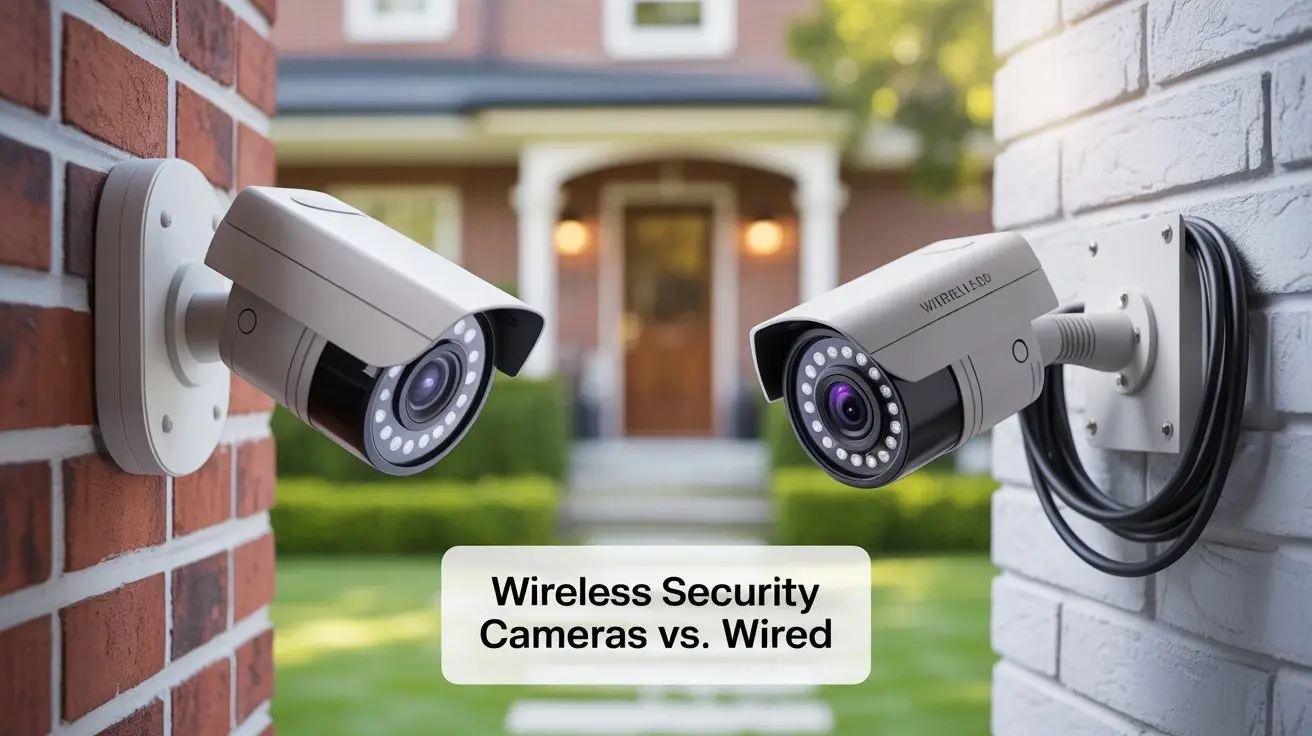
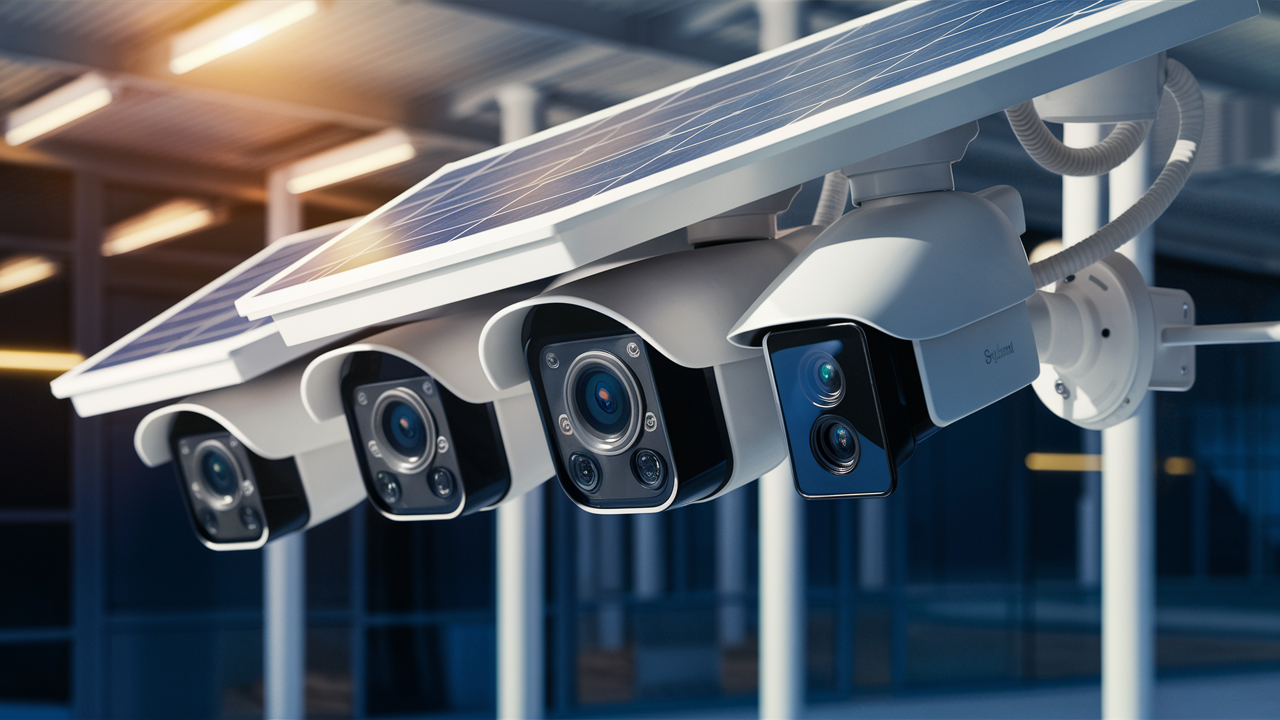
Solar security cameras represent a significant leap forward in home and business surveillance, offering a sustainable and often more convenient alternative to traditional wired or battery-powered systems. At their core, these cameras harness the power of the sun to charge an internal battery, which then powers the camera's operations. This self-sufficiency is their primary appeal, eliminating the need for frequent battery changes or reliance on AC power outlets, which can be inconvenient or impossible to access in certain locations.
The technology has advanced considerably, moving beyond simple motion detection to include sophisticated features like high-definition video recording, night vision, two-way audio, smart alerts, and even AI-powered object recognition. The solar panel, typically mounted alongside or integrated into the camera housing, continuously replenishes the battery. This means that even on cloudy days, the camera can draw power, though prolonged periods of low sunlight might eventually necessitate a manual charge or a brief period of direct sun exposure. For many users, this eco-friendly approach translates to lower long-term operating costs and a reduced environmental footprint, aligning with a growing global consciousness towards sustainable living and security solutions.
The market in 2025-26 is flooded with options, ranging from basic single cameras to comprehensive multi-camera systems. Understanding the underlying technology and how it translates to practical benefits is crucial for making an informed purchase. Key components include the solar panel efficiency, battery capacity, camera resolution, field of view, connectivity options (Wi-Fi, cellular), and the accompanying mobile app's functionality. The best solar security cameras are those that seamlessly integrate these elements to provide reliable, high-quality surveillance with minimal user intervention.
Key Features to Consider
When evaluating the best solar security cameras for your needs, several critical features warrant close examination. These elements directly impact the camera's effectiveness, reliability, and user experience. Prioritizing these will ensure you select a system that meets your specific security demands.
Power & Battery Performance
This is the cornerstone of any solar security camera. The efficiency of the solar panel and the capacity of the internal battery are paramount. Look for cameras with high-efficiency solar panels, often rated in watts, that can effectively capture sunlight even in less-than-ideal conditions. Battery life is equally important; a larger capacity (measured in mAh or Wh) means longer operation between full charges, especially during extended cloudy spells or at night. Some advanced models offer interchangeable batteries, allowing for a quick swap if one needs charging.
Key considerations:
- Solar Panel Wattage: Higher wattage generally means faster charging.
- Battery Capacity: Larger capacity offers longer standby and operational times.
- Battery Type: Rechargeable lithium-ion batteries are standard and offer good longevity.
- Weather Resistance of Panel: Ensure the panel can withstand various environmental conditions.
Video Quality & Resolution
The primary purpose of a security camera is to capture clear footage. For 2025-26, 1080p (Full HD) is the minimum acceptable resolution for most users, but 2K (1440p) and 4K (2160p) are increasingly common and offer superior detail, crucial for identifying faces, license plates, or other critical information. Consider the frame rate (FPS) as well; a higher FPS results in smoother video playback, especially for capturing fast-moving objects.
Key considerations:
- Resolution: 1080p, 2K, or 4K for detailed images.
- Frame Rate (FPS): 20-30 FPS for smooth motion.
- Field of View (FOV): A wider FOV covers more area, reducing the need for multiple cameras.
- Digital vs. Optical Zoom: Optical zoom provides better quality at a distance.
Night Vision Capabilities
Effective surveillance extends into the night. Most solar cameras use infrared (IR) LEDs for black-and-white night vision. The range of this IR illumination is a key specification. Some premium models offer color night vision, which uses ambient light or specialized sensors to produce color images in low-light conditions, offering more detail than traditional IR. Advanced AI-powered night vision can also differentiate between animals and humans, reducing false alerts.
Key considerations:
- IR Range: How far the infrared light can illuminate.
- Color Night Vision: For more detailed low-light footage.
- Starlight/Super Low Light Technology: Enhances image quality in very dark conditions.
Motion Detection & Smart Alerts
Sophisticated motion detection is vital to avoid constant false alarms from passing cars or swaying trees. Look for cameras with customizable motion zones, sensitivity adjustments, and passive infrared (PIR) sensors, which detect heat signatures and are generally more accurate than pixel-based motion detection. AI-powered features like person detection, package detection, and vehicle detection are becoming standard, significantly improving the relevance of alerts. These smart alerts are typically sent to your smartphone via a dedicated app.
Key considerations:
- PIR Sensor: More accurate than pixel-based detection.
- Customizable Motion Zones: Focus detection on specific areas.
- AI Features: Person, package, and vehicle detection.
- Alert Customization: Ability to set schedules and notification types.
Audio Capabilities
Two-way audio allows you to not only hear what's happening around the camera but also to speak through it, using your smartphone app. This is invaluable for deterring intruders, communicating with delivery personnel, or greeting visitors. Some cameras also feature ambient sound detection, which can trigger an alert if loud noises are detected.
Key considerations:
- Two-Way Audio: For communication.
- Microphone Sensitivity: Ability to pick up clear audio.
- Speaker Clarity: For understandable outgoing audio.
Storage Options
How and where video footage is stored is a critical decision. Most solar cameras offer cloud storage, often requiring a subscription fee, which provides off-site backup and accessibility from anywhere. Local storage options, such as microSD card slots, offer a one-time purchase for storage and can be more private. Some systems offer both. Evaluate the subscription costs for cloud storage and the capacity limits of microSD cards.
Key considerations:
- Cloud Storage: Subscription-based, accessible remotely.
- Local Storage (microSD): One-time cost, privacy benefits.
- Storage Capacity: How much footage can be stored.
- Recording Modes: Continuous, event-triggered, or scheduled recording.
Connectivity & App Functionality
Most solar security cameras rely on Wi-Fi to connect to your home network and the internet. Ensure the camera supports your Wi-Fi frequency (2.4GHz is common, but 5GHz offers faster speeds). For remote locations without Wi-Fi, cellular-enabled cameras are an option, though they typically involve ongoing data plans. The accompanying mobile app should be intuitive, stable, and offer robust control over camera settings, live viewing, playback, and alert management.
Key considerations:
- Wi-Fi Standards: 802.11 b/g/n (2.4GHz) or ac (5GHz).
- Cellular Options: For areas without Wi-Fi.
- App Usability: Easy navigation and control.
- Remote Access: Seamless live streaming and playback.
Durability and Weather Resistance
Since these cameras are often mounted outdoors, they must be built to withstand the elements. Look for an IP rating (Ingress Protection) of at least IP65, which signifies dust-tightness and protection against water jets. Higher ratings like IP66 or IP67 offer even greater protection against severe weather conditions. The operating temperature range is also important to ensure functionality in extreme heat or cold.
Key considerations:
- IP Rating: IP65 or higher for outdoor use.
- Operating Temperature Range: Suitable for your climate.
- Build Quality: Robust materials that resist UV damage and corrosion.
Top Solar Security Camera Categories
The market for solar security cameras is diverse, catering to various needs and budgets. Understanding the different categories can help you narrow down your choices. Here, we explore some of the most popular and effective types available in 2025-26.
All-in-One Wireless Solar Cameras
These are the most common type, featuring an integrated camera, battery, and solar panel (or a separate panel that connects via a single cable). They are designed for easy DIY installation and are ideal for monitoring entry points, driveways, or backyards. Their primary advantage is their simplicity and flexibility in placement, as they don't require any wiring beyond connecting the solar panel if it's separate.
Pros:
- Easy to install and relocate.
- No complex wiring required.
- Wide range of features available.
Cons:
- Performance can be dependent on optimal solar panel placement.
- Battery capacity might be a limiting factor for high-usage scenarios.
Example Use Case: A homeowner wanting to monitor their front door or garage without running wires through walls.
Solar-Powered PTZ (Pan-Tilt-Zoom) Cameras
For comprehensive surveillance of larger areas, PTZ cameras are an excellent choice. These cameras can be remotely controlled to pan left and right, tilt up and down, and zoom in and out, allowing you to cover a wide field of view with a single unit. When combined with solar power, they offer a powerful, self-sustaining surveillance solution for expansive properties or commercial areas.
Pros:
- Covers a much larger area than fixed cameras.
- Remote control for detailed inspection.
- Ideal for monitoring large yards or open spaces.
Cons:
- Generally more expensive than fixed cameras.
- May require more robust solar charging due to higher power consumption.
- Battery life can be more critical if frequently used.
Example Use Case: Monitoring a large farm, a construction site, or a commercial parking lot.
Solar Security Camera Systems (Multiple Cameras)
For complete property coverage, multi-camera systems are the way to go. These often consist of a central hub or NVR (Network Video Recorder) and several solar-powered cameras. The hub manages recording and connectivity, while the cameras provide surveillance from different angles. Some systems offer a base station that connects to your router, and the cameras connect wirelessly to this base station, which can extend Wi-Fi range and reduce battery drain on the cameras.
Pros:
- Comprehensive surveillance of the entire property.
- Centralized management and recording.
- Often offer enhanced connectivity and storage options.
Cons:
- Higher initial investment.
- Installation can be more complex.
- Requires careful planning for camera placement and solar exposure.
Example Use Case: Securing a large residential property with multiple entry points and blind spots.
Cellular Solar Security Cameras
These cameras are designed for locations where Wi-Fi is unavailable or unreliable. They use a cellular data connection (similar to a smartphone) to transmit footage and alerts. They are typically paired with a solar panel and battery for power independence. These are invaluable for remote construction sites, agricultural land, or any area far from existing network infrastructure.
Pros:
- Works in areas without Wi-Fi.
- Ideal for remote or temporary installations.
- Self-sufficient power and connectivity.
Cons:
- Requires a cellular data plan, adding ongoing costs.
- Cellular signal strength can be a limiting factor.
- Generally more expensive than Wi-Fi models.
Example Use Case: Monitoring a remote cabin, a temporary construction site, or an agricultural field.
Comparison Table: Top Solar Security Camera Models (2025-26)
This table provides a snapshot of some leading solar security cameras, highlighting their key specifications. Note that pricing and specific features can vary.
| Model | Resolution | Field of View | Night Vision | AI Features | Storage | Connectivity | Estimated Price Range (USD) |
|---|---|---|---|---|---|---|---|
| Arlo Ultra 2 Solar | 4K | 180° | Color Night Vision | Person, Vehicle, Animal Detection | Cloud (Subscription), microSD (Base Station) | Wi-Fi | $400 - $600 (per camera + solar panel) |
| Reolink Argus 3 Pro (with Solar Panel) | 2K | 120° | Color Night Vision | Person Detection | microSD, Cloud (Optional) | Wi-Fi | $150 - $250 (per camera + solar panel) |
| EufyCam 3 (with Solar Panel) | 4K | 130° | Color Night Vision | Person Detection | Local HomeBase Storage, Cloud (Optional) | Wi-Fi (via HomeBase) | $350 - $500 (for 2 cameras + HomeBase + solar) |
| Lorex Fusion (Solar Add-on) | 1080p/2K (model dependent) | 115°-135° | Infrared | Basic Motion Detection | Local microSD, Cloud (Optional) | Wi-Fi | $100 - $200 (per camera + solar panel) |
| Amcrest ProHD Solar | 1080p | 130° | Infrared | Basic Motion Detection | microSD, Cloud (Optional) | Wi-Fi | $120 - $180 (per camera + solar panel) |
Note: Prices are estimates and can fluctuate based on retailers, sales, and bundles. Always check the latest specifications before purchasing.
Installation and Maintenance
One of the most significant advantages of solar security cameras is their relatively straightforward installation and low maintenance requirements. However, proper setup is crucial for optimal performance, especially concerning solar charging and Wi-Fi connectivity.
Step-by-Step Installation Guide
While specific instructions vary by manufacturer, the general process for installing a typical wireless solar security camera is as follows:
- Choose the Location: Select a spot that offers a clear view of the area you want to monitor. Crucially, ensure the location receives ample direct sunlight throughout the day, especially during peak hours (typically 10 am to 3 pm). Consider the camera's field of view to maximize coverage.
- Mount the Camera: Most cameras come with a mounting bracket. Securely attach the bracket to the wall or surface using the provided screws. Then, attach the camera to the bracket, adjusting its angle for the desired view.
- Position the Solar Panel: If the solar panel is separate, mount it in a location that receives the most direct sunlight possible, ideally facing south (in the Northern Hemisphere) or north (in the Southern Hemisphere). Angle the panel to capture maximum sunlight. Ensure it's not obstructed by trees, eaves, or other objects. Connect the panel to the camera using the provided cable.
- Power On and Connect to Wi-Fi: Follow the manufacturer's instructions to power on the camera and initiate the setup process. This usually involves downloading the companion mobile app, creating an account, and following on-screen prompts to connect the camera to your home Wi-Fi network. You may need to scan a QR code displayed on your phone with the camera.
- Configure Settings: Once connected, use the app to adjust motion detection zones, sensitivity, alert preferences, video quality, and other settings to your liking.
- Test Thoroughly: Walk through the monitored area to test motion detection and ensure alerts are received promptly. Check live view and recorded playback for clarity and stability.
Maintenance Tips for Longevity
Solar security cameras are designed to be low-maintenance, but a little care can ensure they perform optimally for years to come.
- Clean the Solar Panel: Periodically (every few months, or more often in dusty environments) wipe down the solar panel with a soft, damp cloth to remove dirt, dust, pollen, or bird droppings. A dirty panel significantly reduces its efficiency.
- Check Camera Lens: Ensure the camera lens is clean and free from smudges or obstructions. Use a microfiber cloth for cleaning.
- Inspect Connections: Periodically check that the cable connecting the solar panel to the camera is secure and free from damage.
- Software Updates: Keep the camera's firmware and the mobile app updated. Manufacturers release updates to improve performance, add new features, and patch security vulnerabilities.
- Battery Health: While most modern batteries are designed for long life, avoid extreme temperatures if possible. If the camera has a removable battery, consider bringing it indoors during prolonged periods of extreme cold or heat if feasible, though this is rarely necessary for most units.
- Monitor Performance: Keep an eye on battery levels through the app. If you notice a consistent decline in battery charge, it might indicate an issue with the solar panel, charging circuit, or the battery itself, and you may need to contact customer support.
For detailed instructions specific to your model, always refer to the manufacturer's user manual. For instance, understanding the solar charging process is key to troubleshooting any power-related issues.
Cost and Return on Investment (ROI)
Investing in solar security cameras involves an upfront cost, but their long-term benefits can offer a substantial return on investment (ROI) through reduced energy bills, enhanced security, and fewer maintenance hassles. Understanding the cost factors and how to calculate ROI is essential for making a financially sound decision.
Upfront Costs
The initial investment for solar security cameras varies widely based on brand, features, resolution, and the number of cameras included in a system. Generally, you can expect to pay:
- Single Camera with Solar Panel: $100 - $400+
- Multi-Camera System (2-4 cameras): $300 - $1000+
- Premium Features (4K, advanced AI, PTZ): Can add $100-$300+ per camera.
- Optional Accessories (e.g., extended range antennas, additional solar panels): $30 - $100+
It's important to factor in potential costs for:
- Cloud Storage Subscriptions: Many brands offer free limited storage, but for continuous recording or longer history, monthly or annual fees ($3-$15 per month per camera, or $30-$150 per year) are common.
- Cellular Data Plans: For cellular models, expect to pay $10-$30 per month per camera for data.
Long-Term Savings and Benefits
The ROI of solar security cameras is derived from several key areas:
- Zero Electricity Costs: The most obvious saving is the elimination of electricity consumption for powering the cameras. While individual cameras use minimal power, a system of multiple cameras can add up over time. For a typical camera using 5W continuously, that's 120Wh per day, or about 44 kWh per year. At an average US electricity rate of $0.16/kWh (2024 data), that's roughly $7 per camera per year saved. Over 5-10 years, this adds up.
- Reduced Battery Replacement Costs: Unlike traditional battery-powered cameras that require frequent battery purchases or replacements, solar cameras are largely self-sustaining. This saves money and the hassle of buying and replacing batteries.
- Lower Installation Costs: Wireless solar cameras often eliminate the need for professional installation, saving hundreds of dollars on electricians or security technicians. DIY installation is feasible for most users.
- Enhanced Security and Deterrence: The presence of visible security cameras can deter potential intruders. In the event of a break-in or other incident, clear footage can be invaluable for identification and prosecution, potentially saving significant costs associated with theft or property damage. Statistics from the U.S. Bureau of Justice Statistics (2024 estimates) suggest that properties with visible security measures are less likely to be targeted.
- Peace of Mind: While not a monetary value, the peace of mind that comes with knowing your property is monitored is a significant benefit that contributes to overall well-being.
Calculating Your ROI
To calculate your ROI, consider the following:
Total Investment = Upfront Camera Costs + (Subscription/Data Fees over X years) + (Any Installation Costs)
Total Savings = (Electricity Savings over X years) + (Battery Replacement Savings over X years) + (Potential Costs Avoided due to enhanced security over X years)
ROI (%) = [(Total Savings - Total Investment) / Total Investment] * 100
Let's consider an example for a single camera system:
- Upfront Cost: $200 (camera + solar panel)
- Annual Cloud Subscription: $60
- Annual Electricity Savings: $7
- Annual Battery Savings: $20 (assuming 2 battery changes per year at $10 each for a non-solar camera)
- Estimated Security Cost Avoided (per year): $100 (e.g., preventing minor theft)
Over 5 years:
- Total Investment: $200 + ($60 * 5) = $500
- Total Savings: ($7 * 5) + ($20 * 5) + ($100 * 5) = $35 + $100 + $500 = $635
- ROI: [($635 - $500) / $500] * 100 = [135 / 500] * 100 = 27%
This simple calculation demonstrates that even with subscription costs, solar cameras can offer a positive ROI, especially when factoring in the value of security and deterrence. The choice between local and cloud storage significantly impacts the ongoing costs and thus the ROI. For more on storage, see our section on storage options.
Future Trends in Solar Security Cameras
The solar security camera market is rapidly evolving, driven by advancements in technology, increasing consumer demand for sustainable solutions, and a growing emphasis on smart home integration. Looking ahead to 2025-26 and beyond, several key trends are shaping the future of this sector.
Enhanced AI and Machine Learning
Artificial intelligence is moving beyond basic person detection. Expect to see more sophisticated AI capabilities, including facial recognition (with privacy considerations), advanced behavior analysis (e.g., detecting loitering or unusual activity), and predictive analytics that can identify potential threats before they occur. AI will also play a role in optimizing solar charging and battery management, ensuring cameras operate efficiently even in challenging conditions.
Improved Solar Efficiency and Battery Technology
Research and development continue to focus on increasing the efficiency of solar panels, making them smaller, more powerful, and better at capturing energy from diffused light or at lower angles. Alongside this, battery technology is advancing, offering higher energy density, longer lifespans, and faster charging times. This means cameras will be able to operate for longer periods on a single charge and recover power more quickly, even with less sunlight.
Seamless Smart Home Integration
Solar security cameras are becoming integral components of the broader smart home ecosystem. Expect deeper integration with voice assistants (like Alexa, Google Assistant), smart locks, smart lighting, and other connected devices. This will enable more complex automation scenarios, such as lights turning on when motion is detected, or doors locking automatically when a camera identifies a known family member arriving home. Interoperability standards will become more prevalent, allowing cameras from different manufacturers to work together more seamlessly.
5G and Enhanced Connectivity
The rollout of 5G networks will significantly impact cellular solar security cameras. Faster speeds, lower latency, and greater reliability will enable higher-resolution video streaming, real-time communication, and more robust remote access. This will make cellular solar cameras a more viable and attractive option for a wider range of applications, including those requiring immediate, high-definition monitoring.
Edge Computing and On-Device Processing
To improve privacy and reduce reliance on cloud servers, more processing power will be moved to the camera itself (edge computing). This means tasks like motion detection, AI analysis, and even some forms of data compression will happen directly on the device. This not only enhances security by keeping sensitive data local but also reduces bandwidth requirements and improves response times for alerts.
Advanced Imaging Technologies
Beyond higher resolutions, expect advancements in imaging sensors and lens technology. This could include wider dynamic range (HDR) for better performance in high-contrast lighting, improved low-light performance with even better color night vision, and perhaps even thermal imaging capabilities for certain high-end applications. The integration of multiple camera types (e.g., wide-angle and telephoto) within a single solar-powered unit could also become more common.
Sustainability and Eco-Friendly Design
As environmental consciousness grows, manufacturers will increasingly focus on the sustainability of their products. This includes using recycled materials in construction, designing for longer product lifespans, and offering more energy-efficient operation. The inherent eco-friendly nature of solar power will continue to be a major selling point, but the overall lifecycle impact of the product will gain more attention.
Making the Final Decision
Selecting the best solar security camera is a decision that hinges on your specific needs, property type, budget, and desired level of security. By carefully considering the features discussed, you can confidently choose a system that provides reliable, sustainable surveillance.
Recap of Key Considerations:
- Power: Prioritize efficient solar panels and ample battery capacity for uninterrupted operation.
- Video Quality: Aim for at least 1080p, with 2K or 4K offering superior detail.
- Night Vision: Ensure it's adequate for your environment, with color night vision being a significant upgrade.
- Smart Features: AI-powered detection (person, vehicle) and customizable alerts reduce false alarms and improve usability.
- Storage: Decide between cost-effective local storage (microSD) or convenient cloud access (subscription fees apply).
- Connectivity: Verify Wi-Fi compatibility or consider cellular options for remote locations.
- Durability: Look for robust, weather-resistant designs (IP65 or higher).
- Budget: Balance upfront costs with ongoing expenses like subscriptions.
Final Recommendation:
For most homeowners in 2025-26, an all-in-one wireless solar camera with 2K or 4K resolution, color night vision, person detection, and both microSD and optional cloud storage offers the best balance of features, performance, and value. Brands like Reolink, Eufy, and Arlo consistently deliver strong performance in this category. If you need to cover a larger area, consider a PTZ model or a multi-camera system. For remote locations, cellular solar cameras are indispensable, despite their higher ongoing costs.
Ultimately, the "best" solar security camera is the one that best fits your unique security requirements and lifestyle. Thorough research, reading user reviews, and comparing specifications will guide you to a smart and secure investment for your property.