When Did Security Cameras Come Out?
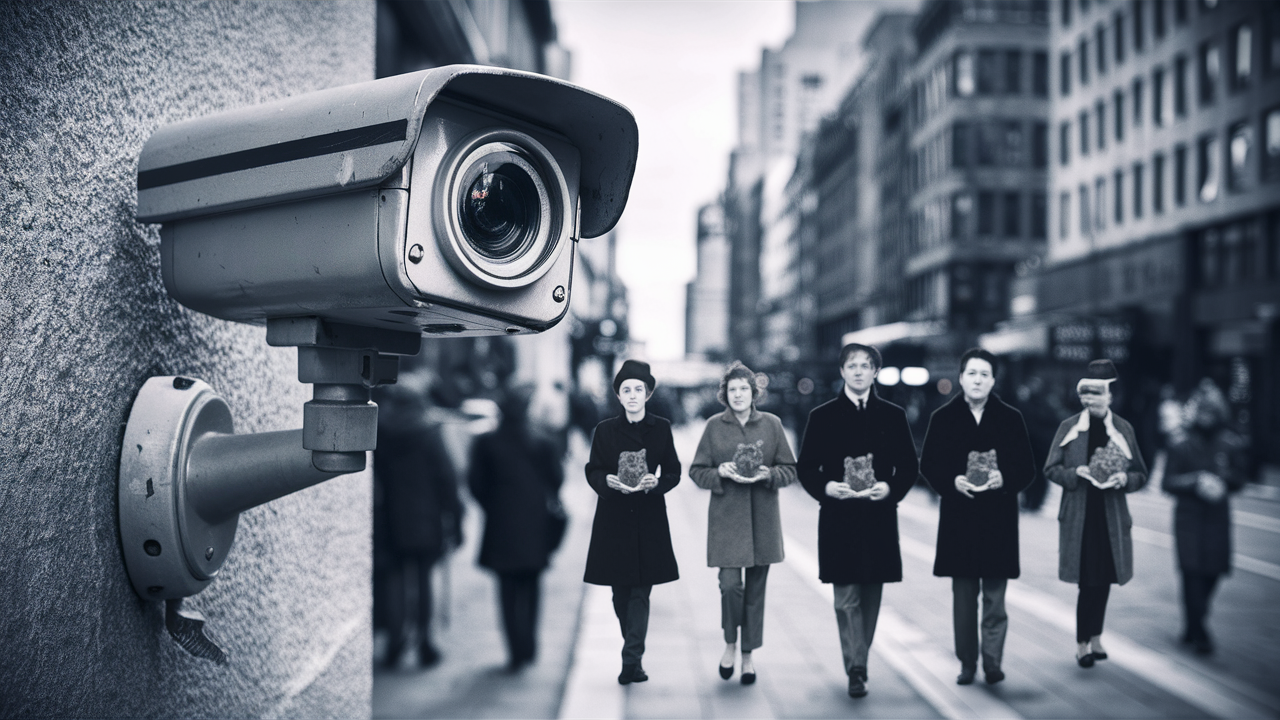
Understanding the origins of security cameras reveals a fascinating journey from rudimentary surveillance to sophisticated, AI-powered systems. This post dives deep into when security cameras first emerged, their evolution, and their impact on modern safety and security practices, offering insights relevant to today's concerns.
The Dawn of Surveillance: Early Concepts and Inventions
The concept of visual surveillance, of watching and recording events without direct human presence, predates the invention of the security camera by centuries. Early forms of surveillance involved human guards, strategically placed lookouts, and even rudimentary signaling systems. However, the technological seeds for modern security cameras were sown with the invention of photography and electricity. The desire to capture images and transmit them over distances laid the groundwork for what would eventually become sophisticated video surveillance.
The earliest theoretical explorations into capturing and transmitting images electronically began in the late 19th and early 20th centuries. While not directly for security purposes, these foundational technologies were crucial. The invention of the cathode ray tube (CRT) by Karl Ferdinand Braun in 1897, for instance, was a pivotal moment in the development of electronic imaging. Braun's tube allowed for the display of images generated by electron beams, a principle that would underpin early television and video display technologies. These advancements, though seemingly distant from the security industry, were the essential building blocks that would later be repurposed and refined for surveillance applications.
The theoretical underpinnings of transmitting moving images also began to take shape during this period. Pioneers like George R. Carey, who developed an early form of electronic photography and transmission in the 1870s, and later, Constantin Perskyi, who coined the term "television" in 1900, were exploring the possibilities of visual communication. While their immediate goals were entertainment and broader communication, the underlying principles of capturing and transmitting visual data were directly relevant to the future development of security cameras. The challenge was not just capturing an image, but doing so continuously, in real-time, and in a manner that could be monitored or recorded for security purposes. This required significant advancements in electronics, optics, and data transmission.
The early 20th century saw further progress in electronic imaging and transmission. The development of the photoelectric effect, explained by Albert Einstein in 1905, provided a deeper understanding of how light could be converted into electrical signals. This was a critical scientific breakthrough that would eventually be applied in image sensors. Furthermore, the advent of radio transmission and early forms of television broadcasting demonstrated the feasibility of sending complex signals over distances. These were not security cameras in the modern sense, but they were the essential precursors, demonstrating that visual information could be captured and transmitted electronically. The idea of using such technology for security was a logical, albeit delayed, next step.
The concept of remote viewing and monitoring was also gaining traction. In industrial settings, there was a growing need for operators to monitor processes in hazardous or inaccessible areas without being physically present. This spurred research into remote sensing and monitoring technologies. While these early systems were often mechanical or used specialized sensors, they highlighted the potential for technology to extend human observation capabilities. The integration of visual capture with these remote monitoring needs would eventually lead to the first true security camera systems. The journey was slow, marked by incremental scientific discoveries and engineering challenges, but the foundation for a world reliant on visual surveillance was being meticulously laid.
Early Concepts vs. Practical Applications
It's important to distinguish between the theoretical concepts of visual transmission and the actual deployment of devices specifically designed for security. While the scientific principles and early electronic imaging technologies were emerging, the dedicated security camera as we understand it was still a future innovation. The primary hurdles were the cost, complexity, and reliability of the technology. Early electronic imaging systems were bulky, expensive, and required specialized knowledge to operate. For widespread security applications, these systems needed to become more robust, affordable, and user-friendly. The transition from a laboratory experiment or a niche industrial tool to a mainstream security device required significant engineering and commercial development.
The early 20th century also saw the rise of closed-circuit television (CCTV) concepts, though not yet widely implemented for security. The idea was to transmit video signals to a limited number of monitors, rather than broadcasting them publicly. This concept of a "closed circuit" is fundamental to modern security camera systems, which typically operate on private networks or are accessible only to authorized users. The development of coaxial cable and early video transmission techniques facilitated these closed-circuit ideas. However, the cameras themselves were still primitive, often relying on vacuum tubes and requiring significant maintenance. The infrastructure for widespread CCTV deployment was still in its infancy, and the cost was prohibitive for most organizations, let alone individual homeowners.
The period leading up to the mid-20th century was characterized by significant advancements in electronics, particularly with the development of the transistor. This miniaturization and increased reliability of electronic components would be crucial for the practical implementation of security cameras. Before transistors, bulky and power-hungry vacuum tubes were the norm, making complex electronic devices impractical for many applications. The transistor, invented in 1947, revolutionized electronics and paved the way for smaller, more efficient, and more affordable devices, including the components needed for video cameras and recording systems.
The post-World War II era saw an increased focus on security and surveillance in various sectors, including government, military, and large corporations. This growing demand, coupled with technological advancements, created the fertile ground for the emergence of practical security camera systems. The initial applications were often for high-security areas, such as banks, government facilities, and industrial plants, where the cost and complexity were justifiable. These early systems were primarily analog, relying on bulky cameras and magnetic tape recorders. The quality of the images was often grainy, and the recording capacity was limited. Nevertheless, they represented a significant step forward in proactive security measures, allowing for continuous monitoring and evidence collection.
The First Practical Security Camera Systems
Pinpointing the exact "first" security camera is challenging, as development was often incremental and involved multiple inventors and companies working on similar concepts. However, historical accounts point to the late 1940s and early 1950s as the period when the first practical, albeit rudimentary, security camera systems began to appear. These were not the high-definition, wirelessly connected devices we use today, but they represented a significant leap in surveillance capabilities.
One of the earliest documented instances of a practical security camera system was developed by the German engineer Walter Bruch for the German V-2 rocket program during World War II. In 1942, Bruch developed a television system for monitoring rocket launches from a safe distance. This system, while not strictly for security in the civilian sense, demonstrated the feasibility of using video technology for remote observation in a critical environment. The camera was large, bulky, and the image quality was limited, but it proved that live video transmission for monitoring purposes was achievable. This work laid important groundwork for later developments in industrial and security surveillance.
Following World War II, the technology began to be adapted for more conventional security purposes. In the United States, companies and law enforcement agencies started exploring the use of CCTV for monitoring public spaces and sensitive areas. The development of more robust video cameras and recording devices, often still using analog technology like magnetic tape, made these systems more viable. The primary goal was to deter crime and to provide evidence in case of incidents. Early CCTV systems were expensive and complex to install and maintain, limiting their adoption to large institutions and government facilities.
The 1950s saw further refinements. Companies like Vericon began offering early CCTV systems for commercial use. These systems typically consisted of a camera, a monitor, and a coaxial cable to connect them. Recording was often done using reel-to-reel videotape recorders, which were large, expensive, and had limited recording times. The image quality was generally poor by today's standards, often black and white and grainy. However, the ability to remotely view live feeds and record events was revolutionary for security professionals. These systems were primarily used in banks, casinos, and government buildings where the cost was justified by the high stakes involved.
The concept of "closed-circuit television" (CCTV) became more formalized during this period. Unlike broadcast television, CCTV systems were designed for private use, transmitting signals over dedicated cables to a limited number of monitors. This made them ideal for security applications, as the footage was not publicly accessible. The development of specialized video cameras, designed to be more durable and reliable for continuous operation, was also crucial. These early cameras were often large and required significant power, but they were the forerunners of the compact, efficient cameras we see today.
The adoption of these early systems was slow due to cost and technical limitations. However, they marked the beginning of a paradigm shift in how security was approached. Instead of relying solely on human observation and response, organizations could now employ technology to provide a constant, watchful eye. This was particularly valuable in environments where human monitoring could be prone to fatigue, distraction, or blind spots. The ability to record events also provided a crucial tool for investigation and evidence collection, transforming the post-incident response.
Early Challenges and Limitations
The early security camera systems faced numerous challenges. The technology was nascent, making cameras large, expensive, and prone to failure. Image quality was often poor, especially in low-light conditions, and recording capabilities were limited by the size and cost of magnetic tape recorders. Installation was also complex, requiring extensive cabling. These factors restricted their use to high-budget organizations and critical infrastructure. Furthermore, the understanding and implementation of video surveillance best practices were still developing, leading to questions about privacy and effectiveness.
The analog nature of these early systems meant that video signals were susceptible to degradation over distance and could be easily interfered with. Recording was also a significant bottleneck. Reel-to-reel videotape recorders were expensive, bulky, and had limited storage capacity, often only a few hours of footage. Replaying footage required manual operation, and finding specific events within the recordings was a time-consuming process. The development of time-lapse recording helped extend recording duration, but it meant that the footage was played back at a much faster speed, making it harder to discern details.
Maintenance was another significant issue. Early cameras and recording equipment relied on vacuum tubes and other components that required frequent replacement and calibration. This meant that security systems were not only expensive to purchase but also costly to operate and maintain. The reliability of these systems was often a concern, and downtime could leave a facility vulnerable. The specialized knowledge required to operate and troubleshoot these systems also meant that trained personnel were essential, adding to the operational costs.
Despite these limitations, the impact of these early systems was profound. They demonstrated the potential of video surveillance to enhance security, deter crime, and aid in investigations. The seeds of a multi-billion dollar industry were sown, driven by the increasing need for effective and reliable security solutions in an ever-changing world. The limitations of early systems spurred further innovation, pushing the boundaries of what was technologically possible in the pursuit of better surveillance.
Technological Leaps: From Analog to Digital
The journey of security cameras from their inception to the present day is a story of relentless technological advancement. The transition from bulky, analog systems to sleek, digital, and intelligent devices has been driven by breakthroughs in various fields, including electronics, computing, and telecommunications. Each decade brought significant innovations that reshaped the capabilities and accessibility of security cameras.
The 1960s and 1970s saw the gradual improvement of analog CCTV technology. Cameras became slightly smaller, and image quality improved, though they remained primarily black and white. The development of solid-state sensors, like the CCD (Charge-Coupled Device), began to emerge in research labs during this period, promising a future beyond bulky vacuum tubes. However, widespread adoption of CCD technology in cameras took time due to cost and manufacturing challenges. Recording technology also saw incremental improvements, with the introduction of smaller videotape formats like VHS, making recording more accessible, though still analog and with limitations.
The real revolution began in the late 1980s and accelerated through the 1990s with the advent of digital technology. The development of digital video recorders (DVRs) marked a pivotal moment. DVRs replaced bulky videotape recorders, offering superior image quality, longer recording times, and the ability to easily search and retrieve footage. Digital transmission also meant that video signals could be sent over networks without degradation. This period saw the first widespread adoption of digital CCTV systems, making them more practical and cost-effective for a wider range of businesses.
The introduction of digital IP (Internet Protocol) cameras in the late 1990s and early 2000s further transformed the landscape. IP cameras connect directly to a network, allowing for remote access and control via the internet. This enabled real-time monitoring from anywhere in the world, a capability that was previously unimaginable. The integration of cameras with computer networks also opened up possibilities for advanced analytics and integration with other security systems. The shift to digital also paved the way for higher resolutions, clearer images, and more sophisticated features.
The early 2000s also witnessed the rise of high-definition (HD) video. As digital technology matured, cameras were able to capture significantly more detail, making it easier to identify individuals and objects. This improved clarity was a major advantage for security applications, providing better evidence and more effective monitoring. The cost of HD cameras and recording equipment began to fall, making them accessible to a broader market, including small businesses and even some residential users.
The subsequent years have seen a rapid evolution in camera features and intelligence. The integration of artificial intelligence (AI) and machine learning has led to the development of smart cameras capable of advanced analytics, such as facial recognition, object detection, motion analysis, and anomaly detection. These intelligent systems can proactively identify potential threats and alert security personnel, moving surveillance from a passive recording tool to an active security solution. The development of cloud-based storage and management solutions has further enhanced accessibility and scalability, allowing for flexible and cost-effective surveillance deployments.
Analog vs. Digital: A Comparison
The transition from analog to digital technology brought about a host of advantages for security cameras. Here's a brief comparison:
| Feature | Analog Cameras | Digital IP Cameras |
|---|---|---|
| Image Quality | Lower resolution, susceptible to interference, often grainy. | Higher resolution (HD, 4K), clearer images, less prone to interference. |
| Recording | Analog VCRs, limited storage, manual search, tape degradation. | DVRs/NVRs, large storage capacity, easy digital search, no tape degradation. |
| Connectivity | Coaxial cable, limited range, point-to-point connection. | Network cable (Ethernet), Wi-Fi, internet access, remote viewing. |
| Features | Basic monitoring and recording. | Advanced analytics (AI), motion detection, two-way audio, PTZ control. |
| Scalability | Difficult and expensive to expand. | Easier to scale, add cameras to existing network. |
| Cost (Initial) | Historically lower, but maintenance costs higher. | Historically higher, but decreasing and offers more value. |
The shift to digital has not only improved the performance of security cameras but also made them more versatile and integrated into broader technological ecosystems. The ability to leverage existing network infrastructure has also reduced installation costs in many cases, making advanced surveillance more accessible than ever before. The continuous innovation in digital imaging sensors, processing power, and network capabilities ensures that the evolution of security cameras is far from over.
Key Milestones in Security Camera Development
The evolution of security cameras is marked by several critical milestones that significantly advanced their capabilities and adoption. These developments, spanning from the mid-20th century to the present day, highlight the rapid pace of technological change in the surveillance industry.
- 1942: Walter Bruch's V-2 Rocket Camera: While not a civilian security camera, this system demonstrated the feasibility of using video for remote monitoring in a high-stakes environment. It showcased the potential of electronic imaging for observation.
- 1950s: Early CCTV Systems Emerge: Companies like Vericon begin offering analog CCTV systems for commercial use, primarily in banks and high-security areas. These systems were bulky, expensive, and offered limited image quality but represented the first practical security camera applications.
- 1960s-1970s: Analog Improvements: Gradual enhancements in analog camera technology, including better lenses and more robust designs. Research into solid-state sensors like CCDs begins, hinting at future miniaturization and improved performance.
- 1980s: Introduction of Time-Lapse Recording: This innovation allowed analog VCRs to record for longer periods by speeding up playback, making continuous recording more practical, though still with significant limitations.
- Late 1980s/Early 1990s: Digital Video Recorders (DVRs): This was a game-changer. DVRs replaced analog VCRs, offering significantly better image quality, longer recording times, easier search capabilities, and improved reliability. This marked the beginning of the widespread digital transition.
- Late 1990s/Early 2000s: IP Cameras and Networked Surveillance: The development of Internet Protocol (IP) cameras allowed cameras to connect directly to networks, enabling remote access, viewing, and control via the internet. This opened up a new era of accessible and flexible surveillance.
- 2000s: High-Definition (HD) Video: The widespread adoption of HD technology significantly improved image clarity, making it easier to identify details and enhancing the effectiveness of surveillance for evidence and monitoring.
- 2010s: Rise of Smart Cameras and AI: Integration of artificial intelligence (AI) and machine learning enabled cameras to perform advanced analytics, such as facial recognition, object detection, and behavioral analysis. This shifted surveillance from passive to proactive.
- Mid-2010s onwards: Cloud-Based Solutions: The development of cloud storage and management platforms made surveillance systems more scalable, accessible, and cost-effective, especially for small businesses and remote deployments.
- 2020s: Enhanced AI and Edge Computing: Further advancements in AI algorithms and the rise of edge computing (processing data directly on the camera) lead to more sophisticated analytics, faster response times, and reduced reliance on constant network connectivity.
These milestones illustrate a clear progression: from basic visual monitoring to sophisticated, intelligent systems capable of proactive threat detection and seamless integration into modern digital infrastructures. The pace of innovation continues to accelerate, promising even more advanced capabilities in the near future.
Impact of Digitalization on Security
The move from analog to digital technology has had a profound impact on the security camera industry. Digital systems offer superior image quality, making it easier to identify individuals and details, which is crucial for investigations. The ability to store vast amounts of footage digitally on hard drives or in the cloud has replaced the limitations of videotapes, allowing for longer recording periods and easier access to recorded events. Furthermore, digital IP cameras have enabled remote monitoring and management through networks and the internet, providing unprecedented flexibility and control. This digitalization has also paved the way for advanced features like AI-powered analytics, which can automate threat detection and provide valuable insights, transforming security from a reactive measure to a proactive strategy.
The Era of Smart Surveillance: 2025-26 and Beyond
Today, security cameras are far more than simple recording devices. In 2025-26, the landscape of security surveillance is dominated by "smart" cameras, powered by artificial intelligence (AI) and machine learning (ML). These advanced systems offer capabilities that were once the realm of science fiction, providing proactive security, enhanced situational awareness, and seamless integration into broader smart city and enterprise management platforms.
AI-Powered Analytics: The most significant advancement is the widespread integration of AI. Modern cameras can now perform complex tasks directly on the device (edge computing) or in the cloud. This includes:
- Facial Recognition: Identifying known individuals (authorized personnel, persons of interest) in real-time.
- Object Detection and Classification: Distinguishing between people, vehicles, animals, and specific objects (e.g., weapons, unattended bags).
- Behavioral Analysis: Detecting unusual activities like loitering, crowd formation, falls, or aggressive behavior.
- License Plate Recognition (LPR): Automating vehicle identification for access control or security monitoring.
- Intrusion Detection: Creating virtual tripwires or perimeter alerts in specific zones.
Enhanced Connectivity and Integration: Security cameras are now integral components of larger networked systems.
- IoT Integration: Cameras communicate with other Internet of Things (IoT) devices, such as smart locks, alarm systems, and environmental sensors, to create comprehensive security ecosystems.
- Cloud-Native Platforms: Cloud storage and management solutions are standard, offering scalability, remote access, and simplified maintenance. This allows businesses to manage multiple sites from a single interface.
- 5G and Wi-Fi 6: Advanced wireless technologies provide faster, more reliable connections, enabling higher resolution streaming and quicker data transmission, even in demanding environments.
Superior Imaging and Sensing: Camera hardware continues to improve dramatically.
- Ultra-High Definition (UHD) and 8K Resolution: Providing incredibly detailed images, allowing for precise identification and analysis even at great distances.
- Advanced Low-Light and Night Vision: Technologies like Starlight sensors and infrared illumination ensure clear imaging in virtually any lighting condition.
- Thermal Imaging: Detecting heat signatures, useful for identifying people or vehicles in complete darkness, through smoke, or for monitoring temperature anomalies.
- 360-Degree and Panoramic Views: Eliminating blind spots and providing comprehensive situational awareness from a single camera.
Privacy and Ethical Considerations: As surveillance capabilities grow, so do concerns about privacy. Modern systems are increasingly incorporating features to address these issues:
- Privacy Masking: Allowing specific areas within a camera's view to be blacked out to protect sensitive information.
- Data Encryption: Ensuring that video footage and transmitted data are secure and protected from unauthorized access.
- Anonymization Techniques: Some AI systems can analyze crowd behavior or traffic patterns without identifying individual persons.
The Future Outlook: Looking ahead to 2025-26 and beyond, we can expect further integration of AI, including predictive analytics that can forecast potential security risks. Cameras will become even more autonomous, capable of making complex decisions and coordinating responses with minimal human intervention. The focus will continue to be on making surveillance systems more intelligent, integrated, and user-friendly, while also addressing the critical ethical and privacy implications.
AI in Action: Real-World Applications (2025-26)
In 2025-26, AI-powered security cameras are no longer a novelty but a standard component of advanced security strategies across various sectors:
- Retail: Cameras monitor customer flow, detect shoplifting attempts, analyze shopper behavior to optimize store layout, and provide real-time alerts for security personnel. For instance, an AI camera might detect a customer lingering suspiciously near high-value merchandise and alert a security guard via a wearable device.
- Public Transportation: Used for passenger safety, crowd management, and detecting unattended baggage. AI can identify unusual gatherings or individuals exhibiting concerning behavior, allowing for rapid response from transit police.
- Smart Cities: Integrated into traffic management systems to optimize flow and detect accidents, monitor public spaces for safety, and identify infrastructure issues. For example, AI can detect a vehicle driving the wrong way on a highway and automatically alert authorities.
- Corporate Security: Enhancing access control with facial recognition, monitoring employee safety in hazardous areas, and detecting unauthorized access to sensitive zones. AI can also analyze video feeds to ensure compliance with safety protocols in industrial settings.
- Residential Security: Advanced AI features in smart home cameras provide enhanced alerts for package deliveries, detect unusual activity around the property, and differentiate between pets and potential intruders.
Impact and Adoption Trends
The evolution of security cameras has had a transformative impact on safety, security, and various industries. The increasing affordability, accessibility, and sophisticated capabilities of these systems have led to widespread adoption across residential, commercial, and public sectors. Understanding these trends provides insight into the current state and future trajectory of surveillance technology.
Global Market Growth: The global market for video surveillance systems is experiencing robust growth. Projections for 2025-26 indicate continued expansion driven by rising security concerns, technological advancements, and increasing adoption in emerging economies. The market is valued in the tens of billions of dollars and is expected to grow at a significant compound annual growth rate (CAGR).
Key Drivers of Adoption:
- Increased Crime Rates and Security Threats: Heightened awareness of security risks, from petty theft to sophisticated cyber-physical threats, drives demand for effective surveillance solutions.
- Technological Advancements: Innovations like AI, cloud computing, and higher resolution sensors make cameras more effective and versatile, encouraging adoption.
- Cost Reduction: As technology matures, the cost of high-quality security camera systems has decreased, making them accessible to a broader range of users, including small and medium-sized businesses (SMBs) and homeowners.
- Government Initiatives and Smart City Projects: Many governments are investing in surveillance infrastructure for public safety, traffic management, and urban security, further boosting adoption.
- Remote Monitoring Needs: The ability to monitor properties and assets remotely via the internet has become a significant advantage for businesses and individuals alike.
Sector-Specific Adoption:
- Commercial & Industrial: Widely used for asset protection, employee monitoring, operational efficiency, and loss prevention. Large enterprises are increasingly integrating AI for advanced analytics.
- Retail: Crucial for loss prevention, customer analytics, and store management. AI-powered cameras help in identifying shoplifting and optimizing customer experience.
- Public Sector & Government: Deployed in public spaces, transportation hubs, and critical infrastructure for crime prevention, public safety, and emergency response. Smart cihome securitys are a major driver here.
- Residential: Growing adoption for home security, remote monitoring of children and pets, and package theft deterrence. Smart home integration is a key trend.
Emerging Trends:
- AI and Edge Computing: Processing data at the edge (on the camera itself) is becoming more prevalent, enabling faster decision-making and reducing bandwidth requirements.
- Cybersecurity Focus: With increased connectivity, cybersecurity for surveillance systems is paramount. Manufacturers are investing heavily in securing their devices against hacking.
- Privacy-Preserving Technologies: As concerns about data privacy grow, there's a push towards cameras and analytics that respect privacy, such as anonymization and privacy masking.
- Integration with Other Systems: Security cameras are increasingly integrated with access control, alarm systems, and building management platforms for a holistic security approach.
The trend is clear: security cameras are becoming more intelligent, interconnected, and indispensable tools for maintaining safety and security in an increasingly complex world. The adoption rates are projected to continue their upward trajectory as technology advances and the perceived benefits outweigh the costs and concerns.
Adoption Statistics (2025-26 Estimates)
Based on industry analysis and market research for 2025-26, the adoption of security cameras continues to surge:
- Global Penetration: It is estimated that over 1 billion surveillance cameras are currently in operation globally, with this number expected to grow by 10-15% annually.
- AI Integration: By 2026, it's projected that over 70% of new commercial surveillance camera installations will incorporate AI-powered analytics, up from less than 30% in 2022.
- Smart Home Adoption: In developed markets, the penetration of smart home security cameras in households is expected to exceed 40% by the end of 2026.
- Cloud Storage: Over 60% of new business surveillance system deployments are expected to utilize cloud-based storage and management solutions.
- Vertical Market Growth: The retail and public safety sectors are leading adoption, with growth rates exceeding 15% CAGR for AI-enabled surveillance solutions in these areas.
Choosing the Right Security Camera System for Today
With the vast array of security camera systems available in 2025-26, selecting the right one can be a daunting task. The best system for your needs will depend on various factors, including your budget, the size and type of your property, your specific security concerns, and your technical expertise. A well-chosen system can provide peace of mind, deter potential threats, and offer valuable evidence if an incident occurs.
1. Assess Your Needs:
- Property Type and Size: Are you securing a small home, a large commercial building, or an expansive outdoor area? This will determine the number of cameras and the type of lenses required.
- Key Vulnerabilities: Identify the most critical areas to monitor – entry points, high-value assets, blind spots, or areas prone to specific types of crime.
- Lighting Conditions: Do you need cameras that perform well in low light or complete darkness? Consider infrared (IR) capabilities or specialized low-light sensors.
- Indoor vs. Outdoor: Outdoor cameras need to be weatherproof (IP-rated) and durable. Indoor cameras can be more discreet.
- Monitoring Requirements: Do you need live monitoring, recorded footage access, or both? Do you require remote access via a mobile app?
- Budget: Determine a realistic budget for the initial purchase, installation, and ongoing maintenance or subscription fees.
2. Types of Security Cameras:
- Dome Cameras: Discreet, often vandal-resistant, suitable for indoor and outdoor use. Good for general surveillance.
- Bullet Cameras: More visible, often used to deter intruders. Typically have a longer range and are good for monitoring specific areas like driveways or perimeters.
- PTZ (Pan-Tilt-Zoom) Cameras: Offer remote control to pan, tilt, and zoom, allowing for a wide coverage area and detailed inspection of specific points. Ideal for large areas requiring active monitoring.
- Turret Cameras: A hybrid, offering better IR illumination than dome cameras and a more streamlined profile than bullet cameras.
- Fisheye/360-Degree Cameras: Provide a panoramic view, eliminating blind spots, often used in retail or open-plan offices.
3. Wired vs. Wireless Systems:
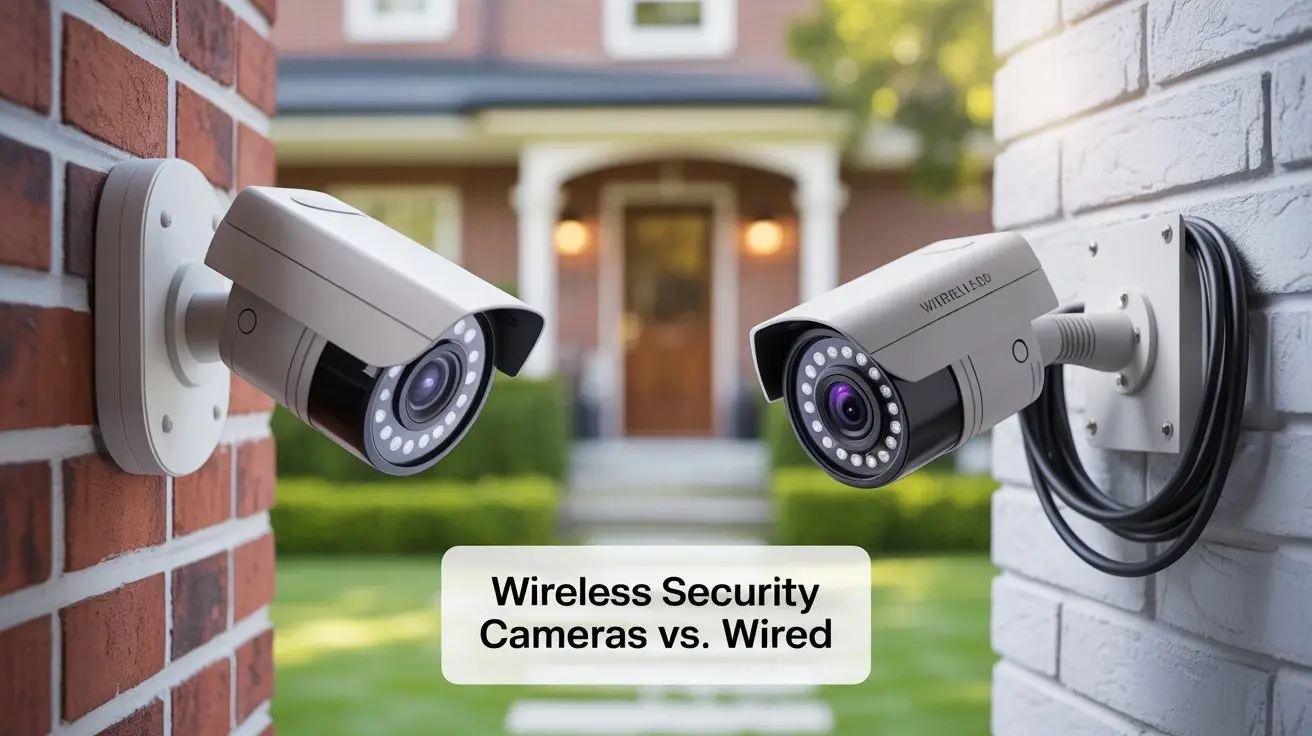
- Wired (IP/PoE): Generally more reliable, secure, and offer higher bandwidth. Power over Ethernet (PoE) simplifies installation by providing power and data over a single Ethernet cable. Recommended for professional installations where reliability is paramount.
- Wireless (Wi-Fi): Easier to install, offering flexibility in placement. However, they can be susceptible to signal interference and may require separate power sources. Best suited for smaller installations or where running cables is difficult.
4. Key Features to Consider:
- Resolution: Aim for at least 1080p (Full HD) for clear images. 4K resolution offers exceptional detail but requires more storage.
- Field of View (FoV): A wider FoV covers more area, while a narrower FoV provides more detail on distant objects.
- Night Vision: Look for cameras with effective IR illumination and sufficient range for your needs.
- Motion Detection: Essential for triggering recordings and alerts. Advanced systems offer AI-powered detection to reduce false alarms.
- Audio: Some cameras include built-in microphones for audio recording, which can be valuable for evidence. Two-way audio allows for communication.
- Storage: Options include local storage (SD cards, NVRs) or cloud storage. Cloud storage offers remote access and off-site backup but usually involves subscription fees.
- Remote Access: Ensure the system offers a user-friendly mobile app or web interface for viewing live and recorded footage from anywhere.
- AI Analytics: For enhanced security, consider cameras with features like facial recognition, object detection, or intrusion alerts.
5. Professional Installation vs. DIY:
While DIY installation is possible for simpler wireless systems, complex wired systems or those requiring extensive network integration are best handled by professional installers. Professionals can ensure optimal placement, proper configuration, and secure networking, maximizing the effectiveness and reliability of your security system.
By carefully considering these factors, you can choose a security camera system that effectively meets your needs and provides robust protection for your property in 2025-26 and beyond. Investing in a well-planned system is a crucial step towards enhancing your overall security posture.
Future-Proofing Your System
When selecting a system, consider its potential for future upgrades. Opting for IP-based systems with expandable storage and compatibility with emerging AI analytics can ensure your investment remains relevant for years to come. Look for manufacturers that regularly update their firmware and offer ongoing support. This proactive approach can save significant costs and hassle down the line, ensuring your security infrastructure evolves with technological advancements.
The evolution of security cameras is a testament to human ingenuity and the persistent drive for safety and security. From the earliest conceptualizations to the AI-powered marvels of today, these devices have continuously adapted and improved. Understanding their history provides valuable context for appreciating their current capabilities and anticipating their future potential.
In conclusion, the journey of security cameras began with the fundamental desire to observe and record remotely, a concept that materialized into practical, albeit rudimentary, systems in the mid-20th century. The transition from analog to digital technology, marked by the advent of DVRs and IP cameras, revolutionized surveillance, making it more accessible, efficient, and powerful. Today, in 2025-26, AI-driven smart cameras are at the forefront, offering proactive threat detection and seamless integration into broader security ecosystems. As technology continues to advance, we can expect even more sophisticated, intelligent, and integrated surveillance solutions that will further shape the future of safety and security.