Finding the right place to buy security cameras can feel overwhelming with so many options available. This guide cuts through the noise, directing you to the best retailers and online platforms for your specific needs, ensuring you secure your property effectively and affordably in 2025-26.
Online Retailers: Convenience and Variety
The digital marketplace has revolutionized how we shop for almost everything, and security cameras are no exception. For many consumers in 2025-26, online retailers offer an unparalleled combination of convenience, selection, and competitive pricing. These platforms allow you to browse thousands of products from the comfort of your home, compare features side-by-side, and often find deals that are hard to match in physical stores. The sheer volume of customer reviews available online also provides invaluable insights into product performance and reliability.
Amazon: The E-commerce Giant
When the question "Where to buy security cameras?" arises, Amazon is often the first name that comes to mind for many. Its dominance in e-commerce is well-earned, offering an extensive catalog of security cameras from virtually every major brand and countless smaller ones. Whether you're looking for a simple indoor Wi-Fi camera, a robust outdoor weatherproof system, or a professional-grade surveillance solution, Amazon likely has it. The platform's search filters are robust, allowing you to narrow down choices by brand, price, customer rating, features (like night vision, motion detection, two-way audio), and even specific use cases.
Advantages of Buying from Amazon:
- Vast Selection: Access to a wider range of brands and models than most physical stores.
- Competitive Pricing: Frequent sales, deals, and price comparisons make it easy to find good value.
- Customer Reviews: Real-world feedback from thousands of users helps in making informed decisions.
- Fast Shipping: For Prime members, expedited shipping is a significant advantage for urgent needs.
- Easy Returns: A generally straightforward return policy reduces purchase risk.
Considerations:
While Amazon excels in breadth and convenience, it's crucial to be discerning. Authenticity of third-party sellers can sometimes be a concern, so sticking to well-known brands or Amazon-fulfilled options is advisable. Additionally, the sheer volume of choices can be overwhelming without a clear idea of what you need.
Best Buy: Electronics Hub with Online and In-Store Options
Best Buy has long been a go-to destination for consumer electronics, and their security camera offerings are comprehensive. They stock a curated selection of popular brands, often focusing on those with good consumer reputations and reliable performance. Their website mirrors the in-store experience, allowing you to research products online and then potentially see them in person.
Advantages of Buying from Best Buy:
- Curated Selection: Focus on reputable brands and models, reducing the risk of low-quality products.
- In-Store Pickup: Order online and pick up the same day, ideal for immediate needs.
- Expert Advice: In-store associates can offer guidance, although their depth of knowledge can vary.
- Geek Squad Support: Options for professional installation and technical support are readily available.
Considerations:
Best Buy's selection might be more limited compared to Amazon, especially for niche or highly specialized security systems. Prices can sometimes be higher, though they do run competitive sales.
Walmart: Value and Accessibility
Walmart is another major retailer that offers a broad range of security cameras, often at very competitive price points. Their strategy often involves stocking popular, budget-friendly models alongside some mid-range options. Their online presence is significant, with a vast marketplace similar to Amazon, but their in-store selection is more limited.
Advantages of Buying from Walmart:
- Affordable Options: Excellent for budget-conscious shoppers looking for basic surveillance needs.
- Widespread Availability: Numerous physical locations for easy access and potential in-store purchase.
- Convenience: Can often bundle security camera purchases with other household items.
Considerations:
The quality and feature set of cameras at the lowest price points may not meet the needs of users requiring advanced functionality or long-term durability. Customer service and product expertise can be less specialized than at electronics retailers.
Newegg: Tech-Focused Marketplace
For those who are more tech-savvy and looking for specific components or advanced systems, Newegg is a strong contender. While it might not be the first place a casual shopper thinks of, Newegg offers a deep catalog of computer hardware, electronics, and increasingly, smart home and security devices. They often cater to DIY enthusiasts and those building custom surveillance setups.
Advantages of Buying from Newegg:
- Specialized Tech: Excellent for finding components for DIY systems or advanced network-based cameras.
- Competitive Pricing on Tech: Often has aggressive pricing on tech-oriented products.
- Detailed Product Specs: Information is typically geared towards technically minded consumers.
Considerations:
The interface and product descriptions might be less consumer-friendly than mainstream retailers. Customer support might be more technical in nature.
Brick-and-Mortar Stores: Immediate Purchase and Hands-On Experience
While online shopping offers convenience, there's still a significant appeal to purchasing security cameras from physical stores. The ability to see, touch, and sometimes even test a camera before buying can be invaluable. Furthermore, for those who need a solution immediately or prefer not to wait for shipping, brick-and-mortar stores are the primary option. This section explores the types of physical retailers where you can find security cameras.
Home Improvement Stores (e.g., Home Depot, Lowe's)
These stores are a natural fit for security cameras, as they are often considered part of home security and smart home upgrades. They typically carry a good selection of popular brands, focusing on DIY-friendly systems and individual cameras suitable for residential use. You'll find everything from wireless doorbell cameras to multi-camera wired systems.
Advantages:
- Tangible Product: Ability to examine the camera's build quality and size.
- Immediate Availability: Purchase and take home the same day.
- Associated Products: Easy to find installation tools, wiring, and other DIY supplies in one trip.
- Staff Assistance: While not always security experts, store associates can offer basic product information.
Considerations:
The selection might be limited to mainstream brands and models. Pricing can sometimes be higher than online retailers, and the staff's technical expertise on complex security systems may be limited.
Electronics Stores (e.g., Best Buy, Micro Center)
As mentioned earlier, electronics retailers offer a more specialized selection of cameras. Micro Center, in particular, caters to a more tech-enthusiast audience and may carry brands or models not found in big-box stores. These stores often have display models, allowing you to get a feel for the product's interface and build.
Advantages:
- Wider Range of Tech: Often carry more advanced or niche camera models.
- Demonstration Units: See and interact with some models before purchase.
- Knowledgeable Staff (sometimes): Depending on the store and associate, you might find more informed advice.
Considerations:
Selection can vary greatly by store location. Pricing might not always be the lowest compared to online deals.
Big-Box Retailers (e.g., Walmart, Target)
These retailers offer a more basic selection, often focusing on budget-friendly and entry-level security cameras. They are excellent for consumers looking for simple solutions for basic monitoring needs. The convenience of finding cameras alongside groceries and other household items is a major draw.
Advantages:
- Affordability: Often the best place to find low-cost camera options.
- Convenience: One-stop shopping for multiple needs.
- Wide Accessibility: Numerous locations across the country.
Considerations:
Limited selection of advanced features or higher-end brands. Product expertise from staff is generally minimal.
Specialty Security Stores: Expert Advice and High-End Solutions
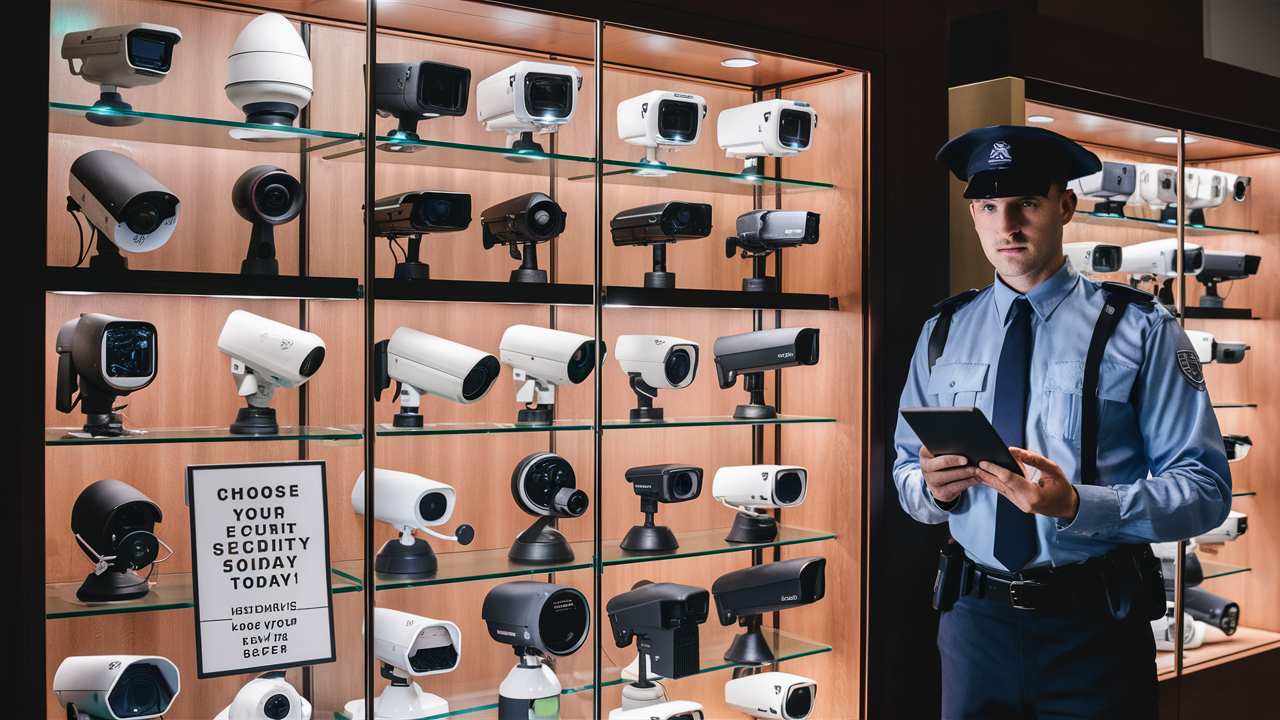
For consumers who require more than just basic surveillance, or for businesses looking for comprehensive security solutions, specialty security stores are invaluable resources. These retailers focus exclusively on security products and often employ highly knowledgeable staff who can provide tailored advice and design custom systems. While they may not have the sheer volume of options as online giants, the quality of advice and the caliber of products are often superior.
Local Security System Installers/Dealers
Many local companies specialize in installing and servicing security systems. While their primary business is installation, they often sell the equipment directly. This is an excellent route if you're looking for a professionally installed and integrated system, as they can recommend cameras that are compatible with their chosen platforms and offer ongoing support.
Advantages:
- Expert Consultation: Personalized assessment of your security needs and tailored recommendations.
- Professional Installation: Ensures cameras are set up correctly for optimal performance and reliability.
- Integrated Systems: Can design a cohesive system that includes cameras, alarms, and other security measures.
- Ongoing Support: Access to maintenance, troubleshooting, and upgrades.
Considerations:
Typically the most expensive option due to the labor and expertise involved. The selection of camera brands might be limited to those they partner with.
Online Specialty Security Retailers
Beyond the major e-commerce players, there are online stores dedicated solely to security equipment. These sites often carry a wider array of professional-grade cameras, specialized lenses, network video recorders (NVRs), and advanced analytics software. They are a great resource for DIYers looking for high-performance gear or businesses needing robust surveillance infrastructure.
Examples:
- B&H Photo Video: While known for photography and video, they have a significant pro-surveillance section.
- Adorama: Similar to B&H, offering a wide range of professional AV and security equipment.
- Specific Security Brands' Online Stores: Some manufacturers have dedicated online portals for their full product lines.
Advantages:
- Deep Product Knowledge: Websites often feature detailed spec sheets, guides, and comparison tools.
- Niche and Professional Gear: Access to equipment not commonly found in consumer electronics stores.
- Potential for Better Deals on Pro Gear: Can sometimes find competitive pricing on higher-end systems.
Considerations:
May require a higher level of technical understanding to navigate and select products. Customer support might be more technically focused.
Direct from Manufacturer: Latest Models and Exclusive Deals
Purchasing security cameras directly from the manufacturer's website is an increasingly popular option, especially for brands that have built a strong direct-to-consumer (DTC) presence. This route offers several unique advantages, including access to the very latest products, potentially better pricing through direct sales, and a more streamlined customer support experience.
Popular Brands with Direct Sales
Many leading security camera brands, such as Ring, Arlo, Nest (Google), Eufy, Wyze, and Reolink, have robust e-commerce platforms on their own websites. These platforms allow consumers to explore the full product line, understand the ecosystem of devices, and often benefit from exclusive bundles or promotions not available through third-party retailers.
Advantages:
- Latest Models First: Manufacturers often release their newest products on their own sites before they are widely distributed.
- Exclusive Deals and Bundles: Direct customers can sometimes access special offers, discounts, or bundled packages that aren't offered elsewhere.
- Direct Support: Dealing directly with the manufacturer for customer service and warranty claims can be more efficient.
- Full Product Information: Access to the most detailed and up-to-date product specifications and compatibility information.
- Firmware Updates: Manufacturers can push firmware updates directly to devices purchased from them, ensuring optimal performance and security.
Considerations:
The selection is limited to that specific brand's offerings, which might not be ideal if you're looking to mix and match from different manufacturers. You won't have the benefit of comparing multiple brands side-by-side on a single platform.
When to Buy Direct
Buying direct is often a good strategy when you've already decided on a specific brand and model. It's also beneficial during major sales events like Black Friday, Cyber Monday, or manufacturer-specific anniversaries, where exclusive discounts might be offered. If you're invested in a particular brand's ecosystem (e.g., Google Home, Amazon Alexa), buying directly ensures compatibility and access to the latest integrations.
Key Factors When Choosing Where to Buy
The decision of where to buy your security cameras shouldn't solely be based on price or convenience. Several other factors play a crucial role in ensuring you make the right purchase and are satisfied with your investment. Understanding these factors will help you navigate the options and select the best retailer for your specific needs.
Price and Value
While this is often a primary driver, it's important to consider the total value. This includes not just the upfront cost of the camera but also any subscription fees for cloud storage, potential installation costs, and the longevity of the product. Some retailers might offer a slightly higher initial price but include better warranties or support, which can represent better long-term value.
Selection and Variety
Do you need a specific type of camera (e.g., PTZ, thermal, low-light)? Are you looking for a particular brand or feature set? If you have very specific requirements, a large online retailer like Amazon or a specialty store might be your best bet. If you're open to various options, a broader retailer like Best Buy or Walmart might suffice.
Customer Reviews and Reputation
Online platforms excel here. Reading reviews from other users provides real-world insights into product performance, ease of use, and reliability. Retailers with a strong reputation for customer service and fair return policies also offer peace of mind.
Warranty and Return Policy
This is critical. What is the manufacturer's warranty period? What are the retailer's return policies if the camera is defective or simply not what you expected? Buying from a reputable retailer with a clear and fair warranty and return policy can save you a lot of hassle down the line.
Support and Installation Services
Do you plan to install the camera yourself, or will you need professional help? Some retailers, like Best Buy with its Geek Squad, offer installation services. Others, like specialty security stores, focus on providing expert advice and support for complex setups. If you're buying online, check if the manufacturer offers robust customer support or if there are readily available online guides and forums.
Urgency of Need
If you need a camera immediately, a brick-and-mortar store with same-day pickup is your best option. If you have a few days or weeks, online retailers offer more choice and potentially better prices.
Retailer Comparison Snapshot (2025-26)
Here's a quick overview to help you decide where to buy your next security camera:
| Retailer Type | Best For | Pros | Cons |
|---|---|---|---|
| Online Giants (Amazon, Newegg) | Vast selection, competitive prices, convenience | Unmatched variety, customer reviews, frequent deals, fast shipping | Overwhelming choice, potential for counterfeit products, requires research |
| Electronics Stores (Best Buy, Micro Center) | Consumer electronics, hands-on experience, installation services | Curated selection, in-store demos, Geek Squad support, same-day pickup | Selection may be limited, potentially higher prices than online |
| Home Improvement Stores (Home Depot, Lowe's) | DIY home security, basic to mid-range systems | Immediate availability, associated installation supplies, convenient location | Limited advanced options, staff expertise can vary |
| Specialty Security Stores | Expert advice, high-end and professional systems | Deep product knowledge, tailored solutions, professional installation options | Higher cost, selection limited to specialized brands |
| Direct from Manufacturer | Latest models, brand loyalty, exclusive deals | Access to newest tech, direct support, potential for unique offers | Limited to one brand, no cross-brand comparison |
Budget Considerations and Value for Money
The security camera market spans a wide price spectrum, from under $50 for basic indoor cameras to over $1,000 for advanced professional systems. Understanding your budget is paramount before you even start looking. As of 2025-26, here's a breakdown of what you can expect at different price points:
Entry-Level (Under $100 per camera)
At this price point, you'll find simple Wi-Fi cameras, often designed for indoor use or basic outdoor monitoring. Features might include 1080p resolution, motion detection, and basic night vision. Cloud storage often requires a subscription. Brands like Wyze and Eufy often have strong offerings here. These are ideal for renters or those needing to monitor a specific area without complex requirements.
Mid-Range ($100 - $300 per camera)
This segment offers a significant step up in features and performance. You can expect higher resolutions (2K or 4K), better low-light performance, wider fields of view, more advanced AI-powered motion detection (person detection, package detection), and often improved build quality for outdoor use. Many popular wireless systems from brands like Arlo, Ring, and Google Nest fall into this category. Local storage options (SD card) become more common alongside cloud subscriptions.
High-End ($300+ per camera)
Cameras in this bracket are typically for users who demand the best. This includes professional-grade IP cameras, PTZ (Pan-Tilt-Zoom) cameras, cameras with advanced analytics, superior low-light and thermal imaging capabilities, and robust integration with larger surveillance systems (NVRs). Brands like Hikvision, Dahua, and higher-tier models from Reolink or Axis Communications are found here. These are often chosen by businesses, property managers, or individuals with very specific and demanding security needs.
Subscription Costs
A crucial budget consideration often overlooked is the ongoing cost of cloud storage. Many wireless cameras rely on cloud subscriptions for video history. These can range from $3 to $30 per month per camera, or a bundled plan for multiple cameras. Always factor this into your total cost of ownership. Some systems offer local storage (SD card or NVR), which has a higher upfront cost but no recurring fees.
Total Cost of Ownership
When evaluating where to buy, consider not just the camera price but also:
- Subscription fees: For cloud storage or advanced features.
- Installation costs: If you opt for professional installation.
- Accessories: Such as extra batteries, mounting kits, or longer cables.
- Storage solutions: SD cards, NVRs, or external hard drives.
A slightly more expensive camera with no subscription fees might be more cost-effective in the long run than a cheaper camera requiring a monthly payment.
Understanding Different Security Camera Types
Before you decide where to buy, it's essential to understand the different types of security cameras available, as this will dictate which retailers are best suited for your needs. Each type has its own strengths, weaknesses, and ideal use cases.
Indoor Cameras
These are designed for use inside your home or business. They are typically smaller, less conspicuous, and often plug into a standard wall outlet. Features can range from basic motion detection and two-way audio to advanced AI for person or pet detection. They are generally the most affordable type of camera.
Where to Buy:
Widely available at all types of retailers, from big-box stores and electronics shops to online giants and direct from manufacturers like Wyze or Eufy.
Outdoor Cameras
Built to withstand the elements, outdoor cameras are weatherproof (IP-rated), often have wider fields of view, and feature enhanced night vision capabilities. They can be wired or wireless, with wireless options often relying on rechargeable or solar-powered batteries.
Where to Buy:
Available at home improvement stores, electronics retailers, and online. Brands like Ring, Arlo, and Reolink are prominent in this category.
Doorbell Cameras
These replace your existing doorbell and offer video, two-way audio, and motion detection to monitor your front door. They are a popular choice for package theft prevention and visitor identification.
Where to Buy:
Commonly found at electronics stores, home improvement stores, and online. Ring and Nest are market leaders here.
PTZ (Pan-Tilt-Zoom) Cameras
These cameras offer remote control over their movement, allowing you to pan left/right, tilt up/down, and zoom in on specific areas. They are ideal for covering large areas or for actively monitoring a location.
Where to Buy:
More likely to be found at specialty security stores, professional electronics retailers, or online marketplaces like Amazon and Newegg, especially for higher-end models.
Bullet Cameras
A traditional, often visible camera shape, typically mounted on a wall or ceiling. They are generally designed for outdoor use and are known for their durability and clear, focused field of view.
Where to Buy:
Available across most retail channels, including home improvement stores and online.
Dome Cameras
These cameras are housed in a protective dome, making them more discreet and vandal-resistant. They are often used indoors or in commercial settings where aesthetics and durability are important.
Where to Buy:
Similar availability to bullet cameras, often found at electronics and specialty security stores.
Wireless vs. Wired Cameras
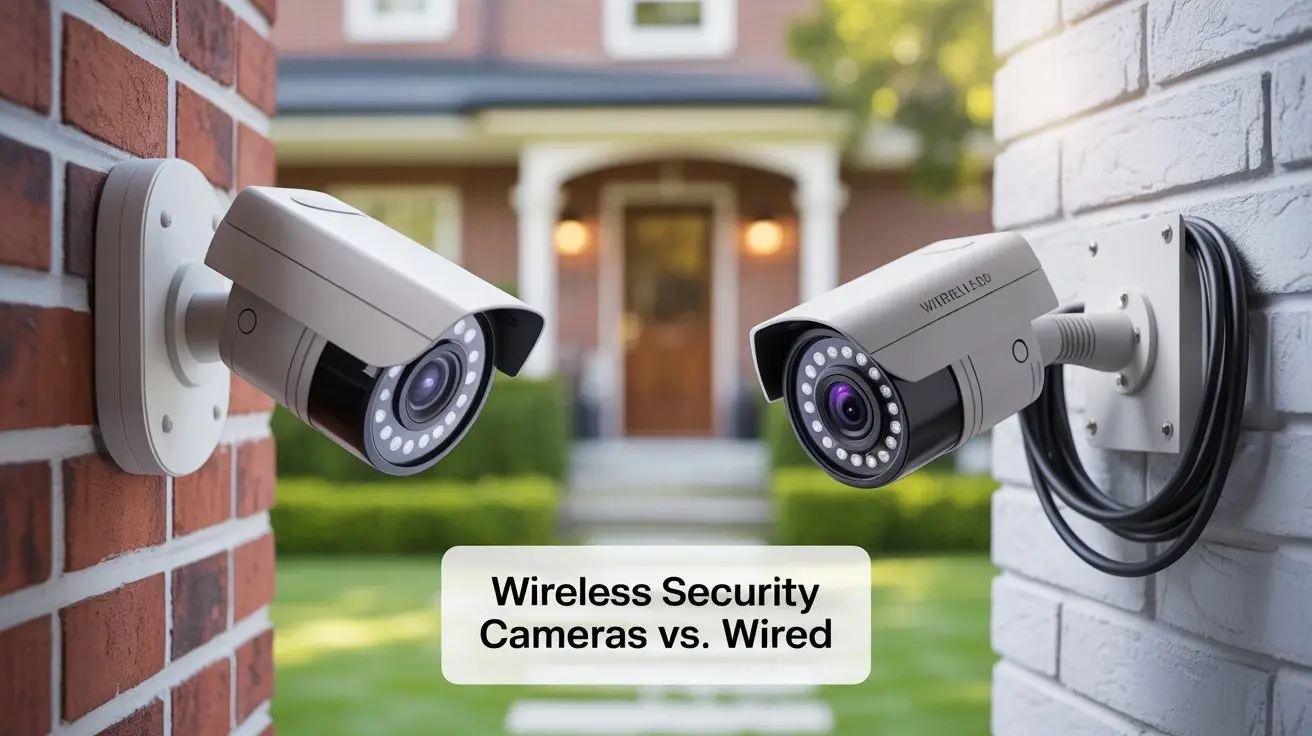
Wireless cameras offer easier installation but rely on Wi-Fi and batteries (which need recharging or replacing). Wired cameras (PoE - Power over Ethernet) require running cables but offer a more stable connection and continuous power, often preferred for larger or more critical systems.
Where to Buy:
Both types are widely available. Wireless options are more common in consumer-focused retailers, while wired (PoE) systems and components are more prevalent at specialty electronics and security stores, and online tech retailers.
NVR/DVR Systems
Network Video Recorders (NVRs) and Digital Video Recorders (DVRs) are central hubs for recording footage from multiple cameras. NVRs are used with IP cameras, while DVRs are used with analog cameras. These are typically sold as kits or as separate components.
Where to Buy:
Primarily found at specialty security stores, professional electronics retailers, and online tech marketplaces. Kits may also be available at larger home improvement stores.
Installation and Support Options
The process of setting up and maintaining your security cameras is as important as the purchase itself. Where you buy can significantly influence the availability and quality of installation and support services. In 2025-26, these options continue to evolve.
DIY Installation
This is the most common approach for many consumers, especially with the rise of user-friendly wireless cameras. Most retailers that sell security cameras will carry the necessary tools and accessories for DIY installation. Online retailers often provide extensive guides, video tutorials, and community forums to assist users.
Retailer Support for DIY:
- Online Retailers: Offer vast resources like video tutorials, user manuals, and customer Q&A sections.
- Electronics Stores: May have knowledgeable staff for basic setup advice.
- Manufacturer Websites: Provide direct support, firmware updates, and troubleshooting guides.
Professional Installation Services
For those who prefer a hands-off approach or require a more complex setup, professional installation is the way to go. This ensures cameras are optimally positioned, wired correctly, and integrated seamlessly into your home network.
Where to Find Professional Installation:
- Best Buy (Geek Squad): Offers installation services for a wide range of smart home devices, including security cameras.
- Specialty Security Stores/Installers: Their core business is often professional installation and system design.
- Third-Party Installation Platforms: Services like Angi (formerly Angie's List) or Thumbtack connect you with local installers.
- Manufacturer Programs: Some brands partner with local installers or offer their own certified installation networks.
Considerations:
Professional installation adds to the overall cost but can save time, ensure proper setup, and provide peace of mind, especially for wired systems or comprehensive surveillance networks.
Customer Support and Warranty
When issues arise, reliable customer support is essential. The quality of support can vary greatly depending on where you purchase your cameras.
Where to Get Support:
- Direct from Manufacturer: Often the best route for technical support and warranty claims, as they have in-depth knowledge of their products.
- Retailer Support: Major retailers like Best Buy and Amazon offer customer service, though their expertise might be more general.
- Online Communities and Forums: For many popular brands, active online communities can provide quick solutions from fellow users.
Always check the warranty period and terms before purchasing. Buying from reputable sources generally ensures better recourse if a product is faulty.
Making Your Final Decision: A Step-by-Step Approach
Navigating the vast landscape of where to buy security cameras can be simplified by following a structured approach. By the end of 2025-26, this process should help you identify the perfect retailer for your needs.
Step 1: Define Your Security Needs
Before looking at any retailer, clearly define what you need. Consider:
- Coverage Area: Indoors, outdoors, specific entry points, large property?
- Key Features: Night vision, motion detection, two-way audio, resolution (1080p, 4K), field of view, smart alerts?
- Connectivity: Wired (PoE) or wireless?
- Storage: Cloud-based (subscription required) or local (SD card, NVR)?
- Budget: What is your total budget, including potential ongoing costs?
- Technical Skill: Are you comfortable with DIY setup, or do you need professional installation?
Step 2: Research Camera Types and Brands
Based on your needs, research the types of cameras and specific brands that fit. Read reviews, watch comparison videos, and identify models that meet your requirements. Look at current trends in 2025-26 for AI features, battery life, and integration capabilities.
Step 3: Identify Potential Retailers
Once you have a few camera models or brands in mind, identify the retailers that carry them. Consider the categories discussed:
- For widest selection and best prices: Amazon, Newegg.
- For hands-on experience and curated options: Best Buy, Micro Center.
- For budget-friendly basics: Walmart, Target.
- For specialized or professional gear: Specialty security stores, B&H Photo, Adorama.
- For latest models and brand-specific deals: Manufacturer websites (Ring, Arlo, Nest, etc.).
Step 4: Compare Prices and Total Cost
Check the prices of your chosen cameras across different retailers. Don't forget to factor in shipping costs, potential subscription fees for cloud storage, and any accessories you might need. Calculate the total cost of ownership over 1-3 years.
Step 5: Evaluate Retailer Policies
Review the warranty and return policies of your top retailer choices. A good return policy can be a lifesaver if the camera doesn't meet your expectations or is defective. Also, consider the retailer's reputation for customer service.
Step 6: Make Your Purchase
Based on your research and comparisons, make your purchase from the retailer that offers the best combination of price, selection, policy, and service for your specific needs.
Example Scenario:
Need: Two outdoor wireless cameras for home perimeter monitoring, good night vision, 2K resolution, cloud storage, DIY installation. Budget: $400 total.
Research: Arlo Essential Spotlight, Ring Stick Up Cam Battery, EufyCam 2 Pro are strong contenders.
Retailer Check:
- Amazon: Arlo Essential Spotlight (2-pack) for $350, Ring Stick Up Cam Battery (2-pack) for $300. Both offer cloud plans.
- Best Buy: Similar pricing to Amazon, can see them in person.
- Arlo Direct: Sometimes offers bundles, check for sales.
- Ring Direct: Similar to Amazon.
Decision: Given the slightly better resolution and wider field of view of the Arlo cameras, and finding them on sale at Amazon for $350, this might be the best option. Factor in a $10/month cloud plan for Arlo Secure, bringing the first-year cost to $470. Alternatively, the Ring 2-pack at $300 with a $10/month plan is more budget-friendly at $420 for the first year. The user might opt for Ring for budget adherence.
By following these steps, you can confidently answer "Where to buy security cameras?" for your unique situation, ensuring a smart and secure investment for your property in 2025-26.
Conclusion
Navigating the question of "Where to buy security cameras?" in 2025-26 reveals a diverse retail landscape, each offering unique advantages. From the unparalleled selection and competitive pricing of online giants like Amazon and Newegg, to the hands-on experience and curated offerings of electronics retailers such as Best Buy, and the specialized expertise found at dedicated security stores, your ideal purchase point depends on your priorities. For immediate needs and tangible inspection, brick-and-mortar stores like Home Depot and Lowe's remain relevant. Purchasing directly from manufacturers ensures access to the latest technology and potential exclusive deals. Ultimately, the best place to buy security cameras is the one that aligns with your specific needs, budget, technical comfort level, and desire for support and warranty. Thoroughly defining your requirements, researching models, and comparing retailer policies will empower you to make an informed decision, securing your peace of mind effectively and affordably.