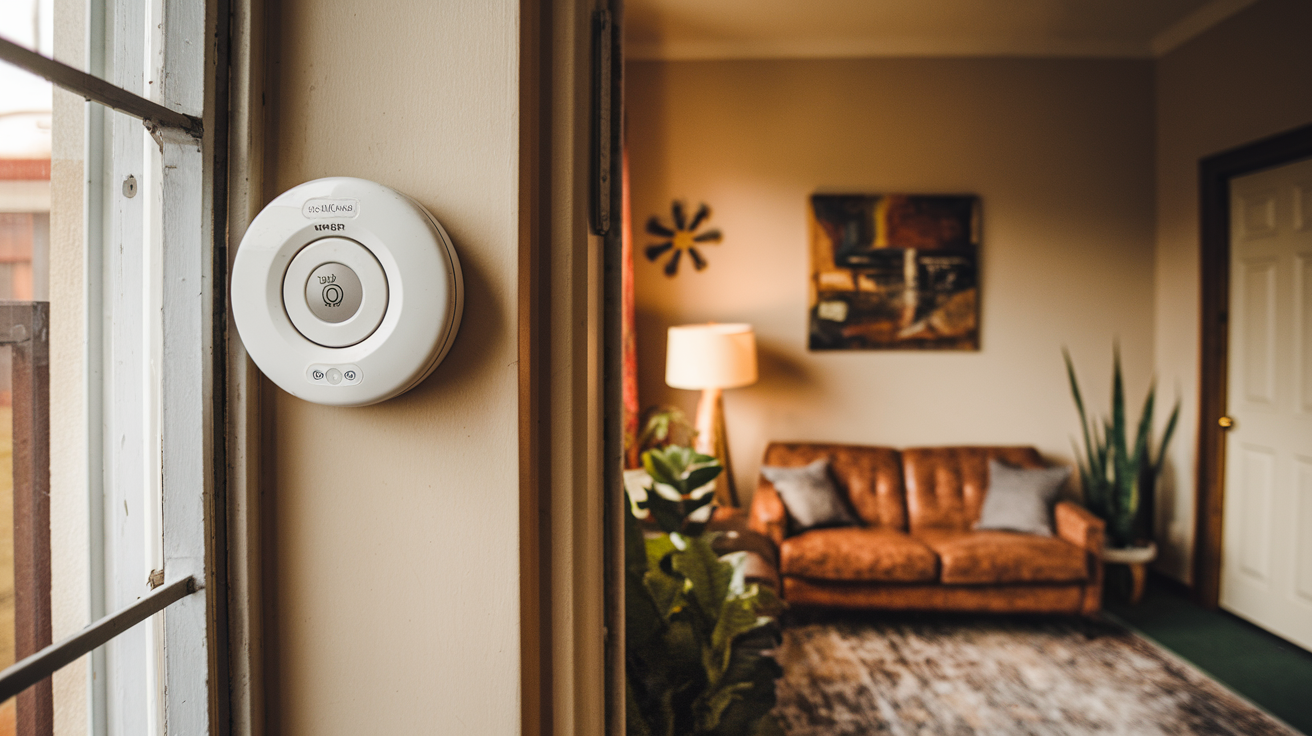
Installing carbon monoxide (CO) alarms correctly is crucial for home safety. This guide provides definitive answers on where to install CO alarms in your home to ensure maximum protection against this silent, deadly gas. We cover all essential locations, from bedrooms to garages, with actionable advice for 2025-26.
Understanding Carbon Monoxide: The Invisible Threat
Carbon monoxide (CO) is a colorless, odorless, and tasteless gas that is a byproduct of incomplete combustion. It's often referred to as the "silent killer" because it's impossible to detect without specialized equipment. In homes, CO can be produced by any fuel-burning appliance, including furnaces, water heaters, gas stoves, fireplaces, and even vehicles running in an attached garage. According to the Centers for Disease Control and Prevention (CDC), CO poisoning is a leading cause of accidental poisoning deaths in the United States. In 2023, the latest comprehensive data available indicates that over 1,000 deaths annually are attributed to accidental CO poisoning, with thousands more requiring emergency medical attention. For 2025-26, these figures are projected to remain alarmingly high without adequate preventative measures. Understanding the sources and risks associated with CO is the first step toward ensuring your home is a safe haven.
Why CO Alarm Placement Matters: Beyond the Basics
The effectiveness of a carbon monoxide alarm hinges significantly on its placement. A CO alarm's primary function is to detect rising CO levels and alert occupants before dangerous concentrations are reached. However, CO behaves differently depending on its temperature and density relative to air. Generally, CO is slightly lighter than air, but it mixes readily with air. This means that while it doesn't necessarily rise to the ceiling or sink to the floor like some other gases, its distribution can be influenced by air currents and temperature. Placing alarms in strategic locations ensures they can quickly sense any CO leaks from their source and provide timely warnings to everyone in the household, including those who are sleeping and may not notice early symptoms. Improper placement can lead to delayed or missed alarms, rendering the device useless in a critical situation. For instance, placing an alarm too close to a fuel-burning appliance might trigger a false alarm due to normal, low-level emissions, while placing it too far away might mean it doesn't detect a dangerous buildup in time. The goal is to position alarms where they can effectively monitor the air quality in living spaces and sleeping areas, capturing potential CO leaks from all common sources.
Where to Install CO Alarms in Bedrooms: Protecting Sleepers
Protecting sleeping individuals from carbon monoxide poisoning is paramount, as people are most vulnerable when asleep. During sleep, the body's senses are dulled, and individuals may not wake up to the subtle symptoms of CO poisoning, such as headaches, dizziness, or nausea. Therefore, installing carbon monoxide alarms in or near sleeping areas is a non-negotiable safety measure.
Inside Each Sleeping Area
The National Fire Protection Association (NFPA) and most safety organizations recommend placing a CO alarm inside each separate sleeping area. This means if you have a master bedroom, a child's bedroom, and a guest room, each should have its own CO alarm. This ensures that even if CO emanates from a source elsewhere in the house, it will be detected in the immediate vicinity of where people are sleeping.
Distance from Doors and Windows
When installing an alarm in a bedroom, avoid placing it directly next to doors or windows. Drafts from these openings can dilute CO concentrations, potentially delaying or preventing the alarm from sounding. Aim for a location that is not directly in the path of airflow from vents or open windows.
Height Considerations for Bedrooms
While CO mixes with air, it's generally recommended to install CO alarms on each level of the home, including the basement, and outside of each sleeping area. For bedrooms, mounting the alarm on a wall at eye level (approximately 5 feet from the floor) or on the ceiling is generally acceptable. However, some manufacturers recommend specific mounting heights, so always consult the device's manual. The key is to ensure it's in a location where it can effectively monitor the air without being obstructed by furniture or curtains.
Special Considerations for Children's Rooms
For children's rooms, the same principles apply. Ensure the alarm is functional and placed at an appropriate height where a child cannot tamper with it, but where it can still effectively monitor the air. If a child's bedroom is particularly large or has unusual airflow patterns, consider an additional alarm in that space.
Example Scenario: A family of four has three bedrooms. The parents' bedroom, their child's bedroom, and a guest room. Each of these rooms should have a dedicated CO alarm installed inside. If the furnace is in the basement, and a leak occurs overnight, the alarms in the bedrooms will be the first line of defense.
CO Alarms in Living Areas and Hallways: Broadening Coverage
Beyond sleeping areas, extending CO alarm coverage to common living spaces and central hallways significantly enhances overall home safety. These areas are often frequented by family members throughout the day and can be pathways for CO to travel from its source to other parts of the house.
Central Hallways on Each Level
A crucial recommendation from safety experts is to install CO alarms in central hallways on each level of a home. This is particularly important for multi-story dwellings. A hallway acts as a main thoroughfare, and an alarm placed here can detect CO that might be migrating from a basement appliance, a garage, or even a malfunctioning appliance on another floor. For instance, if a CO leak originates in the basement, the gas will likely travel upwards through stairwells and hallways. An alarm strategically placed in a central hallway on the main floor can provide an early warning to occupants in that area, and potentially to those on upper floors as well.
Living Rooms and Family Rooms
Living rooms and family rooms are high-traffic areas where family members spend considerable time. If a CO-producing appliance is located in or near these spaces, such as a gas fireplace or a gas stove in an adjacent kitchen, an alarm here is essential. For a gas fireplace, ensure the alarm is placed at a safe distance (at least 15-20 feet) to avoid nuisance alarms from minor, temporary emissions during ignition or operation, but close enough to detect a genuine leak. Similarly, if your primary living area is adjacent to a garage, an alarm in the living room can be vital.
Considerations for Open-Concept Homes
In open-concept homes, where living, dining, and kitchen areas flow into one another, placement becomes more strategic. Instead of multiple alarms in one large space, consider placing alarms at key junctures: near sleeping areas, near potential CO sources, and in the main living area. The goal is to ensure that CO has to pass by an alarm to reach occupants. A central hallway or a main living area can serve this purpose effectively in such layouts.
Example Scenario: A two-story home has its primary living area on the first floor and bedrooms on the second. A central hallway connects the bedrooms. A CO alarm should be placed in the hallway on the second floor, and another in the main living area on the first floor. If the furnace in the basement leaks CO, it will travel up the stairs and through the first-floor living area and second-floor hallway, triggering both alarms.
Installing CO Alarms Near Fuel-Burning Appliances: Critical Zones
Fuel-burning appliances are the most common sources of carbon monoxide in homes. Therefore, installing CO alarms in proximity to these devices is critical for early detection. However, it's essential to strike a balance; placing an alarm too close can lead to nuisance alarms, while placing it too far can delay detection.
Furnaces and Boilers
Furnaces and boilers, typically located in basements, utility rooms, or closets, are significant CO producers. If your furnace is in a basement, installing an alarm on each level of the home, including the basement itself, is highly recommended. For the basement, place the alarm on the ceiling or high on a wall near the furnace, but not so close that normal operational emissions cause false alarms. A distance of 10-15 feet from the appliance is often suggested, but always check the manufacturer's guidelines.
Water Heaters
Similar to furnaces, gas-powered water heaters are a potential source of CO. If your water heater is in a basement, utility room, or closet, follow the same placement guidelines as for furnaces. Ensure an alarm is present on that level and on adjacent levels. The general rule of thumb is to place alarms within 10-15 feet of the appliance.
Gas Stoves and Ovens
Gas stoves and ovens can emit CO, especially during cooking. While they are often in kitchens, it's generally advised *not* to install CO alarms directly above or next to gas stoves due to the potential for nuisance alarms from normal cooking byproducts. Instead, place an alarm in the kitchen at a distance of at least 15 feet from the stove, or in an adjacent hallway or living area. The goal is to detect a leak rather than normal operational emissions.
Fireplaces and Wood-Burning Stoves
Gas fireplaces and wood-burning stoves can also produce CO. For gas fireplaces, place the alarm at least 15-20 feet away to avoid false alarms from brief emissions during ignition or normal operation. For wood-burning stoves, the same principle applies. Ensure the alarm is in the same room but not directly adjacent to the stove. If the fireplace or stove is the primary heating source or used frequently, consider an additional alarm in the room.
Gas-Powered Generators
Portable generators are a major cause of CO poisoning, especially when used indoors or in attached garages. Never operate a generator indoors or in an enclosed space. If you must use a generator near your home, ensure it is placed at least 20 feet away from any doors, windows, or vents that could allow exhaust fumes to enter the house. A CO alarm should be placed inside the home, near sleeping areas and main living spaces, to detect any fumes that might inadvertently enter.
Example Scenario: A home has a gas furnace in the basement and a gas water heater in a utility closet on the first floor. CO alarms should be installed in the basement (near the furnace, but not too close), in the central hallway of the first floor, and in the master bedroom on the second floor. This ensures coverage for potential leaks from both appliances.
CO Alarms in Garages and Attached Spaces: Vehicle Emissions Risk
Attached garages pose a significant CO risk because vehicle exhaust contains high levels of carbon monoxide. Even when a car is running for a short period, CO can quickly seep into the living areas of the home.
Attached Garages
It is strongly recommended to install a CO alarm in any garage that is attached to your home. This alarm should be placed on the wall, about 5 feet from the floor, to effectively detect CO that may be emitted from vehicles. It should be installed in a location where it will not be affected by extreme temperatures or humidity, which can sometimes impair alarm function. Ensure the alarm is specifically rated for garage use, as some standard CO alarms may not perform optimally in these environments.
Separating Living Spaces from Garages
If your garage is attached to your home, ensure that any doors leading from the garage into the living space are well-sealed and maintained. These doors act as a barrier, and a CO alarm placed on the living space side of this door can provide an additional layer of protection. The alarm should be placed in a hallway or common area adjacent to the garage entry door.
Detached Garages with Living Space
If you have a detached garage that also serves as a workshop or includes a living space (e.g., an apartment above the garage), CO alarms are absolutely essential within that living space. Follow the same placement guidelines as for any other living area, ensuring alarms are near sleeping areas and common spaces. Additionally, consider an alarm within the garage itself, particularly if you store vehicles or use fuel-burning equipment there.
Example Scenario: A homeowner has a car that they occasionally start in their attached garage to warm it up. CO alarms should be installed inside the garage, approximately 5 feet from the floor, and also in the adjacent mudroom or hallway that connects the garage to the house. This dual placement ensures detection both within the garage and as any potential CO seeps into the living space.
CO Alarms in Basements and Lower Levels: Potential Traps
Basements and other lower levels of a home are often where fuel-burning appliances like furnaces, water heaters, and dryers are located. These areas can also become traps for CO if ventilation is poor.
Basements with Fuel-Burning Appliances
If your basement contains a furnace, water heater, or any other fuel-burning appliance, installing a CO alarm in the basement is crucial. Place the alarm on the ceiling or high on a wall, approximately 5 feet from the floor, in a location that is not in a direct draft from the appliance but can effectively monitor the air in the space. Ensure the alarm is within 10-15 feet of the appliance, but always consult the manufacturer's recommendations. It's also vital to have alarms on the floors above the basement to catch any CO that rises.
Unfinished Basements
In unfinished basements, CO can accumulate more readily due to less obstruction. Place the alarm in a central location where it can monitor the general air quality. If there are sleeping areas in a finished portion of the basement, ensure those areas also have dedicated CO alarms.
Areas with Poor Ventilation
Basements can sometimes have poor natural ventilation. If your basement has a laundry area with a gas dryer, or any other appliance that vents outside, ensure the vent is clear and functioning properly. A CO alarm in the basement can alert you to any issues with the appliance or its venting system.
Example Scenario: A home has a finished basement with a guest bedroom and a utility area containing a gas furnace and a gas dryer. A CO alarm should be installed in the utility area near the furnace and dryer, and another alarm should be placed inside the guest bedroom. This covers both the appliance risk and the sleeping area risk.
CO Alarms in Kitchens and Bathrooms: What to Avoid and Why
While it might seem logical to place CO alarms near potential sources like gas stoves or water heaters, there are specific reasons why certain locations in kitchens and bathrooms should be avoided for optimal alarm performance and to prevent nuisance alarms.
Avoid Direct Proximity to Gas Stoves
As mentioned earlier, gas stoves can emit small amounts of CO during normal operation, especially when cooking. Installing a CO alarm directly above or immediately next to a gas stove can lead to frequent false alarms caused by everyday cooking activities, such as broiling or high-heat searing. These nuisance alarms can be disruptive and may cause occupants to ignore future alarms. The recommended approach is to place the alarm in the kitchen at a safe distance (at least 15 feet) or in an adjacent area.
Avoid Areas with High Humidity and Steam
Bathrooms, especially those with showers, can generate significant amounts of steam and humidity. High humidity levels can interfere with the sensitive electronics within a CO alarm, potentially leading to malfunctions or false alarms. Therefore, it's generally advised to avoid installing CO alarms directly inside bathrooms. If a bathroom is adjacent to a bedroom or a main living area, a CO alarm in that adjacent space will provide adequate protection.
Avoid Areas Near Vents and Fans
Placing a CO alarm too close to exhaust vents, kitchen range hoods, or bathroom exhaust fans can be problematic. These devices can create drafts that dilute CO concentrations, preventing the alarm from detecting dangerous levels. Similarly, placing an alarm directly in the path of a vent from a furnace or water heater can lead to false alarms due to normal operational emissions. Always ensure alarms are placed away from direct airflow from vents and fans.
Alternative Placement Strategies
Instead of placing alarms directly in kitchens or bathrooms, consider the following:
- Kitchen: Place an alarm in the main living area adjacent to the kitchen, or in a central hallway on the same floor.
- Bathroom: If a bathroom is attached to a bedroom, the alarm in the bedroom will cover that risk. If it's a standalone bathroom, place an alarm in the nearest hallway or common area.
The goal is to detect CO that has escaped its source and is circulating in the air, not to monitor the immediate output of an appliance during normal use.
Example Scenario: A home has a gas stove in the kitchen and a gas-powered shower heater in a small, steamy bathroom. Instead of placing alarms directly next to these appliances, an alarm is placed in the dining room adjacent to the kitchen, and another alarm is placed in the hallway outside the bathroom. This ensures protection without the risk of nuisance alarms.
Types of CO Alarms and Their Placement Considerations
The market offers various types of CO alarms, each with specific features that might influence their ideal placement. Understanding these differences can help you make the best choice for your home safety.
Battery-Operated CO Alarms
Description: These alarms run solely on batteries and are the easiest to install, requiring no wiring. They are a good option for renters or for adding protection to areas where hardwiring isn't feasible.
Placement Considerations: Since they rely on batteries, regular battery checks and replacements are crucial. Their placement should follow the general guidelines for bedrooms, hallways, and near fuel-burning appliances. Ensure they are not placed in locations that are difficult to access for maintenance.
Plug-In CO Alarms with Battery Backup
Description: These alarms plug directly into a standard electrical outlet and have a battery backup to ensure continued operation during power outages. Many also include a digital display showing CO levels.
Placement Considerations: They require a nearby electrical outlet. Place them according to the standard guidelines, ensuring they are not in a location where they could be easily unplugged. The battery backup is a significant advantage for continuous protection.
Hardwired CO Alarms with Battery Backup
Description: These are professionally installed alarms that are connected to your home's electrical system. They also have a battery backup. Many hardwired alarms can be interconnected, meaning if one alarm detects CO, all connected alarms will sound.
Placement Considerations: Installation requires an electrician. Interconnected alarms offer superior protection as an alert on one floor can trigger alarms on all floors. Placement should strictly adhere to manufacturer and local building code recommendations. These are often the most reliable option for new construction or major renovations.
Combination Smoke and CO Alarms
Description: These devices detect both smoke and carbon monoxide, offering dual protection from a single unit. They are available in battery-operated, plug-in, and hardwired versions.
Placement Considerations: When placing these alarms, you must consider the optimal placement for both smoke and CO detection. Smoke alarms generally need to be placed on the ceiling or high on walls, and away from kitchens and bathrooms to avoid nuisance alarms from cooking or steam. CO detection guidelines (as discussed throughout this guide) also apply. For example, a combination alarm in a bedroom needs to be positioned to effectively detect both threats. If your primary concern is CO, ensure the placement aligns with CO detection best practices. If your primary concern is smoke, ensure placement aligns with smoke detection best practices. In most cases, a combination alarm placed in a central hallway or on each level of the home will satisfy both requirements.
Smart CO Alarms
Description: These alarms connect to your home's Wi-Fi network and can send alerts to your smartphone or other devices, even when you're away from home. They often offer features like remote monitoring and self-testing.
Placement Considerations: Placement follows the same general rules for CO detection. The added benefit is that you can monitor their status and receive alerts from anywhere. Ensure the alarm is placed within range of your Wi-Fi signal. The notification feature provides an extra layer of security, especially when the home is unoccupied.
Table: CO Alarm Types and Key Placement Notes
| Alarm Type | Power Source | Key Placement Advantage | Key Placement Consideration |
|---|---|---|---|
| Battery-Operated | Battery | Easy installation, portable | Regular battery maintenance is critical. |
| Plug-In with Battery Backup | AC Outlet + Battery | Continuous power with backup | Requires accessible outlet; avoid unplugging. |
| Hardwired with Battery Backup | Home Electrical + Battery | Interconnection capability, reliable power | Professional installation required; follow code. |
| Combination Smoke & CO | Varies (Battery, Plug-in, Hardwired) | Dual protection | Balance placement needs for both smoke and CO. |
| Smart CO Alarm | Varies (often Plug-in or Hardwired) | Remote alerts and monitoring | Requires Wi-Fi; placement follows CO guidelines. |
Installation Best Practices and Maintenance
Proper installation and regular maintenance are as critical as correct placement for ensuring your CO alarms function effectively. Following these best practices will maximize your home's safety.
Step-by-Step Installation Guide (General)
- Read the Manual: Always start by thoroughly reading the manufacturer's instructions specific to your CO alarm model.
- Choose the Location: Based on the guidelines provided in this article, select the optimal placement for your alarm.
- Mounting:
- Wall Mount: Use the provided mounting bracket and screws. Mount the alarm on a wall at the recommended height (typically 5 feet from the floor for CO alarms, but check your manual). Ensure it's not obstructed by furniture, curtains, or other objects.
- Ceiling Mount: If mounting on the ceiling, ensure it's at least 4 inches away from any wall or corner.
- Plug-in: Simply plug the alarm into a working electrical outlet. Ensure it's not on a switched outlet that can be turned off.
- Powering Up:
- Battery-Operated: Install fresh batteries, following the polarity markings.
- Plug-in/Hardwired: Connect to the power source and install the backup battery if applicable.
- Testing: Press and hold the test button on the alarm. It should emit a loud, continuous alarm sound. If it doesn't, check the batteries, power connection, and consult the manual or contact the manufacturer. Test all alarms after installation.
Regular Maintenance Schedule
- Monthly Testing: Test each CO alarm at least once a month by pressing the test button. This verifies that the battery and alarm mechanism are working correctly.
- Battery Replacement: Replace batteries in battery-operated and backup units at least once a year, or immediately when the low-battery warning chirps. It's a good practice to change them when you change your clocks for daylight saving time.
- Cleaning: Dust and debris can accumulate on the alarm's sensor. Gently vacuum the alarm cover with a soft brush attachment once a month or as needed to keep it clean and free of obstructions. Never use cleaning sprays or solvents on the alarm.
- End-of-Life Replacement: CO alarms have a limited lifespan, typically 5 to 10 years, depending on the model. The alarm will usually emit a series of chirps or a specific warning signal when it's nearing the end of its life. Mark the installation date on the alarm and replace it by the expiration date indicated by the manufacturer.
Important Installation Warnings
- Avoid False Alarms: Do not install CO alarms in kitchens directly above stoves, in bathrooms with high humidity, or within 15-20 feet of fuel-burning appliances unless specifically recommended by the manufacturer.
- Ventilation: Do not place alarms where they can be affected by direct drafts from vents, fans, or open windows.
- Obstructions: Ensure alarms are not covered by furniture, drapes, or other items that could block the sensor.
- Temperature and Humidity: Avoid extreme temperatures and high humidity, which can affect alarm performance.
Example Scenario: A homeowner installs three CO alarms: one in the master bedroom, one in the basement near the furnace, and one in the main hallway. They test all alarms monthly, replace batteries annually, and vacuum the alarms every few months. They also noted the installation dates and will replace them within 7 years.
Understanding CO Alarm Regulations and Recommendations (2025-26)
Staying informed about current regulations and recommendations is vital for ensuring your home is adequately protected. Safety standards and building codes are continually updated to reflect the latest research and best practices in home safety.
Federal and National Recommendations
In the United States, key organizations like the National Fire Protection Association (NFPA) and the U.S. Consumer Product Safety Commission (CPSC) provide guidelines for CO alarm installation. As of 2025-26, the consensus remains strong:
- NFPA 720: This standard outlines the requirements for placing CO alarms. It generally recommends installing alarms outside of each separate sleeping area, on every level of the home, and in areas near fuel-burning appliances.
- CPSC: The CPSC advocates for CO alarms on every level of the home and outside sleeping areas. They emphasize the importance of testing alarms monthly and replacing them every 5-10 years.
State and Local Building Codes
Building codes vary significantly by state and municipality. Many jurisdictions have adopted or adapted national standards into their local codes. As of 2025-26, it's common for new construction and significant renovations to require:
- Hardwired, interconnected CO alarms with battery backup on every level of the home.
- Combination smoke and CO alarms in specific locations.
- Specific placement requirements near fuel-burning appliances and sleeping areas.
It is crucial to check with your local building department or fire marshal for the most up-to-date and legally binding requirements in your area. Failure to comply with local codes can result in fines or issues when selling your property.
Key Recommendations for 2025-26
Based on current trends and expert advice, here are the most important recommendations for CO alarm installation and maintenance for 2025-26:
- Minimum Requirement: Install a CO alarm outside each sleeping area and on every level of your home, including the basement.
- Near Appliances: Install alarms within 10-15 feet of fuel-burning appliances like furnaces, water heaters, and gas dryers, but avoid direct proximity to prevent nuisance alarms.
- Garages: Install an alarm in any garage attached to the home.
- Interconnection: Whenever possible, use interconnected alarms (hardwired or wireless) so that all alarms sound when one detects CO.
- Combination Alarms: Consider using combination smoke and CO alarms for comprehensive protection, but ensure placement considers both detection needs.
- Maintenance is Key: Test alarms monthly, replace batteries annually, clean them regularly, and replace them at the end of their lifespan (typically 5-10 years).
- Smart Alarms: Consider smart CO alarms for remote monitoring and alerts, especially if you travel frequently or have a large home.
Statistics and Trends (2025-26 Outlook)
While specific year-end statistics for 2025-26 are not yet available, projections based on ongoing trends indicate that CO poisoning remains a significant public health concern. The continued prevalence of gas appliances, fireplaces, and generators in homes means the risk persists. Safety advocates are increasingly pushing for stricter regulations and greater public awareness campaigns. The adoption of interconnected and smart alarm technologies is expected to rise, offering enhanced safety features. The focus for 2025-26 remains on ensuring every home has adequate, properly placed, and well-maintained CO alarms as the primary defense against this silent threat.
Resource Link: For more detailed information on safety standards, refer to the National Fire Protection Association (NFPA) and the U.S. Consumer Product Safety Commission (CPSC).
Table: Recommended CO Alarm Placement Summary
| Location Type | Recommended Placement | Rationale |
|---|---|---|
| Sleeping Areas | Inside each bedroom and outside each sleeping area. | Protects vulnerable sleepers who may not wake to symptoms. |
| Each Level of Home | Central hallway or common area on each floor (including basement). | Ensures detection of CO migrating through the house. |
| Near Fuel-Burning Appliances | Within 10-15 feet of furnaces, water heaters, dryers, etc. (avoid direct proximity). | Early detection of leaks from common CO sources. |
| Attached Garages | On the wall, approximately 5 feet from the floor. | Detects CO from vehicle exhaust entering the home. |
| Kitchens | At least 15 feet from gas stove, or in an adjacent area. | Avoids nuisance alarms from cooking, while still monitoring air. |
| Bathrooms | Avoid direct installation; place in adjacent hallway or common area. | Prevents malfunction or false alarms due to high humidity and steam. |
Conclusion
The question of "Where to install carbon monoxide alarm in home?" is critical for safeguarding your family's lives. As we've explored, strategic placement is not just a recommendation but a vital necessity. By understanding the silent nature of carbon monoxide and its common sources, homeowners can implement effective protection measures. Prioritize installing alarms inside every sleeping area and on each level of your home. Pay close attention to areas near fuel-burning appliances, attached garages, and basements, while carefully avoiding locations prone to nuisance alarms like directly above stoves or in steamy bathrooms. Regular testing, battery replacement, and timely replacement of expired units are non-negotiable maintenance tasks. Staying current with 2025-26 regulations and expert recommendations ensures your home is protected by the latest safety standards. Don't wait for a tragedy; take proactive steps today to ensure your home is a secure environment for everyone.