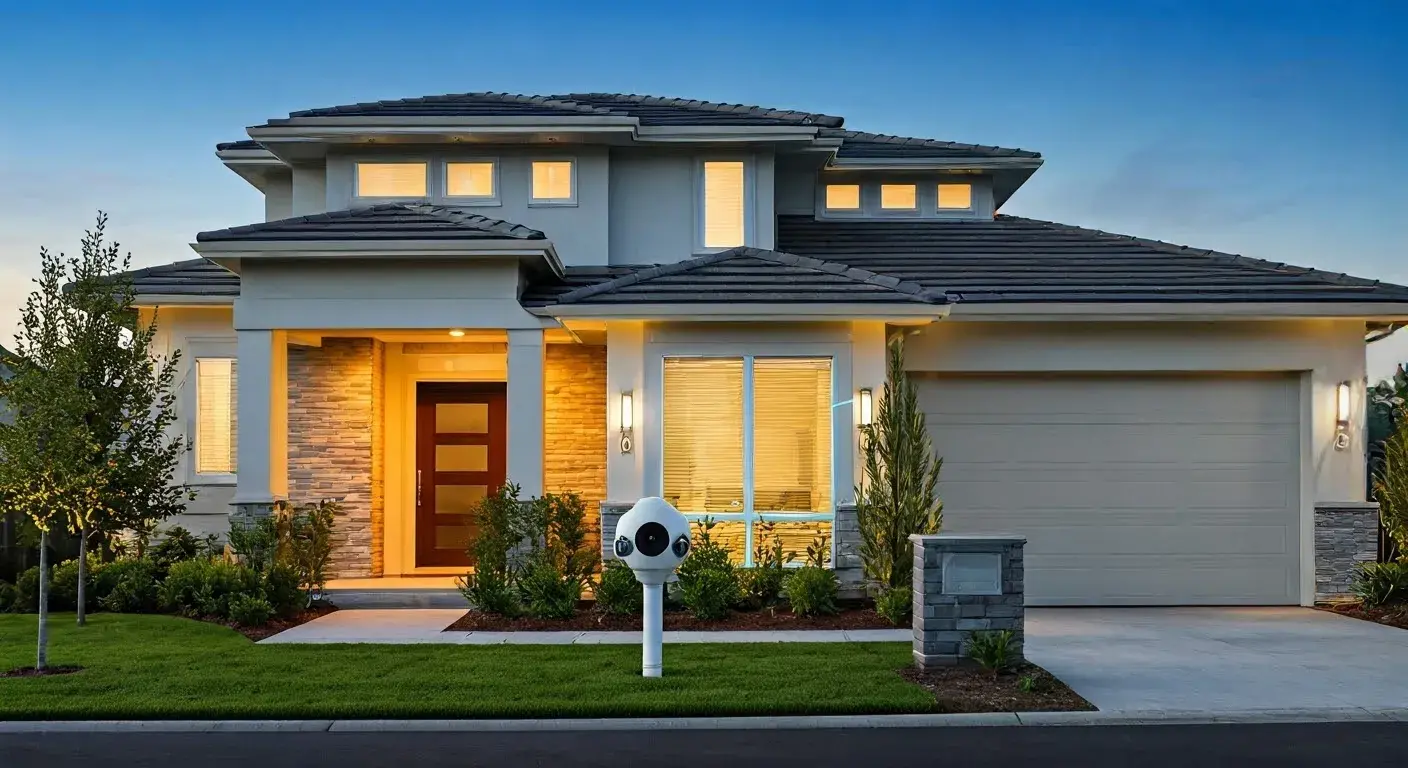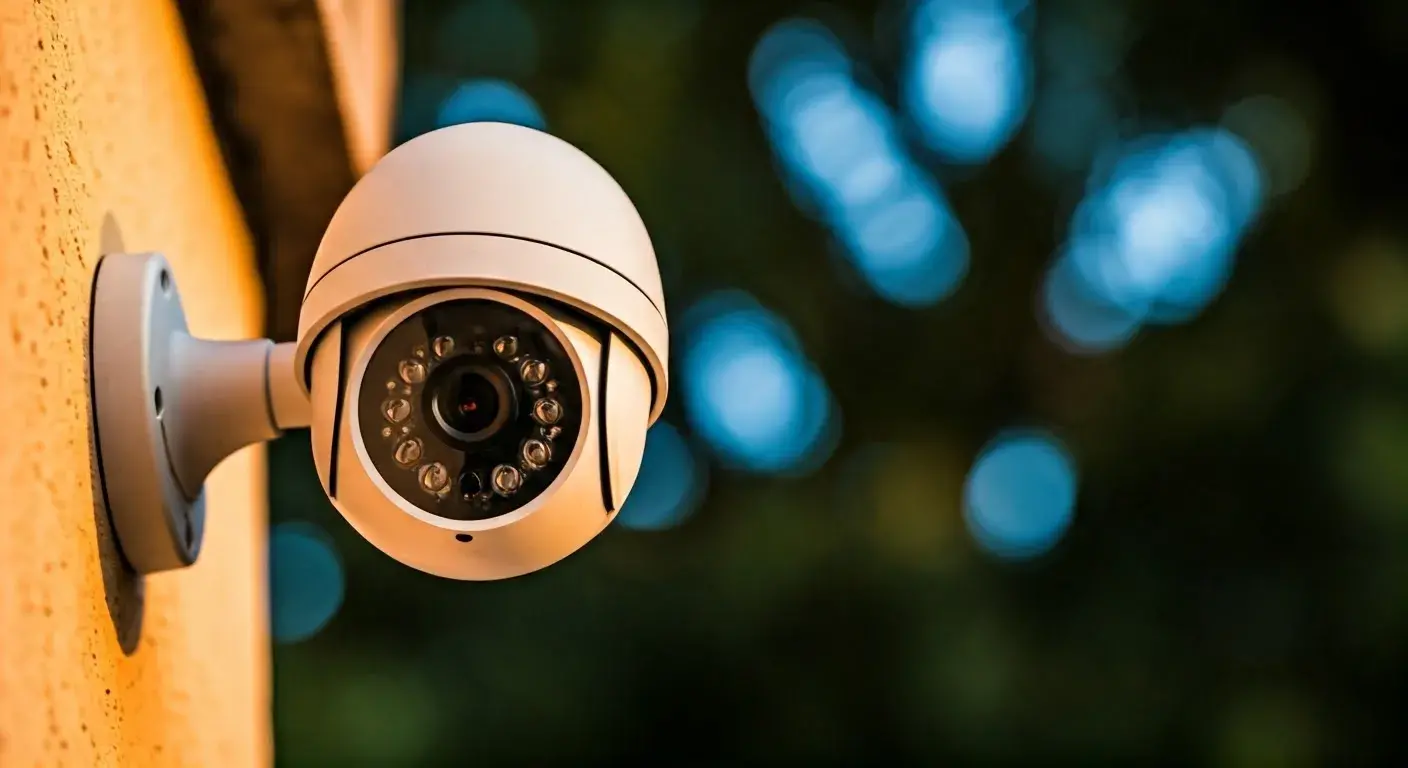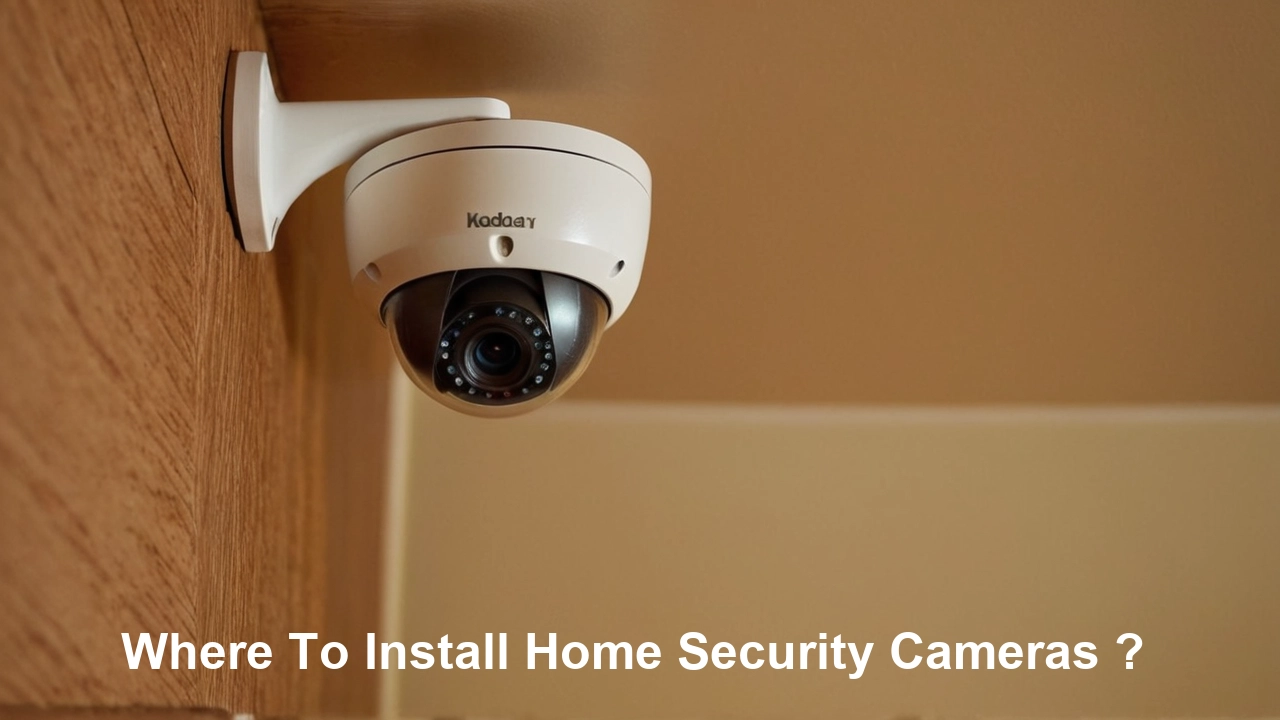
Deciding where to install home security cameras is crucial for effective surveillance. This guide provides expert insights and strategic placement advice to maximize your home's safety and deter potential intruders, ensuring you cover all vulnerable entry points and blind spots.
Front Door: The First Line of Defense
The front door is undeniably the most common entry point for burglars. It's the most visible and often the most accessible part of a home. Therefore, strategic placement of a security camera here is paramount. The primary goal is to capture clear, identifiable footage of anyone approaching your home, whether they are legitimate visitors or potential threats.
Optimal Camera Placement for the Front Door
When positioning a camera for your front door, aim for a height of approximately 7 to 10 feet off the ground. This height is high enough to deter tampering or vandalism but low enough to capture clear facial features. Avoid placing it too high, as this can make identification difficult, especially if the person is wearing a hat or hood. Conversely, placing it too low makes it an easy target for damage.
Angle and Field of View
The camera should be angled downwards to capture faces rather than just the tops of heads. A wide-angle lens is beneficial to cover the entire porch area, including any steps or landscaping that could be used for concealment. Consider cameras with a field of view of at least 110 degrees to encompass the entire approach.
Lighting and Obstructions
Ensure the area is adequately lit, especially at night. Many modern security cameras come with built-in infrared (IR) night vision, which is essential for clear footage in low-light conditions. However, direct light sources like porch lights can sometimes create glare or wash out images. If possible, position the camera so it doesn't directly face a bright light. Also, be mindful of any potential obstructions like hanging plants, decorative items, or even the door frame itself, which could block the camera's view.
Weather Protection
Front door cameras are exposed to the elements. Ensure your chosen camera has a good IP rating (Ingress Protection) for weather resistance, typically IP65 or higher, to protect it from rain, dust, and temperature fluctuations.
What to Capture
The ideal front door camera setup should capture:
- The entire porch and walkway leading to the door.
- Clear facial shots of individuals approaching.
- Any vehicles parked in front of the house.
- The act of someone interacting with the door (e.g., knocking, attempting to open).
According to recent security reports for 2025, homes with visible security cameras at the front door experienced a 30% reduction in attempted burglaries. This highlights the significant deterrent effect of visible surveillance.
Back Door and Side Entrances: Often Overlooked Vulnerabilities
While the front door gets the most attention, burglars often target less visible entry points like the back door, side doors, and basement entrances. These areas are typically shielded from street view and neighborly observation, making them prime targets for stealthy entry.
Securing the Back Door
Similar to the front door, the back door requires a camera positioned at a height of 7-10 feet, angled downwards. Ensure the camera covers the entire door and the immediate surrounding area, including any pathways or gates. If your back door leads to a patio or deck, ensure this area is also within the camera's field of view.
Side Doors and Basement Entrances
Side doors, often leading from a garage or a less-trafficked part of the house, and basement entrances are particularly vulnerable. These areas are often obscured by fences, bushes, or the structure of the house itself. Install cameras that can capture the approach to these entrances, ensuring a wide enough angle to cover any potential hiding spots. For basement windows, consider placing cameras at a height that can monitor the window area effectively, especially if they are ground-level.
Coverage Considerations
For these less visible entry points, it's crucial to ensure comprehensive coverage. Consider:
- Gates: If you have a gate leading to your backyard, a camera covering the gate is essential.
- Fences: Cameras positioned to monitor gates and fence lines can detect unauthorized entry into the yard before it reaches the house.
- Blind Spots: Walk around your house and identify any areas where someone could hide or approach unseen. These are prime locations for additional cameras.
Data from 2025 indicates that over 40% of home invasions occur through the back or side doors. This underscores the importance of securing these often-neglected entry points.
Windows: Securing Your Home's Eyes
Windows, especially those on the ground floor or easily accessible from the exterior, represent another significant vulnerability. While they may not be the primary entry point for determined burglars who prefer doors, they can be a point of entry for opportunistic thieves or a way to gain access to alarm systems.
Strategic Window Surveillance
Placing cameras to monitor windows requires a different approach than door surveillance. The goal is to detect tampering, attempted entry, or individuals loitering near windows.
Ground Floor Windows
For ground-floor windows, cameras should be positioned to have a clear view of the windowpane and the area immediately outside it. A camera mounted on the corner of the house, angled to cover multiple windows, can be an effective solution. Ensure the camera is high enough to avoid being easily disabled but low enough to capture any activity at the window.
Basement Windows
Basement windows are often low to the ground and can be easily overlooked. If your basement has windows, consider installing cameras that specifically monitor these openings. These cameras might need to be positioned lower or at an angle to effectively capture activity.
Interior Window Cameras (for specific concerns)
In some cases, you might consider placing cameras *inside* to monitor windows, particularly if you have concerns about specific rooms or if exterior placement is not feasible. However, this is less common and usually reserved for specialized security needs.
What to Look For in Window Cameras
When selecting cameras for window surveillance, consider:
- Motion Detection Zones: Cameras that allow you to define specific motion detection zones can help reduce false alarms from passing cars or animals, focusing solely on the window area.
- Night Vision: Essential for detecting activity at any time of day or night.
- Tamper Alerts: Some cameras can alert you if they are being tampered with.
Statistics from 2025 reveal that nearly 25% of burglars enter through windows. This makes dedicated window surveillance a critical component of a comprehensive home security system.
The Garage: More Than Just a Parking Space
The garage is often a vulnerable area, not just because it houses vehicles, but also because it frequently contains valuable tools, equipment, and often provides direct access to the main house. Many homeowners overlook the security of their garage, making it an attractive target for burglars.
Garage Door and Entry Points
The primary focus for garage security should be the main garage door and any pedestrian doors leading into the house or the exterior.
Main Garage Door
Install a camera that can monitor the entire garage door opening. This camera should capture anyone attempting to force entry through the door or using unauthorized access methods. Position it high enough to avoid interference from vehicles but with a clear view of the door's operation.
Pedestrian Doors
If your garage has a door leading into your home, it's essentially another interior door and needs robust security. Place a camera facing this door, similar to how you would secure any other interior door. If there's a separate exterior door to the garage, treat it like a side entrance and install a camera accordingly.
Interior Garage Surveillance
Beyond entry points, consider cameras to monitor the interior of the garage itself. This can deter theft of tools, bicycles, or other stored items.
Placement Strategies
- Corner Placement: Mounting a camera in a corner of the garage can provide a wide-angle view of the entire space, covering multiple angles and potential hiding spots.
- Overhead Mounting: Ceiling mounts can be effective for capturing a broad overview, especially in larger garages.
- Against Valuables: If you store particularly valuable items, consider a camera that has a direct line of sight to them.
Smart Garage Security
Many modern garage door openers are "smart" and can be integrated with security systems. Cameras that can detect the opening and closing of the garage door, or even record the license plates of vehicles entering and exiting, add an extra layer of security.
In 2025, statistics show that around 15% of burglaries involve entry through an attached garage. Securing this area is vital for overall home protection.
Driveway and Yard: Monitoring Approaches
Monitoring your driveway and yard provides a crucial outer perimeter of defense. This allows you to detect suspicious activity before it reaches your home, identify unfamiliar vehicles, and track the movements of individuals on your property.
Driveway Camera Placement
The goal here is to capture clear footage of vehicles and individuals approaching your home from the street or driveway.
Key Positions
- Street-Facing Camera: Position a camera at the end of your driveway, facing the street. This can capture license plates and provide a general view of who is approaching.
- Driveway Entrance: A camera mounted at the entrance of your driveway, angled to cover the entire length, can track vehicles and pedestrians entering your property.
- Overlooking Driveway: If possible, a camera mounted higher up on your house or a detached structure that overlooks the driveway can offer a broader perspective.
Yard Surveillance
Your yard can be a hiding place for intruders. Cameras strategically placed around the perimeter can deter them and provide evidence if an incident occurs.
Perimeter Cameras
Install cameras that cover fence lines, gates, and any dense landscaping where someone could hide. These cameras should have good night vision and a wide field of view. Consider cameras with motion-activated recording to conserve storage and alert you to activity.
Coverage of Vulnerable Areas
Pay attention to areas like backyards, side yards, and any areas that are not easily visible from the street. These are often where burglars will attempt to approach your home undetected.
Advanced Features for Outdoor Cameras
For driveway and yard surveillance, consider cameras with:
- Motion Detection with AI: Advanced AI can distinguish between people, vehicles, and animals, reducing false alarms.
- Two-Way Audio: Allows you to communicate with anyone on your property, potentially deterring them.
- Floodlights: Motion-activated floodlights can illuminate intruders and trigger camera recording simultaneously.
According to 2025 security surveys, homes with visible outdoor cameras covering driveways and yards reported a 45% decrease in vandalism and trespassing incidents.
Interior Placement: Inside Job Prevention
While exterior cameras are crucial for deterring and capturing external threats, interior cameras play a vital role in monitoring for internal issues, such as break-ins, package theft from inside, or even monitoring pets and children.
Key Interior Locations
When considering interior camera placement, focus on areas where valuable items are kept, common entry points from the outside, and high-traffic areas within the home.
Main Living Areas
Cameras in living rooms or common areas can provide an overview of activity within the home. They can also serve as a deterrent if placed visibly.
Hallways and Staircases
These are natural pathways for movement within the house. Placing cameras in hallways or at the top or bottom of staircases can capture movement between floors.
Rooms with Valuables
If you have a home office, a room with a safe, or areas where you store expensive electronics or jewelry, consider placing cameras in these rooms.
Entry Points from Exterior
As mentioned earlier, interior doors leading from garages or side entrances should be monitored. A camera placed in the immediate vicinity of these doors is highly recommended.
Considerations for Interior Cameras
Unlike outdoor cameras, interior cameras need to be mindful of privacy.
- Privacy Zones: Many modern systems allow you to create "privacy zones" where the camera will not record, such as bedrooms or bathrooms.
- Discreet Placement: Some homeowners prefer discreet interior cameras that blend in with decor or are less conspicuous.
- Power Source: Ensure easy access to power outlets or consider battery-powered options for flexibility.
- Wi-Fi Connectivity: Reliable Wi-Fi is essential for transmitting footage.
Interior cameras can also be invaluable for home safety, allowing you to check on elderly relatives, monitor children, or ensure pets are behaving. The 2025 market analysis shows a growing trend in integrated smart home security, where interior cameras are a key component.
Special Considerations and Advanced Strategies
Beyond the basic placement of cameras at entry points and vulnerable areas, several advanced strategies and considerations can significantly enhance your home security system's effectiveness.
Deterrence vs. Evidence
Understand the dual purpose of security cameras: deterrence and evidence collection. Visible cameras are a strong deterrent. Cameras placed strategically to capture clear, identifiable footage provide crucial evidence if an incident occurs. For maximum effect, use a combination of both visible and discreetly placed cameras.
Coverage of Blind Spots
Walk your property thoroughly, both inside and out, to identify any "blind spots" – areas that cannot be seen by your existing cameras. These could be corners of the house, overgrown bushes, or areas behind large structures. Prioritize placing cameras to cover these gaps.
Integration with Other Security Systems
Modern security cameras can often integrate with other smart home devices and security systems.
- Alarm Systems: Cameras can be triggered by alarm system sensors, providing visual verification of an event.
- Smart Locks: Integrate cameras with smart locks to see who is accessing your doors.
- Lighting: Motion-activated lights can work in tandem with cameras to illuminate intruders and trigger recording.
Power and Connectivity
This is a critical, often overlooked, aspect of camera placement.
- Wired vs. Wireless: Wired cameras generally offer more reliable power and data transmission but require more complex installation. Wireless cameras offer flexibility but depend on battery life or the availability of nearby power outlets.
- Wi-Fi Signal Strength: For wireless cameras, ensure a strong and stable Wi-Fi signal reaches the desired installation location. Consider Wi-Fi extenders if necessary.
- Power Outages: For critical cameras, consider battery backups or uninterruptible power supplies (UPS) to ensure continuous operation during power outages.
Legal and Ethical Considerations
Be aware of local laws and regulations regarding surveillance, particularly concerning privacy. Avoid pointing cameras directly into neighbors' properties or public areas where individuals have a reasonable expectation of privacy.
In 2025, the trend towards interconnected smart homes means that integrating cameras with other systems is not just an advanced strategy but a standard expectation for comprehensive security.
Choosing the Right Cameras for Strategic Placement
The effectiveness of your camera placement strategy heavily depends on the type of cameras you choose. Different cameras are designed for different purposes and environments, making the selection process crucial.
Types of Security Cameras
Here's a breakdown of common camera types and their ideal uses:
| Camera Type | Key Features | Ideal Placement | Pros | Cons |
|---|---|---|---|---|
| Bullet Cameras | Fixed focal length, visible deterrent, weather-resistant. | Exterior walls, covering driveways, entrances, yards. | Durable, visible deterrent, easy to aim. | Less discreet, can be bulky. |
| Dome Cameras | Discreet, vandal-resistant, often 360-degree view. | Ceilings (interior/exterior), eaves, under overhangs. | Discreet, protected from tampering, wide coverage. | Can be harder to aim precisely, less of a visible deterrent. |
| Turret Cameras | Similar to dome but with a more exposed lens, good night vision. | Exterior walls, corners, eaves. | Good balance of visibility and discreetness, effective night vision. | Less vandal-resistant than full domes. |
| PTZ (Pan-Tilt-Zoom) Cameras | Remote controllable movement, optical zoom. | Large areas, driveways, yards, commercial properties. | Covers large areas, can track subjects, detailed zoom. | Expensive, requires constant monitoring or pre-set tours, can be obvious. |
| Doorbell Cameras | Integrated into doorbell, two-way audio, motion detection. | Front door, side doors. | Monitors front door activity, visitor interaction, package delivery. | Limited field of view, dependent on doorbell wiring. |
| Wireless/Wi-Fi Cameras | Easy installation, flexible placement, battery or plug-in. | Anywhere with Wi-Fi, interior rooms, temporary setups. | Easy to install, portable, no complex wiring. | Dependent on Wi-Fi strength and battery life, potential for signal interference. |
| Wired/PoE Cameras | Reliable power and data via Ethernet cable. | Permanent installations, areas requiring high reliability. | Stable connection, reliable power, often higher resolution. | Complex installation, less flexible placement. |
Key Features to Consider
When selecting cameras for specific placements, look for:
- Resolution: Higher resolution (e.g., 1080p, 2K, 4K) provides clearer images for identification.
- Night Vision: Essential for 24/7 surveillance. Look for IR range and quality.
- Field of View (FoV): A wider FoV covers more area.
- Weather Resistance (IP Rating): Crucial for outdoor cameras.
- Motion Detection: Smart motion detection with AI is preferable to reduce false alarms.
- Two-Way Audio: Useful for communication and deterrence.
- Storage Options: Local (SD card) vs. Cloud storage.
Choosing the right camera for the right job ensures that your strategic placement translates into effective security. For instance, a wide-angle dome camera might be perfect for covering a large garage interior, while a visible bullet camera is ideal for deterring intruders at the front door.
Professional vs. DIY Installation: Key Factors
Deciding whether to install your home security cameras yourself or hire a professional is a significant decision that impacts cost, time, and the effectiveness of your system. Both options have their merits, and the best choice depends on your technical skills, budget, and the complexity of your desired setup.
DIY Installation: Pros and Cons
DIY installation is appealing for its potential cost savings and the flexibility it offers.
Pros:
- Cost Savings: You avoid professional installation fees, which can be substantial.
- Flexibility: You can install cameras exactly where and when you want them, taking your time.
- Learning Opportunity: You gain a deeper understanding of your security system.
- Wide Availability of Wireless Systems: Many modern cameras are designed for easy DIY setup.
Cons:
- Technical Skill Required: Some installations, especially wired systems, can be complex and require basic electrical and networking knowledge.
- Time Consuming: Planning, drilling, running wires, and configuring settings can take a significant amount of time.
- Potential for Errors: Incorrect installation can lead to poor performance, connectivity issues, or even safety hazards.
- Limited System Complexity: Highly integrated or complex systems might be beyond the scope of a typical DIYer.
Professional Installation: Pros and Cons
Hiring professionals ensures that your system is installed correctly and optimally.
Pros:
- Expertise: Professionals have the knowledge and experience to recommend the best camera placements and ensure optimal performance.
- Time Savings: They can install your system efficiently, often within a few hours.
- Proper Wiring and Integration: They can handle complex wiring and ensure seamless integration with your existing network and other smart home devices.
- Warranty and Support: Professional installation often comes with a warranty, providing peace of mind.
- System Design: They can help design a comprehensive system tailored to your specific needs and property layout.
Cons:
- Higher Cost: Professional installation fees can add significantly to the overall cost of your security system.
- Scheduling: You need to schedule an appointment, which might involve waiting times.
- Less Control: You have less direct control over the exact placement and timing of the installation.
Making the Decision
Consider the following factors when deciding:
- Your Technical Aptitude: Are you comfortable with tools, basic wiring, and network configuration?
- System Complexity: Are you installing a few wireless cameras or a complex wired system with multiple components?
- Budget: How much are you willing to spend on installation?
- Time Availability: Do you have the time to dedicate to a DIY installation?
- Property Layout: Is your home easily accessible for wiring, or are there significant architectural challenges?
For most homeowners in 2025, a hybrid approach often works best. Simple wireless cameras for easily accessible locations might be a good DIY project, while more complex installations, such as running wires through walls or integrating with existing alarm panels, are best left to professionals.
Conclusion
Strategically installing home security cameras is an investment in your peace of mind and the safety of your property. By carefully considering the most vulnerable points of entry – from the front and back doors to windows, garages, and driveways – you create a robust perimeter of surveillance. Remember that effective placement is not just about covering every inch, but about capturing actionable footage that deters threats and provides clear evidence when necessary.
Leverage the insights on camera types, features, and the crucial decision between DIY and professional installation to build a system that perfectly suits your home's unique layout and your security needs. Prioritize clear visibility, reliable connectivity, and adequate lighting, especially during nighttime hours. In 2025, advanced features like AI-powered motion detection and seamless smart home integration are readily available, offering enhanced protection. Ultimately, the right camera placement strategy, combined with the appropriate technology, forms the cornerstone of a secure and protected home environment.