Strategically placing your home security cameras is paramount to deterring intruders and capturing crucial evidence. This guide will detail the optimal locations for indoor and outdoor cameras, ensuring comprehensive coverage and maximum effectiveness for your home's safety in 2025-26.
Understanding the Fundamentals of Camera Placement
The effectiveness of any home security system hinges significantly on the strategic placement of its components, especially surveillance cameras. In 2025-26, with advancements in camera technology and increasing security concerns, understanding precisely where to position these devices is more critical than ever. It’s not just about having cameras; it’s about having them in the right places to maximize their deterrent effect, capture vital footage, and provide comprehensive coverage. This involves a thoughtful assessment of your home's layout, potential vulnerabilities, and the specific goals you aim to achieve with your security system. Whether you're looking to deter break-ins, monitor package deliveries, keep an eye on pets, or ensure the safety of children, the placement dictates the outcome.
A well-placed camera acts as a powerful deterrent. Visible cameras can make potential intruders think twice before targeting your property. Beyond deterrence, strategically positioned cameras ensure that if an incident does occur, you have clear, usable footage. This footage is invaluable for identifying suspects, understanding the sequence of events, and providing evidence to law enforcement. Conversely, poorly placed cameras can create blind spots, miss critical angles, or even be easily disabled, rendering them ineffective. Therefore, a systematic approach to camera placement, considering both indoor and outdoor environments, is essential for robust home security.
The 2025-26 security landscape highlights a growing trend towards integrated smart home security systems. Homeowners are increasingly seeking solutions that offer not just surveillance but also seamless integration with other smart devices, remote access, and intelligent alerts. This shift further emphasizes the importance of thoughtful camera placement, as it forms the visual backbone of these interconnected systems. Understanding the interplay between camera angles, lighting, power, and connectivity will empower you to create a truly effective and comprehensive security network for your home. This guide will delve deep into the specifics of optimizing camera placement for both external and internal protection, ensuring you make informed decisions that bolster your peace of mind.
Outdoor Camera Placement Strategy: The First Line of Defense
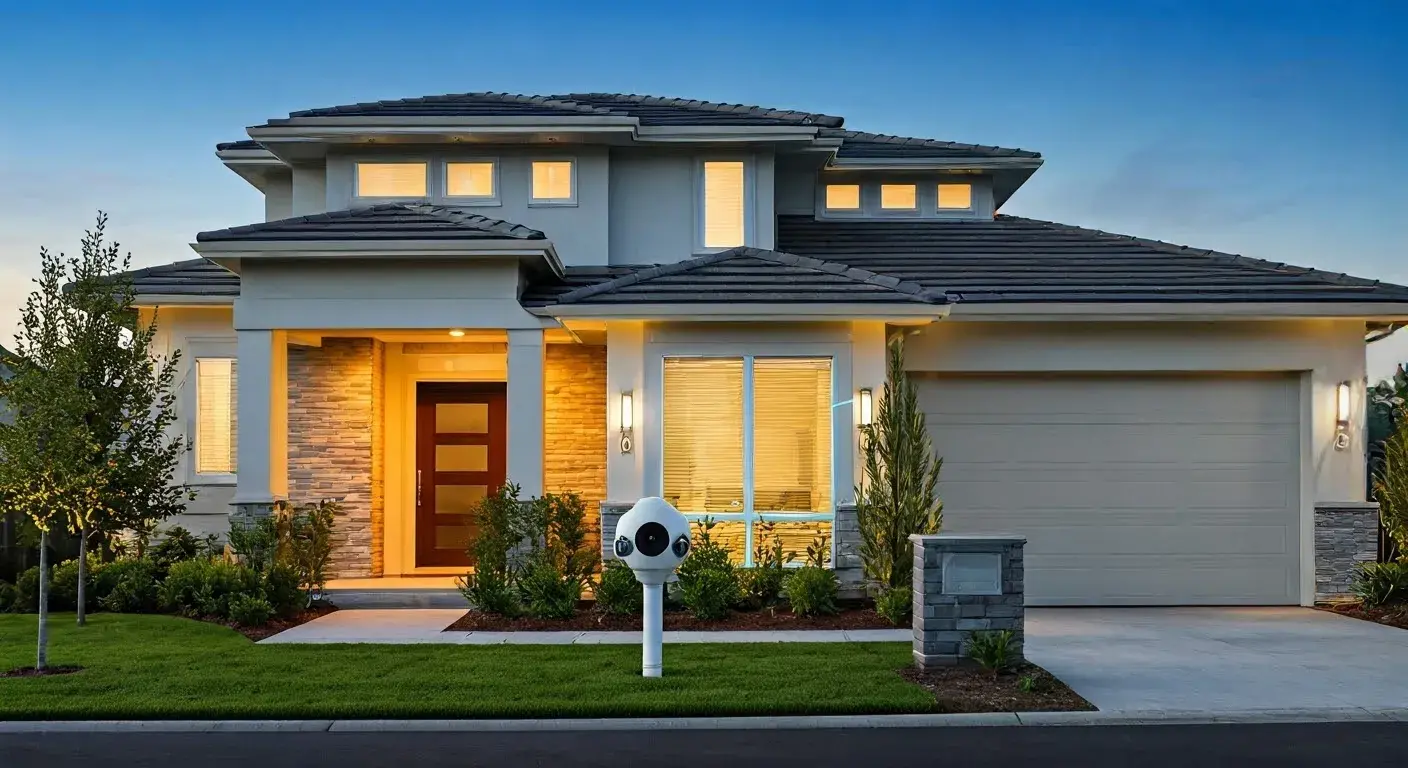
Your home's exterior is the first frontier of defense against potential threats. Outdoor security cameras are your eyes on the perimeter, crucial for detecting unauthorized access, monitoring activity, and deterring criminals before they can even reach your doors or windows. Strategic placement outdoors is about creating a comprehensive surveillance net that leaves no stone unturned. According to recent industry reports from 2025, properties with visible outdoor security cameras experience a reduction in attempted burglaries by as much as 30-40% compared to those without.
Front Door and Main Entry Points
The front door is arguably the most critical area to monitor. It's the most common point of entry for visitors, deliveries, and unfortunately, intruders. A camera placed here should offer a clear, unobstructed view of anyone approaching the door. Aim for a height of 8-10 feet to prevent tampering while still capturing clear facial features. Consider a wide-angle lens to cover the entire porch area and the approach to the door. This placement is also excellent for monitoring package deliveries, a significant concern for many homeowners in 2025-26.
Placement Tips:
- Mount the camera above the door frame or on an adjacent wall.
- Ensure it's angled to capture faces, not just the top of heads.
- Avoid direct sunlight that can cause glare and obscure the image.
- Consider a camera with night vision capabilities for 24/7 monitoring.
Exampdoorbell cameradoorbell camera combined with a wider-angle camera mounted on the soffit above the porch can provide layered coverage, capturing both direct approach and the surrounding area.
Back Door and Secondary Entrances
Just as important as the front door, back doors, side doors, and garage service doors are often less visible and can be preferred entry points for burglars. These areas need dedicated camera coverage. Similar to the front door, aim for a height that offers a clear view of the door and its immediate surroundings. If there’s a porch or patio area, ensure the camera covers that as well.
Placement Tips:
- Mount cameras on eaves, walls, or posts near the door.
- Ensure the camera is protected from direct weather exposure if possible.
- Use motion detection features to receive alerts for any activity.
Example: A camera mounted on the corner of the house overlooking the back patio and the door leading into the kitchen can cover multiple angles.
Windows, Especially Ground Floor
Ground-floor windows are vulnerable points of entry. While you might not need a camera on every window, strategic placement can cover multiple windows from a single vantage point or monitor specific, more accessible windows. Cameras placed to view windows can capture attempts to pry them open or break them.
Placement Tips:
- Mount cameras on the exterior walls, angled towards vulnerable windows.
- Consider cameras with wide fields of view to cover multiple windows.
- Ensure cameras are positioned to avoid direct glare from windows at night.
Example: A camera mounted at a corner of the house can often cover two or three ground-floor windows and the space between them.
Driveways and Garages
Monitoring driveways and garages is crucial for several reasons: deterring car theft, capturing license plates of suspicious vehicles, and monitoring activity around your garage, which can be a target for break-ins or a point of entry into the home. A camera overlooking the driveway entrance and the garage door is essential.
Placement Tips:
- Mount cameras on the garage itself, on a nearby pole, or on the side of the house overlooking the driveway.
- Ensure the camera is high enough to avoid easy tampering but low enough to capture license plates.
- Consider cameras with excellent low-light performance or infrared capabilities.
Example: A camera mounted on the garage exterior, angled down the driveway, can capture vehicles entering and exiting, as well as any loitering.
Vulnerable Areas and Blind Spots
Every home has areas that are less visible from the street or main living areas. These are prime targets for intruders. Walk around your property and identify any blind spots – areas that are hidden from view from the street, your front door, or your main windows. These could include areas behind sheds, dense shrubbery, or along fences.
Placement Tips:
- Identify all blind spots during a walk-through at different times of day.
- Consider specialized cameras like turret or dome cameras that can be discreetly mounted.
- Use cameras with wider fields of view to cover larger blind spots.
Example: If a side gate is hidden by overgrown bushes, a camera mounted on the house overlooking that gate is essential.
Perimeter and Boundary Monitoring
For enhanced security, consider monitoring your property's perimeter or boundary lines. This can involve placing cameras along fences, at gates, or at the edges of your property. This provides an early warning system, alerting you to anyone entering your property before they reach your home itself.
Placement Tips:
- Mount cameras on fence posts or poles at the property line.
- Ensure cameras are angled to cover the entire length of the fence or boundary.
- Use weather-resistant cameras designed for outdoor conditions.
Example: Cameras placed at strategic points along a back fence can alert you to anyone attempting to climb over or enter through a gate.
Outdoor Camera Placement Comparison
Here's a quick comparison of common outdoor camera placement zones:
| Location | Primary Purpose | Recommended Height | Key Considerations |
|---|---|---|---|
| Front Door | Deterrence, Entry Monitoring, Package Delivery | 8-10 feet | Facial capture, wide angle, night vision |
| Back/Side Doors | Secondary Entry Monitoring | 8-10 feet | Coverage of porch/patio, weather protection |
| Ground Floor Windows | Intrusion Detection | 6-8 feet | Cover multiple windows, avoid glare |
| Driveway/Garage | Vehicle Monitoring, Entry Deterrence | 8-12 feet | License plate capture, low-light performance |
| Perimeter/Boundary | Early Warning, Property Line Monitoring | 6-10 feet | Wide coverage, weather resistance |
Indoor Camera Placement Strategy: Protecting Your Interior
While outdoor cameras act as the first line of defense, indoor cameras provide crucial surveillance of your home's interior. They are vital for monitoring activity when you're away, ensuring the safety of children and pets, and capturing any potential internal threats. The key to effective indoor placement is balancing security needs with privacy concerns. As of 2025, data shows that homes with integrated indoor and outdoor camera systems report a 40% higher recovery rate of stolen items and a 25% faster response time from authorities in the event of a break-in.
Main Living Areas
Common areas like the living room, family room, or den are often the most accessible parts of your home from entry points. Placing cameras here can provide a broad overview of activity. These cameras can monitor for unexpected visitors, ensure children are safe when playing, or keep an eye on pets.
Placement Tips:
- Position cameras in corners of rooms for maximum field of view.
- Consider discreet placement, such as on bookshelves or decorative items, to avoid drawing attention.
- Ensure the camera angle covers entry points into the room and the main activity zones.
Example: A small, discreet camera placed on a mantelpiece can survey the entire living room, including the main entrance from the hallway.
Hallways and Staircases
Hallways and staircases are natural pathways within a home. Monitoring these areas can provide a clear view of movement between rooms, especially important for detecting intruders who have bypassed initial external defenses or for monitoring children's movements. Staircases are particularly useful as they offer a vantage point over multiple floors.
Placement Tips:
- Mount cameras at the ends of hallways or at the top/bottom of staircases.
- Ensure the camera is angled to capture individuals passing by.
- For staircases, a camera at the top can view descending individuals, and one at the bottom can view ascending individuals.
Example: A camera mounted at the top of the main staircase can capture anyone coming down from the upper floor.
Bedrooms and Private Spaces
The placement of cameras in bedrooms and other private spaces requires careful consideration of privacy. While essential for monitoring children's rooms or for personal safety, it's crucial to respect the privacy of all occupants. Many systems allow for camera disabling or scheduling to ensure privacy during personal time.
Placement Tips:
- Focus on rooms where children sleep or play, or areas where valuables are stored.
- Always prioritize consent and clear communication regarding camera placement in these sensitive areas.
- Consider cameras with privacy shutters or the ability to be easily turned off.
Example: A camera in a child's nursery, positioned discreetly and angled away from the changing area, can provide peace of mind for parents.
High-Value Areas
Areas where you store valuable items, such as home offices, safes, or display cabinets, should be monitored. These are often targets for theft if an intruder gains access to your home.
Placement Tips:
- Position cameras to have a clear view of the specific items or areas you want to protect.
- Ensure the camera angle captures any attempts to access or tamper with valuables.
- Consider discreet cameras to avoid alerting potential thieves to their presence.
Example: A camera in a home office overlooking a desk with sensitive documents or a safe is a prudent measure.
Areas with Pets or Children
For pet owners, cameras in living areas or kitchens can help monitor pet behavior, ensure they are safe, and check in when you're away. For families with children, cameras in playrooms or common areas offer an extra layer of supervision.
Placement Tips:
- Place cameras at a height that provides a good view of pets or children's activity areas.
- Consider cameras with two-way audio to communicate with pets or children.
- Ensure cameras are placed out of reach of young children.
Example: A camera mounted on a shelf in the kitchen can monitor a pet's feeding area or a child's play zone.
Indoor Camera Placement Considerations
Here's a table summarizing indoor placement strategies:
| Location | Primary Purpose | Key Considerations | Privacy Notes |
|---|---|---|---|
| Main Living Areas | General Activity Monitoring, Entry Point Observation | Wide angle, corner placement, discreet options | Generally acceptable, but consider privacy during gatherings. |
| Hallways/Staircases | Monitoring Movement Between Areas | End of hallway, top/bottom of stairs, clear line of sight | Generally acceptable, as these are transitional spaces. |
| Bedrooms/Private Spaces | Child Monitoring, Personal Safety | Discreet, child-safe placement, privacy features | High privacy concern; requires consent and clear communication. |
| High-Value Areas (Office, Safe) | Asset Protection | Direct view of valuables, discreet | Low privacy concern if focused on assets, not people. |
| Pet/Child Zones | Monitoring Behavior and Safety | Activity-focused height, two-way audio option | Acceptable for monitoring safety and well-being. |
Key Considerations for Optimal Placement
Beyond simply identifying the best spots, several critical factors influence the effectiveness of your camera placements. These considerations ensure your cameras function optimally, provide the clearest possible footage, and integrate seamlessly into your home security strategy. In 2025-26, with advanced analytics and AI features becoming more common, understanding these nuances is crucial for maximizing your investment.
Field of View and Coverage Angles
Each camera has a specific field of view (FOV), measured in degrees. A wider FOV captures more area, which is excellent for covering large spaces or multiple entry points with a single camera. However, wider lenses can sometimes distort images at the edges. Narrower FOV cameras offer more detail over a smaller area, which can be useful for identifying faces or license plates from a distance.
Tips:
- Match FOV to Purpose: Use wide-angle lenses for general surveillance of large areas (e.g., backyards, living rooms) and narrower lenses for specific points of interest (e.g., a front door, a safe).
- Avoid Overlap: Strategically overlap camera fields of view to eliminate blind spots. This creates a layered security approach.
- Test Angles: Before permanently mounting, test the camera's view to ensure it captures the desired area without significant obstructions.
Power Sources and Connectivity
How your cameras are powered and how they connect to your network significantly impacts placement options. Wired cameras (PoE - Power over Ethernet, or traditional power) offer stable connections but require proximity to power outlets or network cables. Wireless cameras offer more flexibility but rely on Wi-Fi signals and battery life or separate power adapters.
Tips:
- Wired Cameras: Plan placement near existing power outlets or where new wiring can be discreetly run. PoE cameras can simplify wiring by using a single Ethernet cable for both power and data.
- Wireless Cameras: Ensure strong Wi-Fi signal strength at the intended placement location. Consider signal boosters or mesh Wi-Fi systems if needed. For battery-powered cameras, plan for easy battery replacement or charging access.
- Network Infrastructure: A robust home network is essential for reliable camera performance, especially for multiple cameras.
Lighting and Environmental Factors
Lighting conditions, both day and night, are critical for image quality. Direct sunlight, shadows, and low-light conditions can all impact visibility. Environmental factors like rain, snow, and extreme temperatures also need to be considered for outdoor cameras.
Tips:
- Avoid Direct Sunlight: Position cameras so they don't face directly into the sun, which can cause glare and wash out images.
- Utilize Night Vision: Most modern cameras have infrared (IR) night vision. Ensure there are no obstructions (like eaves or bushes) that block the IR light from illuminating the desired area.
- Consider Motion-Activated Lights: These can not only deter intruders but also provide temporary illumination that helps cameras capture clearer images in low light.
- Weather Protection: For outdoor cameras, choose models with appropriate IP ratings for weather resistance and mount them in locations that offer some natural protection from the elements if possible.
Privacy Concerns and Legalities
It's crucial to be aware of privacy laws and ethical considerations when placing cameras. Recording audio without consent is illegal in many jurisdictions. Furthermore, pointing cameras into neighboring properties or public spaces can lead to legal issues and strained relationships.
Tips:
- Know Your Local Laws: Research regulations regarding video and audio surveillance in your area.
- Respect Neighboring Properties: Ensure your cameras are focused on your property and do not capture private areas of your neighbors' homes or yards.
- Inform Occupants: If you have guests or renters, inform them about the presence and placement of security cameras.
- Disable Audio: Unless specifically needed and legally permissible, disable audio recording to avoid privacy violations.
Deterrence vs. Detection
Decide whether your primary goal for a particular camera is deterrence or detection. Visible cameras are excellent deterrents. Cameras placed discreetly or in less obvious locations are better for detection, capturing evidence without alerting the subject.
Tips:
- Visible Cameras: Place these at prominent entry points (front door, driveway) to signal that the property is protected.
- Discreet Cameras: Use these for monitoring sensitive areas or for capturing evidence without tipping off intruders.
- Combination Approach: Employ both visible and discreet cameras for a balanced strategy.
Advanced Placement Tips and Technologies
As home security technology evolves, so do the strategies for camera placement. Leveraging advanced tools and understanding how cameras integrate with smart home ecosystems can significantly enhance your security posture in 2025-26. These methods go beyond basic placement to optimize performance and provide more intelligent surveillance.
Using Camera Placement Tools
Several digital tools and techniques can assist in planning camera placement. These range from simple augmented reality (AR) apps to professional site survey tools.
Tips:
- Manufacturer Apps: Many camera brands offer apps that allow you to virtually place cameras in your home using your phone's camera and AR capabilities. This helps visualize FOV and potential blind spots.
- Site Survey Tools: For larger properties or complex installations, tools that measure Wi-Fi signal strength and plot camera coverage zones can be invaluable.
- Blueprint Planning: Sketching out your home's layout and marking potential camera locations can help identify optimal angles and coverage areas before physical installation.
Integrating with Other Security Systems
The true power of modern security cameras often lies in their integration with other systems, such as alarm panels, motion sensors, and smart locks. Placement should consider how cameras can complement these systems.
Tips:
- Motion Sensor Triggers: Place cameras in areas covered by motion sensors. When a sensor is triggered, the camera can automatically start recording or send an alert with a snapshot.
- Smart Lock Integration: Cameras placed near smart locks can record who is entering or exiting your home, providing visual confirmation of access.
- Alarm System Synergy: Integrate cameras with your alarm system so that in case of an alarm, cameras can automatically begin recording and stream live footage to monitoring services or your mobile device.
Smart Home Automation and Cameras
Cameras are increasingly becoming integral parts of smart home ecosystems. Their placement can be optimized to trigger other smart devices or respond to their status.
Tips:
- Lighting Automation: Configure cameras to trigger smart lights to turn on when motion is detected outdoors at night, enhancing visibility and acting as a deterrent.
- Voice Assistant Integration: Place cameras in areas where you might want to use voice commands to view feeds (e.g., living room, kitchen) and ensure they are compatible with your chosen voice assistant.
- Geofencing: Use geofencing to automatically arm/disarm cameras or change recording settings based on your location, ensuring privacy when you're home and security when you're away.
Wireless vs. Wired Camera Placement
The choice between wireless and wired cameras significantly influences placement flexibility. While wireless offers freedom, wired systems provide reliability.
Tips for Wireless:
- Maximize Wi-Fi: Place wireless cameras where Wi-Fi signals are strongest, away from potential interference (microwaves, thick walls).
- Battery Management: Consider ease of access for charging or battery replacement when choosing locations for battery-powered wireless cameras.
- Discreet Mounting: Their flexibility allows for more discreet placement in various indoor and outdoor settings.
Tips for Wired:
- Power and Network Access: Plan placement near existing power outlets or Ethernet ports. Consider professional installation for running new cables discreetly.
- Reliability: Wired cameras offer consistent power and data transmission, making them ideal for critical areas where signal drop is not an option.
- Fixed Positions: Once installed, wired cameras are generally in fixed positions, so careful planning is essential.
Common Mistakes to Avoid
Even with the best intentions, several common mistakes can undermine the effectiveness of your home security camera system. Being aware of these pitfalls can save you time, money, and ensure your security investment is worthwhile.
Mistakes to Avoid:
- Blind Spots: Failing to identify and cover all blind spots around your property.
- Poor Lighting: Placing cameras in areas with extreme glare or insufficient light for clear imaging, especially at night.
- Easy Tampering: Mounting cameras too low or in easily accessible locations where they can be quickly disabled or stolen.
- Ignoring Privacy: Placing cameras where they intrude on neighbors' privacy or record sensitive areas without consent.
- Insufficient Power/Connectivity: Choosing locations without reliable power sources or strong Wi-Fi signals for wireless cameras.
- Over-Reliance on One Camera: Assuming a single camera can cover an entire area or multiple threats.
- Not Testing: Failing to test camera angles, coverage, and functionality after installation.
- Ignoring Audio Laws: Recording audio without understanding or complying with local regulations.
- Outdated Technology: Using cameras with poor resolution or inadequate night vision in 2025-26.
Conclusion: Securing Your Home Effectively
The strategic placement of home security cameras is not merely an option but a fundamental necessity for comprehensive home protection in 2025-26. By meticulously planning where to position your cameras, you transform them from mere devices into an active, intelligent security network. Outdoor cameras serve as your vigilant sentinels, deterring threats at the perimeter and capturing initial activities at entry points like doors and windows. Indoor cameras then provide an essential layer of surveillance, monitoring internal spaces, protecting valuables, and ensuring the safety of loved ones.
Remember to consider critical factors such as the field of view, power sources, connectivity, and environmental conditions for each placement. Always be mindful of privacy laws and ethical considerations, ensuring your security measures respect the rights of others. By avoiding common mistakes like overlooking blind spots or inadequate lighting, you maximize the effectiveness of your system. Leveraging advanced tools and integrating your cameras with smart home technology further amplifies their protective capabilities. Ultimately, a well-placed camera system is an investment in peace of mind, offering not just security but also valuable insights into your home's activity.
Take the time to walk through your property, assess its unique vulnerabilities, and plan your camera placements with purpose. Whether you're focusing on deterring intruders, monitoring deliveries, or keeping an eye on your family, the right placement ensures your cameras deliver the clarity and coverage you need. A proactive approach to camera placement is the cornerstone of a robust and effective home security strategy.