Strategically placing security cameras on your house is paramount for effective home protection. This guide reveals the optimal locations to deter intruders, capture crucial evidence, and ensure peace of mind, covering every entry point and vulnerable area for comprehensive surveillance.
Front Door Coverage: The First Line of Defense
The front door is statistically one of the most common entry points for burglars. Therefore, prioritizing its surveillance is non-negotiable for any home security system. Optimal placement here serves multiple purposes: deterring potential intruders with visible cameras, capturing clear footage of anyone approaching, and providing a record of deliveries and visitors. According to 2025 crime statistics, homes without visible security measures are 2.7 times more likely to be targeted than those with them.
Strategic Height and Angle
For your front door camera, aim for a height of approximately 8 to 10 feet above the ground. This height is generally high enough to prevent easy tampering or vandalism by opportunistic criminals, yet low enough to capture clear facial features and details of individuals approaching. Avoid placing the camera directly above the door, as this can create a "blind spot" directly beneath it. Instead, position it slightly to the side, angled downwards towards the door and the immediate approach area. This ensures that the face of anyone standing at the door is clearly visible.
Field of View and Overlap
Consider the camera's field of view (FOV). A wider FOV can cover more area, but may sacrifice detail at a distance. For a front door, a moderate to wide FOV is often ideal, capturing the porch, steps, and a portion of the walkway. If your camera has a narrower FOV, you might need two cameras to cover the entire approach and the door itself. Ensure there's a slight overlap in the coverage areas of any adjacent cameras to avoid blind spots.
Lighting and Weather Protection
Front doors are often exposed to varying light conditions, from bright sunlight to deep shadows. Cameras with good low-light performance and Wide Dynamic Range (WDR) capabilities are crucial. WDR helps balance bright and dark areas in the frame, preventing faces from being washed out by sunlight or obscured by shadows. Furthermore, ensure your camera is rated for outdoor use and has adequate weatherproofing (e.g., IP65 or higher) to withstand rain, snow, and temperature fluctuations. Some installations might benefit from a small overhang or protective housing, though this can sometimes obstruct the view.
Deterrence Factor
The mere presence of a visible security camera can be a powerful deterrent. Position the camera in a conspicuous location, making it obvious to anyone approaching the house. However, balance visibility with protection from easy access. A camera that is too low or too exposed is vulnerable. Consider mounting it on a sturdy fixture or using a tamper-resistant mount.
Example Scenario
Imagine a camera mounted on the soffit above your front porch, angled down towards the door and the walkway. This setup captures anyone walking up to the door, ringing the doorbell, or attempting to tamper with the lock. It also records package deliveries clearly.
Specific Camera Types for Front Doors
Doorbell Cameras: These are excellent for directly monitoring the front door area. They replace your existing doorbell and offer a wide-angle view of visitors. Many integrate two-way audio, allowing you to speak with visitors remotely. Their primary limitation is their fixed, narrow field of view, which might not cover the entire porch or approach. For 2025, advancements in AI detection for doorbell cameras mean they can differentiate between people, vehicles, and animals with higher accuracy, reducing false alerts.
Bullet Cameras: These are more traditional, often with a fixed lens and a more focused field of view. They are easily mounted and can be positioned to cover a specific area, like the door and immediate steps. Their visibility can enhance deterrence.
Dome Cameras: While often used indoors, outdoor dome cameras can be discreetly mounted on eaves or walls. They offer a more vandal-resistant design due to their rounded shape, making them harder to damage or disable. However, their wide, often panoramic view might require careful positioning to ensure faces are captured clearly.
Back Door and Side Entrances: Addressing Blind Spots
While the front door is a common target, burglars often exploit less visible entry points like back doors and side entrances. These areas are frequently overlooked in basic security setups, creating significant blind spots. Comprehensive home surveillance demands attention to these secondary access points, which are often less illuminated and have more potential hiding spots for intruders.
Securing the Back Door
Similar to the front door, the back door requires a camera positioned at a height of 8 to 10 feet, angled downwards to capture the door, the immediate patio or yard area, and the approach. Consider the unique landscape of your backyard. If there are gates, fences, or other access points leading to the back door, ensure your camera's field of view encompasses these as well. For 2025, advanced motion detection algorithms in outdoor cameras can distinguish between a pet running across the yard and a human intruder approaching the back door, providing more relevant alerts.
Side Door and Gate Surveillance
Side doors, often leading to utility areas, garages, or directly into the home, are prime targets for stealthy entry. Place cameras to cover these doors and any adjacent pathways or gates. If you have a side gate that provides access to your property, a camera monitoring this gate is crucial. This prevents individuals from entering your property undetected and then proceeding to a less visible door. The angle should be such that it captures anyone passing through the gate and moving towards the house.
Illumination and Obstructions
Back and side yards can be particularly dark at night. Ensure adequate lighting in these areas, or choose cameras with superior night vision capabilities (infrared or color night vision). Trim any bushes or trees that might obstruct the camera's view or provide hiding places for intruders. If there's a risk of the camera being easily reached, consider mounting it on a higher, more inaccessible part of the house, like under the eaves, ensuring it still maintains a clear line of sight.
Coverage Overlap and Multiple Angles
Depending on the layout, a single camera might not be sufficient for side entrances or large backyards. Consider using multiple cameras to create overlapping fields of view. For instance, one camera could monitor a side door, while another covers a pathway leading to it. This redundancy ensures that even if an intruder attempts to bypass one camera, they are still within the view of another.
Example Scenario
A camera mounted on the corner of the house overlooking the back patio and the back door. Another camera could be placed near a side gate, angled to capture anyone entering the property and moving towards the house's side entrance.
Choosing the Right Camera for Secondary Entrances
Outdoor Bullet Cameras: Their directional nature makes them ideal for focusing on specific entry points like back doors or gates. They are often more visible, adding a deterrent effect.
Outdoor Dome Cameras: These can be mounted discreetly under eaves or on walls, offering a wider view of the backyard or side yard. Their vandal-resistant design is beneficial in less visible areas where they might be more susceptible to tampering.
Wireless Outdoor Cameras: For areas where running wires is difficult, wireless options offer flexibility in placement. However, ensure a strong Wi-Fi signal and consider battery life or solar charging options for continuous operation. As of 2025, battery life on high-end wireless cameras has significantly improved, often lasting 6-12 months on a single charge.
Window Surveillance: Protecting Ground-Floor Vulnerabilities
Windows, especially those on the ground floor, represent another significant vulnerability for home security. They can be easily broken or pried open, offering a silent and often unnoticed entry point. Effective window surveillance focuses on capturing activity in the vicinity of windows and deterring attempts to breach them.
Monitoring Window Approaches
The primary goal with window surveillance is to monitor the areas immediately surrounding ground-floor windows. Place cameras so their field of view covers the window itself and the area directly in front of it. This allows you to detect if someone is loitering, attempting to jimmy the lock, or breaking the glass.
Strategic Placement Near Windows
Cameras can be mounted on the exterior walls near windows, typically at a height of 8 to 10 feet. The angle should be directed downwards towards the window and the ground below. If a window is large or in a corner, you might need to position cameras on adjacent walls to ensure complete coverage. Consider windows that are less visible from the street or are surrounded by landscaping that offers concealment.
Deterrence and Detection
Visible cameras near windows can deter potential burglars who prefer to operate unseen. For windows that are particularly secluded or vulnerable, such as those in basements or side yards, a camera is essential for detection. Some advanced cameras offer features like spotlight activation when motion is detected, which can startle intruders and provide illuminated footage.
Indoor vs. Outdoor Considerations
While outdoor cameras are generally preferred for window surveillance to capture activity before entry, indoor cameras can also play a role. Placing an indoor camera near a window, angled outwards, can provide a secondary view. However, this is less effective for deterrence and may be subject to reflections and internal lighting issues. Outdoor placement is almost always superior for monitoring window breaches.
Example Scenario
A bullet camera mounted on the exterior wall of a house, approximately 9 feet high, angled to cover a large living room window and the surrounding flowerbed. This captures anyone approaching the window or attempting to tamper with it.
Advanced Features for Window Monitoring
Motion-Activated Spotlights: Cameras with built-in spotlights can illuminate an area when motion is detected, acting as a significant deterrent and providing clear color footage at night.
Two-Way Audio: If an intruder is detected near a window, you can use two-way audio to confront them remotely, often scaring them away.
AI-Powered Object Detection: As of 2025, AI can better differentiate between a person and an animal, reducing false alarms from pets or wildlife near windows.
Garage and Driveway Monitoring: Securing Vehicles and Access Points
The garage and driveway are critical areas for home security, not only for protecting vehicles but also as potential entry points or staging areas for criminal activity. Comprehensive surveillance here deters theft, vandalism, and unauthorized access.
Driveway Surveillance
A camera overlooking the driveway is essential. Position it at a height of 8 to 10 feet, mounted on the garage exterior, a separate pole, or the side of the house. The angle should capture the entire driveway, from the street entrance to the garage door. This allows you to monitor vehicles entering and exiting, identify unfamiliar cars, and detect any suspicious activity like package theft from vehicles or attempted break-ins.
Garage Door Security
The garage door itself is a primary access point. Ensure your camera has a clear view of the garage door. If you have a detached garage, position cameras to cover all sides and entrances. For attached garages, monitoring the main garage door is crucial, as is any side or pedestrian door leading into the house from the garage.
Protecting Vehicles
Beyond just monitoring the garage door, the camera should capture the vehicles parked in the driveway or garage. This provides evidence in case of theft or vandalism. If your driveway is long, consider a camera with a good zoom capability or a wider field of view to cover the entire length.
Lighting and Night Vision
Driveways and garages can be dark, especially at night. Good night vision capabilities are paramount. Consider cameras with infrared (IR) illumination for black-and-white night vision or advanced color night vision technology, which provides more detail in low-light conditions. Motion-activated lighting can also be a powerful deterrent and enhance camera footage.
Example Scenario
A bullet camera mounted on the side of the garage, angled to cover the driveway entrance and the garage door. This captures all vehicles entering and leaving, as well as anyone approaching the garage on foot.
Types of Cameras for Driveways and Garages
Wide-Angle Cameras: Essential for covering the breadth of a driveway and the garage entrance. Look for FOVs of 110 degrees or more.
PTZ (Pan-Tilt-Zoom) Cameras: While more expensive, PTZ cameras offer the flexibility to remotely pan, tilt, and zoom, allowing you to actively monitor specific areas or track movement across a large driveway or yard. For 2025, PTZ cameras are becoming more affordable and feature improved AI tracking.
License Plate Recognition (LPR) Cameras: For enhanced security, LPR cameras are designed to capture clear images of license plates, even at night. These are particularly useful for monitoring who is entering and leaving your property.
Yard and Perimeter Security: Extending Your Watch
Extending surveillance beyond immediate entry points to the wider yard and property perimeter is crucial for early detection and deterrence. This approach creates a layered security system, making it much harder for intruders to approach your home unnoticed.
Monitoring Gates and Fences
If your property has gates or fences, these are often the first points of entry onto your land. Place cameras to monitor all gates, especially those leading to less visible areas of your property. A camera at the front gate can deter solicitors and suspicious visitors, while cameras at side or back gates can monitor access to your backyard.
Covering Open Areas and Pathways
Large yards or open spaces can be exploited by intruders to approach your house under the cover of darkness or foliage. Position cameras to cover open areas, pathways, and any potential hiding spots. This ensures that anyone moving across your property is detected well before they reach your doors or windows.
Deterring Vandalism and Trespassing
Visible cameras in the yard can deter vandalism, graffiti, and trespassing. They also provide valuable evidence if such incidents occur. Consider cameras with features like motion-activated spotlights or audible alarms to actively deter unwanted visitors.
Elevated Placement for Wider Views
Mounting cameras on higher points, such as poles or the upper levels of your house, can provide a wider field of view and better oversight of your entire property. This is particularly useful for covering large yards or areas with significant landscaping.
Example Scenario
A wide-angle outdoor camera mounted on a pole at the edge of your property, overlooking a long driveway and the front yard. Another camera could be placed on the back of the house, angled to cover a large backyard and a side gate.
Best Camera Options for Perimeter Surveillance
Wireless Outdoor Cameras: Offer flexibility in placement across large yards where running wires is impractical. Ensure they have robust battery life or solar charging capabilities for continuous monitoring. As of 2025, solar-powered cameras are increasingly popular for perimeter security due to their low maintenance and environmental friendliness.
Long-Range Night Vision Cameras: Crucial for monitoring large outdoor spaces at night. Look for cameras with IR ranges of 100 feet or more.
Weatherproof Cameras: Essential for enduring outdoor elements. Ensure cameras have high IP ratings (e.g., IP66 or IP67) for protection against dust and water.
Indoor Camera Placement: Enhancing Internal Security
While external surveillance is the primary focus for deterring and detecting intruders, indoor cameras offer an additional layer of security, especially for monitoring high-value areas or providing visibility when you are away.
Key Areas for Indoor Cameras
Main Entry Points: Place cameras near the front and back doors inside the house. This provides a secondary view of who is entering and can capture activity if an intruder manages to bypass external cameras.
High-Value Areas: Consider placing cameras in rooms where valuables are kept, such as a home office, study, or master bedroom. This is more about monitoring for theft by known individuals or during unexpected circumstances rather than deterring external break-ins.
Living Areas: Cameras in main living areas can provide general oversight, especially if you have pets or children and want to monitor activity when you're not home.
Placement Tips for Indoor Cameras
Discreet Placement: Indoor cameras can often be placed more discreetly than outdoor ones. Consider corners of rooms, bookshelves, or on top of furniture. Avoid placing them in overly obvious locations unless you intend for them to be seen.
Avoid Direct Sunlight and Reflections: Position indoor cameras away from windows that receive direct sunlight, as this can cause glare and ruin footage. Be mindful of reflections on glass surfaces or mirrors.
Power Source: Ensure easy access to a power outlet for wired cameras or consider battery-powered options for flexibility. For 2025, smart home integration means many indoor cameras can be powered via USB-C, offering more convenient power solutions.
Privacy Zones: Be mindful of privacy. Avoid placing cameras in bedrooms or bathrooms unless absolutely necessary and with the consent of all occupants. Many modern systems allow you to define "privacy zones" where the camera will not record.
Example Scenario
An indoor camera placed on a shelf in the living room, angled to cover the main entrance and a portion of the room. Another camera could be in a home office, monitoring a safe or sensitive documents.
Indoor Camera Types
Dome Cameras: Their discreet design makes them suitable for indoor use. They can be mounted on ceilings or walls and offer a wide field of view.
Bullet Cameras: While often used outdoors, smaller indoor bullet cameras can be placed on shelves or mounted discreetly.
Cube/Box Cameras: Compact and easy to place on surfaces, these often come with advanced features like two-way audio and motion detection.
Pan-Tilt Cameras: Offer the ability to remotely control the camera's movement, allowing you to scan rooms or follow movement. For 2025, AI-powered object tracking in PTZ indoor cameras has become a standard feature in mid-range models.
Camera Types and Key Considerations
Choosing the right type of security camera is crucial for effective placement and performance. Several factors influence this decision, including power source, connectivity, resolution, and specialized features. Understanding these will help you select cameras that best suit your specific needs and placement strategies.
Wired vs. Wireless Cameras
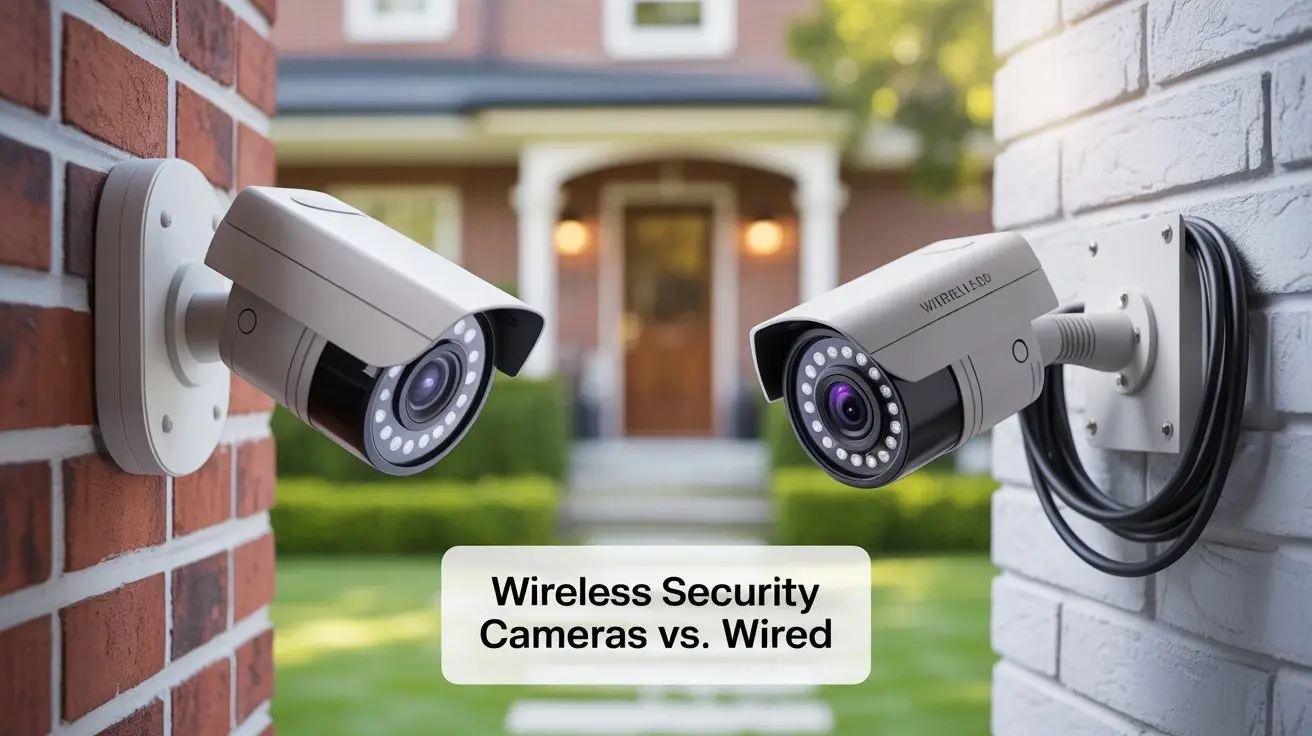
Wired Cameras (PoE - Power over Ethernet): Offer the most reliable connection and power source, as they run on Ethernet cables that also carry power. They are generally more secure against hacking but require professional installation for running cables. Their placement is limited by cable length and accessibility.
Wireless Cameras (Wi-Fi): Offer flexibility in placement as they connect via Wi-Fi. However, they rely on battery power or a separate power adapter, which can be a limitation. Wi-Fi signal strength is critical for performance, and battery life needs regular monitoring. For 2025, advancements in Wi-Fi 6 and 6E have improved the stability and range of wireless camera connections.
Power Sources
AC Power: Requires a nearby electrical outlet. Reliable but limits placement options.
Battery-Powered: Offers maximum placement flexibility but requires regular recharging or battery replacement. Look for cameras with long battery life (e.g., 6+ months) or solar charging options.
Solar Powered: Ideal for outdoor cameras in sunny locations, offering continuous power with minimal maintenance. This is a growing trend for 2025, especially for perimeter security.
Power over Ethernet (PoE): Combines power and data transmission over a single Ethernet cable, offering reliability and ease of installation for wired systems.
Connectivity
Wi-Fi: Connects to your home's wireless network. Easy to set up but susceptible to signal interference and requires a strong network.
Ethernet: Provides a stable, wired connection. More secure and reliable but requires running cables.
Cellular: Some cameras can use cellular networks, useful for remote locations without Wi-Fi. Requires a data plan.
Resolution and Image Quality
Resolution: Measured in pixels (e.g., 1080p, 2K, 4K). Higher resolution means clearer images, allowing for better identification of faces and details. For 2025, 2K and 4K cameras are becoming standard for high-quality surveillance.
Field of View (FOV): The angle the camera can see. Wide-angle lenses (e.g., 110-180 degrees) cover more area but may sacrifice detail. Narrower lenses offer more detail at a distance.
Night Vision: Essential for low-light conditions. Infrared (IR) provides black-and-white images, while advanced color night vision offers color detail in low light.
Smart Features
Motion Detection: Triggers recording or alerts when movement is detected. Advanced AI detection can differentiate between people, vehicles, animals, and packages, reducing false alarms. This AI capability is a significant advancement in 2025 security tech.
Two-Way Audio: Allows you to communicate with people near the camera.
Activity Zones: Lets you define specific areas within the camera's view to monitor for motion.
Cloud Storage vs. Local Storage: Cloud storage offers remote access and off-site backup but usually involves subscription fees. Local storage (SD card, NVR/DVR) is a one-time cost but may be vulnerable to theft or damage.
Comparison of Camera Types for Home Security
| Camera Type | Best For | Pros | Cons |
|---|---|---|---|
| Doorbell Cameras | Front Door | Deters package theft, easy visitor identification, two-way audio | Limited field of view, can be affected by weather |
| Bullet Cameras | Entry Points, Driveways | Visible deterrence, directional focus, weather-resistant | Can be more conspicuous, potentially easier to tamper with if not mounted high |
| Dome Cameras | Indoors, Discreet Outdoor Use | Vandal-resistant, discreet appearance, wide field of view | Can be harder to aim precisely, may have glare issues if not positioned correctly |
| PTZ Cameras | Large Areas, Active Monitoring | Remote control, wide coverage, tracking capabilities | More expensive, require stable connection, may be more visible |
| Wireless Cameras | Flexible Placement | Easy installation, versatile placement | Battery life, Wi-Fi dependency, potential signal issues |
Legal and Privacy Aspects of Camera Placement
While enhancing security is the primary goal, it's crucial to be aware of the legal and privacy implications of installing security cameras. Understanding these aspects will help you avoid potential legal issues and maintain good neighborly relations.
Recording Audio
In many jurisdictions, it is illegal to record audio conversations without the consent of all parties involved. While video recording is generally permissible for security purposes on your own property, be cautious about audio recording, especially if your cameras have this feature. Check your local laws regarding audio recording. For 2025, regulations around audio recording by smart devices are becoming more stringent globally.
Neighbor's Property and Public Spaces
Security cameras should be pointed at your own property to monitor entry points and your yard. Avoid pointing cameras directly into your neighbor's windows, yard, or private spaces. Such actions can be considered an invasion of privacy and may lead to legal complaints. Similarly, avoid recording public sidewalks or streets excessively, as this can also raise privacy concerns.
Signage
In some areas, it may be advisable or even legally required to post signage indicating that your property is under video surveillance. This serves as a clear notice to visitors, delivery personnel, and potential intruders that they are being recorded. While not always mandatory, it's a good practice for transparency and can help deter unwanted activity.
Data Security
If you are using cloud storage or connecting your cameras to the internet, ensure you have strong security measures in place. Use strong, unique passwords for your Wi-Fi network and camera accounts. Enable two-factor authentication whenever possible. Regularly update your camera's firmware to patch any security vulnerabilities. For 2025, cybersecurity for IoT devices is a major focus, and manufacturers are implementing more robust security protocols.
Employee or Tenant Surveillance
If you are a business owner or a landlord, there are specific laws and regulations regarding the surveillance of employees or tenants. Generally, you can monitor common areas but must be very careful about private spaces. Always consult with legal counsel to ensure compliance.
Example of Best Practice
A homeowner installs cameras covering their front door, driveway, and backyard. The cameras are angled to capture only their property. They also ensure their Wi-Fi password is strong and their camera system is updated regularly. They might also place a small, discreet sign near their front gate stating "Property under video surveillance."
Understanding Local Laws
Laws regarding surveillance vary significantly by state, county, and even city. It is your responsibility to research and understand the specific regulations in your area. Resources like local government websites or legal advice services can provide guidance. Ignorance of the law is not a defense, so due diligence is essential.
Conclusion
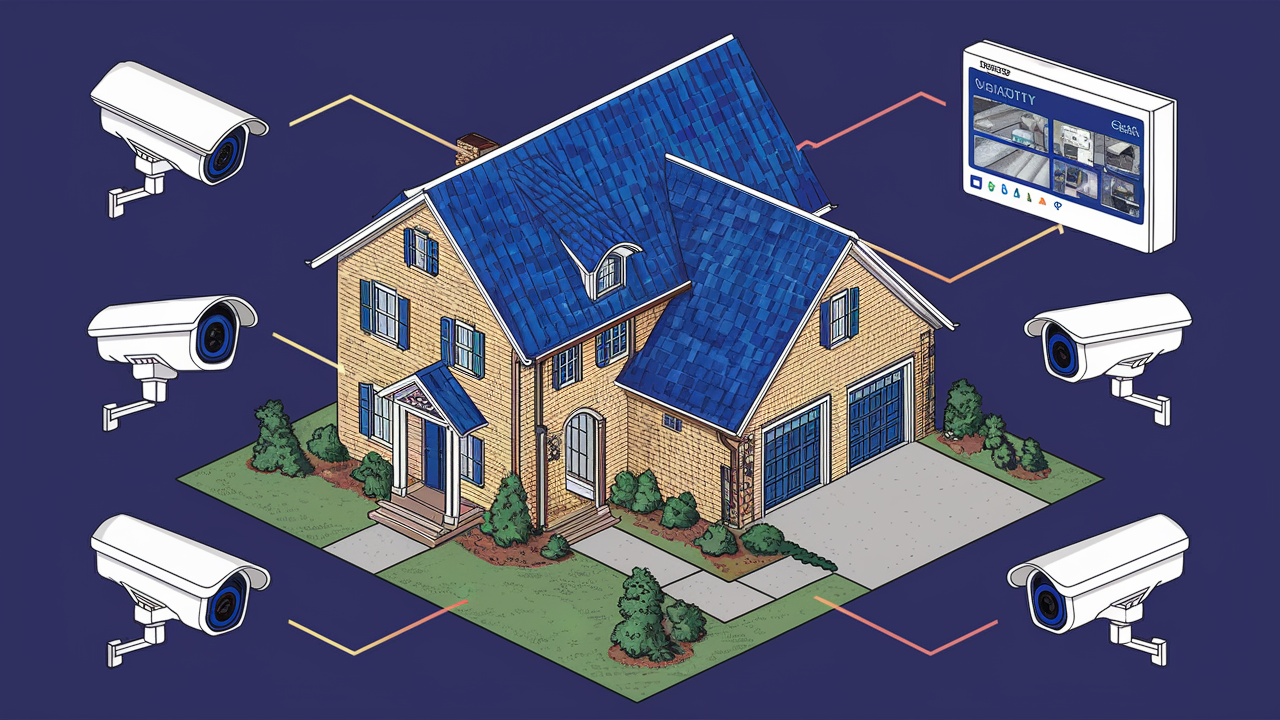
Strategically placing security cameras on your house is a multifaceted endeavor, requiring careful consideration of each entry point and vulnerable area. From the primary defense at your front door to the often-overlooked back and side entrances, windows, garage, and expansive yard, every location plays a vital role in a comprehensive surveillance network. By understanding the optimal height, angle, field of view, and lighting conditions for each zone, you can maximize the effectiveness of your security cameras. Selecting the right camera types—whether wired or wireless, bullet or dome—and leveraging advanced features like AI motion detection and superior night vision, as highlighted with 2025-26 technology trends, further strengthens your home's protection. Remember to always be mindful of legal and privacy considerations, ensuring your cameras are used responsibly and ethically. Implementing these strategic placements will not only deter potential threats but also provide invaluable evidence and peace of mind, creating a truly secure environment for your home and loved ones.