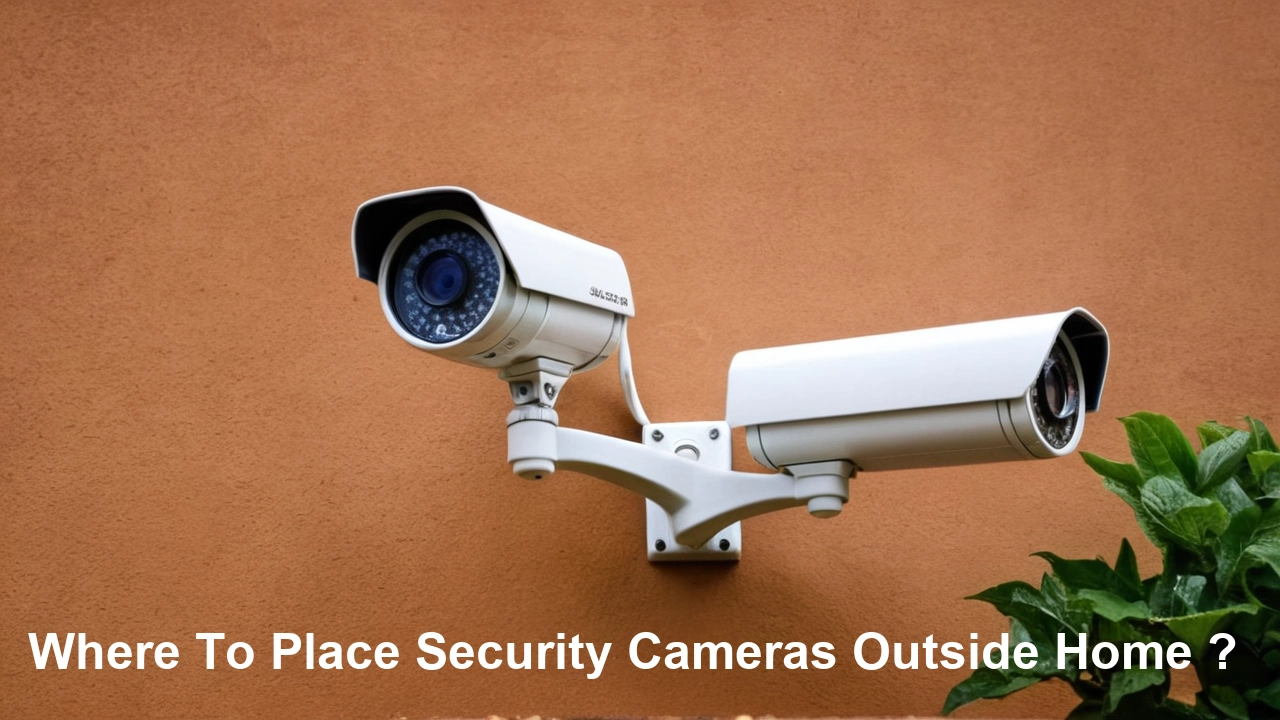
Strategically placing outdoor security cameras is paramount for comprehensive home protection. This guide reveals the optimal locations to maximize visibility, deter intruders, and capture crucial evidence, ensuring your property remains secure against modern threats.
Front Door Visibility: The First Line of Defense
The front door is statistically one of the most common entry points for burglars. Therefore, its surveillance is non-negotiable. Placing a camera here provides an immediate visual record of anyone approaching your home, from delivery personnel to potential intruders. The goal is to capture clear, identifiable footage of faces and any distinguishing features.
Optimal Placement for Front Door Cameras
The ideal height for a front door camera is typically between 7 to 10 feet from the ground. This height is high enough to deter tampering or vandalism but low enough to capture clear facial details. Avoid placing the camera directly above the door, as this can create a blind spot directly beneath it. Instead, position it on an adjacent wall or overhang, angled downwards towards the entryway.
- Angle and Field of View: Ensure the camera's field of view covers the entire porch, steps, and the immediate area in front of the door. Many modern cameras offer wide-angle lenses, which are excellent for this purpose.
- Lighting Conditions: Consider the natural and artificial lighting. If the area is poorly lit at night, a camera with excellent night vision capabilities, such as infrared (IR) illumination, is crucial. Some cameras also feature built-in spotlights that can activate upon motion detection, further deterring intruders and improving image quality.
- Obstructions: Check for any trees, bushes, or decorations that might obstruct the camera's view. Trim any foliage that could interfere with the line of sight.
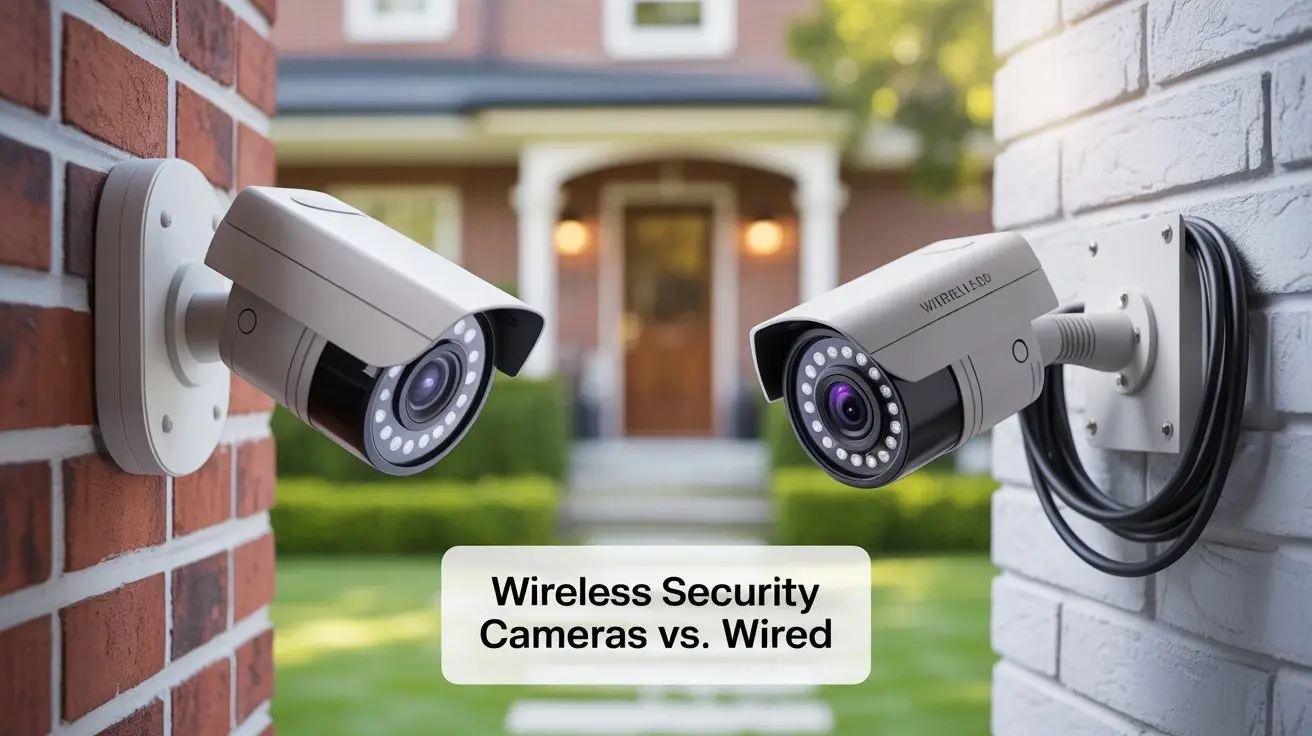
- Power Source: Determine if you will use a wired or wireless camera. Wired cameras offer a more reliable power source but require installation near an electrical outlet or through a power cable. Wireless cameras are easier to install but require battery changes or solar panel integration.
Types of Cameras for Front Door Surveillance
For the front door, consider cameras that offer high resolution (at least 1080p, with 2K or 4K being preferable for greater detail), wide dynamic range (WDR) to handle challenging lighting conditions (like bright sunlight and deep shadows), and two-way audio. Two-way audio allows you to communicate with visitors remotely, which can be a significant deterrent.
Example Scenario: Imagine a delivery driver leaving a package. A well-placed camera captures their face and vehicle, providing peace of mind and proof of delivery. Conversely, if an unknown individual lingers suspiciously, the camera alerts you, allowing you to take appropriate action.
Statistics and Trends (2025-2026)
According to recent data from security industry analysts (2025-26), homes with visible security cameras experience an estimated 30-40% reduction in attempted burglaries. Furthermore, the adoption of AI-powered facial recognition in consumer-grade cameras is increasing, offering enhanced identification capabilities for front-door monitoring.
Back Door and Side Entrances: Covering Vulnerable Points
While the front door might be the most obvious entry point, burglars often target less visible areas like back doors, patio doors, and side entrances. These locations offer greater concealment and are often less frequently monitored by neighbors. Comprehensive security demands that these vulnerabilities are addressed with dedicated camera placement.
Strategic Placement for Rear and Side Access
Similar to the front door, a height of 7 to 10 feet is recommended for cameras covering back doors and side entrances. The key is to ensure a clear line of sight that captures the entire entry point, including any adjacent windows or gates. If you have a back porch or patio, a camera mounted under the eaves or on a wall can provide excellent coverage.
- Blind Spot Elimination: Pay close attention to corners and alcoves that could create blind spots. Consider using a camera with a wider field of view or two cameras to cover complex angles.
- Motion Detection Zones: Many smart cameras allow you to define specific motion detection zones. This is particularly useful for backyards where you might want to ignore general movement from pets or swaying branches while still being alerted to activity near the door.
- Weather Resistance: Ensure the cameras chosen for these areas are rated for outdoor use and can withstand various weather conditions, including rain, snow, and extreme temperatures. Look for IP ratings (e.g., IP65 or higher) that indicate their level of protection against dust and water.
- Privacy Concerns: Be mindful of your neighbors' privacy when positioning cameras. Avoid pointing cameras directly into their windows or private yards. Focus solely on your property's entry points and perimeter.
Recommended Camera Features for These Areas
For back and side entrances, features like robust night vision are essential, as these areas are often darker than the front of the house. Motion-activated recording is a must to conserve storage space and battery life. Advanced motion detection that can differentiate between people, vehicles, and animals can also reduce false alarms.
Example Scenario: A family leaves for vacation. A camera on the back patio captures a shadowy figure attempting to pry open the sliding glass door, triggering an immediate alert to the homeowner and local authorities.
Comparative Analysis: Front vs. Rear/Side Placement Needs
While both front and rear/side entrances require robust surveillance, the emphasis shifts slightly. Front doors benefit more from immediate visitor identification and two-way communication due to higher foot traffic. Rear and side entrances prioritize stealthy monitoring, wide-angle views to cover larger, less defined areas, and superior night vision due to their often secluded nature.
| Feature | Front Door Priority | Back/Side Entrance Priority |
|---|---|---|
| Visibility | Clear face capture, direct approach view | Wide angle, covering entire entry, potential concealment areas |
| Lighting | WDR, good ambient light handling | Excellent IR night vision, low-light performance |
| Deterrence | Visible presence, two-way audio | Stealthy monitoring, motion alerts |
| Motion Detection | General approach detection | Person/vehicle detection, customizable zones |
Garage and Driveway Surveillance: Protecting Vehicles and Access
Your garage and driveway are not just places to park your cars; they are potential targets for theft, vandalism, and as entry points to your home. Securing these areas with strategically placed cameras is vital for protecting your assets and preventing unauthorized access.
Covering the Garage Door and Driveway
For the garage, a camera mounted above the garage door, facing outwards, is highly effective. This position allows you to monitor who is entering or exiting the garage, whether it's a family member or an unknown individual. The height should again be around 7-10 feet to capture clear footage without being easily accessible.
For the driveway, consider a camera positioned to cover the entire length of the driveway, from the street to the garage. This provides a comprehensive view of any vehicles approaching or leaving your property. If your driveway is long, you might need two cameras or one with an exceptionally wide field of view.
- Vehicle Identification: Aim for a camera resolution that can capture license plate numbers, especially if your driveway is long or vehicles approach at speed.
- Lighting at Night: Driveways can be particularly dark at night. Ensure your camera has strong IR capabilities or consider installing additional motion-activated lighting that works in conjunction with your cameras.
- Garage Interior: If your garage is attached to your home and you have concerns about internal access, consider placing a camera inside the garage as well. This can capture activity if someone breaches the garage door or an internal access door.
- Smart Garage Integration: Some advanced security systems allow integration with smart garage door openers, providing alerts when the garage door is opened and closed, which can be cross-referenced with camera footage.
Protecting Against Car Theft and Vandalism
Visible cameras on the garage and driveway act as a significant deterrent to car theft and vandalism. The knowledge that their actions are being recorded can make potential criminals think twice. If an incident does occur, the footage captured is invaluable for law enforcement investigations.
Example Scenario: A car is stolen from a driveway overnight. The security camera footage clearly shows the perpetrators and the vehicle they used, aiding police in a swift recovery and apprehension.
Advanced Features for Driveway Cameras
Consider cameras with advanced analytics like license plate recognition (LPR) if this is a critical concern. For general surveillance, look for cameras with wide dynamic range (WDR) to handle the contrast between bright sunlight and shadowed areas, and excellent night vision for clear footage after dark. Motion detection that can differentiate between people, vehicles, and animals is also beneficial for reducing false alerts.
Statistics (2025-2026)
Reports from 2025-26 indicate that properties with visible surveillance covering driveways and garages see a 25-35% decrease in vehicle-related crimes. The integration of AI for object detection, specifically identifying vehicles, is becoming a standard feature in mid-to-high-end driveway cameras.
Window and Ground-Floor Protection: Identifying Potential Breaches
Windows, especially those on the ground floor, are vulnerable points of entry. While not always the primary target, they can be exploited by opportunistic burglars. Strategically placing cameras to monitor these areas provides an additional layer of security and early warning.
Securing Ground-Floor Windows
For ground-floor windows, the placement of cameras needs to be carefully considered to avoid being too obvious or easily disabled, yet still effective. A camera mounted on the exterior wall, angled to cover the window and the immediate surrounding area, is often the best approach.
- Height and Angle: Aim for a height of 7-10 feet, similar to door placements. The angle should be such that it captures anyone attempting to tamper with or break the window.
- Coverage Area: Ensure the camera's field of view encompasses the entire window and any potential hiding spots or approaches nearby. If you have multiple ground-floor windows in a row, one well-placed camera might cover several, or you may need dedicated cameras for key windows.
- Discreet Placement: In some cases, more discreet placement might be beneficial. This could involve mounting cameras under eaves or within decorative elements, provided they still offer a clear view. However, visibility itself can be a deterrent.
- Motion Alerts: Configure motion detection zones specifically around the windows. This will alert you to any activity near these vulnerable points, allowing you to investigate before a breach occurs.
Interior vs. Exterior Window Cameras
While exterior cameras are generally preferred for broad property surveillance, interior cameras can also be used to monitor specific ground-floor windows from the inside. This is particularly useful if external placement is difficult or if you want an additional layer of detection.
Example Scenario: A burglar attempts to smash a ground-floor kitchen window under the cover of darkness. An exterior camera captures the act, and an interior camera might capture the individual entering the premises, providing crucial evidence for the police.
Choosing the Right Camera for Window Surveillance
Cameras with excellent night vision are crucial for monitoring windows, as they are often targeted when it's dark. Wide-angle lenses are beneficial for covering larger window areas. If you opt for interior cameras, consider smaller, more discreet models that can blend in with your decor.
Statistics and Trends (2025-2026)
Data from 2025-26 security reports indicate that homes with visible external cameras monitoring ground-floor windows experience a 20-30% reduction in window-related break-ins. The trend towards smart home integration means window sensors are increasingly being paired with cameras for more comprehensive alerts.
Perimeter and Boundary Monitoring: Early Detection and Deterrence
Extending your surveillance beyond immediate entry points to the property's perimeter and boundaries offers a proactive approach to security. This strategy allows you to detect potential threats long before they reach your home, providing valuable time to react and deterring intruders from even attempting to enter your property.
Strategic Placement Along Property Lines
Perimeter monitoring involves placing cameras along the edges of your property, such as fences, gates, or property lines. The goal here is not necessarily to capture faces but to detect movement and identify the presence of unauthorized individuals or vehicles entering your property.
- Coverage of Vulnerable Areas: Identify any weak points in your perimeter, such as gates, gaps in fencing, or areas obscured by dense foliage. Place cameras to cover these specific zones.
- Height and Angle for Detection: Cameras for perimeter monitoring can often be placed higher (e.g., 10-15 feet) on poles or existing structures to gain a wider vantage point. The angle should be downwards to cover a broad area.
- Motion Detection Zones: Utilize advanced motion detection features to create "virtual tripwires" or specific zones. When motion is detected within these zones, you receive an alert. This is incredibly effective for early warning.
- Illumination: Consider cameras with built-in spotlights or infrared illuminators to ensure clear visibility of the perimeter, especially in unlit areas.
- Power and Connectivity: For cameras placed far from the house, consider solar-powered options or ensure you have a plan for running power and network cables. Wireless connectivity is often preferred for ease of installation in these remote locations.
Deterrence Through Visible Boundary Cameras
The mere presence of cameras along your property line can act as a powerful deterrent. Intruders scouting a neighborhood are likely to avoid properties that appear well-protected and monitored, opting for easier targets.
Types of Cameras for Perimeter Surveillance
For perimeter monitoring, consider cameras with wide-angle lenses to cover large areas, robust weatherproofing, and excellent night vision. Features like AI-powered person detection or vehicle detection can significantly reduce false alarms caused by animals or environmental factors. Bullet cameras are often suitable for this purpose due to their directional nature and ease of mounting.
Example Scenario: A potential intruder attempts to cut through a fence at the back of your property. A perimeter camera detects their presence and triggers an alert, allowing you to call the police before they even reach your house.
Integration with Other Security Measures
Perimeter cameras can be integrated with other security systems. For instance, motion detection from a perimeter camera could trigger external floodlights, further startling and deterring any trespassers. This layered approach significantly enhances your home's security posture.
Statistics (2025-2026)
Industry reports from 2025-26 suggest that homes implementing comprehensive perimeter surveillance see a 40-50% reduction in successful property intrusions. The use of AI for object recognition in these cameras is becoming standard, improving accuracy and reducing nuisance alerts.
Special Considerations and Advanced Tips
Beyond the fundamental placement of cameras, several advanced considerations and tips can further enhance your home security system's effectiveness. These include understanding camera types, power sources, legalities, and leveraging smart technology.
Understanding Camera Types and Features
The market offers a wide array of camera types, each suited for different purposes:
- Bullet Cameras: Typically long and cylindrical, designed for outdoor use, and often more visible, acting as a deterrent.
- Dome Cameras: Often less conspicuous, with a dome-shaped casing that can make it harder to tell where they are pointing. They can be more discreet.
- Turret Cameras: A hybrid, offering the directional adjustability of bullet cameras with a more compact, dome-like housing.
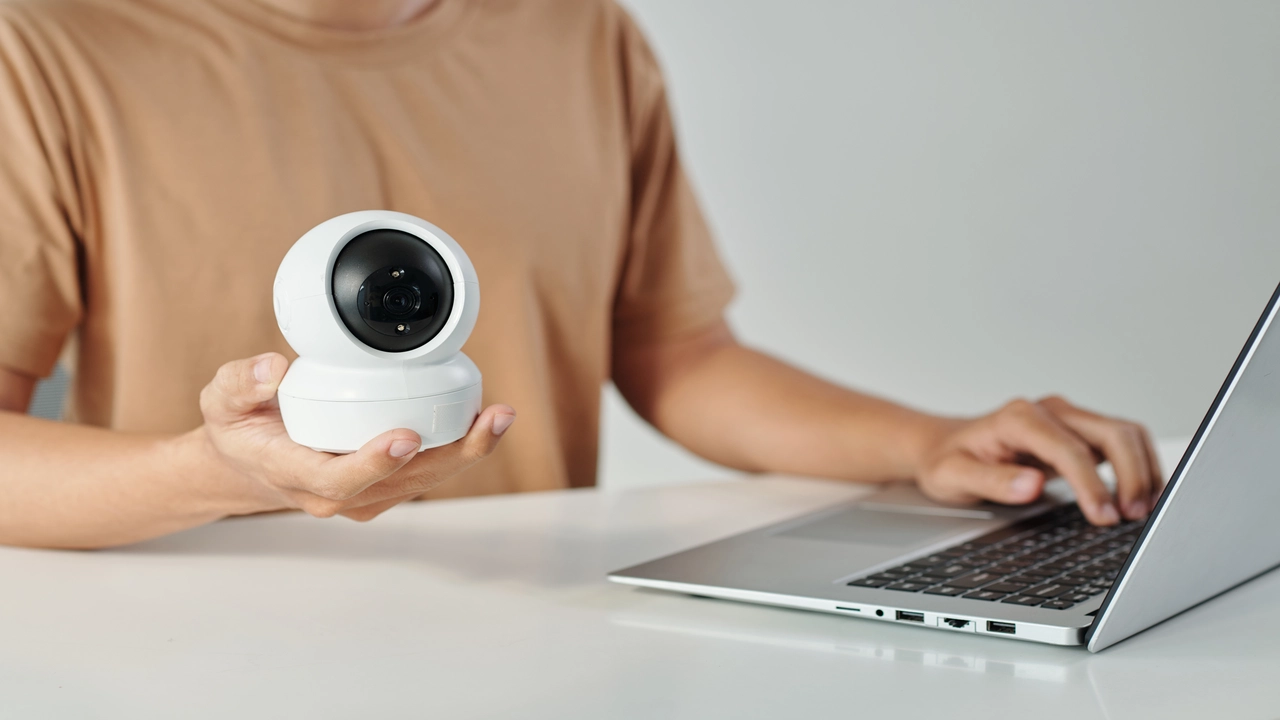
- PTZ (Pan-Tilt-Zoom) Cameras: These cameras can be remotely controlled to pan, tilt, and zoom, offering a wide range of coverage but are typically more expensive and complex.
- Wireless vs. Wired: Wireless cameras offer easier installation but rely on Wi-Fi signal strength and battery life. Wired cameras provide a more stable connection and continuous power but require more complex installation.
Key Features to Look For:
- Resolution: 1080p is a minimum; 2K or 4K offer superior detail.
- Field of View (FoV): Wide-angle lenses (110°+) are essential for covering large areas.
- Night Vision: Infrared (IR) LEDs for black and white imaging, or color night vision for better detail in low light.
- Motion Detection: Advanced options include person detection, vehicle detection, and customizable zones.
- Two-Way Audio: For communication with visitors.
- Weatherproofing: Look for IP ratings (e.g., IP65, IP66, IP67).
- Storage: Options include local microSD cards, NVR/DVR systems, or cloud storage subscriptions.
Power Sources and Installation
Wired Cameras: Require connection to a power outlet or a PoE (Power over Ethernet) system. This offers reliability but necessitates running cables, which can be challenging.
Wireless Cameras: Typically battery-powered or solar-powered. Battery-powered cameras require periodic recharging or replacement. Solar-powered cameras offer a more sustainable solution but depend on sunlight exposure.
Professional Installation: For complex setups or if you're not comfortable with DIY, professional installation ensures cameras are correctly positioned, powered, and connected, maximizing their effectiveness and longevity.
Legal and Privacy Considerations
It's crucial to be aware of local laws and regulations regarding the use of security cameras, especially concerning audio recording and the privacy of neighbors. Generally, you are permitted to record areas on your own property. However, pointing cameras directly into neighbors' private spaces (like backyards or windows) can lead to legal issues.
- Audio Recording: Laws regarding audio recording vary significantly by jurisdiction. In many places, recording audio without the consent of all parties involved is illegal. Check your local laws before enabling audio recording.
- Neighborly Relations: Communicate with your neighbors about your security system. Informing them can prevent misunderstandings and foster goodwill.
- Public Sidewalks/Streets: While cameras may capture public areas adjacent to your property, avoid focusing excessively on them. The primary purpose should be your property's security.
Leveraging Smart Technology and AI
Modern security cameras are increasingly integrated with smart home ecosystems and artificial intelligence (AI). This integration offers significant advantages:
- Smart Alerts: Receive instant notifications on your smartphone for specific events, such as a person detected at your front door or a vehicle entering your driveway.
- AI-Powered Analytics: AI can differentiate between people, vehicles, animals, and even package deliveries, significantly reducing false alarms and providing more relevant information.
- Integration with Other Devices: Connect cameras with smart lights, doorbells, and alarms for a more comprehensive and automated security response. For example, a motion detection event could trigger your outdoor lights to turn on.
- Remote Access and Control: Access live feeds, review recorded footage, and control camera settings from anywhere in the world via a smartphone app.
Maintenance and Upkeep
Regular maintenance ensures your cameras function optimally:
- Cleaning Lenses: Periodically clean camera lenses to remove dust, dirt, or spiderwebs that can obscure the view.
- Checking Connections: Ensure all wired connections are secure and free from damage. For wireless cameras, check battery levels or solar panel cleanliness.
- Software Updates: Keep camera firmware and associated apps updated to benefit from the latest security patches and features.
- Testing Motion Detection: Periodically test motion detection zones and alert settings to ensure they are working correctly.
Real-World Examples and Case Studies (2025-2026)
Case Study 1: The Perimeter Deterrent. A suburban family installed visible bullet cameras along their fence line. A reported incident in their neighborhood involved a home invasion where the perpetrators were scared off by the visible cameras, choosing to move on to a less secured property. This highlights the deterrent effect of perimeter monitoring.
Case Study 2: The Driveway Snapshot. A homeowner in a busy urban area used a high-resolution camera with LPR capabilities on their driveway. When their car was stolen, the clear license plate capture from the camera footage was instrumental in its rapid recovery by law enforcement.
Case Study 3: The Smart Alert. A family with young children installed a smart camera with person detection at their front door. When a delivery driver approached, the camera correctly identified them as a "person" and sent an alert. The parents were able to see the delivery was safe and confirm the driver was legitimate, all while being able to check on their children inside.
By considering these advanced tips and understanding the nuances of camera technology and placement, you can create a robust and intelligent home security system tailored to your specific needs and property layout.
Conclusion
Effectively placing outdoor security cameras is a strategic endeavor, not a haphazard one. By focusing on key areas such as the front door, back and side entrances, garage, driveway, windows, and property perimeter, you create multiple layers of defense. Each location serves a distinct purpose, from immediate identification and deterrence at the front door to early detection of threats along the property line. Remember that optimal placement involves considering height, angle, lighting conditions, and potential obstructions, ensuring your cameras capture the clearest possible footage when it matters most.
Leveraging modern features like high resolution, wide-angle lenses, advanced night vision, and AI-powered motion detection can significantly amplify the effectiveness of your surveillance system. Furthermore, understanding the legal and privacy implications, as well as performing regular maintenance, are critical components of a successful security strategy. Ultimately, the right camera placement, combined with smart technology and a proactive approach, provides unparalleled peace of mind, safeguarding your home, family, and valuable assets against the evolving landscape of security threats in 2025-2026 and beyond.