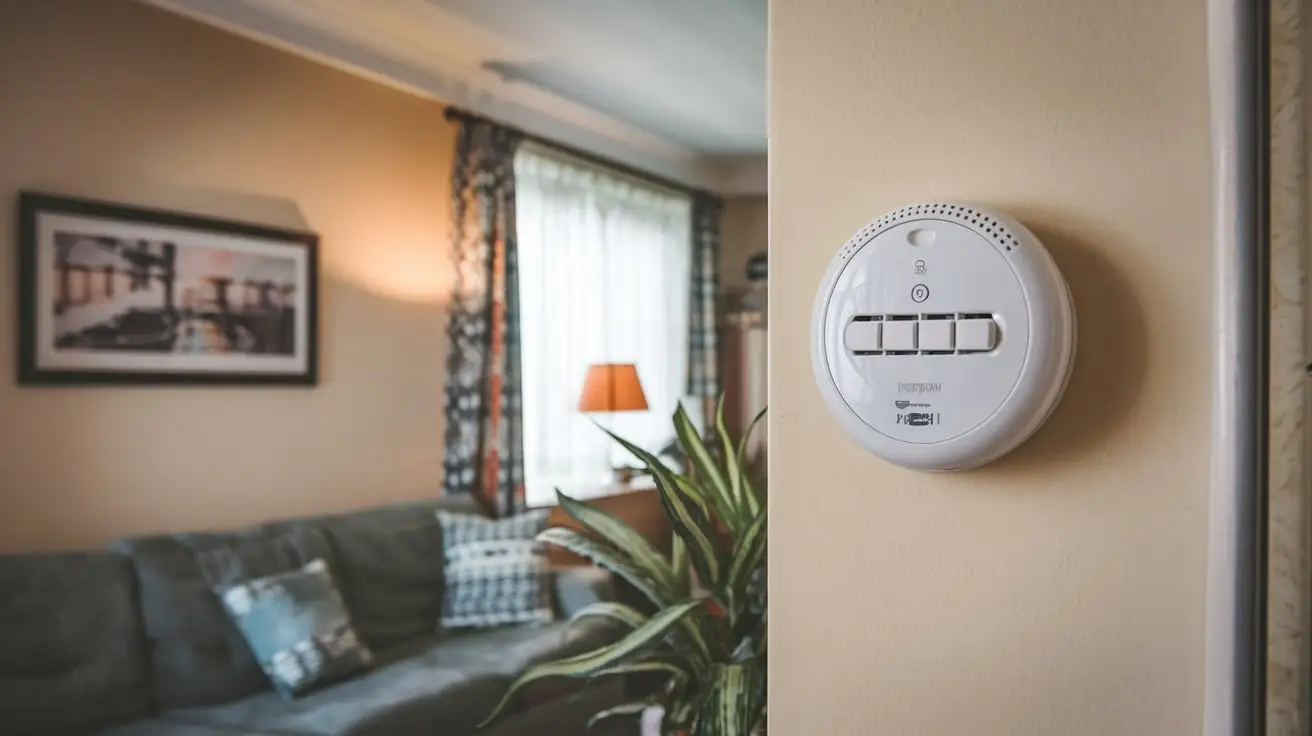
Understanding the Critical Need for CO Alarms
Carbon monoxide (CO) is an invisible, odorless, and tasteless gas, often referred to as the "silent killer." Its danger lies in its ability to incapacitate and kill without warning. Understanding precisely where to put carbon monoxide alarms in your home is not just a recommendation; it's a vital step in safeguarding your family's lives. In 2025-26, with an increasing reliance on various fuel-burning appliances and vehicles, the risk of CO buildup remains a significant concern, making strategic alarm placement paramount for early detection and prevention of potentially fatal CO poisoning incidents.
Choosing the Right Carbon Monoxide Alarm
Before delving into placement, it's essential to understand the types of CO alarms available, as their features can influence where and how they are best utilized. The market offers several options, each with distinct advantages:
- Battery-Operated Alarms: These are the most common and easiest to install, requiring no hardwiring. They are ideal for renters or for adding protection to areas where AC power is not readily accessible. However, batteries need regular replacement, and their lifespan is a critical consideration.
- Plug-In Alarms: These units plug directly into a standard electrical outlet. Many models also include a battery backup to ensure continuous protection during power outages. Their placement is limited by the availability of outlets.
- Hardwired Alarms: These alarms are connected to your home's electrical system and typically include a battery backup. They offer the most reliable power source and are often interconnected, meaning if one alarm detects CO, all connected alarms will sound, providing a more comprehensive alert system. Installation usually requires a qualified electrician.
- Combination Smoke and CO Alarms: These dual-purpose devices offer convenience and space-saving benefits. They detect both smoke and carbon monoxide, providing a more consolidated safety solution. It's crucial to check the placement recommendations for both functions when using these units.
- Smart CO Alarms: These advanced alarms connect to your home's Wi-Fi network and can send alerts to your smartphone or other devices, even when you're away from home. This offers an extra layer of security and peace of mind.
When selecting an alarm, always look for the Underwriters Laboratories (UL) or Intertek (ETL) certification mark. This ensures the product meets stringent safety standards. For 2025-26, advancements in sensor technology have led to more accurate and longer-lasting CO alarms, but proper installation and maintenance remain the user's responsibility.
The Definitive Guide to Carbon Monoxide Alarm Placement
The effectiveness of a carbon monoxide alarm hinges entirely on its placement. Incorrect positioning can render it useless, failing to detect dangerous CO levels when they are present. The fundamental principle is to place alarms where they can best detect and alert occupants to the presence of CO gas. CO is lighter than air but mixes readily with it, so it can be found at any level in a room. However, its dispersal is influenced by air currents and the location of the CO source.
General Placement Guidelines (2025-26 Recommendations):
- Every Level of Your Home: The National Fire Protection Association (NFPA) and most safety organizations recommend installing a CO alarm on every level of your home, including the basement and finished attics.
- Outside Sleeping Areas: This is arguably the most critical placement. Alarms should be installed outside each separate sleeping area, particularly in the hallways leading to bedrooms. This ensures that sleeping occupants are alerted immediately.
- Near Potential CO Sources: While you don't want to place alarms directly adjacent to fuel-burning appliances (more on this later), strategic placement in areas where CO is likely to emanate is important.
- Follow Manufacturer Instructions: Always consult the specific installation and placement instructions provided by the alarm manufacturer. Different models may have slightly different requirements based on their sensor technology and design.
- Avoid High-Traffic Areas (for some models): While CO mixes with air, extremely high traffic areas with constant door openings and closings can sometimes affect the sensitivity or lead to nuisance alarms for certain older or less sophisticated models.
Understanding these general rules is the first step. The following sections will delve into specific areas of your home and the nuances of placing CO alarms effectively within them.
Critical Placement: Bedrooms and Sleeping Areas
The primary purpose of a CO alarm is to wake you up if dangerous levels of the gas are present, especially while you are sleeping. During sleep, your sense of smell is dulled, making you more vulnerable to CO poisoning. Therefore, placing alarms near sleeping areas is paramount.
Key Considerations for Bedroom Placement:
- Inside Hallways: The ideal location is on the wall in the hallway immediately outside each bedroom door. This ensures that the alarm is within earshot of sleeping occupants.
- Wall Mounting: When mounting on a wall, place the alarm at least 5 feet (1.5 meters) from the floor. This is because CO is a gas and will rise, but it mixes with air, and placing it too high can delay detection if it's near a ceiling fan or vent. Placing it too low might mean it's less likely to be heard over ambient noise.
- Ceiling Mounting (Less Common): If you choose to mount on the ceiling, ensure it's not directly under a vent or fan that could disrupt airflow.
- Distance from Doors and Windows: Avoid placing alarms directly next to doors or windows, as drafts can affect the sensor's ability to accurately detect CO levels.
- Avoid Recessed Areas: Do not place alarms in closets, behind furniture, or in any recessed area where airflow might be restricted.
Example Scenario: In a home with three bedrooms, you would ideally have a CO alarm in the hallway serving those bedrooms. If a bedroom is particularly large or has an unusual layout, you might consider an additional alarm within that room itself, ensuring it's placed according to the manufacturer's guidelines and away from any potential drafts or obstructions.
The 2025-26 safety guidelines emphasize that a single alarm in a central hallway serving multiple bedrooms is often sufficient, provided it is audible in all sleeping areas. However, for added peace of mind, especially in larger homes or those with multiple distinct sleeping zones, consider multiple alarms.
Strategic Placement: Hallways and Common Areas
Beyond sleeping areas, strategic placement in hallways and common areas helps create a layered defense against carbon monoxide. These areas act as central hubs where CO can travel and potentially reach multiple parts of the home.
Hallway Placement:
- Central Hallways: Install alarms in central hallways that connect different living areas or provide access to multiple rooms.
- Each Floor: As mentioned, every level of your home needs protection. A hallway on each floor is a prime location.
- Consider Stairwells: In multi-story homes, a hallway near the top or bottom of a stairwell can be effective, as CO can travel between floors.
Common Area Placement:
- Living Rooms and Family Rooms: If these areas contain fuel-burning appliances (e.g., gas fireplaces), consider placing an alarm in the vicinity, but not too close to the appliance itself.
- Basements: Basements often house furnaces, water heaters, and laundry appliances, all of which are potential CO sources. An alarm in the basement, especially near the furnace or water heater, is crucial. Ensure it's placed at least 15 feet (4.5 meters) away from these appliances.
- Garages (Attached): Attached garages are a significant CO risk due to vehicle exhaust. If your home has an attached garage, install a CO alarm on the wall connecting the garage to the living space, at least 5 feet (1.5 meters) from the floor. Ensure it's an alarm rated for garage use, as some models are more sensitive to fumes.
Example Scenario: In a two-story home, you might place an alarm in the hallway on the main floor (near the living room and kitchen) and another in the hallway on the second floor (serving the bedrooms). If there's an attached garage, a third alarm would be placed on the wall separating the garage from the house.
The 2025-26 recommendations continue to stress the importance of alarms on every level and outside sleeping areas. Common areas serve as secondary detection points, ensuring that even if CO originates in a less critical area, it's still likely to be detected before it reaches dangerous concentrations elsewhere.
Navigating Proximity to Potential CO Sources
This is a critical aspect of CO alarm placement, as placing an alarm too close to a fuel-burning appliance can lead to nuisance alarms or inaccurate readings. However, not placing one nearby enough means you might miss an early detection.
What are Potential CO Sources?
- Furnaces
- Water heaters
- Gas stoves and ovens
- Gas dryers
- Gas fireplaces
- Wood-burning fireplaces and stoves
- Attached garages (vehicle exhaust)
- Portable generators
- Fuel-burning portable heaters
- Cars and other gasoline-powered engines
Placement Rules Regarding Appliances:
- Minimum Distance: Most manufacturers recommend placing CO alarms at least 15 to 20 feet (4.5 to 6 meters) away from fuel-burning appliances. This distance allows for the natural dissipation of small amounts of CO that might be produced during normal operation, while still being close enough to detect a dangerous leak or malfunction.
- Ventilation: Avoid placing alarms directly in the path of exhaust vents from appliances. The constant flow of air from these vents can interfere with the sensor.
- Gas Stoves/Ovens: While gas stoves can produce CO, they are typically used intermittently. If you have a gas stove, a CO alarm in the kitchen is advisable, but it should not be mounted directly above or beside the stove where cooking fumes might trigger it. A hallway or common area adjacent to the kitchen is often a better choice.
- Fireplaces: For gas or wood-burning fireplaces, place the alarm in the room but at a safe distance, ensuring it's not in the direct draft of the chimney or vent.
- Generators and Portable Heaters: These devices should NEVER be used indoors or in attached garages. If used outdoors, ensure they are a significant distance from any windows or doors that could allow CO to enter the home.
Example Scenario: A home has a gas furnace in the basement and a gas water heater. The CO alarm in the basement should be placed on a wall at least 15 feet away from both appliances, in a location where it can still detect any significant CO buildup in the general basement area.
The 2025-26 safety landscape emphasizes that while proximity to sources is a factor, the primary goal is early detection. Therefore, striking a balance between being close enough to detect a problem and far enough to avoid nuisance alarms is key. For appliances that are known to produce intermittent, low levels of CO during normal operation, a more general area alarm is often preferred over direct proximity.
Minimizing False Alarms: Placement Pitfalls to Avoid
False alarms from CO detectors can be disruptive and may lead to complacency. Understanding common placement pitfalls can help prevent these unnecessary alerts and ensure your alarm is only sounding when there's a genuine threat.
Areas to Avoid for CO Alarm Placement:
- Near Vents and Fans: Avoid placing alarms directly in the path of air vents, exhaust fans (like those in bathrooms or kitchens), or ceiling fans. Strong drafts can affect sensor readings and lead to false alarms.
- Humid Areas: High humidity, such as in bathrooms or directly above dishwashers, can sometimes trigger false alarms. While CO alarms are designed to withstand normal household humidity, excessive levels can be problematic.
- Near Chemical Fumes: Avoid placing alarms near areas where strong chemical fumes are present, such as workshops or areas where paints, solvents, or cleaning products are frequently used. Some chemicals can interfere with CO sensors.
- Direct Sunlight: While not a common issue for CO alarms, extreme temperature fluctuations from direct sunlight can affect sensor performance.
- In or Near Garages (for non-garage rated units): Standard CO alarms are not designed to be placed in garages, as they can be sensitive to exhaust fumes and other volatile compounds. If you need protection in an attached garage, use a specific garage-rated CO alarm.
- Too Close to Fuel-Burning Appliances: As discussed, placing an alarm too close to a furnace, water heater, or fireplace can lead to nuisance alarms from normal, low-level CO emissions during startup or operation.
- Behind Furniture or Curtains: Anything that obstructs airflow to the alarm can prevent it from accurately detecting CO. Ensure alarms are mounted in open areas.
- Near Doors and Windows: While not as critical as avoiding vents, significant drafts from frequently opened doors or windows can potentially affect readings.
Example Scenario: A homeowner places a CO alarm in their laundry room, directly above the gas dryer. During the dryer's operation, the slight emissions combined with the close proximity and potential airflow disruptions cause frequent false alarms, leading the homeowner to eventually disable the device, unknowingly removing a critical safety measure.
The 2025-26 approach to CO safety emphasizes reliability. By understanding and avoiding these common placement errors, homeowners can significantly reduce the likelihood of false alarms, ensuring their CO detection system remains a trusted guardian of their home's air quality.
Adapting Placement for Multi-Story Residences
Multi-story homes present unique challenges and opportunities for CO alarm placement. The vertical nature of these homes means CO can spread between floors, and detection strategies need to account for this.
Key Strategies for Multi-Story Homes:
- Alarm on Every Level: This is non-negotiable. Each floor, including basements and finished attics, must have at least one CO alarm.
- Placement Near Stairwells: A CO alarm placed in a hallway near the top or bottom of a stairwell can be effective in detecting CO that is migrating between floors.
- Hallways Serving Sleeping Areas: As always, prioritize placement outside bedrooms on each floor where sleeping occurs.
- Consider Interconnected Alarms: For multi-story homes, interconnected alarms (hardwired or wireless) are highly recommended. If CO is detected on one floor, all alarms throughout the house will sound, providing a more immediate and widespread alert.
- Basement Protection: If your basement contains fuel-burning appliances (furnace, water heater), an alarm in the basement is essential. Ensure it's placed away from direct appliance exhaust but in a general area where CO would accumulate.
- Attic Protection: If you have a finished attic used as living space, it needs its own CO alarm, placed according to general guidelines.
Example Scenario: In a three-story townhouse with bedrooms on the second and third floors, and a furnace in the basement:
- Basement: One alarm near the furnace (at least 15 feet away).
- First Floor (Main Living Area): One alarm in the main hallway or living area.
- Second Floor: One alarm in the hallway serving the bedrooms on this floor.
- Third Floor: One alarm in the hallway serving the bedrooms on this floor.
- Interconnection: All these alarms should be interconnected so that a CO event on any floor triggers an alert on all floors.
The 2025-26 safety standards strongly advocate for interconnected systems in multi-story homes to maximize the chances of occupants being alerted quickly, regardless of where the CO originates or where they are sleeping. The principle is to create a "network" of detection that covers all potential CO pathways.
Ensuring Ongoing Protection: Testing and Maintenance
Proper placement is only half the battle. For a CO alarm to be effective, it must be in working order. Regular testing and maintenance are crucial for ensuring your alarm functions correctly and provides reliable protection throughout its lifespan.
Testing Your CO Alarms:
- Monthly Testing: Test all CO alarms at least once a month. Most alarms have a "test" button. Press and hold this button until the alarm sounds. If the alarm does not sound, refer to the manufacturer's instructions for troubleshooting or replacement.
- After Power Outages: If your alarm has a battery backup, test it after any significant power outage to ensure the battery is functioning correctly.
- After Maintenance or Cleaning: Test the alarm after performing any maintenance or cleaning on it.
Maintenance and Replacement:
- Battery Replacement: For battery-operated and plug-in alarms with battery backup, replace the batteries at least once a year, or immediately when the low-battery warning chirps. Many people find it convenient to change batteries when they change their clocks for daylight saving time. Use only the recommended battery type.
- Cleaning: Dust and debris can accumulate on the alarm's sensor, potentially affecting its performance. Gently vacuum the alarm's vents with a soft brush attachment once a month. Do not use cleaning sprays or solvents on the alarm.
- End-of-Life Replacement: CO alarms have a limited lifespan, typically 5 to 10 years, depending on the model. The manufacturing date is usually printed on the alarm. Replace the alarm when it reaches its end-of-life date, or if it malfunctions. Even if it appears to be working, its sensor may degrade over time.
- Manufacturer Instructions: Always follow the specific maintenance and replacement schedule recommended by the alarm manufacturer.
Example Scenario: A family installs new CO alarms in their home. They diligently test them monthly and replace the batteries annually. After 7 years, one of the alarms begins to chirp intermittently, indicating it's nearing its end of life. They promptly replace it, ensuring their home remains protected. In contrast, a neighbor's alarm, never tested or maintained, fails to sound during a CO incident.
The 2025-26 safety recommendations underscore that a well-placed but non-functional CO alarm offers no protection. Consistent testing and adherence to maintenance schedules are as vital as the initial placement to ensure the alarm is always ready to serve its life-saving purpose. For guidance on replacement, check resources like NFPA.org.
Understanding Legal Requirements and Safety Standards
Staying informed about legal requirements and adhering to established safety standards is crucial for comprehensive home safety. These regulations and guidelines are designed to ensure a baseline level of protection for all residents.
Key Standards and Regulations (2025-26 Overview):
- Building Codes: Most local and state building codes mandate the installation of CO alarms in new construction and significant renovations. These codes often specify the number and placement of alarms required. It's essential to check your local building department for specific requirements in your area.
- NFPA Standards: The National Fire Protection Association (NFPA) provides widely recognized guidelines for CO alarm installation and placement. Their recommendations, such as installing alarms on every level and outside sleeping areas, are often adopted by local authorities and are considered best practice.
- Consumer Product Safety Commission (CPSC): The CPSC offers valuable information and recommendations on CO safety, including placement guidelines for alarms. They advocate for alarms on every level and outside sleeping areas.
- State Laws: Many states have enacted laws requiring CO alarms in homes, particularly in rental properties and in homes with fuel-burning appliances or attached garages. These laws can vary significantly from state to state.
- Manufacturer Guidelines: As repeatedly emphasized, the manufacturer's instructions are legally binding in terms of product use and are the primary source for specific placement and maintenance recommendations for their devices.
What to Know for Your Area:
- Check Local Ordinances: Always verify your local fire department or building code office for specific regulations in your municipality.
- Rental Properties: Landlords are typically required by law to provide working CO alarms in rental units. Tenants should ensure these are present and functional.
- New Home Purchases: When purchasing a new home, ensure it complies with current building codes for CO alarm installation.
Example Scenario: A homeowner in California is renovating their home. The local building code requires CO alarms to be installed outside each sleeping area and on every level. They ensure their contractor adheres to these requirements, exceeding the minimum federal recommendations for enhanced safety.
The 2025-26 landscape sees a continued strengthening of CO safety regulations. Staying compliant with these standards not only ensures legal adherence but also significantly enhances the safety of your home. For up-to-date information on federal guidelines, the CPSC.gov website is an excellent resource.
Your Actionable CO Safety Plan
Carbon monoxide is a silent, invisible threat that demands proactive protection. The question of where to put carbon monoxide alarms in your home is fundamental to this protection. By understanding the critical placement areas—outside sleeping quarters, on every level, and strategically near potential CO sources while avoiding common pitfalls—you create a robust defense against this deadly gas. Remember to choose the right alarm type for your needs, whether battery-operated, plug-in, or hardwired, and always prioritize interconnected alarms for multi-story residences.
Crucially, placement is only effective if the alarm is functional. Make testing your CO alarms a monthly habit, replace batteries annually, and adhere to the manufacturer's end-of-life replacement schedule. Staying informed about local building codes and safety standards, such as those from the NFPA and CPSC, further solidifies your home's safety. Don't wait for an incident; implement a comprehensive CO safety plan today. Your vigilance in proper placement and maintenance is the most effective safeguard against the silent killer.