Choosing the right placement for your home security cameras is crucial for effective surveillance. This guide will walk you through the optimal locations to maximize coverage, deter intruders, and ensure you capture valuable footage, transforming your home into a fortress.
Securing Your Entry Points
Entry points are the most obvious targets for burglars and therefore, the primary focus for your home security camera system. Strategic placement here acts as a powerful deterrent and provides crucial evidence if an incident occurs. For 2025-26, the focus is on comprehensive, layered security, and your entry points are the first layer.
Front Door: The First Line of Defense
Your front door is the most frequently used entry point and often the most exposed. A camera here is non-negotiable. The goal is to capture clear facial recognition of anyone approaching or attempting entry.
Optimal Placement for Front Door Cameras:
- Height: Mount the camera at a height of 8-10 feet. This is high enough to deter tampering but low enough to capture clear facial details. Avoid placing it too high, which can distort faces.
- Angle: Position the camera to have a clear, unobstructed view of the entire doorway, including the porch, steps, and any surrounding landscaping that could offer hiding spots. A slight downward angle is usually best.
- Field of View (FoV): Ensure the camera's FoV covers the entire width of the door and the immediate approaches. Wide-angle lenses are excellent for this.
- Lighting: Consider the lighting conditions. If the area is poorly lit, opt for a camera with excellent night vision capabilities or consider adding subtle, motion-activated lighting to illuminate the area when activity is detected.
- Power Source: Hardwired cameras offer reliability, but wireless options are also viable if Wi-Fi signal is strong. Ensure the power source is secure and not easily accessible to intruders.
Example: A homeowner in suburban New Jersey instadoorbell camera camera and a separate wide-angle camera above the door. This setup allowed them to see not only who was at the door but also anyone lurking in the bushes nearby. In 2025, studies show that visible cameras on front doors reduce attempted burglaries by up to 40%.
Back Door and Patio Doors: Often Overlooked, Highly Vulnerable
Back doors, sliding glass doors, and French doors are often less visible from the street and can be easier targets. They frequently lead to less trafficked areas of the home, making them ideal for a stealthy approach.
Optimal Placement for Back Door Cameras:
- Height and Angle: Similar to the front door, mount at 8-10 feet with a downward angle to cover the door and immediate surroundings.
- Coverage: Ensure the camera covers the entire door and any adjacent windows or access points. For sliding doors, position it to see the entire track and the area immediately in front of the door.
- Deterrence: A visible camera here can be just as effective as one at the front.
- Motion Detection: Leverage motion detection features to alert you to activity, especially if this area is less frequently used.
Real-world scenario: In a 2025 incident in Phoenix, Arizona, a homeowner's back patio camera captured a suspect attempting to pry open a sliding glass door. The clear footage led to a quick arrest.
Garage Doors and Driveways: Protecting Vehicles and Access
The garage is a common entry point for burglars, either directly into the house or to steal vehicles. Securing the garage door and driveway is essential.
Optimal Placement for Garage Cameras:
- Garage Door Exterior: Mount a camera overlooking the main garage door. This should capture vehicles entering and exiting, as well as anyone attempting to tamper with the door.
- Driveway Coverage: If possible, position a camera to cover the majority of the driveway. This deters car theft and provides evidence of who is coming and going.
- Angle and Height: Aim for a height of 10-12 feet for garage exteriors to provide a broader view and deter tampering. Angle downwards to cover the door and driveway.
- Night Vision: Garages and driveways are often dark at night, so robust night vision is crucial.
Statistic: According to the National Crime Prevention Council (2025 data), homes with visible security measures like cameras on garages are 30% less likely to experience vehicle theft.
Windows: Secondary Entry Points
While not primary entry points for most, ground-floor windows can be vulnerable, especially in secluded areas of the house. Consider cameras that can monitor key windows.
Optimal Placement for Window Cameras:
- Exterior Window Cameras: For large or easily accessible windows (e.g., basement windows, ground-floor bedroom windows), an exterior camera angled to cover the window and the immediate perimeter is recommended.
- Interior Window Cameras: If exterior placement isn't feasible, an interior camera angled towards a vulnerable window can provide a view of someone attempting to break in from the outside. Ensure it doesn't capture private interior spaces unnecessarily.
- Height and Angle: Aim for a vantage point that provides a clear view of the window pane and frame, with a slight downward angle.
Protecting Vulnerable Areas
Beyond immediate entry points, certain areas of your property are more susceptible to crime or contain valuable assets. Strategic camera placement in these zones adds an extra layer of security.
Side Gates and Pathways: Controlling Access
Side gates and narrow pathways can provide discreet access to your backyard or property. Cameras here can monitor who is entering your property from less obvious routes.
Optimal Placement for Side Gate Cameras:
- Positioning: Mount the camera on a pole or wall adjacent to the gate, ensuring it has a clear view of anyone passing through.
- Height: 8-10 feet is generally sufficient to capture individuals and deter tampering.
- Field of View: A wide-angle lens is ideal to cover the width of the gate and the path leading to it.
- Illumination: Ensure the area is adequately lit or the camera has strong night vision.
Case Study: A homeowner in a densely populated urban area used a camera on their side gate to identify a recurring individual loitering in their alleyway, which led to increased police patrols and a reduction in suspicious activity.
Perimeter Fencing: Establishing Boundaries
For larger properties, monitoring the perimeter fence can provide early warning of potential intruders attempting to cross into your yard.
Optimal Placement for Perimeter Cameras:
- Strategic Corners: Place cameras at strategic corners of your property line, especially those that are less visible from the street or adjacent properties.
- Coverage: Angle cameras to cover long stretches of fencing. Multiple cameras may be needed for extensive perimeters.
- Height: Mount at a height that provides a good overview of the fence line and the ground beyond, typically 10-15 feet.
- Motion Zones: Utilize motion detection zones to receive alerts only when activity occurs within specific areas of the fence line.
2025 Trend: Smart perimeter security systems are increasingly integrating AI-powered analytics to differentiate between animals and potential human intruders, reducing false alarms.
Sheds, Outbuildings, and Detached Garages: Securing Valuables
Sheds and outbuildings often contain valuable tools, equipment, or recreational items. These are prime targets for theft.
Optimal Placement for Shed/Outbuilding Cameras:
- Exterior Door/Window: Position a camera to cover the main entry point of the shed or outbuilding, similar to how you would secure a back door.
- Angle and Height: Aim for a clear view of the door and immediate surroundings, at a height of 8-10 feet.
- Visibility: Make the camera visible to act as a deterrent.
- Power and Connectivity: Consider solar-powered cameras or long-lasting battery options if running power or Wi-Fi is difficult.
Example: A rural homeowner installed a solar-powered outdoor camera on their detached garage, which successfully captured a thief attempting to steal a riding lawnmower. The footage was instrumental in recovering the equipment.
Pool Areas and Backyards: Monitoring Activity and Safety
Backyards and pool areas can be vulnerable to unauthorized access, especially at night. Cameras can also serve a safety purpose, monitoring children or pets.
Optimal Placement for Backyard Cameras:
- Overlooking Key Areas: Position cameras to overlook pool gates, patio areas, and any access points from neighboring properties.
- Height and Angle: Mount at a height that provides a wide view of the yard, typically 10-15 feet, angled downwards.
- Night Vision: Essential for nighttime surveillance.
- Motion Detection: Use motion zones to alert you to activity near the pool or fences.
Safety Note: For pool areas, cameras can also provide peace of mind by allowing parents to monitor children playing near the water, even when they are not directly supervising.
Interior Surveillance Strategies
While exterior cameras are crucial for deterring and capturing intruders before they enter, interior cameras offer an additional layer of security and can be invaluable for monitoring activity within the home, especially when you are away.
Main Living Areas: Deterring Intruders and Monitoring Activity
Key living areas like the living room or family room can be monitored to detect any forced entry or suspicious activity if an intruder manages to get inside.
Optimal Placement for Main Living Area Cameras:
- High Vantage Point: Mount cameras in corners or on high shelves, angled to cover the main entrances to the room and the general area.
- Avoid Private Spaces: Ensure cameras do not directly point into bedrooms or bathrooms.
- Discreet Options: Consider smaller, more discreet indoor cameras if you prefer less visible surveillance.
- Motion Detection: Utilize motion detection to receive alerts when the house is supposed to be empty.
2025 Security Report: Homes with integrated indoor and outdoor camera systems show a 50% higher success rate in identifying and apprehending burglars compared to systems focusing solely on the exterior.
Hallways and Staircases: Monitoring Movement
Hallways and staircases are natural thoroughfares within a home. Cameras here can track movement and provide a clear view of anyone moving between floors.
Optimal Placement for Hallway/Staircase Cameras:
- End of Hallways: Place cameras at the end of long hallways to capture movement towards or away from rooms.
- Top/Bottom of Stairs: Position cameras to monitor both the top and bottom of staircases.
- Height: Mounting at a moderate height (6-8 feet) is usually sufficient for indoor movement tracking.
- Wide Angle: A wider field of view is beneficial to cover the breadth of hallways and stairwells.
Home Offices and Valuables Rooms: Protecting Sensitive Areas
If you have a home office with sensitive documents or a room where you store valuable items, consider dedicated surveillance.
Optimal Placement for Sensitive Area Cameras:
- Discreet Placement: Position cameras discreetly, perhaps disguised as decorative items or placed on shelves to avoid drawing attention.
- Targeted View: Aim the camera to cover the primary access points and areas where valuables are kept.
- Motion Alerts: Rely on motion alerts to notify you of any activity.
Ethical Consideration: Be mindful of privacy if multiple people reside in the home. Clearly communicate the presence and purpose of interior cameras.
Entryway Inside the Home: Secondary Entry Point Monitoring
Even if you have exterior cameras, an interior camera near your main entry points can provide a final check if an intruder bypasses external defenses.
Optimal Placement for Interior Entryway Cameras:
- Angle: Position to cover the main door from the inside, capturing anyone who enters.
- Height: 6-8 feet is suitable for this purpose.
- Avoid Direct Line of Sight: Try to avoid placing it directly opposite the door where it might be immediately spotted and disabled.
Advanced Considerations and Best Practices
Beyond basic placement, several advanced strategies and best practices can significantly enhance the effectiveness of your home security camera system in 2025-26.
Deterrence Through Visibility
Simply making your cameras visible can be a powerful deterrent. Intruders often look for homes with minimal security measures. Ensure some cameras are clearly visible, especially at primary entry points.
Tips for Visible Cameras:
- Prominent Locations: Mount cameras on the front of the house, near the front door, and on visible corners.
- Signage: Consider using "Protected by Security Cameras" signs, which can further deter potential criminals.
- Balance: While visibility is good for deterrence, consider discreet placement for interior cameras or cameras in less public areas to avoid them being easily disabled.
Utilizing Motion Detection and Zones
Modern security cameras offer advanced motion detection features. Properly configuring these can save you from constant false alarms and ensure you're alerted to genuine threats.
Best Practices for Motion Detection:
- Activity Zones: Define specific zones within the camera's view where you want to detect motion. This is crucial for ignoring irrelevant activity like passing cars or swaying trees.
- Sensitivity Settings: Adjust sensitivity levels to balance capturing all relevant movement with minimizing false alerts from minor disturbances.
- Scheduled Recording: Set up recording schedules for when you are typically away from home.
2025 Innovation: AI-powered motion detection can now differentiate between people, vehicles, and animals with high accuracy, significantly reducing nuisance alerts.
Power and Connectivity: Ensuring Reliability
The best camera placement is useless if the camera isn't powered or connected. Consider the practicalities of power and internet access.
Options for Power and Connectivity:
- Wired Cameras: Offer the most reliable power and data connection but require professional installation and careful cable management.
- Wireless (Wi-Fi) Cameras: Offer flexibility in placement but depend on a strong Wi-Fi signal and a reliable power source (battery or plug-in).
- Battery-Powered Cameras: Ideal for remote locations but require regular battery changes or recharging.
- Solar-Powered Cameras: A sustainable option for outdoor cameras, but effectiveness depends on sunlight availability.
- PoE (Power over Ethernet): Combines power and data transmission over a single Ethernet cable, offering a robust solution for wired systems.
Weatherproofing and Durability
Outdoor cameras must be able to withstand various weather conditions. Ensure your chosen cameras have appropriate IP ratings for water and dust resistance.
IP Ratings Explained:
- IP65: Dust-tight and protected against water jets. Suitable for most outdoor environments.
- IP66: Dust-tight and protected against strong water jets.
- IP67: Dust-tight and protected against immersion in water up to 1 meter for 30 minutes. Ideal for very exposed locations.
- IP68: Dust-tight and protected against continuous immersion in water.
Recommendation: For most outdoor placements, an IP65 or IP66 rating is sufficient. Always check the manufacturer's specifications for the intended environment.
Field of View and Lens Type
The lens of your camera determines its field of view (FoV). Choosing the right lens is critical for covering the desired area effectively.
Lens Types and Their Applications:
- Wide-Angle Lenses (e.g., 130°-180° FoV): Excellent for covering large areas like front doors, driveways, and backyards. Can sometimes cause distortion at the edges.
- Standard Lenses (e.g., 70°-90° FoV): Provide a more natural perspective and are good for general surveillance of moderate areas.
- Telephoto Lenses: Offer a narrower FoV but allow you to zoom in on distant objects. Less common for general home security but useful for monitoring specific points from a distance.
Placement Strategy: Use wide-angle lenses for broad coverage of entry points and open areas, and standard lenses for more focused surveillance of specific zones.
Matching Camera Types to Placement Needs
Different types of security cameras are suited for specific placement scenarios. Understanding these differences helps you choose the right camera for each location.
Doorbell Cameras: Smart Entry Point Monitoring
Doorbell cameras are specifically designed to replace your existing doorbell. They offer a discreet way to monitor your front door and often include two-way audio and motion detection.
Best Placement:
- Front Door: Replaces your existing doorbell.
- Back Door: Can be used on secondary doors if compatible.
Pros:
- Integrated video and two-way audio.
- Easy installation for most homeowners.
- Often have a wide vertical FoV to see packages.
Cons:
- Limited field of view compared to dedicated outdoor cameras.
- May require existing doorbell wiring or battery charging.
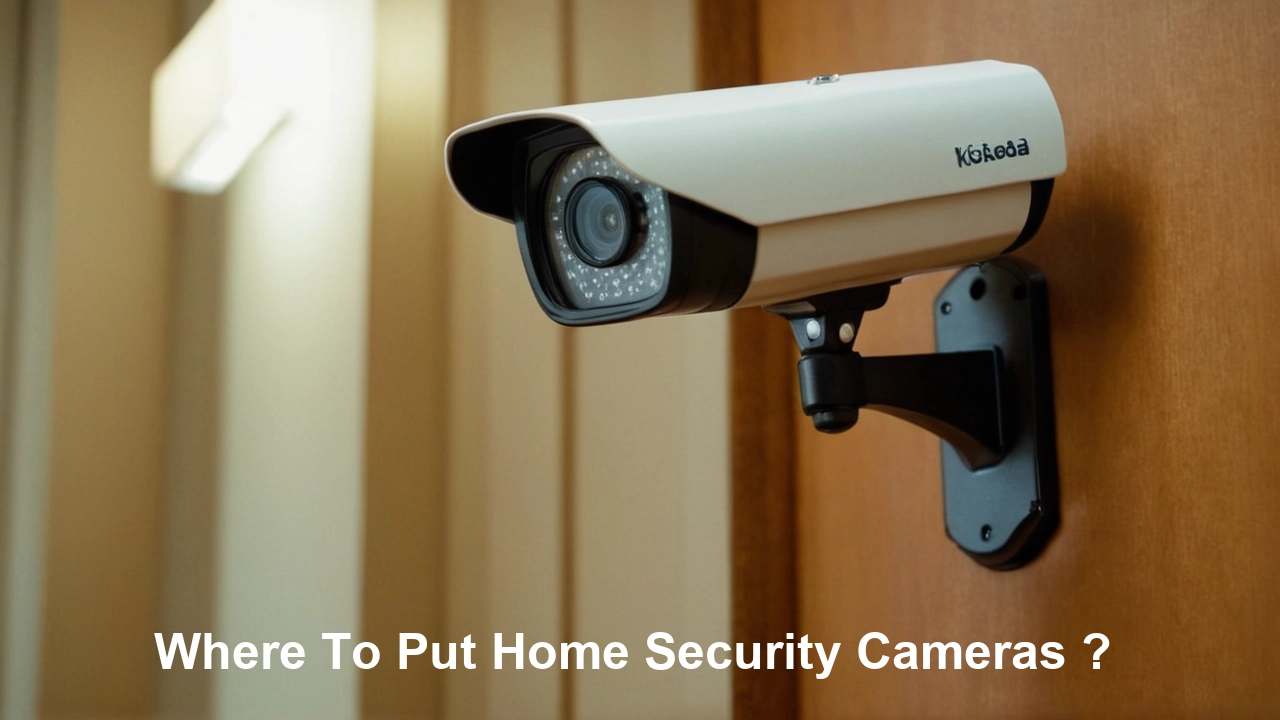
Bullet Cameras: Versatile Outdoor Surveillance
Bullet cameras are typically cylindrical and are designed for outdoor use. They are often visible and serve as a strong deterrent.
Best Placement:
- Entry Points: Front doors, back doors, garage doors.
- Perimeter: Corners of the property, along fences.
- Sheds/Outbuildings.
Pros:
- Durable and weather-resistant.
- Often have a long-range view.
- Visible deterrent.
Cons:
- Can be more conspicuous.
- May require professional installation for wiring.
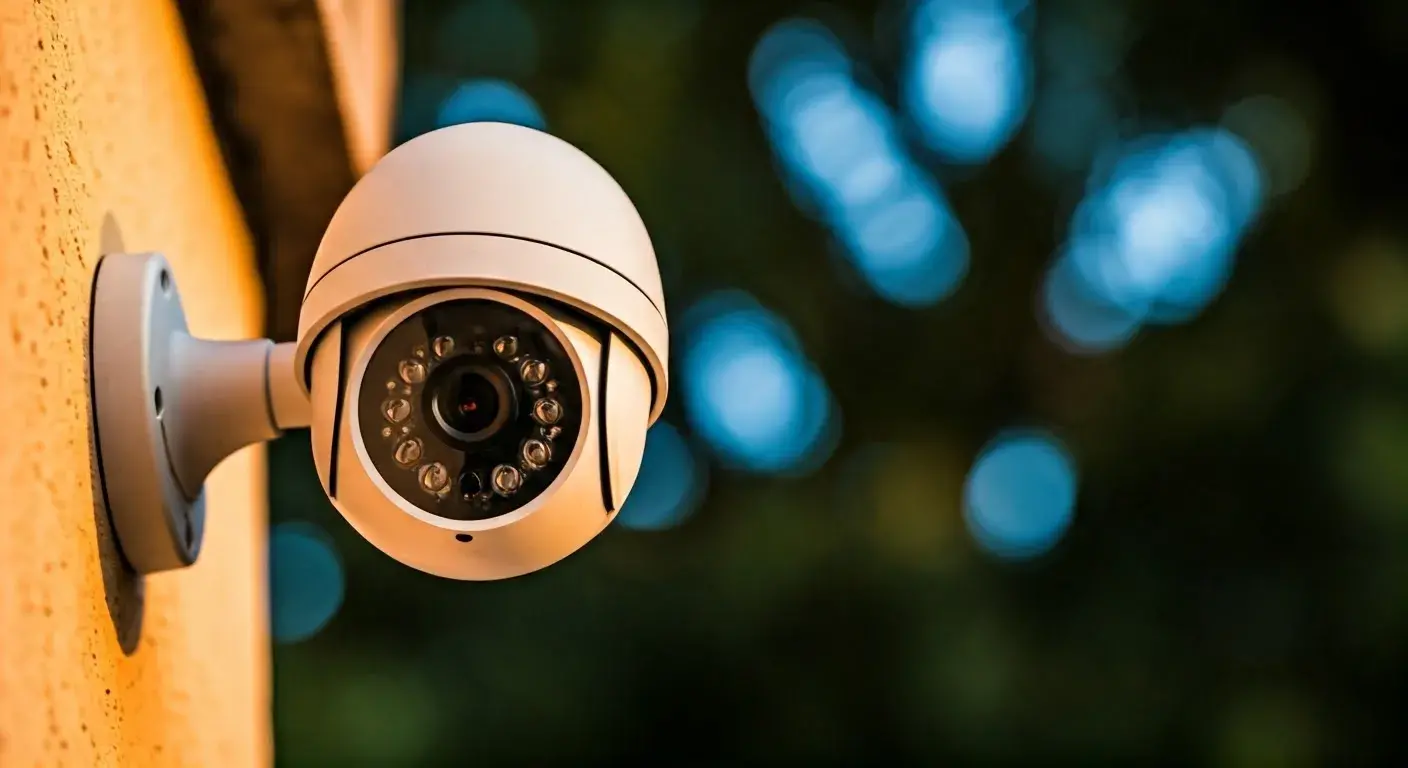
Dome Cameras: Discreet and Durable
Dome cameras are often dome-shaped and can be mounted on ceilings or walls. They are less conspicuous than bullet cameras and can be more resistant to vandalism.
Best Placement:
- Overhangs: Under eaves of houses or garages.
- Interior: Hallways, living areas, entryways.
- Commercial Properties: Though less common for residential, they offer a discreet option.
Pros:
- Discreet design.
- Durable and weather-resistant (outdoor models).
- Difficult to tell which way they are pointing.
Cons:
- May have a slightly more limited field of view than some bullet cameras.
Turret Cameras: A Hybrid Approach
Turret cameras, also known as eyeball cameras, offer a balance between bullet and dome cameras. They have a distinct lens housing that can be adjusted and are often easier to install than traditional dome cameras.
Best Placement:
- Entry Points: Front doors, back doors, garage doors.
- Sidewalls: Where a clear, adjustable view is needed.
- Interior Corners.
Pros:
- Easier to adjust the viewing angle than dome cameras.
- Good balance of visibility and discretion.
- Weather-resistant.
Cons:
- Can be more prone to glare from direct sunlight than dome cameras.
PTZ (Pan-Tilt-Zoom) Cameras: Comprehensive Coverage
PTZ cameras can remotely pan, tilt, and zoom, offering a wide range of coverage from a single unit. They are ideal for monitoring large areas.
Best Placement:
- Large Properties: Overlooking entire backyards, long driveways, or multiple entry points from a central location.
- Areas Requiring Detailed Inspection: Where the ability to zoom in is critical.
Pros:
- Extensive coverage from one camera.
- Ability to zoom in for details.
Cons:
- More expensive.
- Require reliable power and strong connectivity.
- Can be more complex to set up and manage.
- May not be ideal for constant, passive monitoring of a single point.
Legal and Ethical Considerations
While enhancing security is paramount, it's crucial to be aware of the legal and ethical implications of placing security cameras, especially in 2025-26, where privacy laws are becoming more stringent.
Privacy Laws and Regulations
Understand the laws in your jurisdiction regarding video surveillance. Generally, you have the right to record activity on your own property.
Key Points:
- Your Property Only: Do not aim cameras at areas where individuals have a reasonable expectation of privacy, such as a neighbor's windows or private yards.
- Public Areas: Recording public sidewalks or streets that are directly in front of your property is usually permissible, but be mindful of not excessively intruding on public spaces.
- Audio Recording: Laws regarding audio recording are often stricter than video. Ensure you comply with local regulations, which may require consent.
Informing Visitors and Residents
Transparency is key. It's good practice to inform visitors and residents about the presence of security cameras.
Recommendations:
- Visible Signage: Use "Video Surveillance in Use" signs, especially at entry points.
- Inform Tenants: If you rent out property, clearly outline camera usage in lease agreements.
- Household Members: Discuss camera placement and purpose with all members of your household to ensure comfort and understanding.
Data Storage and Security
Consider how your camera footage is stored and secured. Compromised footage can be as damaging as a security breach.
Best Practices:
- Secure Cloud Storage: Opt for reputable cloud storage providers with strong encryption.
- Local Storage Security: If using an NVR/DVR, ensure it is physically secured and protected by a strong password.
- Regular Updates: Keep camera firmware and NVR/DVR software updated to patch security vulnerabilities.
- Strong Passwords: Use unique, strong passwords for all camera accounts and network devices.
2025 Security Standard: End-to-end encryption for video streams and stored footage is becoming a standard expectation for reputable security systems.
Ethical Placement Indoors
When placing cameras inside your home, the ethical considerations are even more pronounced, especially if others reside with you.
Ethical Guidelines:
- Consent: Always obtain consent from anyone who lives in your home before installing interior cameras.
- Avoid Private Spaces: Never place cameras in bedrooms, bathrooms, or changing areas.
- Purpose: Ensure interior cameras are for genuine security purposes, not for monitoring private conversations or activities.
By carefully considering these legal and ethical aspects, you can implement a robust security camera system that protects your home effectively while respecting the privacy of others.
In conclusion, determining the optimal placement for your home security cameras involves a strategic approach that prioritizes entry points, vulnerable areas, and key interior spaces. By understanding the unique needs of each location and matching them with the appropriate camera types and features, you can create a comprehensive surveillance network. Remember to leverage visibility for deterrence, configure motion detection wisely, and ensure reliable power and connectivity. Furthermore, adhering to legal and ethical guidelines is paramount for a responsible and effective security system. Investing time in thoughtful camera placement will significantly enhance your home's safety and your peace of mind throughout 2025 and beyond.