Discover the manufacturer behind your trusted Ring cameras. This comprehensive guide delves into the ownership and development of Ring, providing insights into the technology and innovation that power your home security solutions. Understand who is behind the brand you rely on.
Who is Ring?
Ring, the company synonymous with smart doorbells and home security cameras, has become a household name for millions seeking to enhance their home's safety and connectivity. Founded in 2013 by Jamie Siminoff, Ring's initial vision was to create a doorbell that allowed homeowners to see and speak to visitors from anywhere in the world. This revolutionary concept, initially called Doorbot, laid the foundation for the comprehensive suite of smart home security products that Ring offers today. The company's journey from a single innovative product to a market leader is a testament to its commitment to user-centric design and technological advancement. Ring's products are designed to be accessible, user-friendly, and effective, aiming to provide peace of mind to homeowners and renters alike.
Before its acquisition, Ring operated as an independent entity, focusing on developing its proprietary technology and expanding its product line. The early days were characterized by rapid innovation and a deep understanding of consumer needs in the burgeoning smart home market. The company quickly gained traction, attracting significant investment and attention for its disruptive technology. The core philosophy of Ring has always been about empowering individuals with control over their home security, making advanced technology available to a wider audience. This user-first approach has been instrumental in shaping the brand's identity and its product development strategy.
The company's headquarters are located in Santa Monica, California, a hub for technology and innovation. From this base, Ring has grown exponentially, not just in terms of product offerings but also in its global reach. The initial success of the Ring Video Doorbell paved the way for a broader range of security devices, including outdoor cameras, indoor cameras, alarm systems, and even smart lighting. Each product is designed to integrate seamlessly with the others, creating a cohesive and comprehensive smart home security ecosystem. This integrated approach is a key differentiator for Ring in the competitive smart home market.
Ring's mission extends beyond just selling devices; it aims to foster a sense of community and safety. Through features like Neighbors, an app that allows users to share safety alerts and information, Ring encourages a proactive approach to neighborhood security. This community-focused aspect, combined with its advanced technology, has solidified Ring's position as a leader in the smart home security sector. The brand's commitment to innovation and customer satisfaction continues to drive its evolution, making it a significant player in the smart home landscape.
Early Days and Vision
The genesis of Ring can be traced back to a simple yet profound problem: the inability to see who was at the door when you weren't home. Jamie Siminoff, the founder, envisioned a solution that would leverage the power of the internet and mobile technology to bridge this gap. The initial prototype, Doorbot, was born out of this desire to enhance home security and convenience. The concept was to create a Wi-Fi-enabled doorbell with a built-in camera, microphone, and speaker, allowing homeowners to interact with visitors remotely via a smartphone app. This was a groundbreaking idea in 2013, a time when smart home technology was still in its nascent stages.
Siminoff's entrepreneurial journey was marked by perseverance. He pitched his idea on the popular television show "Shark Tank," though he initially did not secure a deal. Undeterred, he continued to refine the product and build the company. The name "Ring" was eventually adopted, symbolizing the idea of a connected home and a secure perimeter. The company's early focus was on perfecting the core functionality of the video doorbell, ensuring reliability, ease of use, and robust performance. This dedication to quality and user experience was crucial in building trust and gaining early adopters.
The vision for Ring was always more than just a doorbell. It was about creating a comprehensive ecosystem of smart home security devices that worked together seamlessly. The goal was to make advanced security features accessible and affordable for everyday consumers. This vision guided the company's product development, leading to the expansion beyond doorbells to include a wide array of cameras and security systems. The emphasis was on empowering individuals with the tools to monitor and protect their homes, providing a sense of control and peace of mind.
Founding Team and Initial Growth
While Jamie Siminoff is widely recognized as the founder and driving force behind Ring, the company's growth was also fueled by a dedicated team of engineers, designers, and business professionals. The early team worked tirelessly to bring the Doorbot concept to life, facing numerous technical challenges and market uncertainties. Their collective expertise in hardware, software, and consumer electronics was essential in transforming a bold idea into a tangible product.
The initial growth of Ring was organic, driven by positive word-of-mouth and increasing media attention. The product's unique value proposition resonated with consumers who were looking for more sophisticated ways to manage home security. As the company gained traction, it attracted further investment, enabling it to scale its operations, expand its product development, and increase its marketing efforts. This period of rapid growth saw Ring evolve from a startup into a significant player in the smart home industry.
The company's commitment to innovation was evident in its iterative product development. Ring consistently released updated versions of its video doorbells and cameras, incorporating user feedback and new technological advancements. This continuous improvement cycle helped Ring stay ahead of the competition and maintain its market leadership. The early success of Ring laid the groundwork for its eventual acquisition by a major tech giant, a pivotal moment in its history.
Ring's Acquisition by Amazon
In February 2018, a significant development occurred in the smart home industry: Amazon announced its acquisition of Ring for a reported sum exceeding $1 billion. This acquisition marked a pivotal moment for both companies, signaling Amazon's deepening commitment to the smart home market and providing Ring with the resources and reach to accelerate its growth and innovation.
The acquisition was a strategic move for Amazon, which had already established a strong presence in the smart home with its Echo devices and Alexa voice assistant. By acquiring Ring, Amazon gained a leading brand in the video doorbell and home security camera space, complementing its existing smart home ecosystem. This integration allowed for deeper synergies between Ring's devices and Amazon's voice technology, enhancing the user experience and expanding the capabilities of both product lines.
For Ring, the acquisition meant access to Amazon's vast resources, including its extensive retail network, cloud infrastructure, and research and development capabilities. This infusion of capital and expertise enabled Ring to significantly scale its operations, invest more heavily in product innovation, and expand its global presence. The company was able to accelerate the development of new products and features, further solidifying its position as a market leader.
Despite the acquisition, Ring has largely maintained its brand identity and operational independence. While it operates as a subsidiary of Amazon, the Ring team continues to focus on its core mission of enhancing home security through innovative technology. The acquisition has allowed Ring to leverage Amazon's global reach, making its products more accessible to consumers worldwide and driving further adoption of smart home security solutions.
The Deal and Its Implications
The $1 billion-plus acquisition of Ring by Amazon was one of the largest in the smart home sector at the time. It underscored Amazon's strategic intent to dominate the connected home market. For Amazon, Ring represented a direct entry into the lucrative home security segment, a natural extension of its existing smart speaker and digital assistant business. The integration of Ring's hardware with Alexa promised a more seamless and intuitive smart home experience for consumers.
The implications of the deal were far-reaching. It intensified competition in the smart home security market, prompting other tech giants to either acquire existing players or accelerate their own product development. It also raised questions about data privacy and security, given Amazon's vast data collection capabilities. However, for consumers, it generally meant more competitive pricing, wider product availability, and potentially more advanced features due to increased investment in R&D.
Ring's continued product development and innovation post-acquisition have demonstrated the benefits of this strategic partnership. The company has been able to bring more advanced features and a wider range of products to market, benefiting from Amazon's scale and technological prowess. The acquisition effectively accelerated Ring's mission to make homes safer and more connected.
Ring as an Amazon Subsidiary
Operating as an Amazon subsidiary, Ring benefits from the parent company's extensive resources and infrastructure. This includes access to Amazon's cloud computing services (AWS), which are crucial for supporting the vast amount of data generated by Ring devices. It also allows for streamlined manufacturing, distribution, and customer support processes, leveraging Amazon's global logistics network.
The integration with Alexa has been a key outcome of the acquisition. Ring devices can now be controlled through voice commands via Echo devices, allowing users to arm/disarm systems, view camera feeds, and receive alerts hands-free. This synergy enhances the convenience and usability of both Ring and Amazon's smart home offerings. For example, a user can simply say, "Alexa, show me the front door camera," to instantly view the live feed.
While Ring maintains its distinct brand and product focus, it operates within Amazon's broader ecosystem. This means that strategic decisions, such as product roadmaps and market expansion, are likely influenced by Amazon's overall business objectives. However, the company has maintained its commitment to its original mission of providing accessible and effective home security solutions, a testament to the continued vision of the Ring team.
Amazon and Ring: A Synergy of Innovation
The acquisition of Ring by Amazon has fostered a powerful synergy, merging Ring's expertise in home security hardware with Amazon's strengths in AI, cloud computing, and consumer electronics. This collaboration has led to significant advancements in Ring's product offerings and the overall smart home experience. The integration of Alexa has been a cornerstone of this synergy, making Ring devices more accessible and controllable than ever before.
Amazon's robust cloud infrastructure, powered by AWS, provides the backbone for Ring's connected devices. This allows for reliable video streaming, secure data storage, and the processing of complex AI algorithms for features like person detection and package detection. The scalability of AWS ensures that Ring can handle its rapidly growing user base and the increasing demand for its services without compromising performance.
Furthermore, Amazon's investment in artificial intelligence research and development has directly benefited Ring. Features like advanced motion detection, intelligent alerts, and improved facial recognition are powered by sophisticated AI models that Ring can now develop and deploy more effectively. This ongoing innovation cycle ensures that Ring products remain at the forefront of home security technology, offering increasingly intelligent and proactive solutions for homeowners.
Integration with Alexa
The most prominent manifestation of the Amazon-Ring synergy is the deep integration with Alexa, Amazon's popular voice assistant. This integration allows users to control their Ring devices using simple voice commands, enhancing convenience and accessibility. For instance, users can ask Alexa to show live feeds from their Ring cameras on Echo Show devices, arm or disarm their Ring Alarm system, or even receive notifications when motion is detected.
This voice control capability is particularly beneficial for users who want to manage their home security hands-free. It streamlines the user experience, making it easier to access critical security information and manage device settings without needing to pick up a smartphone. The seamless interaction between Ring devices and Alexa has become a key selling point for both product lines, contributing to a more cohesive smart home ecosystem.
The integration extends beyond basic commands. Alexa can also be used to trigger routines involving Ring devices. For example, a user could set up a routine where saying "Alexa, goodnight" arms the Ring Alarm, turns off the lights, and locks the doors. This level of automation and interoperability is a direct result of the synergy between Amazon and Ring, offering users greater control and convenience over their home environment.
Leveraging Amazon's AI and Cloud Services
Amazon's vast expertise in artificial intelligence and its powerful cloud computing platform, Amazon Web Services (AWS), have been instrumental in Ring's technological advancements. Ring leverages AWS for its scalability, reliability, and advanced services, which are essential for processing and storing the large volumes of data generated by its devices. This includes video footage, motion detection data, and user interaction logs.
The AI capabilities provided by Amazon enable Ring to develop and deploy sophisticated features such as advanced motion detection, person detection, and package detection. These features help reduce false alerts and provide users with more relevant and actionable notifications. For example, person detection ensures that users are only alerted when a human is detected, rather than just any movement. Package detection, a more recent innovation, specifically identifies when a package is delivered or removed from a doorstep.
Furthermore, Amazon's ongoing research in AI, including areas like machine learning and computer vision, directly benefits Ring's product development. This allows Ring to continuously improve its algorithms, enhance its detection capabilities, and introduce new intelligent features that further elevate home security. The synergy ensures that Ring remains at the cutting edge of smart home technology, offering increasingly sophisticated and user-friendly security solutions.
Exploring Ring's Product Ecosystem
Since its inception, Ring has expanded its product portfolio significantly beyond its initial video doorbell. Today, the company offers a comprehensive ecosystem of smart home security devices designed to provide layered protection and seamless integration. This ecosystem includes a variety of cameras, alarm systems, smart lighting, and accessories, all managed through the intuitive Ring app. The company's commitment to innovation ensures a constant stream of new products and features designed to enhance home safety and convenience.
The core of Ring's offering remains its video doorbells and security cameras. These devices are available in various forms, catering to different installation needs and surveillance requirements. From battery-powered options for easy installation to wired models offering continuous power, Ring provides flexibility for diverse home setups. The integration of these devices with the Ring app allows users to monitor their homes remotely, receive real-time alerts, and communicate with visitors.
Beyond cameras, Ring has ventured into broader home security solutions. The Ring Alarm system provides a more robust security setup, including motion detectors, contact sensors, and a central keypad. This system can be professionally monitored or self-monitored, offering customizable security levels. The expansion into smart lighting further enhances home security by deterring potential intruders and providing illumination when motion is detected. This holistic approach positions Ring as a one-stop solution for modern home security needs.
Video Doorbells
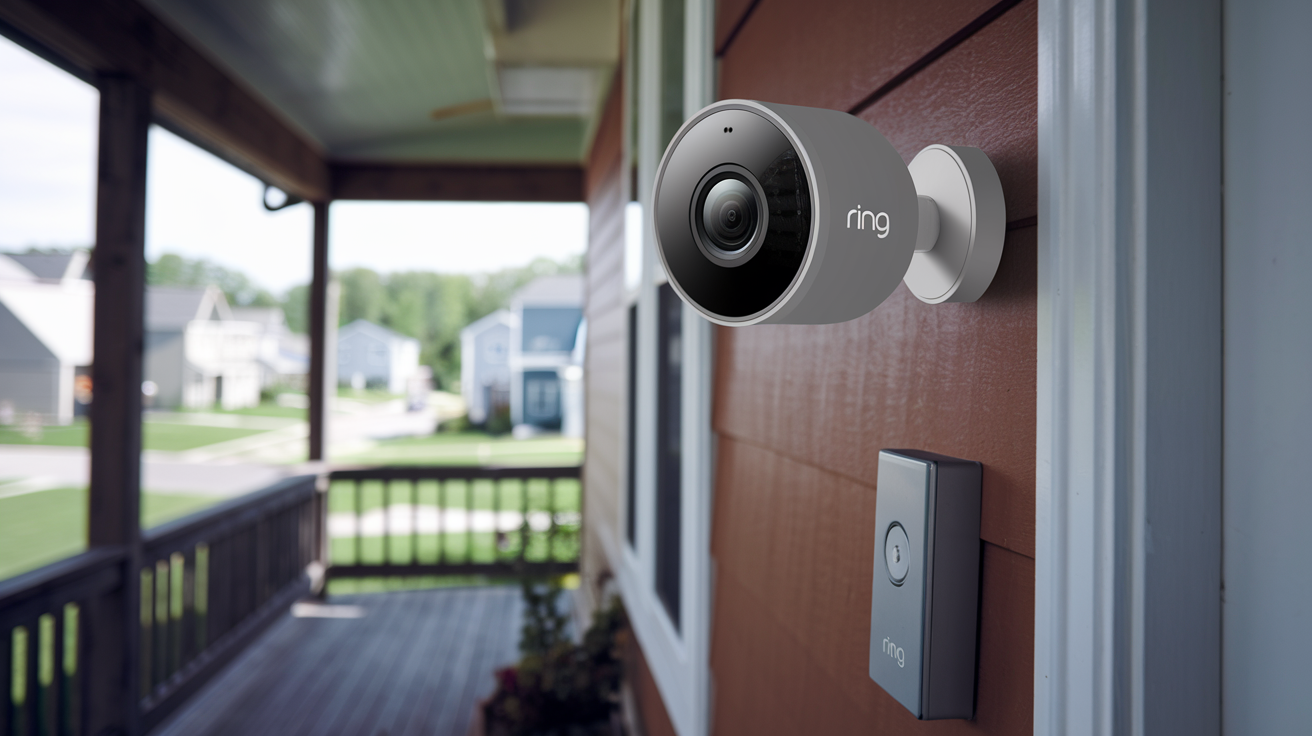
Ring's flagship product line, video doorbells, revolutionized the way people interact with visitors at their doorstep. These devices combine a doorbell button with a high-definition camera, microphone, and speaker, allowing homeowners to see, hear, and speak to anyone at their door from their smartphone, tablet, or PC. The product range includes various models to suit different needs and budgets.
The Ring Video Doorbell series offers options such as the entry-level Ring Video Doorbell Wired, which provides essential HD video and two-way talk capabilities. For enhanced features, the Ring Video Doorbell 3 and Ring Video Doorbell 4 offer improved motion detection, dual-band Wi-Fi, and advanced pre-roll technology that captures video footage before a motion event is triggered. The Ring Video Doorbell Pro series, such as the Ring Video Doorbell Pro 2, provides advanced features like 3D motion detection and a wider field of view, offering superior situational awareness.
These doorbells are designed for easy installation, with both wired and battery-powered options available. The battery-powered models offer flexibility for renters or those who cannot easily hardwire a doorbell. All Ring doorbells connect to your home's Wi-Fi network and send real-time alerts to your connected devices whenever motion is detected or the doorbell button is pressed. The integration with Alexa allows for voice control and visual monitoring on compatible Echo devices.
Security Cameras
Complementing its video doorbells, Ring offers a comprehensive range of security cameras designed for both indoor and outdoor surveillance. These cameras provide an additional layer of security, allowing users to monitor different areas of their property, inside and out. The range includes wired, wireless, and solar-powered options, ensuring versatility for various installation scenarios.
The Ring Stick Up Cam is a popular indoor/outdoor camera available in wired, battery, and solar-powered versions. It offers HD video, two-way talk, and customizable motion zones. For outdoor surveillance, the Ring Spotlight Cam and Ring Floodlight Cam provide integrated LED lighting to deter intruders and enhance visibility at night. These models are designed to withstand the elements and offer robust security monitoring.
More advanced options include the Ring Indoor Cam, a compact camera for monitoring interior spaces, and the Ring Car Cam, designed for in-vehicle security. Many Ring cameras feature advanced motion detection, night vision, and integration with the Ring Alarm system. The ability to view live feeds, receive motion alerts, and communicate through the cameras via the Ring app provides homeowners with constant peace of mind, knowing their property is being monitored.
Ring Alarm and Accessories
Beyond cameras, Ring offers a complete home security system with the Ring Alarm. This DIY (Do-It-Yourself) security system provides comprehensive protection for homes of all sizes. It includes a base station, keypad, contact sensors for doors and windows, a motion detector, and a range extender. Users can customize their system by adding additional sensors, smoke and carbon monoxide detectors, and even panic buttons.
The Ring Alarm system can be self-monitored, allowing users to receive alerts directly on their smartphones, or it can be professionally monitored by Ring's partner service for a monthly fee. This professional monitoring offers 24/7 emergency response, contacting authorities on your behalf when a security event is detected. The system integrates seamlessly with Ring's cameras, allowing for a unified security experience.
Ring also offers a range of accessories that enhance the functionality and convenience of its products. These include solar panels for Ring cameras to ensure continuous power, charging stations for battery packs, and various mounting options. The Ring app serves as the central hub for managing all Ring devices, customizing settings, and accessing live feeds and recorded footage. This integrated ecosystem approach makes Ring a comprehensive solution for modern home security.
Technological Advancements and Ring's Future
Ring, powered by Amazon's innovation engine, is continuously pushing the boundaries of smart home security technology. The company is heavily invested in research and development, focusing on enhancing existing features and introducing new capabilities that anticipate the evolving needs of consumers. Key areas of focus include artificial intelligence, improved connectivity, enhanced privacy controls, and greater integration within the broader smart home ecosystem.
The future of Ring is likely to see even more sophisticated AI-driven features. This includes advanced object recognition, predictive analytics for security threats, and more personalized user experiences. Imagine cameras that can not only detect people but also understand their intent or identify familiar faces with greater accuracy and privacy. The goal is to move beyond simple motion detection to a more intelligent and proactive security system.
Connectivity remains a critical area of development. As more devices become connected, ensuring robust and reliable communication is paramount. Ring is likely to explore advancements in Wi-Fi technology, potentially incorporating Wi-Fi 6E or even future standards to ensure faster speeds and lower latency for video streaming and real-time communication. Furthermore, the integration of technologies like Thread and Matter could lead to even more seamless interoperability between Ring devices and other smart home products from different manufacturers.
AI-Driven Features
Artificial intelligence is at the forefront of Ring's technological advancements. The company is continuously refining its AI algorithms to provide more intelligent and accurate security features. In 2025-26, we can expect to see further enhancements in areas such as:
- Advanced Person Detection: Moving beyond basic human detection to differentiate between various types of people (e.g., delivery personnel, guests, strangers) and potentially even recognize familiar faces with user consent, offering more granular control over notifications.
- Package Detection Improvements: Enhanced accuracy in identifying when packages are delivered or removed, providing timely alerts and reducing false positives. This is crucial for homeowners who rely on deliveries.
- Vehicle Detection: The ability to specifically detect and alert users to the presence of vehicles on their property, which can be an indicator of potential security risks or simply an alert for visitors.
- Behavioral Analysis: Future developments might include AI that can analyze patterns of movement or behavior to identify potentially suspicious activity, offering proactive security alerts before an incident occurs.
- Sound Detection: Advanced AI that can differentiate between common household sounds and potentially alarming sounds, such as glass breaking or smoke alarms, providing an additional layer of awareness.
These AI-driven features aim to make Ring devices not just surveillance tools but intelligent guardians of the home, providing users with more relevant information and greater peace of mind. The continuous learning capabilities of AI mean that these features will only become more sophisticated and accurate over time.
Connectivity and IoT Standards
As the Internet of Things (IoT) continues to expand, seamless connectivity and interoperability are paramount. Ring is actively involved in adopting and leveraging new connectivity standards to enhance its product offerings and integrate more effectively within the smart home ecosystem.
Wi-Fi Advancements: Ring is likely to continue adopting the latest Wi-Fi standards, such as Wi-Fi 6 and Wi-Fi 6E, in its devices. These standards offer increased bandwidth, lower latency, and improved performance in congested wireless environments, which is crucial for reliable video streaming from multiple devices. Future devices might even explore Wi-Fi 7 capabilities as they become more mainstream.
Matter and Thread: The adoption of standards like Matter and Thread is a significant trend in the smart home industry. Matter, a new connectivity standard designed to improve interoperability between smart home devices, and Thread, a low-power, reliable mesh networking protocol, are expected to play a key role in Ring's future. Integration with Matter will allow Ring devices to work more seamlessly with products from other manufacturers, regardless of brand, creating a more unified and user-friendly smart home experience. This ensures that your Ring camera can communicate with your smart lights or smart locks from different brands.
5G Integration: While still in its early stages for consumer devices, the potential for 5G connectivity in future Ring products could offer unparalleled speed and reliability, especially in areas with poor Wi-Fi coverage. This could lead to even more robust and responsive security solutions.
Future Product Developments
Ring's commitment to innovation suggests a pipeline of exciting future product developments. Based on current trends and consumer needs, we can anticipate advancements in several areas:
- Enhanced Battery Life and Power Solutions: Continued improvements in battery technology and more efficient solar charging solutions will further enhance the convenience and sustainability of wireless Ring devices.
- Integrated Smart Home Hubs: Future Ring devices might incorporate more advanced smart home hub functionalities, allowing them to manage a wider array of connected devices and automate complex home routines.
- Advanced Analytics and Reporting: More sophisticated reporting and analytics tools within the Ring app could provide users with deeper insights into activity around their homes, helping them understand patterns and potential risks.
- Subscription Service Enhancements: Ring's subscription services (Ring Protect) are likely to evolve, offering tiered plans with increasingly advanced features, cloud storage options, and potentially even integration with other Amazon services.
- Focus on Sustainability: As environmental consciousness grows, Ring may place a greater emphasis on sustainable manufacturing practices, recycled materials, and energy-efficient product designs.
The ongoing synergy with Amazon ensures that Ring will continue to benefit from cutting-edge research and development, leading to a future where home security is more intelligent, integrated, and accessible than ever before. The focus remains on providing users with peace of mind through reliable and innovative technology.
Privacy and Security Considerations
As a provider of home security devices that capture video and audio data, Ring places a significant emphasis on privacy and security. The company acknowledges the sensitive nature of the data collected and has implemented various measures to protect user information and maintain trust. These measures encompass both technological safeguards and policy-driven initiatives designed to ensure that data is handled responsibly and ethically.
Ring's commitment to privacy is reflected in its product design and operational policies. The company offers users granular control over their device settings, including motion detection zones, recording schedules, and notification preferences. Furthermore, end-to-end encryption is a key feature, ensuring that video footage is protected from unauthorized access during transmission and storage. Transparency regarding data usage and sharing is also a priority, with clear policies outlined for users.
However, like any connected device company, Ring has faced scrutiny regarding its data handling practices and security vulnerabilities. In response to these concerns, Ring has continually updated its security protocols and privacy policies. The company actively works to address potential security risks and provides users with tools and information to enhance their own device security. Understanding these measures is crucial for users to feel confident in the privacy and security of their Ring systems.
Data Encryption and Storage
Protecting user data is paramount for Ring. The company employs robust encryption methods to secure video footage and other sensitive information. Video streams from Ring devices are typically encrypted using industry-standard protocols like TLS (Transport Layer Security) during transmission to Ring's servers. This ensures that the data is protected from interception as it travels from the device to the cloud.
For stored video footage, Ring offers cloud storage through its Ring Protect subscription plans. This footage is also encrypted while stored on Ring's servers. Users have control over their stored footage, including the ability to download or delete it at any time. Ring's policies emphasize that user data is not sold to third parties and is used primarily to provide and improve the Ring services.
In 2025-26, Ring continues to invest in enhancing its encryption standards and data storage security. This includes exploring advanced encryption techniques and regularly auditing its security infrastructure to identify and mitigate potential vulnerabilities. The company's commitment to secure data practices is a cornerstone of maintaining user trust in its products and services.
User Controls and Privacy Settings
Ring empowers users with a range of controls and settings within the Ring app to manage their privacy and customize their device's behavior. These features are designed to give users transparency and control over how their devices operate and what data is collected.
Key privacy features include:
- Motion Zones: Users can define specific areas within the camera's field of view where motion detection should be active, ignoring movement in other areas to reduce unnecessary alerts.
- Motion Scheduling: The ability to schedule when motion detection is active, ensuring that alerts are only received during specific times.
- Privacy Zones: For some Ring cameras, users can create "Privacy Zones" which are areas within the camera's view that will not record or be visible in live view or recorded videos.
- Audio Recording Toggle: Users can choose to disable audio recording on their devices if they prefer.
- Two-Factor Authentication (2FA): Ring strongly encourages and supports 2FA for user accounts, adding an extra layer of security to prevent unauthorized access.
- Shared User Access: Users can grant access to their Ring devices to family members or trusted individuals, with granular control over the level of access provided.
Ring also provides clear privacy policies and terms of service, outlining how user data is collected, used, and protected. The company actively communicates updates to these policies and encourages users to review them regularly. This focus on user control and transparency is essential for building and maintaining trust in a connected home security system.
Addressing Security Concerns
Ring has, at times, faced public scrutiny regarding security incidents and privacy concerns. These have included instances of unauthorized access to user accounts and concerns about data sharing with law enforcement. In response, Ring has taken several proactive steps to enhance its security posture and address these issues:
- Enhanced Account Security: The implementation and promotion of Two-Factor Authentication (2FA) have been a significant step in preventing unauthorized account access. Ring also employs advanced security measures to detect and prevent suspicious login attempts.
- Law Enforcement Data Requests: Ring has updated its policies regarding law enforcement requests for video footage. While the company does provide footage when legally compelled to do so, it now requires warrants or court orders for such requests, with limited exceptions for emergencies. Users are also notified when their footage is requested, providing an additional layer of transparency.
- Security Audits and Bug Bounty Programs: Ring conducts regular internal and external security audits of its systems and products. The company also participates in bug bounty programs, incentivizing security researchers to identify and report vulnerabilities, which are then promptly addressed.
- User Education: Ring provides resources and guidance to users on best practices for securing their accounts and devices, including creating strong passwords and enabling 2FA.
The company's ongoing efforts to enhance security and transparency reflect a commitment to earning and maintaining user trust. By continuously adapting to evolving security threats and user expectations, Ring aims to provide a secure and reliable home security experience for its customers in 2025-26 and beyond.
Ring vs. Competitors: Understanding the Manufacturer Landscape
The smart home security market is highly competitive, with numerous manufacturers offering a wide array of products. While Ring, as a brand, is owned by Amazon, other prominent players in the market operate under different corporate structures. Understanding who makes these competing devices provides a broader perspective on the landscape and the technological advancements driving the industry. Each manufacturer brings its own unique approach to product development, innovation, and market strategy.
Companies like Google (through its Nest brand), Arlo, Wyze, and SimpliSafe are significant competitors to Ring. Each of these brands has its own manufacturing processes, supply chains, and research and development teams. While some may outsource manufacturing to third-party factories, the design, engineering, and quality control are typically managed by the respective companies. The competition fuels innovation, leading to better features, improved performance, and more competitive pricing for consumers.
The landscape is dynamic, with acquisitions and partnerships frequently reshaping the market. However, the core question of "who makes" a particular smart home device often leads back to a well-known consumer brand, which then leverages its internal expertise and often external manufacturing partners to bring products to market. For Ring, the answer is clear: Amazon is the parent company, but the Ring brand and its product development remain a distinct entity within the Amazon ecosystem.
Google Nest and Alphabet
Google, through its parent company Alphabet Inc., is a major competitor in the smart home market with its Nest brand. Google Nest offers a range of smart home devices, including cameras, doorbells, thermostats, and smart speakers, all designed to integrate seamlessly with Google Assistant and the broader Google ecosystem.
Who Makes Nest Devices: Nest devices are designed and developed by Google's hardware division. While the specific manufacturing partners are not always publicly disclosed, it is understood that Google oversees the design, engineering, and quality control of Nest products. This allows Google to leverage its expertise in AI, software, and cloud services to create intelligent and interconnected smart home solutions.
Key Competitors: Nest cameras and doorbells compete directly with Ring's offerings, often emphasizing features like advanced AI capabilities, integration with Google services, and a sleek design aesthetic. The competition between Ring (owned by Amazon) and Nest (owned by Google) is a significant driver of innovation in the smart home security space.
Arlo Technologies
Arlo is a prominent player in the wireless home security camera market, known for its high-quality, wire-free camera systems. Arlo was originally a division of Netgear but was spun off as an independent company in 2018. This independence allows Arlo to focus exclusively on developing and marketing its smart home security products.
Who Makes Arlo Devices: Arlo Technologies designs and engineers its own products. Like many electronics manufacturers, Arlo likely utilizes contract manufacturers in Asia for the physical production of its devices. However, the intellectual property, design, and core technology are developed in-house by Arlo's engineering teams.
Key Competitors: Arlo cameras are known for their advanced features, such as superior video quality, wide-angle lenses, and robust battery life. They compete with Ring's camera offerings, particularly in the premium segment of the market, often appealing to users who prioritize wire-free installation and high-performance video surveillance.
Other Competitors and Manufacturers
The smart home security market is diverse, with several other notable brands and manufacturers contributing to the competitive landscape. These companies often have their own distinct approaches to product design, technology, and market positioning.
Wyze Labs: Known for its exceptionally affordable smart home devices, Wyze offers a range of cameras, doorbells, and other smart home products. Wyze devices are designed by the company, with manufacturing typically handled by contract manufacturers. Their strategy focuses on delivering high value at low price points, making smart home technology accessible to a broader audience.
SimpliSafe: SimpliSafe specializes in DIY home security systems that include cameras, sensors, and alarm components. The company designs its own hardware and software, and while manufacturing is likely outsourced, SimpliSafe maintains strict control over its product development and customer experience. They emphasize ease of use and professional monitoring options.
ADT, Vivint, and Traditional Security Companies: Established security companieVivint ADT and Vivint also offer smart home security solutions, often integrating cameras and other connected devices into their professionally installed and monitored systems. These companies have their own research and development efforts, and they partner with various hardware manufacturers to provide their integrated solutions.
Each of these companies, while potentially using similar contract manufacturers for production, maintains its own brand identity, technological focus, and customer service approach. This diversity ensures a wide range of choices for consumers seeking to enhance their home security.
Conclusion: The Maker of Your Ring Cameras
To definitively answer "Who makes Ring cameras?", the straightforward answer is that Ring is a brand owned by Amazon. Since its acquisition in 2018, Ring has operated as a subsidiary of Amazon, benefiting from the tech giant's vast resources, technological expertise, and global reach. However, it's crucial to understand that Ring maintains its own distinct identity, product development team, and focus on home security innovation.
Ring devices are designed by the Ring team, leveraging Amazon's advanced AI capabilities, cloud infrastructure (AWS), and the seamless integration with Alexa. This synergy allows Ring to continuously innovate and offer a comprehensive ecosystem of smart home security products, from video doorbells and cameras to alarm systems and lighting. The company's commitment to user-centric design, privacy, and security remains at the forefront of its operations.
As you consider your home security needs in 2025-26, knowing that Ring is backed by Amazon provides a sense of confidence in its technological capabilities and future development. The ongoing advancements in AI, connectivity, and product features ensure that Ring will continue to be a leading force in making homes safer and more connected. When you choose a Ring camera, you are investing in a product developed by a dedicated team, empowered by the innovation of Amazon, and designed to provide peace of mind for your home.