Why Did My Fire Alarm Randomly Go Off in The Middle of The Night?
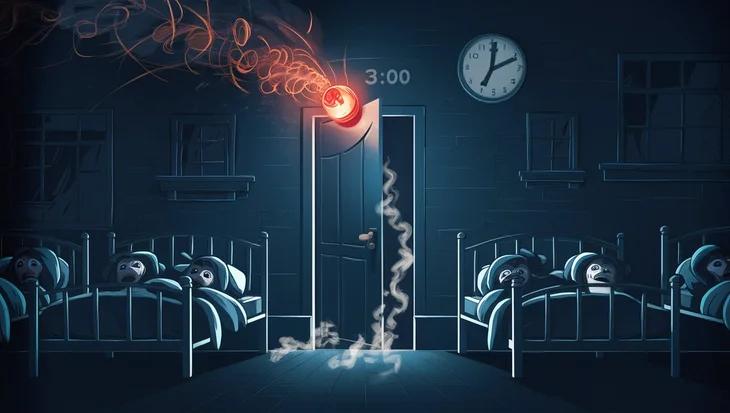
Discover the most common culprits behind unexpected nighttime fire alarm activations. This guide provides immediate insights into why your smoke detector might be blaring at 3 AM, offering clear solutions to restore peace and safety to your home.
Understanding Your Fire Alarm System
The piercing shriek of a smoke detector in the dead of night is an unwelcome sound for any homeowner. It's a jarring disruption that instantly floods the mind with anxieties about fire and safety. While the primary function of these devices is undeniably crucial – to provide early warning of a potential blaze – their tendency to trigger without an apparent threat can be incredibly frustrating and even lead to a dangerous complacency. Understanding why your fire alarm randomly went off in the middle of the night requires a deeper dive into the technology, the environment it operates in, and the maintenance it requires.
Modern smoke detectors, while sophisticated, are not infallible. They are designed to detect specific airborne particles or changes in air temperature that indicate combustion. However, the sensors within these devices can be sensitive to a variety of stimuli that mimic the conditions of a fire, leading to what are commonly known as false alarms. These can range from minor annoyances to significant disruptions, impacting sleep, causing stress, and potentially leading to a situation where the alarm's warning is ignored in the future.
In 2025, the National Fire Protection Association (NFPA) reported that approximately 38% of reported home fires involved a smoke alarm that failed to operate. While this statistic highlights the importance of functional alarms, it also underscores the prevalence of issues that can lead to their malfunction or unnecessary activation. The reasons for a smoke alarm going off randomly, especially during the quiet hours of the night, are varied and often stem from a combination of factors. This comprehensive guide aims to demystify these occurrences, providing homeowners with the knowledge to identify the cause and implement effective solutions.
We will explore the different types of smoke detectors and how they work, as well as the most frequent culprits behind phantom alarms. From environmental influences like humidity and dust to technical glitches and the simple aging of the device, each potential cause will be examined in detail. By the end of this article, you'll be equipped to diagnose the problem with your smoke alarm and take steps to ensure its reliability when it matters most.
Types of Smoke Detectors and How They Work
Before delving into the causes of false alarms, it's essential to understand the two primary types of smoke detectors installed in homes today: ionization and photoelectric. Most modern homes utilize interconnected systems, meaning if one alarm detects smoke, all alarms in the house will sound. This interconnectedness, while a vital safety feature, can also mean a single faulty sensor can trigger the entire system.
Ionization Smoke Detectors
Ionization alarms are generally more responsive to fast-flaming fires that produce smaller smoke particles, such as those from burning paper or grease. They work by using a small amount of radioactive material to ionize the air in a chamber between two electrodes. This ionization creates a small, continuous electric current. When smoke particles enter the chamber, they attach to the ions, disrupting the current. This disruption triggers the alarm.
Photoelectric Smoke Detectors
Photoelectric alarms are typically more responsive to slow-burning fires that produce larger smoke particles, like those from smoldering furniture. These alarms use a light source (usually an LED) and a sensor positioned at an angle. In normal conditions, the light beam does not hit the sensor. When smoke enters the chamber, it scatters the light beam, causing it to reflect onto the sensor. This reflection triggers the alarm.
Dual-Sensor Alarms
Many newer models are dual-sensor alarms, incorporating both ionization and photoelectric technologies to detect a wider range of fire types. While this offers enhanced protection, it also means there are more potential triggers for an alarm.
Interconnected Systems
Modern homes often feature interconnected smoke alarms, either hardwired or wirelessly linked. When one alarm detects smoke, it sends a signal to all other connected alarms, causing them to sound simultaneously. This is a critical safety feature, ensuring everyone in the home is alerted regardless of where the fire originates. However, if one unit malfunctions or is triggered by a false alarm, it can set off the entire system.
The Usual Suspects: Common Causes of False Alarms
When a smoke alarm blares unexpectedly, especially in the quiet of the night, the immediate thought is often panic. However, before assuming the worst, it's crucial to consider the more mundane, yet equally plausible, reasons for these phantom alarms. Many factors, often related to the immediate environment or the device itself, can trigger a smoke detector without the presence of actual fire. Identifying these common culprits is the first step towards a peaceful night's sleep and a reliable safety system.
Statistics from 2025 indicate that a significant percentage of smoke alarm activations are false alarms. While specific percentages vary by study and region, experts estimate that between 50% and 70% of all smoke alarm activations are non-fire related. This highlights the importance of understanding the triggers that can lead to unnecessary noise and potential complacency.
Cooking Fumes and Steam
One of the most frequent, yet often overlooked, causes of false smoke alarm activations is related to cooking. While alarms are designed to distinguish between cooking smoke and fire smoke, certain cooking practices can still trigger them. High-heat cooking methods like frying, broiling, or even burning toast can produce smoke particles dense enough to activate sensitive ionization alarms. Similarly, excessive steam generated from boiling water, particularly in a poorly ventilated kitchen, can sometimes be misinterpreted by photoelectric sensors as smoke.
Example: Imagine you're making bacon for breakfast. The thick, greasy smoke rising from the pan, even if it doesn't fill the kitchen, can easily drift towards a nearby smoke detector, especially if it's located in an open-plan living area or if the kitchen fan isn't powerful enough. This is a classic scenario for a false alarm.
Dust and Insects
Smoke detectors, particularly older models, can be susceptible to dust accumulation. Over time, dust particles can settle on the sensor components within the alarm, interfering with their operation and potentially triggering a false alarm. This is especially true if the alarm is located in a high-traffic area or a room that hasn't been cleaned thoroughly. Small insects, like spiders or gnats, can also crawl into the alarm's sensing chamber. If an insect obstructs the light beam in a photoelectric detector or interferes with the ionization process, it can trigger the alarm.
Actionable Tip: Regularly vacuuming around and gently blowing compressed air into the vents of your smoke detectors can help prevent dust and insect-related false alarms. Aim to do this at least twice a year.
Humidity and Steam
High levels of humidity or direct exposure to steam can also cause smoke detectors to malfunction. Bathrooms, kitchens, and laundry rooms are prime areas where excessive moisture can be present. If a smoke detector is located too close to a shower, a steaming pot, or a clothes dryer, the moisture can condense on the sensor, leading to a false alarm. This is more common with older or less sophisticated models.
Example: A smoke detector installed in a small, poorly ventilated bathroom directly outside the shower can be particularly prone to false alarms due to the high steam content after a hot shower.
Drafts and Air Currents
Unexpected air currents can sometimes carry airborne particles towards a smoke detector, triggering it. This can happen due to open windows, doors, or even the operation of HVAC systems. If a strong draft carries dust, cooking fumes, or even spray from an aerosol can towards the detector, it might mistake these for smoke.
Tip: Ensure your smoke detectors are not placed directly in the path of air vents or near frequently opened doors and windows, especially if you've experienced false alarms related to air movement.
Chemical Vapors
Certain household chemicals can produce vapors that, in high concentrations, might trigger a smoke alarm. This includes aerosols like hairspray, deodorant, or cleaning products, as well as strong fumes from paint or solvents. If these are sprayed directly at or very near a smoke detector, the particles can be detected, leading to an alarm.
Recommendation: Always use aerosol products in well-ventilated areas, away from smoke detectors. If you're painting or using strong solvents, consider temporarily removing the smoke detector's battery or covering it securely (remembering to re-enable it afterward).
Environmental Triggers: Factors in Your Home's Atmosphere
Beyond the immediate vicinity of cooking or cleaning, broader environmental factors within your home can also contribute to unexpected smoke alarm activations. These are often subtle but can be significant triggers, especially for sensitive devices. Understanding these atmospheric influences is key to diagnosing and preventing nighttime disturbances.
Temperature Fluctuations
While smoke detectors are primarily designed to detect smoke, some models can be sensitive to rapid or extreme temperature changes. If a smoke detector is located near a drafty window, a heating vent, or an uninsulated wall, significant temperature swings can sometimes affect the sensor's performance. While not as common as smoke-related triggers, a sudden drop or rise in temperature could, in rare cases, lead to a false alarm, particularly if the detector is already nearing the end of its lifespan or has a manufacturing defect.
Example: A sudden cold draft entering a room overnight due to a faulty seal on a window could potentially cause a temperature-sensitive smoke alarm to trigger, especially if it's an older model.
Power Surges and Fluctuations (for Hardwired Alarms)
For homes with hardwired smoke alarms, electrical issues can be a significant cause of false alarms. Power surges, brownouts, or even minor fluctuations in the electrical supply can sometimes cause these sensitive electronic devices to misfire. If the alarm is connected to a circuit that experiences frequent electrical disturbances, it's more likely to trigger erratically. This is particularly true if the alarm's backup battery is also failing, as it may struggle to maintain stable operation during these electrical inconsistencies.
2025 Safety Note: Electrical codes in most regions now mandate interconnected hardwired smoke alarms with battery backup. While this enhances safety, it also means that electrical issues affecting the main power can potentially trigger multiple alarms simultaneously.
Carbon Monoxide (CO) Detectors vs. Smoke Alarms
It's important to distinguish between smoke alarms and carbon monoxide (CO) detectors, though many modern devices are combination units. Smoke alarms detect particles from combustion, while CO detectors detect the presence of odorless, colorless carbon monoxide gas, a byproduct of incomplete combustion. If you have a combination unit, a CO detection might trigger the alarm, and it's crucial to understand the difference. If your alarm is specifically a CO detector and it's sounding, the cause is likely a malfunctioning appliance (furnace, water heater, gas stove) or blocked ventilation, which requires immediate attention and professional inspection.
Critical Distinction: A smoke alarm sounding indicates a potential fire. A CO alarm sounding indicates a potential poisoning hazard. Always identify which type of alarm is sounding and respond accordingly. For CO alarms, evacuate immediately and call emergency services.
Nearby Electrical Devices
While less common, certain high-powered electrical devices operating nearby could potentially interfere with the sensitive electronics of a smoke alarm. This is more likely with older or less shielded alarm models. Devices that generate strong electromagnetic fields might, in theory, cause a momentary glitch that triggers the alarm. However, this is a rare cause compared to environmental or maintenance issues.
Maintenance and Age-Related Problems
Like any electronic device, smoke detectors have a finite lifespan and require regular maintenance to function correctly. Neglecting these simple tasks can lead to a host of problems, including the dreaded random nighttime alarm. Understanding the maintenance needs and the impact of aging is crucial for ensuring your alarm's reliability.
Battery Issues
Battery-powered smoke alarms, or the battery backup of hardwired alarms, are a frequent source of false alarms. As batteries age, they can become weak and unstable. This instability can lead to intermittent chirping or even a full alarm activation, especially during periods of temperature fluctuation or electrical instability. Low battery warnings are usually distinct chirps, but sometimes a dying battery can behave erratically.
2025 Data: According to consumer safety reports, a significant percentage of smoke alarm failures are attributed to dead or missing batteries. For alarms with backup batteries, it's recommended to replace them at least once a year, or as per the manufacturer's instructions. Many experts recommend replacing the battery whenever you change your clocks for daylight saving time.
Troubleshooting: If your alarm is chirping, it's almost always a low battery. Replace it immediately. If the alarm is sounding fully, and you suspect the battery, try replacing it. If the problem persists after a new battery, the issue may be elsewhere.
Detector Age and Expiration
Smoke detectors do not last forever. The internal components, particularly the sensors, degrade over time. Most manufacturers recommend replacing smoke alarms every 10 years from the date of manufacture, not the date of installation. An aging detector can become overly sensitive, prone to false alarms, or simply stop working altogether. The NFPA strongly advises replacing all smoke alarms every 10 years.
How to Check: Look for a manufacture date printed on the back or side of your smoke detector. If it's more than 10 years old, it's time for a replacement, regardless of whether it's been alarming randomly.
Comparison Table: Lifespan of Smoke Detector Components
| Component | Typical Lifespan | Impact of Aging |
|---|---|---|
| Ionization Sensor | 10 years | Decreased sensitivity, potential for false alarms or failure to detect |
| Photoelectric Sensor | 10 years | Increased sensitivity, potential for false alarms or failure to detect |
| Battery (Alkaline) | 6-12 months | Low power, intermittent chirping, or erratic behavior |
| Battery (Lithium) | 5-10 years | Longer life, but still requires periodic checks and eventual replacement |
Dirty or Faulty Sensors
As mentioned earlier, dust and debris can accumulate inside the sensing chamber of a smoke detector. Over time, this buildup can interfere with the sensor's ability to accurately detect smoke. If the sensors become too dirty, they might become hypersensitive, leading to false alarms, or they might become desensitized, failing to detect actual smoke. In some cases, the sensor itself may simply be faulty due to manufacturing defects or wear and tear.
Cleaning Tip: Use a vacuum cleaner with a soft brush attachment to gently clean the exterior vents of the smoke detector. For a more thorough cleaning, disconnect the power (battery or breaker) and use a can of compressed air to blow out any dust from the inside, following the manufacturer's instructions. Never use water or cleaning solutions.
Interconnected System Malfunctions
If you have a system of interconnected smoke alarms, a malfunction in one unit can sometimes cause the entire system to sound. This could be due to a faulty wire in a hardwired system, a weak wireless signal, or a single defective alarm unit. Diagnosing which unit is the culprit can be challenging, but often the alarm that first sounds or has a different flashing light pattern is the source of the problem.
Troubleshooting Interconnected Alarms: Many interconnected systems have a light that indicates which alarm initiated the alert. If yours doesn't, you may need to systematically test each alarm by pressing its test button to see if it triggers the others. If one alarm consistently triggers the system falsely, it's likely the faulty unit.
Advanced Troubleshooting and Specific Scenarios
When the common causes don't seem to explain why your fire alarm randomly went off in the middle of the night, it's time to consider more specific scenarios and advanced troubleshooting techniques. These situations might involve unique environmental factors or specific issues with the alarm's installation or compatibility.
Placement Issues
The location of your smoke detectors is critical. Installing them too close to kitchens, bathrooms, garages, or heating appliances can lead to false alarms due to cooking fumes, steam, exhaust, or temperature fluctuations. Conversely, placing them too far from sleeping areas or in dead air spaces can compromise their effectiveness. The NFPA recommends placing smoke alarms on every level of the home, inside each bedroom, and outside sleeping areas.
Example: A smoke alarm installed directly above a shower or too close to a stovetop is a common placement error that leads to frequent false alarms. Similarly, a detector placed in a corner where air doesn't circulate well might not detect smoke effectively.
Ideal Placement Guidelines (2025):
- Ceilings: Place alarms in the center of the ceiling or at least 4 inches (10 cm) away from any wall or corner.
- Walls: If mounting on a wall, place the alarm at least 4 inches (10 cm) down from the ceiling.
- Sloped Ceilings: For ceilings that slope to a peak, install the alarm within 3 feet (91 cm) of the peak, but not closer than 4 inches (10 cm).
- Avoid: Do not install alarms within 10 feet (3 m) of cooking appliances, bathrooms with showers, or near HVAC vents.
Faulty Wiring or Installation Errors (Hardwired Systems)
For hardwired smoke alarms, faulty wiring or improper installation can be a significant source of problems. Loose connections, incorrect wiring, or incompatible wiring types can lead to electrical interference, power surges, or a complete failure of the system. If the alarms were recently installed or if electrical work was done in the home, this is a potential area to investigate.
Recommendation: If you suspect wiring issues with your hardwired smoke alarms, it is crucial to contact a qualified electrician. Tampering with electrical wiring can be dangerous and may void warranties.
Incompatible Devices in Interconnected Systems
When using interconnected smoke alarms, it's vital that all units are compatible with each other. Mixing different brands or models, especially if they use different wireless protocols or hardwiring standards, can lead to unpredictable behavior and false alarms. Always ensure that all interconnected alarms are either from the same manufacturer and series or are certified as compatible with each other.
Check Your Manual: Consult the user manuals for all your smoke alarms to confirm compatibility if you have a mixed system. If in doubt, it's best to replace all units with a single, compatible system.
Electromagnetic Interference (EMI)
While rare, strong sources of electromagnetic interference (EMI) can potentially affect the sensitive electronics within a smoke alarm. Devices like large motors, certain types of lighting, or even poorly shielded electronic equipment could, in theory, emit signals that disrupt the alarm's operation. This is more likely with older or less robust alarm models.
Investigation: If you've recently installed new electronic equipment near your smoke detectors, consider if this could be a contributing factor. Temporarily disabling or moving the device might help diagnose the issue.
Testing and Resetting Procedures
Sometimes, a smoke alarm might enter a fault state or become overly sensitive due to a temporary glitch. Performing a full reset can often resolve these issues. The procedure typically involves disconnecting the power (removing the battery and/or flipping the circuit breaker for hardwired alarms) for a few minutes, then reconnecting it. After reconnecting, press and hold the test button for a specified period (check your manual) to reset and re-calibrate the device.
Step-by-Step Reset (General Guide - Consult Your Manual):
- Disconnect Power: For battery-powered alarms, remove the battery. For hardwired alarms, turn off the circuit breaker that powers the alarms.
- Wait: Leave the power disconnected for at least 5 minutes.
- Clean: While disconnected, gently vacuum the exterior vents and use compressed air to clean the interior sensing chamber.
- Reconnect Power: Reinstall the battery or turn the circuit breaker back on.
- Test and Reset: Press and hold the test button for 15-30 seconds (or as per your manual). This should initiate a self-test and reset sequence.
- Test Again: After the reset, press the test button again to ensure the alarm is functioning correctly.
Proactive Prevention: Keeping Your Alarms Reliable
The best way to deal with a fire alarm randomly going off in the middle of the night is to prevent it from happening in the first place. Proactive maintenance and smart installation practices are key to ensuring your smoke detectors are reliable guardians of your home, not sources of nighttime disruption. By implementing a few simple strategies, you can significantly reduce the likelihood of false alarms and gain peace of mind.
Regular Testing and Maintenance
This cannot be stressed enough: regular testing and maintenance are paramount. Test your smoke alarms at least once a month by pressing the test button. This ensures the batteries are working and the alarm is functioning. Clean your smoke detectors every six months to a year to remove dust and debris. Replace batteries at least once a year, or whenever the alarm chirps to indicate low power. As previously mentioned, replace the entire unit every 10 years.
2025 Recommended Schedule:
- Monthly: Test all smoke alarms.
- Every 6 Months: Clean smoke alarms.
- Annually: Replace batteries (unless using long-life lithium batteries with a 10-year lifespan).
- Every 10 Years: Replace all smoke alarms.
Choosing the Right Type and Placement
Select smoke detectors that are appropriate for the areas in your home. Consider dual-sensor alarms for a wider range of detection. For kitchens and garages, where false alarms from cooking or exhaust fumes are more likely, consider alarms with a "hush" or "silence" button that temporarily quiets the alarm without deactivating it, or opt for alarms specifically designed for these environments (though caution is advised). Ensure proper placement as outlined by the NFPA to maximize effectiveness and minimize false triggers.
Consider Smart Alarms: Newer smart smoke alarms can send notifications to your phone, distinguishing between different types of alerts (smoke, CO, low battery) and often allowing remote silencing. While more expensive, they can offer greater control and reduce nighttime disturbances.
Understanding and Addressing Triggers
Be mindful of common triggers. If you frequently experience false alarms from cooking, improve kitchen ventilation with a range hood, cook on lower heat settings when possible, or consider a smoke detector with a photoelectric sensor (often less sensitive to cooking fumes than ionization alarms). If steam is an issue, ensure bathrooms are well-ventilated. If dust is a problem, maintain a regular cleaning schedule and clean your detectors.
Upgrading Older Units
If your smoke detectors are nearing or have passed their 10-year lifespan, replacing them is the most effective preventative measure. Newer models are often more reliable, have improved sensor technology, and may offer additional features like smart connectivity or better resistance to nuisance alarms. Investing in new, high-quality smoke alarms is a small price to pay for enhanced safety and uninterrupted sleep.
Educating Household Members
Ensure everyone in your household knows how to respond to a smoke alarm and understands the difference between a warning chirp (low battery) and a full alarm. Teach them how to safely silence a nuisance alarm if necessary (e.g., by pressing the hush button) and when to evacuate and call emergency services. An informed household is a safer household.
By taking these proactive steps, you can ensure your smoke alarm system remains a reliable protector of your home and family, minimizing the chances of unexpected and disruptive nighttime activations. The peace of mind that comes with a well-maintained and properly functioning smoke alarm system is invaluable.
In conclusion, a smoke alarm randomly going off in the middle of the night can be a distressing experience, but it's rarely an unsolvable mystery. The most common culprits range from environmental factors like dust, steam, and cooking fumes to maintenance issues such as aging batteries or expired units. Advanced scenarios might involve placement errors or electrical interference. By systematically troubleshooting, understanding the type of alarm you have, and implementing a proactive maintenance schedule—including regular testing, cleaning, battery replacement, and timely unit upgrades—you can significantly reduce the likelihood of false alarms. Prioritizing these steps ensures your smoke detectors are functioning optimally, providing essential early warnings when you need them most and allowing you to sleep soundly.