Why Is My Adt Alarm System Beeping ?
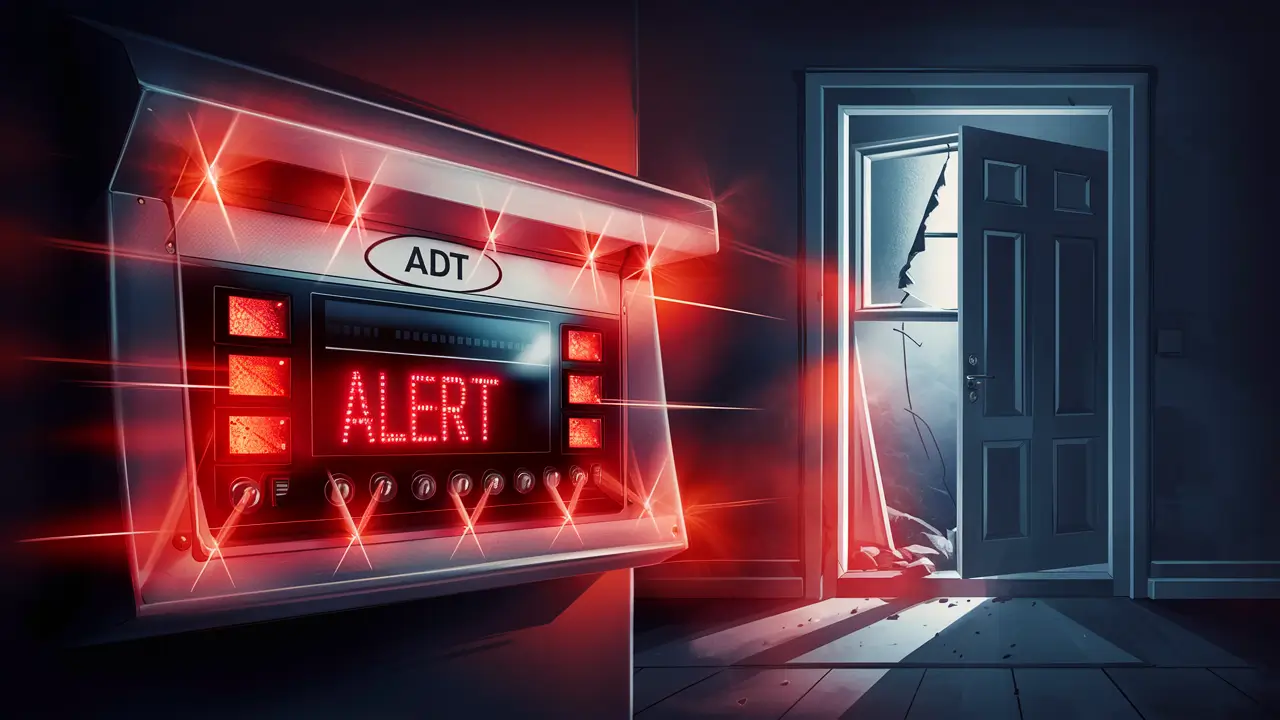
Is your ADT alarm system unexpectedly beeping? This common issue can be unsettling, but understanding the potential causes is the first step to a swift resolution. This guide will walk you through the most frequent reasons for an ADT system's beeping and provide clear, actionable steps to silence it.
Understanding the ADT System Beep
ADT alarm systems are designed to be highly responsive and communicative. When something is amiss, they often signal it through audible alerts, most commonly a beep. These beeps are not random; they are coded messages intended to inform you about a specific issue. Understanding the context of the beep – when it occurs, its frequency, and its duration – is crucial for diagnosing the problem accurately. In 2025, ADT systems continue to rely on these auditory cues as a primary method of user notification, complementing the visual indicators on the control panel and mobile app alerts. The goal of these beeps is to ensure that homeowners are promptly aware of potential security vulnerabilities or system malfunctions, allowing for timely intervention. For instance, a single, intermittent beep might indicate a minor issue like a low battery, while a continuous, more urgent tone could signify a critical system fault or a communication failure. Recognizing these nuances can save you time and unnecessary worry.
Common Causes and Solutions for ADT System Beeping
Low Battery Warnings
One of the most frequent reasons for an ADT alarm system to beep is a low battery in one of its components. This includes the main control panel, wireless sensors (door/window contacts, motion detectors, glass break sensors), keypads, or even wireless key fobs. Modern ADT systems, particularly those installed in 2024 and 2025, are equipped with sophisticated battery monitoring systems. When a battery in a specific device falls below a critical threshold, the system will alert you, typically with a series of beeps, often at regular intervals (e.g., every 30-60 seconds). The control panel display will usually show a specific code or message indicating which component has a low battery.
Why this happens: Batteries have a finite lifespan, typically ranging from 1 to 5 years depending on the device and usage. Environmental factors like extreme temperatures can also accelerate battery depletion.
How to resolve:
- Identify the component: Check the ADT control panel's display for a zone number or device name associated with the low battery warning.
- Obtain the correct battery: Consult your ADT system manual or the device itself for the exact battery type (e.g., CR2032, AA, 9V). Using the wrong battery can cause malfunctions.
- Replace the battery: Carefully open the device housing, remove the old battery, and insert the new one, ensuring correct polarity.
- Silence the beep: After replacing the battery, you may need to press the "Off" or "Disarm" button on the keypad to acknowledge the change and stop the beeping. Some systems might require a system reset.
In 2025, many ADT wireless sensors use long-lasting lithium coin cell batteries, which offer extended life. However, even these will eventually need replacement. If you are unsure about the battery type or the replacement process, it's always best to contact ADT support.
Power Outages and Backup Battery Issues
ADT alarm systems are designed to operate even during a power outage, thanks to a built-in backup battery. When the main AC power is interrupted, the system automatically switches to its backup battery. This transition, or a failing backup battery, can trigger a beeping sound. The beep might occur as the system switches to battery power, or if the backup battery itself is old and no longer holds a sufficient charge.
Why this happens:
- Power Interruption: A temporary or prolonged power outage will cause the system to rely on its backup battery.
- Aging Backup Battery: Like any battery, the backup battery has a limited lifespan, typically 3-5 years. When it degrades, it may not be able to power the system effectively, leading to beeps.
- Improper Connection: In rare cases, the backup battery might not be properly seated or connected.
How to resolve:
- Check for Power Outage: Verify if there's a general power outage in your area. If so, the beeping is normal as the system operates on backup power. The beeping should stop once AC power is restored.
- Inspect the Backup Battery: If AC power is on, the issue is likely with the backup battery. The control panel will usually display a message indicating a "Low Backup Battery" or "AC Power Loss."
- Replace the Backup Battery: The backup battery is typically located within the main control panel housing. Replacement usually involves opening the panel, disconnecting the old battery, and connecting the new one. This is a task that many homeowners can perform, but if you are uncomfortable, ADT can schedule a technician.
- System Reset: After replacing the battery, you may need to perform a system reset to clear the error message and stop the beeping.
Statistics from 2025 indicate that approximately 15% of ADT system beeping issues are related to backup battery performance, especially in older installations. Regular testing of your backup battery is recommended.
Sensor Malfunctions or Disconnections
Wireless sensors are crucial components of any ADT system. If a sensor malfunctions, loses its connection to the control panel, or is tampered with, it can trigger a beep. This is a security feature to alert you that a part of your security network is compromised.
Why this happens:
- Loss of Signal: Wireless sensors communicate with the control panel via radio frequency. Obstructions (thick walls, metal objects), distance from the panel, or interference from other electronic devices can weaken or block the signal.
- Tampering: Most ADT sensors have a "tamper switch." If the sensor cover is removed or the sensor is forcibly detached from its mounting surface, this switch is triggered, causing an alert.
- Device Failure: The sensor itself might have a hardware defect or internal malfunction.
- Low Sensor Battery: As mentioned earlier, a low battery in a specific sensor will also trigger a beep.
How to resolve:
- Identify the Sensor: The control panel display should indicate which zone or sensor is experiencing a problem (e.g., "Zone 5 Fault," "Front Door Sensor Offline").
- Check for Tampering: Ensure the sensor cover is securely closed and that the sensor is properly mounted.
- Check Sensor Battery: If the control panel indicates a low battery for that specific sensor, replace it.
- Restore Signal: If the issue is a signal loss, try moving the sensor closer to the control panel (if feasible) or removing potential sources of interference. Sometimes, simply opening and closing the sensor's cover can re-establish the connection.
- Test the Sensor: After addressing the potential issue, arm the system in "Test Mode" (if available) or trigger the sensor to ensure it's communicating correctly.
For wireless systems, maintaining optimal signal strength is key. In 2025, ADT offers advanced wireless technology that minimizes interference, but placement remains critical.
Communication Errors with the Monitoring Center
ADT systems are connected to a central monitoring station that dispatches emergency services when an alarm is triggered. If the system cannot establish or maintain communication with the monitoring center, it will often beep to alert you. This is a critical alert, as it means your system may not be able to report emergencies.
Why this happens:
- Phone Line Issues: If your system uses a traditional landline for communication, issues with the phone line (cut line, busy signal, service interruption) will prevent it from connecting.
- Internet/Cellular Problems: Newer ADT systems often use broadband internet or cellular signals for communication. Outages in your internet service, cellular network issues, or incorrect network configuration can cause communication failures.
- Monitoring Center Issues: Although rare, the monitoring center itself might experience technical difficulties.
- System Configuration Errors: Incorrect programming of phone numbers, IP addresses, or cellular IDs can lead to communication failures.
How to resolve:
- Check Phone Line/Internet: Verify that your landline is working or that your internet service is active.
- Check System Settings: Review the communication settings on your ADT control panel. Ensure the correct phone numbers or IP addresses are programmed.
- Test Communication: Most ADT systems have a "Test Mode" feature that allows you to send a test signal to the monitoring center without triggering a full alarm. This is a good way to confirm communication is working.
- Contact ADT: If you suspect a communication issue, especially if it persists, it's essential to contact ADT support. They can remotely diagnose the connection and guide you through troubleshooting steps or dispatch a technician.
In 2025, ADT strongly recommends using their dual-path communication (e.g., cellular and internet) for enhanced reliability, as it provides a backup communication channel if one fails.
System Errors and Troubleshooting Codes
ADT control panels are sophisticated devices that can detect internal errors or faults. When such an error occurs, the system will often beep and display a specific error code or message on the screen. These codes are designed to help technicians (and sometimes users) quickly pinpoint the exact nature of the problem.
Common Error Types:
- "Check" or "Service" Messages: These are general indicators that the system requires attention.
- Specific Error Codes: For example, "EOL" (End of Line) errors might indicate a problem with a wired sensor's connection. "Comm Failure" refers to communication issues.
- Panel Malfunction: Errors related to the internal workings of the control panel itself.
How to resolve:
- Record the Code: Note down the exact error code or message displayed on the control panel.
- Consult Your Manual: Refer to your ADT system's user manual. It will typically have a section detailing common error codes and their meanings.
- Perform Basic Troubleshooting: Based on the code, you might be able to perform simple fixes, such as checking a specific sensor or ensuring power is stable.
- Contact ADT Support: For most system error codes, it's best to contact ADT support. Provide them with the recorded error code. They have access to extensive databases of troubleshooting information and can guide you or schedule a service call.
Understanding these codes is vital. For instance, an "EOL" error on a wired system in 2025 might mean a wire has been cut or a sensor is failing, requiring a technician's attention.
Recent Changes or Installations
If you've recently had any work done on your home, especially involving electrical systems, or if you've recently installed new wireless devices, this can sometimes trigger your ADT system to beep.
Why this happens:
- Power Surges/Dips: Electrical work can sometimes cause minor power fluctuations that might temporarily affect the alarm system.
- Interference: New wireless devices (routers, smart home gadgets) can sometimes interfere with the radio frequencies used by your ADT sensors.
- Accidental Tampering: During renovations, a sensor might be accidentally dislodged or its wiring disturbed.
- System Configuration: If new devices were added, improper programming or pairing can lead to errors.
How to resolve:
- Review Recent Work: Think about any recent electrical work, construction, or installation of new electronic devices in your home.
- Check for Interference: If new wireless devices were installed, try temporarily turning them off to see if the beeping stops.
- Inspect Nearby Sensors: Check sensors located in areas where work was performed for any signs of dislodging or damage.
- Re-pair Devices: If new sensors were added and are not functioning correctly, you may need to re-pair them with the control panel.
- Contact ADT: If the beeping started immediately after recent work and you can't identify a clear cause, ADT support can help diagnose if the issue is related to their system.
In 2025, with the rise of smart home integration, ensuring compatibility and proper setup between ADT systems and other connected devices is more important than ever.
Environmental Factors
While less common, certain environmental conditions can sometimes trigger false alarms or system beeps.
Examples:
- Extreme Temperatures: Very high or low temperatures can affect the performance of batteries and electronic components, potentially leading to errors.
- Humidity: High humidity can sometimes cause condensation on circuit boards, leading to temporary malfunctions.
- Strong Vibrations: Significant vibrations, such as those from nearby construction or heavy machinery, could potentially dislodge sensors or trigger tamper alerts.
- Pests: Small pests like insects or rodents can sometimes get into sensor housings, interfering with their operation.
How to resolve:
- Check Sensor Locations: Ensure sensors are not located in areas prone to extreme temperature fluctuations or excessive humidity.
- Clean Sensor Areas: Periodically clean around sensors to deter pests.
- Secure Mountings: Ensure all sensors are securely mounted to prevent dislodging from vibrations.
These environmental factors are usually addressed during the initial installation and periodic maintenance, but it's worth considering if other common causes have been ruled out.
DIY Troubleshooting Steps for Your ADT System
Before calling ADT support, there are several steps you can take yourself to diagnose and potentially resolve the beeping issue.
Step 1: Identify the Beep Pattern
The first and most crucial step is to pay close attention to the sound.
- Frequency: Is it a single beep, a series of beeps, or a continuous tone?
- Interval: How often does the beep occur (e.g., every 10 seconds, every minute)?
- Duration: Is the beep short and sharp, or is it a longer tone?
- Associated Lights: Are there any flashing lights on the control panel or keypad when the beep occurs?
Different patterns often correspond to different issues. For example, a single beep every 30-60 seconds is a classic low battery indicator. A rapid, continuous beeping might indicate a system fault or a communication error.
Step 2: Check the Control Panel Display
Your ADT control panel is your primary source of information. When a beep occurs, immediately look at the display.
- Error Messages: Look for any messages like "Low Battery," "AC Power Loss," "Sensor Fault," "Comm Failure," or specific error codes.
- Zone Indicators: The panel might highlight a specific zone number that is experiencing an issue.
- System Status: Ensure the system is not in a "Trouble" or "Service" mode.
The information on the display is the key to narrowing down the cause. If the display is blank, this points to a power issue.
Step 3: Inspect Batteries
Based on the control panel's display, you'll likely need to check batteries.
- Control Panel Battery: If the display shows "Low Battery" or "AC Power Loss" and your home has power, the main backup battery in the control panel is the most probable culprit.
- Sensor Batteries: If a specific zone or sensor is indicated, locate that sensor (e.g., door/window sensor, motion detector). Many wireless sensors have easily accessible battery compartments.
- Battery Type: Ensure you have the correct replacement battery. Common types include CR2032, CR123A, AA, and 9V.
- Replacement: Carefully replace the battery, observing the correct polarity.
- Acknowledge: After replacement, press the "Off" or "Disarm" button on your keypad. The beeping should stop. If it continues, the issue might be elsewhere, or the new battery might be faulty.
For 2025 installations, ADT often uses longer-lasting batteries, but they still require eventual replacement.
Step 4: Verify Power Supply
A lack of AC power is a common trigger for beeping.
- Check Breaker: Ensure the circuit breaker for your ADT control panel has not tripped.
- Check Outlet: If the control panel is plugged into an outlet, confirm the outlet is functional by plugging in another device.
- Power Transformer: Many ADT systems have a small power transformer that plugs into the wall and connects to the control panel via low-voltage wiring. Ensure this transformer is plugged in and functional.
If there's no AC power reaching the panel, the system will run on its backup battery, and the beeping will likely continue until AC power is restored or the backup battery dies.
Step 5: Check Sensors
If the control panel indicates a sensor issue:
- Physical Inspection: Go to the sensor indicated by the panel. Check if it's securely mounted and if the cover is properly closed.
- Tamper Switch: For sensors with tamper switches, ensure the switch is depressed when the cover is on.
- Obstructions: For motion sensors, ensure there are no new objects blocking their view. For door/window sensors, ensure the door or window is properly closed and aligned.
- Re-seat Wireless Sensors: Sometimes, simply removing and reinserting a wireless sensor into its mounting bracket can re-establish a lost connection.
If the sensor is wired, check for any visible signs of damage to the wire or its connection points.
Step 6: Reset the System
A system reset can sometimes clear temporary glitches or error messages. The procedure for resetting your ADT system varies depending on the model.
- Common Method: Often, a reset involves disarming the system, then pressing and holding specific buttons on the keypad for a few seconds, or going through a menu option.
- Power Cycle: A more drastic reset involves disconnecting the AC power and then temporarily disconnecting the backup battery. Wait a minute, then reconnect the battery and AC power.
Important Note: Always consult your ADT user manual for the correct reset procedure for your specific system model. Incorrectly resetting the system can sometimes lead to further issues or require reprogramming.
When to Call ADT Support
While DIY troubleshooting can resolve many common beeping issues, there are times when professional assistance is necessary. You should contact ADT support if:
- You cannot identify the cause: After performing the basic troubleshooting steps, you are still unsure why the system is beeping.
- The beeping persists: You have replaced batteries or checked connections, but the beeping continues.
- Critical error codes: The control panel displays persistent error codes that you cannot resolve with your user manual.
- Communication issues: You suspect a problem with the system's connection to the monitoring center, as this is a critical security function.
- System malfunction: The control panel or other components appear to be malfunctioning beyond simple battery or connection issues.
- You are uncomfortable with DIY: If you are not comfortable performing any of the troubleshooting steps, especially those involving opening the control panel, it's safer to call a professional.
ADT technicians are trained to diagnose and repair a wide range of issues. They have access to specialized diagnostic tools and can ensure your system is functioning optimally. In 2025, ADT offers various support plans, including remote diagnostics and on-site service, to address customer needs promptly. When you call, have your account information ready and be prepared to describe the beeping sound and any messages displayed on your control panel. This will help them expedite the support process.
Preventative Maintenance and Best Practices
To minimize the chances of your ADT alarm system beeping unexpectedly, consider implementing these preventative measures:
- Regular Battery Checks: Make it a habit to check your system's battery status periodically, perhaps quarterly. Many ADT systems allow you to check battery levels via the keypad or mobile app.
- Test Your System: ADT recommends testing your system monthly. This not only ensures it's working correctly but also helps identify potential issues like low batteries or communication problems before they become critical. Remember to put your system in "Test Mode" with ADT's monitoring center before testing to avoid dispatching emergency services.
- Keep Software Updated: If your ADT system has smart capabilities, ensure its firmware and associated mobile app are kept up-to-date. Updates often include bug fixes and performance improvements.
- Maintain Clear Sensor Lines: For wireless sensors, ensure there are no new major obstructions between the sensor and the control panel that could weaken the signal.
- Environmental Awareness: Be mindful of extreme temperature or humidity changes in areas where sensors are located.
- Professional Inspections: Consider scheduling periodic professional inspections with ADT, especially if your system is several years old. They can proactively identify components nearing the end of their lifespan, such as backup batteries.
- Document Your System: Keep your ADT user manual and any service records in a safe place. This documentation is invaluable for troubleshooting.
By following these best practices, you can significantly reduce the likelihood of unexpected beeps and ensure your ADT system provides reliable security for your home. In 2025, proactive maintenance is more important than ever, given the increasing complexity of smart home security integrations.
Conclusion: Silencing Your ADT System
An ADT alarm system beeping can be a source of concern, but it's almost always a signal that requires your attention rather than a cause for panic. By understanding the common culprits – from low batteries and power issues to sensor malfunctions and communication errors – you are well-equipped to tackle the problem. Always start by carefully observing the beep pattern and checking your control panel's display for specific messages or codes. Many issues, like a dying battery in a sensor or a temporary power interruption, can be resolved with simple DIY steps. However, for persistent problems, complex error codes, or any concerns about your system's communication with the monitoring center, do not hesitate to contact ADT support. Proactive maintenance, including regular system tests and battery checks, is your best defense against unexpected alerts. With this comprehensive guide, you're empowered to silence that beep and ensure your ADT system continues to provide the robust security you rely on.