Why Should Upgrade Your Security Systems for Business?
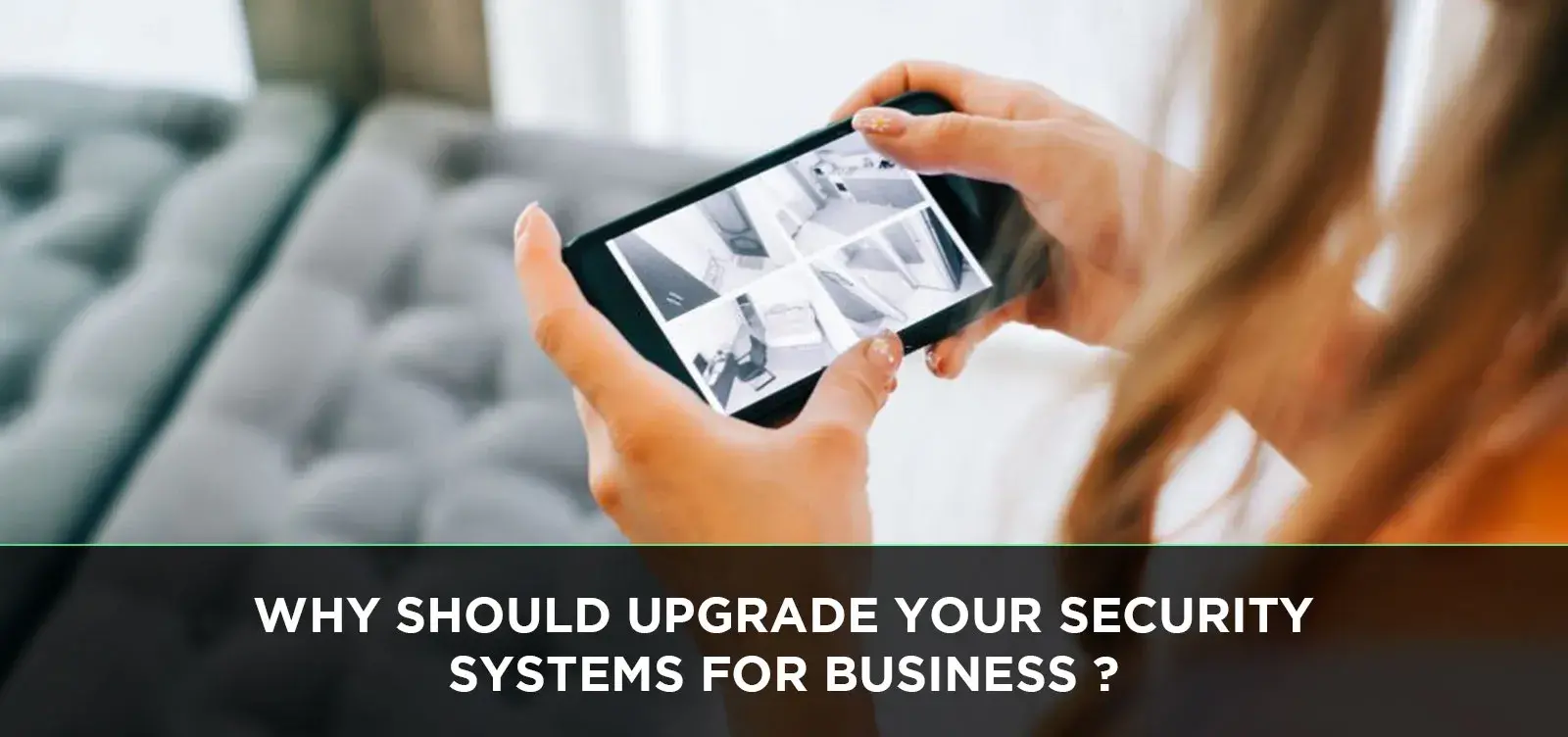
Upgrading your business security systems isn't just a prudent measure; it's a strategic imperative in today's evolving threat landscape. Protecting assets, data, and personnel from increasingly sophisticated risks ensures operational continuity and maintains stakeholder trust. This guide explores the compelling reasons why an upgrade is essential.
The Ever-Evolving Threat Landscape
The digital and physical worlds are increasingly intertwined, creating new vulnerabilities for businesses. In 2025 and 2026, the sophistication and frequency of security threats continue to escalate. Businesses that rely on outdated security systems are like fortresses with wooden doors in an age of siege engines. Understanding these evolving threats is the first step towards recognizing the necessity of an upgrade.
Physical Security Threats
While cyber threats often dominate headlines, physical security breaches remain a significant concern. These can range from petty theft and vandalism to more serious incidents like burglary, corporate espionage, and even workplace violence. The impact of a physical breach can be devastating, leading to loss of inventory, damage to property, disruption of operations, and potential harm to employees. In 2025, statistics from the Global Security Institute indicate that businesses experienced a 15% increase in reported physical security incidents compared to the previous year, with retail and logistics sectors being particularly hard-hit. This surge is attributed to a combination of economic pressures and opportunistic criminal activity.
Burglary and Vandalism
Simple break-ins and acts of vandalism can result in substantial financial losses. Beyond the cost of stolen goods or repairs, businesses face downtime and potential loss of customer confidence. Outdated alarm systems and inadequate surveillance might not deter determined intruders or provide clear evidence for law enforcement, prolonging recovery time.
Corporate Espionage and Intellectual Property Theft
In today's competitive market, intellectual property is a critical asset. Advanced physical security measures, including access control systems and discreet surveillance, are vital to prevent unauthorized access to sensitive areas where proprietary information might be stored or discussed. The rise of remote work has also blurred the lines between physical and digital security, making it harder to track who has access to what, both on-site and off-site.
Workplace Violence and Unauthorized Access
Ensuring the safety of employees is paramount. Modern security systems can incorporate features like panic buttons, real-time communication channels, and intelligent video analytics that can detect unusual behavior or unauthorized entry into restricted zones. The aftermath of a workplace violence incident, beyond the human tragedy, can involve extensive legal liabilities and severe reputational damage.
Cybersecurity Threats
Cyber threats are no longer confined to large corporations; small and medium-sized businesses (SMBs) are increasingly targeted. The attack vectors are constantly evolving, making legacy security solutions insufficient. As of early 2026, the average cost of a data breach for a business has risen by 10% year-over-year, reaching an estimated $4.5 million globally, according to IBM's Cost of a Data Breach Report. This highlights the immense financial risk associated with inadequate cybersecurity.
Ransomware and Malware Attacks
Ransomware attacks, where malicious software encrypts a victim's data and demands payment for its release, continue to be a pervasive threat. In 2025, new strains of ransomware are emerging with enhanced evasion techniques, targeting not just data but also operational technology (OT) systems. Businesses with unpatched systems or weak endpoint security are prime targets. The downtime caused by a successful ransomware attack can cripple operations for days or even weeks, leading to significant revenue loss.
Phishing and Social Engineering
Human error remains one of the weakest links in security. Phishing attacks, which trick individuals into revealing sensitive information or downloading malware, are becoming more sophisticated, often impersonating trusted entities. Social engineering tactics exploit psychological manipulation to gain unauthorized access. Upgraded security awareness training, coupled with advanced email filtering and multi-factor authentication (MFA), are crucial defenses.
Data Breaches and Insider Threats
The sheer volume of data businesses collect makes them attractive targets. A data breach can expose customer information, financial records, and proprietary data, leading to severe regulatory penalties and loss of trust. Insider threats, whether malicious or accidental, also pose a significant risk. Modern security systems can help monitor user activity, detect anomalous behavior, and enforce granular access controls to mitigate these risks.
Denial-of-Service (DoS) and Distributed Denial-of-Service (DDoS) Attacks
These attacks aim to disrupt online services by overwhelming servers with traffic. For businesses heavily reliant on their online presence, a successful DDoS attack can mean lost sales, reputational damage, and a complete halt in operations. Robust network security and specialized DDoS mitigation services are essential to maintain service availability.
The interconnectedness of these threats means that a weakness in one area can compromise another. For instance, a compromised physical access point could be used to install malware on a network, or a successful phishing attack could grant attackers remote access to critical systems.
Leveraging Technological Advancements
The security technology landscape is not static. Continuous innovation offers businesses more powerful and intelligent tools to combat threats. Upgrading allows you to move beyond basic perimeter defense to a more proactive, intelligent, and integrated security posture.
Smart Surveillance and Video Analytics
Modern CCTV systems are far more than just recording devices. They are increasingly equipped with artificial intelligence (AI) and machine learning capabilities that offer advanced features:
- Behavioral Analysis: Detects unusual activities like loitering, abandoned objects, or unauthorized entry into restricted areas in real-time.
- Facial Recognition: Enhances access control and can identify known threats or persons of interest.
- License Plate Recognition (LPR): Useful for managing vehicle access and security in parking lots and perimeters.
- Object Detection: Differentiates between people, vehicles, and other objects, reducing false alarms.
- Low-Light and Thermal Imaging: Provides clear footage in challenging lighting conditions or detects heat signatures for enhanced security.
These capabilities transform surveillance from a reactive tool into a proactive security measure, enabling faster response times and more accurate threat identification. For example, an AI-powered system can alert security personnel to a person attempting to force entry before a breach occurs, allowing for intervention.
Integrated Access Control Systems
Beyond traditional keycards, modern access control systems offer:
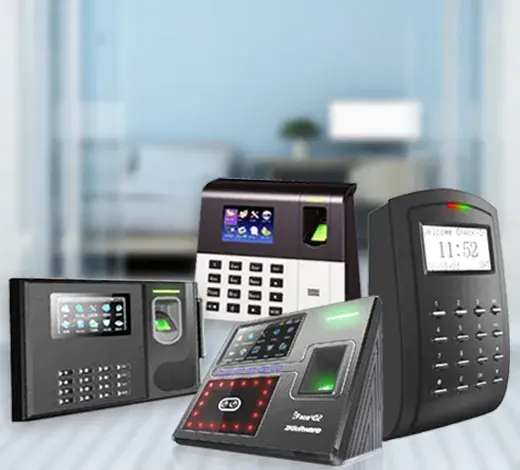
- Biometric Authentication: Fingerprint, iris, or facial recognition provides a higher level of security than traditional credentials.
- Mobile Credentials: Using smartphones as access keys offers convenience and enhanced management capabilities.
- Time-Based Access: Restricts access to specific areas during certain hours, crucial for sensitive environments.
- Real-Time Monitoring and Auditing: Provides a detailed log of who accessed what, when, and where, invaluable for investigations and compliance.
- Integration with Other Systems: Seamlessly links with video surveillance, alarm systems, and HR databases for a unified security approach.
An integrated system ensures that only authorized personnel can access specific zones, significantly reducing the risk of internal theft or unauthorized access to critical infrastructure.
Advanced Intrusion Detection and Alarm Systems
Newer alarm systems offer greater accuracy and fewer false alarms through:
- Dual-Technology Sensors: Combining motion detection with other sensors (e.g., glass break, infrared) to confirm an event before triggering an alarm.
- Smart Notifications: Real-time alerts sent directly to security personnel or authorities via mobile apps or dedicated channels.
- Remote Arming/Disarming and Monitoring: Allows authorized users to manage the system from anywhere.
- Integration with Video: Triggering video recording or live feeds when an alarm is activated, providing immediate visual context.
These advancements ensure that when an alarm is triggered, it's a genuine threat, allowing for a swift and appropriate response.
Cybersecurity Enhancements
The digital side of security is equally dynamic. Upgrading cybersecurity infrastructure is non-negotiable:
- Next-Generation Firewalls (NGFWs): Offer advanced threat prevention, intrusion detection and prevention (IDPS), and application control.
- Endpoint Detection and Response (EDR): Provides continuous monitoring of endpoints (laptops, servers) to detect and respond to advanced threats.
- Security Information and Event Management (SIEM) Systems: Aggregate and analyze security logs from various sources to identify potential threats and anomalies.
- Multi-Factor Authentication (MFA): Adds layers of security beyond passwords, significantly reducing the risk of account compromise.
- Zero Trust Architecture: A security model that assumes no user or device can be trusted by default, requiring strict verification for every access request.
- Cloud Security Solutions: Specialized tools to protect data and applications hosted in cloud environments.
Investing in these technologies creates a robust defense-in-depth strategy, making it much harder for cyber attackers to penetrate your systems.
IoT and Smart Building Integration
The Internet of Things (IoT) is transforming how businesses operate, and security systems are integrating with these smart technologies. This can include smart locks, environmental sensors, and connected lighting systems. When integrated securely, these can enhance safety by, for example, automatically locking down areas during an emergency or alerting personnel to environmental hazards. However, it's crucial to ensure these IoT devices themselves are secured, as they can become entry points for attackers if not properly managed.
The synergy between these advanced technologies is where the true power of an upgraded security system lies. An integrated system can correlate events across physical and digital domains, providing a holistic view of security and enabling more intelligent decision-making.
Navigating Compliance and Regulatory Requirements
In 2025 and 2026, the regulatory landscape for data protection and physical security is becoming increasingly stringent. Non-compliance can lead to hefty fines, legal battles, and severe reputational damage. Upgrading your security systems is often a necessary step to meet these evolving mandates.
Data Protection Regulations (e.g., GDPR, CCPA, HIPAA)
Regulations like the General Data Protection Regulation (GDPR), the California Consumer Privacy Act (CCPA), and the Health Insurance Portability and Accountability Act (HIPAA) impose strict requirements on how businesses collect, store, process, and protect personal and sensitive data.
- Data Encryption: Modern security systems often include robust encryption capabilities for data at rest and in transit, a key requirement for many data protection laws.
- Access Controls: Granular control over who can access sensitive data is essential. Upgraded systems allow for role-based access and detailed audit trails, demonstrating compliance with access management requirements.
- Breach Notification: In the event of a breach, timely notification to authorities and affected individuals is mandated. Effective security systems help detect and contain breaches quickly, minimizing their scope and impact, thereby facilitating compliance with notification timelines.
- Data Minimization and Retention: While not directly a security system feature, the ability to securely manage and purge data according to policy is aided by robust security protocols.
Fines for non-compliance can be substantial. For example, under GDPR, penalties can reach up to €20 million or 4% of global annual turnover, whichever is higher. Similarly, HIPAA violations can result in penalties of up to $1.5 million per violation category per year.
Industry-Specific Regulations
Many industries have their own specific security and compliance requirements. For instance:
- Financial Services: Regulations like PCI DSS (Payment Card Industry Data Security Standard) require stringent security measures for handling credit card data. This includes secure network infrastructure, access control, and regular vulnerability testing.
- Healthcare: Beyond HIPAA, healthcare organizations must ensure the physical security of patient records and medical equipment, as well as the cybersecurity of electronic health records (EHRs).
- Manufacturing: Protecting intellectual property, trade secrets, and operational technology (OT) from cyber and physical threats is crucial.
Upgraded security systems, particularly those with advanced access controls, robust auditing capabilities, and integrated cybersecurity features, are essential for meeting these diverse industry mandates.
Physical Security Standards
Beyond data, many regulations also touch upon physical security. For example, critical infrastructure facilities often have specific requirements for perimeter security, access control, and surveillance. Compliance with these standards is not just about avoiding penalties; it's about ensuring the resilience and continuity of essential services.
Demonstrating Due Diligence
In the event of a security incident, regulators and legal bodies will examine whether a business took reasonable steps to protect its assets and data. Having a modern, well-maintained, and appropriately configured security system is a key component of demonstrating due diligence. This can significantly mitigate liability and penalties.
Staying ahead of regulatory changes requires a proactive approach. Regularly reviewing your security systems against current and upcoming compliance requirements is vital. An upgrade ensures your business is not only protected but also legally sound.
Boosting Operational Efficiency and Reducing Costs
While the initial investment in upgrading security systems might seem significant, the long-term benefits often translate into substantial cost savings and improved operational efficiency. Modern systems are designed to be smarter, more automated, and easier to manage, reducing manual labor and minimizing costly disruptions.
Reducing Loss and Theft
The most direct cost saving comes from preventing losses due to theft, vandalism, and damage.
- Deterrence: Visible and advanced security measures act as a strong deterrent to potential criminals.
- Detection: Modern surveillance and intrusion detection systems can identify threats early, allowing for intervention before significant damage or loss occurs.
- Evidence Collection: High-quality video footage and audit logs provide crucial evidence for law enforcement and insurance claims, speeding up recovery processes.
According to a 2025 study by the National Retail Federation, businesses that invested in advanced surveillance and access control saw a 20% reduction in inventory shrinkage and a 12% decrease in insurance claims related to theft and damage.
Minimizing Downtime and Business Interruption
Security incidents, whether physical or cyber, can bring business operations to a standstill.
- Cybersecurity: Robust cybersecurity measures prevent costly ransomware attacks, data breaches, and service disruptions. The average cost of downtime due to a cyber-attack in 2025 was estimated at $250,000 per hour for critical infrastructure.
- Physical Security: Preventing unauthorized access or responding quickly to incidents like fires or floods (often integrated into broader security management) minimizes operational downtime.
A business that can quickly recover from or prevent an incident maintains productivity and revenue streams.
Automating Security Tasks
Modern security systems leverage automation to reduce the need for constant manual oversight.
- Automated Alerts: Systems can automatically notify relevant personnel of security events, rather than requiring constant monitoring of feeds.
- Smart Access Management: Automated provisioning and de-provisioning of access based on employee status (e.g., onboarding, termination) reduces administrative overhead and security risks.
- Video Analytics: AI-powered analytics can automatically flag suspicious activity, freeing up human security staff to focus on higher-level tasks.
This automation can lead to significant savings in labor costs and allow security personnel to focus on more strategic security initiatives.
Optimizing Resource Allocation
Integrated security systems provide valuable data that can inform better resource allocation.
- Predictive Analytics: Analyzing security data can help identify high-risk areas or times, allowing for the deployment of security personnel or resources where they are most needed.
- Remote Management: Many modern systems can be managed remotely, reducing the need for on-site security staff in all locations at all times.
For example, a retail chain could use data from its security system to determine which stores require more frequent patrols or better surveillance coverage.
Reduced Insurance Premiums
Demonstrating a commitment to robust security can lead to lower insurance premiums. Insurers view businesses with advanced security measures as lower risk, which can translate into significant long-term savings on policies covering theft, property damage, and cyber liability.
Streamlined Operations and Compliance
As discussed in the compliance section, modern security systems automate many of the logging and auditing functions required by regulations. This streamlines compliance efforts and reduces the administrative burden associated with manual record-keeping and reporting.
The shift from reactive to proactive and automated security is not just about enhanced protection; it's a smart business strategy that directly impacts the bottom line through reduced losses, minimized downtime, and optimized operational efficiency.
Safeguarding Reputation and Building Trust
In today's interconnected and transparent world, a business's reputation is one of its most valuable assets. Security breaches, whether physical or digital, can severely damage this reputation, leading to a loss of customer trust, decreased sales, and difficulty attracting and retaining talent.
Customer Confidence
Customers are increasingly aware of data privacy and security. When they entrust a business with their personal information, they expect it to be protected.
- Data Breaches: A public data breach can erode customer confidence overnight. News of compromised customer data can lead to customers taking their business elsewhere and actively warning others.
- Physical Security: For businesses with physical premises, visible security measures can reassure customers that their safety is a priority. Conversely, a poorly secured environment can make customers feel vulnerable.
A strong security posture, communicated effectively, can be a competitive differentiator, attracting customers who value privacy and safety.
Employee Safety and Morale
The safety and well-being of employees are paramount.
- Secure Workplace: Implementing advanced security systems, including access controls and surveillance in appropriate areas, ensures a safer working environment. This reduces the risk of workplace violence, theft, and harassment.
- Employee Trust: When employees feel secure, their morale and productivity tend to be higher. Conversely, a perceived lack of security can lead to anxiety and disengagement.
Investing in employee safety demonstrates that the company values its people, fostering a culture of trust and loyalty.
Partner and Investor Confidence
Business partners, suppliers, and investors scrutinize a company's operational resilience and risk management practices.
- Risk Mitigation: Robust security systems indicate that a business is proactively managing risks, making it a more stable and reliable partner or investment.
- Compliance: As discussed, adherence to regulations is crucial. Demonstrating compliance through effective security systems reassures stakeholders that the business operates responsibly.
A history of security incidents can deter potential investors and partners, while a strong security record can attract them.
Brand Image and Public Perception
A company's brand is built on trust and reliability.
- Proactive Security: Positioning your business as one that takes security seriously enhances its brand image. This can be communicated through marketing materials, company policies, and public statements.
- Crisis Management: The ability to effectively manage and recover from a security incident, facilitated by good security systems, can even strengthen a brand's resilience in the public eye.
Conversely, a significant security failure can lead to negative press and lasting damage to brand perception, making it difficult to recover.
Competitive Advantage
In many sectors, particularly those handling sensitive data or high-value goods, a superior security posture can be a significant competitive advantage. It signals professionalism, reliability, and a commitment to protecting stakeholder interests.
Ultimately, investing in security systems is an investment in your business's reputation and its ability to build and maintain trust with all stakeholders. In 2025-26, this trust is more critical than ever.
Future-Proofing Your Business
The business environment is constantly changing, driven by technological innovation, evolving market demands, and shifting regulatory landscapes. Investing in security systems that are adaptable and scalable is crucial for long-term success and resilience.
Scalability and Adaptability
As your business grows, your security needs will evolve.
- Modular Systems: Modern security systems are often designed with modularity in mind, allowing you to add new components or expand coverage as needed without a complete overhaul.
- Cloud-Based Solutions: Cloud-managed security systems offer inherent scalability, allowing you to adjust capacity and features based on demand.
- Integration Capabilities: Systems that can easily integrate with new technologies and platforms (e.g., IoT devices, AI analytics) ensure your security infrastructure remains relevant.
Choosing systems that can grow with your business prevents the need for costly replacements every few years.
Technological Obsolescence
Older security systems can quickly become obsolete, offering limited functionality and becoming difficult to maintain or repair.
- Regular Updates: Opting for systems with ongoing software updates and support ensures you benefit from the latest security patches and feature enhancements.
- Open Standards: Systems that adhere to open standards are generally more future-proof, as they are less likely to be tied to proprietary technologies that may be discontinued.
Investing in current technology with a clear upgrade path avoids the pitfalls of outdated and unsupported equipment.
Emerging Threats
The nature of threats is constantly evolving.
- AI and Machine Learning: Future security systems will increasingly rely on AI and machine learning for predictive threat detection, anomaly identification, and automated response. Investing in systems with these capabilities positions your business to combat novel threats.
- Quantum Computing: While still in its early stages, quantum computing poses a future threat to current encryption methods. Businesses should stay informed about quantum-resistant cryptography and consider its implications for long-term data security.
A forward-thinking approach to security means anticipating future challenges and adopting technologies that can adapt to them.
Resilience and Business Continuity
A robust security system is a cornerstone of business continuity planning.
- Redundancy: Ensuring critical security components have redundancy protects against single points of failure.
- Disaster Recovery: Integrated security systems can play a role in disaster recovery by facilitating quick assessment of damage, securing critical assets, and enabling remote access for essential personnel.
By investing in a future-proof security infrastructure, you build a more resilient business capable of withstanding unforeseen challenges.
Maintaining a Competitive Edge
Businesses that embrace advanced security technologies often gain a competitive advantage. They are perceived as more trustworthy, reliable, and technologically advanced. This can attract more customers, partners, and top talent.
Future-proofing your business through security upgrades is not just about protecting what you have today; it's about building a foundation for sustained growth and resilience in the face of an uncertain future.
Making the Upgrade: Key Considerations
Deciding to upgrade your business security systems is a significant step. To ensure a successful transition and maximize your return on investment, careful planning and consideration are essential. Here’s a breakdown of key factors to keep in mind:
1. Comprehensive Risk Assessment
Before investing in new systems, conduct a thorough assessment of your current security posture. Identify vulnerabilities, potential threats specific to your industry and location, and critical assets that need protection. This assessment should cover both physical and digital aspects.
2. Define Your Specific Needs
Based on your risk assessment, clearly define what you need your new security system to achieve. Are you primarily concerned with deterring theft, protecting sensitive data, ensuring employee safety, or meeting specific compliance requirements? Prioritize your needs to guide your selection process.
3. Budget Allocation
Determine a realistic budget for the upgrade. Consider not only the upfront hardware and software costs but also installation, training, ongoing maintenance, and potential subscription fees for cloud services or monitoring. Remember that the cheapest option is rarely the best in security.
4. Integration Capabilities
Look for systems that can integrate with your existing IT infrastructure and other security components. A unified security platform often provides better visibility, more efficient management, and enhanced threat detection capabilities compared to disparate systems.
5. Scalability and Future Growth
Choose systems that can scale with your business. Consider whether the solution can be easily expanded to cover new locations, accommodate more users, or integrate with future technologies as your business evolves.
6. Vendor Reputation and Support
Research potential vendors thoroughly. Look for companies with a proven track record, positive customer reviews, and strong technical support. Reliable ongoing support is crucial for maintaining the effectiveness of your security systems.
7. User-Friendliness and Training
The best security system is one that your team can use effectively. Consider the ease of use for day-to-day operations and ensure adequate training is provided to all relevant personnel. Complex systems that are not properly understood can become ineffective or even create new vulnerabilities.
8. Data Security and Privacy
If your chosen system involves cloud-based components or data storage, ensure the vendor adheres to strict data security and privacy standards. Understand how your data will be protected, where it will be stored, and who will have access to it.
9. Phased Implementation
For larger upgrades, consider a phased implementation approach. This can help manage costs, minimize disruption to operations, and allow your team to adapt to new systems gradually.
10. Regular Review and Updates
Security is an ongoing process. Once your new systems are in place, schedule regular reviews to assess their effectiveness, update software and firmware, and adapt your security strategy as new threats emerge.
By carefully considering these factors, businesses can make informed decisions that lead to a robust, effective, and future-ready security system.
Conclusion
The decision to upgrade your business security systems in 2025-26 is no longer a matter of if, but when and how. The escalating sophistication of physical and cyber threats, coupled with stringent regulatory demands, necessitates a proactive and modern approach. From safeguarding critical data and intellectual property to ensuring the safety of your employees and maintaining customer trust, a robust security infrastructure is fundamental to operational continuity and long-term success. Leveraging advancements in AI-driven surveillance, integrated access control, and advanced cybersecurity measures offers not only enhanced protection but also significant operational efficiencies and cost savings. By carefully assessing your needs, investing wisely, and adopting a forward-thinking strategy, you can future-proof your business against evolving risks and build a resilient foundation for growth. Don't wait for a breach to highlight your vulnerabilities; invest in comprehensive security today.