Wireless Security Cameras: Your Home's Ultimate Defense
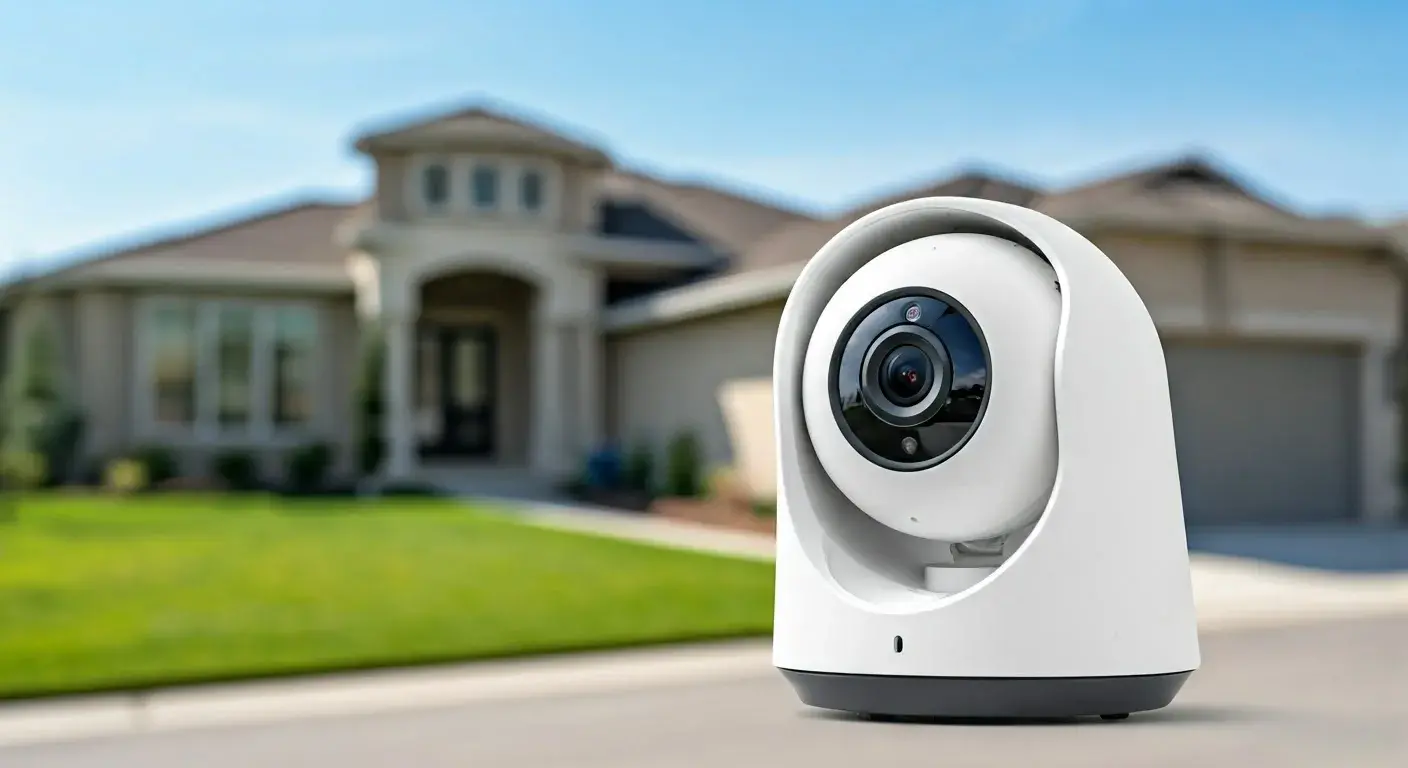
Fortify your sanctuary with cutting-edge wireless security cameras. Discover how these intelligent devices offer unparalleled peace of mind, providing robust surveillance and immediate alerts, making them your home's ultimate defense against modern threats.
Why Choose Wireless Security Cameras for Your Home?
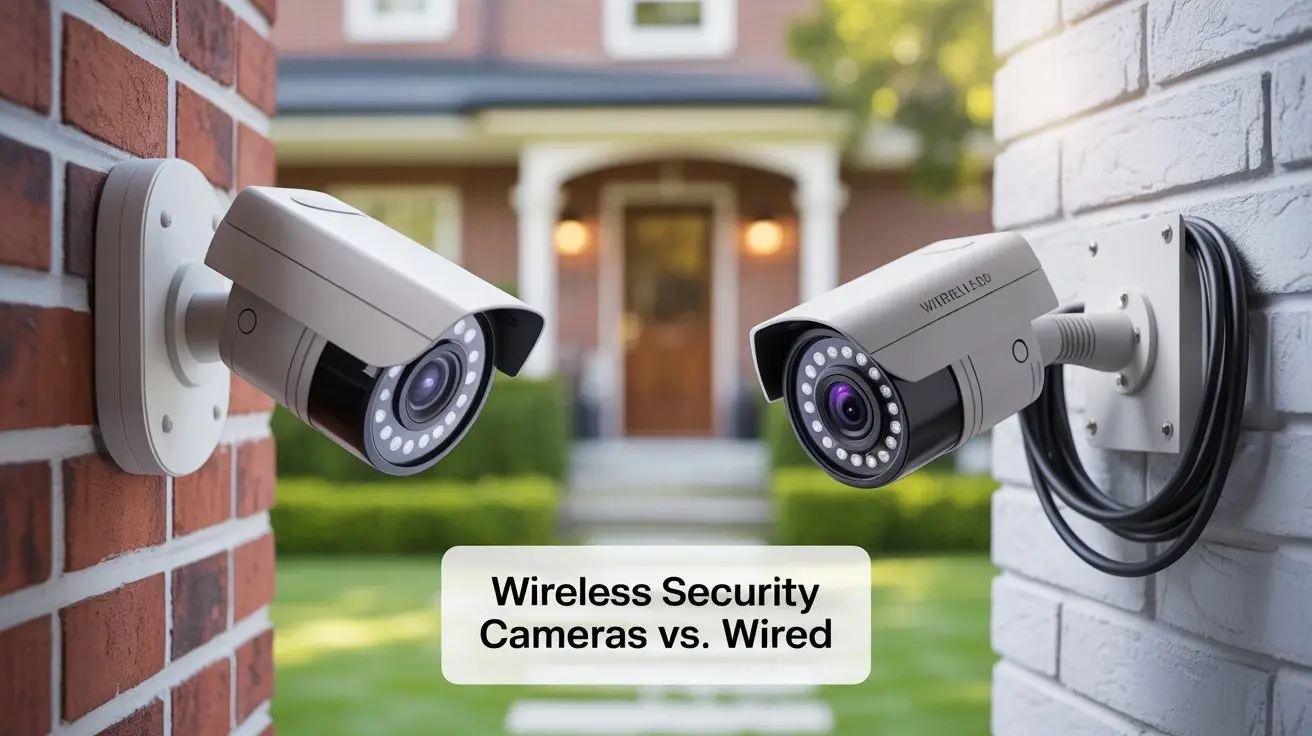
In an era where home security is paramount, the evolution of surveillance technology has brought forth increasingly sophisticated and accessible solutions. Among these, wireless security cameras stand out as a transformative force, offering homeowners a potent blend of convenience, flexibility, and robust protection. Unlike their wired counterparts, which often require complex and invasive installation, wireless cameras leverage Wi-Fi or other wireless protocols to transmit data, dramatically simplifying the setup process and expanding placement options. This inherent adaptability makes them an ideal choice for a wide range of homes, from apartments to sprawling estates. The ability to monitor your property remotely via smartphone or tablet provides an unprecedented level of control and peace of mind, allowing you to stay connected to your home no matter where you are. This is not just about deterring potential intruders; it's about creating a comprehensive safety net that encompasses everything from package deliveries to the well-being of family members and pets.
The market for home security is booming, with projections indicating continued strong growth. According to recent industry analyses for 2025-2026, the global smart home security market, which heavily features wireless camera systems, is expected to reach over $150 billion by 2027, with a compound annual growth rate (CAGR) of approximately 18%. This surge is driven by increasing consumer awareness of security needs, the declining cost of technology, and the growing adoption of smart home devices. Wireless security cameras are at the forefront of this expansion, offering an accessible entry point into advanced home protection. They empower individuals to take proactive steps in safeguarding their property, providing visual evidence and real-time alerts that can be crucial in both preventing and responding to security incidents. The shift towards wireless solutions reflects a broader trend in consumer electronics: the demand for user-friendly, interconnected, and intelligent devices that seamlessly integrate into daily life.
Key Benefits of Embracing Wireless Security Cameras
The advantages of opting for wireless security cameras are multifaceted and directly address the core needs of modern homeowners seeking enhanced security and convenience. These systems are designed to be intuitive, allowing individuals with varying levels of technical expertise to implement effective surveillance solutions. The primary draw is undoubtedly the ease of installation. Eliminating the need for extensive wiring means no drilling through walls, no unsightly cables, and significantly reduced labor costs, if professional installation is even considered. This flexibility extends to camera placement; you can position cameras in virtually any location that offers a clear view of the area you wish to monitor, including outdoor spaces, entry points, or even individual rooms, without being tethered to power outlets or network ports. Many wireless cameras are battery-powered or can be easily plugged into nearby standard outlets, offering unparalleled placement freedom.
Beyond the installation advantages, wireless security cameras offer remarkable scalability and adaptability. As your needs evolve or your property changes, you can easily add more cameras to your system or relocate existing ones. This modularity ensures that your security infrastructure can grow with you, providing a long-term solution rather than a one-time fix. Furthermore, the integration with cloud storage and mobile applications transforms passive surveillance into an active security management system. Real-time notifications for motion detection, two-way audio capabilities for communication, and remote viewing from anywhere in the world are standard features that empower homeowners with immediate awareness and control. This constant connectivity ensures that you are always informed about what's happening at your property, whether it's a delivery driver arriving or an unexpected visitor.
Addressing Modern Security Threats with Wireless Technology
The nature of security threats has evolved, and so too must our defenses. Wireless security cameras are at the vanguard of this evolution, offering proactive and reactive measures against a spectrum of modern risks. From opportunistic burglars to package thieves, and even for monitoring the safety of children and pets, these cameras provide a vigilant digital eye. The presence of visible security cameras alone can act as a powerful deterrent. Potential intruders are often discouraged by the knowledge that their actions are being recorded. When incidents do occur, the high-definition footage captured by these cameras serves as invaluable evidence for law enforcement, significantly increasing the chances of identifying and apprehending suspects. This evidentiary capability is a cornerstone of their role as an ultimate defense.
Moreover, the intelligent features embedded in many wireless camera systems, such as advanced motion detection with AI-powered person detection, significantly reduce false alarms. Instead of being bombarded with notifications for every passing car or swaying branch, you receive alerts only when a genuine human presence is detected. This intelligent filtering ensures that you are alerted to actual security events, allowing for a swift and appropriate response. For homeowners with elderly relatives or young children, the ability to check in remotely provides immense reassurance. Features like two-way audio allow for direct communication, enabling you to speak to a delivery person, comfort a pet, or even deter a suspicious individual from a distance. This layered approach, combining deterrence, detection, and communication, makes wireless security cameras an indispensable component of a comprehensive home defense strategy.
Understanding the Landscape: Types of Wireless Security Cameras
The market for wireless security cameras is diverse, offering a range of options tailored to specific needs and environments. Understanding these distinctions is crucial for selecting the system that best fits your home's unique requirements. Each type comes with its own set of advantages and considerations, impacting everything from installation and power sources to connectivity and features.
Indoor vs. Outdoor Cameras
The most fundamental distinction lies between indoor and outdoor wireless security cameras. Indoor cameras are designed for use within the home, focusing on monitoring living spaces, entryways, or specific rooms. They typically have a more discreet design and are not built to withstand harsh weather conditions. Their primary role is often to monitor activity within the home, keep an eye on pets, or ensure the safety of children and elderly family members. They connect to your home's Wi-Fi network and are usually powered by a standard electrical outlet.
Outdoor cameras, on the other hand, are engineered to endure the elements. They feature robust, weatherproof casings (often with IP ratings like IP65, IP66, or IP67) to protect against rain, snow, dust, and extreme temperatures. These cameras are vital for monitoring your property's perimeter, driveways, backyards, and entry points. Many outdoor wireless cameras also incorporate advanced features like infrared night vision for clear visibility in complete darkness, wide-angle lenses to cover larger areas, and sometimes even built-in spotlights or sirens to deter intruders. Powering outdoor cameras can be achieved through battery packs, solar panels, or by connecting to a nearby power source, offering flexibility in placement.
Battery-Powered vs. Plug-In Cameras
The power source is a significant differentiator in wireless camera technology. Battery-powered wireless cameras offer the ultimate in placement flexibility. They are ideal for locations where running a power cable is impractical or impossible, such as remote corners of a yard, temporary installations, or rental properties. Modern battery-powered cameras often feature energy-efficient designs and motion-activated recording to extend battery life, which can range from a few weeks to several months depending on usage and battery capacity. Rechargeable batteries are common, and some systems offer optional solar panels to keep batteries charged continuously, especially for outdoor installations.
Plug-in wireless cameras, while requiring access to a standard electrical outlet, offer continuous power, eliminating the need for battery recharging or replacement. This makes them a reliable choice for areas where consistent surveillance is critical, such as over a main entryway or in a busy living space. They are generally simpler to maintain as they don't require battery management. However, their placement is dictated by the proximity of power outlets, which can limit their flexibility compared to battery-operated models.
Wired Network Connection Options (for Wireless Transmission)
While we're discussing "wireless" cameras, it's important to clarify that "wireless" typically refers to the data transmission, not necessarily the power source. Some wireless cameras still require a wired network connection for initial setup or as a backup. These are often referred to as Wi-Fi cameras. They connect to your home's router wirelessly. However, there are also systems that use a base station or hub that connects to your router via an Ethernet cable, and then the cameras communicate wirelessly with this hub. This can sometimes provide a more stable connection, especially in homes with weaker Wi-Fi signals or many connected devices. For the purpose of this guide, we are focusing on cameras that transmit video data wirelessly over Wi-Fi or similar protocols to a network or cloud service.
Specialty Cameras
Beyond the general categories, there are specialty wireless cameras designed for specific purposes:
- Doorbell Cameras: These replace your existing doorbell and combine a camera, microphone, and speaker, allowing you to see, hear, and speak to visitors at your front door, even when you're not home.
- Floodlight Cameras: Outdoor cameras integrated with powerful LED floodlights. They offer illumination for security and motion-activated recording, providing both deterrence and clear night-time footage.
- PTZ (Pan-Tilt-Zoom) Cameras: These cameras can be remotely controlled to pan horizontally, tilt vertically, and zoom in on specific areas, offering a wider field of view and greater detail than fixed cameras.
- Wire-Free Cameras: A sub-category of battery-powered cameras that are completely wireless, meaning they don't even need to be plugged into a power source, relying solely on batteries.
Essential Features for Your Home's Ultimate Defense
Selecting the right wireless security camera system involves more than just choosing between indoor and outdoor models. A truly effective defense system is built upon a foundation of robust features that enhance surveillance capabilities, user experience, and overall effectiveness. When evaluating options for 2025-2026, prioritize these key functionalities to ensure your home is equipped with the ultimate defense.
Video Quality and Resolution
The clarity of the video feed is paramount. Modern wireless security cameras offer a range of resolutions, from standard HD (720p) to Full HD (1080p), and increasingly, 2K or even 4K ultra-high definition. Higher resolution means sharper images, allowing for better facial recognition, license plate identification, and overall detail capture. For 2025-2026, 1080p is considered the minimum acceptable standard for clear identification, while 2K and 4K offer superior detail, especially for outdoor surveillance where distance can be a factor. Look for cameras that also support HDR (High Dynamic Range) for better contrast and detail in challenging lighting conditions, such as bright sunlight or deep shadows.
Night Vision Capabilities
Criminal activity often occurs under the cover of darkness. Therefore, effective night vision is a non-negotiable feature. Most wireless security cameras utilize infrared (IR) LEDs to illuminate the scene in low-light or complete darkness, producing black-and-white images. The range of the IR LEDs (measured in feet or meters) is a critical specification. For outdoor use, a night vision range of 30-100 feet is generally sufficient for most residential properties. Some advanced cameras also feature color night vision, which uses ambient light sensors and sophisticated image processing to produce color images even at night, offering significantly better detail and recognition.
Motion Detection and Alerts
The ability to detect movement and alert you instantly is the core of proactive security. Basic motion detection systems can be triggered by any movement, leading to frequent false alarms. More advanced systems employ Passive Infrared (PIR) sensors, which detect heat signatures, or sophisticated AI-powered algorithms for person detection, vehicle detection, and even package detection. For 2025-2026, AI-powered person detection is a highly sought-after feature, as it significantly reduces nuisance alerts from pets, falling leaves, or passing cars. Customizable motion zones allow you to define specific areas within the camera's view where motion should be monitored, further refining alert accuracy. Alerts are typically delivered via push notifications to your smartphone or email.
Two-Way Audio
This feature transforms your security camera into an interactive communication tool. Two-way audio allows you to not only hear what's happening in the vicinity of the camera but also to speak through the camera's built-in speaker. This is incredibly useful for greeting visitors, instructing delivery personnel, scaring off potential intruders, or communicating with family members or pets. It adds a layer of engagement and control that passive surveillance cannot offer.
Storage Options: Cloud vs. Local
Where your video footage is stored is a critical consideration for accessibility, security, and cost.
- Cloud Storage: Most wireless camera systems offer cloud storage plans, where footage is uploaded and stored on remote servers. This provides easy access from any internet-connected device and protects footage from being lost if the camera or local storage is damaged or stolen. However, cloud storage usually requires a monthly subscription fee, with costs varying based on storage duration and the number of cameras.
- Local Storage: Some cameras support local storage via microSD cards inserted directly into the camera or through a Network Attached Storage (NAS) device. Local storage eliminates subscription fees but can be more vulnerable to theft or damage if the storage medium is compromised. It also requires manual retrieval of footage. Many systems offer a hybrid approach, allowing for both local and cloud storage.
Field of View (FOV)
The field of view refers to the extent of the area that the camera can capture. It's measured in degrees. A wider field of view (e.g., 130-180 degrees) allows a single camera to cover a larger area, reducing the number of cameras needed. However, extremely wide-angle lenses can sometimes cause distortion at the edges of the image. For most home applications, a FOV between 110 and 150 degrees offers a good balance between coverage and image quality.
Durability and Weatherproofing
For outdoor cameras, durability and weatherproofing are essential. Look for cameras with an IP (Ingress Protection) rating. An IP rating of IP65 or higher indicates that the camera is protected against dust and water jets, making it suitable for outdoor use in most climates. Consider the operating temperature range as well, especially if you live in an area with extreme heat or cold.
Connectivity and Range
Ensure the camera's wireless connectivity (usually Wi-Fi 802.11 b/g/n/ac) is compatible with your home network. The range of the Wi-Fi signal from your router to the camera's location is crucial. If you have a large property or areas with weak Wi-Fi, you might need a mesh Wi-Fi system or consider cameras that can connect to a dedicated base station for a more robust connection.
Power Source Flexibility
As discussed earlier, consider whether you prefer the convenience of battery-powered cameras (with potential recharging needs) or the continuous power of plug-in models. For outdoor cameras, solar panel compatibility can be a significant advantage for battery-powered units.
Seamless Integration: Installation and Setup Made Easy
One of the most significant advantages of wireless security cameras is their user-friendly installation process, making them accessible to homeowners without extensive technical expertise. The goal is to get your home protected quickly and efficiently, and modern systems are designed with this in mind. The days of complex wiring diagrams and professional installation are largely behind us for many wireless solutions.
The DIY Installation Process
For most wireless security cameras, the installation process can be broken down into a few simple steps:
- Unboxing and Charging (if applicable): Unpack your camera and any accessories. If it's a battery-powered camera, ensure the batteries are fully charged before proceeding.
- Downloading the App: Most wireless camera systems require a dedicated mobile app for setup, control, and viewing. Download the app from your smartphone's app store (iOS or Android) and create an account.
- Connecting to Wi-Fi: Follow the app's instructions to connect your camera to your home's Wi-Fi network. This usually involves scanning a QR code displayed on your phone with the camera, or manually entering your Wi-Fi credentials. Ensure your Wi-Fi password is correct and that your router is within range.
- Mounting the Camera: Decide on the optimal placement for your camera. For indoor cameras, this might simply mean placing them on a shelf or table. For outdoor cameras, most come with mounting brackets and screws. Mark the desired location, drill pilot holes if necessary, and securely attach the bracket. Mount the camera to the bracket. Ensure it's positioned to capture the desired view.
- Powering Up: Plug in the camera if it's a plug-in model, or ensure the battery is inserted and charged.
- Configuration and Testing: Once powered on, the camera should connect to your network. Use the app to name your camera, adjust settings like motion detection sensitivity, notification preferences, and view the live feed to ensure it's positioned correctly.
Optimizing Placement for Maximum Coverage
Strategic placement is key to maximizing the effectiveness of your wireless security cameras. Consider the following:
- Entry Points: Front doors, back doors, and ground-floor windows are prime targets for intruders. Position cameras to cover these areas comprehensively.
- Driveways and Garages: Monitor vehicle activity and potential break-ins.
- Vulnerable Areas: Any blind spots around your property, such as secluded corners or areas obscured by landscaping, should be considered.
- Height and Angle: Mount cameras high enough to deter tampering but low enough to capture clear facial details (typically 8-10 feet for outdoor cameras). Angle them downwards to capture faces effectively.
- Lighting Conditions: Consider how natural light affects the camera's view throughout the day. Avoid pointing cameras directly into the sun.
- Wi-Fi Signal Strength: Ensure the camera's location has a strong, stable Wi-Fi signal from your router. If the signal is weak, consider relocating the camera, upgrading your router, or using a Wi-Fi extender or mesh system.
Troubleshooting Common Issues
While generally straightforward, occasional issues can arise during setup or operation:
- Connection Problems: Ensure your Wi-Fi password is correct, your router is functioning, and the camera is within range. Restarting your router and camera can often resolve temporary glitches.
- False Alerts: Adjust motion detection sensitivity, define specific motion zones, or enable AI-powered person detection to reduce unnecessary notifications.
- Poor Video Quality: Check your Wi-Fi signal strength. Ensure the camera lens is clean. For night vision, ensure there isn't a direct light source overwhelming the sensor.
- Battery Drain: For battery-powered cameras, ensure you're not using features that consume excessive power (like continuous recording) or consider a solar panel accessory.
Many manufacturers offer comprehensive online support, FAQs, and customer service to assist with any setup or troubleshooting challenges, ensuring your system is up and running smoothly.
Beyond Basic Surveillance: Advanced Capabilities
Modern wireless security cameras are far more than just digital eyes; they are intelligent devices capable of sophisticated tasks that significantly enhance home security and convenience. By leveraging artificial intelligence, advanced connectivity, and integration with other smart home devices, these cameras offer a proactive and responsive defense system. Understanding these advanced capabilities can help you choose a system that truly provides the ultimate protection for your home.
Artificial Intelligence (AI) Features
AI is revolutionizing home security, making cameras smarter and more efficient. Key AI-driven features include:
- Person Detection: Distinguishes between humans and other moving objects (like pets or cars), sending alerts only when a person is detected. This drastically reduces false alarms and ensures you're notified of genuine security events.
- Facial Recognition: Some high-end systems can learn to recognize familiar faces (family members, friends) and alert you to unknown individuals. This can be useful for knowing when a trusted person arrives or for identifying strangers.
- Package Detection: Alerts you specifically when a package is delivered to your doorstep, helping to prevent porch piracy.
- Activity Zones: Allows you to define specific areas within the camera's view where motion detection should be active, ignoring activity elsewhere. This is particularly useful for outdoor cameras monitoring a large area.
Cloud Analytics and Event-Based Recording
Cloud platforms play a crucial role in processing and analyzing video data. Event-based recording means cameras only record when motion is detected or an event occurs, saving storage space and battery life. Cloud analytics can process this footage to identify specific events, provide summaries, and generate intelligent alerts. This allows for more efficient review of footage and quicker identification of critical moments. For 2025-2026, cloud services are becoming more sophisticated, offering features like searchable event timelines and automated video summaries.
Integration with Smart Home Ecosystems
The true power of modern security lies in its integration. Wireless security cameras can seamlessly connect with other smart home devices, creating a unified and automated defense system. This includes:
- Smart Assistants: Control cameras with voice commands via Amazon Alexa or Google Assistant (e.g., "Show me the front door camera").
- Smart Lights: Trigger smart lights to turn on when motion is detected by a camera, enhancing deterrence and visibility.
- Smart Locks: Integrate with smart locks to automatically unlock doors for recognized individuals or to trigger recordings when doors are accessed.
- Home Security Systems: Connect cameras to a broader smart home security panel for a comprehensive alarm and monitoring solution.
Advanced Connectivity Options
While Wi-Fi is the most common, some systems offer enhanced connectivity for greater reliability:
- Dual-Band Wi-Fi: Support for both 2.4GHz and 5GHz Wi-Fi bands can provide faster speeds and a more stable connection, especially in crowded wireless environments.
- Cellular Backup: For critical security, some systems offer cellular backup, ensuring that your cameras can still transmit data and alerts even if your home internet connection goes down. This is often part of professional monitoring services.
Remote Access and Control
The ability to monitor your home from anywhere in the world via a smartphone app is a standard but crucial feature. This includes:
- Live View: Access a real-time video stream from any camera.
- Recorded Footage: Review past recordings stored in the cloud or locally.
- Two-Way Audio: Communicate with people at your door or within the camera's view.
- Camera Settings: Adjust motion detection zones, notification preferences, and other camera settings remotely.
These advanced capabilities transform wireless security cameras from simple surveillance tools into intelligent guardians that actively protect your home and provide unparalleled peace of mind.
Making the Smart Choice: Selecting the Right Wireless Security Camera System
With a vast array of wireless security cameras available, making an informed decision can feel overwhelming. To ensure you select a system that provides your home's ultimate defense, it's essential to approach the selection process methodically, considering your specific needs, budget, and property characteristics. The right system will offer a balance of features, reliability, and ease of use.
Assess Your Security Needs
Begin by identifying what you want to protect and what threats you are most concerned about. Ask yourself:
- What areas need surveillance? (e.g., front door, backyard, garage, interior rooms)
- What are the primary security concerns? (e.g., package theft, burglary, monitoring children/pets, general peace of mind)
- What is the size and layout of your property? (This will influence the number of cameras and their range)
- What are the lighting conditions like, especially at night?
- What is your budget for initial purchase and ongoing subscriptions?
Comparing Popular Systems (2025-26 Landscape)
The market for wireless security cameras is competitive, with several leading brands offering robust solutions. When evaluating options for 2025-2026, consider these general categories and popular approaches:
| Feature/Brand Type | Key Strengths | Potential Considerations | Example Use Cases |
|---|---|---|---|
| All-in-One DIY Kits (e.g., Ring, Arlo, Wyze) | Easy setup, app-centric control, wide range of features, often affordable initial cost. | Subscription fees for full cloud storage and advanced AI features can add up. Wi-Fi reliance can be a bottleneck. | Apartments, small to medium homes, users prioritizing ease of use and app control. |
| Professional-Grade Systems (e.g., Eufy, Reolink - some models) | Often offer local storage options (NVR/DVR), higher resolution, more advanced customization, potentially better long-term value without mandatory subscriptions. | Setup can be slightly more involved than purely app-based systems. May require a base station or hub. | Larger homes, users prioritizing data privacy and avoiding monthly fees, tech-savvy individuals. |
| Specialty Cameras (e.g., Doorbell cameras, floodlight cameras) | Highly focused functionality, often integrated into existing fixtures, convenient for specific surveillance points. | May require separate systems for broader property coverage. | Securing the front entrance, illuminating and monitoring the backyard. |
Budgeting for Your System
When budgeting, consider both the upfront cost of the cameras and any potential ongoing expenses:
- Hardware Cost: This varies widely based on brand, features, and the number of cameras.
- Subscription Fees: Many systems require monthly or annual subscriptions for cloud storage, advanced AI features, and professional monitoring. Factor this into your long-term cost analysis.
- Accessories: Consider costs for additional batteries, solar panels, Wi-Fi extenders, or mounting hardware if not included.
Reading Reviews and Research
Before making a purchase, thoroughly research potential systems. Read reviews from reputable tech publications and user forums. Pay attention to:
- Reliability: How often do cameras go offline? Are there frequent connection issues?
- App Usability: Is the mobile app intuitive and easy to navigate?
- Customer Support: How responsive and helpful is the manufacturer's customer support?
- Video Quality: Does the actual footage match the advertised resolution? How is the night vision?
- Battery Life (for wireless models): Does it meet the manufacturer's claims in real-world usage?
By systematically assessing your needs, comparing available options, and conducting thorough research, you can confidently select a wireless security camera system that provides robust protection and peace of mind for your home.
The Connected Fortress: Integrating with Your Smart Home Ecosystem
In today's interconnected world, the true power of wireless security cameras is unlocked when they become an integral part of a broader smart home ecosystem. This integration transforms your home into a responsive, automated fortress, where devices work in concert to enhance security, convenience, and efficiency. By linking your security cameras with other smart devices, you create a synergistic system that offers more than the sum of its parts.
Voice Assistant Integration
Leveraging popular voice assistants like Amazon Alexa and Google Assistant allows for effortless control and monitoring of your security cameras. Simply by using your voice, you can:
- View Live Feeds: Say, "Alexa, show me the front door camera," or "Hey Google, display the backyard camera" to instantly bring up a live stream on compatible smart displays or TVs.
- Arm/Disarm Systems: Some integrated systems allow you to arm or disarm your security cameras or the entire smart home security system with a voice command, provided you have set up a voice PIN for security.
- Receive Alerts: Get spoken notifications about detected events, such as motion or a person at the door.
Automating Security Routines
The real magic of smart home integration lies in creating automated routines and scenes. These pre-programmed sequences of actions can be triggered by specific events detected by your security cameras or by your daily schedule. For example:
- "Away" Mode: When you leave home, a single command or geofencing trigger can activate your security cameras, turn on motion detection alerts, arm your smart alarm system, and turn off unnecessary lights.
- Motion-Triggered Lighting: If an outdoor camera detects motion after dark, it can trigger your smart floodlights or porch lights to turn on, illuminating the area and deterring potential intruders.
- Welcome Home Scenes: As you approach your home, your doorbell camera might detect your arrival, triggering your smart lights to turn on and your smart thermostat to adjust to your preferred temperature.
- Package Delivery Alerts: When your doorbell camera detects a package being delivered and then left for a certain period, it can send you an alert and trigger a notification to remind you to retrieve it.
Interoperability Standards and Platforms
For seamless integration, it's important to consider interoperability. Several platforms and standards facilitate communication between different smart home devices:
- Works with Alexa / Google Assistant: Devices certified to work with these platforms are generally easy to integrate.
- Apple HomeKit: Offers robust security and privacy features, allowing Apple users to control compatible devices through the Home app and Siri.
- IFTTT (If This Then That): A powerful web-based service that allows you to create custom applets (automations) connecting various apps and devices, including security cameras, lights, and sensors.
- Matter: A new industry standard designed to improve interoperability between smart home devices from different manufacturers. As Matter adoption grows in 2025-26, expect even more seamless integration across brands.
Enhanced Deterrence and Response
By integrating your cameras with other devices, you can significantly enhance your home's deterrent capabilities and speed up your response to security events:
- Audible Alarms: When a camera detects an intruder, it can trigger a loud siren or smart speaker to sound an alarm, startling the intruder and alerting neighbors.
- Visual Deterrents: Integrated floodlights or even smart signs can be activated to make your property less appealing to criminals.
- Automated Notifications: Beyond simple alerts, integration can trigger more complex notification chains, such as sending an alert to a trusted neighbor or family member.
Building a connected fortress requires thoughtful planning, but the rewards are substantial: a more secure, convenient, and intelligent living environment. Wireless security cameras are the cornerstone of this connected defense, providing the visual intelligence that powers these sophisticated automations.
Navigating the Nuances: Legal and Privacy Considerations
While the benefits of wireless security cameras are clear, it's crucial to be aware of the legal and privacy implications associated with their use. Responsible deployment ensures compliance with regulations, respects the privacy of others, and maintains trust within your community. Understanding these aspects is as important as selecting the right technology for your home's ultimate defense.
Recording Laws and Consent
Laws regarding audio and video recording vary significantly by jurisdiction (state, country, and sometimes even local ordinances). Key considerations include:
- Two-Party Consent States (Audio): In some regions, it is illegal to record audio conversations without the consent of all parties involved. This is particularly relevant for cameras with two-way audio features. Ensure you are aware of your local laws regarding audio recording.
- Video Recording: Generally, recording video on your own private property is permissible. However, you must avoid recording areas where individuals have a reasonable expectation of privacy, such as a neighbor's windows or private yards.
- Public Areas: Be mindful of recording public sidewalks or streets. While incidental capture is often tolerated, overt surveillance of public spaces can raise legal and privacy concerns.
- Employee/Guest Notification: If you operate a business from home or have employees, you are typically required to inform them that they are being recorded. Similarly, it's good practice to inform guests that security cameras are in use.
Data Security and Privacy
Wireless cameras transmit data over networks, making data security a paramount concern. Manufacturers have a responsibility to secure their platforms, but homeowners also play a role:
- Strong Passwords: Always use strong, unique passwords for your camera system, your Wi-Fi network, and any associated cloud accounts. Avoid default passwords.
- Two-Factor Authentication (2FA): Enable 2FA whenever available for an extra layer of security on your accounts.
- Firmware Updates: Regularly update your camera's firmware and your router's firmware. These updates often include critical security patches that protect against vulnerabilities.
- Network Security: Secure your home Wi-Fi network with WPA2 or WPA3 encryption. Consider using a separate guest network for your smart devices if your router supports it.
- Cloud Security: Understand the manufacturer's data privacy policy. Where is your data stored? Who has access to it? How is it protected?
Neighborly Relations and Ethical Considerations
While protecting your own property, it's essential to maintain good relationships with your neighbors and consider ethical implications:
- Respect Boundaries: Ensure your cameras are pointed towards your property and do not intrude on your neighbors' privacy. Avoid aiming cameras directly into their windows, backyards, or private living spaces.
- Communicate: If your cameras have a wide field of view that might inadvertently capture a portion of a neighbor's property, it's courteous to inform them.
- Avoid Misuse: Never use your security cameras for voyeuristic purposes or to harass others.
Reporting Incidents and Evidence
If a security incident occurs, the footage from your cameras can be invaluable evidence. However, it's important to handle this correctly:
- Preserve Footage: If you believe you have captured evidence of a crime, secure and preserve the relevant footage immediately. Download it from the cloud or copy it from local storage.
- Contact Law Enforcement: Report any crimes to the police. They will guide you on how to provide the recorded evidence.
- Legal Counsel: In complex situations, especially those involving disputes or potential legal action, consult with legal counsel regarding the use and submission of video evidence.
By being mindful of these legal and privacy considerations, you can deploy your wireless security cameras responsibly, ensuring they serve as an effective and ethical component of your home's ultimate defense.
The Evolving Frontier: The Future of Wireless Home Security
The landscape of home security is in constant flux, driven by rapid technological advancements and evolving consumer expectations. Wireless security cameras are at the forefront of this evolution, promising even more intelligent, integrated, and proactive defense systems for the future. As we look ahead to 2025-2026 and beyond, several key trends are shaping the next generation of home security.
Enhanced AI and Predictive Analytics
The integration of Artificial Intelligence will continue to deepen. Beyond simple person detection, future cameras will likely employ more sophisticated AI for predictive analytics. This could involve identifying patterns of suspicious behavior before a crime occurs, analyzing environmental factors that might indicate a risk, or even predicting potential system failures before they happen. Imagine cameras that can differentiate between a casual passerby and someone loitering with intent, or systems that can analyze unusual sound patterns to alert you to potential dangers like breaking glass or smoke alarms.
Seamless 5G and IoT Connectivity
The rollout of 5G networks promises significantly faster speeds, lower latency, and greater capacity for connected devices. This will enable higher-resolution video streaming, more responsive remote control, and a more robust connection for a greater number of IoT devices. Future wireless cameras will leverage this enhanced connectivity for real-time, high-definition video analysis and instantaneous communication with other smart home devices. The Internet of Things (IoT) will continue to expand, with cameras becoming even more interconnected with smart locks, sensors, drones, and even autonomous vehicles, creating a truly integrated smart home environment.
Advancements in Power and Battery Technology
Battery life and power efficiency remain key areas for improvement. Future wireless cameras may see breakthroughs in battery technology, offering months or even years of operation on a single charge. Furthermore, advancements in energy harvesting, such as more efficient solar panels and potentially even kinetic energy capture, could lead to cameras that are virtually self-sustaining, further enhancing their placement flexibility and reducing maintenance.
Privacy-Preserving Technologies
As concerns about data privacy grow, manufacturers will increasingly focus on privacy-preserving technologies. This could include on-device AI processing (edge computing) where sensitive data is analyzed locally without being sent to the cloud, end-to-end encryption for all data transmissions, and user-controlled data management features that give individuals greater control over their personal information. Solutions that offer robust security without compromising privacy will be highly sought after.
Drone and Robot Integration
While still in its nascent stages for widespread residential use, the integration of security cameras with autonomous drones or robots is a potential future development. Imagine a system that, upon detecting a perimeter breach, dispatches a drone to provide aerial surveillance or a mobile robot to investigate the source of the alert. This would offer a dynamic and comprehensive approach to property monitoring.
Personalized and Proactive Security
The future of home security is moving towards a more personalized and proactive model. Instead of simply reacting to events, systems will learn your routines, preferences, and the typical activity around your home. This allows them to identify anomalies more effectively and provide tailored security recommendations or take preventative actions. The goal is to create a security system that is not only a defense but also an intelligent guardian that anticipates and mitigates risks before they become threats.
The evolution of wireless security cameras is a testament to innovation in technology. These devices are poised to become even more sophisticated, seamlessly integrated, and essential components of our homes, offering unparalleled peace of mind and transforming how we protect what matters most.
In conclusion, wireless security cameras have evolved from simple surveillance tools into indispensable components of modern home defense. Their ease of installation, flexibility, and advanced features like AI-powered detection, two-way audio, and seamless smart home integration offer unparalleled peace of mind. By understanding the different types of cameras, prioritizing essential features, and considering legal and privacy aspects, homeowners can select a system that provides robust protection. The future promises even more intelligent and integrated solutions, making wireless security cameras your home's ultimate, evolving defense. Invest wisely today to secure your sanctuary for years to come.