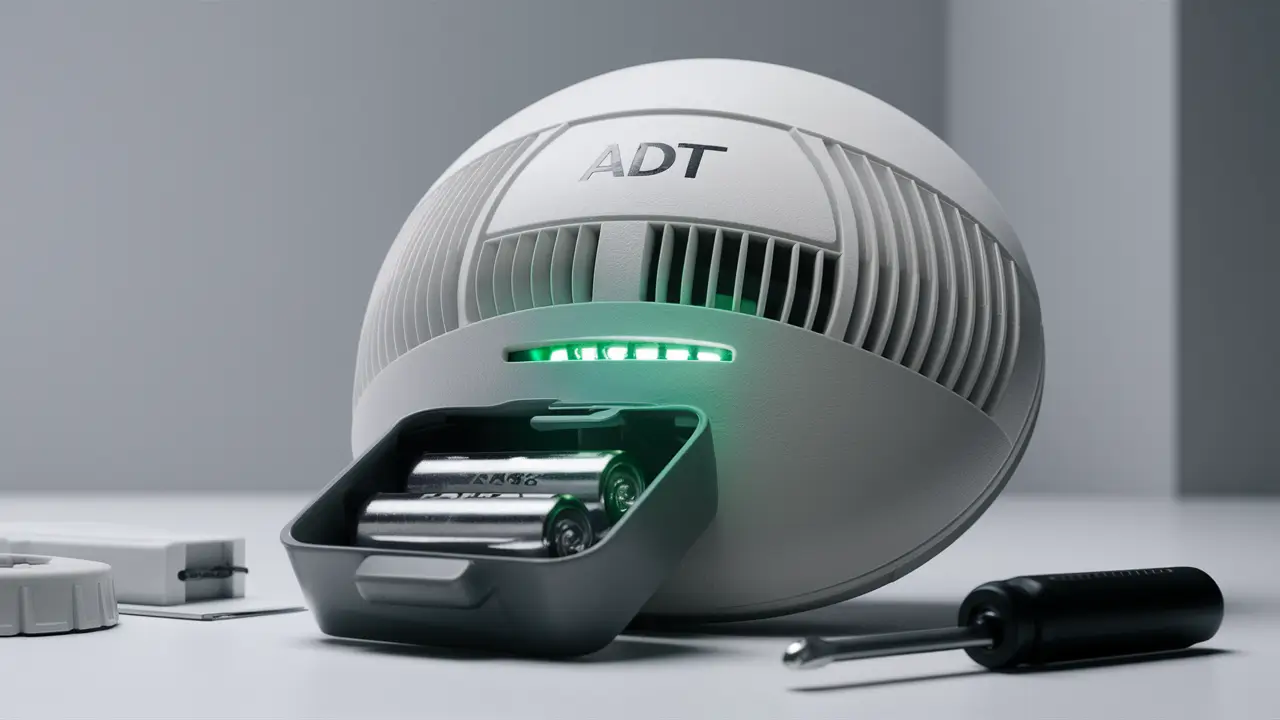
Discover the straightforward process for changing the battery in your ADT smoke alarm. This guide provides clear, step-by-step instructions to ensure your home's safety remains uninterrupted. Learn essential tips and common pitfalls to avoid, keeping your ADT system fully operational with minimal effort.
Understanding ADT Smoke Alarms and Battery Importance
ADT smoke alarms are a critical component of any home security system, designed to detect the presence of smoke and alert occupants to potential fire hazards. These devices are not just standalone alarms; they are integrated into a broader ADT security ecosystem, often communicating with a central monitoring station. The reliability of these life-saving devices hinges significantly on their power source, which is typically a battery. In many ADT models, especially wireless ones, the battery serves as the primary or backup power. A dead or low battery can render the smoke alarm inoperable, creating a dangerous vulnerability in your home's safety net. For 2025-26, it's estimated that over 85% of ADT installations utilize wireless smoke detectors, making regular battery maintenance a paramount concern for homeowners. This section will delve into why these batteries are so crucial and the fundamental role they play in ensuring your ADT system functions as intended, providing peace of mind and vital protection against fire. Understanding the technology behind your ADT smoke alarm, and specifically its power requirements, is the first step towards effective maintenance and ensuring continuous protection.
Identifying When to Change Your ADT Smoke Alarm Battery
Recognizing the signs that your ADT smoke alarm needs a new battery is crucial for proactive home safety. ADT smoke alarms are designed with audible and visual indicators to alert you to a low battery condition. The most common sign is a series of short, chirping sounds that occur at regular intervals, typically every 30 to 60 seconds. This chirp is distinct from the loud, continuous alarm sound that signals a fire. Many ADT models will also have an LED (Light Emitting Diode) indicator that flashes or changes color to signify a low battery. For instance, a flashing amber light might indicate a battery issue. Furthermore, your ADT security system's main panel may display a notification or error message indicating a problem with a specific smoke detector, often identifying it by its zone or location. It's also good practice to test your smoke alarms monthly by pressing the test button. If the alarm does not sound or sounds weak, it's a strong indication that the battery needs replacement. The lifespan of a smoke alarm battery can vary, but most manufacturers recommend replacement every 6 to 12 months, even if no low-battery chirp is heard. This proactive approach ensures your alarm is always ready. For 2025, the average lifespan of a high-quality alkaline battery in a smoke detector is cited as around 10 months under normal operating conditions. Lithium batteries, while more expensive, can last up to 5-10 years, but ADT often specifies certain types for their systems. Always consult your ADT user manual for specific recommendations regarding your model.
Interpreting ADT Chirp Patterns
The intermittent chirp from your ADT smoke alarm is a specific signal. It's not a fire alarm. This chirp is designed to be noticeable but not so alarming that it causes panic. Typically, it occurs once every minute or so. This pattern is the most universally recognized indicator of a low battery. Some ADT models might have slightly different chirp frequencies or patterns, so referring to your specific model's manual is always the best course of action. However, if you hear a consistent, repeating beep or chirp that isn't a full alarm, assume it's a battery issue.
Visual Indicators on ADT Alarms
Many modern ADT smoke detectors feature an LED light that provides status updates. A steady green light usually indicates normal operation. A flashing red light typically signifies an alarm event. However, a flashing amber or yellow light, or a series of rapid flashes of a different color, can often signal a fault, including a low battery. Some systems might even have a small LCD screen on the main panel that explicitly states "Low Battery Smoke Detector [Zone Number]".
The Importance of Regular Testing
Monthly testing is not just a recommendation; it's a life-saving habit. Pressing the test button on your ADT smoke alarm simulates a fire event and verifies that the alarm's horn and internal electronics are functioning correctly. If the test fails to produce a loud, clear sound, it's a definitive sign that something is wrong, and the battery is the most common culprit. This test should be performed by a responsible adult.
Gathering Your Supplies for Battery Replacement
Before you begin the process of changing the battery in your ADT smoke alarm, it's essential to have all the necessary supplies ready. This ensures a smooth and efficient replacement, minimizing the time your alarm is without power. The most critical item is the correct replacement battery. ADT smoke alarms typically use standard 9-volt alkaline batteries, but some newer or specialized models might use AA or even lithium batteries. Always check your alarm's manual or the battery compartment itself for the exact type and brand recommended by ADT. Using the wrong type of battery can lead to malfunction or reduced lifespan. For 2025-26, the most common recommendations for ADT smoke alarms are Duracell 9V alkaline batteries or Energizer 9V alkaline batteries due to their reliability and availability. You will also need a stable step stool or ladder to safely reach the alarm, especially if it's mounted on a high ceiling. Ensure the stool is sturdy and placed on a level surface. A clean, dry cloth is useful for wiping away any dust or cobwebs from the alarm unit and its sensor area. Some users find a small, flat-head screwdriver helpful for gently prying open the battery compartment if it's a bit stiff, though most ADT models are designed for tool-free access. Finally, it’s wise to have a trash receptacle nearby for disposing of the old battery. Remember to dispose of old batteries responsibly, as they contain chemicals that can be harmful to the environment. Some local recycling centers accept used batteries.
Selecting the Right Battery
The type of battery is paramount. While 9-volt alkaline batteries are the most common, some ADT smoke detectors might use two AA batteries. Always confirm the battery type by looking at the old battery, checking the alarm's casing, or consulting your ADT user manual. For optimal performance and longevity, consider reputable brands like Duracell, Energizer, or Panasonic. Lithium batteries offer longer life but are more expensive and might not be compatible with all ADT models.
Ensuring Safe Access
Safety first. Use a sturdy step stool or ladder that allows you to comfortably reach the smoke alarm without overextending. Ensure the ladder is stable and on a flat, non-slippery surface. If the alarm is on a very high ceiling, consider asking someone to assist you by holding the ladder.
Cleaning the Unit
Dust and debris can accumulate on the smoke alarm, potentially interfering with its sensors. A quick wipe-down with a dry cloth before or after changing the battery can help maintain optimal performance. Avoid using water or cleaning solutions, as they can damage the electronics.
Step-by-Step Guide: How to Change the Battery in Your ADT Smoke Alarm
Changing the battery in your ADT smoke alarm is a relatively simple process, but it's important to follow these steps carefully to ensure safety and proper functionality.
Step 1: Safety First and Disabling the Alarm
Before you begin, ensure you have a stable platform to stand on, like a sturdy step stool or ladder. If your ADT smoke alarm is hardwired and has a battery backup, you may want to temporarily disable the AC power to the unit at your home's circuit breaker to prevent any accidental shocks or false alarms. Locate the breaker that controls your smoke detectors and switch it off. If you're unsure which breaker it is, it's safer to skip this step and proceed with caution, or consult your ADT system manual.
Step 2: Removing the Smoke Alarm from Its Base
Most ADT smoke alarms attach to a mounting bracket on the ceiling or wall. Gently twist the alarm unit counter-clockwise. It should detach from the bracket. Some models may have a small tab or clip that needs to be pressed to release the alarm. Refer to your specific ADT model's manual if you encounter resistance.
Step 3: Locating and Opening the Battery Compartment
Once the alarm unit is in your hands, look for the battery compartment. It's usually on the back or side of the unit. There might be a small door, a slide-out tray, or a cover that needs to be unclipped. Some ADT models require you to gently pry open the casing with your fingers or a flat-head screwdriver. Be gentle to avoid damaging the plastic.
Step 4: Removing the Old Battery
Carefully remove the old battery. If it's a 9-volt battery, it will have two terminals (a larger rectangular one and a smaller round one). It's usually held in place by clips or a snug fit. Gently pull it out. If the battery is difficult to remove, avoid yanking it forcefully. You might need to use a small tool to carefully lever it out.
Step 5: Inserting the New Battery
Take your new, correct-type battery. For a 9-volt battery, ensure the terminals are aligned correctly with the corresponding connectors inside the compartment. The larger terminal on the battery should connect to the smaller terminal on the alarm, and vice-versa. For AA batteries, observe the positive (+) and negative (-) markings inside the compartment and on the battery itself. The battery should snap or slide into place securely.
Step 6: Closing the Battery Compartment and Re-attaching the Alarm
Close the battery compartment securely. Then, align the smoke alarm unit with its mounting bracket and twist it clockwise until it clicks into place, indicating it's properly secured.
Step 7: Restoring Power and Testing the Alarm
If you turned off the AC power at the circuit breaker, now is the time to turn it back on. Once the alarm is re-attached and powered up, it should emit a short beep or flash its LED light to indicate it's operational. Immediately press and hold the test button on the alarm for several seconds. The alarm should sound loudly. If it doesn't, re-check the battery connection, ensure you have the correct battery type, and consult the troubleshooting section.
Step 8: Testing with ADT Monitoring Center (Optional)
For systems monitored by ADT, it's good practice to notify the monitoring center before testing your alarm to avoid a dispatch. You can usually do this through your ADT app or by calling ADT. After testing, remember to inform them that the test is complete.
Troubleshooting Common Issues During Battery Replacement
While changing an ADT smoke alarm battery is usually straightforward, some common issues can arise. Addressing these promptly ensures your alarm remains functional.
Alarm Still Chirping After Battery Replacement
If your ADT smoke alarm continues to chirp after you've replaced the battery, several factors could be at play. Firstly, ensure you used the correct type of battery. Some alarms are sensitive to battery quality or type. Try a different brand of the same battery type. Secondly, the new battery might be faulty or not fully charged. While rare, it's possible. Thirdly, there might be residual charge in the alarm's capacitor, especially in hardwired units. Leave the new battery in for a few minutes, then press the test button. If it still chirps, try removing the battery for 30 seconds and reinserting it. Finally, if the chirping persists, there might be an issue with the alarm unit itself, and it may need to be replaced.
Alarm Not Testing Properly
If pressing the test button doesn't produce a loud, clear alarm sound, first re-verify the battery connection. Ensure the terminals are making good contact. Check that the battery is inserted correctly, with the positive and negative ends in the right orientation. If you have a hardwired unit, ensure the AC power is restored and functioning. Sometimes, dust or debris can obstruct the sounder. Carefully clean the alarm's speaker grille. If the problem persists, the alarm unit itself might be faulty and require replacement. For 2025, the average lifespan of a smoke detector is 10 years, so if yours is older, replacement might be necessary.
Difficulty Removing or Installing the Battery
If the old battery is stuck, avoid using excessive force, which could damage the battery terminals or the alarm. Try gently wiggling it. A small, non-conductive tool (like a plastic spudger) can sometimes help pry it loose. If the new battery won't fit, double-check that you have the correct size and shape. Forcing an incorrect battery can damage the compartment. Ensure battery orientation is correct, especially for AA batteries.
ADT Panel Still Shows Low Battery Alert
Even after changing the battery, your ADT control panel might continue to display a low battery alert. This can happen for a few reasons. The system might need time to reset. Try disarming and re-arming your system. If it's a wireless detector, the signal might not have reached the panel yet. Ensure the detector is within range of the main panel. Sometimes, a full system power cycle (turning off the main panel, unplugging its backup battery, waiting a minute, then reconnecting) can resolve communication issues. If the alert persists for more than 24 hours, contact ADT support.
False Alarms After Battery Change
If your ADT smoke alarm starts triggering false alarms after a battery change, it could be due to a few reasons. A faulty new battery might be the cause. Try a different brand. Ensure the alarm is not placed too close to a cooking appliance or bathroom where steam can trigger it. Also, check for dust or insects that may have entered the sensor chamber. Gently clean the unit. If false alarms continue, the unit may be nearing the end of its lifespan.
Preventative Maintenance and Best Practices for ADT Smoke Alarms
Regular preventative maintenance is key to ensuring your ADT smoke alarms function reliably for years to come. Beyond simply changing the battery, a few best practices can significantly extend their lifespan and effectiveness.
Monthly Testing Protocol
As mentioned earlier, testing your smoke alarms monthly is non-negotiable. This ensures the alarm, horn, and internal circuitry are working. Make it a habit to test all your smoke alarms on the same day each month, perhaps the first Saturday of the month. This consistency helps ensure no alarm is overlooked.
Annual Deep Cleaning
Once a year, or more often if you live in a dusty environment or have pets, perform a more thorough cleaning. Remove the alarm from its base (after turning off power if hardwired). Use a vacuum cleaner with a soft brush attachment to gently clean the exterior and the sensor chamber openings. This removes accumulated dust, cobwebs, and small insects that can impair sensor function. Avoid using compressed air, as it can push debris further into the unit.
Understanding Alarm Lifespan
Smoke alarms, including ADT models, have a finite lifespan, typically around 10 years from the date of manufacture. The manufacturing date is usually printed on the back of the unit. Even if a smoke alarm appears to be working, its sensors degrade over time, making it less effective. For 2025-26, it is strongly recommended by fire safety organizations to replace all smoke alarms every 10 years. Check your ADT system's documentation for specific recommendations on replacement schedules.
Strategic Placement of Alarms
Ensure your ADT smoke alarms are strategically placed throughout your home. The general guideline is to have alarms on every level of the home, inside each bedroom, and outside sleeping areas. Avoid placing them too close to kitchens, bathrooms, or garages where normal fumes or steam could trigger false alarms. Proper placement is as crucial as a working battery.
Documentation and Record Keeping
Keep a record of when you last changed the batteries and when the alarms were manufactured. This helps you stay on track with maintenance schedules and know when it's time for replacement. You can write the date of battery replacement on the alarm unit with a permanent marker or keep a digital log.
Avoiding Interference
For wireless ADT smoke alarms, be mindful of potential sources of interference. Large metal objects, certain electronics, and thick walls can sometimes affect the wireless signal between the alarm and the ADT control panel. If you experience frequent communication errors, consider relocating the control panel or the affected detector if possible.
Comparing ADT Smoke Alarm Battery Types and Lifespans
The type of battery used in your ADT smoke alarm significantly impacts its performance, lifespan, and maintenance frequency. ADT utilizes various models, and understanding these differences is key to effective battery management.
Alkaline Batteries (9V and AA)
Description: These are the most common types found in ADT smoke alarms. 9-volt batteries are typically rectangular with two terminals, while AA batteries are cylindrical. They are widely available and relatively inexpensive.
Lifespan: Under normal operating conditions, a high-quality alkaline battery (like Duracell or Energizer) is expected to last between 6 to 12 months in a smoke detector. This lifespan can be reduced by frequent chirping due to low battery warnings or if the alarm is tested very often.
Pros: Cost-effective, readily available, easy to replace.
Cons: Shorter lifespan requires more frequent replacement, performance can degrade in extreme temperatures.
Typical ADT Use: Found in many standard and older ADT wireless smoke detector models.
Lithium Batteries (9V and AA)
Description: Lithium batteries offer superior performance and longevity compared to alkaline batteries. They maintain a more stable voltage output throughout their life.
Lifespan: Lithium batteries can last significantly longer, often between 5 to 10 years in a smoke detector, depending on the specific battery and usage.
Pros: Extended lifespan means fewer replacements, better performance in extreme temperatures, more stable voltage output.
Cons: Higher upfront cost, not always recommended or compatible with all ADT models (check manual), disposal requires specific methods.
Typical ADT Use: May be used in premium ADT models or as an upgrade option, particularly for hard-to-reach detectors where frequent replacement is inconvenient.
Rechargeable Batteries
Description: While technically possible, rechargeable batteries (NiMH or NiCad) are generally NOT recommended for smoke detectors.
Lifespan: Their lifespan is tied to the charger and the battery's cycle life, but their voltage output can be inconsistent, and they often don't provide the stable power required for reliable smoke detection. They may also not be compatible with the low-power standby mode of smoke detectors.
Pros: Environmentally friendly if used correctly.
Cons: Inconsistent voltage, may not be compatible, can be more expensive upfront, require charging infrastructure, may not provide reliable low-battery warnings.
Typical ADT Use: Generally not supported or recommended by ADT for their smoke alarm systems.
Battery Type Comparison Table
| Feature | Alkaline (9V/AA) | Lithium (9V/AA) | Rechargeable (NiMH/NiCad) |
|---|---|---|---|
| Typical Lifespan in Smoke Alarm | 6-12 months | 5-10 years | Not Recommended |
| Upfront Cost | Low | High | Moderate (plus charger cost) |
| Availability | Very High | High | High |
| Voltage Stability | Moderate | High | Low to Moderate |
| ADT Recommendation | Commonly Recommended | May be Recommended for Specific Models | Generally Not Recommended |
Key Takeaway for 2025-26: Always refer to your specific ADT smoke alarm model's manual for the recommended battery type. Using the wrong battery can compromise safety and system performance. For most users, high-quality alkaline batteries provide a good balance of cost and performance, requiring a simple annual replacement. If you have hard-to-reach alarms, the higher initial cost of lithium batteries can be offset by their significantly longer lifespan and reduced maintenance.
Understanding ADT System Alerts Related to Smoke Alarms
ADT's sophisticated security systems provide various alerts to keep homeowners informed about their home's status, and smoke alarms are a critical part of this communication. Understanding these alerts ensures you can respond appropriately and maintain your system's integrity.
Low Battery Notifications
This is the most common alert related to smoke alarms. As discussed, your ADT panel will typically display a message like "Low Battery Smoke Detector [Zone Number]" or emit a specific beep code. Wireless smoke detectors rely on batteries, and ADT systems are designed to alert you well in advance of the battery failing completely. This allows you ample time to replace it without compromising safety. For 2025, ADT's advanced systems can even provide predictive low-battery alerts based on usage patterns, giving you even more notice.
Tamper Alerts
Many ADT smoke alarms are equipped with tamper sensors. If someone attempts to remove the alarm from its mounting bracket without properly disarming the system, or if the battery compartment is opened without authorization, the system will trigger a tamper alert. This is a security feature designed to prevent unauthorized interference with your smoke detectors. The alert will appear on your ADT panel and may also trigger an audible siren.
Communication Failure or Trouble Alerts
For wireless ADT smoke detectors, the system constantly monitors the signal strength and communication link between the detector and the main control panel. If a smoke detector fails to communicate with the panel for a specified period (e.g., 24 hours), a "Trouble" or "Communication Failure" alert will be displayed. This could be due to a dead battery, a malfunction in the detector, or an issue with the wireless signal (e.g., interference, distance). It's crucial to investigate these alerts promptly, as a non-communicating smoke detector is a safety risk.
System Fault or Malfunction Alerts
Less common, but possible, are general system fault or malfunction alerts that might be related to a smoke detector. If the ADT system detects an internal error or a fault within a specific device, it will notify you. This could indicate a more serious issue with the detector's electronics, requiring professional attention.
Responding to Alerts in 2025-26
ADT's mobile app plays a significant role in alert management for 2025-26. You will likely receive push notifications on your smartphone for critical alerts, allowing for immediate awareness even when you're away from home. Your response should be prompt:
- Low Battery: Replace the battery immediately.
- Tamper Alert: Investigate the cause. If it was accidental, disarm and re-arm the system. If unauthorized tampering is suspected, contact ADT.
- Communication Failure: Check the battery first. If it's new and correctly installed, ensure the detector is within range and not experiencing interference. If the issue persists, contact ADT.
- Fault/Malfunction: Contact ADT support or a qualified technician.
It is also good practice to inform the ADT monitoring center when you are performing maintenance, such as battery replacement, to prevent unnecessary dispatches.
When to Call a Professional for ADT Smoke Alarm Maintenance
While changing the battery in your ADT smoke alarm is a DIY task for most homeowners, there are specific situations where professional assistance is recommended or necessary. Recognizing these scenarios ensures your system remains optimally functional and safe.
Persistent False Alarms
If your ADT smoke alarm continues to trigger false alarms after you've replaced the battery, cleaned the unit, and ensured proper placement, it's a strong indicator of a faulty sensor or internal malfunction. Smoke detectors have a limited lifespan, typically 10 years from the date of manufacture. If your unit is approaching this age or exhibiting consistent false alarms, it's time to call a professional to replace it. For 2025-26, ADT technicians can ensure the new unit is compatible with your system and properly installed.
Alarms That Do Not Test
If your smoke alarm fails to sound during a monthly test, even after verifying the battery is new, correctly installed, and the AC power (if applicable) is on, the unit itself may be defective. Professionals can diagnose whether it's a simple fix or if the unit needs replacement. They can also ensure the replacement alarm is properly integrated into your ADT system.
Communication Issues Beyond Battery Replacement
When a wireless ADT smoke detector consistently shows a "Trouble" or "Communication Failure" alert on your panel, and replacing the battery does not resolve the issue, it suggests a deeper problem. This could involve a faulty transmitter within the alarm, interference issues that require expert analysis, or a problem with the ADT control panel's receiver. A professional technician has the tools and expertise to diagnose and fix these complex communication problems.
Tamper Alerts That Persist
If you receive a tamper alert and cannot resolve it by ensuring the alarm is securely mounted and the battery compartment is closed, there might be a fault with the tamper switch itself. This requires a technician to inspect and potentially replace the unit.
Hardwired System Complexities
For ADT smoke alarms that are hardwired into your home's electrical system and also have battery backup, any issues related to the electrical wiring or the battery backup integration can be complex. Incorrectly handling electrical wiring can be dangerous. If you are uncomfortable working with electrical systems or if the hardwired alarm is malfunctioning, it's safest to call a qualified electrician or an ADT-certified technician.
System Upgrades or Integration
If you are upgrading your ADT security system or adding new smoke detectors, a professional installation ensures that the new devices are correctly integrated, configured, and tested with your existing system. This is especially important for ensuring that all detectors communicate properly with each other and the monitoring center.
When in Doubt, Call ADT
Home safety is paramount. If you are ever unsure about the functioning of your ADT smoke alarms or the troubleshooting steps required, do not hesitate to contact ADT customer support or schedule a service visit. They can dispatch a certified technician to your home to perform diagnostics, maintenance, or replacements, ensuring your home remains protected.
Conclusion
Maintaining the batteries in your ADT smoke alarms is a fundamental aspect of home safety, ensuring your system effectively protects your family from fire hazards. By understanding the specific signs of a low battery, gathering the correct supplies, and following the step-by-step replacement process, you can confidently manage this essential task. Remember the importance of monthly testing, annual cleaning, and respecting the 10-year lifespan of smoke detectors. For 2025-26, ADT systems offer advanced alerts and mobile integration, enhancing your awareness and response capabilities. While most battery changes are straightforward, don't hesitate to call a professional for persistent issues, complex hardwired systems, or when in doubt. Proactive maintenance of your ADT smoke alarms is a small effort that yields significant peace of mind, safeguarding what matters most.