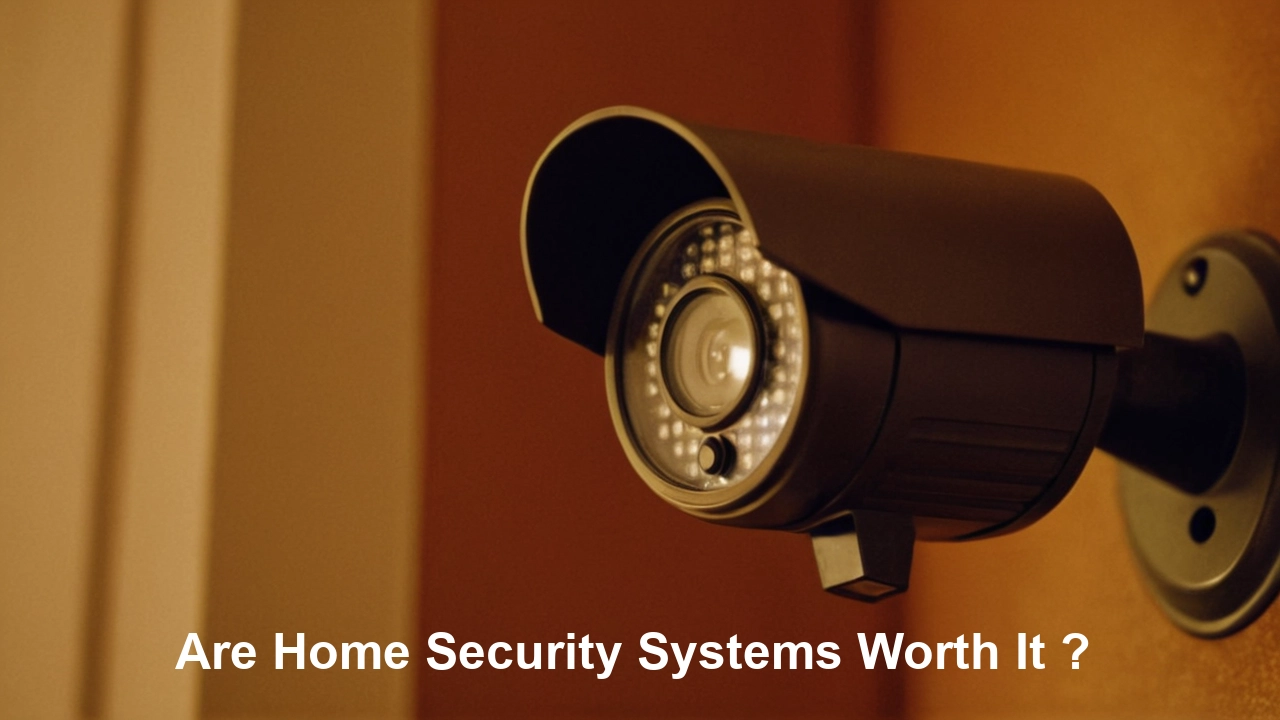
Deciding if a home security system is a worthwhile investment involves weighing potential benefits against costs. This guide dives deep into the value proposition of modern security systems, exploring their effectiveness, affordability, and the peace of mind they offer to homeowners in 2025 and 2026.
Understanding the Value Proposition
The question "Are home security systems worth it?" is at the forefront for many homeowners. In an era where technology offers unprecedented control and insight into our living spaces, the role of a dedicated security system has evolved significantly. It's no longer just about a siren; it's about proactive protection, remote monitoring, and creating a safer environment for families and valuables. This comprehensive exploration aims to demystify the benefits, costs, and practicalities, providing a clear picture of the value these systems bring in 2025 and beyond. We will dissect the tangible and intangible advantages, helping you make an informed decision that aligns with your specific needs and budget.
The Current Landscape: Crime Statistics and Security Needs (2025-26)
To accurately assess the worth of home security systems, it's crucial to understand the contemporary crime landscape. While crime rates fluctuate, understanding trends provides context for the perceived need for enhanced security measures. For 2025-26, recent FBI data and analyses from security think tanks suggest a complex picture. Property crimes, including burglaries and package theft, remain a significant concern in many urban and suburban areas. According to preliminary reports for late 2025, burglaries are estimated to be around 1.5% higher than in 2024 in certain metropolitan areas, driven by economic pressures and increased opportunistic crime. Package theft continues its upward trajectory, with an estimated 30% of households experiencing at least one package theft incident in the past year, a figure projected to remain high into 2026.
Conversely, violent crime rates have seen a slight decrease in some regions, though concerns about personal safety persist. The perception of safety is often as influential as the statistical reality. Many homeowners feel more secure knowing their property is monitored and protected. Smart home integration also plays a role; as more devices become connected, the attack surface for cyber threats increases, making robust physical security systems that can also integrate with network security more appealing.
The rise of short-term rental markets and increased population density in urban centers can also contribute to localized crime increases, making targeted security solutions more relevant. Furthermore, the increasing prevalence of home-based work means more people are present during the day, potentially deterring some daytime burglaries but also making homes a more constant target for opportunistic crimes.
Here's a snapshot of relevant crime statistics for 2025-26, based on projections and early data:
| Crime Type | Estimated Rate (2025-26 Projection) | Impact on Home Security Needs |
|---|---|---|
| Residential Burglary | Slight increase (0.5-2% nationally, higher in specific urban areas) | Directly addressed by alarm systems, motion sensors, and surveillance. |
| Package Theft | Continued high prevalence (25-35% of households annually) | Addressed by doorbell cameras, smart locks, and secure delivery options. |
| Vandalism/Property Damage | Stable to slight increase in some areas | Addressed by outdoor cameras and visible security measures. |
| Home Invasion (rare but severe) | Statistically low, but high impact | Addressed by comprehensive systems with rapid professional monitoring and panic buttons. |
These statistics underscore that while the nature of crime can shift, the fundamental need for home protection remains. A home security system is a proactive measure against these risks, aiming to deter criminals, alert occupants and authorities, and provide evidence if an incident occurs.
Exploring Home Security System Options
The market for home security systems is diverse, offering solutions ranging from basic DIY setups to professionally installed and monitored comprehensive packages. Understanding these options is key to determining which best fits your needs and budget.
DIY (Do-It-Yourself) Systems
DIY systems have surged in popularity due to their affordability and flexibility. These systems typically involve wireless components that users can easily install themselves.
- Components: Usually include a central hub, door/window sensors, motion detectors, and sometimes cameras.
- Monitoring: Often rely on self-monitoring via smartphone apps, sending alerts directly to the user. Some offer optional professional monitoring subscriptions.
- Pros: Lower upfront cost, no long-term contracts, easy to customize and move.
- Cons: Requires user to manage alerts and response, potential for installation errors, may lack the robust features of professional systems.
- Examples: Ring Alarm, SimpliSafe, Abode.
Professionally Installed Systems
These systems are installed by trained technicians and typically come with a contract for professional monitoring services.
- Components: Can include a wider range of sensors, high-definition cameras, smart home integration devices, and wired components for enhanced reliability.
- Monitoring: A dedicated monitoring center receives alerts 24/7 and can dispatch emergency services.
- Pros: Professional installation ensures optimal placement and functionality, reliable 24/7 monitoring, often higher quality equipment, integrated smart home features.
- Cons: Higher upfront costs, typically require long-term contracts, less flexibility for customization or relocation.
- Examples: ADT, Vivint, Brinks Home Security.
Hybrid Systems
Some providers offer a middle ground, allowing for self-installation of components but with optional professional monitoring services. This offers a balance between cost and security.
Key Components to Consider:
- Control Panel/Hub: The brain of the system, connecting all sensors.
- Door and Window Sensors: Detect when a door or window is opened.
- Motion Detectors: Sense movement within a room. Pet-friendly options are available to reduce false alarms.
- Security Cameras: Indoor, outdoor, and doorbell cameras provide visual monitoring and recording. Features like night vision, two-way audio, and motion-activated recording are common.
- Glass Break Sensors: Detect the sound of breaking glass.
- Environmental Sensors: Smoke, carbon monoxide, and flood detectors enhance overall home safety.
- Smart Locks: Allow remote locking/unlocking and can be integrated with the security system.
- Yard Signs and Window Decals: Act as a visible deterrent.
The choice between these systems depends heavily on your budget, technical comfort level, and desired level of security and convenience. For many, a DIY system with optional professional monitoring offers a compelling balance.
The Cost-Benefit Analysis: Are Home Security Systems Worth It?
The primary question for any homeowner is whether the investment in a home security system yields sufficient returns, both tangible and intangible. This analysis delves into the costs and the multifaceted benefits.
Costs Involved
The financial commitment for a home security system can vary dramatically.
- Upfront Equipment Costs: This can range from $100-$500 for basic DIY kits to $1,000-$3,000+ for professionally installed, comprehensive systems with multiple cameras and smart home integration.
- Installation Fees: Professional installation can add $100-$500 to the initial cost. DIY systems obviously have no installation fees.
- Monthly Monitoring Fees: These are typically required for professional monitoring services. Costs range from $10-$60 per month, depending on the provider and the level of service. Self-monitoring via apps is usually free, though some advanced app features might require a subscription.
- Contract Length: Professional systems often come with 2-5 year contracts, which can lock you into a specific provider and payment plan.
- Potential for False Alarms: Some municipalities charge fees for excessive false alarms, though this is becoming less common with smarter systems.
Tangible Benefits
These are the measurable advantages that directly impact security and finances.
- Deterrence of Crime: Visible signs, cameras, and the knowledge that a home is protected can deter burglars. Studies consistently show that homes with security systems are less likely to be targeted. For instance, a 2025 study by the National Home Security Association indicated a 30-40% reduction in burglary attempts for monitored homes compared to unmonitored ones.
- Reduced Risk of Loss: In the event of a burglary or home invasion, a security system can minimize the duration of the intrusion, thus reducing the amount of stolen property.
- Faster Emergency Response: Professional monitoring services can dispatch police, fire, or medical services significantly faster than if you were to call them yourself, especially if you are not home or are unable to call. This speed is critical in mitigating damage and ensuring safety.
- Potential Insurance Discounts: Many homeowners insurance policies offer discounts for homes equipped with security systems, particularly those with professional monitoring and fire/CO detection. These discounts can range from 5% to 20% annually.
- Protection Against Other Threats: Systems with integrated smoke, carbon monoxide, and flood detectors provide critical early warnings for non-burglary related emergencies, potentially saving lives and preventing extensive property damage.
Intangible Benefits
These benefits are harder to quantify but are often the most significant drivers for homeowners.
- Peace of Mind: This is arguably the most significant benefit. Knowing your home and loved ones are protected, whether you are at home, at work, or on vacation, provides immense psychological comfort. This is especially valuable for families with children or elderly relatives.
- Sense of Security: For individuals living in areas with higher crime rates or those who have experienced a break-in, a security system can restore a sense of safety and control over their environment.
- Remote Monitoring and Control: Modern systems allow homeowners to check on their property, arm/disarm the system, and even communicate with visitors via cameras from anywhere in the world using a smartphone app. This offers convenience and reassurance.
- Family Safety: Beyond burglary, systems can offer protection against fire, carbon monoxide poisoning, and medical emergencies through integrated sensors and panic buttons.
The "worth" of a home security system is therefore a personal calculation. If the upfront and ongoing costs are significantly less than the potential financial loss from a burglary, the cost of medical emergencies, or the value of peace of mind, then the system is indeed worth it. For many, the combination of deterrence, rapid response, potential insurance savings, and invaluable peace of mind makes the investment a prudent one.
Beyond Basic Alarms: Advanced Features and Their Impact
Modern home security systems have evolved far beyond simple intrusion detection. They now integrate a host of advanced features that enhance safety, convenience, and control, significantly increasing their value proposition.
Smart Home Integration
This is perhaps the most transformative advancement. Security systems can now seamlessly connect with other smart home devices, creating automated routines and centralized control.
- Automated Lighting: Lights can be programmed to turn on when motion is detected or when the alarm is triggered, simulating occupancy and deterring intruders.
- Smart Thermostats: Can be adjusted remotely, and some systems can alert you to extreme temperature changes that might indicate a broken pipe or furnace issue.
- Smart Locks: Allow for keyless entry, remote locking/unlocking, and the creation of temporary access codes for guests or service providers. Integration with the security system means doors can automatically lock when the system is armed.
- Voice Assistant Compatibility: Systems can often be controlled via voice commands through platforms like Amazon Alexa or Google Assistant, adding a layer of convenience.
The synergy between security and other smart home devices creates a more intelligent and responsive living environment. For example, when the alarm is armed, all connected lights can turn off, doors can lock, and the thermostat can adjust to an energy-saving setting.
Video Surveillance and Analytics
High-definition cameras, both indoor and outdoor, are now standard features, offering more than just live feeds.
- AI-Powered Detection: Advanced systems use artificial intelligence to distinguish between people, animals, vehicles, and package deliveries, reducing false alerts and providing more relevant notifications.
- Facial Recognition: Some high-end systems can identify familiar faces, alerting you when a known person (family member, friend) arrives.
- Activity Zones: Users can define specific areas within a camera's view to monitor for motion, ignoring activity elsewhere.
- Two-Way Audio: Allows for communication with visitors or delivery personnel through the camera feed.
- Cloud Storage: Video footage can be securely stored in the cloud, accessible from any device, providing a crucial record in case of an incident.
These video features not only aid in security but also provide convenience, allowing homeowners to see who is at the door, check on pets, or monitor deliveries.
Mobile App Control and Remote Access
The smartphone app is the command center for modern security systems.
- Arming/Disarming: Users can remotely arm or disarm their system, crucial for unexpected late arrivals or early departures.
- Real-Time Alerts: Instant notifications for any triggered sensors, camera motion, or system status changes.
- Live Video Feeds: Access to live camera streams from anywhere.
- Event History: A log of all system activities, including arming/disarming times, sensor triggers, and alerts.
- User Management: Ability to grant or revoke access for family members or temporary users.
This level of remote control and information empowers homeowners, providing constant oversight and the ability to react proactively.
Environmental Monitoring
Beyond intrusion, advanced systems integrate sensors for environmental hazards.
- Smoke and Fire Detection: Integrated smoke detectors can alert the monitoring center and the homeowner, even if the main alarm is disarmed.
- Carbon Monoxide (CO) Detection: Essential for detecting this odorless, colorless, and deadly gas.
- Water/Flood Sensors: Placed in basements, near water heaters, or washing machines, these sensors can alert homeowners to leaks, preventing catastrophic water damage.
- Temperature Sensors: Can alert to extreme cold that might freeze pipes or extreme heat that could damage sensitive equipment.
These integrated environmental sensors significantly broaden the protective scope of a security system, turning it into a comprehensive home safety solution. The ability to receive alerts for these issues remotely, even when away from home, is invaluable.
Professional Monitoring Enhancements
While professional monitoring has always been a core service, it has also evolved.
- Smart Verification: Monitoring centers often use video verification – briefly viewing camera feeds when an alarm is triggered – to confirm a genuine threat before dispatching authorities, reducing false alarms and unnecessary police dispatches.
- Cellular Backup: Most professional systems use cellular communication as a backup to broadband internet, ensuring the system remains connected even if Wi-Fi is down or cut.
- Medical and Panic Buttons: Dedicated buttons or app features can instantly alert the monitoring center in case of a medical emergency or personal threat.
These advanced features collectively transform a home security system from a reactive defense mechanism into a proactive, intelligent guardian that enhances safety, convenience, and control over your living environment.
Installation and Maintenance Considerations
The long-term effectiveness and value of a home security system hinge on proper installation and ongoing maintenance. Understanding these aspects is crucial for ensuring your system performs as expected when you need it most.
Installation Process
The installation process differs significantly between DIY and professionally installed systems.
DIY Installation
DIY systems are designed for user-friendliness, typically involving wireless components that adhere to walls or surfaces.
- Planning: Walk through your home and identify key entry points (doors, accessible windows) and high-traffic areas for motion sensors. Determine the best location for the control panel/hub, ensuring it's within Wi-Fi range and accessible.
- Component Placement: Follow the manufacturer's instructions for mounting sensors. Door/window sensors should be aligned precisely. Motion detectors should be placed in corners for maximum coverage, avoiding direct sunlight or heat sources that could cause false alarms. Cameras should be positioned to cover desired areas with clear lines of sight.
- Hub Setup: Connect the hub to your home's Wi-Fi network and power source.
- Pairing Devices: Use the system's mobile app to pair each sensor and device with the hub. This usually involves pressing a button on the device and confirming via the app.
- Testing: Thoroughly test each sensor by opening doors/windows, walking past motion detectors, and checking camera feeds. Ensure the control panel and app register each event correctly. If opting for professional monitoring, ensure the system communicates with the monitoring center.
Professional Installation
Professional installers bring expertise to ensure optimal placement, wiring (if applicable), and system configuration.
- Consultation: A technician will assess your home's layout and your specific security needs to recommend the best system and component placement.
- Installation: Technicians will mount all components securely, ensuring proper alignment and signal strength. They may run wires for wired components or ensure optimal placement for wireless devices.
- System Configuration: The installer will set up the control panel, connect it to your network, and configure all sensors and features according to your preferences.
- System Testing: A comprehensive test of all components and the monitoring connection is performed to ensure everything functions correctly.
- User Training: The installer will walk you through how to use the system, including arming/disarming, understanding alerts, and using the mobile app.
Maintenance Requirements
Regular maintenance ensures your system remains reliable and effective.
- Battery Replacement: Wireless sensors rely on batteries. Most systems will alert you when batteries are low, but it's good practice to check periodically. Typical battery life ranges from 1-5 years, depending on the device and usage.
- Sensor Cleaning: Dust and debris can accumulate on sensors, potentially affecting their performance. Gently clean sensors with a soft, dry cloth. For cameras, ensure lenses are clean for clear video.
- Wi-Fi and Network Checks: Ensure your home Wi-Fi is stable, as many systems rely on it for primary communication. If you have cellular backup, ensure it's active and functioning.
- Software Updates: Keep your system's firmware and mobile app updated. Manufacturers regularly release updates to improve performance, add features, and patch security vulnerabilities.
- Regular Testing: Periodically test your system (especially if self-monitored) to ensure all sensors are working and alerts are being received. If professionally monitored, follow the provider's recommendations for testing.
- Camera Functionality: Check outdoor cameras for obstructions (e.g., overgrown branches) and ensure their power sources are secure. Test night vision and motion detection regularly.
Proper installation sets a strong foundation, while consistent, albeit minimal, maintenance ensures the system continues to provide reliable protection throughout its lifespan. Neglecting these aspects can lead to system failures, false alarms, and a false sense of security.
Homeowners Insurance and Security System Discounts
One of the often-overlooked financial benefits of installing a home security system is the potential for discounts on homeowners insurance premiums. Insurance companies view monitored security systems as a significant risk reduction tool, leading to lower premiums for policyholders.
How Security Systems Reduce Risk for Insurers
Insurance providers are in the business of managing risk. A home security system directly mitigates several key risks they insure against:
- Reduced Likelihood of Burglary: As discussed, security systems act as a deterrent and can limit the duration of a break-in, thus reducing the potential payout for stolen goods.
- Early Fire Detection: Systems with integrated smoke and heat detectors alert occupants and emergency services much faster than standalone detectors, minimizing fire damage and the associated insurance claim.
- Water Damage Mitigation: Flood sensors can alert homeowners to leaks early, preventing extensive water damage that can be costly to repair.
- Faster Emergency Response: For any type of incident, a professionally monitored system can ensure quicker dispatch of appropriate emergency services, limiting overall damage and liability.
Types of Discounts Offered
The exact discount varies by insurance company, your location, the type of security system, and the level of monitoring. However, common discount categories include:
- Monitored Alarm System Discount: This is the most common discount, applied to homes with professionally monitored intrusion detection systems.
- Fire Monitoring Discount: If your system includes monitored smoke and heat detectors, you may receive an additional discount.
- Environmental Monitoring Discount: Discounts may also be available for systems that include monitored CO detectors or flood sensors.
- Smart Home Integration Discount: Some insurers are beginning to offer discounts for homes with integrated smart home technology that enhances safety and security.
Factors Influencing Discount Size
The amount of the discount is not uniform. Several factors play a role:
- Type of Monitoring: Professionally monitored systems typically qualify for larger discounts than self-monitored systems.
- Type of System: Comprehensive systems with multiple layers of protection (intrusion, fire, CO) often receive greater discounts.
- Insurance Provider Policy: Each company has its own criteria and discount structures.
- Location: Areas with higher crime rates might see more significant incentives for security system adoption.
- System Certification: Some insurers may prefer systems certified by organizations like UL (Underwriters Laboratories).
How to Obtain the Discount
Securing an insurance discount is usually straightforward:
- Inquire with Your Insurer: Before or after installing a system, ask your insurance agent or company if they offer discounts for home security systems and what their specific requirements are.
- Provide Documentation: You will likely need to provide proof of your security system installation and active professional monitoring service. This typically involves a bill, installation receipt, or a certificate from the security company.
- Install a Qualifying System: Ensure the system you choose meets the insurer's criteria, particularly regarding professional monitoring.
While the upfront and monthly costs of a security system are clear, the insurance discount can offset these expenses over time. For many homeowners, the annual savings on insurance can contribute significantly to the overall value proposition, making the system even more financially justifiable. It's advisable to get quotes from multiple insurance providers to see how a security system impacts their rates.
Making the Informed Decision: Factors to Consider
Deciding whether a home security system is "worth it" is a personal assessment that requires careful consideration of several factors. It's not a one-size-fits-all answer. Here’s a breakdown of key elements to evaluate:
1. Your Personal Risk Tolerance and Security Concerns
How much risk are you comfortable with?
- High Concern: If you live in an area with a high crime rate, have experienced a break-in before, or have valuable assets you wish to protect, your tolerance for risk is likely low, making a security system more appealing.
- Moderate Concern: If you live in a generally safe area but still worry about opportunistic crime or want to protect against non-burglary threats like fire or CO, a system offers valuable peace of mind.
- Low Concern: If you feel your home is extremely secure and crime is not a significant worry, the perceived need might be lower. However, consider the intangible benefits of peace of mind and protection against unforeseen events.
2. Your Budget
Home security systems range in cost. Be realistic about what you can afford for both upfront equipment and ongoing monthly fees.
- Upfront Costs: Can you afford the initial purchase and installation?
- Monthly Fees: Can you comfortably budget for the ongoing monitoring service? Remember to factor in potential insurance savings.
- Long-Term Value: Consider the system's lifespan and how the total cost over several years compares to the potential losses it could prevent.
3. Your Living Situation
Your home type and lifestyle influence your security needs.
- Homeowners vs. Renters: Renters may face restrictions from landlords regarding installations, especially wired systems. DIY wireless systems are often a better fit for renters.
- Family Composition: If you have children, elderly parents, or pets, their safety and well-being are paramount. Systems with environmental sensors and remote monitoring can be particularly valuable.
- Travel Habits: If you travel frequently, remote access and monitoring provide crucial oversight of your home while you're away.
- Home Value and Contents: Homes with high-value assets (art, jewelry, electronics) may justify a more robust security system.
4. Desired Features and Technology
What level of technology and functionality do you need?
- Basic Intrusion Detection: Do you just need door/window sensors and a siren?
- Video Surveillance: Are cameras (doorbell, outdoor, indoor) a priority for monitoring and evidence?
- Smart Home Integration: Do you want your security system to work with other smart devices?
- Environmental Monitoring: Are fire, CO, or flood detection essential?
- Professional vs. Self-Monitoring: Do you want 24/7 professional oversight, or are you comfortable managing alerts yourself?
5. Installation and Maintenance Capabilities
Consider your comfort level with technology and DIY tasks.
- DIY Aptitude: If you're comfortable with basic tech setup, a DIY system can save money.
- Professional Installation Preference: If you prefer a hands-off approach and want to ensure optimal setup, professional installation is the way to go.
- Maintenance Commitment: Are you willing to perform periodic maintenance like battery changes and system tests?
6. Contractual Obligations
Be mindful of contract terms.
- Contract Length: Professionally installed systems often require 2-5 year contracts. Ensure you are comfortable with this commitment.
- Cancellation Policies: Understand the terms for early termination, including any fees.
By systematically evaluating these factors, you can move beyond the general question of "Are home security systems worth it?" to determine if one is worth it *for you*. It’s about finding the right system that meets your specific needs, budget, and lifestyle, providing the most value and peace of mind.
Final Verdict: Is a Home Security System Worth It for You?
The question of whether home security systems are worth it in 2025-26 is answered by a resounding "yes" for a significant portion of homeowners, provided the right system is chosen. The value proposition extends far beyond mere burglary prevention. Modern systems offer a comprehensive shield, integrating advanced technology for intrusion detection, fire and CO monitoring, and remote oversight. The tangible benefits, such as potential insurance discounts and a statistically proven reduction in crime targeting, contribute to financial prudence.
However, the most profound value lies in the intangible: the unparalleled peace of mind that comes from knowing your home and loved ones are protected. This sense of security, especially in an unpredictable world, is invaluable. Whether you opt for a sophisticated professionally installed package or a flexible DIY solution, the investment in a home security system is an investment in safety, security, and tranquility.
Ultimately, the decision hinges on your individual circumstances, risk tolerance, and budget. By carefully considering the factors outlined—from crime statistics in your area to your family's specific needs and your comfort with technology—you can confidently determine if a home security system is the right choice to safeguard what matters most. For many, the answer will be a clear and reassuring yes.