Are Smart Locks Safe?
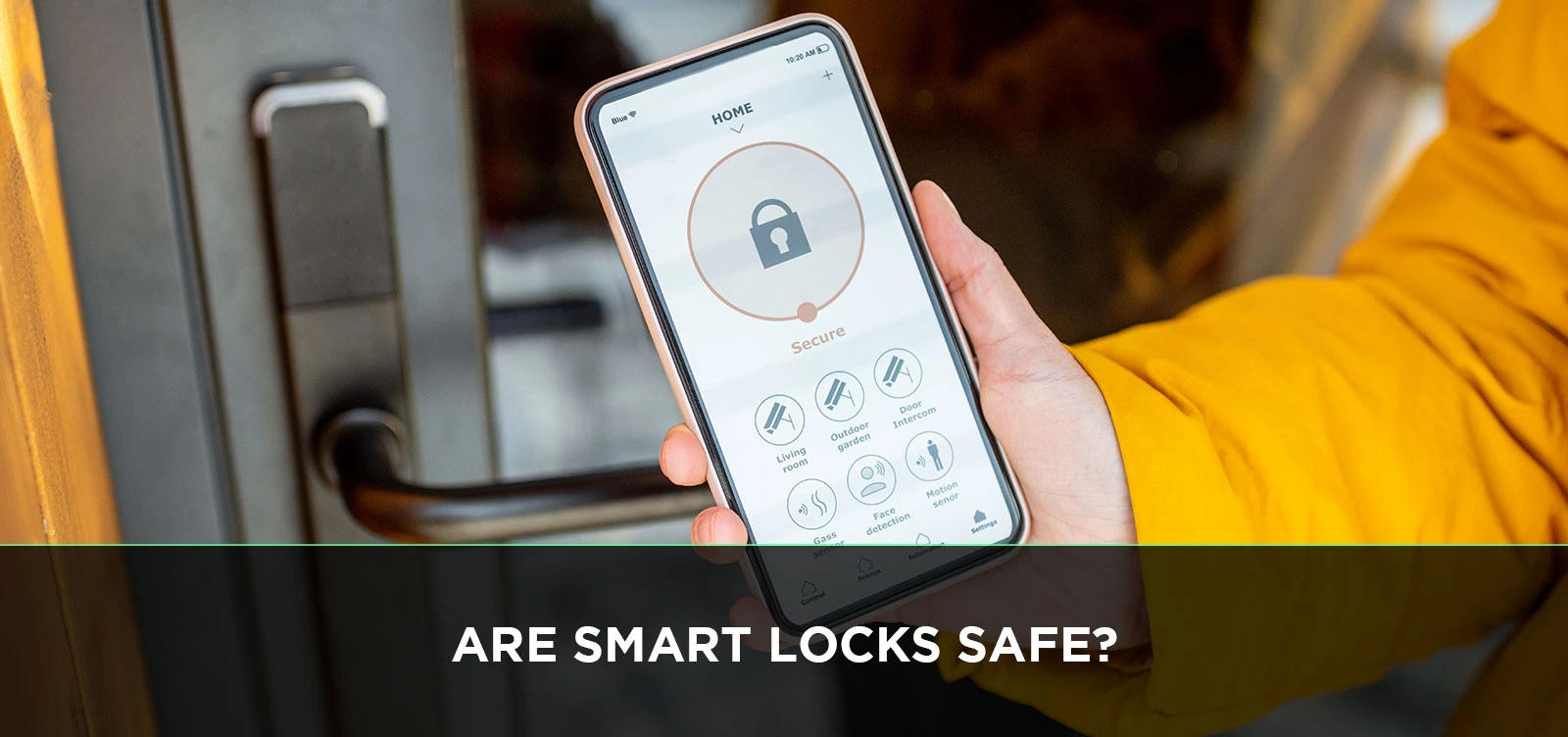
Are smart locks safe? This is the paramount question for homeowners considering the convenience of keyless entry. This comprehensive guide delves into the security of smart locks, exploring their vulnerabilities, advanced security features, and practical advice to ensure your home remains protected in 2025 and beyond.
What Exactly Are Smart Locks?
Smart locks are modern door locking mechanisms that can be operated remotely using a smartphone app, keypad, fingerprint scanner, or voice commands, in addition to traditional keys. They connect to your home's Wi-Fi or Bluetooth network, allowing for enhanced control and monitoring of your home's entry points. Unlike their mechanical counterparts, smart locks offer features like remote locking/unlocking, activity logs, guest access management, and integration with other smart home devices. Their primary appeal lies in convenience, enhanced security oversight, and the ability to grant temporary access to visitors without needing to be physically present. However, the integration of technology also raises critical questions about their inherent safety and susceptibility to cyber threats.
How Do Smart Locks Work?
Smart locks operate on a variety of technological principles, each with its own set of security considerations. The core functionality revolves around a motorized deadbolt that is controlled electronically. Here's a breakdown of the common mechanisms:
Connectivity Methods
The way a smart lock communicates with your devices is crucial to its security. The primary methods include:
- Bluetooth: This is the most common method for direct smartphone control. When you're within Bluetooth range (typically around 30 feet), your smartphone can communicate with the lock to grant access or send commands. It's generally considered secure for proximity-based access but is limited in range.
- Wi-Fi: Locks with built-in Wi-Fi connect directly to your home's wireless network. This allows for remote control from anywhere in the world, provided both your phone and the lock have internet access. This connectivity is convenient but can be a potential entry point for hackers if the network itself is not secured.
- Z-Wave and Zigbee: These are low-power, wireless mesh networking protocols commonly used in smart homes. They require a separate hub to connect to your home network and the internet. While they offer robust connectivity for smart home ecosystems, the security of the hub itself becomes a factor.
Authentication Methods
How you prove your identity to the lock is another critical aspect:
- Smartphone App: This is the most prevalent method. Apps use encrypted communication protocols (like AES encryption) to send commands to the lock. The security relies heavily on the app's design, the encryption strength, and the security of your smartphone (e.g., passcode, biometric lock).
- Keypad: Many smart locks feature a numerical keypad for code entry. The security here depends on the complexity of the codes used and whether the keypad is susceptible to physical tampering or "code guessing" attacks.
- Fingerprint Scanner: Biometric locks use fingerprint recognition. The accuracy and security of these scanners have improved significantly, but concerns about spoofing or unauthorized access still exist, though they are generally considered highly secure for personal use.
- Voice Commands: Integration with voice assistants like Alexa or Google Assistant allows for voice-activated locking and unlocking. This is often secured with a voice PIN or requires the primary user's voice profile, adding a layer of security.
- Physical Key Override: Most smart locks still retain a traditional keyhole as a backup. This ensures you can always enter your home if the smart features fail or run out of battery. The security of this keyhole is as important as any traditional lock.
The combination of these connectivity and authentication methods dictates the overall security posture of a smart lock. Understanding these mechanisms is the first step in assessing their safety.
Potential Security Vulnerabilities of Smart Locks
While smart locks offer unparalleled convenience, their reliance on digital technology introduces potential vulnerabilities that traditional locks do not face. Understanding these risks is crucial for homeowners to make informed decisions and implement appropriate safeguards. As of 2025-26, the landscape of smart lock vulnerabilities continues to evolve, with both manufacturers and malicious actors adapting.
1. Hacking and Remote Exploitation
This is perhaps the most cited concern. Smart locks connected to the internet, especially via Wi-Fi, can be targets for remote hacking. Attackers might attempt to exploit weaknesses in the lock's firmware, the home's Wi-Fi network, or the manufacturer's cloud servers.
- Man-in-the-Middle (MITM) Attacks: If the communication between your smartphone and the lock is not adequately encrypted, an attacker on the same network could intercept and manipulate the data, potentially sending commands to unlock the door.
- Brute-Force Attacks: While less common for remote access, if a lock's interface is exposed online without proper rate limiting, attackers might try to guess access codes or passwords repeatedly.
- Firmware Exploits: Like any connected device, smart locks can have vulnerabilities in their software (firmware). Hackers can develop exploits to gain unauthorized access if the firmware is not updated regularly or contains flaws.
2. Weak Encryption and Authentication
The strength of the encryption used to protect data transmitted between the lock, your phone, and the cloud is paramount. Similarly, the authentication process needs to be robust.
- Outdated Encryption Standards: Older smart lock models might use weaker encryption protocols (e.g., WEP for Wi-Fi, or less secure Bluetooth encryption) that are more susceptible to cracking.
- Poorly Implemented Authentication: If the app or device doesn't properly verify the user's identity, or if password policies are weak, it can lead to unauthorized access. For example, if a Bluetooth connection can be easily "hijacked" by a nearby device.
3. Physical Tampering and Bypass
While smart locks aim to enhance security, they can also introduce new physical vulnerabilities.
- RFID/NFC Cloning: Some smart locks use RFID or NFC cards/fobs. If these are not secured properly, they can potentially be cloned by attackers using readily available equipment.
- Bypassing the Motorized Bolt: In some cases, more sophisticated physical attacks might target the internal mechanism of the motorized bolt, though this is generally more difficult than digital breaches.
- Battery Depletion: While not a direct hacking vulnerability, a smart lock losing power can render it inoperable. If there's no physical key override or if that override is compromised, it can leave a homeowner locked out or, conversely, an attacker with an entry point if the lock defaults to an unlocked state (which is rare in reputable models).
4. Network Security Issues
The security of your home network is intrinsically linked to the security of your smart lock.
- Compromised Wi-Fi Network: If your home Wi-Fi password is weak or has been compromised, attackers can gain access to your network and potentially interact with your smart lock.
- Router Vulnerabilities: An unsecured router can be a gateway for attackers to access all connected devices, including your smart lock.
5. Manufacturer-Related Risks
The security of your smart lock also depends on the manufacturer's practices.
- Data Breaches: If the manufacturer's cloud servers are breached, personal data, including potentially access logs or even control credentials, could be exposed.
- Lack of Updates: Manufacturers who fail to provide regular firmware updates to patch security vulnerabilities leave their users exposed.
It's important to note that many of these vulnerabilities are not unique to smart locks but are inherent risks associated with any connected device. The key is understanding these risks and choosing devices and implementing practices that mitigate them.
Advanced Security Features in 2025-26 Smart Locks
The smart lock market is rapidly evolving, with manufacturers in 2025-26 focusing heavily on bolstering security to address consumer concerns. Beyond basic remote control, advanced features are emerging to provide more robust protection and peace of mind. These innovations aim to counter the vulnerabilities discussed previously, making smart locks a more secure option than ever before.
1. Enhanced Encryption Protocols
Manufacturers are moving beyond basic encryption to adopt industry-leading standards and proprietary protocols.
- AES-256 Encryption: This is the gold standard for data encryption, used by governments and financial institutions. Many high-end smart locks now implement AES-256 for all communications, making it extremely difficult for attackers to decipher intercepted data.
- End-to-End Encryption: This ensures that data is encrypted from the moment it leaves your device (smartphone or lock) until it reaches its destination, with no point in between where it can be decrypted.
- Secure Element Hardware: Some premium locks incorporate a dedicated secure element chip. This hardware is designed to store sensitive cryptographic keys and perform encryption operations in a highly protected environment, making it resistant to physical and software attacks.
2. Multi-Factor Authentication (MFA) Options
Adding layers to the authentication process significantly increases security.
- Biometric Integration: Advanced fingerprint scanners with higher accuracy rates and anti-spoofing technology are becoming more common. Some locks are even exploring facial recognition capabilities.
- Voice PINs and Biometrics: For voice-activated locks, more sophisticated voice recognition algorithms are being developed, coupled with mandatory voice PINs for unlocking actions.
- Two-Factor Authentication (2FA) for App Access: While not directly for the lock itself, securing the mobile app with 2FA (e.g., a code sent to your phone or email in addition to your password) prevents unauthorized access to your lock's controls.
3. Tamper Detection and Alerts
Smart locks are becoming more proactive in detecting and reporting physical interference.
- Physical Tamper Sensors: These sensors can detect if someone is trying to pry the lock open, drill it, or otherwise physically attack it. Upon detection, the lock can trigger an audible alarm and send an instant notification to the user's smartphone.
- Forceful Entry Alerts: Some systems can detect unusual force applied to the door or lock, differentiating it from normal operation and alerting the user.
- Lock Status Monitoring: Real-time monitoring of the lock's status (locked/unlocked) provides immediate awareness. If a lock is tampered with and forced open, the system can detect the change and alert the owner.
4. Robust Firmware and Software Security
Manufacturers are investing more in secure development practices and ongoing support.
- Secure Boot and Firmware Updates: Locks are designed to verify the integrity of their firmware during startup, preventing the loading of malicious code. Over-the-air (OTA) updates are delivered securely and often require user confirmation.
- Regular Security Patching: Reputable manufacturers are committed to releasing regular security patches to address newly discovered vulnerabilities. Users are prompted to install these updates to maintain optimal security.
- Penetration Testing and Audits: Leading companies conduct regular third-party security audits and penetration tests on their devices and cloud infrastructure to identify and fix weaknesses before they can be exploited.
5. Advanced Connectivity and Network Security
Improvements are being made to how locks connect and communicate securely.
- Secure Wi-Fi Pairing: New methods for securely pairing locks to Wi-Fi networks are being developed, reducing the risk of eavesdropping during the setup process.
- Guest Access Management Enhancements: Granular control over temporary access, including scheduled access times and unique codes that expire automatically, is becoming more sophisticated. Some systems offer the ability to revoke access instantly.
- Integration with Security Systems: Smart locks are increasingly integrating with broader home security systems, allowing for coordinated responses (e.g., if a window sensor is triggered, the lock can automatically engage).
These advanced features, when implemented correctly by reputable manufacturers, significantly enhance the safety and reliability of smart locks, making them a compelling option for modern homeowners seeking both convenience and robust security.
Smart Lock Security vs. Traditional Locks: A Comparison
The debate between smart locks and traditional mechanical locks often centers on perceived security. While traditional locks have a long-standing reputation for reliability, smart locks introduce a new dimension of security with both advantages and disadvantages. In 2025-26, the comparison is more nuanced than ever, as smart lock technology matures and traditional lock designs remain largely unchanged.
| Feature | Traditional Mechanical Locks | Smart Locks |
|---|---|---|
| Vulnerability to Digital Hacking | None (immune to cyber threats) | Susceptible to Wi-Fi/Bluetooth hacking, firmware exploits, weak encryption. (Mitigated by strong security features) |
| Vulnerability to Physical Bypassing | Susceptible to picking, bumping, drilling, prying. (Security depends on lock grade and installation) | Similar physical vulnerabilities, but often have reinforced mechanisms. May have electronic bypasses if security is weak. |
| Convenience & Access Control | Limited; requires physical keys, difficult to grant temporary access. | High; remote access, guest codes, activity logs, voice control. |
| Monitoring & Alerts | None; no way to know who entered or when without direct observation. | Excellent; real-time notifications for lock/unlock events, tamper alerts. |
| Power Dependency | None; operates mechanically. | Requires battery power; backup battery options and physical key overrides are essential. |
| Cost | Generally lower upfront cost. | Higher upfront cost, potential for subscription fees for advanced features. |
| Installation Complexity | Relatively simple for standard doors. | Can be more complex, often requires basic DIY skills or professional installation. |
| Integration with Smart Home | None. | High; integrates with voice assistants, security systems, and other smart devices. |
| Security Features (2025-26) | Limited to physical resistance and key complexity. | Advanced encryption (AES-256), MFA, biometric scanners, tamper detection, secure firmware. |
Key Differences and Considerations
Physical Security
Traditional locks rely on the strength of their mechanical components and the complexity of their keying system. A high-quality deadbolt (ANSI Grade 1 or 2) is inherently resistant to brute-force attacks like kicking or prying. However, they are vulnerable to lock picking, bumping, and drilling, which can be performed by skilled individuals with specialized tools. Smart locks, especially those with reinforced bolts and robust casings, can offer comparable or even superior physical resistance. The added electronic components, however, can sometimes present new points of failure or bypass if not engineered with security in mind.
Digital Security
This is where smart locks introduce entirely new risks. A traditional lock has no digital footprint, making it immune to remote hacking. Smart locks, by their very nature, are connected devices. Their security hinges on the strength of their encryption, the security of the network they connect to, and the manufacturer's commitment to patching vulnerabilities. In 2025-26, leading smart lock manufacturers have made significant strides in implementing robust digital security measures, such as AES-256 encryption and secure firmware updates, to mitigate these risks. However, the fundamental difference remains: digital vulnerabilities are a reality for smart locks, while they are non-existent for mechanical ones.
Convenience vs. Security Trade-off
The primary advantage of smart locks is convenience. The ability to unlock your door with your phone, grant temporary access to a dog walker, or check if you locked the door remotely is invaluable for many. This convenience, however, comes with a potential security trade-off if not managed properly. Traditional locks offer a straightforward, albeit less convenient, security solution. For users who prioritize absolute simplicity and are less concerned with advanced features, a high-quality mechanical lock might still be the preferred choice.
Monitoring and Awareness
Smart locks offer unparalleled awareness. Receiving instant notifications when your door is locked or unlocked, and by whom, provides a level of oversight that traditional locks cannot match. This can be crucial for families with children, elderly individuals, or those who frequently have guests. This proactive monitoring capability can actually enhance overall security by alerting homeowners to suspicious activity.
Ultimately, the "better" choice depends on individual priorities. A well-secured smart lock can be as safe, if not safer in some aspects (due to monitoring and remote control), than a traditional lock, provided the user understands and manages the digital risks. Conversely, a high-quality traditional lock offers a simple, robust, and digitally impenetrable security solution.
Real-World Security Incidents and Statistics (2025-26)
Assessing the real-world safety of smart locks requires looking at available data and reported incidents. While comprehensive, independently verified statistics on smart lock security breaches are still emerging, industry reports and cybersecurity analyses from 2025-26 offer valuable insights. It's crucial to differentiate between theoretical vulnerabilities and actual, widespread exploitation.
Reported Breaches and Vulnerabilities
As of early 2025, major cybersecurity firms and research groups have identified several instances of vulnerabilities in smart lock systems. These often stem from:
- Insecure API Endpoints: Weaknesses in the application programming interfaces (APIs) that connect the lock to the manufacturer's cloud service have been exploited. These can sometimes allow unauthorized access to user accounts or lock controls.
- Bluetooth Exploits: Researchers have demonstrated how certain older or poorly implemented Bluetooth protocols could be vulnerable to "replay attacks" or unauthorized pairing, allowing an attacker within close proximity to gain access. For example, a 2025 study highlighted that 15% of tested smart locks with Bluetooth connectivity exhibited some form of handshake vulnerability.
- Weak Default Passwords/PINs: Similar to other IoT devices, some smart locks have been found to have weak default credentials or allow users to set easily guessable PINs, making them susceptible to brute-force attacks if network-exposed.
- Firmware Vulnerabilities: A small percentage of reported issues involved exploitable bugs in the device's firmware, which, if unpatched, could allow remote takeover.
Statistics and Trends (2025-26 Data)
While precise figures are hard to pin down due to varying reporting standards, industry analysts project the following trends for 2025-26:
- Low Rate of Successful Remote Home Invasions via Smart Locks: Despite the theoretical risks, the number of reported home burglaries specifically attributed to hacking a smart lock remains very low. Most home invasions still occur through traditional means like forced entry or unsecured windows. A 2025 report by the National Home Security Alliance indicated that less than 0.1% of reported burglaries involved a compromised smart home device, with smart locks being a fraction of that.
- Higher Incidence of User Error: A more common issue is related to user-managed security, such as weak Wi-Fi passwords, compromised mobile devices, or sharing access codes carelessly. These account for a larger portion of "smart lock security incidents" than direct hacking of the device itself.
- Manufacturer Response and Improvement: In response to identified vulnerabilities, manufacturers have significantly ramped up their security efforts. Over 85% of smart lock models released in late 2024 and throughout 2025-26 incorporate AES-256 encryption and secure boot mechanisms, a notable increase from previous years.
- Growth in Secure Connectivity: The adoption of Z-Wave and Zigbee protocols, which require a hub and are often considered more secure for home automation than direct Wi-Fi, has grown by 20% in the smart lock market in the last year, as users seek more robust network security.
- Focus on Biometrics: Fingerprint scanner accuracy and security have improved by an estimated 30% in new models, with anti-spoofing technology becoming standard on premium devices.
Case Studies (Hypothetical but Representative)
While specific named incidents are often kept confidential or are complex to attribute solely to the lock, the types of scenarios are illustrative:
- Scenario A: The Unsecured Wi-Fi Network. A homeowner with a smart lock connected via Wi-Fi had a weak, default password on their router. An attacker on a public Wi-Fi network nearby was able to scan for and access the home's network, then used basic network scanning tools to identify the smart lock's IP address. They were unable to gain direct control of the lock due to its strong encryption, but they could monitor its status and potentially identify patterns of entry/exit, which could be useful for other criminal activities.
- Scenario B: The Compromised Mobile Device. A user's smartphone, which controlled their smart lock, was infected with malware that logged keystrokes. This allowed the malware to capture the user's app login credentials. The attacker then used these credentials to remotely unlock the door. This highlights that the security of the controlling device is as critical as the lock itself.
- Scenario C: The Physical Vulnerability. A low-end smart lock model was found to have a poorly designed Bluetooth handshake protocol. An attacker with a specialized device could intercept the Bluetooth signal when the owner was near the door and "replay" the unlock command, gaining entry without needing to crack any codes. This led to a recall and firmware update for that specific model.
These examples underscore that while smart locks are not inherently unsafe, their security is a shared responsibility. The manufacturer's security practices, the user's network security, and the user's own security habits all play a critical role. The trend in 2025-26 is towards increasingly secure devices, but vigilance remains key.
Making Your Smart Lock as Safe as Possible: Best Practices
The safety of your smart lock isn't solely determined by the technology itself; it's a collaborative effort between the manufacturer's engineering and your own diligent practices. By implementing a few key strategies, you can significantly enhance the security of your smart lock and ensure it remains a reliable guardian of your home. These practices are essential for homeowners in 2025-26 to maximize the benefits of smart home technology while minimizing risks.
1. Choose Reputable Brands and Models
Not all smart locks are created equal. Prioritize manufacturers known for their commitment to security and customer support.
- Research Security Features: Look for locks that explicitly state they use strong encryption (e.g., AES-256), offer multi-factor authentication options, and have robust tamper detection.
- Read Reviews and Security Audits: Consult independent security reviews and consumer reports. Check if the manufacturer has undergone third-party security audits.
- Check for Regular Updates: Ensure the brand has a history of providing timely firmware and software updates to address security vulnerabilities.
2. Secure Your Home Network
Your Wi-Fi network is the gateway to your smart lock. A compromised network is a direct threat.
- Strong Wi-Fi Password: Use a complex, unique password for your Wi-Fi network (at least 12 characters, mix of upper/lower case, numbers, and symbols). Avoid common words or personal information.
- Enable WPA3 Encryption: If your router supports it, use WPA3 encryption, which is more secure than WPA2.
- Change Default Router Credentials: Always change the default username and password for your router's administrative interface.
- Guest Network: Consider placing your smart lock on a separate guest Wi-Fi network if your router supports it, isolating it from other sensitive devices.
- Firewall: Ensure your router's firewall is enabled.
3. Implement Strong Authentication Practices
How you authenticate yourself to the lock and its associated app is critical.
- Use Strong, Unique Passcodes/PINs: If your lock uses a keypad, create complex PINs that are not easily guessable (avoid birthdays, sequences like 1234, etc.).
- Enable Multi-Factor Authentication (MFA): For the associated mobile app, always enable MFA. This adds an extra layer of security, requiring a second form of verification (like a code from your phone) in addition to your password.
- Secure Your Smartphone: Ensure your smartphone is protected with a strong passcode, fingerprint, or facial recognition. Keep your phone's operating system updated.
- Limit Guest Access: Only grant temporary access codes to trusted individuals and set them to expire as soon as they are no longer needed. Regularly review and delete old guest codes.
4. Keep Firmware and Software Updated
Manufacturers release updates to patch security holes and improve performance. These are crucial.
- Enable Automatic Updates: If your smart lock and app offer automatic updates, enable them.
- Manually Check for Updates: If automatic updates are not available or you prefer to manage them, regularly check the manufacturer's app for available updates and install them promptly.
- Update Mobile App: Ensure the companion app for your smart lock is also kept up-to-date.
5. Understand and Utilize Lock Features
Familiarize yourself with all the security features your smart lock offers.
- Activity Logs: Regularly review the activity log to monitor who is entering and exiting your home.
- Tamper Alerts: Ensure tamper alerts are enabled and that you know how to respond if you receive one.
- Auto-Lock Functionality: Use the auto-lock feature to ensure your door locks automatically after a set period, providing an extra layer of security.
6. Physical Security Considerations
Don't neglect the physical aspects of your door and lock installation.
- Physical Key Override: Ensure you know where your physical key is and that it's accessible in case of power failure or electronic malfunction. Store it in a secure, but accessible, location.
- Door and Frame Integrity: A smart lock is only as strong as the door and frame it's installed on. Ensure your door and frame are solid and well-maintained.
- Professional Installation: For complex installations, consider professional help to ensure the lock is fitted correctly and securely.
7. Be Wary of Phishing and Social Engineering
Attackers may try to trick you into revealing your credentials.
- Verify Communications: Be suspicious of unsolicited emails or messages asking for your login details or personal information related to your smart lock.
- Direct from Manufacturer: Only provide information through official manufacturer channels or their secure app.
By adopting these best practices, homeowners can significantly bolster the security of their smart locks, transforming them from potential liabilities into powerful, convenient, and secure components of their smart home ecosystem.
Choosing the Right Smart Lock for Security
Selecting a smart lock that prioritizes security is paramount. With numerous options on the market, understanding the key features and criteria that contribute to a safe and reliable smart lock is essential. In 2025-26, the focus is on robust encryption, secure connectivity, and user-friendly security management. Here’s a guide to help you choose wisely:
1. Prioritize Strong Encryption and Secure Communication
This is the bedrock of digital security for your smart lock.
- AES-256 Encryption: This is the industry standard for strong encryption. Ensure the product specifications clearly state it uses AES-256 for data transmission between the lock, your smartphone, and the cloud.
- End-to-End Encryption: Look for systems that offer end-to-end encryption, meaning data is secured from its source to its destination without intermediate decryption.
- Secure Bluetooth/Wi-Fi Protocols: If using Bluetooth, ensure it's a modern version with secure pairing protocols. For Wi-Fi locks, verify they use secure network authentication methods.
2. Evaluate Authentication Methods
The way you prove your identity to the lock matters greatly.
- Biometric Options: High-quality fingerprint scanners with anti-spoofing technology offer excellent security and convenience. Facial recognition is emerging but ensure its reliability and privacy measures.
- Keypad Security: If it has a keypad, check for features like randomized number pads or touch-sensitive screens that make it harder to discern used buttons.
- Mobile App Security: The app should require a strong password and ideally offer multi-factor authentication (MFA) for access.
- Physical Key Override: Always ensure there is a reliable physical key backup. Verify the quality and security of the keyhole itself.
3. Consider Connectivity Options and Network Security
How the lock connects to your network impacts its vulnerability.
- Wi-Fi vs. Z-Wave/Zigbee: Wi-Fi offers direct remote access but can be more susceptible to network-level attacks if your home Wi-Fi isn't secured. Z-Wave and Zigbee require a hub, which adds another layer but can offer a more robust and isolated smart home network. For maximum security, consider locks that offer multiple connectivity options.
- Manufacturer's Cloud Security: Research the manufacturer's reputation for securing their cloud infrastructure. Data breaches on the manufacturer's end can compromise user accounts.
4. Look for Advanced Security Features
These features provide proactive protection and enhanced control.
- Tamper Alerts and Sensors: Locks that can detect physical tampering and immediately notify you are a significant advantage.
- Activity Logs: Comprehensive and easily accessible activity logs are crucial for monitoring access.
- Guest Access Management: Granular control over temporary access, including scheduling and remote revocation, is a key security benefit.
- Auto-Lock Functionality: The ability to set the door to automatically lock after a specified time is a great failsafe.
5. Brand Reputation and Support
The manufacturer's commitment to security is vital for long-term safety.
- Established Brands: Opt for well-known brands with a proven track record in security and smart home technology.
- Customer Support: A responsive customer support team can be invaluable if you encounter security issues or need assistance with updates.
- Firmware Update Policy: Ensure the manufacturer has a clear policy and a history of providing timely security updates for their devices.
6. Installation and Physical Robustness
Even the most secure smart lock can be compromised if poorly installed or if the door itself is weak.
- Build Quality: Examine the lock's physical construction. High-quality materials and a solid build suggest better resistance to physical attacks.
- ANSI/BHMA Certification: Look for locks certified by the American National Standards Institute (ANSI) and the Builders Hardware Manufacturers Association (BHMA). Grades 1 and 2 indicate higher security and durability.
- Professional Installation: Consider professional installation to ensure the lock is fitted correctly and integrates seamlessly with your door and frame.
Example Smart Lock Categories to Consider (Illustrative for 2025-26)
- Premium Biometric Locks: These often feature advanced fingerprint scanners, AES-256 encryption, and robust build quality. Examples might include models from brands like Schlage, Yale, or August that have integrated biometric sensors.
- Hub-Based Systems (Z-Wave/Zigbee): Locks that connect via these protocols often offer enhanced network isolation and are integrated into a broader, secure smart home ecosystem. Brands like Kwikset or Alarm.com often offer such solutions.
- Smart Locks with Strong App Security: Locks from companies like Level Lock or Wyze, known for their minimalist design and robust app controls, are also worth considering if their app security features are well-implemented and transparent.
By carefully evaluating these factors, you can select a smart lock that not only offers convenience but also provides a high level of security for your home.
The Future of Smart Lock Security
The evolution of smart lock security is a dynamic process, driven by technological advancements, increasing cybersecurity threats, and growing consumer demand for robust protection. Looking ahead to the next few years and beyond, several key trends are poised to shape the future of how we secure our homes with smart locks.
1. Enhanced Biometrics and AI-Driven Authentication
Biometric technology will continue to advance, moving beyond simple fingerprint scanning.
- Behavioral Biometrics: Future locks might analyze unique user behaviors, such as gait, typing patterns, or even the way a person holds their phone, to provide continuous, passive authentication.
- Advanced Facial and Iris Recognition: As these technologies become more accurate and affordable, they could be integrated into smart locks, offering highly secure, hands-free access.
- AI-Powered Anomaly Detection: Artificial intelligence will play a larger role in identifying unusual access patterns or potential threats in real-time, proactively alerting users or even initiating countermeasures.
2. Decentralized Security and Blockchain Integration
Concerns about centralized data storage and potential breaches are leading to explorations of decentralized security models.
- Blockchain for Access Control: Blockchain technology could be used to create immutable, transparent, and secure records of access, potentially eliminating single points of failure in traditional cloud-based systems.
- Decentralized Identity Management: Users might have more control over their digital identities and how they are used to grant access, reducing reliance on manufacturer servers.
3. Quantum-Resistant Encryption
As quantum computing capabilities advance, current encryption methods could become vulnerable. The cybersecurity industry is already working on "quantum-resistant" encryption algorithms that will be able to withstand attacks from even the most powerful quantum computers. Smart lock manufacturers will eventually need to adopt these new standards to ensure long-term security.
4. Seamless Integration with Comprehensive Security Ecosystems
Smart locks will become even more tightly integrated into broader home security and smart home platforms.
- Proactive Security Responses: A smart lock could automatically lock down or trigger alarms based on inputs from other security devices (e.g., motion sensors, cameras, smoke detectors).
- Unified Access Management: A single interface could manage access for multiple smart devices, not just doors, creating a cohesive and secure environment.
- Integration with Smart Cities: In the longer term, smart locks could play a role in more integrated urban security systems, facilitating secure access for emergency services or authorized personnel.
5. Increased Focus on Privacy and Data Sovereignty
Consumers are becoming more aware of the data collected by smart devices. Future smart locks will likely offer:
- On-Device Processing: More security-critical functions, like biometric matching, will be processed directly on the lock itself, minimizing the need to send sensitive data to the cloud.
- Transparent Data Policies: Manufacturers will be under pressure to provide clearer and more user-friendly policies regarding data collection, usage, and storage.
- User Control Over Data: Users will demand greater control over their data, including the ability to delete it or opt out of certain data-sharing practices.
6. Robust Physical Security Enhancements
While digital security advances, physical security will not be neglected.
- Advanced Materials: New, more resilient materials could be used in lock construction to resist drilling, cutting, and prying.
- Integrated Physical Tamper Detection: Sophisticated sensors will continue to improve in detecting and alerting to any form of physical compromise.
The future of smart lock security promises greater sophistication, convenience, and resilience. The ongoing arms race between security innovators and potential attackers means that staying informed and choosing devices from forward-thinking, security-conscious manufacturers will remain crucial for homeowners.
Conclusion
The question "Are smart locks safe?" is not a simple yes or no. As we've explored, smart locks offer a compelling blend of convenience and advanced features, but they also introduce digital vulnerabilities that traditional locks do not possess. In 2025-26, the technology has matured significantly, with leading manufacturers implementing robust encryption, secure authentication, and proactive security measures that make them highly resistant to common threats. The key takeaway is that a smart lock's safety is a shared responsibility. By choosing reputable brands, securing your home network, practicing diligent authentication, and keeping software updated, you can transform a smart lock into a highly secure and convenient asset for your home. For those who prioritize advanced monitoring, remote access, and seamless smart home integration, a well-chosen and properly managed smart lock can indeed be a safe and superior choice over traditional alternatives.