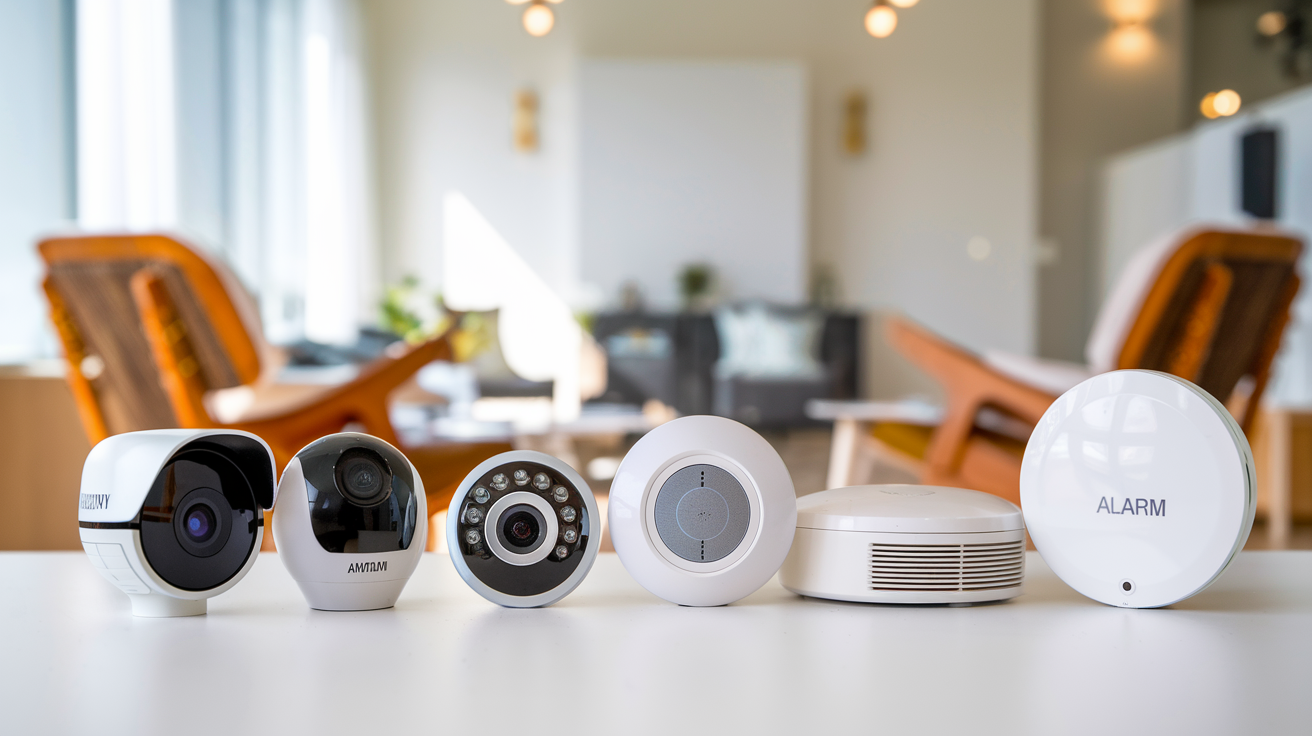
Smart cameras are revolutionizing home security, transforming passive surveillance into proactive protection. Their advanced features and seamless integration are directly fueling a surge in demand for sophisticated, accessible home security solutions, offering homeowners unprecedented peace of mind and control over their properties.
Understanding Smart Cameras: The Evolution of Home Surveillance
The concept of home security has undergone a dramatic transformation over the past decade. Gone are the days when a simple alarm system and a few static cameras were the pinnacle of protection. Today, the market is flooded with innovative technologies, and at the forefront of this revolution are smart cameras. These devices are not merely passive observers; they are intelligent, connected units designed to actively enhance the security and convenience of our homes. The evolution from basic CCTV to sophisticated, AI-powered smart cameras represents a paradigm shift in how we perceive and manage home safety.
Initially, home security systems were largely reactive. They would trigger an alarm upon detecting an intrusion, alerting authorities or homeowners. While effective to a degree, this approach offered little in terms of real-time monitoring or preventative measures. Traditional systems often involved complex wiring, bulky equipment, and a reliance on professional installation and monitoring, making them expensive and less accessible to the average homeowner. The advent of the internet and the subsequent rise of the Internet of Things (IoT) paved the way for a more integrated and intelligent approach.
Smart cameras leverage this connectivity to offer a host of advanced functionalities. They connect to a home's Wi-Fi network, enabling remote access and control via smartphones, tablets, and computers. This immediate connectivity is a cornerstone of their appeal, allowing users to check in on their homes from anywhere in the world. Beyond simple video feeds, smart cameras incorporate features like motion detection, night vision, two-way audio, and, increasingly, artificial intelligence (AI) for advanced analytics such as person detection, facial recognition, and package detection.
The demand for these devices is not just a fleeting trend; it's a fundamental shift driven by a desire for greater control, enhanced security, and increased convenience. Homeowners are no longer content with just knowing if a break-in occurred; they want to prevent it, monitor activity in real-time, and receive intelligent alerts that are relevant to their specific needs. This desire for proactive, intelligent, and accessible security solutions is precisely what smart cameras deliver, propelling their adoption and driving significant growth in the home security market.
What Defines a Smart Camera?
At its core, a smart camera is a digital video camera that is connected to a network, typically a home Wi-Fi network. This connectivity is what differentiates it from traditional CCTV cameras. This network connection allows for a range of advanced features that enhance its functionality and user experience. Key defining characteristics include:
- Network Connectivity: The ability to connect to the internet via Wi-Fi or Ethernet, enabling remote access and data transmission.
- Remote Access and Control: Users can view live feeds, review recorded footage, and adjust settings from anywhere using a smartphone app or web interface.
- Intelligent Alerts: Instead of just detecting any movement, smart cameras can often differentiate between various types of motion (e.g., people, pets, vehicles) and send customized notifications.
- Two-Way Audio: Many smart cameras feature built-in microphones and speakers, allowing users to communicate with individuals on their property remotely.
- Cloud Storage/Local Storage Options: Footage can be stored securely in the cloud or on local storage devices like SD cards or network-attached storage (NAS).
- Integration Capabilities: Compatibility with other smart home devices and platforms (e.g., Amazon Alexa, Google Assistant, Apple HomeKit) for a unified smart home experience.
Historical Context of Surveillance Technology
The journey to smart cameras is a long one, rooted in the evolution of surveillance technology itself. Early forms of security involved physical barriers and human guards. The invention of the closed-circuit television (CCTV) system in the mid-20th century marked a significant leap. These systems, while revolutionary for their time, were largely analog, required extensive cabling, and offered limited functionality. Footage was often recorded onto bulky videotapes, and remote viewing was virtually non-existent.
The digital revolution brought about digital video recorders (DVRs) and network video recorders (NVRs), which allowed for higher quality recording and easier management of footage. However, these systems were still largely confined to professional installations and lacked the user-friendly, connected nature of today's smart devices. The true "smart" aspect began to emerge with the proliferation of the internet and the development of IP (Internet Protocol) cameras. These cameras could transmit data over a network, laying the groundwork for remote access and the integration of intelligence.
The advent of the smartphone in the late 2000s was a pivotal moment. It provided the perfect interface for controlling and accessing networked devices. Developers began creating apps that could connect to IP cameras, offering live feeds and basic controls. This paved the way for the consumer-focused smart cameras we see today, which are designed for ease of use, affordability, and a rich feature set that goes far beyond simple video recording. The current generation of smart cameras, powered by AI and machine learning, represents the latest chapter in this ongoing evolution, promising even more sophisticated and personalized security solutions.
Key Features Driving the Demand for Smart Cameras
The surge in demand for smart cameras is not accidental; it's a direct consequence of the innovative features they offer that address modern homeowner concerns. These features go beyond basic recording, providing proactive security, enhanced convenience, and greater peace of mind. As of 2025-2026, the market is saturated with options, but a few core functionalities consistently stand out as primary drivers of consumer interest and purchasing decisions.
High-Definition Video and Enhanced Night Vision
The clarity of the video feed is paramount for effective surveillance. Smart cameras have largely transitioned to offering high-definition (HD) resolution, with many now providing Full HD (1080p) and even 2K or 4K resolutions. This ensures that crucial details, such as faces, license plates, or distinguishing clothing features, are captured clearly. This level of detail is critical for identification purposes, whether for personal records or for providing evidence to law enforcement. Furthermore, advanced night vision capabilities, often utilizing infrared (IR) LEDs, allow cameras to capture clear images even in complete darkness. Newer models are incorporating color night vision, which provides more detail and context in low-light conditions, making it easier to identify colors of clothing or vehicles.
2025-26 Statistics: Market research indicates that over 85% of newly purchased smart cameras in 2025 offer at least 1080p resolution, with a growing segment (approaching 30%) featuring 2K or 4K capabilities. Color night vision adoption is also on the rise, appearing in nearly 40% of premium models.
Intelligent Motion Detection and Alerts
One of the most significant advancements is the move from basic motion detection to intelligent motion detection. Older systems would trigger an alert for any movement, leading to a barrage of false alarms from passing cars, rustling leaves, or pets. Smart cameras, especially those with AI capabilities, can now differentiate between various types of motion. Common categories include:
- Person Detection: Alerts are triggered only when a human figure is detected, significantly reducing false alarms.
- Vehicle Detection: Identifies cars, trucks, or motorcycles, useful for monitoring driveways or street-facing cameras.
- Package Detection: Notifies homeowners when a package is delivered or removed from their doorstep.
- Pet Detection: Specifically alerts for the presence of animals, useful for monitoring pets or distinguishing them from potential intruders.
These intelligent alerts are delivered directly to the user's smartphone, often with a snapshot or short video clip, allowing for immediate assessment of the situation. This proactive notification system is a core reason for the increased demand, as it empowers homeowners to respond quickly and appropriately.
2025-26 Statistics: A 2025 survey found that over 70% of smart camera users prioritize person detection. Package detection is gaining traction rapidly, with over 45% of new buyers considering it a crucial feature for front-door cameras.
Two-Way Audio Communication
The ability to not only see but also to hear and speak through the camera adds a significant layer of interactivity and control. Two-way audio allows homeowners to:
- Communicate with delivery personnel.
- Deter potential intruders by speaking to them remotely.
- Greet visitors or family members.
- Check in on pets or children.
This feature transforms the camera from a passive recording device into an active communication tool, enhancing both security and convenience. The quality of the microphone and speaker is crucial for effective communication, and manufacturers are increasingly focusing on providing clear, crisp audio.
Remote Access and Control via Mobile Apps
The smartphone is the central hub for smart home management, and smart cameras are designed to be controlled through intuitive mobile applications. These apps provide:
- Live video streaming from any camera.
- Access to recorded footage, often organized by date and time.
- Customization of alert settings and detection zones.
- Two-way audio communication controls.
- Firmware updates and device management.
The ease of access and control offered by these apps is a major selling point, making advanced security accessible to a broad audience without requiring technical expertise. The ability to check on your home, pets, or family from anywhere at any time provides unparalleled peace of mind.
2025-26 Statistics: Over 90% of smart camera users report using their mobile app at least weekly to check on their homes. The average user spends approximately 15 minutes per week interacting with their smart camera app.
Advanced AI and Machine Learning Capabilities
The integration of AI and machine learning is pushing the boundaries of what smart cameras can do. Beyond simple detection, AI enables features like:
- Facial Recognition: Identifying known individuals (family, friends) and distinguishing them from strangers. This can trigger different alert profiles or even disable notifications for familiar faces.
- Activity Zones: Allowing users to define specific areas within the camera's view where motion detection should be prioritized or ignored, further reducing false alarms.
- Behavioral Analysis: In more advanced systems, AI can analyze patterns of behavior, potentially identifying unusual activity that might indicate a threat before an actual intrusion occurs.
- Smart Integration: AI can help cameras learn user preferences and optimize their performance over time.
These intelligent capabilities transform cameras into proactive security partners, offering a level of sophistication previously only available in high-end commercial systems.
Weather Resistance and Durability
For outdoor security, weather resistance is a critical feature. Smart cameras designed for outdoor use typically carry IP ratings (e.g., IP65, IP66, IP67) indicating their protection against dust and water ingress. This ensures they can withstand rain, snow, and extreme temperatures, providing reliable surveillance year-round. The durability of the casing and mounting hardware is also important to prevent damage from environmental factors or potential tampering.
Power Options: Wired and Wireless
The variety of power options caters to different installation needs. Smart cameras can be:
- Wired: Requiring a power outlet and often an Ethernet connection for data, offering stable power and connectivity.
- Battery-Powered: Offering greater flexibility in placement, ideal for areas without nearby power outlets. These require periodic recharging or battery replacement.
- Solar-Powered: For outdoor battery-powered cameras, solar panels can provide a continuous or supplemental power source, reducing the need for manual charging.
The availability of these options allows users to choose the most practical and aesthetically pleasing installation for their specific location.
The Impact of Smart Cameras on the Home Security Industry
The proliferation of smart cameras has not just added a new product category; it has fundamentally reshaped the entire home security industry. Traditional security companies are adapting, and new players have emerged, all driven by the consumer's evolving expectations. The impact is multifaceted, affecting product development, business models, and consumer engagement.
Democratization of Advanced Security
Historically, comprehensive home security systems were expensive, often requiring professional installation and costly monthly monitoring fees. Smart cameras, with their DIY installation options and tiered pricing models, have made advanced security features accessible to a much broader demographic. Consumers can now build a customized security system piece by piece, starting with a few cameras and expanding as their needs and budget allow. This democratization has lowered the barrier to entry, allowing more households to benefit from sophisticated surveillance.
2025-26 Statistics: The DIY smart home security market, heavily influenced by smart cameras, is projected to grow by 15-20% annually through 2026. Over 60% of new smart camera purchases in 2025 were made by consumers opting for a DIY installation approach.
Shift Towards Proactive and Preventative Measures
The intelligence embedded in smart cameras shifts the focus from reactive alarm systems to proactive prevention. Features like person detection, AI-powered alerts, and two-way audio allow homeowners to be notified of potential issues before they escalate into full-blown security breaches. This preventative approach is highly appealing to consumers who want to avoid the distress and damage associated with a break-in. The ability to deter potential intruders with a voice command or to receive instant alerts about suspicious activity empowers users and instills a greater sense of control.
Rise of Subscription Services and Cloud Storage
While many smart cameras offer local storage options (e.g., SD cards), the industry has seen a significant rise in cloud-based subscription services. These services typically offer:
- Secure storage of recorded footage in the cloud.
- Extended video history beyond what local storage can provide.
- Advanced AI features and analytics.
- Continuous software updates and support.
These subscription models provide a recurring revenue stream for manufacturers and offer consumers the convenience of accessing their footage from anywhere, with the assurance that their data is backed up and protected. The competitive landscape has led to varied pricing tiers, making these services more affordable and attractive.
2025-26 Statistics: Cloud storage subscriptions for smart cameras are now a standard offering, with over 75% of smart camera brands offering at least one paid tier. The average monthly subscription fee ranges from $3 to $10 per camera or device.
Integration with Smart Home Ecosystems
Smart cameras are increasingly becoming integral components of larger smart home ecosystems. Their ability to communicate with other smart devices (lights, locks, voice assistants) allows for more sophisticated automation and security routines. For example:
- If a camera detects motion at night, it can trigger smart lights to turn on.
- If a smart lock is tampered with, a camera can begin recording and send an alert.
- Voice assistants can be used to view camera feeds on smart displays or to arm/disarm security modes.
This interconnectedness enhances both security and convenience, making smart cameras a central element in the modern connected home. The demand for interoperability is a key driver for consumers building comprehensive smart home setups.
Competition and Innovation
The lucrative smart camera market has attracted a wide array of companies, from established security giants to tech startups. This intense competition fuels rapid innovation. Manufacturers are constantly striving to differentiate themselves by offering:
- Improved AI capabilities.
- Higher resolution and better image quality.
- More robust connectivity options (e.g., 5G integration).
- Enhanced privacy features.
- More seamless integration with emerging smart home standards.
This competitive landscape benefits consumers by driving down prices and accelerating the development of cutting-edge features.
Data Privacy and Security Concerns
As smart cameras collect sensitive video and audio data, concerns around data privacy and cybersecurity are significant. Manufacturers are responding by implementing:
- End-to-end encryption for video streams and stored footage.
- Multi-factor authentication for app access.
- Regular security updates to patch vulnerabilities.
- Clear privacy policies outlining data usage.
Addressing these concerns is crucial for maintaining consumer trust and ensuring the long-term growth of the smart camera market. Reputable brands are transparent about their security measures, and consumers are increasingly scrutinizing these policies before making a purchase.
Smart Cameras vs. Traditional Systems: A Comparative Analysis
To fully appreciate the role smart cameras play in increasing demand, it's essential to compare them directly with traditional home security systems. The differences highlight why consumers are gravitating towards the newer technology.
| Feature | Smart Cameras | Traditional Systems |
|---|---|---|
| Installation | Typically DIY-friendly, wireless options, minimal wiring. | Often requires professional installation, extensive wiring. |
| Connectivity | Wi-Fi, Ethernet, cellular (for some). Remote access via mobile app. | Landline, cellular, internet (for some advanced systems). Remote access often limited or via dedicated portals. |
| Monitoring | Self-monitoring via app, optional professional monitoring services. | Primarily professional monitoring with monthly fees. |
| Features | HD video, night vision, two-way audio, AI detection (person, package), motion zones, cloud storage. | Basic motion sensors, door/window sensors, sirens, limited video capabilities (if any). |
| Cost (Initial) | Lower upfront cost, scalable. Cameras can range from $50 - $300+. | Higher upfront cost, often bundled packages. Systems can range from $300 - $1000+. |
| Cost (Ongoing) | Optional cloud storage subscriptions ($3-$10/month per camera). | Mandatory professional monitoring fees ($30-$60+/month). |
| Flexibility & Scalability | Highly flexible, easy to add or move cameras. | Less flexible, adding components can be complex and costly. |
| User Experience | Intuitive mobile app, real-time notifications, easy control. | Can be less intuitive, reliance on a central keypad or limited remote access. |
Advantages of Smart Cameras
The table above clearly illustrates the advantages that are driving the demand for smart cameras:
- Accessibility: Lower initial costs and DIY installation make them accessible to a wider audience.
- Real-time Awareness: Instant notifications and live feeds provide immediate situational awareness.
- Proactive Security: Intelligent detection and two-way audio enable preventative measures.
- Flexibility: Easy to customize, expand, and relocate according to changing needs.
- Integration: Seamlessly fit into the broader smart home ecosystem.
- Enhanced Features: Superior video quality, night vision, and AI capabilities offer more comprehensive monitoring.
When Traditional Systems Might Still Be Considered
Despite the advantages of smart cameras, traditional systems may still be preferred in certain niche scenarios:
- Extremely Large Properties: Very large estates might benefit from the robust, hardwired infrastructure of some traditional systems, though smart mesh networks are rapidly closing this gap.
- Areas with Poor Wi-Fi: If a home has consistently unreliable Wi-Fi, a hardwired traditional system might offer more stability, assuming a wired network is feasible.
- Strictly Professional Monitoring Preference: Some individuals prefer the peace of mind that comes with a dedicated, always-on professional monitoring service without any self-monitoring involvement.
- Regulatory Requirements: In certain commercial or highly regulated environments, traditional, non-networked systems might be mandated for specific security protocols.
However, for the vast majority of residential users, the benefits and evolving capabilities of smart cameras make them the clear choice for modern home security.
Integration and the Smart Home Ecosystem
The true power of smart cameras is often amplified when they are integrated into a broader smart home ecosystem. This interconnectedness creates a more intelligent, responsive, and automated living environment, further driving the demand for these devices as central components of modern homes.
Compatibility with Voice Assistants
The ubiquity of voice assistants like Amazon Alexa, Google Assistant, and Apple's Siri has made them central to smart home control. Smart cameras that are compatible with these platforms offer a seamless way to interact with your security system using voice commands. Users can:
- Ask Alexa to "show me the front door camera" on a compatible smart display.
- Use Google Assistant to "arm the security system" (if integrated with other devices).
- Request status updates on security sensors via Siri.
This hands-free control enhances convenience and makes accessing security information more immediate and intuitive. The demand for voice-controlled smart home devices directly translates into a demand for smart cameras that can participate in this ecosystem.
Automation Routines and Triggers
Smart cameras can act as triggers or participants in complex automation routines within smart home platforms. This allows for sophisticated scenarios that enhance security and convenience:
- "Away" Mode: When you leave home, your smart cameras can automatically switch to a more sensitive detection mode, and if motion is detected, they can trigger other actions like turning on smart lights or sending an alert to a neighbor's smart device.
- "Welcome Home" Routine: As you approach your home, smart cameras can detect your presence (via geofencing or facial recognition), disarm certain alerts, and turn on interior lights.
- Package Delivery Automation: A smart camera detecting a package on the doorstep can trigger a notification, and if the package is removed by an unauthorized person, it can activate a siren or floodlight.
These interconnected routines create a dynamic and responsive home environment that is both secure and convenient. The ability to create personalized automation scenarios is a significant driver of demand for smart cameras.
Interoperability Standards Matter
The growing complexity of smart homes necessitates standardized communication protocols. Standards like:
- Matter: A new industry standard designed to improve interoperability between smart home devices from different manufacturers.
- HomeKit: Apple's framework for enabling smart home devices to communicate with Apple devices.
- Z-Wave and Zigbee: Lower-power wireless protocols commonly used for sensors and smart home devices, often integrated into hubs that can bridge to Wi-Fi.
Smart cameras that support these standards offer greater flexibility and longevity, as they are more likely to work seamlessly with future smart home devices. Consumers are increasingly looking for devices that adhere to these interoperability standards, as it simplifies setup and expands the possibilities for automation.
Enhancing Other Smart Devices
Smart cameras don't just benefit from integration; they enhance other smart devices as well:
- Smart Locks: A smart camera can verify who is at the door before a smart lock is remotely unlocked, adding a layer of security.
- Smart Doorbells: Many smart doorbells incorporate camera functionality, providing visual confirmation of visitors.
- Smart Lighting: Cameras can trigger lights to turn on when motion is detected, deterring intruders and illuminating pathways.
- Smart Speakers/Displays: These devices can act as visual interfaces for camera feeds and as audio endpoints for two-way communication.
This symbiotic relationship means that the demand for one type of smart device often fuels the demand for others, with smart cameras playing a pivotal role in this interconnected web.
The Future of Connected Security
As smart home technology matures, the integration of smart cameras will become even more sophisticated. We can expect to see:
- More advanced AI for predictive security analysis.
- Seamless integration with wearable technology for personalized security alerts.
- Greater use of edge computing to process data directly on the camera, improving speed and privacy.
- Integration with smart home security panels for a unified control experience.
The trend towards a fully integrated smart home is undeniable, and smart cameras are at the heart of this evolution, making them an indispensable component for modern homeowners seeking both security and convenience.
Choosing the Right Smart Camera for Your Needs
With the vast array of smart cameras available, selecting the right one can be daunting. A strategic approach, considering your specific needs and priorities, will ensure you make an informed decision that maximizes your security and satisfaction.
Assess Your Security Priorities
Before diving into features, identify what you want the camera to achieve:
- Deterrence: Do you want a visible camera to discourage potential intruders?
- Monitoring: Are you primarily interested in keeping an eye on specific areas (e.g., front door, backyard, nursery)?
- Evidence Collection: Is capturing clear, high-resolution footage for potential evidence a priority?
- Package Security: Is monitoring package deliveries a key concern?
- Pet or Child Monitoring: Do you need to check on loved ones when you're away?
Understanding your primary goals will help narrow down the feature set you need.
Indoor vs. Outdoor Cameras
This is a fundamental distinction:
- Indoor Cameras: Generally smaller, designed for discreet placement, and do not require weatherproofing. They are ideal for monitoring living spaces, nurseries, or entryways from within.
- Outdoor Cameras: Must be weather-resistant (look for IP ratings like IP65 or higher), often have wider fields of view, and may include features like spotlights or sirens for deterrence.
Power Source Considerations
As discussed earlier, power options impact placement flexibility:
- Wired: Reliable power, but placement is limited by proximity to outlets.
- Battery-Powered: Highly flexible placement, but requires regular charging or battery replacement. Consider battery life and ease of access for recharging.
- Solar-Powered: A good option for outdoor battery cameras to reduce charging frequency, but effectiveness depends on sunlight exposure.
Connectivity Options
Ensure the camera's connectivity is suitable for your home:
- Wi-Fi: The most common. Ensure your Wi-Fi signal is strong enough at the desired camera location.
- Ethernet: Offers a more stable and secure connection but requires running cables.
- Cellular: Less common for residential use but provides connectivity even without a home internet connection.
Video Quality and Field of View
Resolution: Aim for at least 1080p for clear images. Higher resolutions (2K, 4K) offer more detail but require more bandwidth and storage.
Field of View (FOV): This determines how wide an area the camera can see. A wider FOV (e.g., 130-180 degrees) covers more ground but may have more distortion at the edges. A narrower FOV provides more detail on a specific area.
Night Vision: Essential for round-the-clock monitoring. Check the range and quality of the infrared or color night vision.
Storage Options: Local vs. Cloud
Local Storage: Uses SD cards or Network Attached Storage (NAS). Offers one-time purchase, no recurring fees, but footage can be lost if the device is stolen or damaged.
Cloud Storage: Offers remote access to footage, off-site backup, and often advanced features. Typically requires a monthly subscription fee. Consider the cost, retention period, and security of the cloud service.
Smart Features and AI Capabilities
Decide which AI features are important to you:
- Person Detection
- Package Detection
- Facial Recognition
- Activity Zones
- Two-Way Audio
These features significantly enhance the camera's utility and reduce false alarms.
Brand Reputation and Customer Support
Research brands known for reliability, good customer support, and strong security practices. Read reviews and check for user feedback on ease of use, app performance, and responsiveness of customer service.
Budget Considerations
Smart cameras range widely in price. Determine your budget and prioritize features accordingly. Remember to factor in potential subscription costs for cloud storage or advanced features.
Example Scenario: Front Door Camera
For a front door, you might prioritize:
- High-definition video (1080p or higher)
- Excellent night vision (color preferred)
- Person detection
- Package detection
- Two-way audio for speaking with visitors
- Weather resistance (if mounted outdoors)
- Cloud storage for easy access to recent events
- Integration with voice assistants for quick viewing
A camera like the Google Nest Cam (Battery) or a Ring Video Doorbell Pro would be strong contenders.
Example Scenario: Backyard Camera
For a backyard, you might focus on:
- Wide field of view to cover a larger area
- Robust weatherproofing
- Motion detection with customizable zones
- Night vision
- Optional spotlight or siren for deterrence
- Local storage or a cost-effective cloud plan
Brands like Arlo Pro 4 or Wyze Cam Outdoor could be suitable choices.
Installation and Maintenance Considerations
While smart cameras are designed for user-friendliness, proper installation and ongoing maintenance are crucial for optimal performance and longevity. Understanding these aspects can prevent common issues and ensure your security system remains effective.
Planning Your Camera Placement
Strategic placement is key to maximizing coverage and effectiveness:
- Identify Vulnerable Areas: Focus on entry points (doors, windows), driveways, and secluded areas of your property.
- Consider Lighting: Avoid pointing cameras directly at bright lights or the sun, which can cause glare or overexposure. For night vision, ensure there's some ambient light if possible, or rely on the camera's IR illuminators.
- Height and Angle: Mount cameras high enough to prevent tampering but low enough to capture useful detail (e.g., faces). Angle them downwards to capture movement effectively.
- Wi-Fi Signal Strength: Before permanent installation, test the Wi-Fi signal at the intended location using your smartphone. Many apps have a signal strength indicator.
- Power Source Access: Ensure easy access to a power outlet for wired cameras or a convenient location for recharging battery-powered units.
- Weather Protection: For outdoor cameras, choose locations that offer some protection from direct rain and harsh elements, even if the camera is rated for outdoor use.
DIY Installation Steps
Most smart cameras follow a similar installation process:
- Unbox and Charge/Power: If battery-powered, fully charge the camera. For wired cameras, connect them to power.
- Download the App: Install the manufacturer's dedicated mobile app on your smartphone or tablet.
- Create an Account: Set up a user account within the app.
- Add Device: Follow the app's prompts to add your new camera. This usually involves scanning a QR code on the camera or in the manual.
- Connect to Wi-Fi: Select your home Wi-Fi network and enter the password. Some cameras may use Bluetooth or a temporary Wi-Fi network for the initial setup.
- Mount the Camera: Securely mount the camera using the provided hardware. For outdoor cameras, ensure proper sealing against the elements.
- Configure Settings: Within the app, customize motion detection zones, alert sensitivity, notification preferences, and other settings.
- Test Thoroughly: Walk through the camera's field of view to ensure motion is detected and alerts are received. Test two-way audio and live viewing.
Network and Security Best Practices
Protecting your smart camera system is as important as installing it:
- Strong, Unique Passwords: Use complex, unique passwords for your Wi-Fi network and your smart camera accounts. Avoid default passwords.
- Enable Two-Factor Authentication (2FA): If available, enable 2FA on your smart camera accounts for an extra layer of security.
- Keep Firmware Updated: Regularly check for and install firmware updates for your cameras and router. These updates often include critical security patches.
- Secure Your Wi-Fi Network: Use WPA3 or WPA2 encryption for your Wi-Fi. Consider creating a separate guest network for IoT devices if your router supports it.
- Review Permissions: Be mindful of the permissions requested by the smart camera app and disable any that seem unnecessary.
Routine Maintenance and Troubleshooting
Regular checks will ensure your cameras continue to function reliably:
- Clean Lenses: Periodically clean the camera lenses with a soft, lint-free cloth to ensure clear images.
- Check Battery Levels: For battery-powered cameras, monitor battery levels and recharge or replace as needed.
- Verify Connectivity: Occasionally check that cameras are online and connected to your network.
- Test Alerts: Periodically test motion detection and notification systems to ensure they are working correctly.
- Troubleshooting Common Issues:
- No Connection: Check Wi-Fi signal, router status, and camera power. Reboot the camera and router.
- False Alarms: Adjust motion detection zones, sensitivity, or enable AI-based detection (person, vehicle).
- Poor Video Quality: Clean the lens, check internet speed, and ensure the camera is not obstructed.
- Audio Issues: Ensure the microphone and speaker are not blocked and that app permissions are granted.
Most manufacturers provide comprehensive troubleshooting guides on their websites or within their apps.
The Future of Smart Cameras in Home Security
The evolution of smart cameras is far from over. As technology advances and consumer expectations grow, the role of these devices in home security will only become more sophisticated and integrated. The trends observed in 2025-2026 point towards a future where smart cameras are not just surveillance tools but intelligent guardians of our homes.
Enhanced AI and Predictive Analytics
The current AI capabilities in person and package detection are just the beginning. Future smart cameras will likely leverage advanced machine learning to:
- Predict Potential Threats: Analyze subtle behavioral patterns to identify potential risks before an incident occurs.
- Recognize Anomalies: Detect unusual activity that deviates from normal patterns, such as prolonged loitering or suspicious vehicle behavior.
- Facial Recognition at Scale: More accurate and nuanced facial recognition that can identify individuals across multiple cameras and over time, while also respecting privacy concerns through opt-in and anonymization features.
- Contextual Awareness: Understand the context of events, differentiating between a delivery person at the door and someone attempting to force entry.
Edge Computing and On-Device Processing
To improve speed, reduce reliance on cloud connectivity, and enhance privacy, more processing will move to the camera itself (edge computing). This means:
- Faster Real-time Analysis: AI algorithms will run directly on the camera, enabling near-instantaneous detection and alerts without sending data to the cloud first.
- Increased Privacy: Sensitive video data can be processed locally, with only anonymized alerts or essential metadata being transmitted.
- Reduced Bandwidth Usage: Less raw video data will need to be streamed, saving bandwidth and potentially reducing cloud storage costs.
Seamless Integration with Emerging Technologies
Smart cameras will become even more deeply embedded in the smart home fabric:
- 5G Connectivity: Faster and more reliable wireless connections will enable higher resolution streaming, lower latency, and more robust connectivity, especially in areas with limited Wi-Fi.
- Advanced Sensor Fusion: Cameras may integrate with other sensors (e.g., thermal, radar) to create a more comprehensive understanding of the environment and detect threats that visual cameras might miss.
- Integration with Drones and Robotics: In high-security applications, smart cameras could potentially guide autonomous drones or robots for property patrols.
Focus on Privacy and Ethical AI
As capabilities grow, so will the focus on responsible deployment. Future developments will emphasize:
- User Control over Data: Enhanced tools for users to manage, delete, and control how their data is used.
- Transparency in AI: Clearer explanations of how AI algorithms make decisions and identify potential threats.
- Privacy-Preserving Technologies: Techniques like differential privacy and federated learning to train AI models without compromising individual data.
- Ethical Guidelines: Industry-wide adoption of ethical guidelines for the development and deployment of AI-powered surveillance.
Personalized and Adaptive Security
Smart cameras will become more attuned to individual user needs and household routines. They will learn and adapt over time, offering security that is tailored to your lifestyle. This could include adjusting alert thresholds based on the time of day, recognizing familiar faces and adjusting notifications accordingly, or even learning your typical comings and goings to better identify anomalies.
The ongoing innovation in smart camera technology ensures that their role in home security will continue to expand, offering homeowners increasingly powerful, intelligent, and integrated solutions. The demand for these advanced features, driven by a desire for greater safety, control, and convenience, is set to continue its upward trajectory.
In conclusion, the role of smart cameras in increasing the demand for home security is undeniable and continues to grow. Their advanced features, from high-definition video and intelligent alerts to seamless smart home integration, address the modern homeowner's desire for proactive, accessible, and convenient security solutions. As technology progresses, smart cameras are poised to become even more indispensable, offering predictive analytics, enhanced privacy, and personalized security that sets a new standard for peace of mind in our homes.