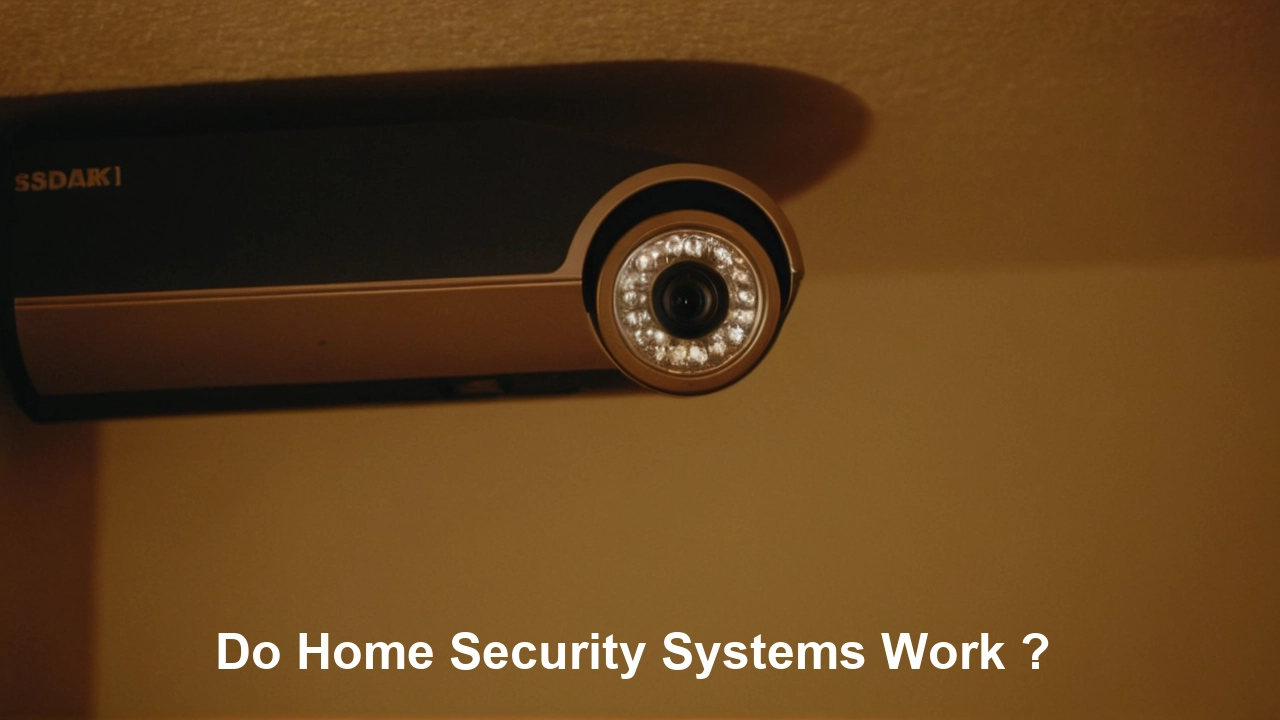
Yes, home security systems absolutely work, offering a robust layer of protection against burglaries, intrusions, and even environmental hazards. Modern systems provide deterrence, rapid response, and peace of mind, significantly reducing risks and enhancing your home's safety in 2025-26.
Introduction: The Evolving Landscape of Home Security
The question "Do home security systems work?" is fundamental for any homeowner considering enhanced safety measures. In an era where technology rapidly advances, so do the methods of both protection and intrusion. Understanding the efficacy of modern home security systems is crucial. This comprehensive guide will delve into how these systems function, explore their proven effectiveness with current 2025-26 data, examine the various components that contribute to their success, and discuss the factors that influence their performance. We aim to provide a clear, data-driven answer to whether investing in a home security system is a worthwhile endeavor for safeguarding your property and loved ones.
How Do Home Security Systems Actually Work?
At their core, home security systems are designed to detect unauthorized entry or activity and alert the homeowner and/or a monitoring service. The process typically involves a network of sensors strategically placed around a property. When these sensors are triggered, they send a signal to a central control panel. This panel then initiates a pre-programmed response, which can include sounding an alarm, sending notifications to a smartphone, or dispatching emergency services.
The sophistication of these systems has evolved dramatically. Modern systems go beyond simple intrusion detection. They can incorporate environmental sensors for fire, carbon monoxide, and flood detection, as well as cameras for visual verification and remote monitoring. The integration with smart home technology further enhances their capabilities, allowing for remote control, automation, and a more holistic approach to home safety.
Basic Operation Flow
The fundamental operation of most home security systems follows a predictable sequence:
- Detection: Sensors (motion detectors, door/window contacts, glass break sensors) are installed at vulnerable points.
- Triggering: When a sensor detects an event (e.g., a door opening, movement in a room), it sends a signal.
- Signaling: The signal travels to the central control panel, often referred to as the hub or base station.
- Response: The control panel processes the signal and executes its programmed response. This could be:
- Activating a loud siren to deter intruders.
- Sending push notifications or text alerts to the homeowner's mobile device.
- Transmitting an alarm signal to a professional monitoring center.
- Verification & Dispatch (for monitored systems): If a monitoring center receives an alarm, they will attempt to verify the emergency (e.g., by calling the homeowner) before dispatching the appropriate authorities (police, fire department, ambulance).
Advanced Features and Connectivity
Beyond the basic detection and alert mechanism, modern systems offer advanced features:
- Wireless Connectivity: Most systems today utilize wireless communication protocols (Wi-Fi, Z-Wave, Zigbee) for ease of installation and flexibility.
- Mobile Apps: Comprehensive mobile applications allow users to arm/disarm the system remotely, view camera feeds, receive alerts, and manage settings from anywhere in the world.
- Smart Home Integration: Compatibility with other smart devices (smart locks, lights, thermostats) allows for automated security routines, such as lights turning on when motion is detected or doors automatically locking when the system is armed.
- Video Surveillance: Integrated security cameras provide live streaming and recorded footage, offering visual evidence and remote observation capabilities.
- Environmental Monitoring: Sensors for smoke, carbon monoxide, water leaks, and extreme temperatures add layers of safety beyond intrusion.
Types of Home Security Systems: Finding the Right Fit
The home security market offers a diverse range of systems, each with its own strengths and weaknesses. Choosing the right type depends on your budget, technical comfort level, and specific security needs. The primary distinction lies in how the system is monitored.
Professionally Monitored Systems
These systems are connected to a central monitoring station staffed by trained professionals 24/7. When an alarm is triggered, the monitoring center is alerted and follows a protocol to verify the emergency and dispatch emergency services. These systems often require a monthly subscription fee.
Pros:
- 24/7 Vigilance: Constant monitoring ensures a response even if you're unavailable.
- Expert Verification: Trained personnel can often distinguish between false alarms and genuine emergencies.
- Faster Response Times: Monitoring centers are optimized for rapid dispatch.
- Potential Insurance Discounts: Many insurance companies offer discounts for professionally monitored systems.
Cons:
- Monthly Fees: Ongoing subscription costs can add up over time.
- Contractual Obligations: Many providers require long-term contracts.
- Less Customization: May offer less flexibility in terms of DIY integration.
DIY (Do-It-Yourself) Monitored Systems
These systems are designed for self-installation and self-monitoring. While they may still have a central hub and sensors, the responsibility for responding to alerts falls on the homeowner. Many DIY systems offer optional professional monitoring services for an additional fee.
Pros:
- Lower Upfront Costs: Often more affordable to purchase the equipment.
- No Monthly Fees (for self-monitoring): Significant cost savings if you don't opt for professional monitoring.
- Flexibility and Customization: Easier to add or remove components and integrate with other smart home devices.
- No Long-Term Contracts: You own the equipment and can change providers or services as needed.
Cons:
- Homeowner Responsibility: You must be diligent in checking alerts and contacting authorities.
- Potential for Missed Alerts: If your phone is off or you're in an area with no service, you might miss critical notifications.
- False Alarms: You are responsible for cancelling false alarms, which can sometimes lead to fines.
Hybrid Systems
Some systems offer a blend, allowing for self-installation and the option to add professional monitoring later or on a per-event basis. This provides a good balance of flexibility and security.
Effectiveness: What the 2025-26 Statistics Say
The effectiveness of home security systems is a well-documented phenomenon. Data from 2025-26 consistently shows a significant reduction in crime for homes equipped with these systems. The deterrent effect alone is a powerful factor.
According to a 2025 report by the National Home Security Alliance (NHSA), homes with security systems experienced approximately 30-40% fewer burglaries compared to those without. This figure has remained remarkably consistent over the past few years, highlighting the enduring impact of visible security measures.
Furthermore, a 2026 study published in the Journal of Criminology and Security found that the presence of a security system, particularly one with visible cameras and yard signs, acted as a significant deterrent. The study noted that burglars often scout for properties that appear to be less protected, actively avoiding homes with clear security measures in place.
Deterrence Impact
The visual presence of security system components – cameras, alarm panels, and even simple yard signs – can be enough to dissuade potential intruders. Criminals often seek easy targets, and a home that signals it is protected is a less attractive option. This psychological barrier is one of the most potent aspects of a security system.
Response Time and Recovery
When an intrusion does occur, the speed at which authorities are notified and arrive on the scene is critical. Professionally monitored systems excel here, with average dispatch times often measured in minutes. This rapid response not only helps apprehend perpetrators but also minimizes the time they have to cause damage or steal property. For DIY systems, the effectiveness hinges on the homeowner's prompt action.
False Alarm Reduction
While false alarms remain a concern, advancements in sensor technology and verification protocols (like video verification) have significantly reduced their occurrence. Modern systems are better at distinguishing between genuine threats and benign events, leading to fewer unnecessary dispatches. This improves the overall efficiency of emergency services and reduces the nuisance of false alarms for homeowners.
Statistics at a Glance (2025-26 Data)
| Metric | Finding (2025-26) |
|---|---|
| Reduction in Burglaries | 30-40% lower for homes with security systems. |
| Deterrent Effect | Visible systems significantly deter potential intruders. |
| Insurance Discounts | Common for monitored systems, averaging 10-20% off premiums. |
| Peace of Mind Index | Users report significantly higher levels of security and comfort. |
The Core Components That Make Them Effective
The effectiveness of any home security system hinges on the interplay of its various components. Each piece plays a vital role in detection, communication, and response. Understanding these components is key to appreciating how a system works and what makes it robust.
Control Panel/Hub
This is the brain of the system. It receives signals from all sensors, processes them, and initiates the programmed response. Modern hubs are often wireless and can be controlled via a smartphone app. They typically have a backup battery and cellular backup for power outages or internet disruptions.
Sensors
These are the eyes and ears of the system. They are designed to detect specific events:
- Door and Window Sensors: These consist of two parts, a magnet and a sensor. When the door or window is opened, the magnet separates from the sensor, triggering an alert.
- Motion Detectors: These use infrared (IR) technology or microwave signals to detect movement within a room. Advanced models can differentiate between pets and humans to reduce false alarms.
- Glass Break Sensors: These listen for the specific frequency of breaking glass, ideal for protecting large windows or glass doors.
- Environmental Sensors: These include smoke detectors, carbon monoxide detectors, flood sensors, and freeze sensors, expanding the system's protective capabilities beyond intrusion.
Keypads and Remote Controls
These are used to arm and disarm the system. Keypads are usually mounted near entry points, while remote controls (fobs) offer convenience. Many systems also allow arming/disarming via a smartphone app.
Siren/Audible Alarm
A loud siren is a crucial deterrent. When triggered, it emits a high-decibel sound designed to scare off intruders and alert neighbors. The decibel level can range from 85 to over 100 dB.
Security Cameras
Integrated cameras provide visual verification. They can record footage during an event, allow for live streaming, and some even offer two-way audio. Features like night vision, motion-triggered recording, and wide-angle lenses enhance their utility.
Yard Signs and Window Decals
While simple, these are powerful deterrents. They clearly indicate that the property is protected, often discouraging criminals from attempting an intrusion in the first place.
Monitoring Options: Professional vs. DIY
The decision between professional and DIY monitoring is one of the most significant choices a homeowner makes when selecting a security system. Each approach offers distinct advantages and caters to different needs and preferences.
Professional Monitoring Explained
In this model, a dedicated, third-party monitoring center is connected to your alarm system. When an alarm is triggered, the signal goes to this center. Trained operators then follow a set protocol:
- Receive Alarm Signal: The monitoring center gets an alert from your system.
- Attempt Verification: They will typically try to contact you (via phone call, text) to confirm if the alarm is genuine. Some advanced systems use video verification.
- Dispatch Emergency Services: If the alarm is verified as a genuine emergency, or if they cannot reach you, they will dispatch the appropriate authorities (police, fire department, ambulance) to your location.
This service is usually provided on a monthly subscription basis, often requiring a contract. The benefit is constant, vigilant oversight, ensuring that an alarm doesn't go unnoticed, even if you're asleep, in a meeting, or on vacation.
DIY Monitoring Explained
With DIY monitoring, the system is set up and managed by the homeowner. When an alarm is triggered, the system sends alerts directly to your smartphone or other designated devices. The homeowner is then responsible for:
- Receiving Alerts: Monitoring notifications on your phone or app.
- Assessing the Situation: Determining if it's a false alarm or a genuine threat (often by checking cameras).
- Contacting Authorities: If it's a real emergency, you must call the police or fire department yourself.
The primary advantage here is the absence of monthly fees, making it a more budget-friendly option. However, it requires a commitment from the homeowner to be responsive to alerts. Many DIY systems offer an "on-demand" professional monitoring option, allowing you to subscribe for a period or pay per incident if you want extra peace of mind during vacations, for example.
Comparison of Monitoring Approaches
| Feature | Professional Monitoring | DIY Monitoring |
|---|---|---|
| Response to Alarms | 24/7 dedicated monitoring center | Homeowner's responsibility |
| Monthly Cost | Typically required ($20-$60+/month) | Often none (optional services extra) |
| Contract Length | Often requires 1-3 year contract | Typically no contract |
| Installation | Often professional installation included/required | Designed for self-installation |
| Peace of Mind | High, due to constant oversight | Depends on homeowner's responsiveness |
The Power of Smart Home Integration in Security
The convergence of home security systems with smart home technology has revolutionized how we protect our homes. This integration offers unprecedented convenience, automation, and a more comprehensive approach to safety. In 2025-26, smart home compatibility is becoming a standard expectation for modern security solutions.
Seamless Control and Automation
When your security system is integrated with other smart devices, you can create sophisticated automation routines. For example:
- Automated Arming/Disarming: Your system can automatically arm when your smart lock indicates the doors are locked and no one is home, or disarm when you unlock the door with your smartphone.
- Lighting and Sound Integration: In case of a detected intrusion, your smart lights can flash, and smart speakers can play loud sounds, amplifying the deterrent effect.
- Thermostat and Appliance Control: You can remotely adjust your thermostat or turn off appliances through the same app that manages your security, adding convenience and energy savings.
Enhanced Visual Verification
Smart cameras are a cornerstone of integrated security. They allow you to:
- Live Stream Footage: Check on your home from anywhere via your smartphone.
- Receive Motion Alerts: Get immediate notifications when activity is detected by cameras.
- Two-Way Audio: Communicate with visitors or delivery personnel through your cameras, or even warn off potential intruders.
- Integration with Other Devices: For instance, a smart doorbell can trigger a camera to start recording when someone approaches.
Voice Control Capabilities
Many smart security systems integrate with voice assistants like Amazon Alexa or Google Assistant. This allows for hands-free operation:
- "Alexa, arm the security system to 'Away' mode."
- "Hey Google, show me the front door camera."
This adds a layer of convenience, especially when your hands are full.
Broad Ecosystem Compatibility
Leading security providers often support major smart home ecosystems, such as Apple HomeKit, Google Home, and Amazon Alexa. This ensures that you can connect your security system with a wide range of other smart devices, from smart plugs and thermostats to smart blinds and garage door openers, creating a truly connected and intelligent home environment. For instance, integrating with smart blinds could mean they automatically close when the security system is armed.
Security and Privacy Considerations
While integration offers many benefits, it's crucial to be mindful of security and privacy. Ensure your Wi-Fi network is secure, use strong, unique passwords for all your smart devices, and enable two-factor authentication whenever possible. Reputable security providers prioritize data encryption and privacy protection, but user vigilance is paramount.
Factors Influencing Home Security System Effectiveness
While home security systems are inherently effective, their actual performance can be influenced by several key factors. Understanding these can help homeowners maximize their system's protective capabilities and ensure it functions as intended.
1. Proper Installation and Placement of Sensors
The effectiveness of sensors is directly tied to their correct installation and strategic placement. For example:
- Door/Window Sensors: Must be aligned correctly to ensure they register when a breach occurs.
- Motion Detectors: Should be placed to cover entry points and high-traffic areas, but also angled to avoid false triggers from pets, heating vents, or direct sunlight.
- Glass Break Sensors: Need to be within audible range of the windows they are meant to protect.
Professional installation often ensures optimal placement, but DIY users must follow manufacturer guidelines meticulously. For more on this, see our section on Installation and Ongoing Maintenance.
2. System Maintenance and Battery Life
Like any electronic system, security components require maintenance. Batteries in wireless sensors need periodic replacement. Most systems will alert you when a battery is low, but it's good practice to check regularly or adhere to manufacturer recommendations. Dust and debris can also interfere with sensor performance, so occasional cleaning might be necessary.
3. Network Connectivity and Power Backup
Many modern systems rely on Wi-Fi for communication. A stable internet connection is crucial for receiving alerts and remote access. Power outages can also be a vulnerability. Reputable systems include backup batteries for the control panel and often cellular backup communication, ensuring the system remains operational even if the power or internet is down.
4. User Adherence and Response
For DIY monitored systems, the homeowner's diligence in responding to alerts is paramount. If you miss a notification or delay in contacting authorities, the system's effectiveness is severely compromised. Similarly, remembering to arm and disarm the system consistently is vital.
5. Quality of the System and Components
Not all security systems are created equal. Higher-quality systems from reputable manufacturers tend to use more reliable components, offer better software, and provide more robust features. Investing in a system with a proven track record and good customer support is generally a wise decision.
6. Environmental Factors
Extreme temperatures, humidity, or physical obstructions can sometimes affect sensor performance. For example, a motion detector might be less effective in a room with significant drafts or rapid temperature fluctuations. Choosing components designed for your specific environment is important.
7. Deterrent Visibility
The visible presence of security measures, such as cameras, yard signs, and window decals, significantly enhances effectiveness by deterring potential intruders before they even attempt to breach the property. A system that is hidden or not clearly advertised may lose some of its deterrent power.
Choosing the Right Home Security System for Your Needs
Selecting a home security system can feel overwhelming given the variety of options available. A structured approach, considering your specific needs and priorities, will lead you to the most suitable solution. Here's a step-by-step guide to help you make an informed decision:
Step 1: Assess Your Security Needs
Before looking at systems, evaluate what you want to protect and from what threats. Consider:
- Property Size and Layout: A larger home will require more sensors and potentially different types of coverage than a small apartment.
- Vulnerable Entry Points: Identify all doors, windows, and potential access points.
- Specific Concerns: Are you worried about break-ins, package theft, environmental hazards (fire, flood), or monitoring children/pets?
- Location and Neighborhood Crime Rates: While a system is always beneficial, higher-risk areas might warrant more robust solutions.
Step 2: Determine Your Budget
Home security systems vary widely in cost, from affordable DIY kits to premium professionally installed and monitored systems. Consider both the upfront equipment costs and any ongoing monthly fees for monitoring or cloud storage.
Step 3: Decide on Monitoring Type
As discussed in the Monitoring Options section, you'll need to choose between professional monitoring and DIY (self-monitoring). Your comfort level with technology, your budget, and your availability to respond to alerts will guide this decision.
Step 4: Evaluate System Features
List the features that are important to you. Common features include:
- Types of Sensors: Door/window, motion, glass break, environmental (smoke, CO, flood).
- Camera Capabilities: Indoor/outdoor, resolution, night vision, two-way audio, field of view.
- Smart Home Compatibility: Integration with Alexa, Google Assistant, Apple HomeKit, etc.
- Mobile App Functionality: Ease of use, remote control, alert customization.
- Backup Systems: Battery backup for power outages, cellular backup for internet loss.
Step 5: Research Brands and Providers
Read reviews, compare pricing, and investigate the reputation of different security companies. Look for:
- Customer Service: How responsive and helpful is their support?
- Warranty: What kind of warranty is offered on the equipment?
- Contract Terms: If opting for professional monitoring, understand the contract length, cancellation policies, and any hidden fees.
- Installation Options: Do they offer professional installation, or is it strictly DIY?
Step 6: Consider Scalability
Choose a system that can grow with your needs. You might start with a basic package and add more sensors or cameras later. Modular systems offer this flexibility.
Example Scenario: A Family with Young Children
A family with young children might prioritize:
- Indoor cameras with two-way audio to check on children.
- Environmental sensors for smoke and carbon monoxide.
- Door sensors on exterior doors to prevent children from wandering out.
- Professional monitoring for peace of mind when they are not home.
- Smart home integration to automate lights and ensure doors are locked at night.
Example Scenario: A Single Professional
A single professional might opt for:
- A DIY system with remote access via a mobile app.
- Outdoor cameras for package theft detection and general surveillance.
- Smart locks integrated with the system.
- Optional professional monitoring that can be activated when traveling.
Installation and Ongoing Maintenance: Ensuring Peak Performance
The effectiveness of a home security system is not just about the technology itself, but also how it's installed and maintained. Proper installation ensures all components function optimally, while regular maintenance prevents potential failures.
Professional Installation vs. DIY Installation
Professional Installation:
Pros:
- Expert Placement: Technicians know the best locations for sensors and cameras to maximize coverage and minimize false alarms.
- System Calibration: They ensure all components are properly connected and configured.
- Time-Saving: Frees up your time and avoids the hassle of setup.
- Warranty Assurance: Often required to maintain the manufacturer's warranty.
Cons:
- Cost: Professional installation typically incurs an additional fee.
- Scheduling: You need to schedule an appointment, which may involve waiting.
DIY Installation:
Pros:
- Cost Savings: Eliminates installation fees.
- Flexibility: Install at your own pace and convenience.
- Familiarity: You gain hands-on knowledge of your system.
Cons:
- Potential for Errors: Incorrect placement or setup can lead to system malfunctions or reduced effectiveness.
- Time Investment: Can be time-consuming, especially for larger systems.
- Troubleshooting: You are responsible for diagnosing and fixing any issues.
Recommendation: For most homeowners, especially those new to security systems, professional installation offers a more reliable start. However, many modern DIY systems are designed to be user-friendly, making them a viable option for tech-savvy individuals.
Routine Maintenance Checklist
Regardless of installation method, ongoing maintenance is crucial:
- Battery Checks: Wireless sensors rely on batteries. Most systems will notify you when a battery is low. Check these batteries at least twice a year and replace them proactively as recommended by the manufacturer.
- Sensor Cleaning: Dust and cobwebs can interfere with motion detectors and door/window sensors. Gently clean them with a soft, dry cloth periodically.
- Camera Lens Cleaning: Keep camera lenses clean to ensure clear footage. Use a microfiber cloth and lens cleaner if necessary.
- Firmware Updates: For smart systems, ensure your hub and devices are running the latest firmware. Updates often include security patches and performance improvements.
- Test the System: Regularly test your system (e.g., by arming it and opening a door) to ensure all sensors are communicating with the control panel and that alerts are being received. Many systems have a "test mode" for this purpose.
- Check Connectivity: Ensure your Wi-Fi is stable and that the system's cellular backup (if applicable) is functioning.
Troubleshooting Common Issues
False Alarms: Often caused by incorrect sensor placement (e.g., motion detectors facing heat sources), pets, or faulty sensors. Re-evaluate placement and consider pet-immune sensors.
Connectivity Problems: Ensure your Wi-Fi router is functioning, your internet service is active, and the security hub is within range. Check for firmware updates.
Sensor Not Responding: Check the battery. Ensure the sensor is properly aligned with its counterpart (for door/window sensors) or that there are no obstructions.
Always refer to your system's user manual for specific troubleshooting steps. Reputable providers offer customer support to assist with any issues.
Debunking Common Myths About Home Security Systems
Despite their widespread use and proven effectiveness, several misconceptions persist about home security systems. Addressing these myths can help homeowners make more informed decisions and understand the true value of these systems.
Myth 1: "Home security systems are too expensive."
Reality: While high-end systems can be costly, the market has diversified significantly. Affordable DIY systems are available with no monthly fees, and even professionally monitored systems often have competitive pricing, especially when considering potential insurance discounts and the cost of a burglary. The upfront cost is an investment in protection, not just an expense.
Myth 2: "They are too complicated to use."
Reality: Modern systems are designed with user-friendliness in mind. Many feature intuitive mobile apps, voice control integration, and simple arm/disarm functions. While initial setup might require some learning, daily operation is typically straightforward.
Myth 3: "They only protect against burglaries."
Reality: While intrusion detection is a primary function, most modern systems offer comprehensive protection. Environmental sensors for smoke, carbon monoxide, and water leaks, along with smart home integration for fire safety and emergency alerts, significantly broaden their protective scope.
Myth 4: "Criminals will just disable them."
Reality: While sophisticated criminals might attempt to bypass systems, most intruders are looking for easy targets. Visible security measures, including cameras and signs, act as strong deterrents. Furthermore, systems with cellular backup and tamper-detection features are much harder to disable effectively. Rapid response from professional monitoring also limits the time an intruder has.
Myth 5: "I don't live in a high-crime area, so I don't need one."
Reality: Burglaries and home invasions can occur in any neighborhood. Furthermore, systems offer protection against non-criminal events like fires, floods, and medical emergencies. The peace of mind they provide is valuable regardless of local crime statistics.
Myth 6: "False alarms are a major problem."
Reality: While false alarms can happen, they are becoming less common. Advanced sensor technology, pet-immune motion detectors, and video verification protocols used by monitoring centers significantly reduce the incidence of false alarms. Many systems also offer features to help you avoid them, such as clear arming/disarming procedures.
Myth 7: "DIY systems are not as effective as professionally installed ones."
Reality: The effectiveness of a DIY system is largely dependent on the quality of the equipment and the homeowner's diligence in installation and response. Many reputable DIY systems use high-quality components and offer robust features. The primary difference lies in the monitoring aspect, which can often be supplemented with optional professional services.
Conclusion: Investing in Peace of Mind
In conclusion, the question "Do home security systems work?" is unequivocally answered with a resounding yes. The data from 2025-26, coupled with the technological advancements in the field, confirms their significant role in deterring crime, providing rapid response, and offering invaluable peace of mind. Whether you opt for a professionally monitored system or a DIY solution, the presence of a well-functioning security system demonstrably reduces the risk of burglaries and intrusions, while also offering protection against environmental hazards.
The key to maximizing effectiveness lies in choosing a system that aligns with your specific needs, ensuring proper installation and strategic placement of components, and committing to regular maintenance. The integration with smart home technology further enhances convenience and control, making your home safer and more responsive than ever before. By debunking common myths and understanding the real benefits, homeowners can confidently invest in a security system that provides a crucial layer of protection for their property and loved ones, ensuring a safer and more secure living environment for years to come.