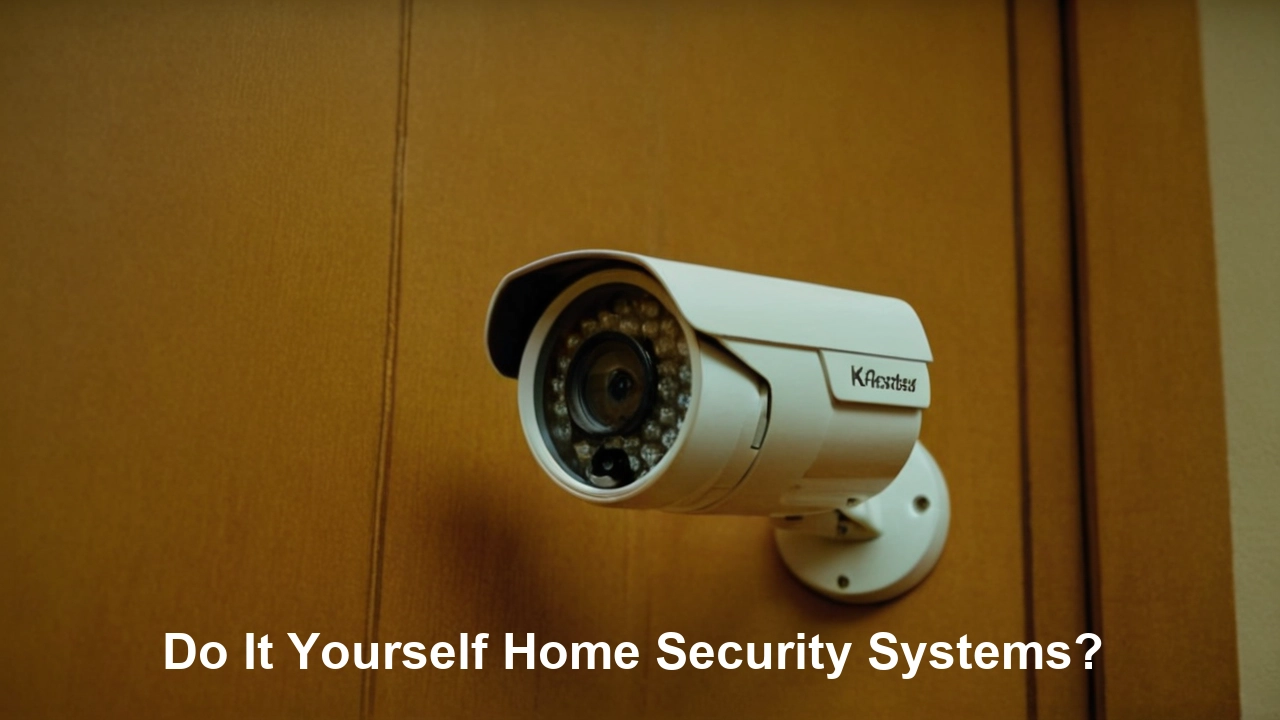
Embrace unparalleled control and cost savings with DIY home security systems. This guide empowers you to design, install, and manage a robust security solution tailored to your needs, offering peace of mind without the recurring fees of professional installations. Discover the ultimate guide to safeguarding your home on your terms.
Why Choose a DIY Home Security System?
In an era where personalization and control are paramount, the concept of "Do It Yourself" (DIY) has permeated nearly every aspect of homeownership, and home security is no exception. For homeowners seeking robust protection without the constraints of long-term contracts and hefty monthly fees, DIY home security systems present an increasingly attractive and viable solution. These systems empower individuals to take charge of their home's safety, from selecting the right components to installing and managing them according to their unique needs and budget. This approach democratizes security, making advanced protection accessible to a wider audience and fostering a sense of empowerment and self-reliance. By understanding the core principles and components of DIY security, homeowners can build a formidable defense against potential threats, ensuring their property and loved ones remain safe and secure.
The Compelling Benefits of DIY Security
The allure of DIY home security systems stems from a multitude of advantages that directly address common pain points associated with traditional, professionally installed systems. These benefits extend beyond mere cost savings, encompassing greater flexibility, enhanced customization, and a profound sense of control over one's personal safety infrastructure. As we delve into 2025 and look towards 2026, the market continues to evolve, offering more sophisticated and user-friendly options for the DIY enthusiast.
Unmatched Cost-Effectiveness
Perhaps the most significant draw of DIY security is the substantial reduction in upfront and ongoing costs. Traditional systems often involve expensive installation fees, mandatory monthly monitoring charges, and sometimes, long-term contracts that can be difficult to exit. DIY systems, conversely, typically require a one-time purchase of hardware. While professional monitoring is often an optional add-on (which can still be more affordable than traditional plans), many DIY systems offer self-monitoring capabilities through smartphone apps, eliminating recurring fees altogether. This makes advanced security accessible even on a tighter budget.
Complete Control and Customization
With a DIY system, you are the architect of your security. You decide which components are essential, where they are placed, and how they function. This level of customization is unparalleled. Need an extra motion sensor for a high-traffic area? Want to add a smart doorbell to monitor your porch? With DIY, you can easily expand or reconfigure your system as your needs change, without needing to schedule a technician or pay for service calls. This adaptability ensures your security system remains relevant and effective over time.
No Long-Term Contracts
One of the most frustrating aspects of traditional security providers is the commitment to lengthy contracts. Breaking these contracts can incur significant penalties. DIY systems liberate you from this obligation. You own your equipment and are not tied to any specific provider's service plan. This freedom allows you to switch providers, upgrade components, or discontinue monitoring services at any time, offering flexibility that is rarely found in the professionally installed market.
Ease of Installation and Use
Modern DIY security systems are designed with the end-user in mind. Manufacturers have invested heavily in making installation straightforward, often involving simple peel-and-stick adhesives for sensors and wireless connectivity. Many systems utilize intuitive smartphone apps for setup, configuration, and daily operation. This user-friendly design ensures that individuals with minimal technical expertise can successfully set up and manage their security systems.
Scalability and Future-Proofing
As your life and home evolve, so too can your security needs. DIY systems are inherently scalable. You can start with a basic kit and gradually add more sensors, cameras, or smart home devices as required. This modular approach allows you to build a system that perfectly fits your current situation and can adapt to future changes, whether it's adding a new room, a detached garage, or integrating with emerging smart home technologies.
Enhanced Privacy
For some users, the idea of a third-party company having access to their home's security data can be a concern. DIY systems, especially those with self-monitoring options, can offer a greater degree of privacy. You control who has access to your camera feeds and sensor data, often through encrypted connections managed by you or through secure cloud services chosen by you.
Understanding the Landscape: Types of DIY Systems
The world of DIY home security is diverse, offering various approaches to safeguarding your home. Understanding these different types is crucial for selecting the system that best aligns with your technical comfort level, budget, and specific security requirements. Each category offers a unique blend of features, ease of use, and integration capabilities.
Self-Contained Smart Home Security Kits
These are perhaps the most popular and accessible DIY systems. They typically consist of a central hub or base station that communicates wirelessly with a variety of sensors (door/window, motion, glass break) and sometimes cameras. The hub connects to your home Wi-Fi network, allowing you to control and monitor the system via a smartphone app. Examples include systems from brands like SimpliSafe, Ring Alarm, and Abode. They often offer optional professional monitoring plans, providing a hybrid approach.
- Pros: Easy setup, user-friendly apps, often expandable, optional professional monitoring.
- Cons: May require a subscription for advanced features or cloud storage, reliance on Wi-Fi.
Smart Home Hubs with Security Components
This category involves using a versatile smart home hub (like Amazon Echo, Google Nest Hub, or Apple HomePod) as the central brain of your security system. You then purchase compatible smart security devices – such as smart locks, cameras, and sensors – that can communicate with the hub. While this offers immense integration with other smart devices, it might require more technical know-how to ensure all components work seamlessly together and that security protocols are robust.
- Pros: High degree of integration with other smart devices, voice control capabilities, can leverage existing smart home infrastructure.
- Cons: Can be more complex to set up, relies on the hub's ecosystem, security features might be less specialized than dedicated systems.
Standalone Smart Devices
This is the most basic DIY approach, where you purchase individual smart security devices and manage them independently through their respective apps. This could include a smart doorbell, a few Wi-Fi security cameras, and perhaps a smart lock. While this offers maximum flexibility and allows you to pick and choose the best-in-class for each function, it can lead to a fragmented user experience with multiple apps to manage and potentially less coordinated system-wide responses to security events.
- Pros: Ultimate flexibility in component selection, focus on specific areas of concern.
- Cons: No central control, multiple apps required, can be less effective as a cohesive security system.
Wired Systems (Advanced DIY)
While most modern DIY systems are wireless, some advanced users might opt for wired systems. These offer superior reliability as they are not subject to wireless interference or battery life issues. However, installation is significantly more complex, often requiring running wires through walls and ceilings. This is typically for individuals with electrical experience or those undertaking major renovations.
- Pros: Highly reliable, less prone to interference, often more robust.
- Cons: Very complex installation, requires technical expertise, less flexible for reconfigurations.
Essential Components of Your DIY Security Setup
A well-rounded DIY home security system is built upon a foundation of carefully selected components, each playing a vital role in detecting, deterring, and alerting you to potential threats. Understanding the function of each component will help you design a comprehensive and effective security perimeter for your home.
The Base Station/Hub
This is the central nervous system of most wireless DIY security systems. It connects to your home's internet (usually via Wi-Fi or Ethernet) and communicates with all other sensors and devices. It's responsible for processing signals, triggering alarms, and sending notifications to your smartphone. Some hubs also have a built-in siren.
Door and Window Sensors
These are small, two-piece devices. One part attaches to the door or window frame, and the other attaches to the door or window itself. When the two pieces are separated (i.e., the door or window is opened), the sensor detects the change and sends a signal to the base station. They are crucial for detecting unauthorized entry.
Motion Detectors
Motion sensors use passive infrared (PIR) technology to detect changes in heat signatures within their field of view. They are ideal for covering larger areas like living rooms, hallways, or basements. Many modern motion detectors are pet-immune, meaning they can distinguish between a human and a pet of a certain weight to avoid false alarms.
Security Cameras (Indoor & Outdoor)
Cameras provide visual verification of events.
- Indoor cameras are useful for monitoring common areas, checking on pets, or keeping an eye on children.
- Outdoor cameras are essential for monitoring entry points, driveways, and yards. Features to look for include night vision, motion detection, two-way audio, and weather resistance.
Smart Doorbell Cameras
These replace your traditional doorbell and integrate a camera, microphone, and speaker. They allow you to see, hear, and speak to visitors remotely via your smartphone, even when you're not home. They also serve as a deterrent to package thieves and potential intruders.
Glass Break Sensors
These sensors are designed to detect the specific sound frequency of breaking glass. They are particularly useful for homes with large windows or glass doors, providing an additional layer of security for vulnerable entry points.
Keypads and Key Fobs
Keypads allow you to arm and disarm the system using a PIN code. Key fobs offer a more convenient way to arm/disarm the system with the press of a button, especially when entering or leaving the house quickly. Many systems can be fully controlled via smartphone apps, reducing the reliance on physical keypads.
Siren
A loud siren is a critical component for deterring intruders and alerting occupants and neighbors to a breach. Most base stations have a built-in siren, but external sirens can be added for increased audibility.
Environmental Sensors (Optional but Recommended)
These include devices like smoke detectors, carbon monoxide detectors, and water leak sensors. While not strictly "security" in the traditional sense, they are vital for protecting your home and family from other common household hazards. Many DIY systems can integrate these for a comprehensive safety net.
Planning Your DIY Home Security System: A Step-by-Step Approach
A successful DIY security system begins with meticulous planning. Rushing into purchases without a clear strategy can lead to an incomplete or inefficient setup. By following these steps, you can ensure your system is tailored to your home's unique vulnerabilities and your lifestyle.
Step 1: Assess Your Home's Vulnerabilities
Walk around your property, both inside and out, and identify potential entry points and areas of concern. Consider:
- All doors (front, back, patio, garage entry)
- All accessible windows (ground floor, basement, even upper floors if easily reachable)
- Areas with poor visibility or lighting
- Any detached structures (garage, shed)
- High-traffic areas within the home
Think about where an intruder would most likely try to gain access.
Step 2: Define Your Security Goals
What do you want your system to achieve?
- Deterrence?
- Early detection of entry?
- Visual evidence of events?
- Alerting authorities?
- Monitoring pets or children?
- Protection against environmental hazards?
Your goals will dictate the types and number of components you need.
Step 3: Determine Your Monitoring Preference
Self-Monitoring: You receive alerts on your smartphone and are responsible for contacting emergency services if needed. This is the most cost-effective option, as it involves no monthly fees.
Professional Monitoring: A third-party service monitors your system 24/7. When an alarm is triggered, they verify the emergency and dispatch authorities. This offers greater peace of mind but incurs a monthly fee.
Many DIY systems offer both options, allowing you to choose or switch as needed.
Step 4: Map Out Component Placement
Based on your vulnerability assessment, create a rough map of where each sensor and camera should be placed. For example:
- Door/Window Sensors: On every exterior door and accessible window.
- Motion Detectors: In main living areas, hallways, and basements. Consider placing them in corners for maximum coverage.
- Cameras: Facing primary entry points (front door, back door), driveways, and potentially key interior areas.
- Glass Break Sensors: In rooms with multiple large windows.
Step 5: Consider Your Wi-Fi Network Strength
Most DIY systems rely on Wi-Fi. Ensure you have a strong, stable Wi-Fi signal in all areas where you plan to install wireless devices, especially cameras. You may need a Wi-Fi extender or a mesh network for larger homes.
Step 6: Budget Allocation
Research different brands and their starter kits. Factor in the cost of individual components you might need to add. Remember to consider potential subscription fees for cloud storage or professional monitoring if you opt for those services.
Step 7: Research and Select a System
Based on the above, begin researching specific DIY security systems. Look for systems that offer the components you need, have good user reviews, and provide a user-friendly app experience. Read our comparison section later in this guide for assistance.
DIY Installation: Making it Happen
Installing a DIY home security system is designed to be accessible, but a little preparation and care ensure a smooth process. Here’s a general step-by-step guide, applicable to most wireless systems:
Step 1: Unpack and Inventory
Carefully unpack all components. Check the contents against the packing list to ensure nothing is missing. Familiarize yourself with each piece.
Step 2: Charge Devices (If Applicable)
Some components, like cameras or keypads, may have rechargeable batteries. Ensure they are fully charged before installation.
Step 3: Download the Mobile App
Download the manufacturer's app onto your smartphone or tablet. Create an account and follow the on-screen prompts to set up your system profile.
Step 4: Set Up the Base Station/Hub
Place the base station in a central location, ideally near your router if using an Ethernet connection. Follow the app's instructions to connect it to your Wi-Fi network. This is often the most critical step for system connectivity.
Step 5: Install Door and Window Sensors
Clean the surface of the door/window and frame where the sensor will be mounted. Most sensors use strong adhesive strips. Align the two parts of the sensor so they are close together when the door/window is closed (usually within 1 inch). Follow the app's instructions to pair each sensor with the base station. You'll typically press a button on the sensor and then confirm pairing in the app.
Step 6: Install Motion Detectors
Mount motion detectors in corners of rooms, typically 6-8 feet off the ground, facing areas of expected movement. Avoid pointing them directly at heat sources (like vents or direct sunlight) or windows that could cause false alarms. Again, pair each sensor with the base station via the app.
Step 7: Mount Cameras
For outdoor cameras, choose a location that provides a clear view of the area you want to monitor. Ensure it's within Wi-Fi range and consider weatherproofing. Indoor cameras can be placed on shelves or mounted on walls. Follow the app's instructions for connecting cameras to your Wi-Fi and pairing them with the system. Many require scanning a QR code.
Step 8: Install Keypads/Key Fobs (If Used)
Keypads can be mounted near main entry points. Key fobs are portable. Pair them with the base station as instructed by the app.
Step 9: Test Your System Thoroughly
This is a crucial step often overlooked. Arm the system and intentionally trigger each sensor one by one (open a door, walk in front of a motion detector). Verify that the base station receives the signal and that you receive notifications on your app. Test the siren. If you have professional monitoring, ensure they are aware you are testing and that they receive the signals correctly.
Step 10: Configure Settings
Through the app, customize settings such as entry/exit delays, notification preferences, and alarm durations. Set up user codes for keypads.
Tip: Always refer to the specific installation manual provided by your chosen manufacturer, as procedures can vary slightly between brands.
Integrating with Your Smart Home Ecosystem
The beauty of modern DIY security systems is their ability to integrate seamlessly with your existing smart home devices and platforms. This integration enhances convenience, automation, and the overall intelligence of your home environment. By 2025-26, this interconnectedness is becoming standard.
Voice Assistants (Alexa, Google Assistant, Siri)
Most major DIY security systems are compatible with popular voice assistants. This allows you to:
- Arm or disarm your system using voice commands (disarming often requires a PIN for security).
- Check the status of your system ("Alexa, is the security system armed?").
- Control connected smart devices linked to your security system (e.g., "Hey Google, turn on the porch light" if your security system controls smart lighting).
Ensure your security system's app and your voice assistant's app are linked through their respective ecosystems.
Smart Lighting
Integrating security sensors with smart lights can be a powerful deterrent. For example:
- When a motion detector is triggered outside at night, it can automatically turn on your exterior lights.
- If a door sensor is tripped while you're away, specific interior lights can turn on to simulate occupancy.
This requires your security system to be compatible with smart lighting brands (like Philips Hue, LIFX) or integrated into a broader smart home platform.
Smart Locks
Connecting smart locks to your security system offers enhanced control and automation:
- Automatically lock all doors when the system is armed away.
- Receive notifications when specific users unlock a door.
- Grant temporary access codes that can be managed through the security app.
Smart Thermostats and Other Devices
While less common, some advanced integrations allow security systems to interact with smart thermostats (e.g., setting back the thermostat when the system is armed away to save energy) or other smart appliances. The key is checking compatibility lists and utilizing platforms like IFTTT (If This Then That) for custom automation recipes if direct integration isn't available.
IFTTT (If This Then That)
For DIY enthusiasts looking for advanced automation, IFTTT can be a game-changer. It allows you to create custom "applets" that connect different devices and services. For instance:
- "If my security camera detects motion, then send me an email with a snapshot."
- "If my system is armed away, then set my smart thermostat to 'Eco' mode."
This requires a bit more technical tinkering but opens up a world of possibilities.
Important Note: Always prioritize security when integrating systems. Ensure strong passwords are used for all accounts and devices, and keep firmware updated to patch any vulnerabilities. For critical security functions like disarming, ensure robust authentication measures are in place.
Ongoing Maintenance and Future-Proofing
A DIY home security system, while requiring less maintenance than complex professional installations, still benefits from regular attention to ensure optimal performance and longevity. Proactive maintenance also helps you stay ahead of potential issues and consider future upgrades.
Regular Battery Checks
Most wireless sensors are battery-powered. Check the battery levels regularly through your system's app. Most apps will alert you when a battery is low, but it's good practice to check proactively, especially before extended trips. Replace batteries with the manufacturer-recommended type to avoid compatibility issues.
Sensor Cleaning and Alignment
Dust and debris can accumulate on sensors, potentially affecting their performance. Gently clean sensors with a soft, dry cloth. Periodically check the alignment of door and window sensors to ensure they are still positioned correctly for reliable detection.
Camera Lens Cleaning and Positioning
Keep camera lenses clean for clear footage. For outdoor cameras, ensure they are still pointed correctly after periods of wind or weather. Check for any obstructions that may have grown into the camera's view.
Software and Firmware Updates
Manufacturers regularly release software updates for their apps and firmware updates for the base station and devices. These updates often include performance improvements, new features, and crucial security patches. Enable automatic updates where possible, or regularly check the app for available updates.
Wi-Fi Network Health
Ensure your home Wi-Fi network remains stable and strong. If you experience connectivity issues with your security devices, it might be time to troubleshoot your router, consider a Wi-Fi extender, or upgrade to a mesh network system, especially for larger homes or those with many connected devices.
Testing Your System
As mentioned in the installation section, regular testing is vital. Arm your system and trigger sensors to ensure they are still communicating effectively with the base station and that you are receiving alerts. This is especially important after significant weather events or power outages.
Considering Upgrades and Expansion
As technology advances and your needs evolve, consider upgrading or expanding your system:
- New Sensor Types: Explore newer sensors with advanced features like AI-powered motion detection or environmental hazard alerts.
- Higher Resolution Cameras: If your current cameras are older, consider upgrading to higher resolution models for clearer imagery.
- Integration with New Smart Home Tech: As you add new smart devices to your home, check if they can be integrated with your existing security system for enhanced automation.
- Improved Storage: If cloud storage costs are rising or you need more local storage, consider systems that offer larger local storage options (e.g., SD cards) or more flexible cloud plans.
By staying on top of maintenance and being aware of upgrade possibilities, you can ensure your DIY security system remains a robust and reliable guardian of your home for years to come.
DIY vs. Professional: A Cost Comparison (2025-26)
When evaluating home security options, the financial aspect is often a primary consideration. DIY systems have consistently proven to be more budget-friendly than professionally installed and monitored systems, a trend that is projected to continue through 2025-26. Let's break down the typical costs.
| Feature/Cost | DIY Home Security System (Example) | Professional Security System (Example) |
|---|---|---|
| Upfront Equipment Cost | $200 - $600 (for a starter kit with hub, 2-3 sensors, keypad) | $500 - $1500+ (often bundled with installation fees) |
| Installation Fee | $0 (self-installed) | $100 - $500+ (professional installation required) |
| Monthly Monitoring Fee | $0 (self-monitoring) OR $15 - $30 (optional professional monitoring) | $30 - $60+ (mandatory for most systems) |
| Contract Length | Typically month-to-month for optional monitoring, or no contract if self-monitored. | Typically 1-3 years, with penalties for early termination. |
| Expansion Costs | $20 - $50 per additional sensor; $50 - $200 per camera. | Can be higher, often requiring technician visit for additions. |
| Total First Year Cost (Approx.) | $200 - $600 (self-monitored) OR $380 - $1020 (professionally monitored) | $600 - $2000+ (including installation and first year monitoring) |
| Total 3-Year Cost (Approx.) | $200 - $600 (self-monitored) OR $740 - $1920 (professionally monitored) | $1500 - $3300+ (including installation and 3 years monitoring) |
Note: These are generalized estimates and can vary significantly based on brand, features, and specific service plans.
Key Takeaways from the Cost Analysis:
- Significant Savings: DIY systems offer substantial savings, particularly if you opt for self-monitoring. Even with optional professional monitoring, the total cost over several years is often considerably less than traditional systems.
- No Contractual Lock-in: The absence of long-term contracts provides financial flexibility. You're not penalized for wanting to switch providers or upgrade your system.
- Value of Ownership: You own the equipment outright, which is not always the case with professionally installed systems, where equipment might be leased.
- Scalability of Cost: You can start with a basic DIY system and add components gradually as your budget allows, spreading the cost over time.
For budget-conscious homeowners who are comfortable with a bit of setup, DIY security systems present a compelling financial advantage without compromising on essential security features.
Common DIY Security Challenges and Solutions
While DIY systems are designed for ease of use, occasional hiccups can occur. Understanding common challenges and their solutions can save you time and frustration.
Challenge 1: False Alarms
Causes: Pets triggering motion sensors, doors/windows not closing properly, environmental factors (wind, sunlight), incorrect sensor placement, faulty sensors.
Solutions:
- Pet-Immune Sensors: Ensure your motion detectors are rated as pet-immune and set the sensitivity correctly based on your pet's weight.
- Proper Installation: Double-check that door/window sensors are aligned and close properly. Ensure motion sensors are not aimed at heat sources or moving objects (curtains).
- Sensor Placement: Relocate motion sensors away from vents, direct sunlight, or high-traffic areas not requiring monitoring.
- Test Regularly: Identify patterns of false alarms by testing your system and noting when they occur.
- Manufacturer Support: Contact the manufacturer's support if you suspect a faulty sensor.
Challenge 2: Connectivity Issues
Causes: Weak Wi-Fi signal, router problems, internet service interruption, interference from other devices.
Solutions:
- Check Wi-Fi Strength: Use your phone to check Wi-Fi signal strength at the location of each device.
- Router Placement: Ensure your router is centrally located and not obstructed.
- Restart Router/Modem: A simple reboot can often resolve temporary connectivity glitches.
- Wi-Fi Extenders/Mesh Systems: For larger homes or dead zones, consider a Wi-Fi extender or a mesh network.
- Ethernet Connection: If possible, connect the base station directly to your router via Ethernet for maximum stability.
- Check Internet Service: Ensure your home internet service is active and stable.
Challenge 3: App Not Responding
Causes: App needs updating, phone OS issues, server problems with the provider.
Solutions:
- Update the App: Ensure you have the latest version of the security system's app installed.
- Restart Your Phone: Sometimes a simple phone reboot can resolve app glitches.
- Check Provider Status: Visit the manufacturer's website or social media for any reported service outages.
- Reinstall App: As a last resort, uninstall and then reinstall the app.
Challenge 4: Battery Drain Issues
Causes: Old batteries, faulty sensor, frequent communication with the base station due to poor signal, extreme temperatures.
Solutions:
- Replace Batteries: Use high-quality, fresh batteries of the correct type.
- Check Signal Strength: A weak signal can cause sensors to transmit more frequently, draining batteries faster. Improve Wi-Fi signal if necessary.
- Monitor Usage: If a sensor is constantly triggering or communicating, investigate why.
- Environmental Factors: Extreme cold or heat can impact battery life.
Challenge 5: Difficulty Pairing Devices
Causes: Devices too far from the base station, interference, incorrect pairing procedure, low battery on the device being paired.
Solutions:
- Proximity: Bring the device closer to the base station during the pairing process.
- Follow Instructions Exactly: Refer to the manufacturer's guide for the specific pairing sequence.
- Check Device Battery: Ensure the device you're trying to pair has a fresh battery.
- Reset Device: Some devices have a reset button or procedure that can help before re-attempting pairing.
For persistent issues, don't hesitate to contact the manufacturer's customer support. They are a valuable resource for troubleshooting specific problems with their systems.
Selecting the Best DIY Home Security System for Your Needs
With numerous options available, choosing the right DIY home security system can feel overwhelming. The "best" system is subjective and depends entirely on your individual requirements, budget, and technical comfort level. Here’s a framework to guide your decision:
1. Assess Your Home Size and Layout
A small apartment will require a different setup than a large, multi-story house. Consider the number of doors, windows, and rooms you need to cover. Systems with a wide range of sensors and expandable options are better for larger homes.
2. Determine Your Budget
Set a clear budget for both upfront equipment costs and any potential monthly fees (for optional monitoring or cloud storage). DIY systems offer flexibility here, allowing you to start small and add components later.
3. Evaluate Your Technical Skill Level
Are you comfortable with basic tools and following app instructions, or do you prefer a plug-and-play experience? Most modern DIY systems are designed for simplicity, but some offer more advanced customization that might appeal to tech-savvy users.
4. Prioritize Key Features
- Cameras: Do you need indoor, outdoor, or both? What resolution, night vision, and field of view are important?
- Sensors: Beyond basic door/window and motion, do you need glass break, environmental sensors, or specialized detectors?
- Monitoring: Do you prefer self-monitoring for cost savings, or the peace of mind of optional professional monitoring?
- Smart Home Integration: How important is compatibility with voice assistants (Alexa, Google Assistant) or other smart devices?
- App Experience: Read reviews about the system's mobile app. Is it intuitive, reliable, and feature-rich?
5. Research Top Brands and Read Reviews
Some leading DIY security brands include:
- SimpliSafe: Known for ease of use, no-contract professional monitoring, and a wide range of sensors.
- Ring Alarm: Integrates seamlessly with Ring's popular video doorbells and cameras, offering robust smart home capabilities.
- Abode: Offers a good balance of DIY simplicity and advanced features, including robust smart home integration and professional monitoring options.
- Google Nest Secure (discontinued but components may still be available/supported): Focused on integration with Google's ecosystem.
- Wyze: Offers very budget-friendly cameras and sensors, often requiring more manual integration for a full system.
Look for independent reviews that test performance, reliability, and customer support.
6. Consider Expansion and Future Needs
Choose a system that allows you to easily add more sensors, cameras, or other devices as your needs change. This modularity is a key advantage of DIY systems.
7. Check for Hidden Costs
Be aware of potential costs for cloud storage for camera footage, cellular backup for the base station, or premium app features. Factor these into your long-term budget.
By carefully considering these factors, you can confidently select a DIY home security system that provides effective protection, fits your budget, and enhances your peace of mind.
Conclusion
The journey into DIY home security systems reveals a landscape of empowerment, cost-efficiency, and unparalleled control. As we've explored, from the foundational benefits of avoiding long-term contracts and hefty fees to the intricate planning and installation processes, these systems put the power of home protection directly into your hands. The evolution of technology in 2025-26 continues to favor user-friendly interfaces, robust wireless connectivity, and seamless integration with smart home ecosystems, making it easier than ever to build a security solution that perfectly matches your unique needs and budget. Whether you opt for self-monitoring to maximize savings or choose optional professional monitoring for added reassurance, the core advantage remains: you are in charge. By understanding the essential components, meticulously planning your setup, and performing regular maintenance, you can ensure your DIY system remains a vigilant guardian, offering lasting peace of mind and a secure environment for you and your loved ones. Take the first step today to build a smarter, safer home on your own terms.