Enhancing Home Security : The Rise of Doorbell Security Cameras
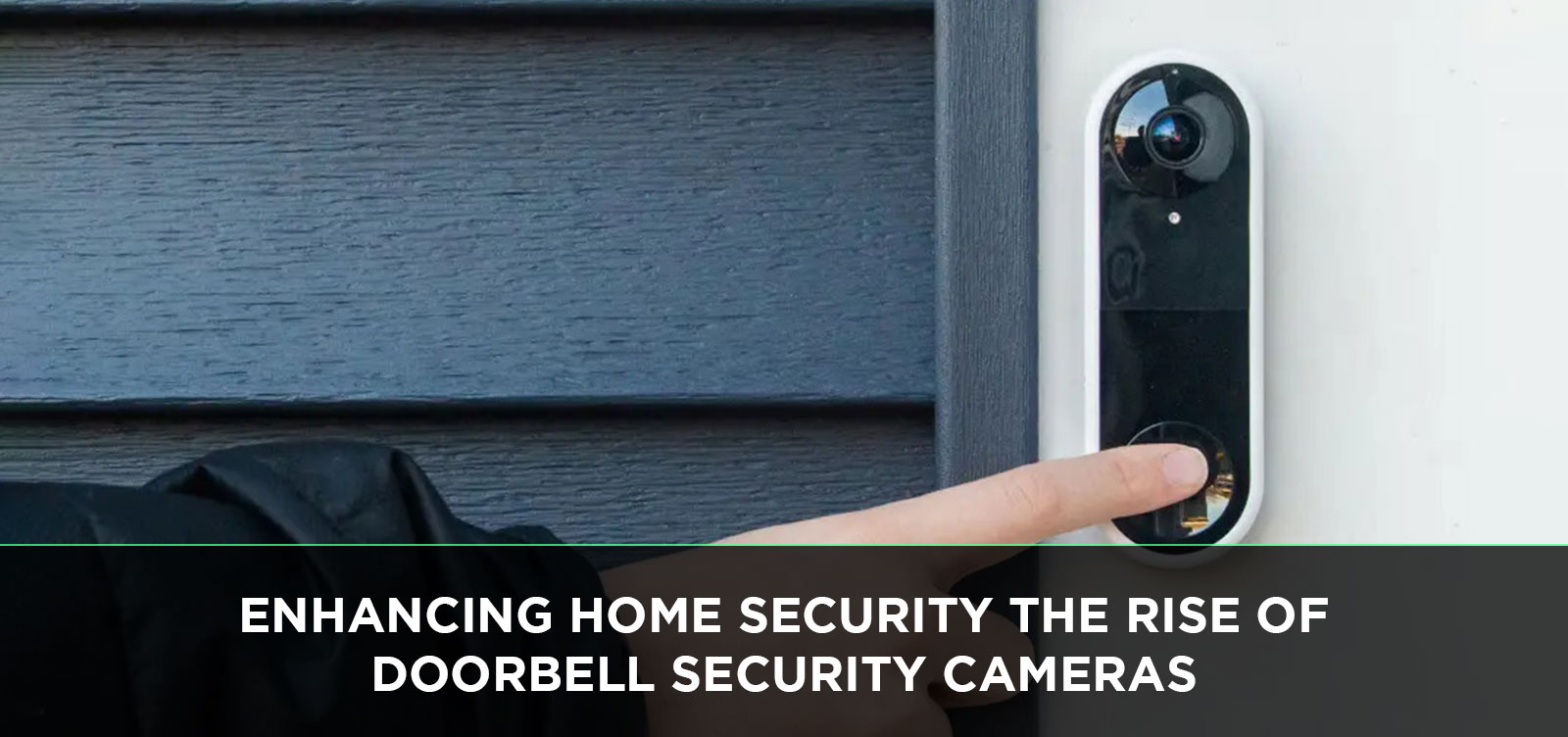
Doorbell security cameras are revolutionizing home protection, offering unparalleled peace of mind and advanced surveillance. This guide explores their evolution, benefits, and how they significantly enhance your home's safety in 2025-26.
What Are Doorbell Security Cameras?
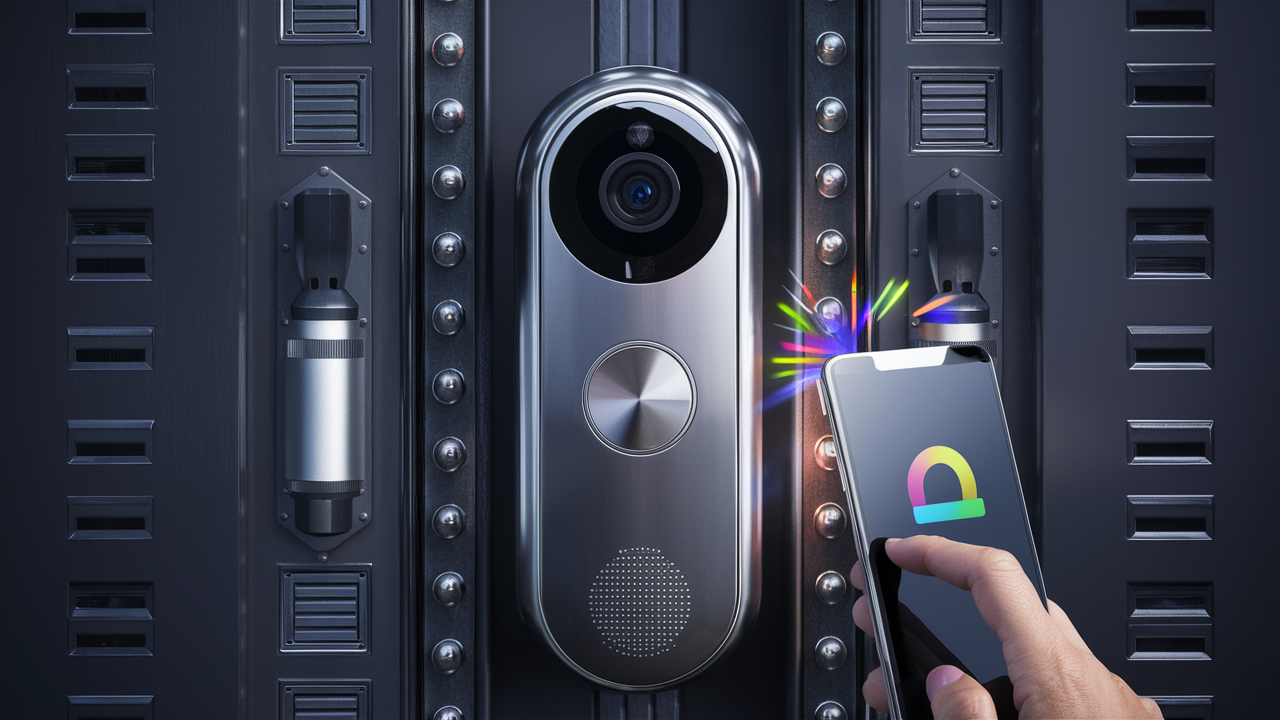
Doorbell security cameras, often referred to as video doorbells, are smart home devices that combine the functionality of a traditional doorbell with a built-in high-definition camera, microphone, and speaker. They connect to your home's Wi-Fi network, allowing you to see, hear, and speak to visitors at your front door from anywhere in the world via a smartphone app. Beyond simply announcing a visitor, these devices act as a vigilant guardian, recording activity, detecting motion, and providing a crucial layer of security for your property.
The Evolution of Doorbell Technology
The concept of a doorbell has been around for centuries, evolving from simple pull cords to electric buzzers. However, the true revolution in doorbell technology began in the late 2000s and early 2010s with the advent of the first smart doorbells. Initially, these devices offered basic video streaming and remote viewing. Early models were often clunky, expensive, and required complex installation.
As smartphone technology matured and Wi-Fi became ubiquitous, so too did the capabilities of video doorbells. Manufacturers began integrating higher resolution cameras, wider fields of view, and more sophisticated motion detection algorithms. The introduction of two-way audio allowed for real-time conversations, transforming the doorbell from a passive observer to an interactive security tool. Cloud storage solutions emerged, enabling users to review recorded footage, a critical feature for security and evidence gathering.
By the mid-2010s, video doorbells were becoming a mainstream smart home product. Companies like Ring and Nest (now Google Nest) popularized the category, making them more accessible and user-friendly. The focus shifted towards seamless integration with other smart home devices, enhanced AI-powered features like person detection, and improved battery life for wireless models. The market continued to expand with numerous brands offering diverse features and price points, catering to a wide range of consumer needs and budgets.
In the current landscape of 2025-26, doorbell cameras are no longer a novelty but a fundamental component of modern home security. They are expected to offer features like advanced AI for distinguishing between people, packages, and vehicles, superior low-light performance, and robust integration with home automation systems. The continuous innovation in sensor technology, processing power, and connectivity is driving these devices to become even more intelligent, reliable, and indispensable for homeowners.
Key Features and Benefits of Modern Doorbell Cameras
The appeal of doorbell security cameras lies in their multifaceted capabilities that extend far beyond a traditional doorbell. In 2025-26, these devices are packed with advanced features designed to offer comprehensive security and convenience.
Enhanced Security and Surveillance
- Real-time Monitoring: Live HD video streaming allows you to see who is at your door, anytime, anywhere, directly from your smartphone or tablet.
- Motion Detection: Sophisticated sensors alert you to any movement in pre-defined zones, whether it's a delivery person, a visitor, or an unexpected presence. Advanced AI can differentiate between people, animals, and vehicles, reducing false alarms.
- Two-Way Audio: Communicate directly with visitors using the built-in microphone and speaker. This is invaluable for instructing delivery drivers, speaking with solicitors, or deterring potential intruders.
- Night Vision: Infrared LEDs provide clear video footage even in complete darkness, ensuring your property is monitored 24/7.
- Wide-Angle Lens: Capture a broader view of your doorstep, including packages left on the porch and activity on the sides.
- Tamper Alerts: Some models notify you if someone attempts to disable or remove the camera.
Convenience and Peace of Mind
- Remote Access: Never miss a visitor or delivery when you're away from home. You can grant access or leave instructions remotely.
- Package Detection: Specialized features can alert you specifically when a package is delivered or picked up, ensuring your deliveries are secure.
- Deterrence: The visible presence of a video doorbell can act as a significant deterrent to potential burglars and vandals.
- Activity History: Recorded footage is typically stored in the cloud or on local storage, allowing you to review past events. This can be crucial for identifying suspicious activity or for insurance purposes.
- Integration with Smart Home Systems: Seamlessly connect with other smart devices like smart locks, alarms, and voice assistants for a unified home security experience.
- Visitor Logging: Keep a record of who has visited your home, which can be useful for security and personal organization.
Data and Statistics (2025-26 Projections)
The adoption of video doorbells continues to surge. Industry analysts project that by the end of 2025, over 45% of households in developed nations will own at least one smart home security device, with video doorbells being the most popular entry-point category. Furthermore, a recent survey indicated that 78% of homeowners who installed a video doorbell reported feeling more secure, and 65% stated it had helped them prevent a potential theft or incident.
The market for smart home security, including video doorbells, is expected to grow at a compound annual growth rate (CAGR) of approximately 18% through 2027, driven by increasing consumer awareness of security needs and advancements in technology. Features like AI-powered person detection are now standard on premium models, with adoption rates for these advanced features projected to exceed 85% by late 2026.
Advanced Motion Detection and AI
One of the most significant advancements in doorbell cameras is the sophistication of their motion detection systems. Older models often relied on simple passive infrared (PIR) sensors, which could be triggered by anything generating heat, including pets, swaying branches, or even changes in sunlight. This led to a high number of false alerts, frustrating users.
Modern doorbell cameras, especially those released in 2025 and 2026, incorporate advanced Artificial Intelligence (AI) and machine learning algorithms. These systems can analyze video feeds in real-time to distinguish between different types of motion. Key AI-powered features include:
- Person Detection: Identifies human shapes, significantly reducing alerts from animals or inanimate objects.
- Package Detection: Specifically alerts users when a package is placed at or removed from the doorstep. This is a game-changer for online shoppers.
- Vehicle Detection: Differentiates between cars, trucks, and other vehicles, useful for monitoring driveways or street activity.
- Activity Zones: Users can define specific areas within the camera's field of view to monitor, ignoring irrelevant motion elsewhere.
These AI capabilities not only enhance security by providing more relevant alerts but also improve the user experience by reducing notification fatigue. This intelligent sensing is a core reason for the continued rise in doorbell security camera adoption.
High-Definition Video and Audio Quality
The visual and auditory clarity of doorbell cameras has dramatically improved. Most contemporary models offer at least 1080p HD resolution, with many premium options now providing 2K or even 4K video quality. This high resolution ensures that faces, license plates, and other details are captured with exceptional clarity, vital for identification purposes.
Video Enhancements:
- High Dynamic Range (HDR): Balances bright and dark areas in the image, preventing overexposure in sunlight or underexposure in shadows, ensuring clear visuals in challenging lighting conditions.
- Wide Dynamic Range (WDR): Similar to HDR, it optimizes exposure across the entire frame, capturing detail in both the brightest and darkest parts of the scene simultaneously.
- Improved Low-Light Performance: Enhanced sensors and advanced image processing, combined with powerful infrared LEDs, provide crisp black-and-white footage in near-total darkness. Some models even offer color night vision, providing more detail and context in low light.
Audio Enhancements:
- Noise Cancellation: Built-in microphones and speakers feature noise-cancellation technology, ensuring clear two-way conversations even in noisy environments like busy streets or windy conditions.
- Echo Reduction: Prevents audio feedback during conversations, making interactions smoother and more natural.
This superior video and audio quality is not just about convenience; it's a critical security feature, providing irrefutable evidence if an incident occurs.
Types of Doorbell Cameras: Wired vs. Wireless
When choosing a doorbell camera, one of the primary decisions is whether to opt for a wired or wireless model. Each type has its own set of advantages and disadvantages, making the choice dependent on your home's existing infrastructure and your specific needs.
Wired Doorbell Cameras
Wired doorbell cameras connect to your home's existing doorbell wiring. This typically means they are powered continuously, eliminating the need for battery charging or replacement.
Advantages:
- Continuous Power: Never worry about a dead battery. They are always on and ready to record.
- Reliable Connectivity: Often offer a more stable and consistent Wi-Fi connection due to a direct power source.
- No Battery Maintenance: Eliminates the hassle of recharging or replacing batteries, especially in hard-to-reach locations.
- Potentially Higher Performance: Some high-end models that require more power may only be available in wired configurations.
Disadvantages:
- Installation Complexity: Requires basic electrical knowledge and may necessitate running new wires if existing ones are incompatible or absent. This can involve hiring an electrician.
- Limited Placement Options: Restricted to locations where existing doorbell wiring is present.
- Potential for Power Outages: If your home loses power, the doorbell camera will also lose power unless you have a backup system.
Wireless Doorbell Cameras
Wireless doorbell cameras are battery-powered and connect to your Wi-Fi network wirelessly. They offer greater flexibility in placement.
Advantages:
- Easy Installation: Typically very simple to install, often requiring just a few screws and connecting to your Wi-Fi. No electrical wiring is needed.
- Flexible Placement: Can be installed on any exterior wall, regardless of existing wiring, making them ideal for renters or homes without traditional doorbell setups.
- Portability: Easy to move or replace if you move to a new home.
Disadvantages:
- Battery Management: Batteries need to be recharged or replaced periodically. Battery life varies significantly based on usage, Wi-Fi signal strength, and environmental factors. Some models offer quick-release batteries for easier swapping.
- Potential for Connectivity Issues: Performance can be affected by Wi-Fi signal strength. If the signal is weak, the connection may be less reliable.
- Power Limitations: The power draw is limited by battery capacity, which might restrict some advanced features compared to wired counterparts.
Hybrid Models
Some newer models offer a hybrid approach, allowing for battery power but also providing the option to connect to existing doorbell wiring for continuous power. This offers the best of both worlds: easy installation with the reliability of constant power.
Comparison Table: Wired vs. Wireless Doorbell Cameras
| Feature | Wired Doorbell Cameras | Wireless Doorbell Cameras |
|---|---|---|
| Power Source | Connects to existing doorbell wiring (continuous power) | Battery-powered (rechargeable or replaceable) |
| Installation | More complex, may require electrical knowledge or professional help | Simple, DIY-friendly, no wiring needed |
| Placement Flexibility | Limited to locations with existing wiring | Highly flexible, can be placed anywhere with Wi-Fi |
| Battery Maintenance | None | Requires periodic charging or replacement |
| Connectivity Reliability | Generally very stable | Can be affected by Wi-Fi signal strength |
| Ideal For | Homeowners with existing doorbell wiring, seeking ultimate reliability | Renters, DIY enthusiasts, homes without existing wiring, those prioritizing ease of installation |
Installation and Setup Considerations
Installing a doorbell security camera is generally a straightforward process, but a few key considerations can ensure optimal performance and security.
Choosing the Right Location
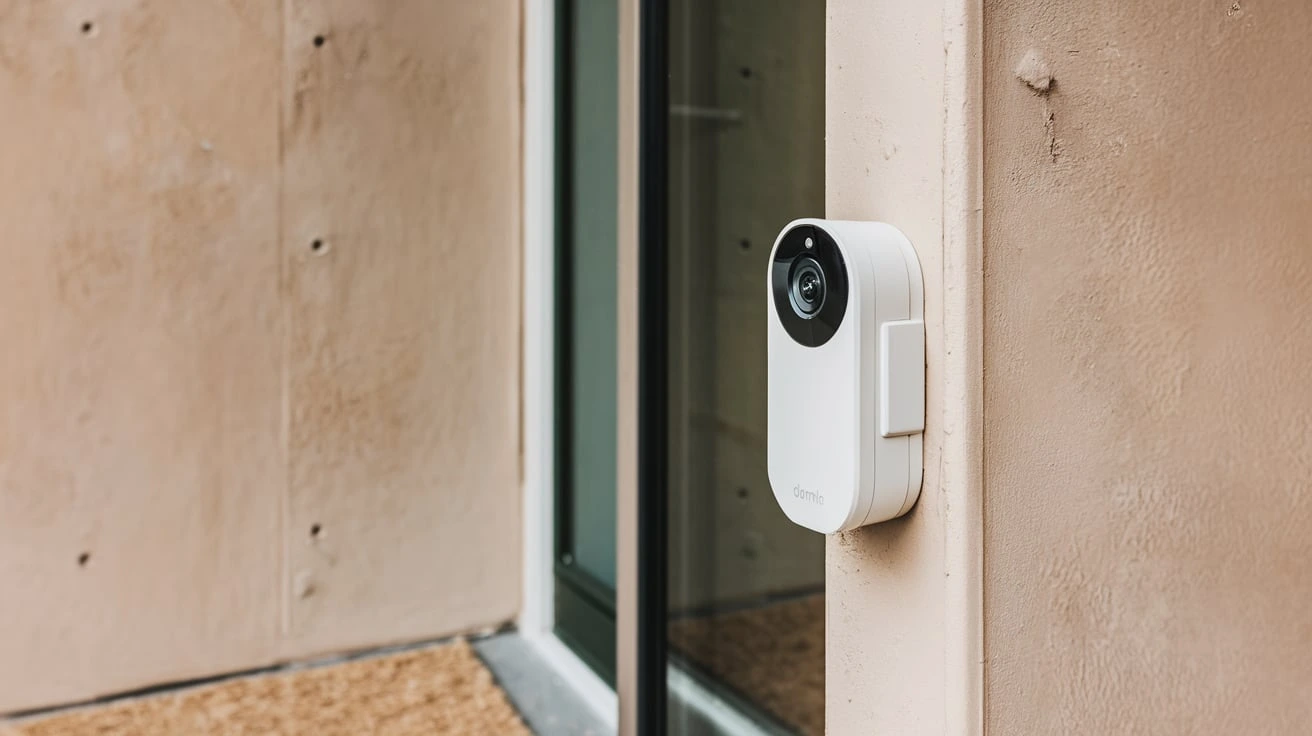
The placement of your doorbell camera is crucial for its effectiveness. Aim for a location that provides a clear, unobstructed view of your entire entryway, including the porch, walkway, and any potential hiding spots. Most doorbell cameras have a wide field of view (often 160 degrees or more), but ensure there are no plants, decorations, or architectural features blocking the lens.
Consider the height: typically 4 to 5 feet from the ground is ideal for capturing faces clearly. For wired installations, ensure the existing wiring is accessible and functional. For wireless models, ensure the chosen location has a strong Wi-Fi signal. Many manufacturers offer angle mounts or wedges that can help adjust the camera's view to cover a wider area or compensate for angled surfaces.
Powering Your Device
As discussed, you'll need to decide between wired and wireless. If opting for wired, ensure your existing doorbell transformer has sufficient voltage and amperage to power the camera. Many manufacturers provide specifications for compatible transformers. If your existing transformer is too weak, it will need to be replaced. For wireless devices, ensure you have a reliable method for charging or replacing batteries. Some users opt for a solar charging panel accessory for wireless models to reduce battery maintenance.
Wi-Fi Connectivity
A stable and robust Wi-Fi connection is paramount for any smart home device, especially a video doorbell. Ensure your home Wi-Fi network has good coverage at the front door. If the signal is weak, consider investing in a Wi-Fi extender or a mesh Wi-Fi system. The doorbell camera's performance, including video streaming quality and responsiveness, directly depends on the strength and stability of your internet connection.
Mounting and Security
Most doorbell cameras come with mounting hardware. For wired models, you'll typically need to remove your old doorbell button and connect the wires to the new camera. For wireless models, mounting is usually as simple as screwing a bracket to the wall. Ensure the mounting is secure to prevent the camera from being easily removed or tampered with. Some manufacturers offer anti-theft mounts or security screws.
App Setup and Configuration
Once physically installed, the setup process involves downloading the manufacturer's app to your smartphone or tablet. The app will guide you through connecting the doorbell camera to your Wi-Fi network, creating an account, and configuring settings such as motion detection zones, notification preferences, and video recording quality. Take the time to explore all the app's features to customize the device to your specific security needs.
Professional Installation Services
If you are uncomfortable with electrical work or simply want a hassle-free installation, many brands and third-party services offer professional installation for a fee. This is particularly recommended for wired installations or for those who want to ensure the system is set up perfectly from the start.
Integrating with Smart Home Ecosystems
The true power of a doorbell security camera is often unlocked when it's integrated into a broader smart home ecosystem. This allows for enhanced automation, convenience, and a more cohesive approach to home management and security.
Compatibility with Major Platforms
Most leading doorbell camera brands are designed for compatibility with popular smart home platforms such as:
- Amazon Alexa: Allows you to view your doorbell camera feed on compatible Echo Show devices, receive motion alerts, and even communicate with visitors using voice commands.
- Google Assistant (and Google Home/Nest): Similar to Alexa, you can display the video feed on Google Nest Hubs, get notifications, and engage in two-way conversations.
- Apple HomeKit: Offers secure integration for Apple users, allowing control through the Home app and Siri. HomeKit Secure Video offers enhanced cloud storage and processing for compatible cameras.
When choosing a doorbell camera, check its compatibility with your existing smart home devices to ensure seamless integration. This often involves checking product specifications or looking for specific "Works with Alexa" or "Works with Google Assistant" badges.
Automating Security Routines
Integration enables powerful automation scenarios. For example:
- "Away" Mode: When you leave home and activate your smart home's "Away" mode, your doorbell camera can automatically start recording all motion, and your smart lights can turn on if motion is detected at the door after dark.
- Smart Lock Integration: If someone rings your doorbell and you recognize them, you can remotely unlock your smart lock via the app, allowing them entry. Conversely, if a delivery person arrives, you could unlock the door briefly to allow them to leave a package inside.
- Alarm System Synchronization: In the event of a confirmed intrusion detected by other sensors, your doorbell camera can be triggered to record continuously, and its siren (if equipped) could activate.
- Welcome Home Scenes: When the doorbell detects a recognized face (e.g., a family member), it could trigger a "Welcome Home" scene, turning on specific lights or playing music.
Voice Control and Notifications
Voice assistants provide an effortless way to interact with your doorbell camera. You can ask Alexa or Google Assistant to "show me the front door" to instantly see who is there. Notifications can be customized to be sent to your phone, smart display, or even to other family members' devices, ensuring everyone is aware of activity at the front door.
IFTTT (If This Then That)
For more advanced and custom automations, services like IFTTT (If This Then That) can be used. This platform allows you to create applets that connect different smart devices and services. For example, you could set up an applet that says: "If motion is detected by my doorbell camera, then send me a text message with a snapshot." This level of customization is invaluable for tailoring your smart home security to your unique lifestyle.
Choosing the Right Doorbell Camera for Your Needs
With a wide array of options available in 2025-26, selecting the perfect doorbell camera requires careful consideration of your specific requirements, budget, and home setup. Here's a breakdown of factors to evaluate:
1. Power Source: Wired vs. Wireless
As discussed, decide if you prefer the convenience of battery power (wireless) or the reliability of continuous power (wired). If your home has existing doorbell wiring and you're comfortable with basic electrical work, a wired model is often preferred for uninterrupted operation. If not, or if you're a renter, a wireless model offers easier installation and flexibility.
2. Video Quality and Field of View
Look for at least 1080p HD resolution. For enhanced detail, consider 2K or 4K models. A wide field of view (160 degrees or more) is essential to capture the entire entryway. Also, check for features like HDR and excellent low-light performance (night vision).
3. Motion Detection and AI Features
Prioritize models with advanced motion detection, including person detection, package detection, and customizable activity zones. These AI features significantly reduce false alarms and provide more relevant alerts. Consider how granular you need these alerts to be.
4. Audio Capabilities
Ensure the camera has clear two-way audio with noise cancellation. This is vital for effective communication with visitors.
5. Storage Options: Cloud vs. Local
Most doorbell cameras offer cloud storage for recorded footage, usually requiring a subscription fee. Evaluate the subscription costs, storage duration, and features offered by different brands. Some models also support local storage via microSD cards, which can be a good backup or alternative for those who prefer not to use cloud services.
6. Smart Home Integration
Check for compatibility with your existing smart home ecosystem (Alexa, Google Assistant, HomeKit). If you plan to build a more integrated smart home, this is a critical factor.
7. Durability and Weather Resistance
Doorbell cameras are exposed to the elements. Ensure the device has a suitable IP rating (e.g., IP65 or higher) for dust and water resistance to withstand various weather conditions.
8. Budget and Subscription Costs
Doorbell cameras range in price. Factor in not only the initial purchase price but also any ongoing subscription fees for cloud storage, advanced features, or professional monitoring.
9. Brand Reputation and Reviews
Research reputable brands known for reliability, customer support, and consistent software updates. Read user reviews to get insights into real-world performance and potential issues.
Feature Comparison Checklist (2025-26)
| Feature | Essential | Highly Desirable | Optional |
|---|---|---|---|
| Resolution | 1080p HD | 2K / 4K | - |
| Field of View | 140°+ | 160°+ | - |
| Motion Detection | PIR / Pixel-based | Person Detection, Package Detection, Activity Zones | Vehicle Detection |
| Audio | Two-way audio | Noise Cancellation, Echo Reduction | - |
| Night Vision | Infrared (IR) | Color Night Vision, Enhanced IR range | - |
| Power | Wired or Wireless (based on preference) | Hybrid option | Solar charging accessory |
| Storage | Cloud or Local (based on preference) | Longer cloud retention periods, multiple local storage options | - |
| Connectivity | Stable Wi-Fi (2.4GHz/5GHz) | Wi-Fi Extender compatibility | - |
| Smart Home | Compatibility with at least one major platform (Alexa/Google/HomeKit) | IFTTT support, advanced integrations | - |
| Durability | IP65+ weather rating | - | - |
Advanced Features and Future Trends
The evolution of doorbell security cameras is far from over. Innovations continue to push the boundaries of what these devices can do, making them even more integral to home security and smart living.
AI-Powered Analytics and Predictive Security
In 2025-26, AI is moving beyond simple detection. Future trends include AI that can analyze patterns of activity to predict potential threats. For instance, a camera might learn your typical delivery schedule and alert you to an unusual delivery attempt or a suspicious person loitering for an extended period. Facial recognition, while raising privacy concerns, is also becoming more sophisticated, allowing for personalized alerts when known individuals approach.
Enhanced Integration with Other Security Devices
Expect deeper integration with other smart security components. This includes seamless communication with smart locks for automated entry, integration with smart floodlights for active deterrence, and even coordination with drone-based security systems for rapid visual assessment of larger properties.
Improved Power Solutions
Battery life remains a key area for improvement. While solar panels are available, future wireless doorbells might feature more energy-efficient components, advanced battery chemistries, or even kinetic energy harvesting to significantly extend the time between charges.
Higher Resolution and Wider Fields of View
The race for higher resolution continues, with 8K cameras potentially entering the consumer market for specialized applications. Fields of view will likely expand, offering panoramic views of the entire property perimeter from a single device.
Privacy-Focused Features
As concerns about data privacy grow, manufacturers are developing more robust privacy features. This includes on-device processing of sensitive data (reducing reliance on cloud servers), customizable privacy zones that blur out specific areas, and clearer data usage policies.
Biometric Authentication
While still nascent, some advanced systems might explore biometric authentication for granting access or disarming certain security features, potentially linking with fingerprint scanners or even voice biometrics for highly secure home entry.
Augmented Reality (AR) Integration
Future apps might leverage AR to overlay information onto the live video feed. For example, pointing your phone at the doorbell could display its status, recent activity, or even highlight detected objects in real-time.
Doorbell Cameras vs. Traditional Security Systems
Doorbell security cameras offer a distinct set of advantages over traditional, professionally installed security systems, particularly for monitoring entry points. While traditional systems often provide comprehensive home protection, doorbell cameras excel in their specific role.
Coverage and Focus
Doorbell Cameras: Primarily focus on the front door and immediate entryway. They offer detailed, real-time visual and auditory interaction with visitors and are excellent for monitoring package deliveries and deterring porch piracy. Their strength lies in providing a clear, actionable view of who is at your primary point of entry.
Traditional Systems: Offer broader coverage using multiple sensors (motion, door/window contacts, glass break sensors) placed throughout the home. They are designed for perimeter security and internal intrusion detection. While some may include exterior cameras, they often lack the interactive two-way audio and immediate visitor engagement capabilities of a doorbell camera.
Installation and Cost
Doorbell Cameras: Generally much easier and cheaper to install. Wireless models are DIY-friendly, and even wired installations are typically less complex and costly than a full-scale system. Initial costs are lower, with ongoing expenses primarily related to optional cloud storage subscriptions.
Traditional Systems: Often require professional installation, which can be expensive. They involve a central control panel, multiple sensors, and potentially wiring throughout the house. Monthly monitoring fees are common, adding to the long-term cost.
Interactivity and Convenience
Doorbell Cameras: Offer unparalleled interactivity. You can see, hear, and speak to visitors remotely, grant access, and receive immediate alerts directly on your smartphone. This convenience is a major draw for busy homeowners.
Traditional Systems: Primarily focused on detection and alarm triggering. While they can be monitored remotely, they typically lack the real-time, two-way communication features that make doorbell cameras so versatile for managing front-door interactions.
Targeted Security
Doorbell Cameras: Ideal for addressing specific concerns like package theft, unknown visitors, and monitoring activity at the main entrance. They act as a powerful first line of defense.
Traditional Systems: Provide a more holistic security solution, protecting against a wider range of threats, including break-ins through windows or other entry points. They are often preferred for higher-risk properties or for those seeking comprehensive, monitored security.
Synergy, Not Replacement
It's important to note that doorbell cameras are not necessarily a replacement for traditional security systems. Instead, they are often a complementary technology. A smart home security setup in 2025-26 frequently combines the targeted, interactive security of a video doorbell with the broad coverage and professional monitoring of a traditional system, creating a robust, multi-layered defense.
Real-World Impact and Statistics (2025-26)
The impact of doorbell security cameras on home security and homeowner peace of mind is substantial and growing. Data from 2025-26 highlights their increasing importance.
Crime Deterrence and Prevention
A significant percentage of homeowners report that their video doorbell has deterred potential criminals. Studies in 2025 indicate that visible security cameras, including video doorbells, can reduce the likelihood of burglaries by up to 50% in some areas. The mere presence of a camera often makes a property a less attractive target.
Furthermore, video doorbells have proven instrumental in identifying and apprehending criminals. The high-definition footage captured by these devices serves as crucial evidence for law enforcement, aiding in investigations and prosecutions. In 2025, police departments across major cities reported a 30% increase in the use of doorbell camera footage for criminal investigations.
Package Theft Reduction
Porch piracy remains a significant concern, with millions of dollars worth of packages stolen annually. Video doorbells have emerged as a primary tool for combating this issue. In 2025, 70% of homeowners with video doorbells reported that the device helped them monitor and secure their deliveries, with many using the two-way audio to instruct delivery personnel or confront potential package thieves.
Homeowner Peace of Mind
Beyond crime prevention, the psychological benefit of increased security is immense. A 2025 survey found that 85% of users felt more secure and less anxious about their home's safety after installing a video doorbell. The ability to check on their property remotely, monitor visitors, and receive immediate alerts provides a profound sense of control and peace of mind, especially when traveling or away from home.
Smart Home Adoption Driver
Video doorbells are often the entry point for consumers into the broader smart home ecosystem. Their tangible security benefits and relative ease of installation make them an attractive first smart device. Once integrated, users are more likely to adopt other smart home technologies, further driving the growth of the connected home market.
Market Growth Projections (2025-2026)
The global smart home security market, with video doorbells as a leading segment, is projected to reach over $40 billion by 2027, with a CAGR of approximately 18%. In 2025-26, sales of video doorbells are expected to continue their upward trajectory, driven by falling prices, improving technology, and increasing consumer demand for security and convenience.
- Market Penetration: Expected to exceed 35% of all households in North America and Europe by the end of 2026.
- Feature Adoption: AI-powered features like person and package detection are becoming standard, with over 75% of new sales in 2026 featuring these capabilities.
- Connectivity Trends: Increased adoption of 5GHz Wi-Fi for better performance and integration with mesh network systems.
These statistics underscore the undeniable rise and impact of doorbell security cameras as a cornerstone of modern home security.
Conclusion: The Future of Home Entry Security
The journey of the doorbell from a simple chime to a sophisticated security hub has been remarkable. In 2025-26, doorbell security cameras stand as a testament to technological innovation, offering homeowners an unparalleled blend of security, convenience, and connectivity. They are no longer a luxury but an essential component of a modern, secure home, providing vigilant surveillance, interactive communication, and peace of mind.
From deterring crime and combating package theft to seamlessly integrating with smart home ecosystems, the benefits are clear and compelling. As technology continues to advance, we can anticipate even more intelligent features, improved power efficiency, and deeper integration, further solidifying the doorbell camera's role as the frontline guardian of our homes. Embracing this technology is a proactive step towards a safer, smarter, and more connected living experience.