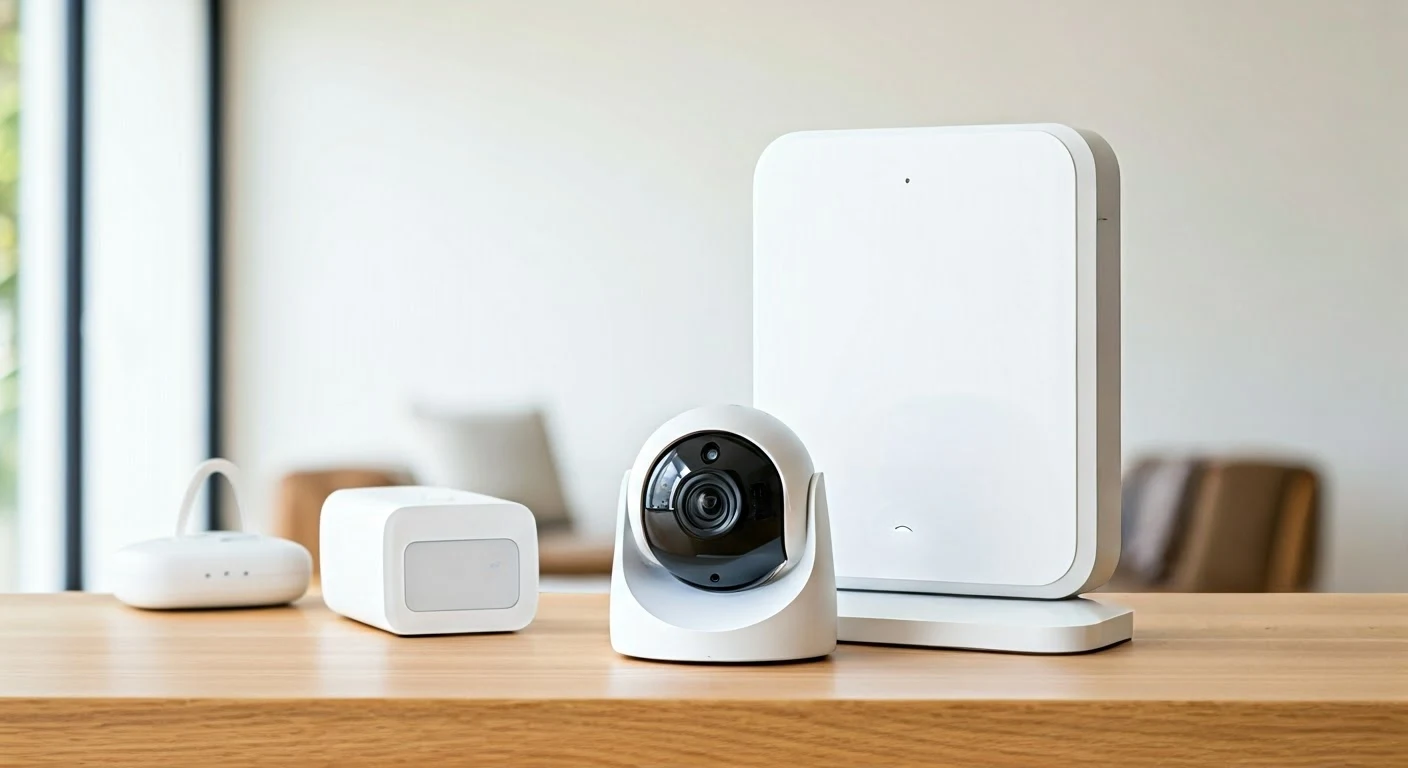
Tired of constant worry and the feeling of being disconnected from your home? Discover how smart home monitoring systems offer unparalleled peace of mind, security, and convenience, transforming your living space into an intelligent, responsive environment. Simplify your life today.
What Exactly Are Smart Home Monitoring Systems?
Smart home monitoring systems are integrated networks of devices designed to observe, report on, and often control various aspects of your home environment. Far beyond traditional security alarms, these systems leverage internet connectivity and advanced sensors to provide real-time data and alerts directly to your smartphone or other connected devices. They offer a holistic approach to home management, encompassing security, safety, energy efficiency, and overall convenience. In 2025, the market for smart home technology, including monitoring systems, is projected to reach over $150 billion globally, demonstrating its growing importance in modern living. These systems are built to simplify complex tasks, automate routines, and provide an unprecedented level of awareness and control over your living space, ultimately allowing you to focus on what truly matters.
The Core Components of a Smart Monitoring Setup
A robust smart home monitoring system is typically comprised of several key components that work in concert to provide comprehensive oversight. Understanding these elements is crucial for designing a system that meets your specific needs and budget.
Smart Hub or Gateway
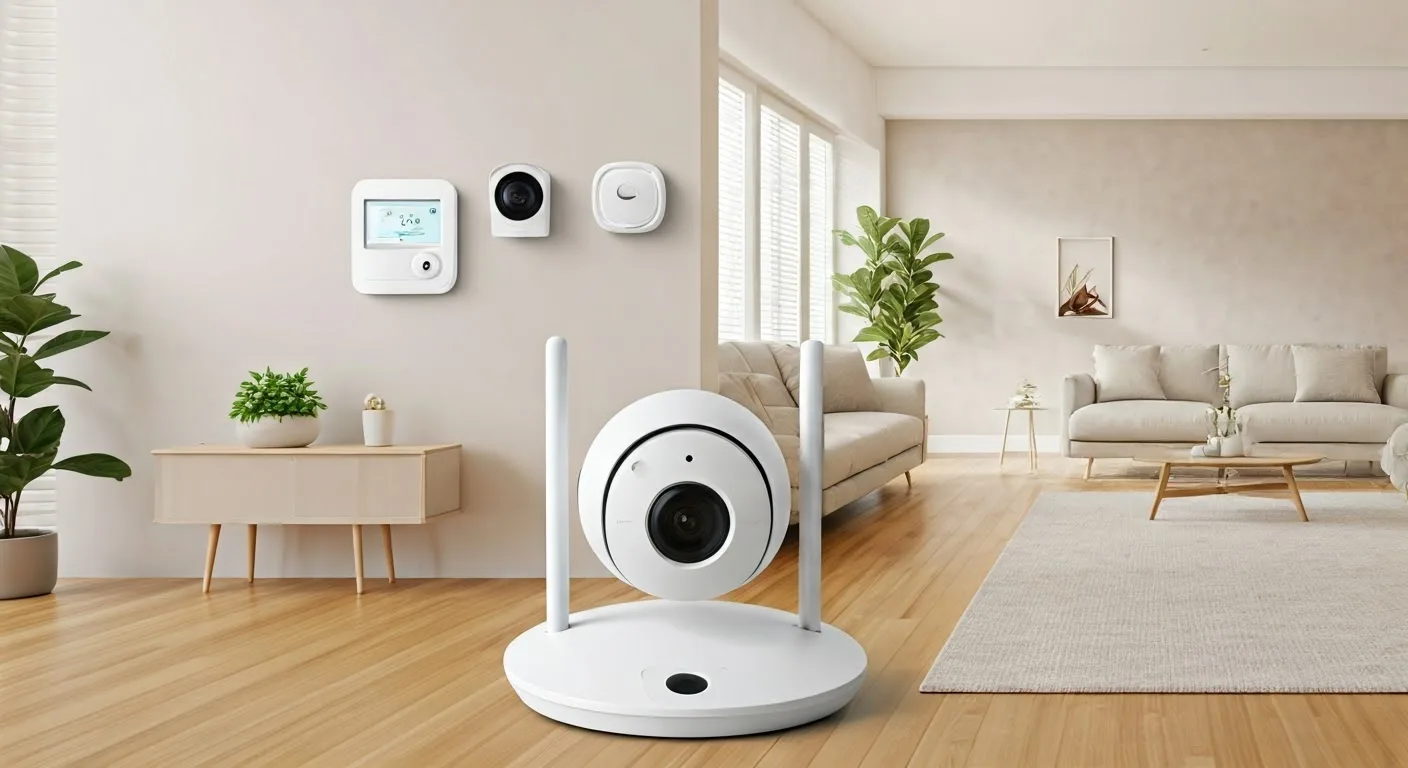
The smart hub, often referred to as a gateway, is the central brain of your smart home monitoring system. It acts as a translator, allowing different devices, which may use various communication protocols (like Wi-Fi, Zigbee, or Z-Wave), to communicate with each other and with your home network. The hub connects to your internet router and relays information from sensors and devices to your smartphone app. For 2025, hubs are increasingly incorporating AI capabilities for more intelligent automation and anomaly detection.
Sensors
Sensors are the eyes and ears of your smart home monitoring system. They detect changes in the environment and send data to the hub. Common types include:
- Motion Sensors: Detect movement within a designated area, useful for security and automating lights.
- Door/Window Sensors: Alert you when a door or window is opened or closed.
- Environmental Sensors: Monitor temperature, humidity, and air quality.
- Water Leak Sensors: Detect the presence of water, preventing costly damage.
- Smoke and Carbon Monoxide Detectors: Smart versions provide instant alerts to your phone, even when you're away.
- Glass Break Sensors: Detect the sound frequency of breaking glass.
Smart Cameras
Smart cameras provide visual monitoring of your home, both indoors and outdoors. They offer features like high-definition video, night vision, motion-activated recording, two-way audio, and cloud storage for recorded footage. Many 2025 models include advanced AI for person detection, package detection, and facial recognition, reducing false alarms. Indoor cameras can help you keep an eye on pets or children, while outdoor cameras deter potential intruders and provide evidence if an incident occurs. Some advanced systems even integrate with smart doorbells for a complete entry point monitoring solution.
Smart Locks
Smart locks replace traditional deadbolts and allow you to lock and unlock your doors remotely via your smartphone. They offer features like keyless entry (using a keypad or app), temporary access codes for guests or service providers, and activity logs that show who entered and when. This significantly enhances security and convenience, eliminating the need for physical keys and providing peace of mind that your doors are secured.
Smart Doorbells
Smart doorbells combine a doorbell with a camera, microphone, and speaker. When someone rings your doorbell, you receive an alert on your smartphone and can see, hear, and speak to the visitor from anywhere. This is invaluable for screening visitors, receiving packages securely, and deterring package theft, a growing concern in 2025. Many integrate seamlessly with smart lock systems for remote door unlocking.
Smart Lighting and Plugs
While not strictly monitoring devices, smart lights and plugs play a vital role in a smart monitoring system. They can be programmed to turn on and off at scheduled times or in response to sensor triggers (e.g., turning on lights when motion is detected). This creates the illusion that someone is home, deterring potential burglars, and can also be used for energy savings. Smart plugs can control any connected appliance, allowing you to remotely turn devices on or off.
Sirens and Alarms
These are the audible deterrents and notification devices within the system. When a sensor is triggered, the hub can activate a loud siren to scare off intruders and alert neighbors. Smart alarms can also be configured to send notifications to designated contacts or professional monitoring services.
Key Benefits That Simplify Your Life
The integration of smart home monitoring systems into daily life offers a multitude of benefits that directly translate to a simpler, more secure, and more efficient existence. These advantages extend beyond mere convenience, providing genuine solutions to common household concerns.
Enhanced Security and Peace of Mind
This is perhaps the most significant benefit. With remote access to cameras, instant alerts for door/window openings, and the ability to remotely lock doors, you gain an unparalleled sense of security. Whether you're at work, on vacation, or just out for the evening, you can always check on your home. Statistics from 2025 indicate a 30% reduction in reported home burglaries in areas with widespread smart security adoption. Knowing your home is protected, and being able to verify it instantly, significantly reduces anxiety.
Remote Access and Control
The ability to manage your home from anywhere via a smartphone app is transformative. You can check if you left a light on, adjust the thermostat, let a delivery person in remotely, or simply see what your pet is up to. This level of control simplifies managing your household, especially for busy individuals or families.
Automation of Daily Tasks
Smart monitoring systems excel at automating routines. Lights can turn on at sunset, doors can lock automatically at bedtime, and thermostats can adjust based on occupancy. This reduces the mental load of remembering these tasks and ensures they are performed consistently. For example, a "goodnight" scene can be programmed to lock all doors, turn off unnecessary lights, and arm the security system with a single voice command or tap on your phone.
Early Detection of Potential Disasters
Beyond security, these systems are crucial for safety. Smart smoke and CO detectors provide immediate alerts to your phone, allowing for quicker evacuation. Water leak sensors can detect a burst pipe or overflowing sink within minutes, preventing catastrophic water damage. This proactive detection can save immense stress, time, and money. In 2025, insurance companies are beginning to offer discounts for homes equipped with advanced leak detection systems.
Energy Efficiency and Cost Savings
Smart thermostats learn your habits and adjust temperatures accordingly, saving energy when you're away or asleep. Smart lighting can be programmed to turn off when rooms are unoccupied or during daylight hours. Monitoring systems can also identify energy-draining appliances or devices, helping you make informed decisions about your energy consumption. This contributes to lower utility bills and a more sustainable home.
Convenience for Families and Elderly Care
For families with children, smart cameras offer peace of mind when children are home alone or with a caregiver. For elderly relatives, monitoring systems can provide alerts if they fall or if vital signs (monitored by compatible wearables) are outside normal ranges, allowing for timely intervention. Smart locks also simplify access for family members or caregivers.
Package Delivery Security
With the rise of e-commerce, package theft remains a significant concern. Smart doorbells and cameras allow you to see when a package is delivered and even communicate with the delivery person, or grant temporary access to a trusted individual to retrieve it. This provides a secure solution for receiving your online orders.
Choosing the Right System for Your Needs
Selecting a smart home monitoring system can feel overwhelming given the variety of options. A strategic approach, focusing on your primary needs and desired level of integration, will lead to the best outcome. Consider the following factors:
Assess Your Primary Goals
Are you primarily concerned with security, energy management, convenience, or a combination? If security is paramount, prioritize systems with robust camera options, reliable sensors, and strong alert capabilities. For energy savings, focus on smart thermostats and lighting integration. For general convenience, a system that integrates well with voice assistants and offers broad automation is key.
DIY vs. Professional Installation
Many smart home monitoring systems are designed for DIY installation, often featuring wireless components and user-friendly apps. However, for complex setups or if you prefer professional assistance, many companies offer installation services. Consider your technical comfort level and the complexity of your home.
Wired vs. Wireless Components
Wireless systems offer greater flexibility in placement and are easier to install. However, they rely on battery power and can be susceptible to interference. Wired systems are generally more reliable and don't require battery changes but involve more complex installation and are less flexible.
Compatibility and Ecosystem Integration
If you already have smart devices (e.g., Amazon Echo, Google Home, Apple HomeKit), ensure the new monitoring system is compatible. Look for systems that support major smart home platforms and protocols like Matter, which is gaining traction in 2025 for seamless interoperability. This allows for unified control and more sophisticated automation scenarios.
Subscription Services and Monitoring Fees
Many systems offer optional professional monitoring services for a monthly fee. This means a live team will respond to alerts and dispatch emergency services if needed. Cloud storage for camera footage also often requires a subscription. Evaluate whether these services align with your budget and security needs. For 2025, tiered subscription models are common, offering varying levels of storage and features.
Scalability and Future Expansion
Choose a system that can grow with your needs. Can you easily add more sensors, cameras, or other smart devices later? A scalable system prevents you from having to replace your entire setup if your requirements change.
User Reviews and Brand Reputation
Research customer reviews and the reputation of different brands. Look for companies with a track record of reliable products, good customer support, and regular software updates. Websites specializing in smart home technology often provide detailed comparisons and reviews for 2025 models.
Budget Considerations
Smart home monitoring systems range from a few hundred dollars for a basic starter kit to several thousand for a comprehensive, professionally installed system. Determine your budget upfront and prioritize the features that offer the most value to you.
A comparison of popular system types:
| System Type | Pros | Cons | Best For |
|---|---|---|---|
| All-in-One DIY Systems (e.g., Ring Alarm, SimpliSafe) |
Easy to install, affordable, good range of sensors, optional professional monitoring. | May have fewer advanced customization options, reliance on proprietary ecosystems. | Homeowners seeking straightforward security and basic monitoring. |
| Integrated Smart Home Platforms (e.g., Google Nest, Amazon Alexa with compatible devices) |
Seamless integration with existing smart assistants, broad device compatibility, voice control. | Security features might be less robust than dedicated systems, often requires purchasing multiple compatible devices. | Users already invested in a specific smart home ecosystem. |
| Professional Security Systems with Smart Features (e.g., ADT, Vivint) |
Comprehensive security, professional installation and monitoring, advanced features. | Higher upfront cost, monthly fees, less flexibility for DIY customization. | Homeowners prioritizing top-tier security and professional support. |
| Modular/Open-Source Systems (e.g., Home Assistant with compatible sensors) |
Ultimate customization, local control, no mandatory fees, broad device support. | Requires significant technical expertise, time investment for setup and maintenance. | Tech-savvy users seeking complete control and privacy. |
Installation and Setup: A Simplified Approach
The perceived complexity of setting up a smart home monitoring system often deters potential users. However, manufacturers have significantly streamlined the process, making it accessible even for those with minimal technical experience. Here’s a general guide to a simplified setup:
Step 1: Unboxing and Inventory
Carefully unpack your system components. Check the user manual to ensure all listed items are present. Familiarize yourself with each device – the hub, sensors, cameras, etc.
Step 2: Hub Placement and Connection
Place the smart hub in a central location in your home, ideally near your Wi-Fi router. Connect the hub to your router using an Ethernet cable (if required) and plug it into a power source. Follow the app's instructions to connect the hub to your home Wi-Fi network. This is usually done by scanning a QR code on the hub or entering a serial number.
Step 3: Downloading and Configuring the App
Download the system’s dedicated mobile app from your device’s app store (iOS or Android). Create an account or log in. The app will guide you through the initial setup of your hub and account.
Step 4: Pairing Sensors and Devices
This is typically the most involved step, but apps make it straightforward. For each sensor (door/window, motion, etc.), you'll usually need to activate it (e.g., pull a battery tab) and then use the app to "add" or "pair" the device. The app will often prompt you to press a button on the sensor or scan a QR code. Name each sensor descriptively (e.g., "Front Door Sensor," "Living Room Motion"). For smart cameras, follow similar pairing instructions, often involving connecting them to your Wi-Fi network through the app.
Step 5: Mounting Devices
Once paired, mount your sensors and cameras in their intended locations. Door/window sensors are typically attached with adhesive strips. Motion sensors can be placed on shelves or mounted on walls. Cameras can be placed on surfaces or mounted using provided brackets. Ensure you position motion sensors to cover desired areas and cameras for optimal viewing angles. For outdoor devices, ensure they are weather-resistant and securely mounted.
Step 6: Configuring Settings and Alerts
Within the app, you can customize various settings. This includes:
- Arming/Disarming Modes: Set up "Home," "Away," and "Night" modes, defining which sensors are active in each.
- Notification Preferences: Choose how you want to receive alerts (push notifications, email, SMS) and for which events.
- Automation Rules: Set up rules like "If motion detected in the backyard after 10 PM, turn on the floodlight."
- User Access: Grant access to other family members or trusted individuals.
Step 7: Testing the System
Thoroughly test every component. Open doors and windows to trigger sensors, walk in front of motion detectors, and check camera feeds. Ensure you receive alerts as expected. If you opted for professional monitoring, inform them you are testing the system to avoid unnecessary dispatch.
Tip for 2025: Many newer systems offer augmented reality (AR) features within their apps to help visualize sensor placement or camera angles, further simplifying the DIY process.
Integrating with Your Existing Smart Home Ecosystem
The true power of smart home monitoring systems is amplified when they work harmoniously with other smart devices in your home. This creates a more intelligent, responsive, and convenient living environment. Integration can range from simple voice commands to complex automated routines.
Voice Assistants (Amazon Alexa, Google Assistant, Apple Siri)
Most modern smart monitoring systems are designed to be compatible with major voice assistants. This allows you to:
- Arm or disarm your system with a voice command (often requiring a spoken PIN for security).
- Check the status of sensors (e.g., "Hey Google, is the front door locked?").
- View camera feeds on compatible smart displays (e.g., "Alexa, show me the living room camera").
- Trigger scenes or routines that involve monitoring devices.
Ensure your chosen system explicitly states compatibility with your preferred voice assistant. The advent of standards like Matter in 2025 is making this integration even more seamless across different brands.
Smart Lighting
Connect your smart lights to your monitoring system for enhanced security and convenience:
- Deterrence: Program lights to turn on automatically when motion is detected outdoors at night, or when the alarm is triggered.
- Welcome Home: Have lights turn on when you disarm the system or unlock the front door.
- Simulated Occupancy: Schedule lights to turn on and off randomly when you're away, making it appear as though someone is home.
Smart Thermostats
Integrate your smart thermostat for energy savings and comfort:
- Occupancy-Based Adjustments: If your monitoring system has occupancy sensors or can detect if doors/windows are open, it can signal your thermostat to adjust the temperature accordingly.
- Away Mode Sync: When you arm your system in "Away" mode, it can automatically set your thermostat to an energy-saving temperature.
- Alerts: Receive alerts if extreme temperature fluctuations are detected, potentially indicating a problem with your HVAC system or a window left open.
Smart Plugs and Appliances
Use smart plugs to control non-smart devices as part of your monitoring routines:
- Appliance Monitoring: Turn off non-essential appliances remotely to save energy.
- Security Integration: Have a fan or radio turn on when the alarm is triggered to create noise and deter intruders.
- Safety: Ensure curling irons or other heat-producing appliances are turned off when you leave the house.
Smart Locks and Doorbells
These are often core components of monitoring systems but can also integrate with broader smart home setups:
- Automated Locking: Have your doors automatically lock when your system is armed in "Away" mode.
- Access Control: Grant temporary access codes via your smart lock app that can be linked to specific events or times.
- Visitor Management: Use your smart doorbell to see who is at the door and, if integrated with a smart lock, grant them access remotely.
Home Automation Platforms (IFTTT, Home Assistant)
For advanced users, platforms like IFTTT (If This Then That) or open-source solutions like Home Assistant offer unparalleled integration capabilities. These allow you to create custom "applets" or "automations" that link devices and services from different manufacturers in complex ways. For example, you could create an automation where if your water leak sensor detects moisture, your smart main water shut-off valve automatically closes, and you receive a notification on all family members' phones.
Key takeaway for 2025: The trend is towards more open standards and easier integration. Look for devices that support Matter, as this protocol is designed to simplify cross-platform compatibility, making it easier to build a truly unified smart home experience.
Advanced Features and Future Trends (2025-26)
The smart home monitoring landscape is constantly evolving, with new technologies and features emerging to enhance security, convenience, and intelligence. Here's a look at what's current and what to expect in 2025-26:
AI-Powered Analytics and Predictive Capabilities
Artificial intelligence is becoming increasingly sophisticated in smart home monitoring. Expect systems in 2025 to:
- Advanced Anomaly Detection: AI can learn your home's normal patterns (e.g., typical times for doors to open, usual activity levels) and alert you to unusual deviations that might indicate a problem, even if no specific sensor is triggered.
- Smarter Alerts: AI will further reduce false alarms by distinguishing between pets, people, vehicles, and general motion with higher accuracy. Package detection is becoming standard.
- Predictive Maintenance: Systems may begin to predict potential issues with home infrastructure, such as early signs of HVAC failure or plumbing problems, based on sensor data.
Enhanced Privacy and Local Processing
With growing concerns about data privacy, there's a strong push towards local processing of data. Many advanced systems in 2025 will offer options for:
- On-Device AI: Processing camera feeds and sensor data directly on the hub or camera itself, rather than sending everything to the cloud.
- Encrypted Communication: Robust end-to-end encryption for all data transmitted between devices and the cloud.
- User Control over Data: Greater transparency and control over how your data is collected, stored, and used.
Seamless Interoperability with Matter
The Matter standard, which gained significant traction in 2024, is set to become a cornerstone of smart home integration by 2025-26. This protocol aims to unify smart home devices, allowing products from different manufacturers to communicate effortlessly. This means your smart lock from one brand can work seamlessly with your security camera from another, all controlled through a single app or voice assistant.
Biometric Authentication
Beyond PIN codes, expect more systems to incorporate biometric authentication for arming/disarming or granting access. This could include fingerprint scanners integrated into smart locks or facial recognition via cameras, offering an added layer of security and convenience.
Energy Management Integration
Smart monitoring systems will become even more integral to home energy management. Future systems will likely offer deeper insights into energy consumption patterns and provide more proactive recommendations for optimization, potentially integrating with smart grids for demand-response programs.
Drone and Robot Integration (Emerging)
While still in early stages for consumer markets, the concept of drones or small robots for property inspection or security patrols is being explored. Imagine a small drone that can be dispatched to investigate an alert in your backyard, providing a live video feed. This is more of a long-term trend but could see early niche applications by 2026.
Advanced Environmental Monitoring
Beyond basic temperature and humidity, expect more sophisticated environmental sensors to become commonplace. This includes sensors for:
- Air Quality: Detecting VOCs (Volatile Organic Compounds), PM2.5 particles, and other pollutants.
- Radon Gas: Early detection of this invisible, odorless radioactive gas.
- Pest Detection: Emerging technologies may even offer early warnings for common household pests.
These advancements promise to make smart home monitoring systems even more powerful, intuitive, and indispensable tools for simplifying and securing our lives.
Real-World Scenarios and Success Stories
To truly appreciate the impact of smart home monitoring systems, let's explore some common scenarios and how they simplify lives:
Scenario 1: The Busy Professional
The Challenge: Sarah works long hours and often leaves home in a rush. She worries about whether she locked the doors or turned off the oven. She also wants to ensure her dog, Buster, is comfortable while she's away.
The Solution: Sarah's smart home monitoring system includes smart locks, door/window sensors, a smart oven with remote control, and an indoor camera with two-way audio. Her smart doorbell also alerts her to any deliveries.
The Simplified Life: Before leaving, she uses her app to confirm all doors are locked and the oven is off. If she forgets, she can lock them remotely. When Buster barks excessively, she checks the camera, sees he's just bored, and uses the two-way audio to tell him to settle down. She receives notifications for all deliveries, ensuring packages are not left unattended. This peace of mind allows her to focus on her work without constant worry.
Scenario 2: The Family with Young Children
The Challenge: Mark and Emily have two young children and a nanny. They want to ensure the children are safe when they're not home and want to monitor the nanny's interactions.
The Solution: Their system features indoor cameras in common areas, smart locks on exterior doors, and smart smoke/CO detectors.
The Simplified Life: Mark and Emily can discreetly check on the children during the day via the camera feeds, seeing them play or nap. They receive instant alerts if smoke or CO is detected, ensuring immediate action. The smart locks provide an activity log, showing when the nanny arrives and leaves, and they can remotely lock the doors after the nanny departs if needed. This provides transparency and security for their children's well-being.
Scenario 3: The Vacation Home Owner
The Challenge: David owns a vacation home in a different state. He worries about potential break-ins, water leaks during the winter, and power outages.
The Solution: David's system includes outdoor cameras, door/window sensors, water leak sensors in the basement and bathrooms, and smart plugs connected to essential appliances and lights.
The Simplified Life: He receives alerts if any doors or windows are opened while the house is vacant. The water leak sensors are critical; if a pipe bursts, he's notified immediately, allowing him to contact a local maintenance person to shut off the water, preventing extensive damage. Smart plugs connected to a small heater and lights can be controlled remotely to maintain a minimum temperature and simulate occupancy, deterring potential vandals. This proactive monitoring saves him costly repairs and the stress of unexpected issues.
Scenario 4: The Elderly Individual Living Alone
The Challenge: Eleanor, 82, lives alone and wants to maintain her independence but her family is concerned about her safety, especially in case of a fall or medical emergency.
The Solution: Eleanor's setup includes a wearable medical alert device that can trigger an alarm, motion sensors in key areas (living room, kitchen, bathroom), and a smart doorbell.
The Simplified Life: If Eleanor falls and cannot reach her wearable device, the motion sensors can detect prolonged inactivity or an unusual position, triggering an alert to her family or a monitoring service. The smart doorbell allows her to see and speak to visitors without having to approach the door, enhancing her safety and convenience. Her family gains peace of mind knowing she has an added layer of support, allowing her to live independently with greater security.
These scenarios highlight how smart home monitoring systems are not just about technology; they are about providing practical solutions that reduce stress, enhance safety, and ultimately, simplify everyday life for a wide range of individuals and families.
Success Story Snippet (2025): A recent report from ahome securityt home security provider noted that 70% of their customers reported feeling "significantly more secure" after installing their system, with 45% citing reduced anxiety as the primary benefit. Furthermore, 20% of users reported that their system helped prevent a potential disaster (like a water leak or fire) before it escalated.
Conclusion
Embracing smart home monitoring systems in 2025 and beyond is no longer a luxury but a strategic choice for simplifying and securing your life. These intelligent networks offer unparalleled peace of mind through enhanced security, remote access, and proactive safety measures, effectively transforming your house into a responsive, secure haven. From deterring intruders and detecting hazards early to automating daily routines and saving energy, the benefits are tangible and far-reaching.
By carefully assessing your needs, understanding the core components, and choosing a system that integrates seamlessly with your lifestyle, you can unlock a new level of convenience and control. Whether you're a busy professional, a parent, a vacation homeowner, or simply seeking greater independence, a smart monitoring system provides the tools to manage your home with confidence, no matter where you are. Take the step towards a simpler, safer, and more connected living experience.